EN
 DE


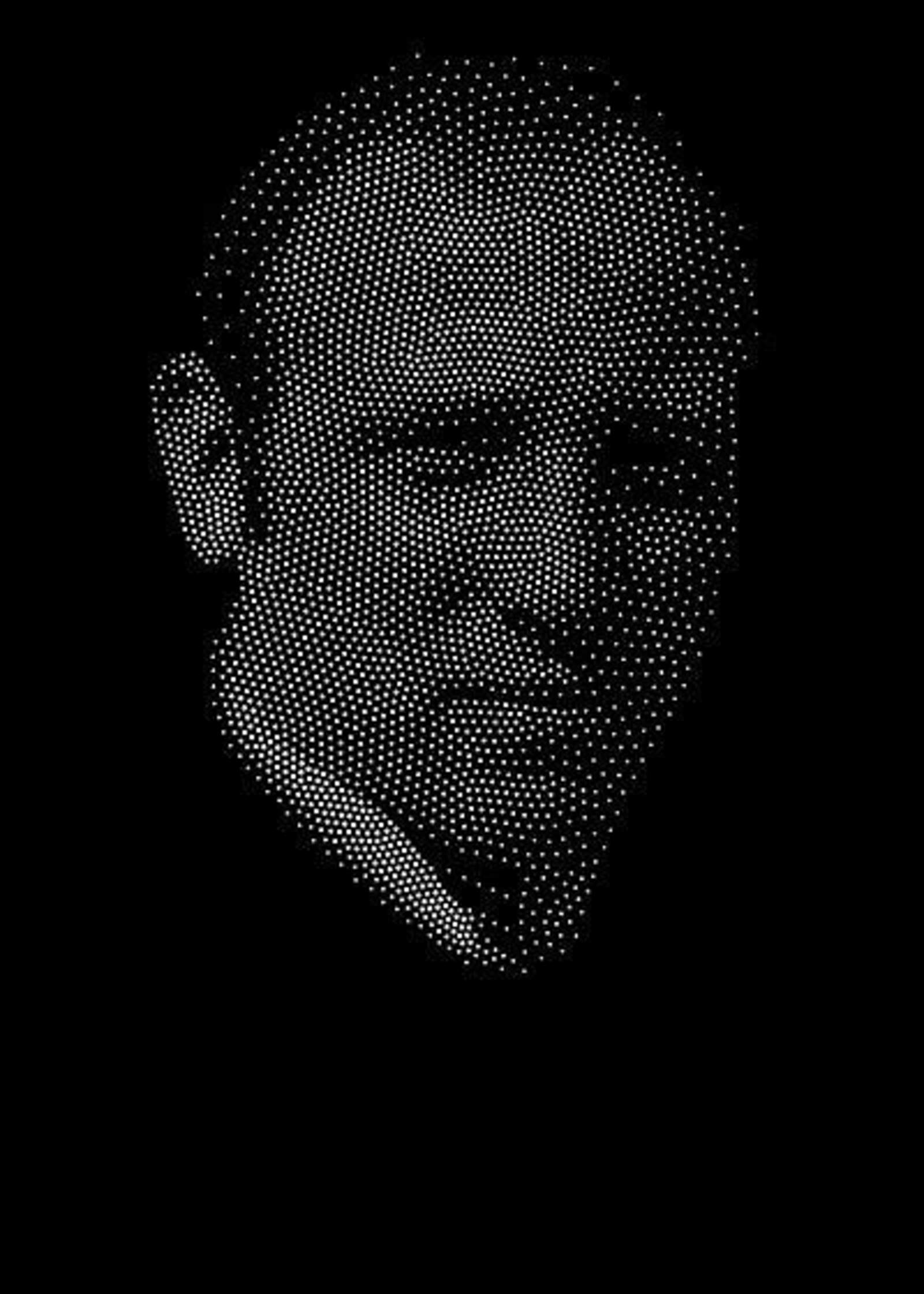
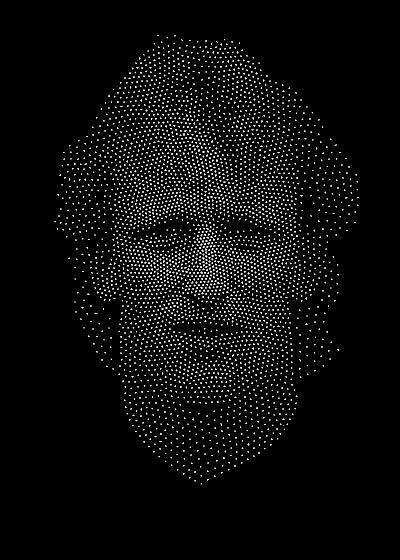
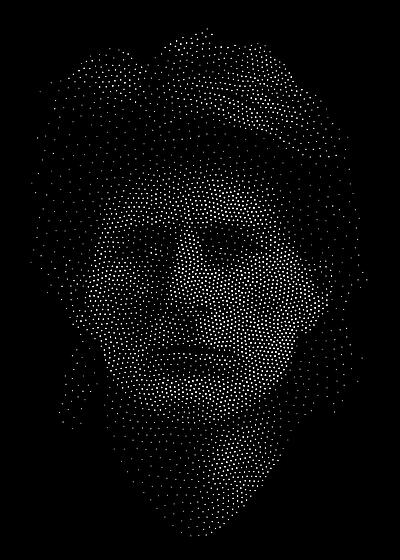
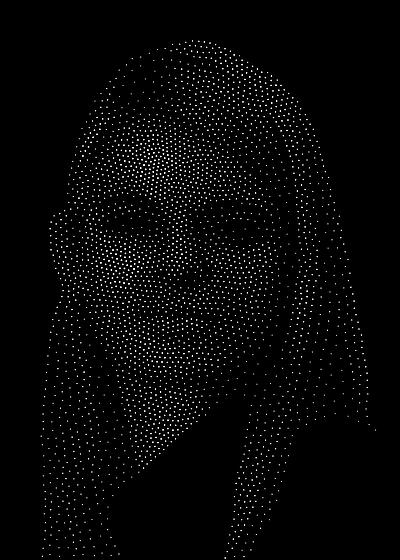
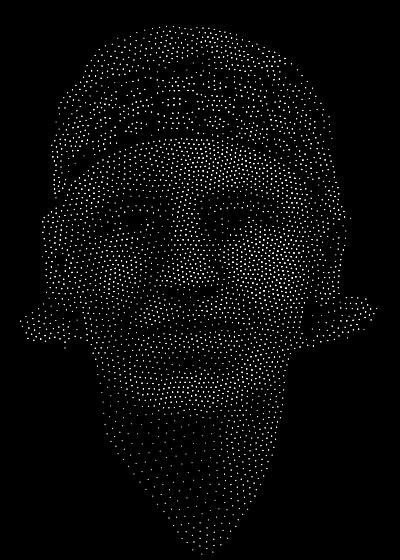
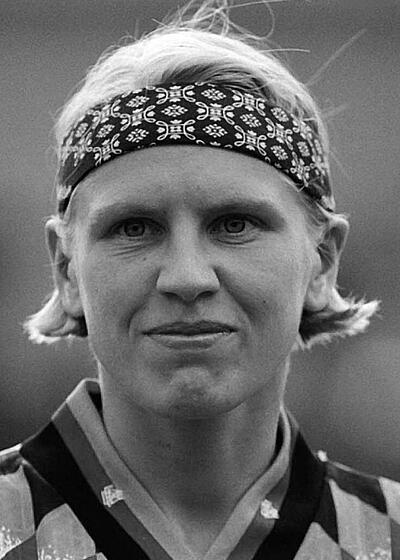
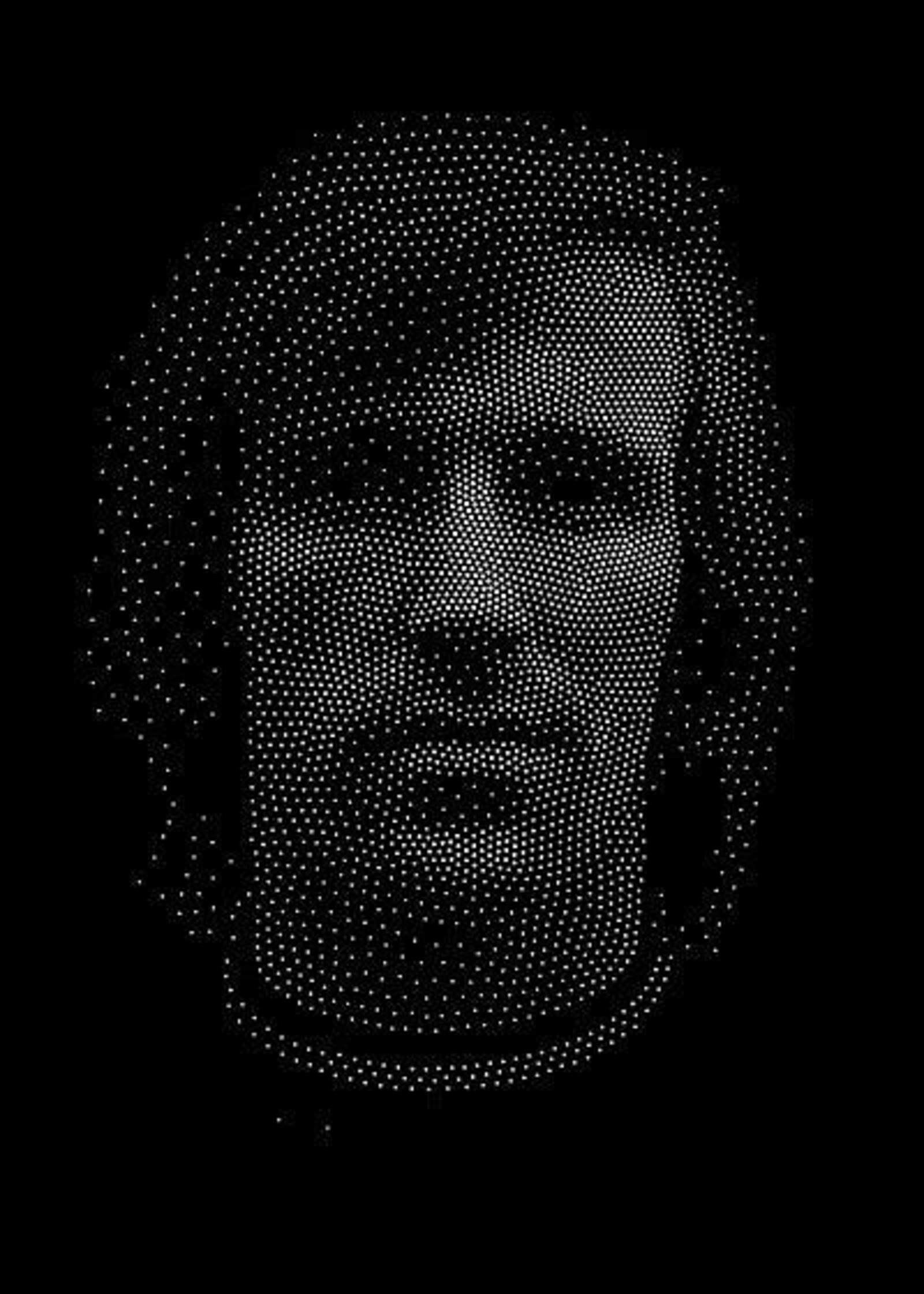
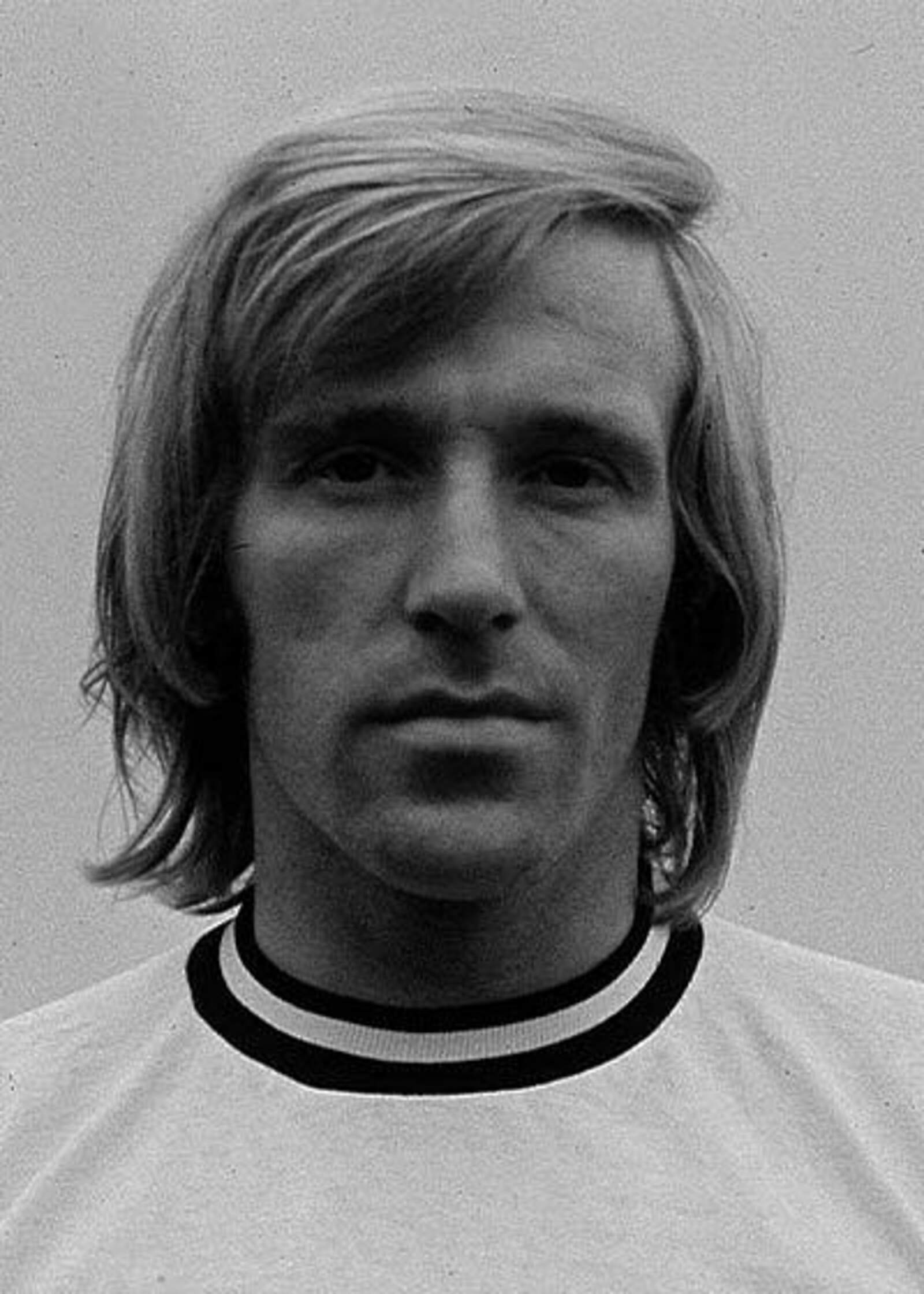
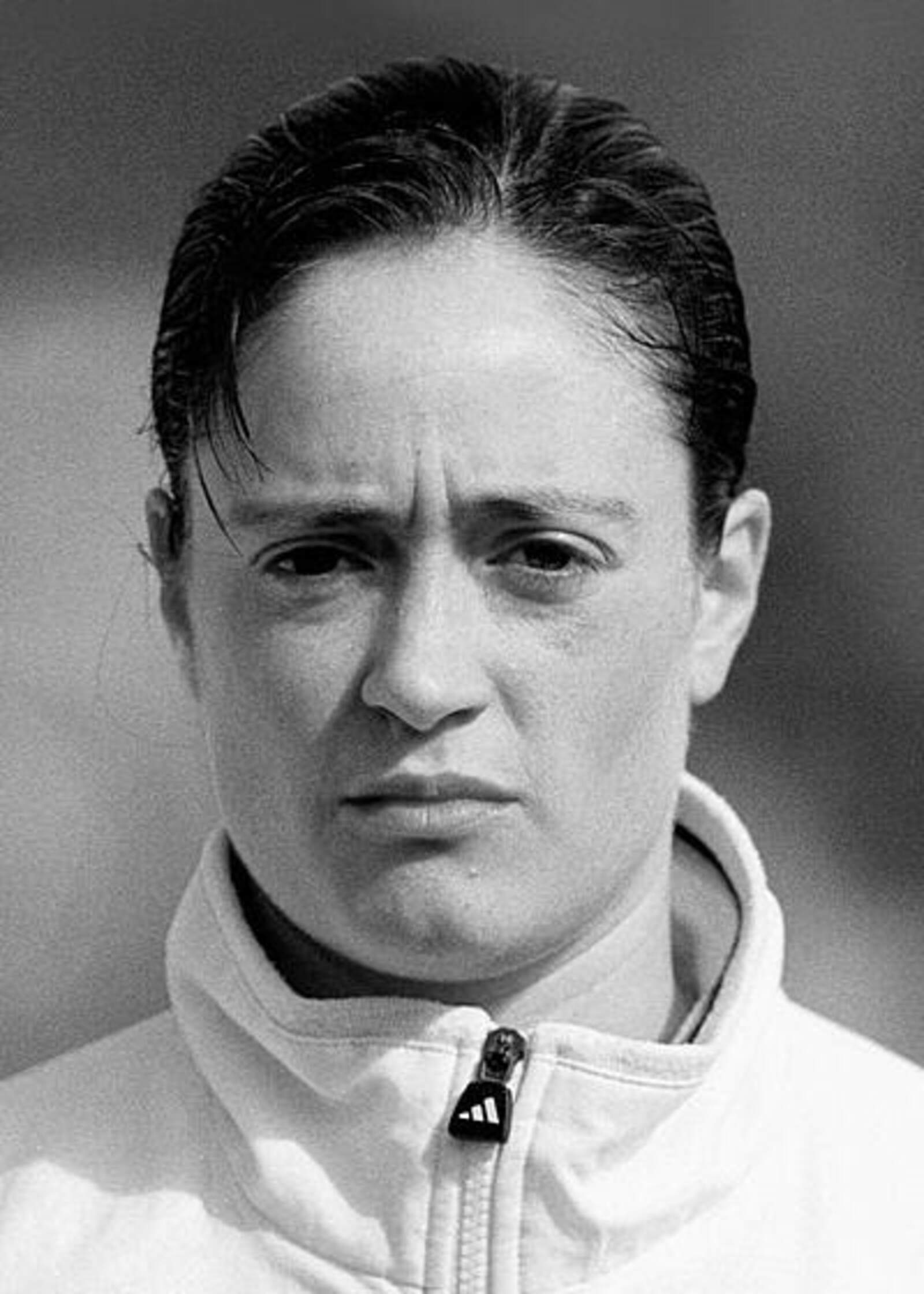
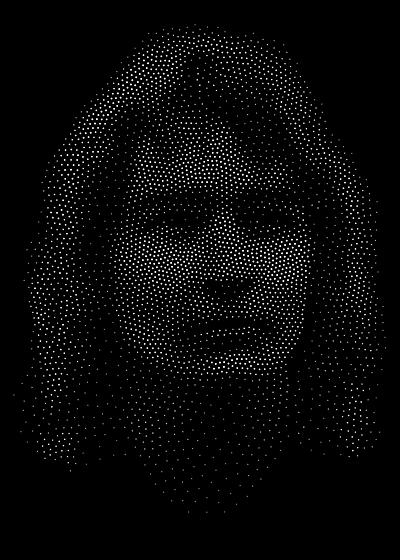
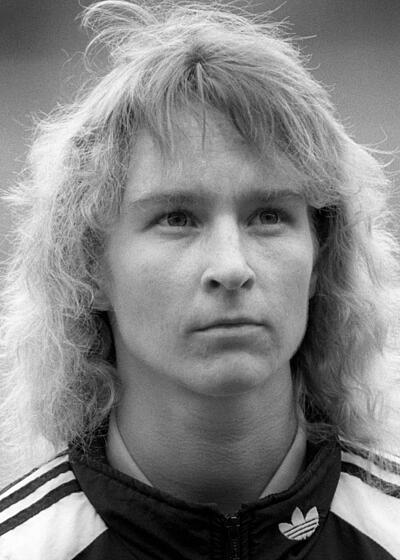
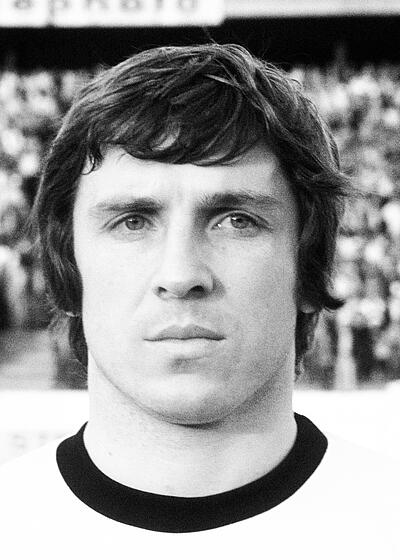
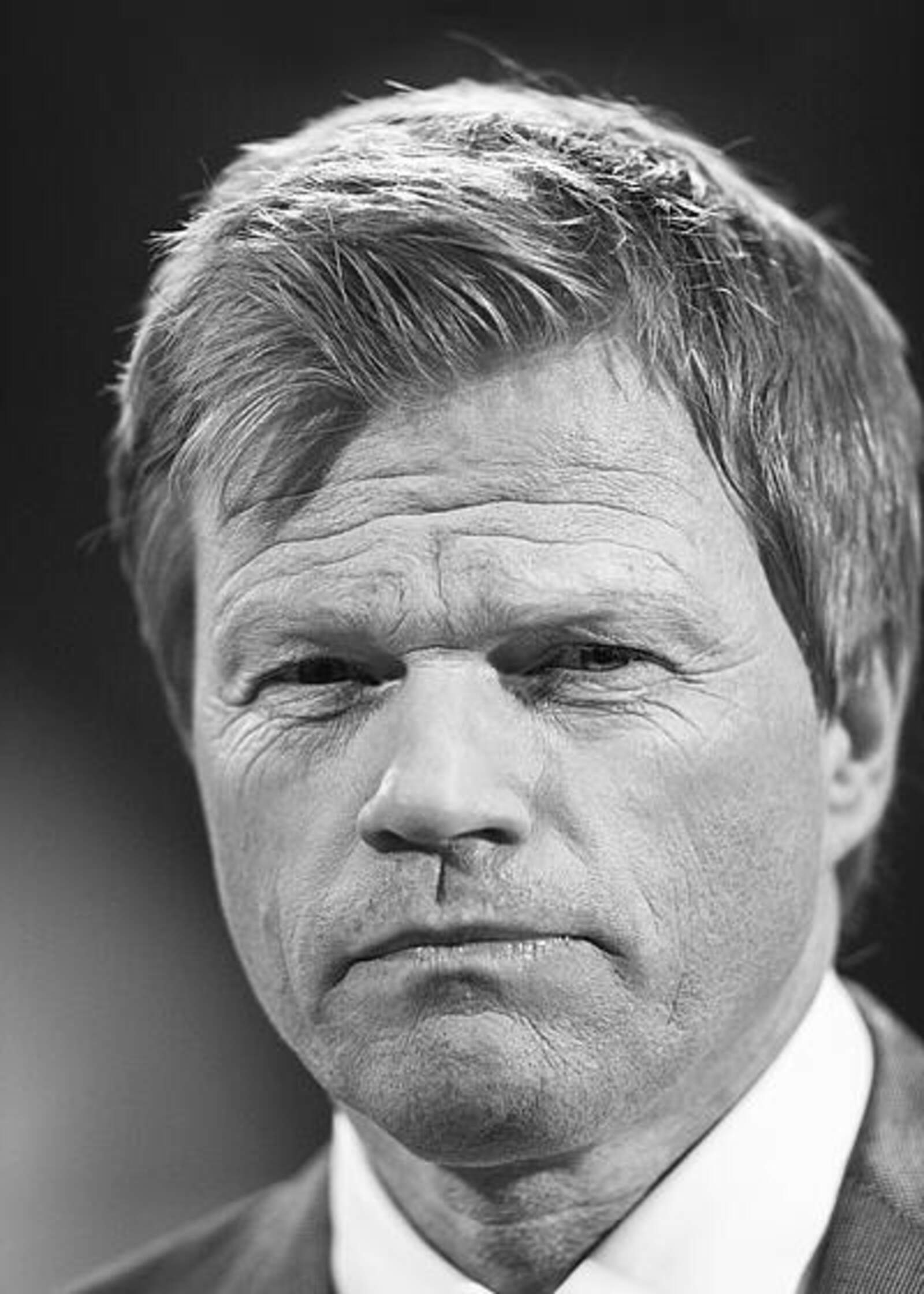
Silke Rottenberg
25 January 1972, Euskirchen
Tor
Clubs as a player:
1987 VfL Euskirchen
1988–1991 SV Grün-Weiß Brauweiler
1991–1996 TSV Siegen
1996–2000 Sportfreunde Siegen
2003–2006 FCR 2001 Duisburg
2006–2008 1. FFC Frankfurt
Honours:
German Champion: 1994, 1996, 2007, 2008
; DFB Cup winner: 1991, 1993, 2007, 2008
UEFA Women’s Cup winner: 2008
National team:
126 appearances
World Champion: 2003, 2007
European Champion: 1997, 2001, 2005
Olympic bronze medallist: 2000, 2004
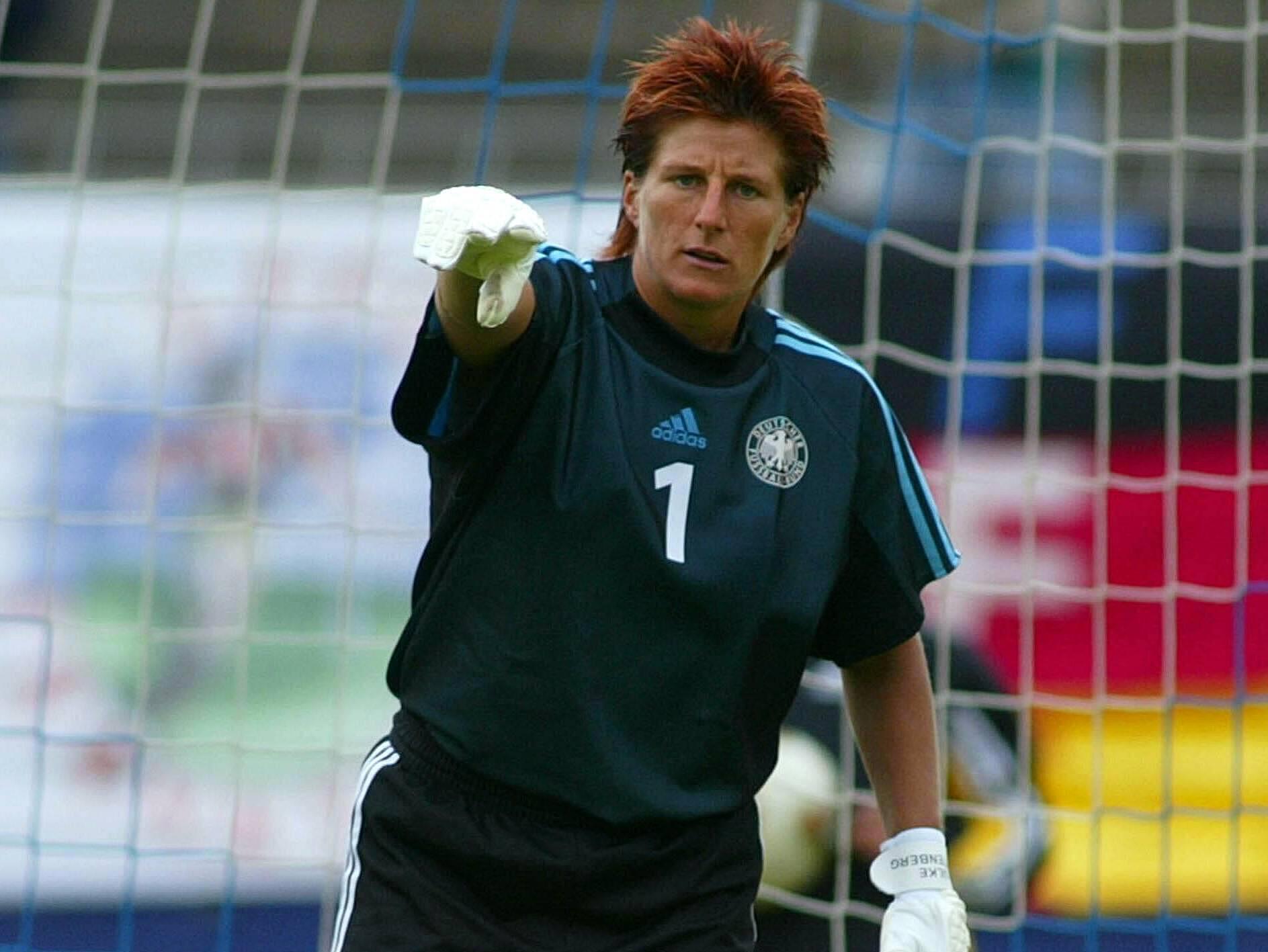


Blessed with fundamental attributes such as presence, quick reflexes and jumping ability, Silke Rottenberg took the game to new heights in her position, despite having taken up the sport relatively late in life. It was not until the age of 16 that she made the switch from outfield player to goalkeeper. The way she dealt with one-on-one situations from then on, the way she commanded her penalty area and simply saved shots – this had rarely been seen in women’s football up to that point. With her cat-like movements, magnificent flying saves and her confidence with the ball in her hands and at her feet, she was ahead of her time.
In this way, she became a key figure in the team’s success – both at club level and for the national team, for whom she made her debut in 1993 and with whom she would remain for 15 years. Here she was in constant competition with the equally formidable Nadine Angerer, who, however, had to be patient before she could succeed the three-time European champion and 2003 World Cup winner as the national team’s number one. Following a cruciate ligament tear, Rottenberg lost her long-standing place in the starting line-up ahead of the 2007 World Cup, but not her great fighting spirit. Despite the serious injury, she still managed to make the World Cup squad and, with great team spirit – even if she didn’t play – contributed to the defence of the World Cup title.
Hall of Fame
The German Football Hall of Fame was established on the initiative of the German Football Museum. In November 2018 and January 2019, leading sports journalists voted to select the inaugural men’s and women’s teams. The jury members were asked to nominate their choice of players and managers from German men’s and women’s football. Players who were eligible to play for German national teams and whose playing careers had ended at least five years previously were eligible for nomination. The HALL OF FAME honours the greatest legends of German football in one central location for the first time. It forms part of the permanent exhibition at the German Football Museum in Dortmund. Opened on 1 April 2019, it has become a permanent place of pilgrimage for all football fans. The jury decides annually on further inductees from men’s and women’s football.