EN
 DE


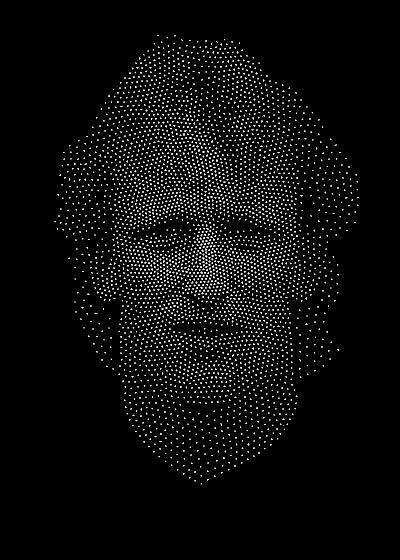
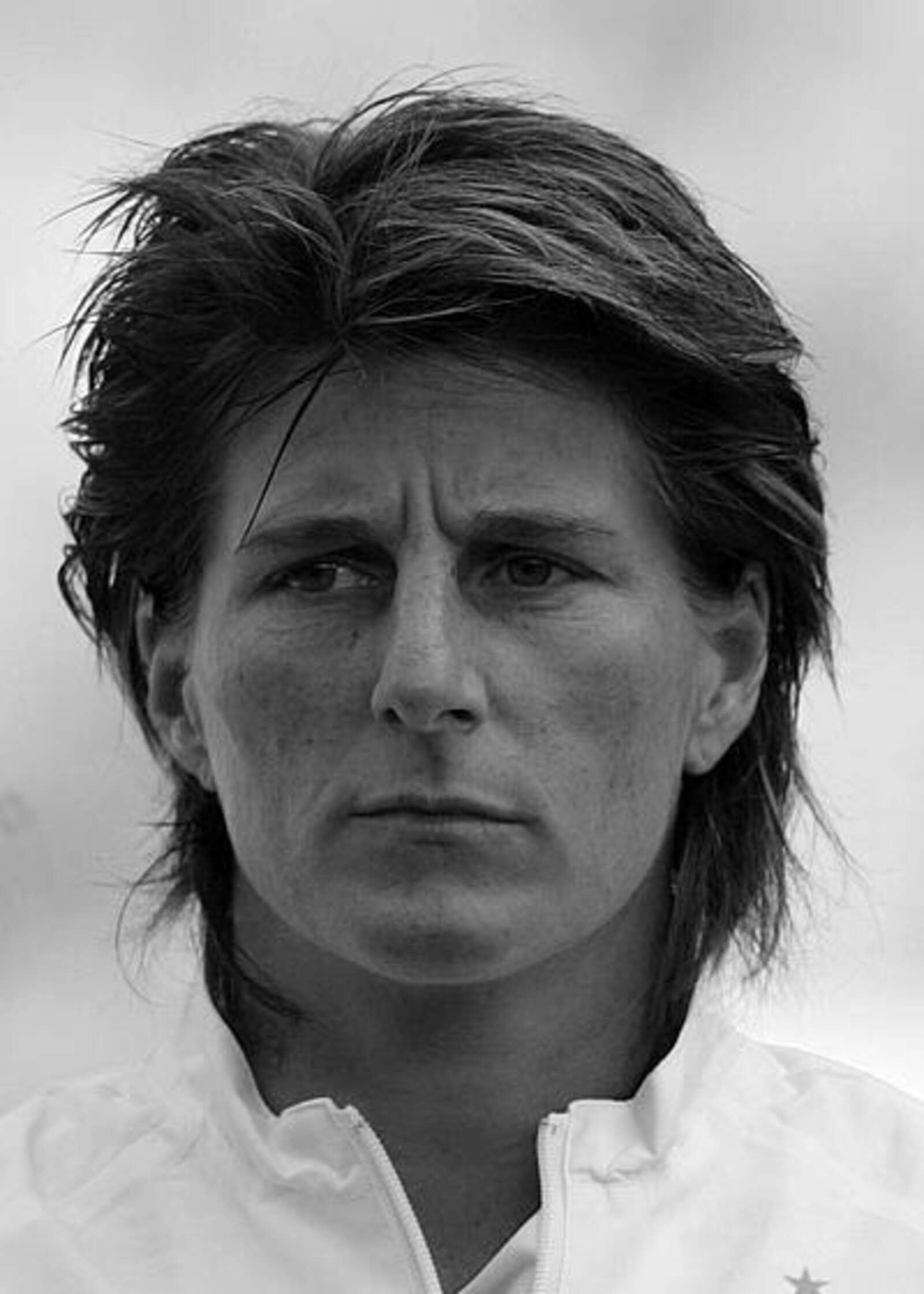
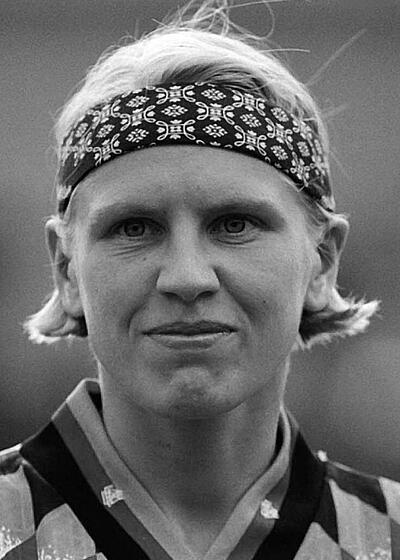
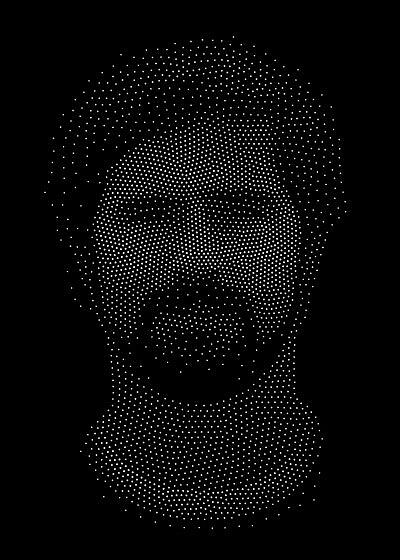
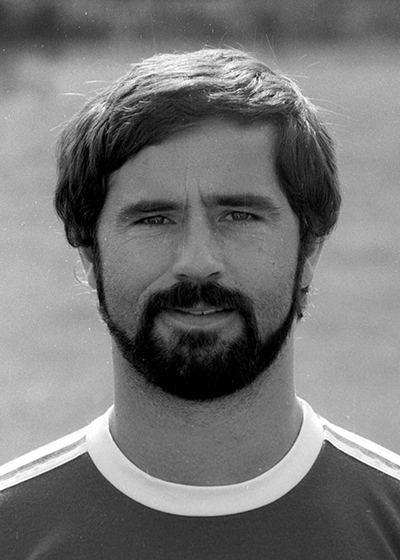
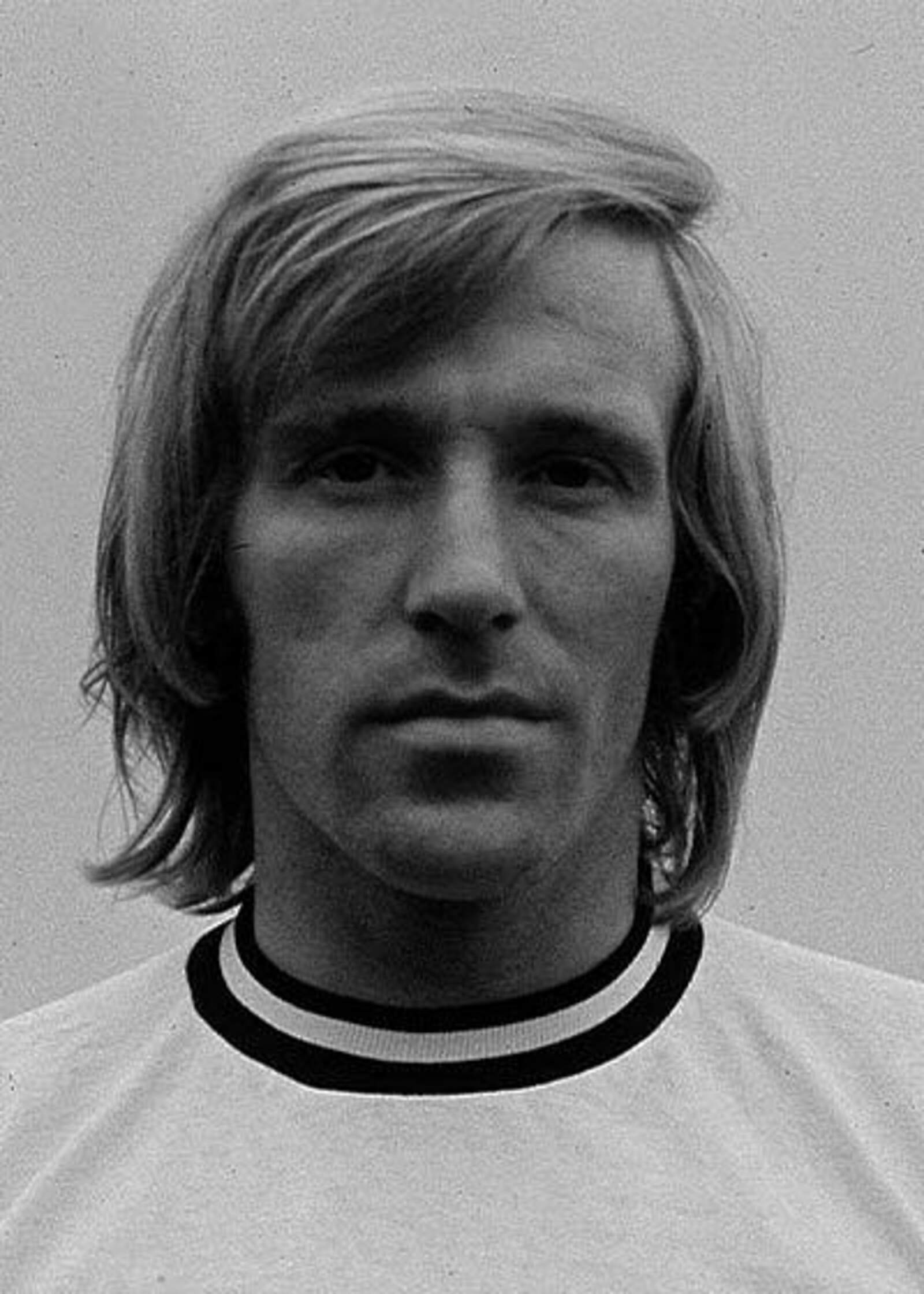
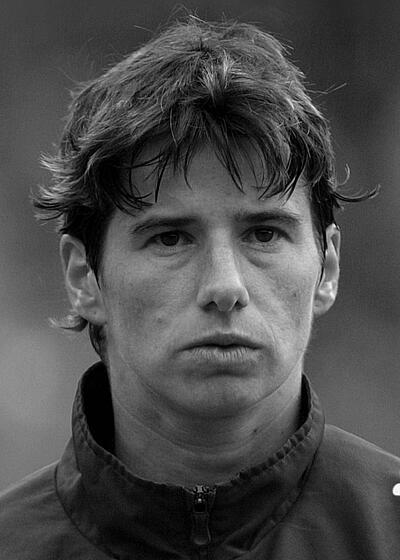
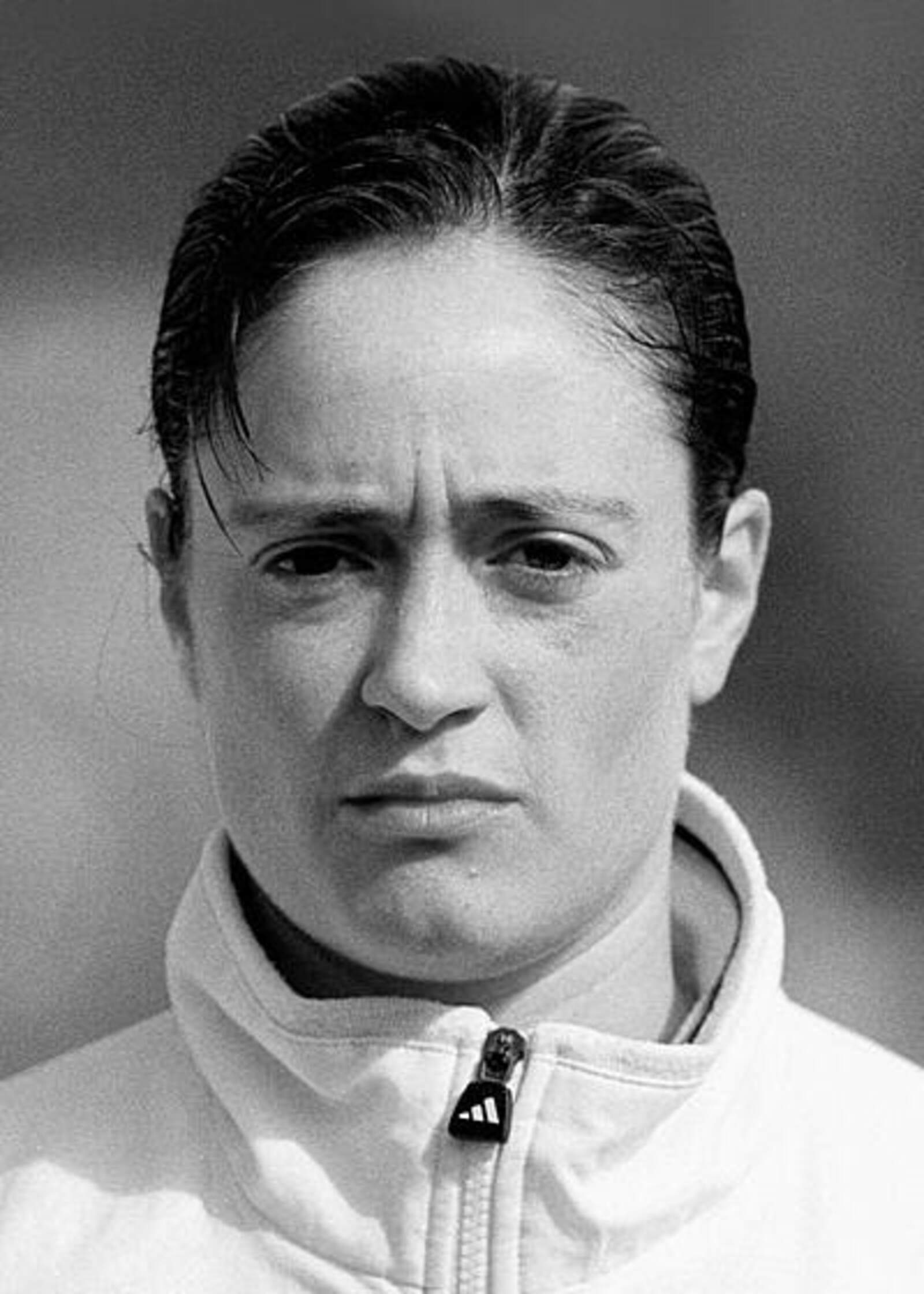
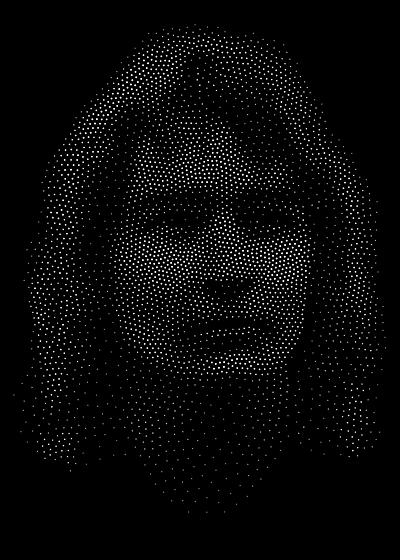
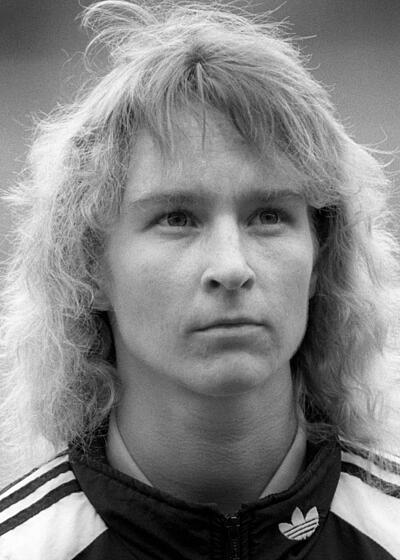
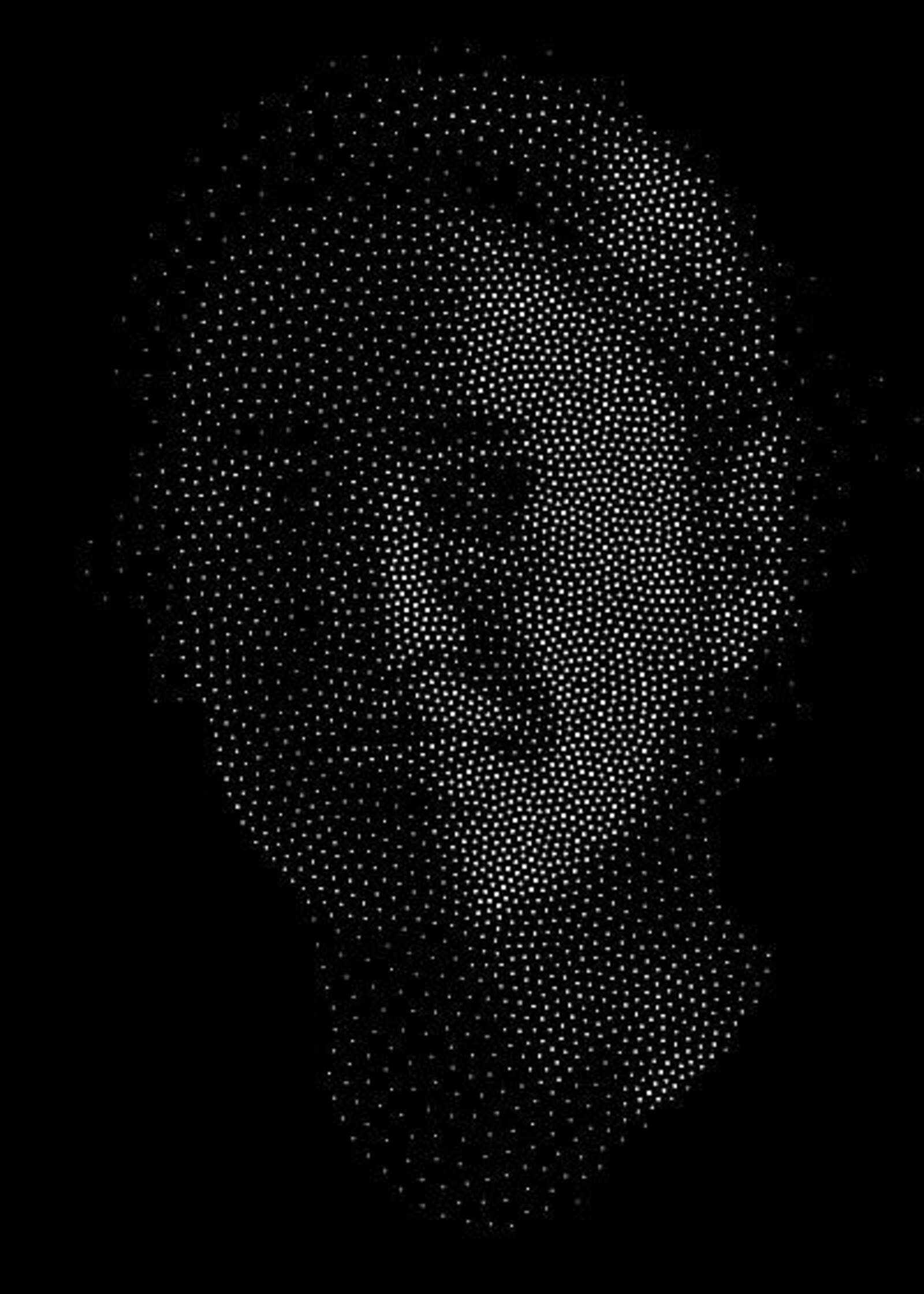
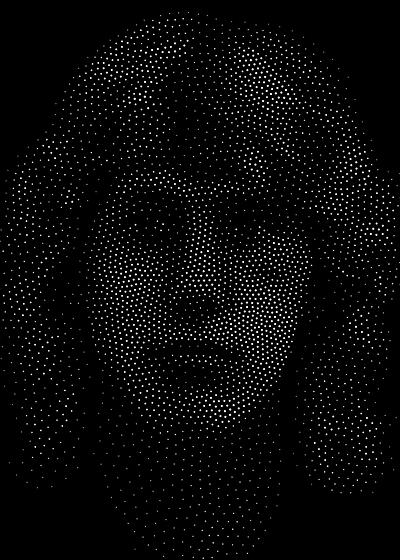
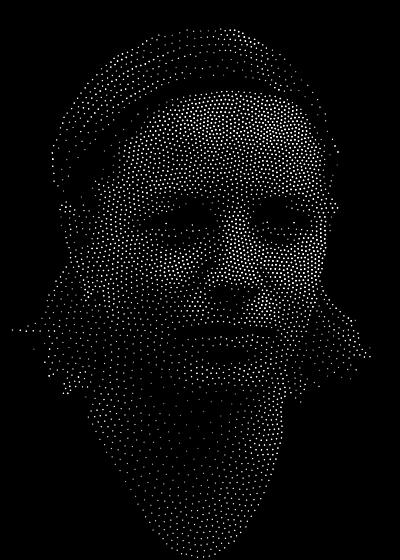
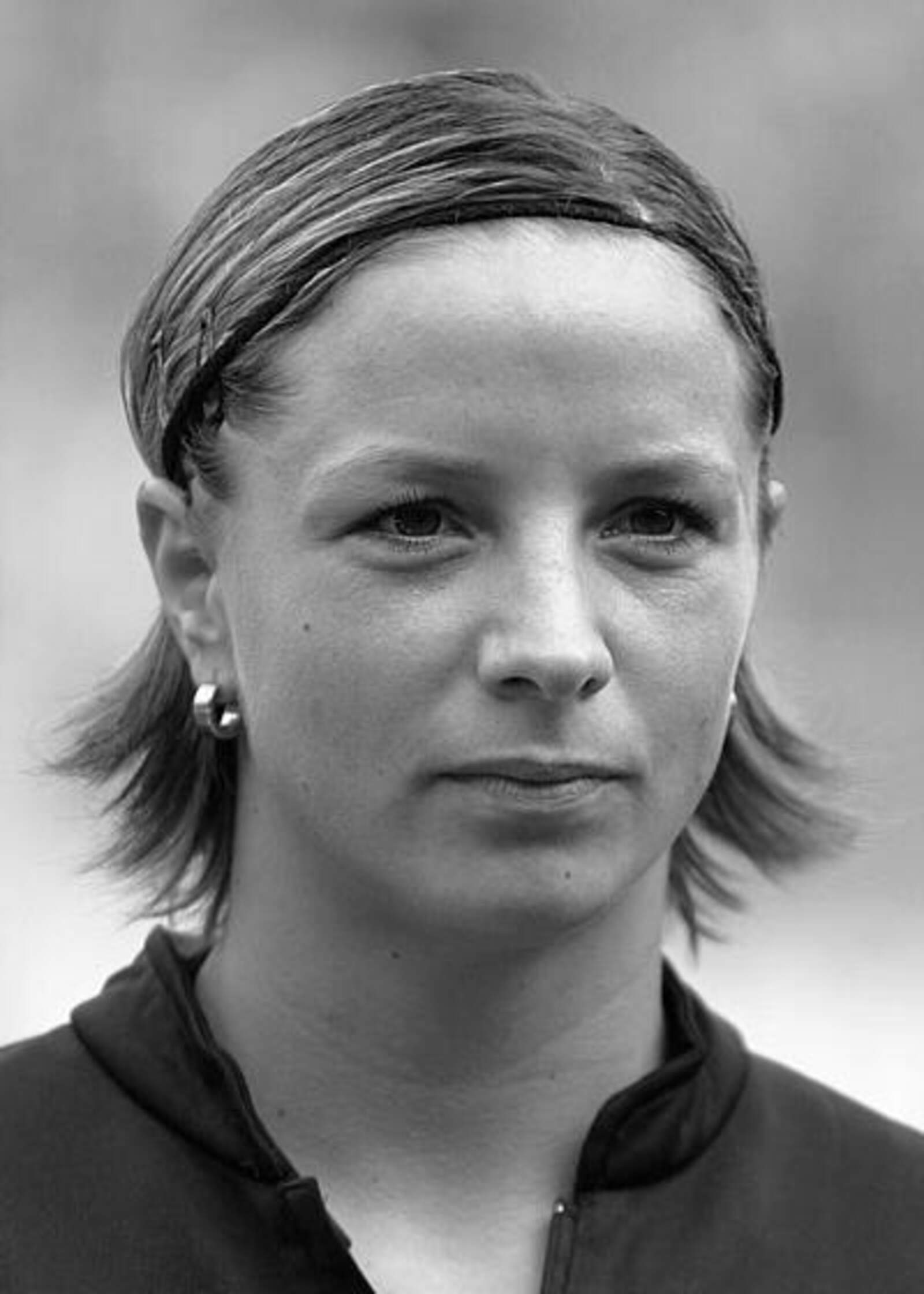
Tina Theune
4 November 1953, Kleve
, coach
Coaching career:
1996–2005 Germany (135 matches)
National team:
European Champion: 1997, 2001, 2005 (and World Championship runner-up in 1995 as assistant coach)
World Champion: 2003 (and in 1989, 1991, 1995 as assistant coach)
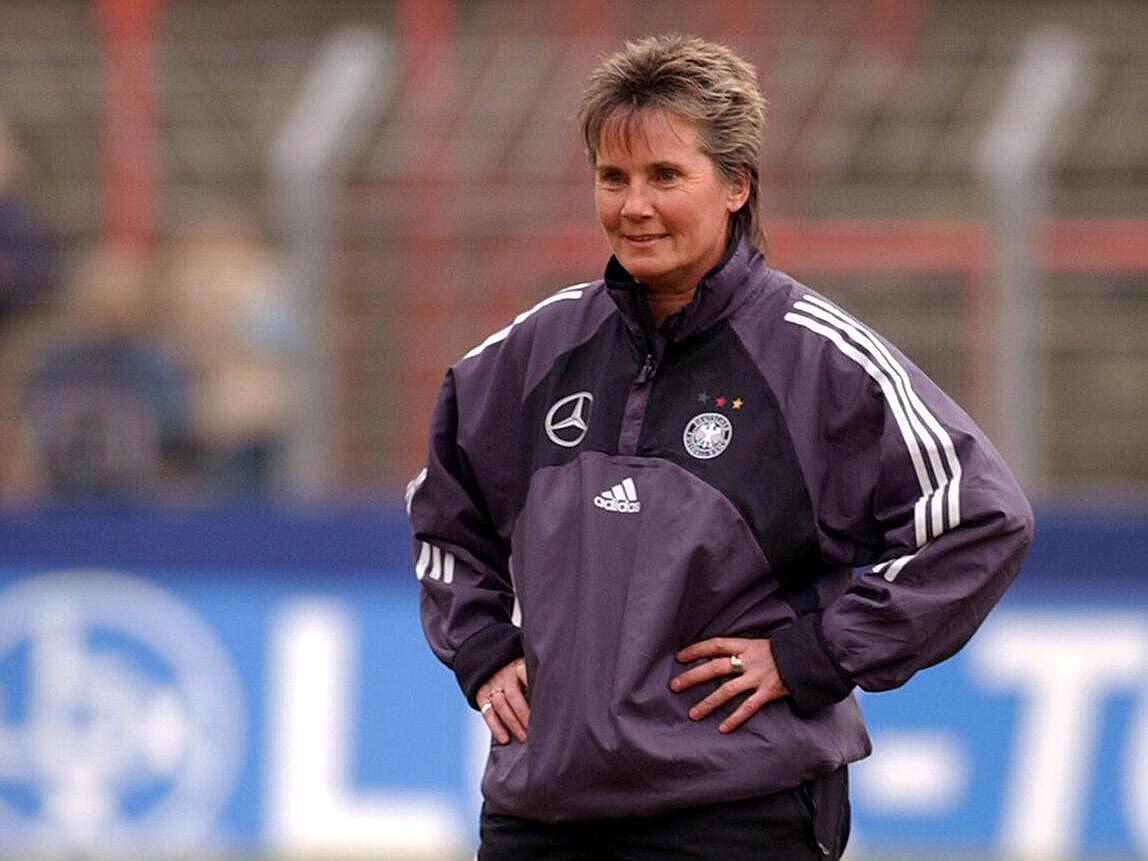


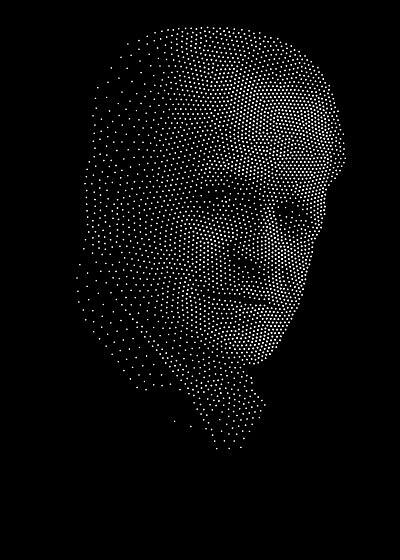
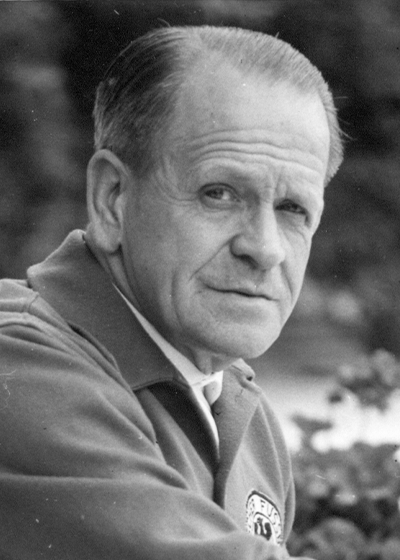
The 2003 World Cup-winning coach is a true football pioneer. In 1976, she became the first woman to obtain a DFB coaching licence and, in 1985, as the first female participant ever, she completed the 30th coaching course, achieving the highest level of licence. In the years that followed, she assisted national team coach Gero Bisanz in managing the women’s national team and, together with him, laid the foundations for the major sporting successes that culminated in winning the European Championship title in 1989.
At the 1997 European Championship, she took on the main responsibility as head coach at a major tournament for the first time. With great insight, she managed the transition between generations of players and nurtured the development of up-and-coming talents such as Silke Rottenberg, Birgit Prinz and Renate Lingor, without her team losing any of its competitive edge. On the contrary: winning the 2003 World Cup title marked the pinnacle, to date, in the history of the women’sand, following the European Championship triumphs in 1997 and 2001 and the bronze medal at the 2000 Olympic Games in Sydney, was Tina Theunes’ personal masterpiece.
With her third European Championship title in 2005, she secured a fitting farewell and handed over the role of national coach to her assistant, Silvia Neid.
Hall of Fame
The German Football Hall of Fame was established on the initiative of the German Football Museum. In November 2018 and January 2019, leading sports journalists voted to select the inaugural men’s and women’s teams. The jury members were asked to nominate their choice of players and managers from German men’s and women’s football. Players who were eligible to play for German national teams and whose playing careers had ended at least five years previously were eligible for nomination. The HALL OF FAME honours the greatest legends of German football in one central location for the first time. It forms part of the permanent exhibition at the German Football Museum in Dortmund. Opened on 1 April 2019, it has become a permanent place of pilgrimage for all football fans. The jury decides annually on further inductees from men’s and women’s football.