EN
EN
 DE
DE


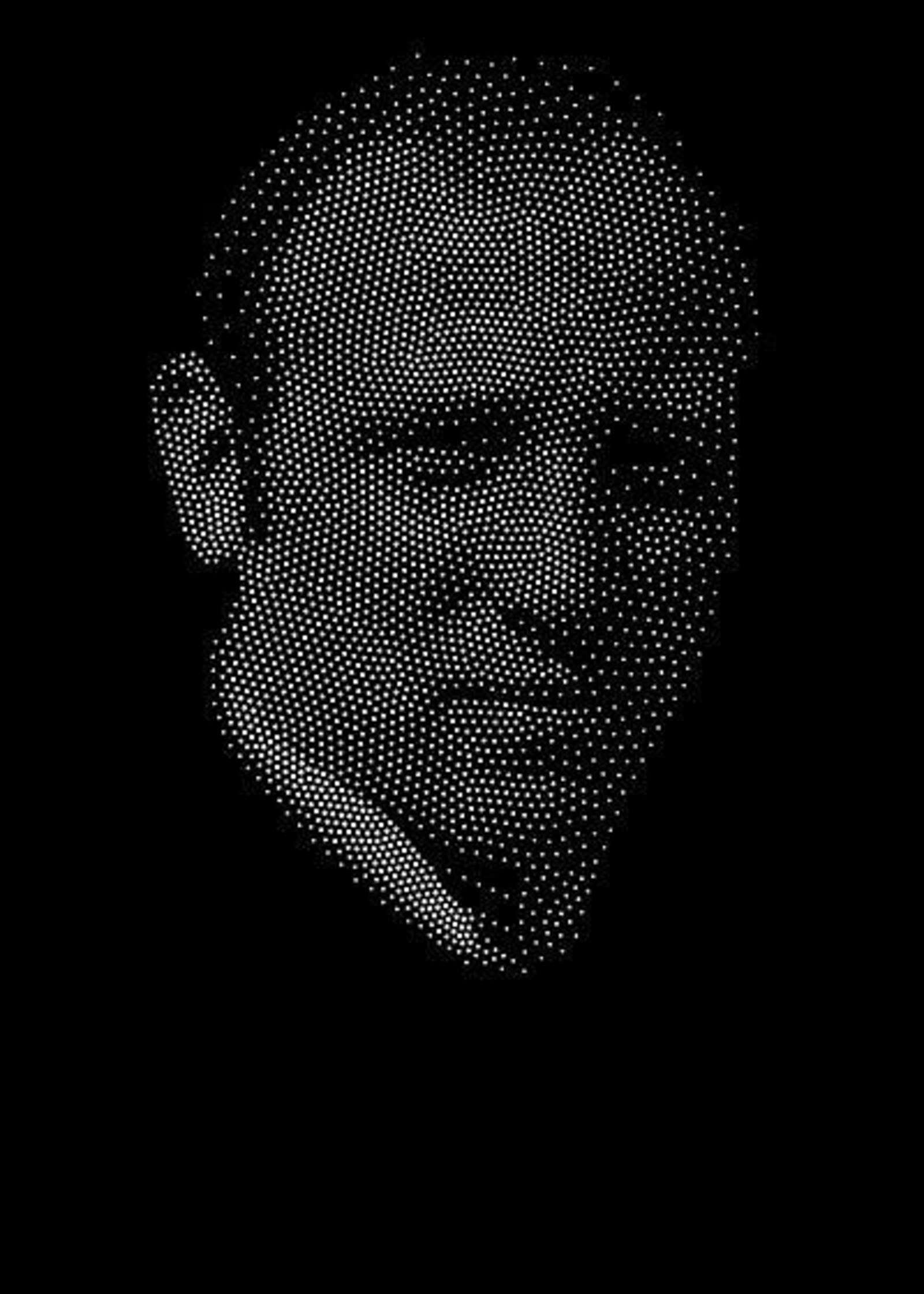
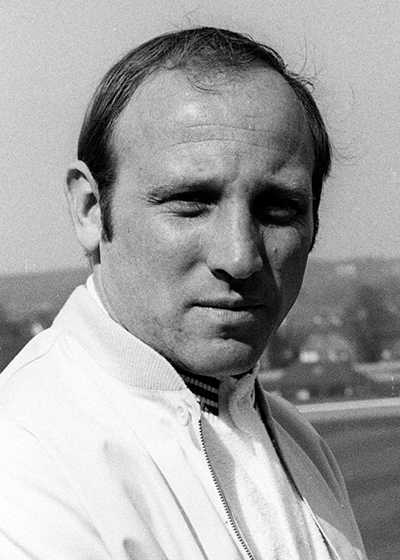
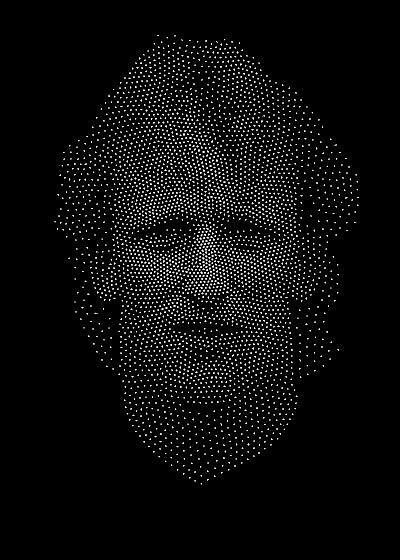
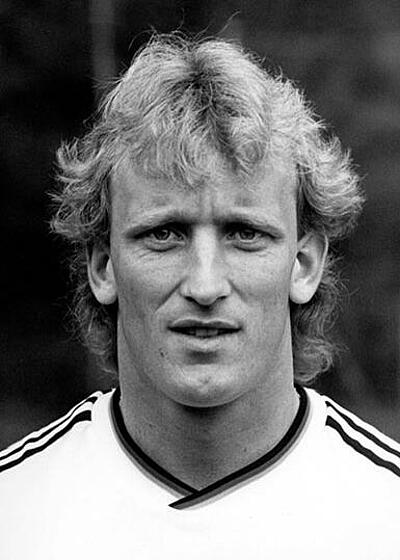
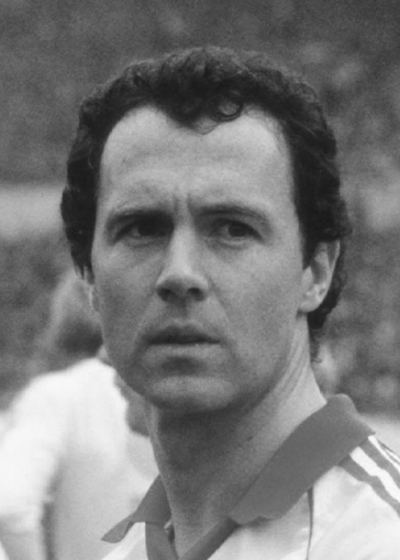
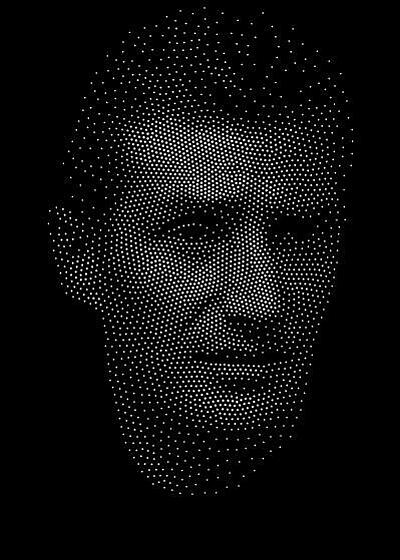
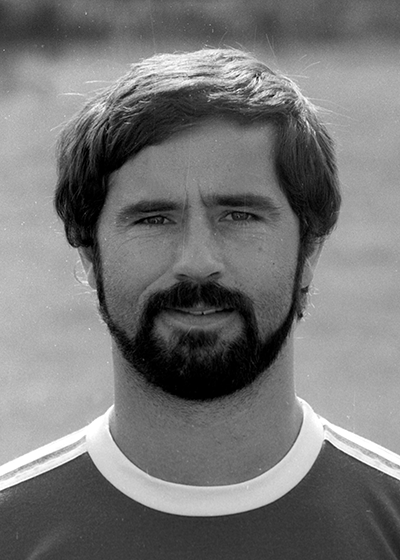
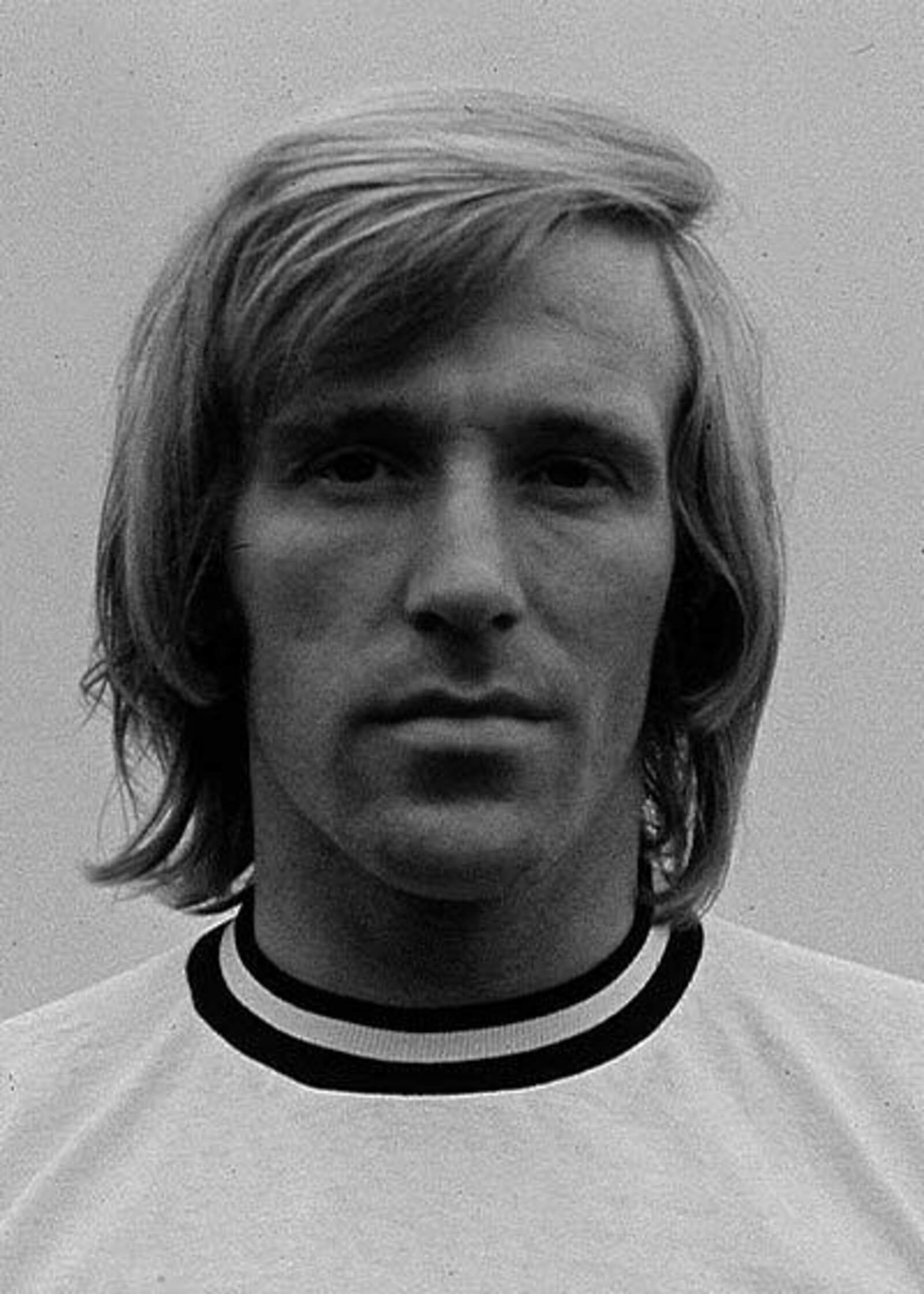
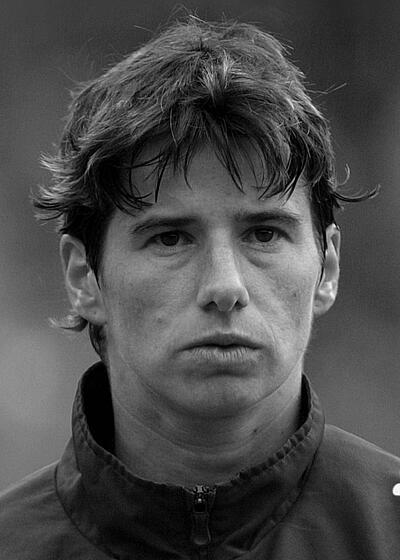
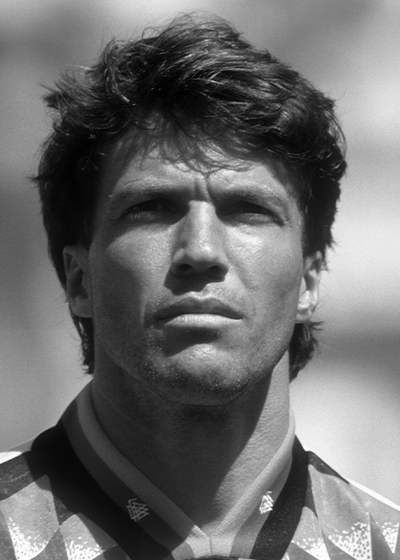
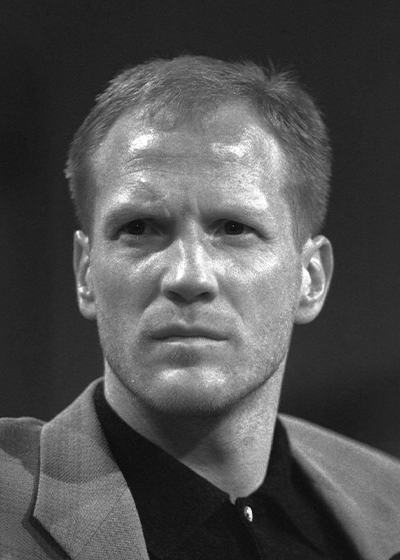
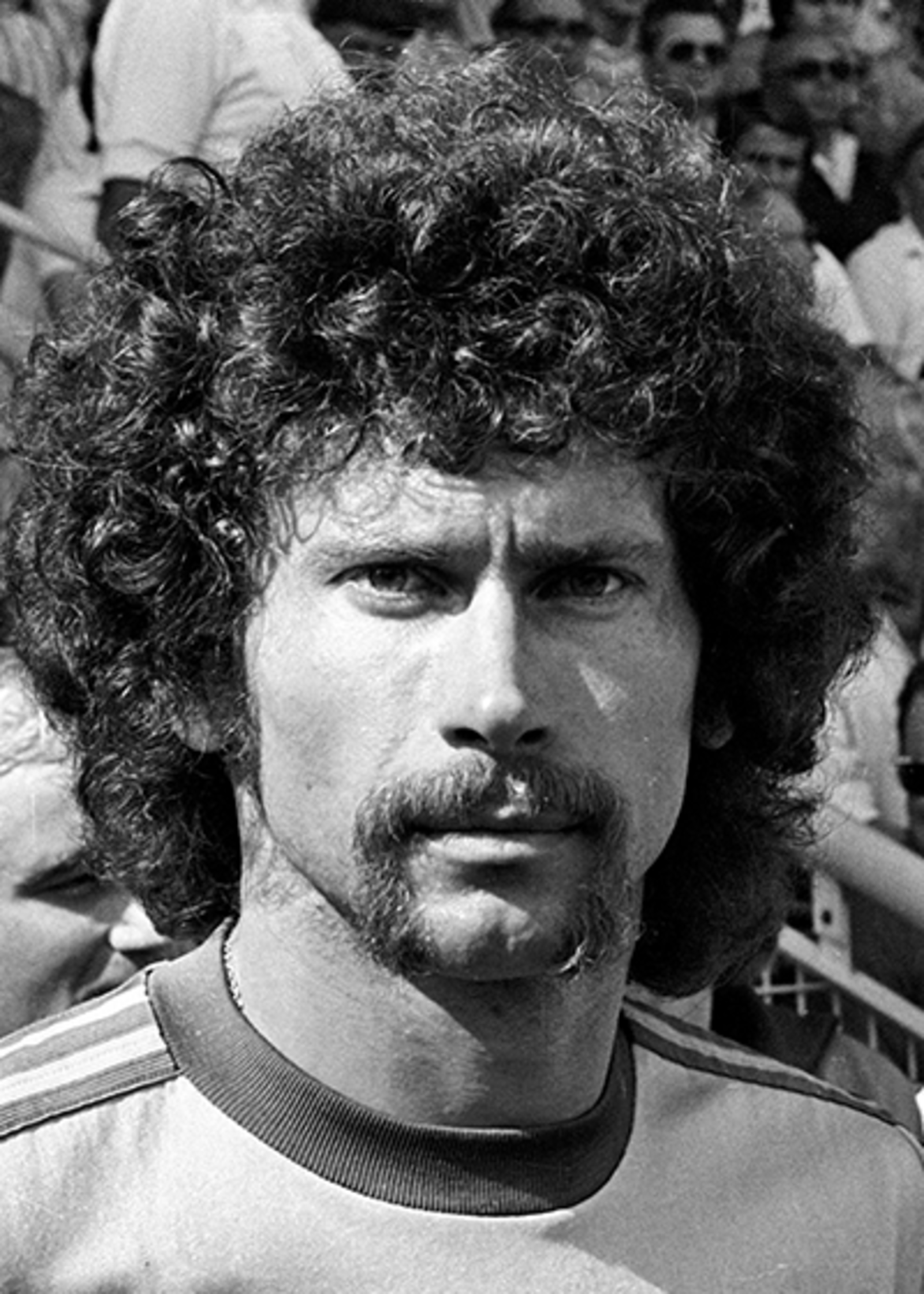
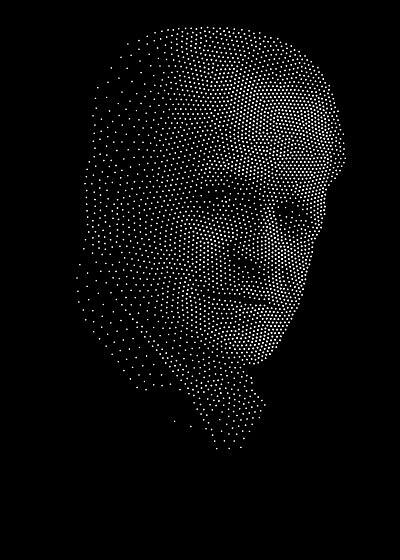
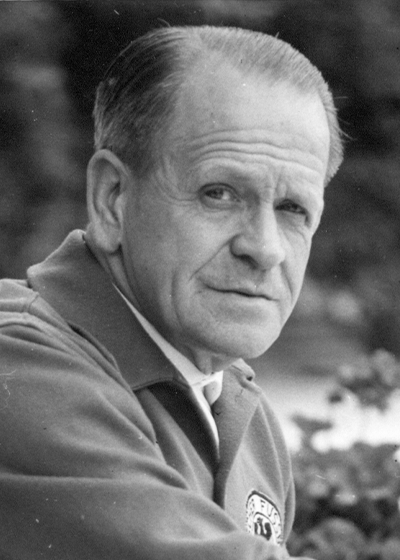
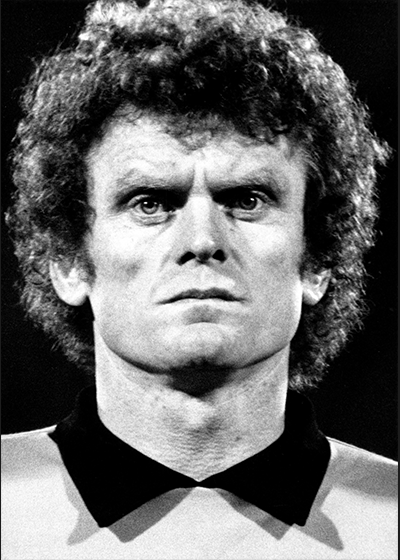
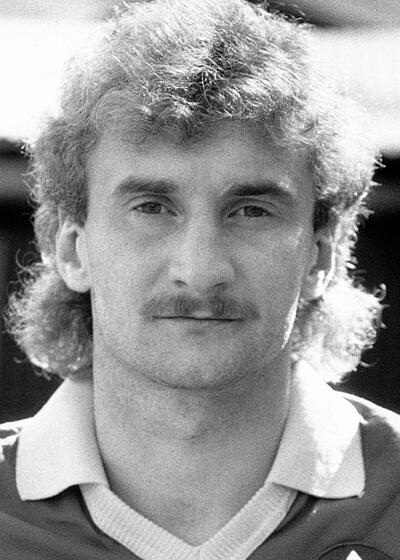
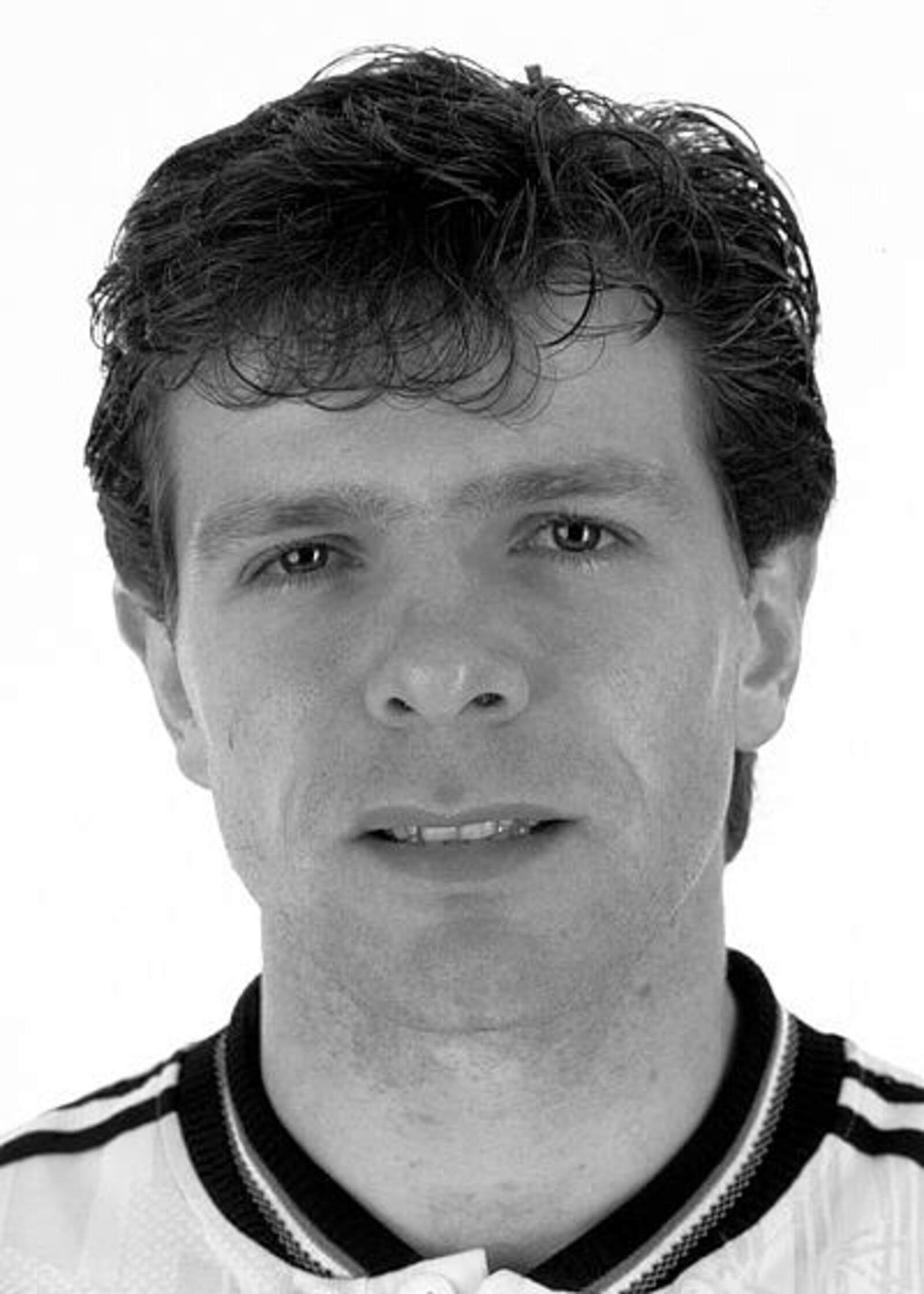
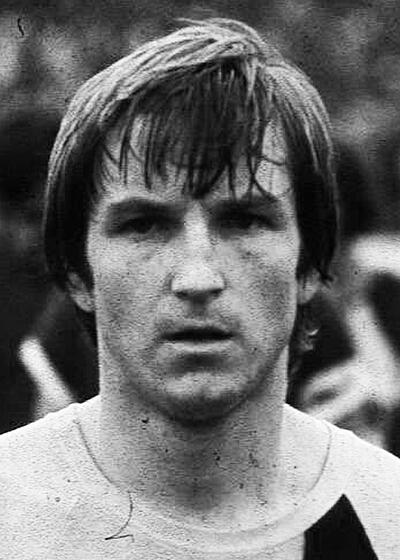
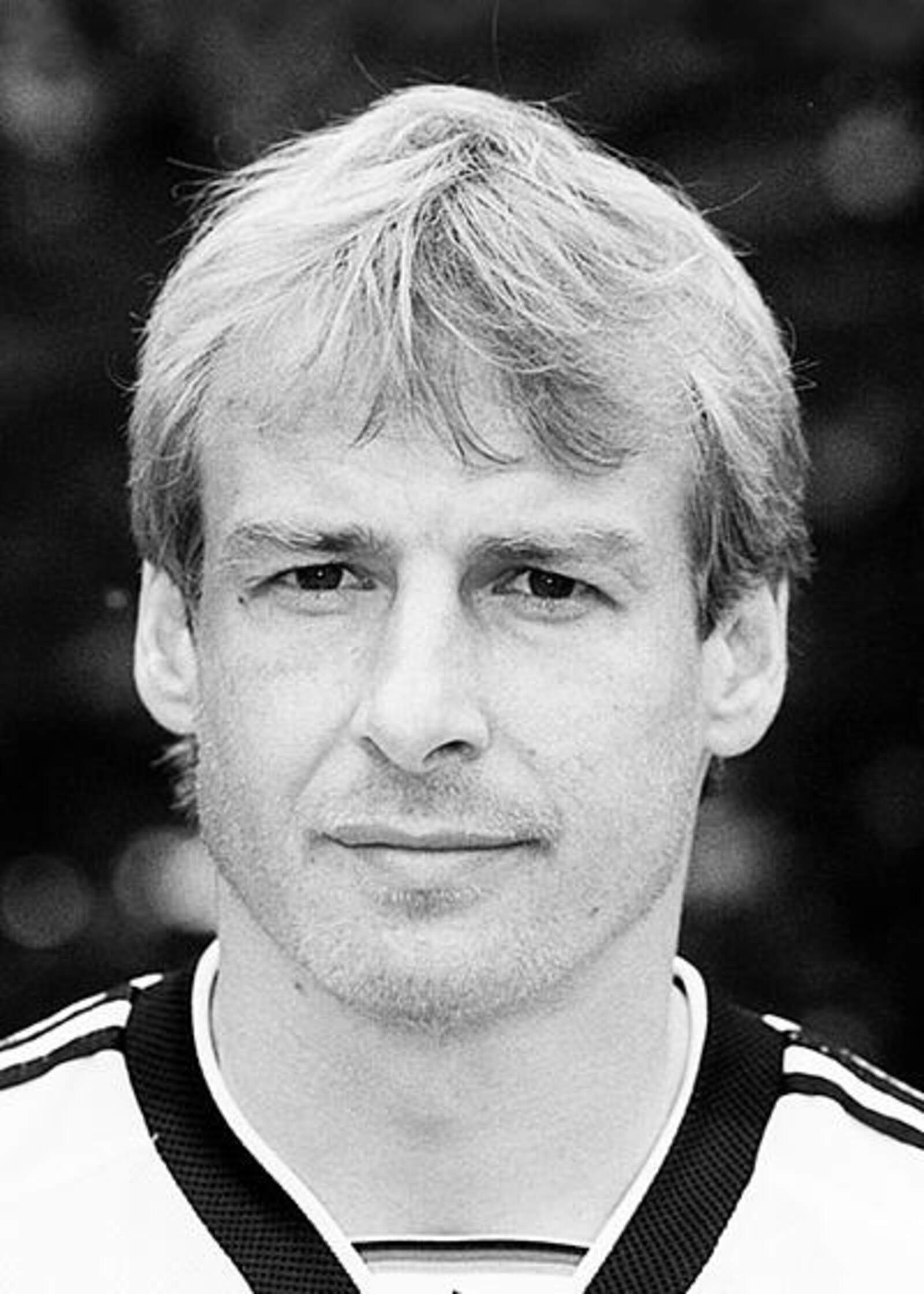
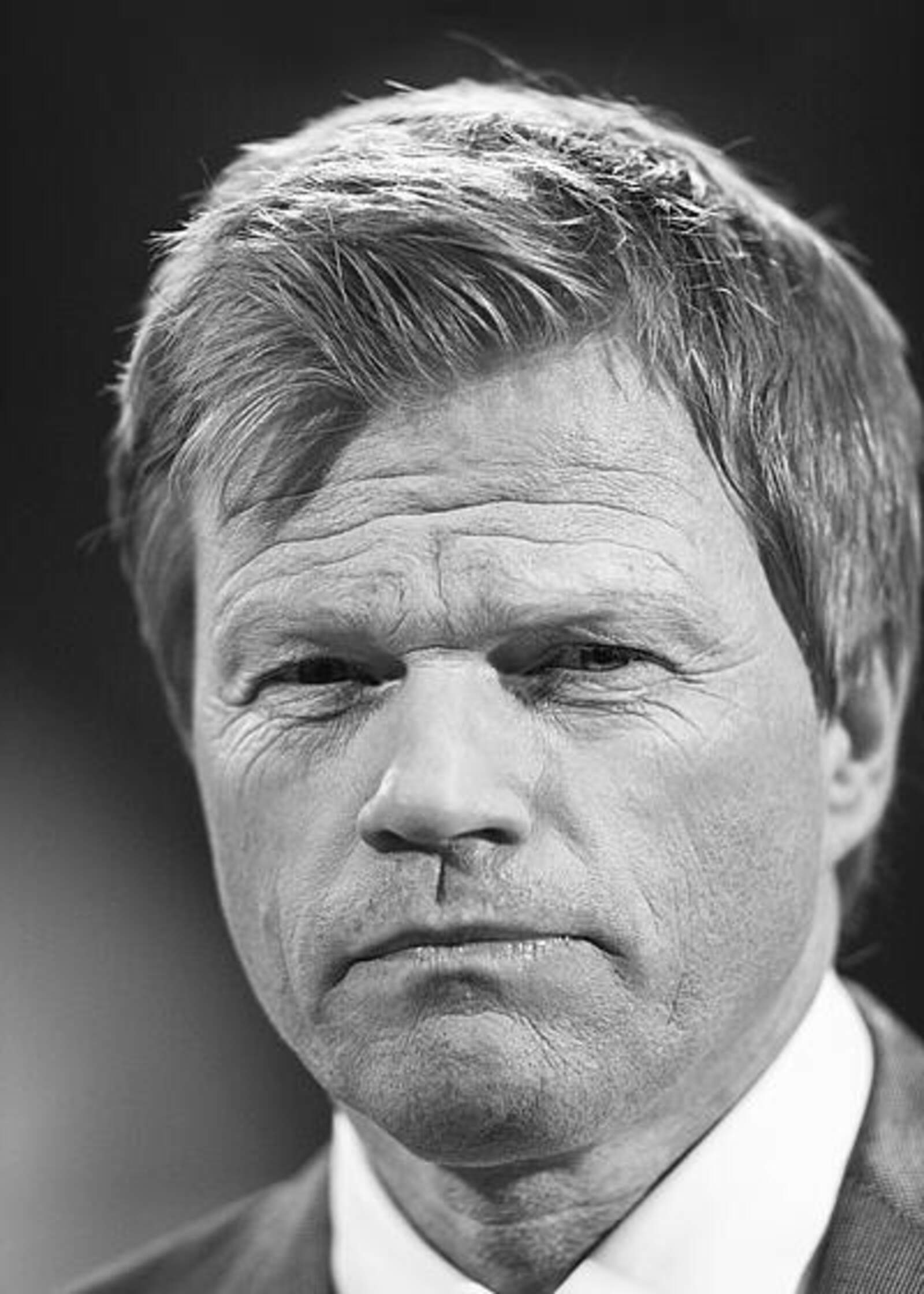
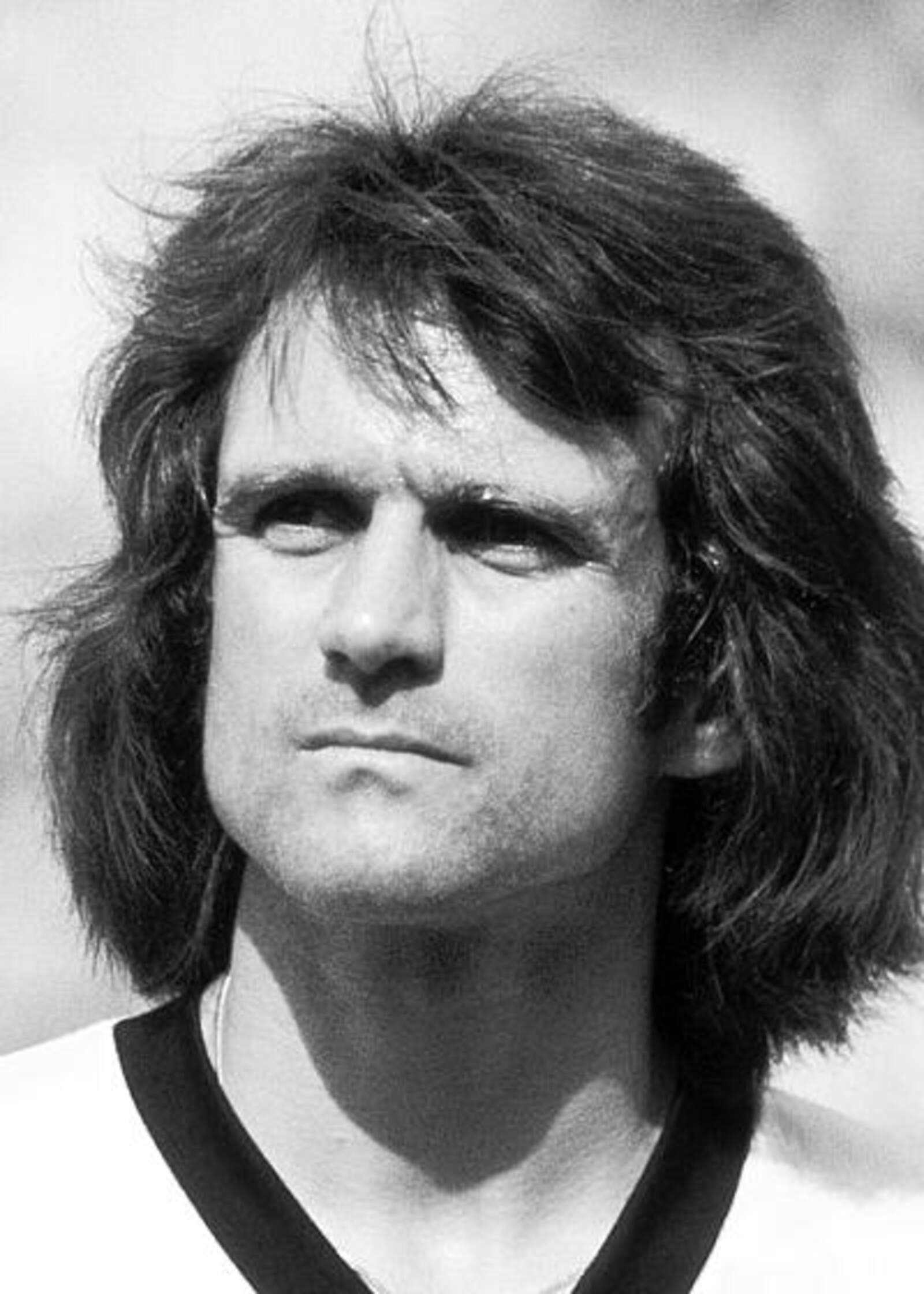
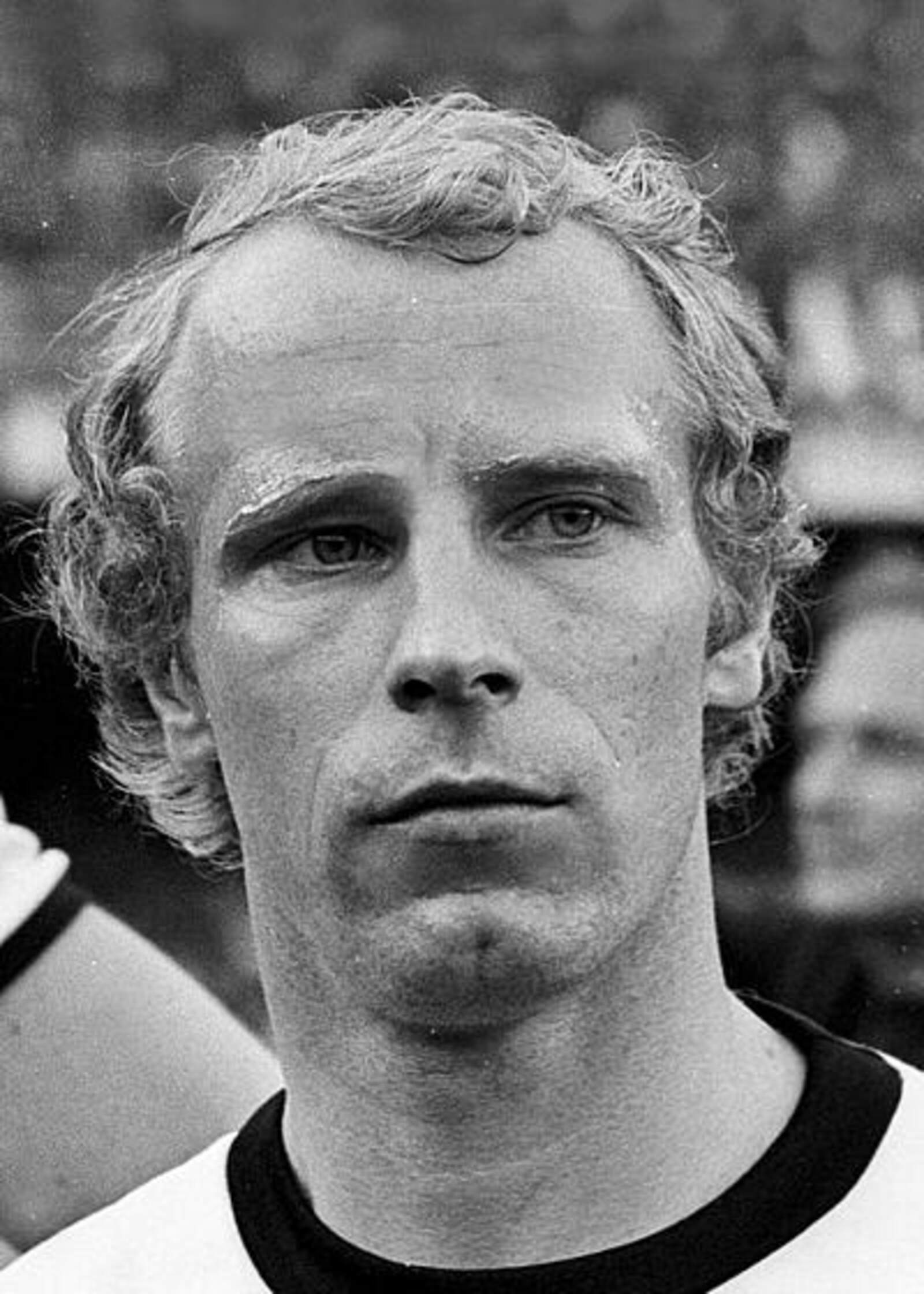
Andreas Brehme
9 November 1960, Hamburg
– 20 February 2024, Munich
Defender
Playing career:
1980–1981 1. FC Saarbrücken
1981–1986 1. FC Kaiserslautern
1986–1988 FC Bayern Munich
1988–1992 Inter Milan
1992–1993 Real Zaragoza
1993–1998 1. FC Kaiserslautern
Club:
301 appearances, 50 goals (Bundesliga)
; 116 appearances, 11 goals (Serie A, Italy)
; 12 appearances (Primera División, Spain)
Honours:
German Champion: 1987, 1998
DFB Cup winner: 1996
Italian Champion: 1989
UEFA Cup winner: 1991
National team:
86 appearances (8 goals)
World Cup winner: 1990
World Cup runner-up: 1986
European Championship runner-up: 1992
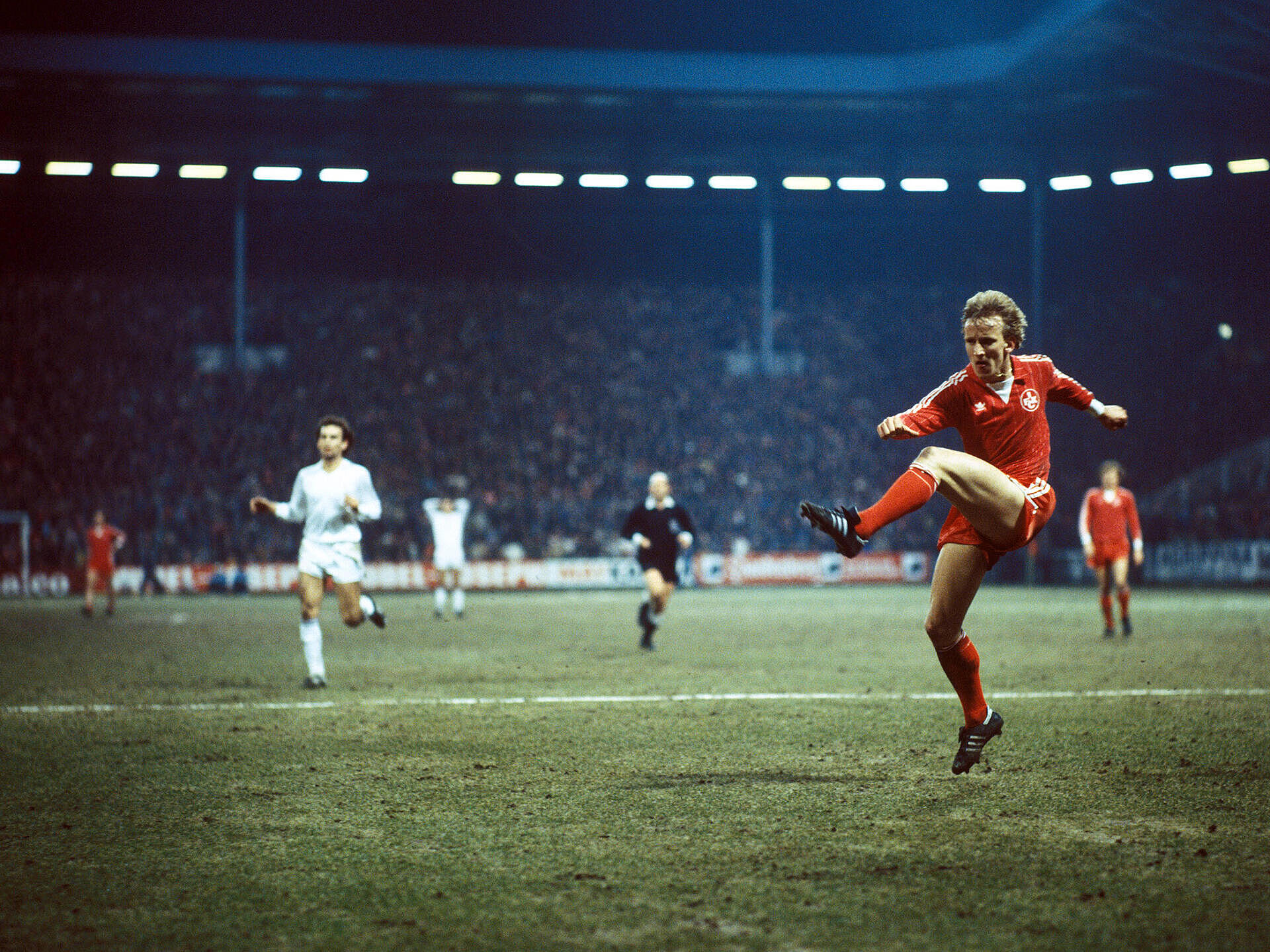
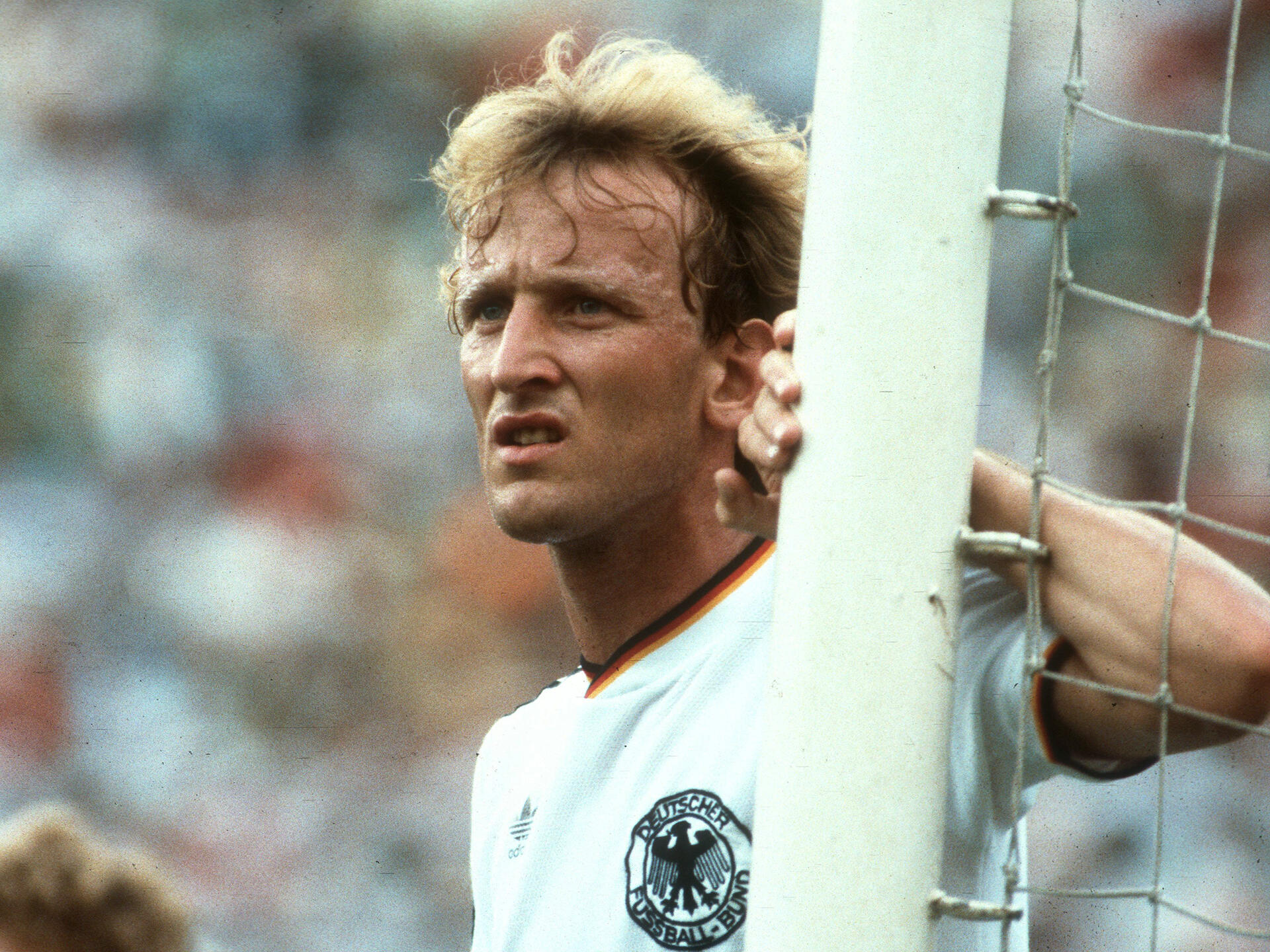

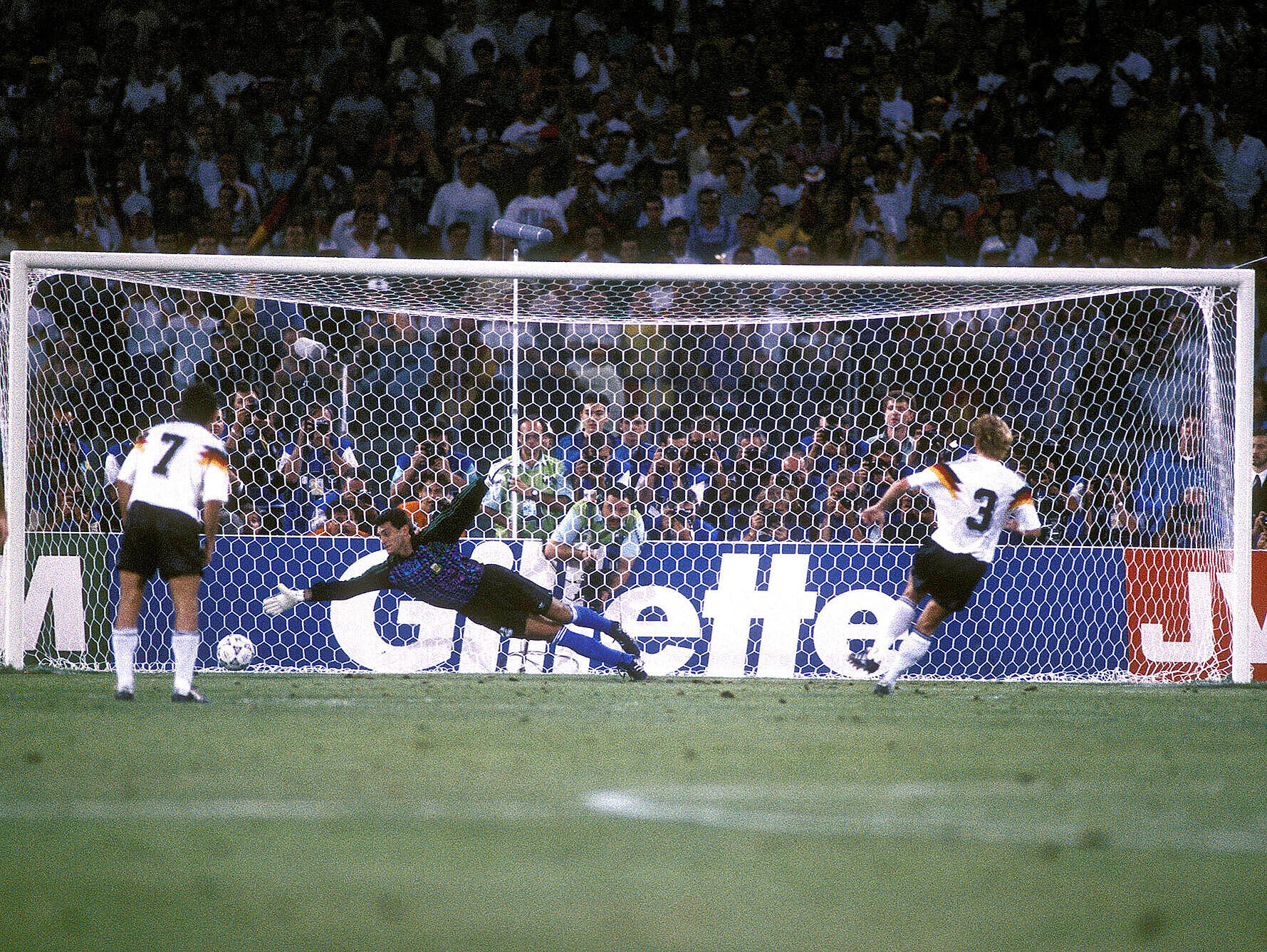
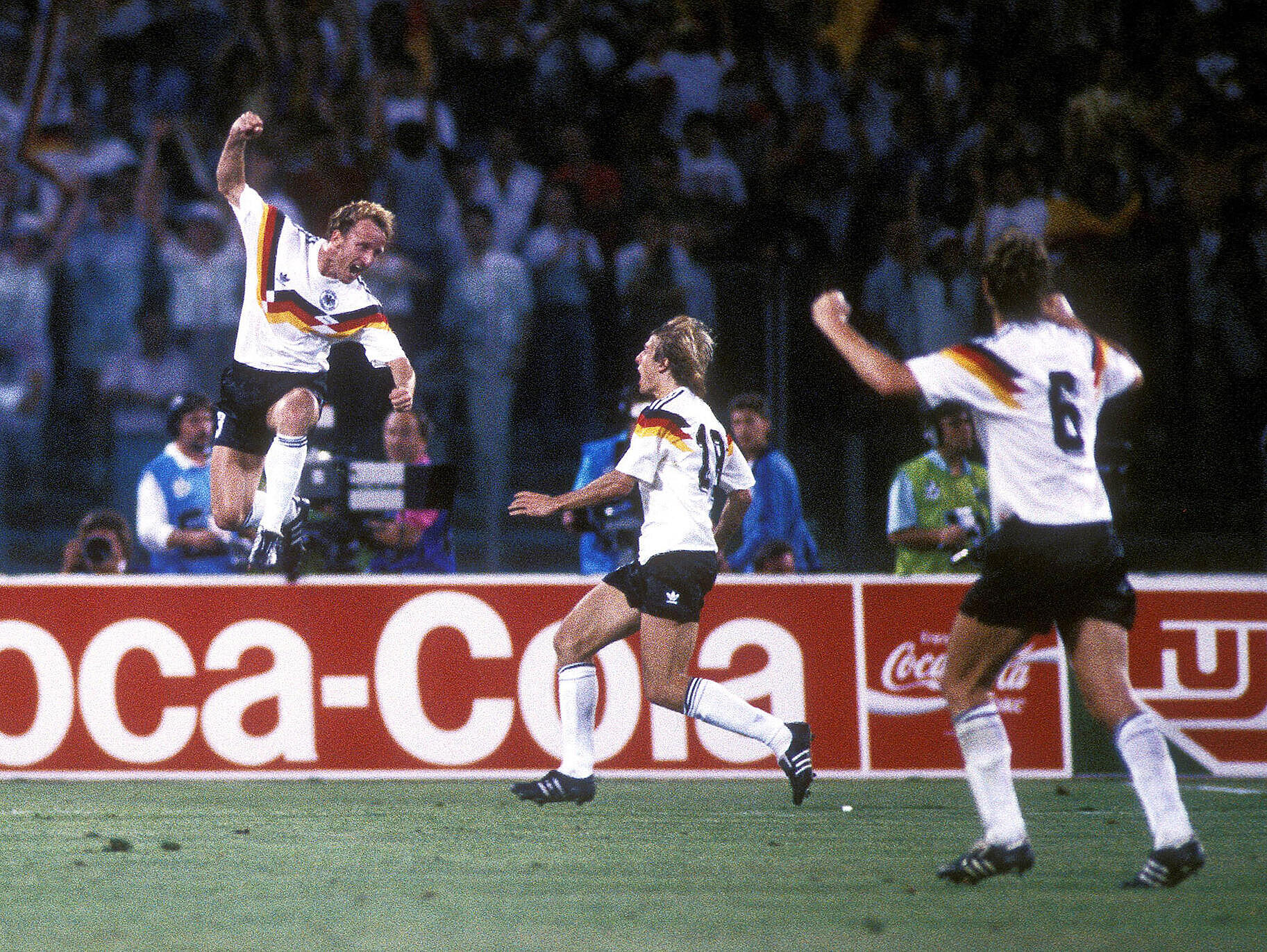

1986 World Cup quarter-final: Germany v Mexico. Andreas Brehme steps up as the second penalty-taker for the German side and converts confidently. Full-volley, left foot. Four years later: the 1990 World Cup final. Germany are awarded a penalty seven minutes before the end of normal time following a foul on Rudi Völler. Andreas Brehme steps up and scores confidently. Inside of the foot, this time with his right foot.
He once said himself: “Well, for me, the left foot is more accurate and the right foot is more powerful!” That doesn’t quite fit with the situations described. It’s very likely that it made virtually no difference anyway. However, it was what made Brehme a unique player.
For a while, people weren’t always quite sure where to position him. Right-back or left-back? Ultimately, though, no manager wanted to do without his services. His ability to use both feet made him unpredictable for any opponent. If a player tried to block one of his dangerous crosses with his left foot, Brehme would cut inside and immediately pose a serious goal threat with his right foot. In this way, on the road to the World Cup title in Italy, he was involved in at least one goal in six of the seven matches.
At the 1986 World Cup (semi-final against France), the 1988 European Championship (opening match against Italy) and the 1990 World Cup (semi-final against England), he scored a free-kick goal from almost the exact same position on the pitch on each occasion. With his left foot, incidentally. It was always the first goal of the match for the German national team. Five of his eight international goals came in major tournaments. Andreas Brehme was always there when it mattered. On the right and on the left.
The German Football Hall of Fame was established on the initiative of the German Football Museum. In November 2018 and January 2019, leading sports journalists voted for the inaugural men’s and women’s teams. The jury members were asked to nominate their choice of players and managers from German men’s and women’s football. Players who were eligible to play for German national teams and whose playing careers had ended at least five years previously were eligible for nomination. The HALL OF FAME honours the greatest legends of German football in one central location for the first time. It forms part of the permanent exhibition at the German Football Museum in Dortmund. Opened on 1 April 2019, it has become a permanent place of pilgrimage for all football fans. The jury decides annually on further inductees from men’s and women’s football.