EN
EN
 DE
DE

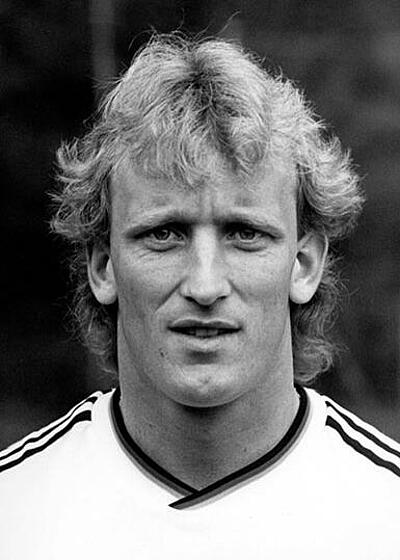
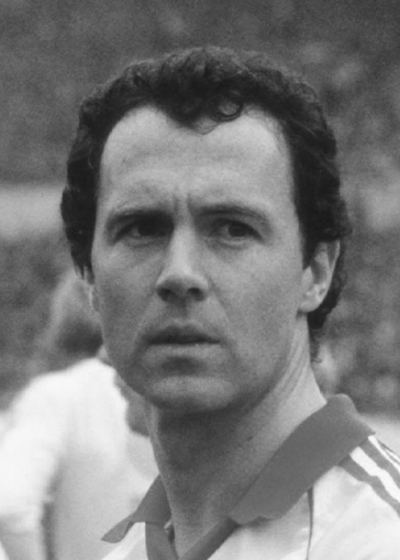
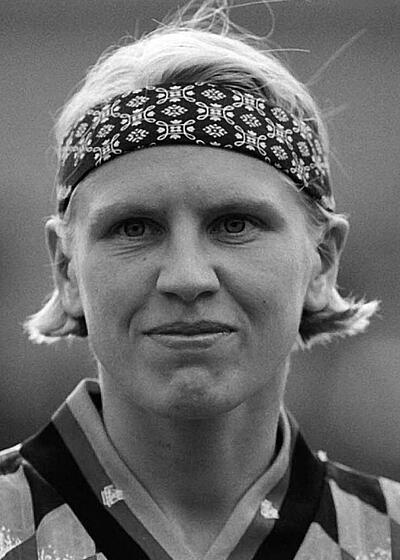
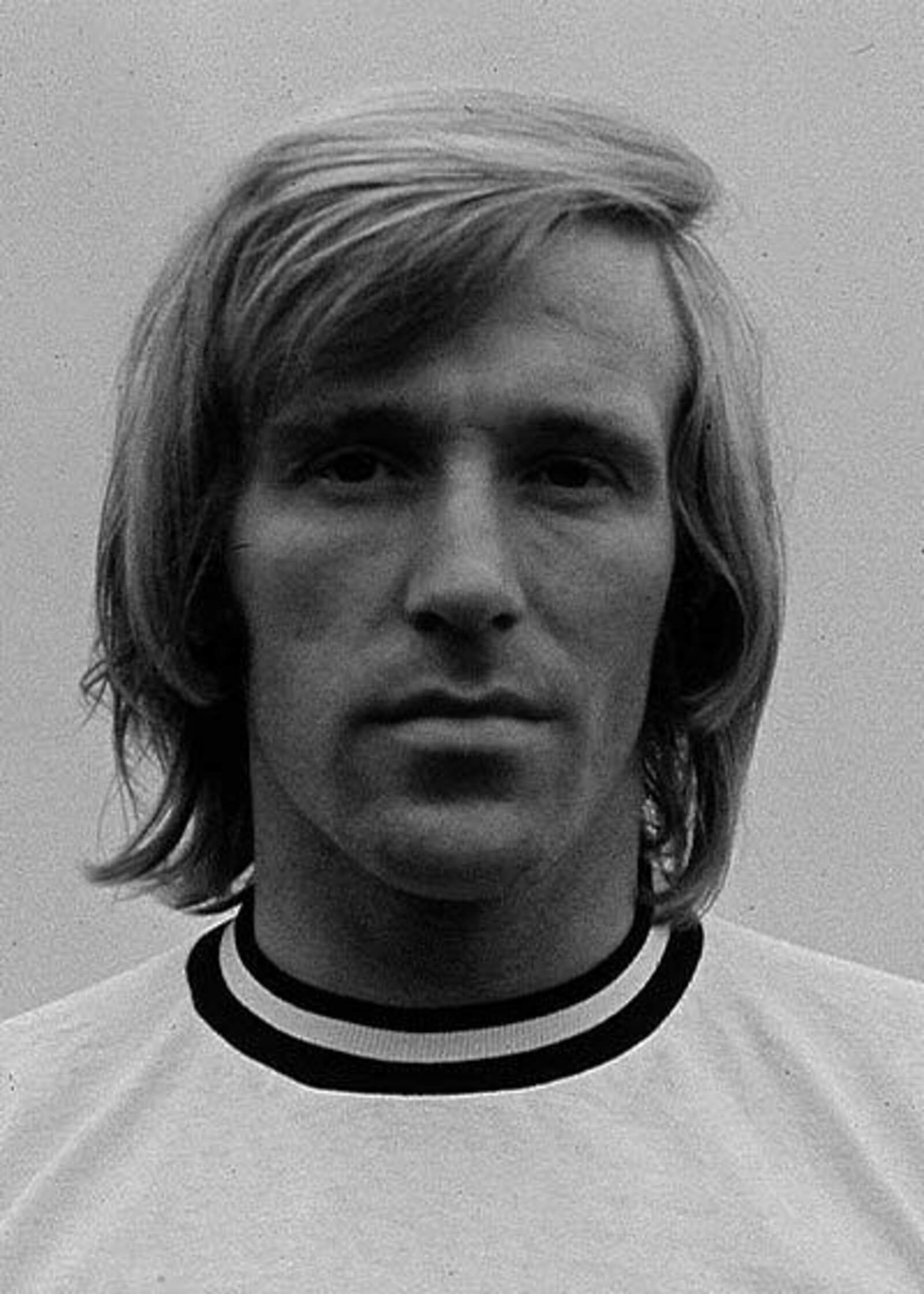
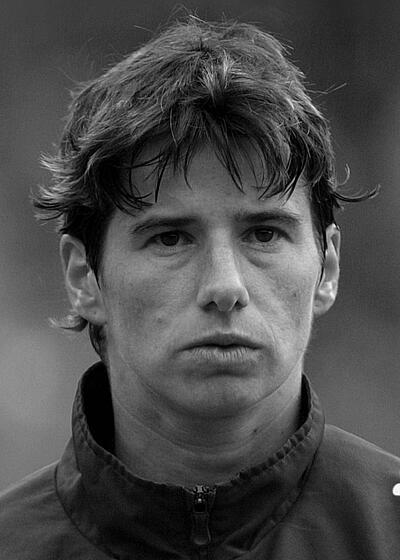
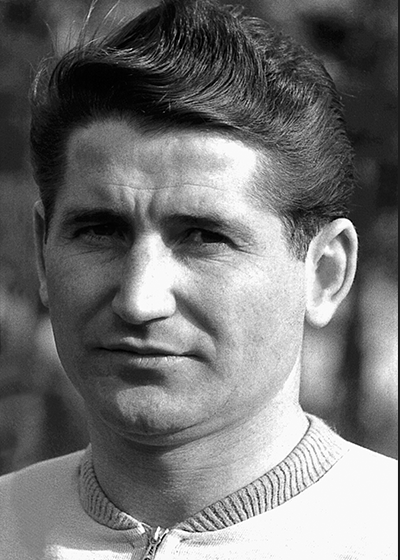
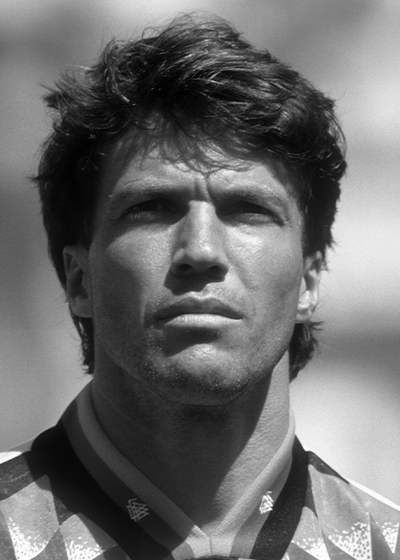
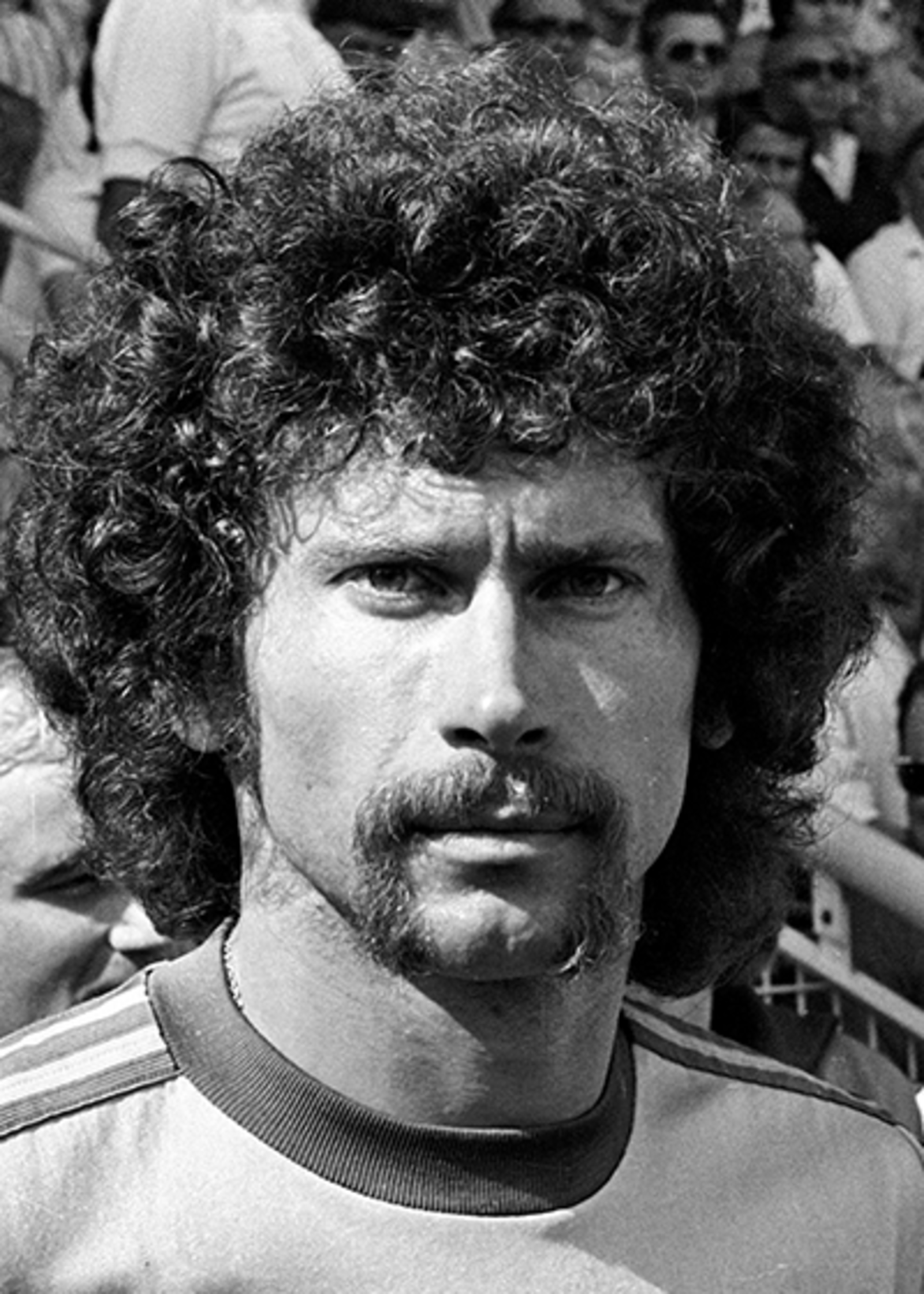
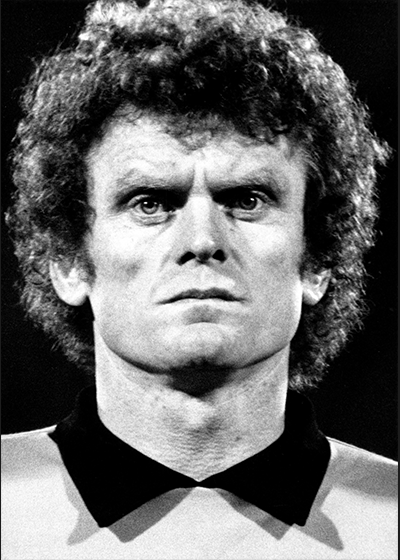
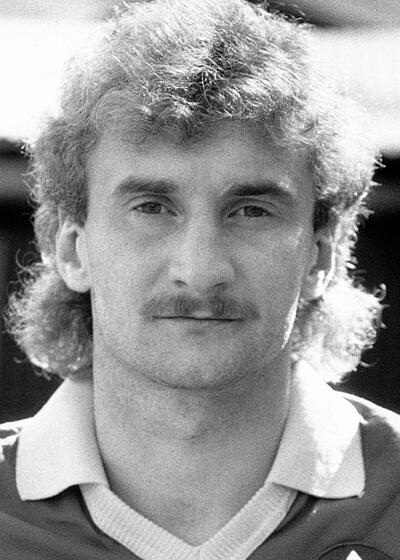
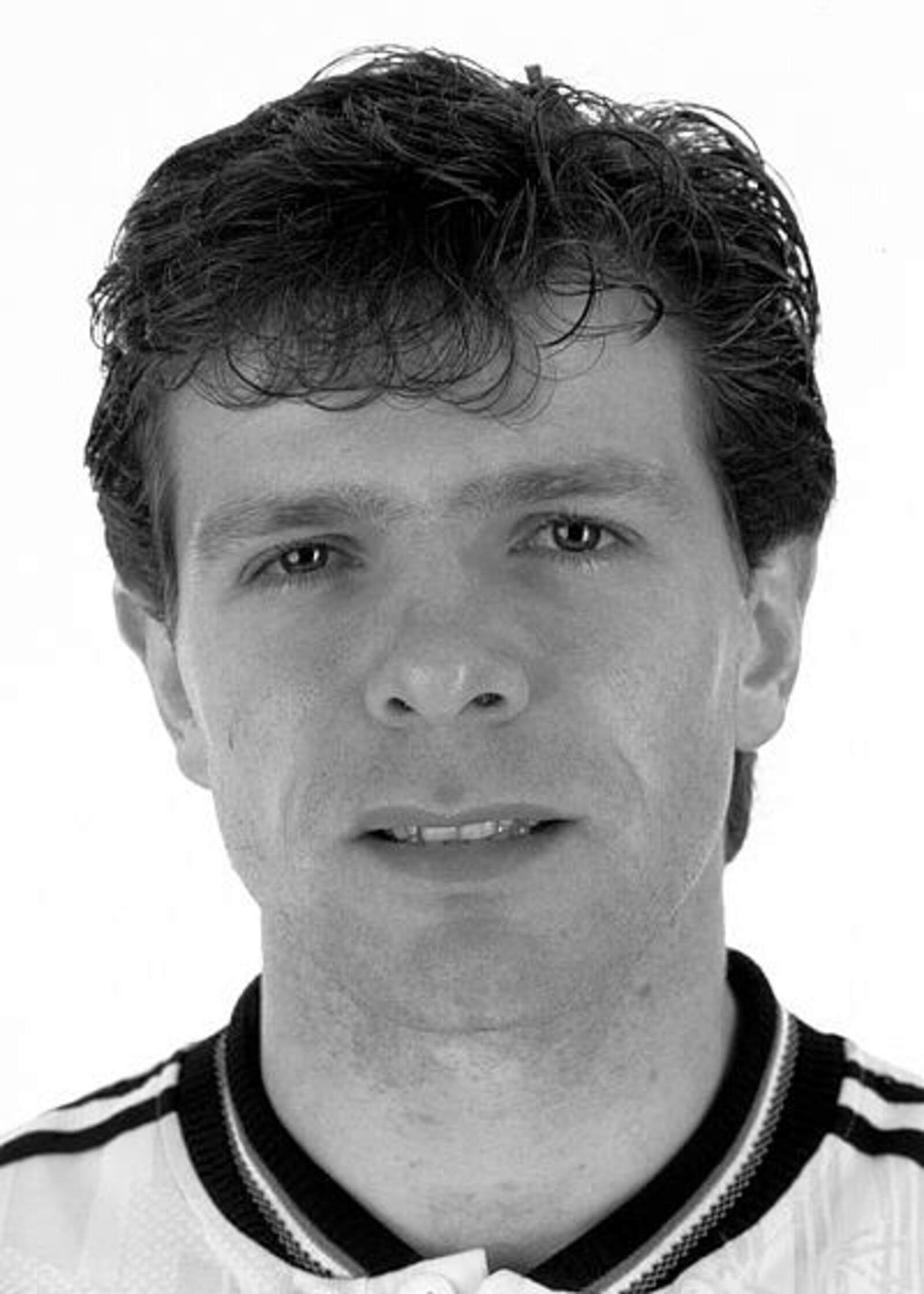
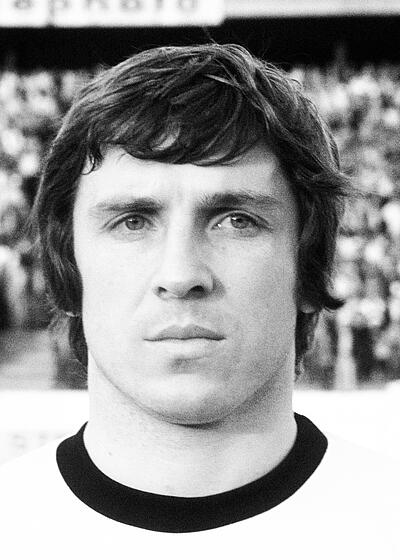
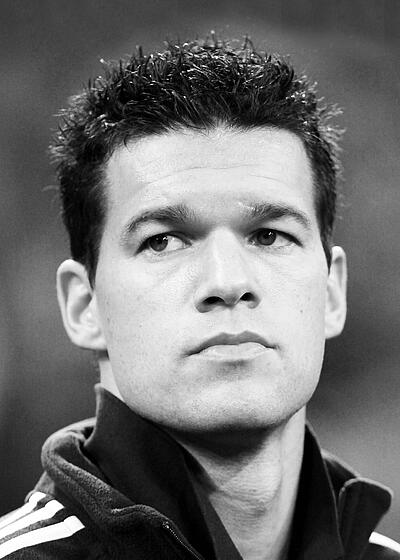
Andreas Möller
2 September 1967, Frankfurt am Main.
Midfielder
Clubs as a player:
1985–1987 Eintracht Frankfurt
1987–1990 Borussia Dortmund
1990–1992 Eintracht Frankfurt
1992–1994 Juventus Turin
1994–2000 Borussia Dortmund
2000–2003 FC Schalke 04
2003–2004 Eintracht Frankfurt
Club:
429 appearances, 110 goals (Bundesliga)
; 56 appearances, 19 goals (Serie A, Italy)
Honours:
German Champion: 1995, 1996
DFB Cup winner: 1989, 2001, 2002
UEFA Champions League winner: 1997
UEFA Cup winner: 1993
National team:
85 appearances, 29 goals
World Champion: 1990
European Champion: 1996
European Championship runner-up: 1992
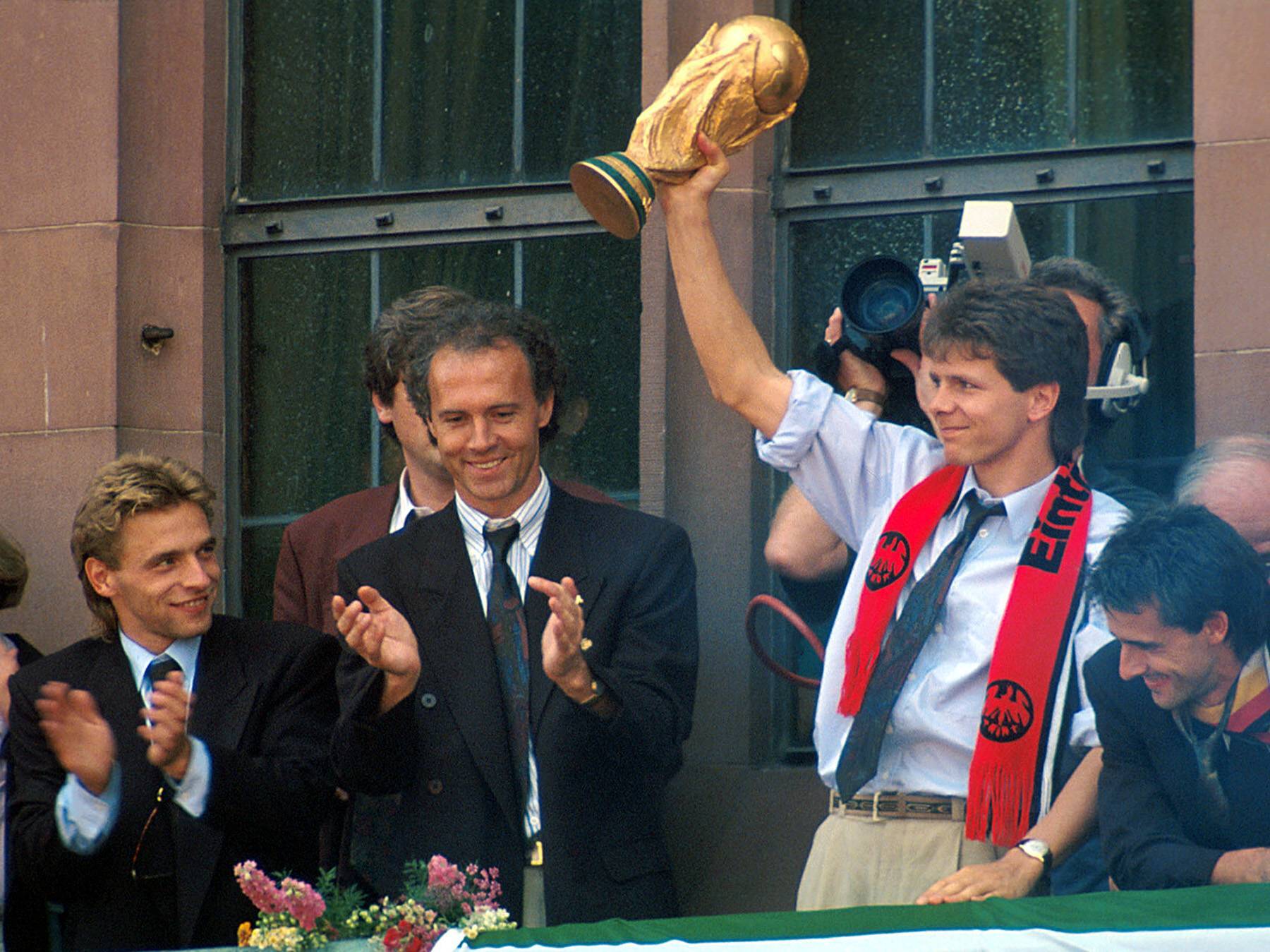
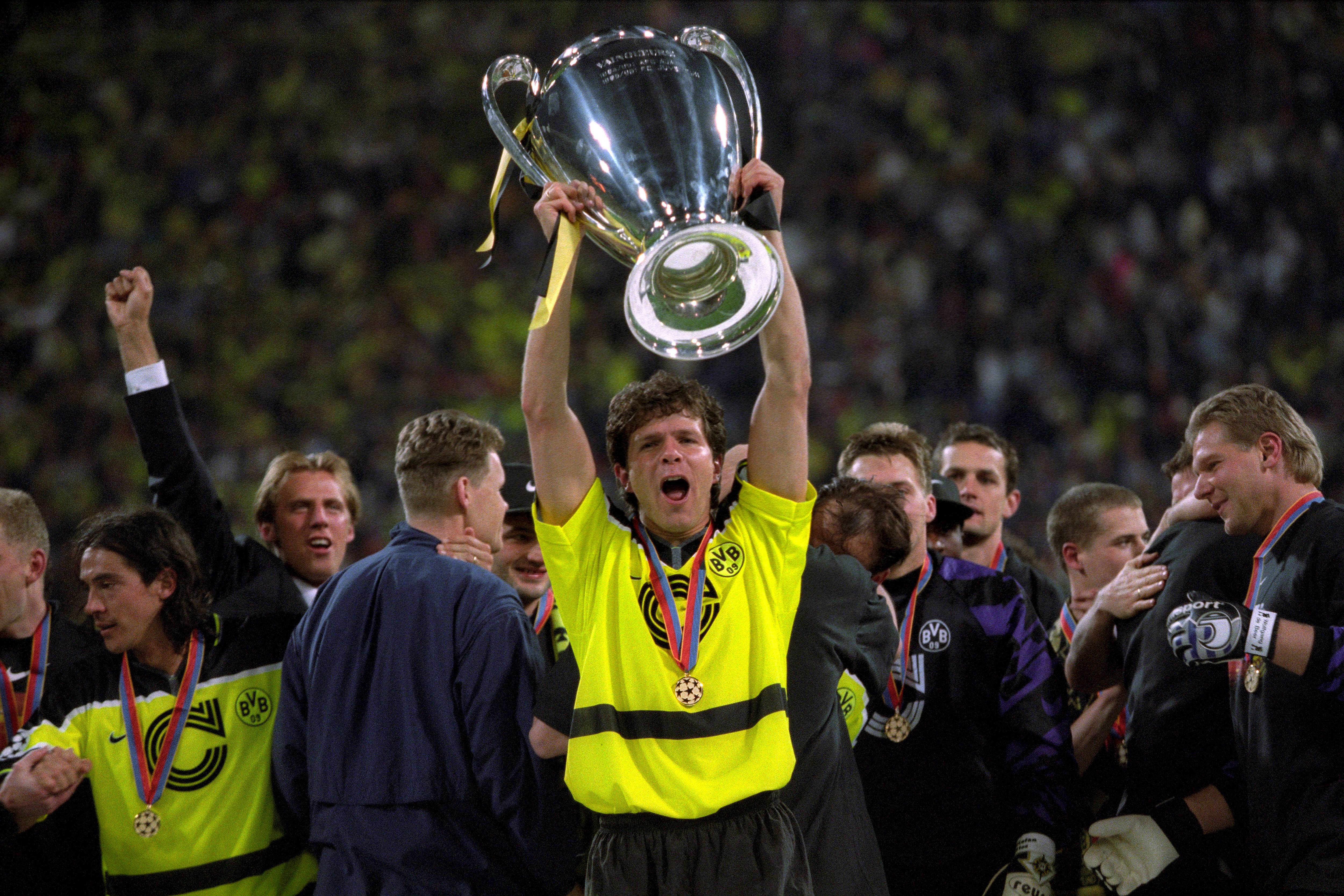
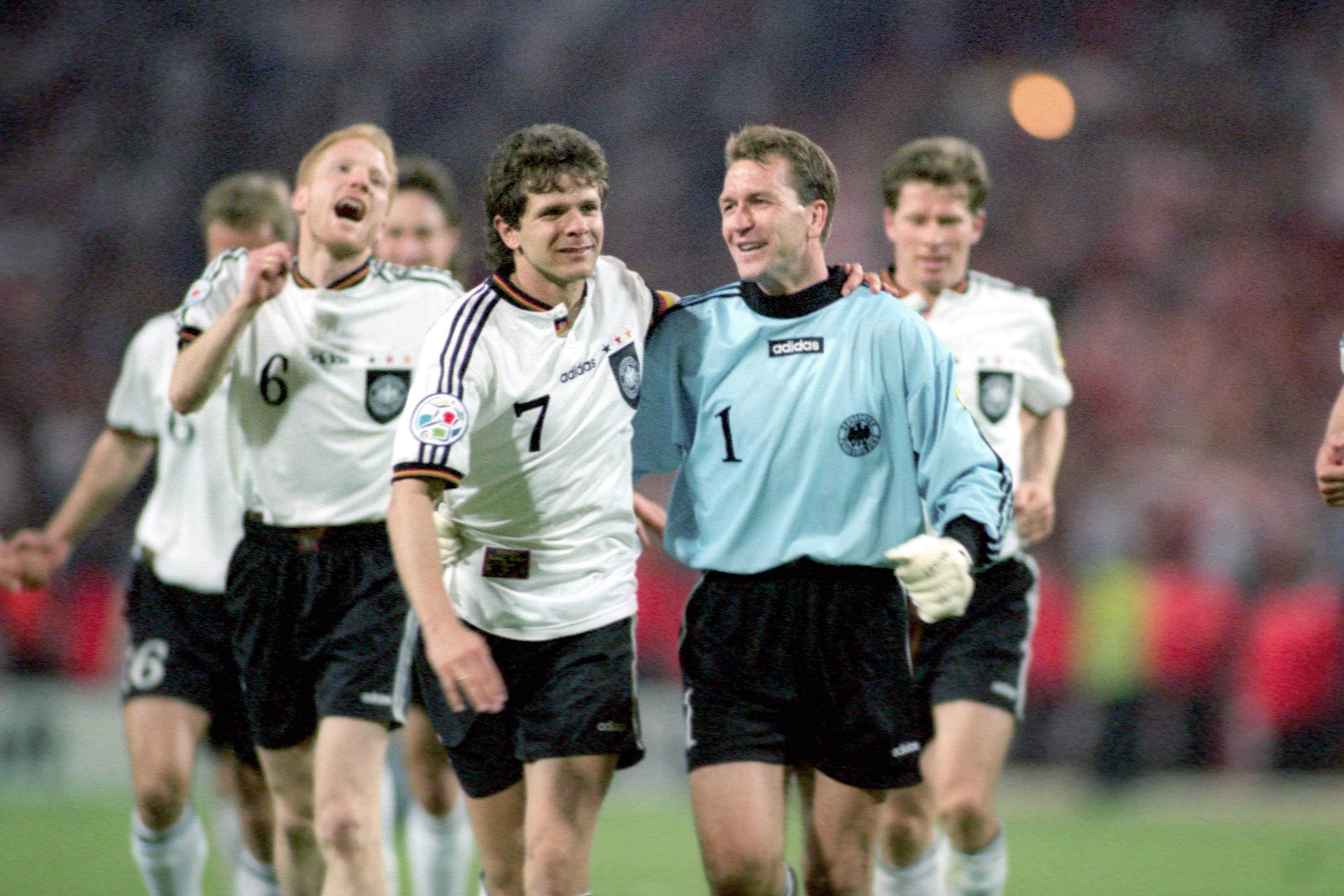
His collection of honours is unrivalled in German football: World Champion, European Champion, Intercontinental Cup winner, Champions League winner, UEFA Cup winner, German Champion, DFB-Pokal winner – Andreas Möller has won just about everything there is to win. As a player who never played for the consistently successful Bayern Munich, this is a unique success story in this country.
His career has not, however, been without its blemishes. Broken pledges of loyalty to clubs and fans, the ‘mother’ of all penalty-area dives, a reputation for being overly sensitive, and a seemingly unthinkable move from Borussia Dortmund to arch-rivals Schalke 04 may be some of the reasons why Möller was rarely without controversy.
Yet he possessed all the qualities needed to take off unstoppably. His incredible pace earned him the nickname ‘Turbo’. Furthermore, he possessed exquisite passing and shooting technique, was a hugely dangerous goalscorer for a midfielder and always had an eye for his teammates, setting them up effectively. During a spell following his move to Juventus Turin, he even scored a string of headed goals in Serie A. Möller presented himself as a virtually complete player, apart from his not particularly strong defensive qualities. However, what the 85-cap international produced up front, towards the opposition’s goal, with his light-footedness and footballing ability, was a feast for the eyes. Ahead of World Cups and European Championships, Möller’s name was therefore always mentioned when it came to identifying the tournament’s star player. The pressure of expectation was, however, occasionally too much to bear.
He played his best – and most consistent – tournament during Germany’s European Championship victory in 1996, when he secured a place in the final by scoring the decisive penalty in the semi-final against hosts England. The mid-1990s can certainly be regarded as the ‘Möller years’. After returning to the Bundesliga from Italy in 1994, he won the German league title twice in a row with Borussia Dortmund and crowned this extremely successful era by winning the Champions League and the Intercontinental Cup in 1997.
Even at Schalke, the fans – who had initially been very critical of him – soon had to acknowledge that the unloved former Dortmund player was now a real guarantee of success in their ranks. Two consecutive DFB Cup victories saw Möller win over the blue-and-white faithful in the twilight of his career, before he returned to his original home club, Eintracht Frankfurt. It was here that he had begun his trophy-laden career – as German Under-19 champion.
The German Football Hall of Fame was established on the initiative of the German Football Museum. In November 2018 and January 2019, leading sports journalists voted for the inaugural men’s and women’s teams. The jury members were asked to nominate their choice of players and managers from German men’s and women’s football. Players who were eligible to play for German national teams and whose playing careers had ended at least five years previously were eligible for nomination. The HALL OF FAME honours the greatest legends of German football in one central location for the first time. It forms part of the permanent exhibition at the German Football Museum in Dortmund. Opened on 1 April 2019, it has become a permanent place of pilgrimage for all football fans. The jury decides annually on further inductees from men’s and women’s football.