EN
 DE


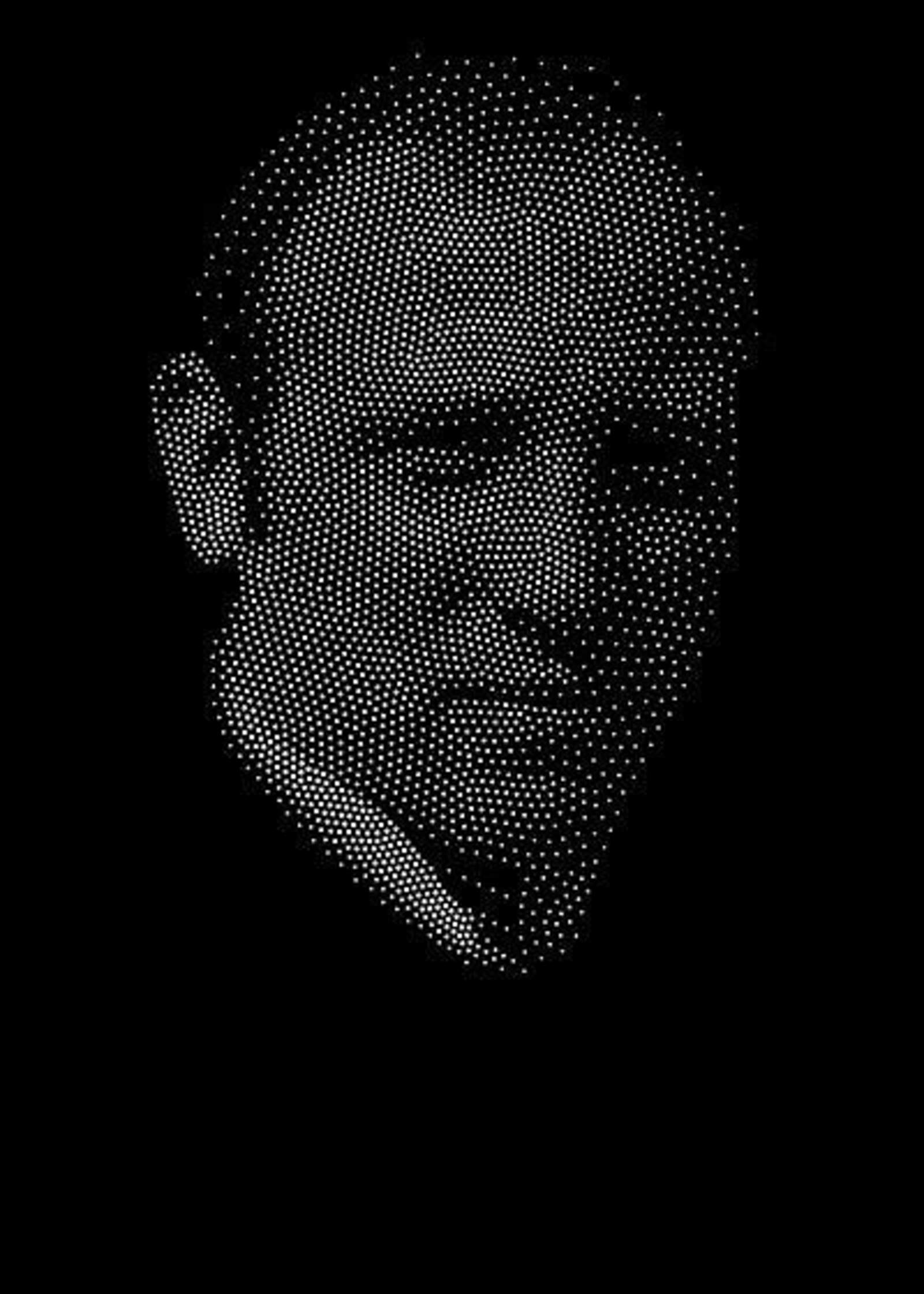
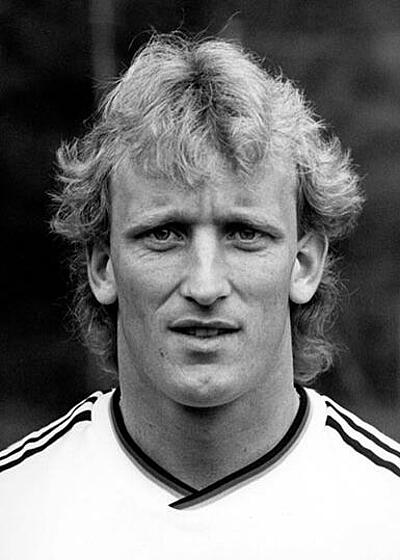
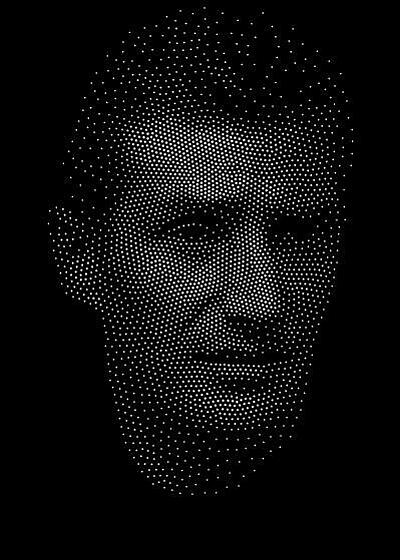
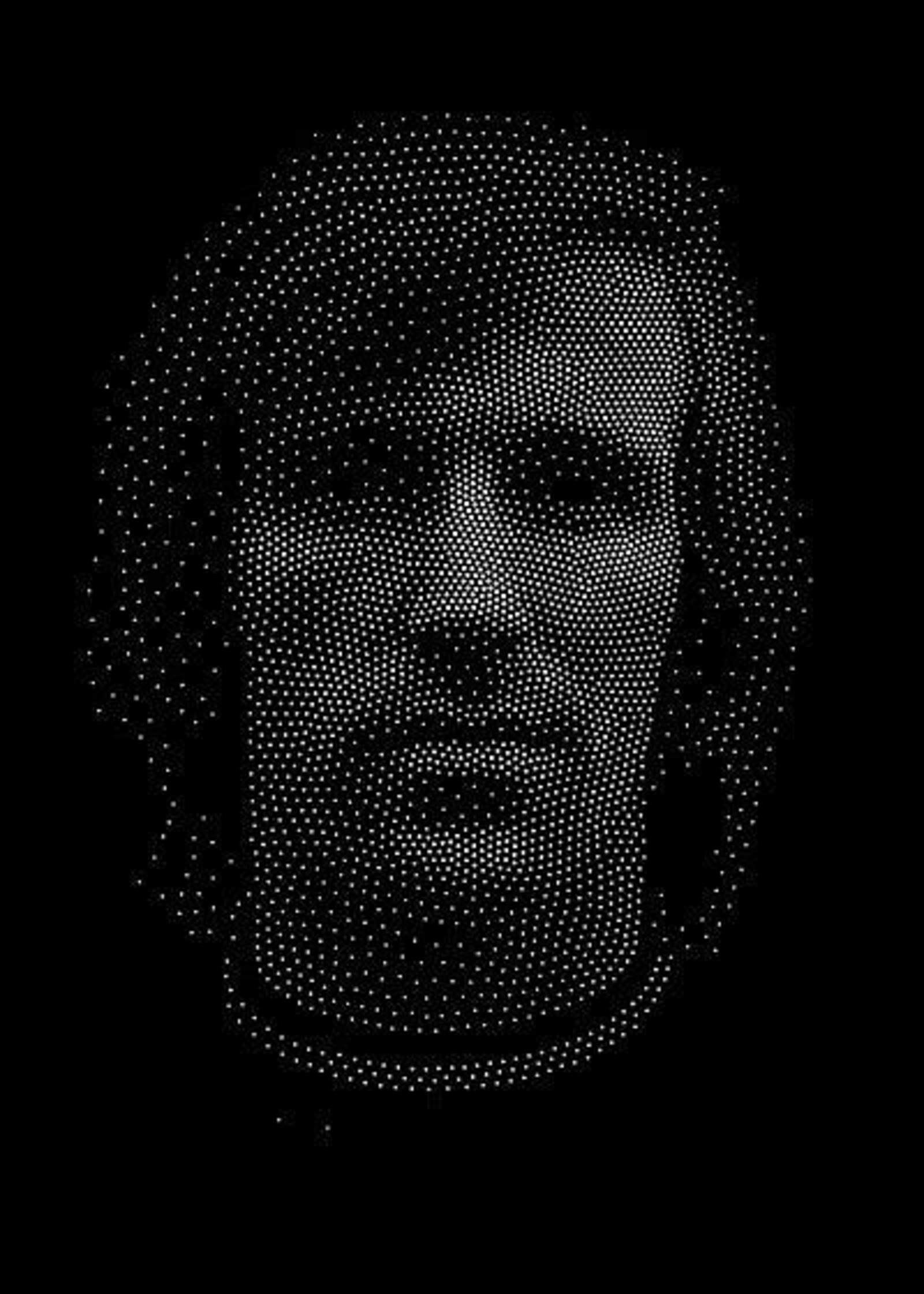
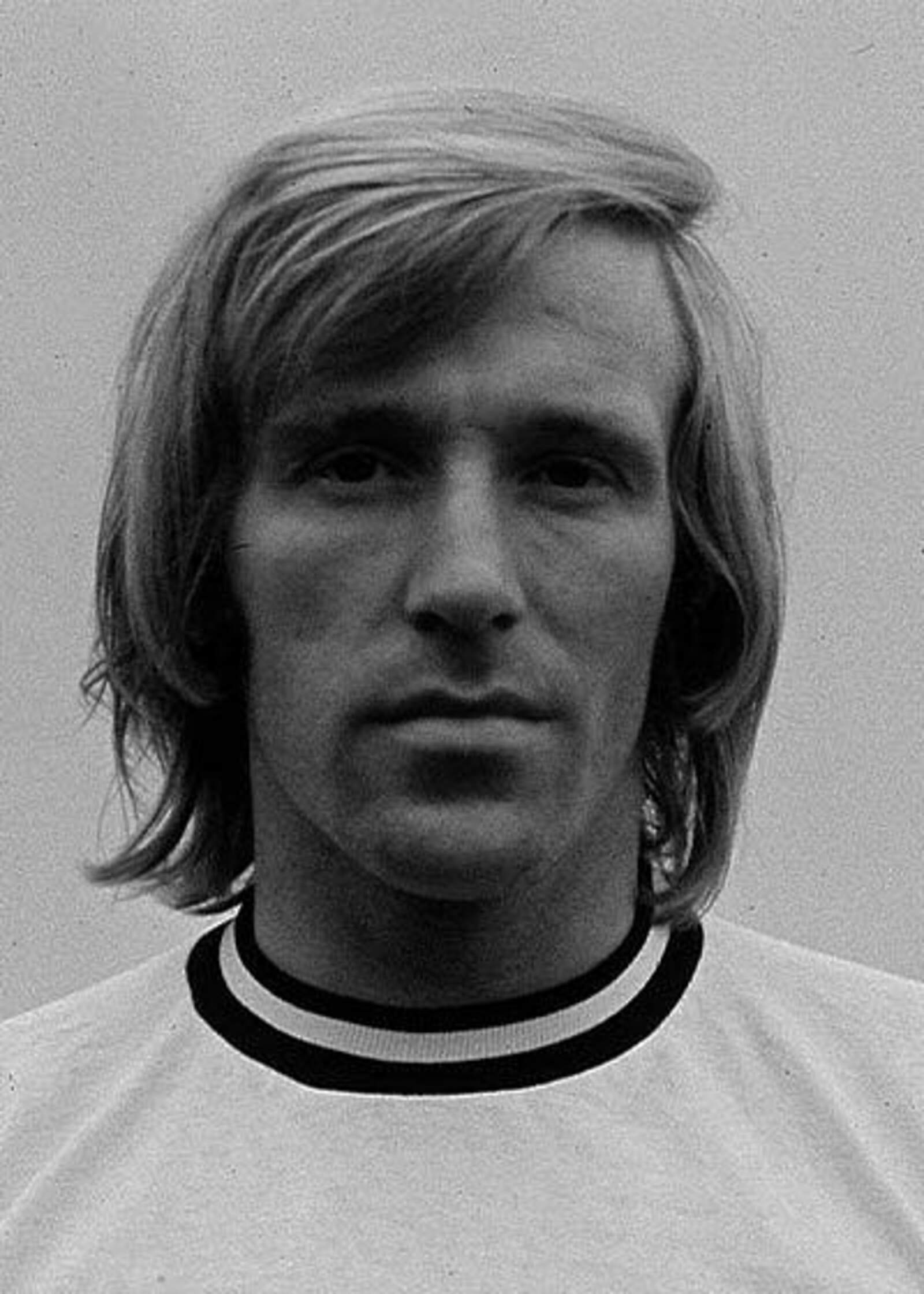
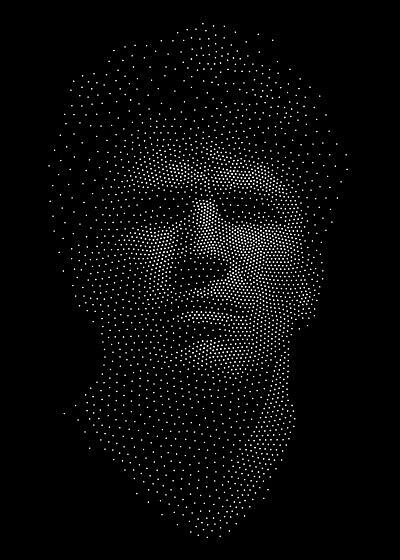
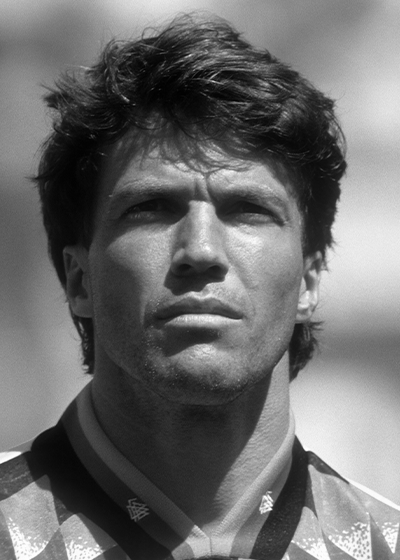
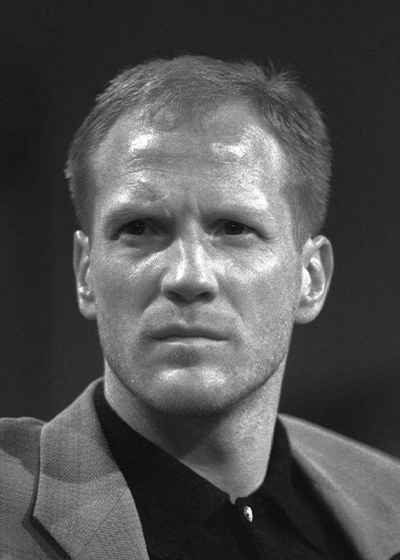
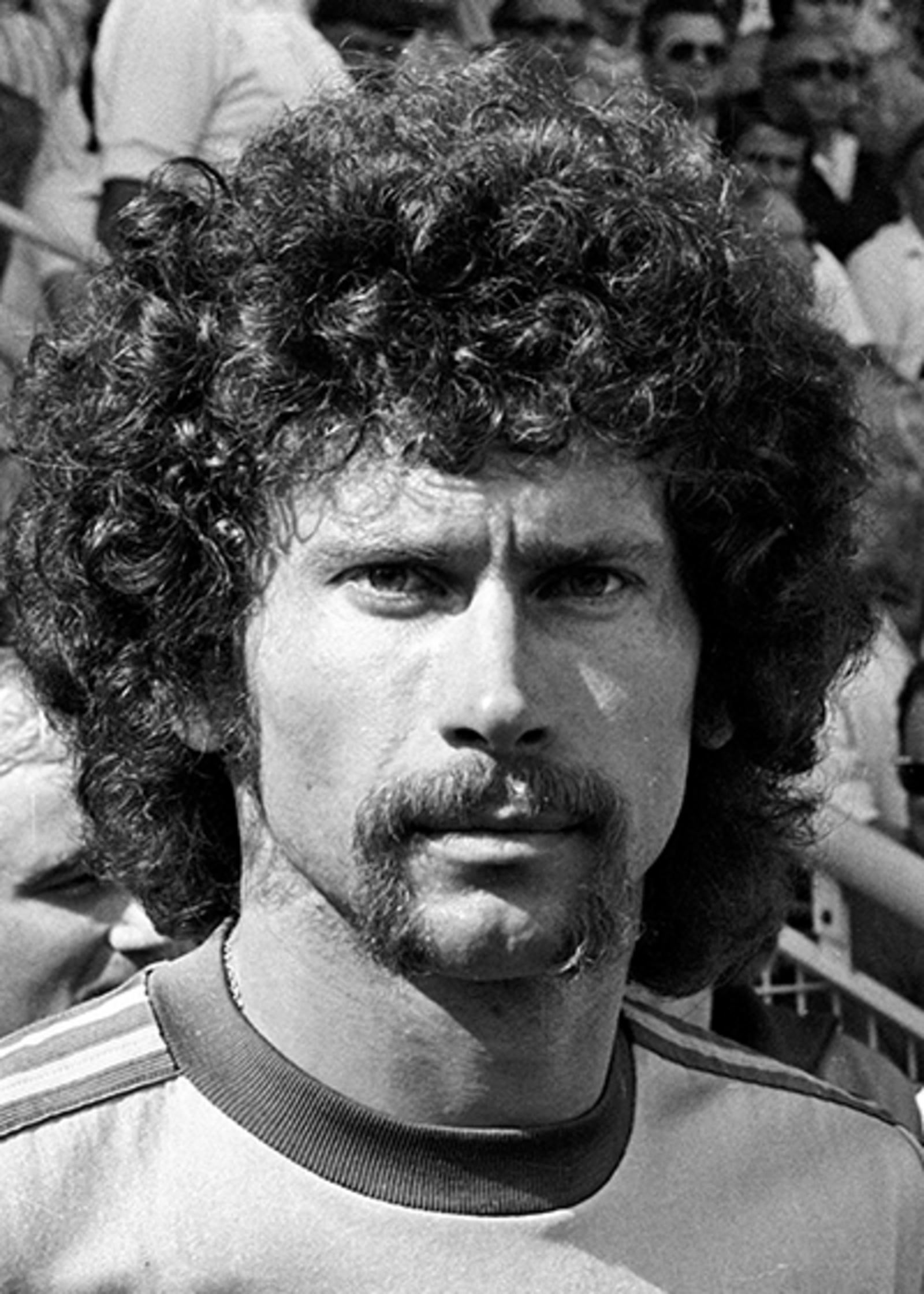
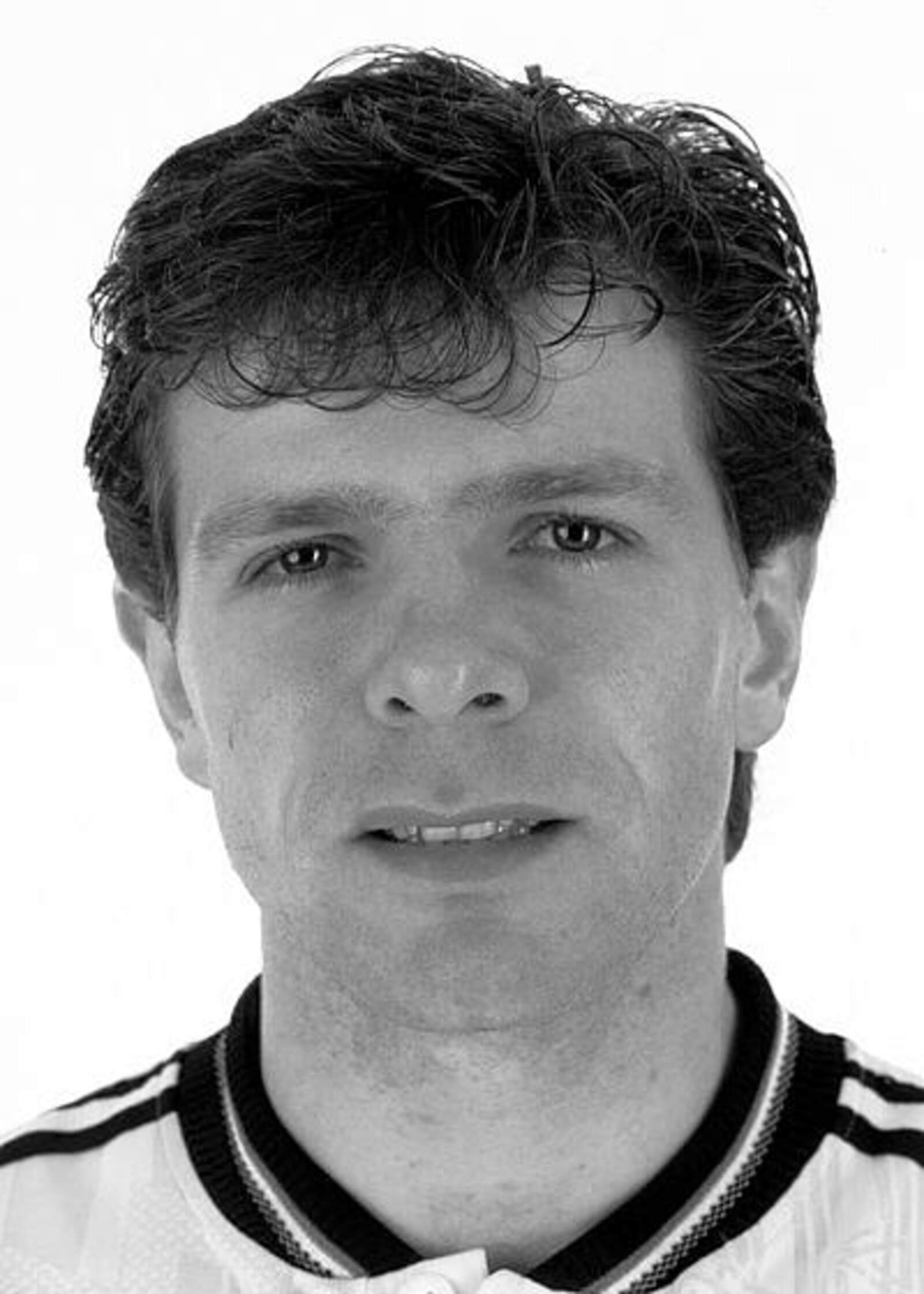
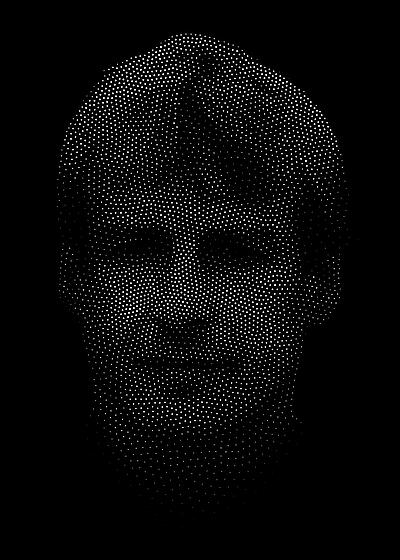
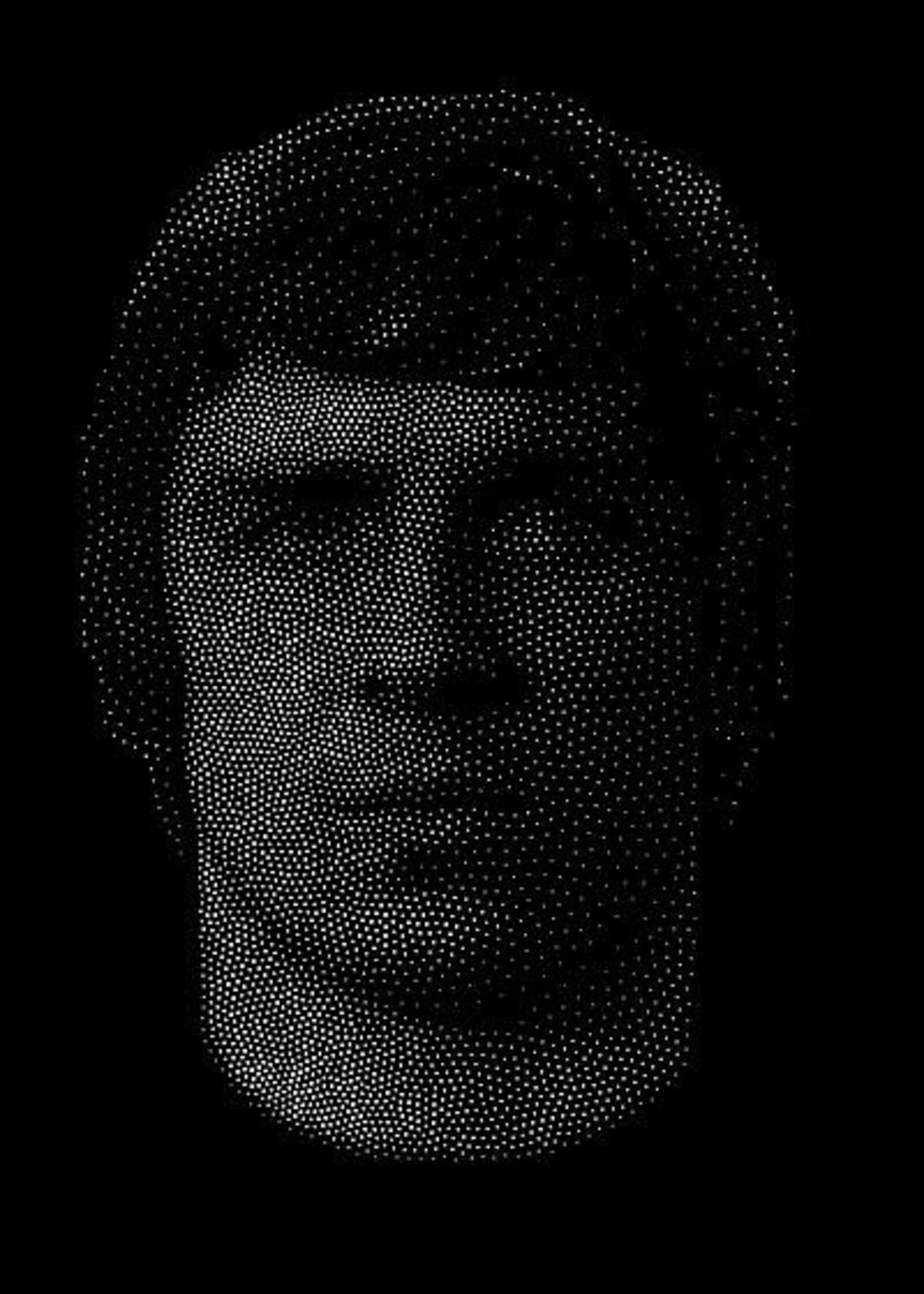
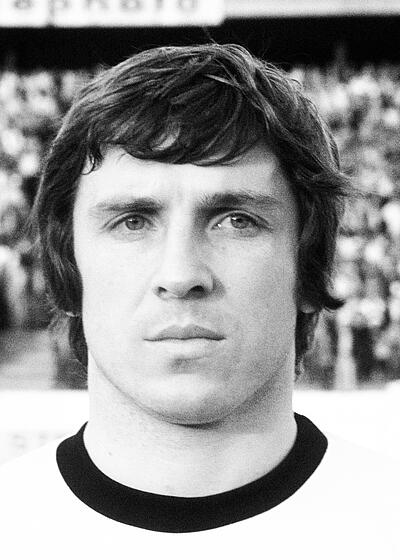
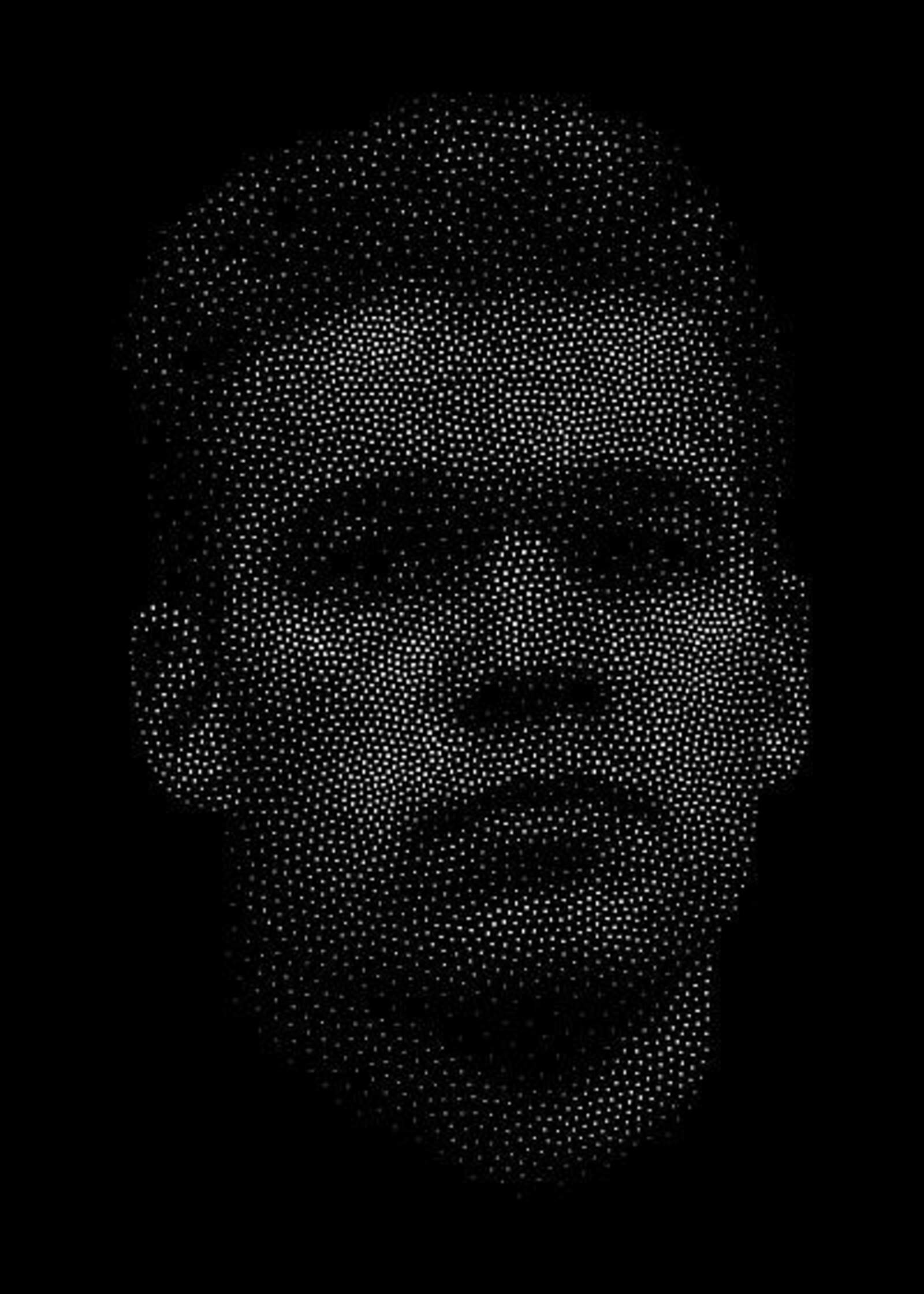
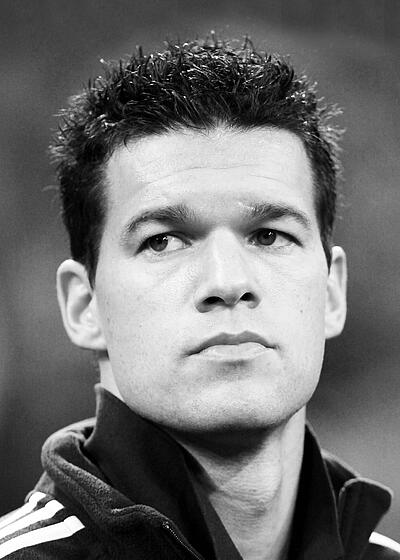
Bastian Schweinsteiger
* 1 August 1984, Kolbermoor
(midfielder)
Playing career:
2002–2015 FC Bayern Munich
2015–2017 Manchester United 2017–2019
Chicago Fire
Club:
342 appearances, 45 goals (Bundesliga)
; 18 appearances, 1 goal (Premier League, England)
; 86 appearances, 8 goals (Major League Soccer, USA)
Honours:
German Champion: 2003, 2005, 2006, 2008, 2010, 2013, 2014, 2015
DFB-Pokal winner: 2003, 2005, 2006, 2008, 2010, 2013, 2014
FA Cup winner: 2016
FIFA Club World Cup winner: 2013
UEFA Super Cup winner: 2013
Champions League winner: 2013
National team:
121 appearances, 24 goals
World Champion: 2014
; Third place at the World Cup: 2006, 2010
; European Championship runner-up: 2008
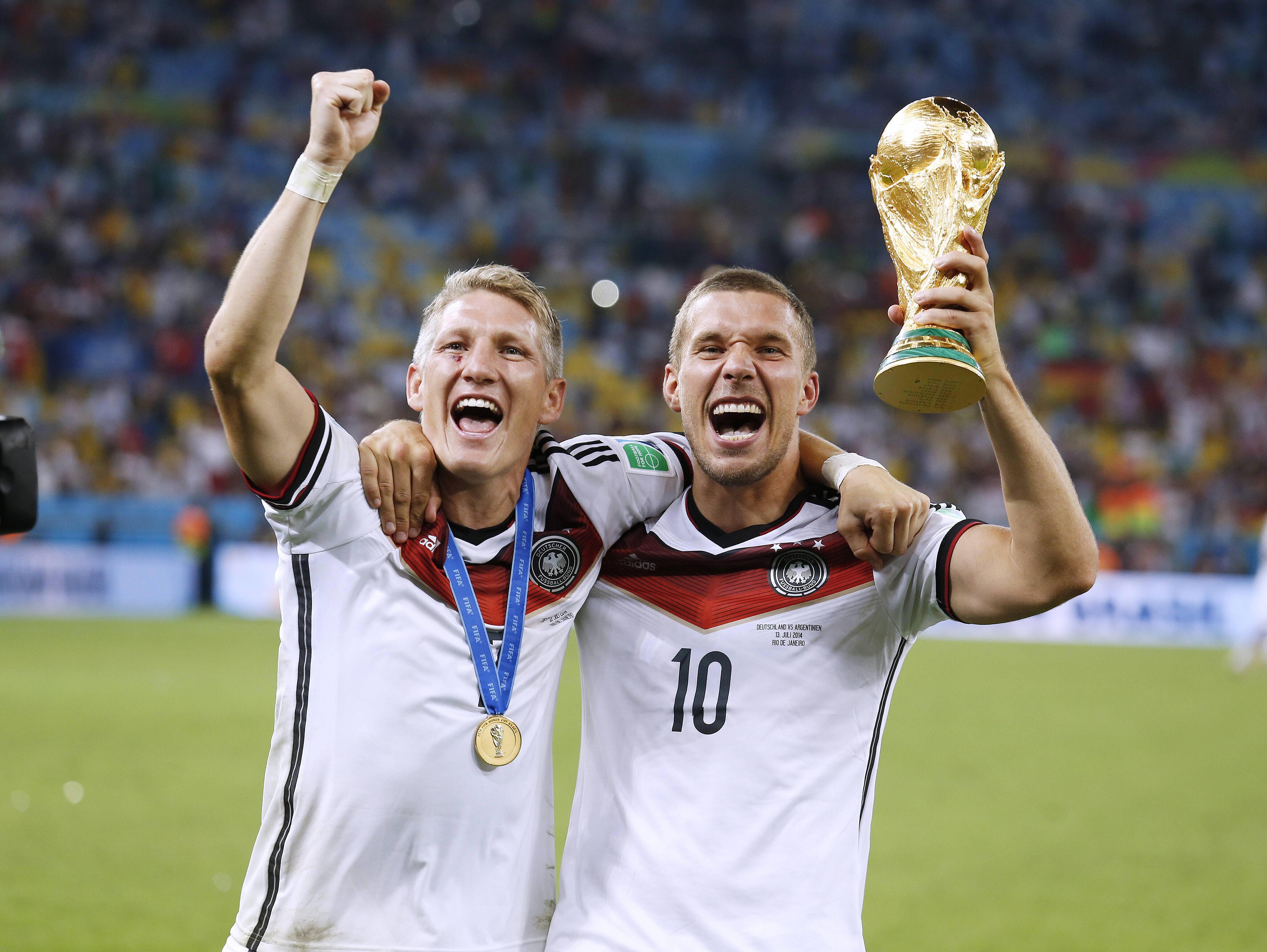
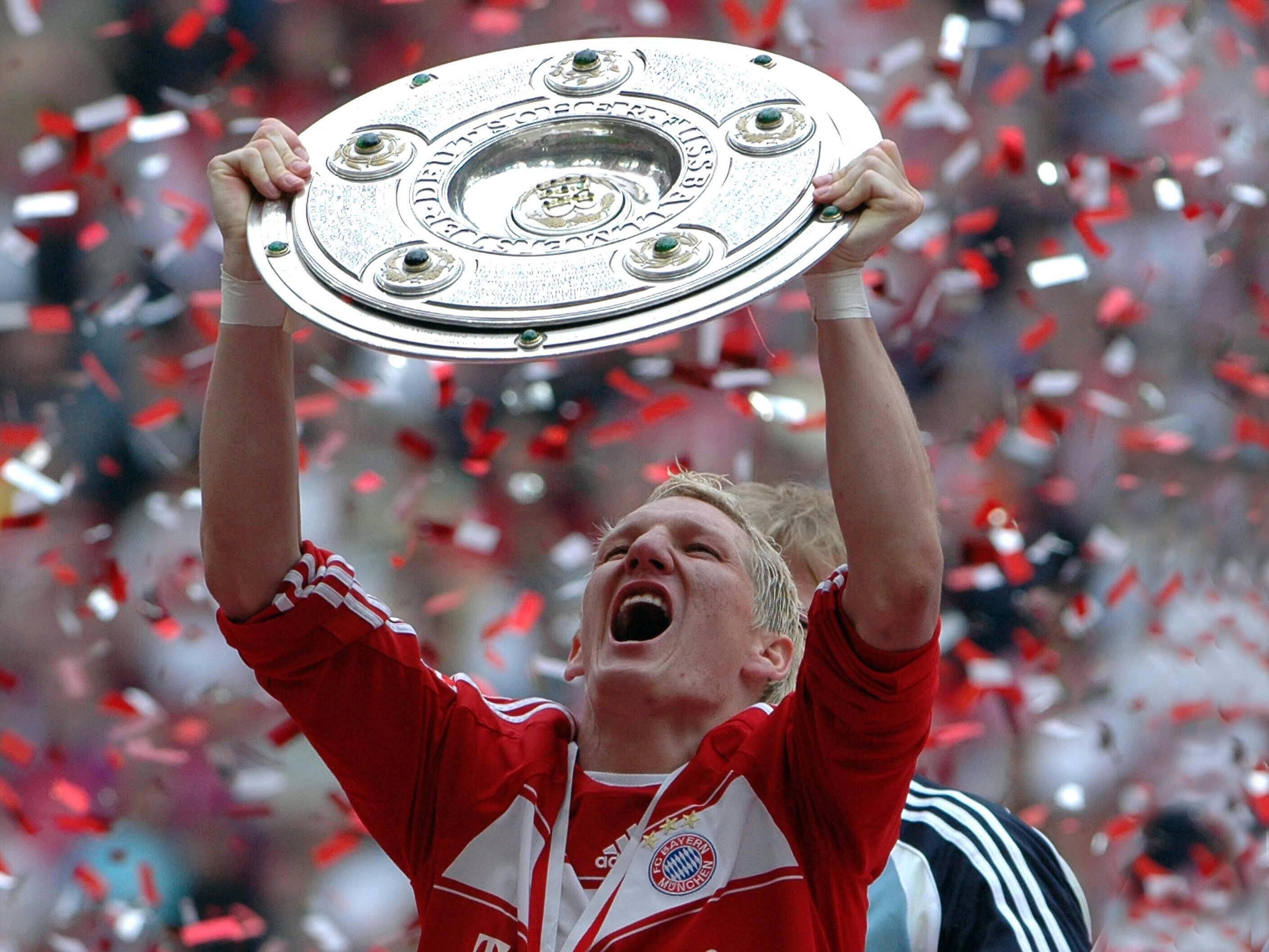
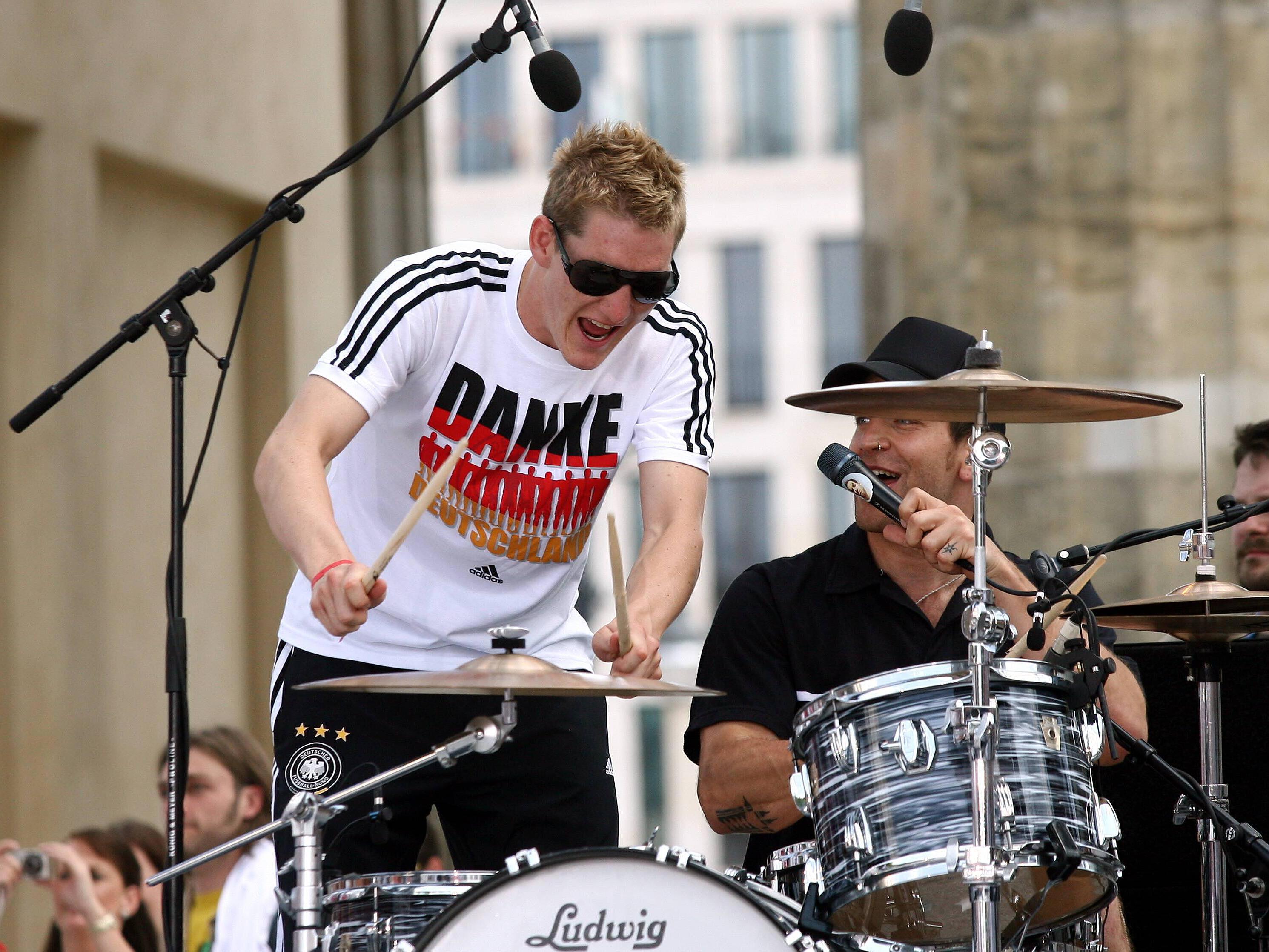
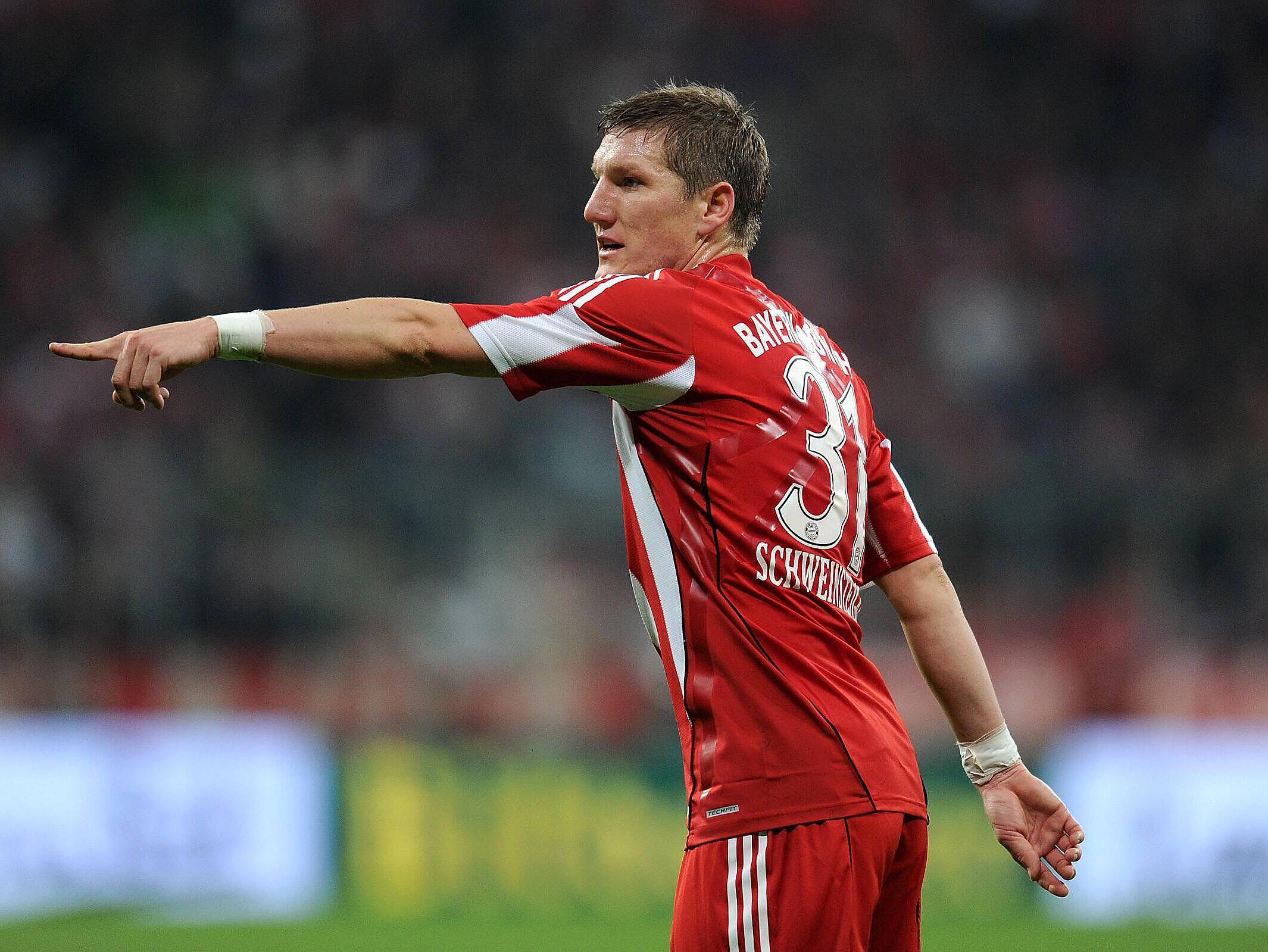
Bastian Schweinsteiger is one of Germany’s most successful footballers. With FC Bayern Munich, he won eight German league titles and seven DFB Cup titles, as well as the Champions League title in 2013 at Wembley Stadium in London. As captain of the German national team, he capped off this already impressive record by winning the World Cup in Brazil in 2014.
At the start of his career, he had to fend off critics who questioned whether he possessed the necessary seriousness required of a professional footballer. Minor escapades off the pitch occasionally detracted from the positive impression Schweinsteiger made on the Bundesliga stage, even at a young age. Nevertheless, as early as 2004 – just two years after his debut in Germany’s top flight – he made the leap into the national team. There, following the disappointing 2004 European Championship, he and his mate Lukas Podolski – a year his junior – were regarded as the great hopes of German football. They had already made their mark on the 2006 ‘Summer Fairy Tale’ World Cup and played a key role in securing third place. From then on, the duo ‘Schweini’ and ‘Poldi’ came to symbolise a new, refreshing and technically sophisticated style of play.
It was no later than when the Dutchman Louis van Gaal, as manager of Bayern Munich, moved Schweinsteiger – who had previously often played on the wing – into central midfield that the once impetuous talent matured into a player of immense character. As an outstanding playmaker, he led the Munich side to the Champions League final in 2010 and, just a few weeks later, unexpectedly guided a young German national team to third place at the World Cup in South Africa.
Even sporting setbacks such as the lost 2012 Champions League final – when Schweinsteiger missed a decisive penalty at Munich’s Allianz Arena in the so-called ‘Finale dahoam’ – could not stop the former ‘sunny boy’ on his path to becoming a ‘football god’.
The scenes from the 2014 World Cup final against Argentina remain unforgettable: despite countless fouls by the opposition and a bleeding wound to his eye, he played the full 120 minutes and ultimately celebrated the World Cup triumph with the Germanwrapped around his battered body, celebrating the World Cup triumph.
In 2018, following his move to Chicago Fire – the final club of his career – Bastian Schweinsteiger became the first player since goalkeeping legend Oliver Kahn to be honoured with a farewell match organised especially for him at Munich’s Allianz Arena.
The German Football Hall of Fame was established on the initiative of the German Football Museum. In November 2018 and January 2019, leading sports journalists voted for the inaugural men’s and women’s teams. The jury members were asked to nominate their choice of players and managers from German men’s and women’s football. Players who were eligible to play for German national teams and whose playing careers had ended at least five years previously were eligible for nomination. The HALL OF FAME honours the greatest legends of German football in one central location for the first time. It forms part of the permanent exhibition at the German Football Museum in Dortmund. Opened on 1 April 2019, it has become a permanent place of pilgrimage for all football fans. The jury decides annually on further inductees from men’s and women’s football.