EN
 DE


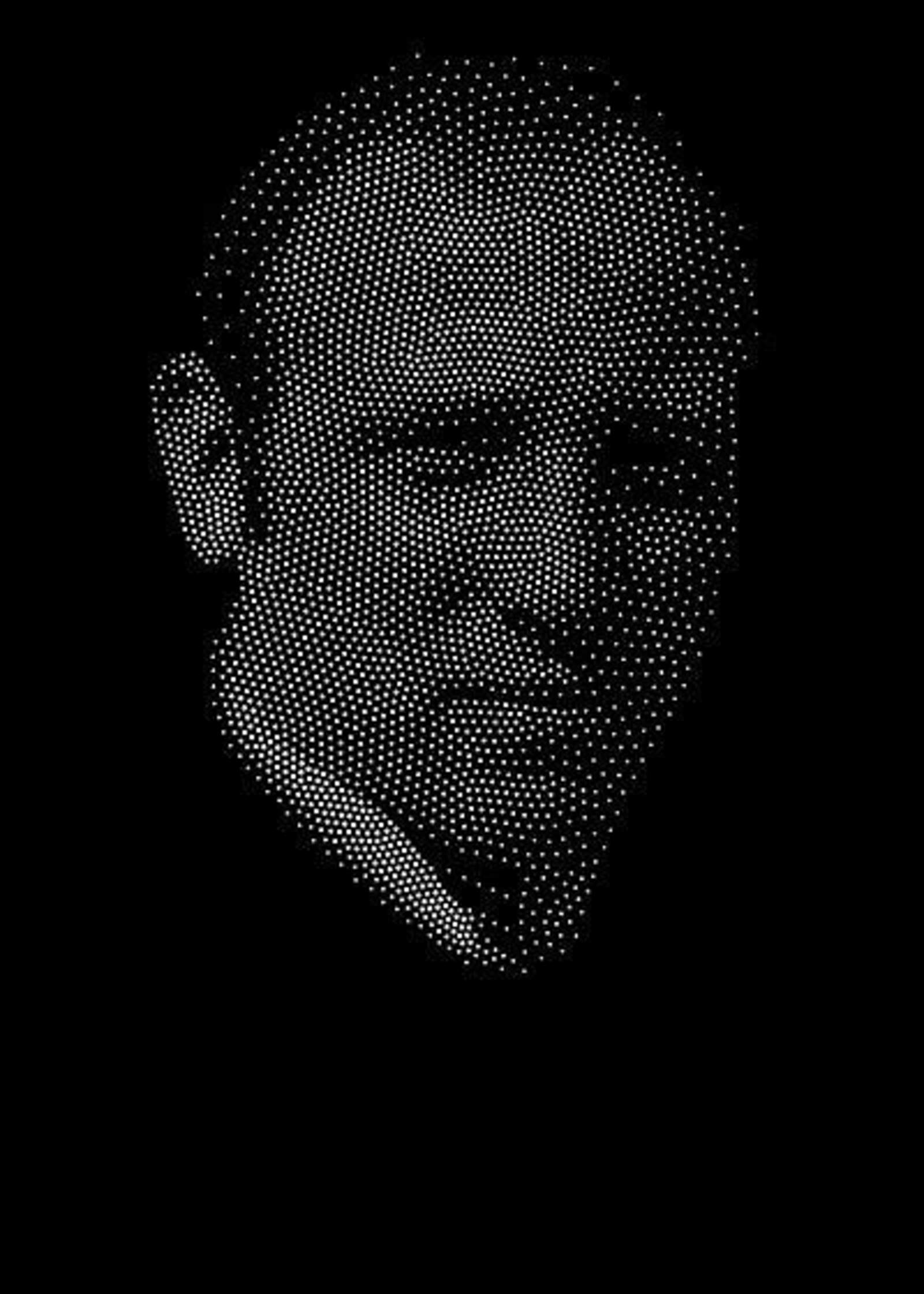
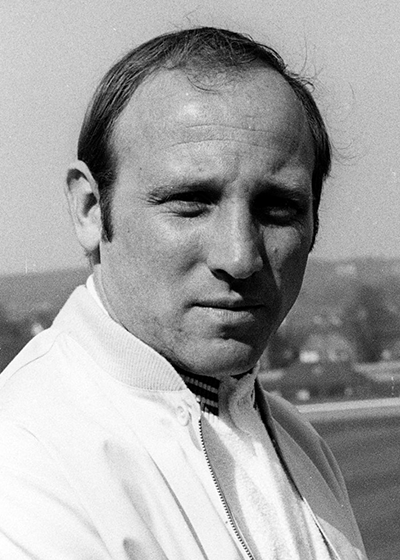
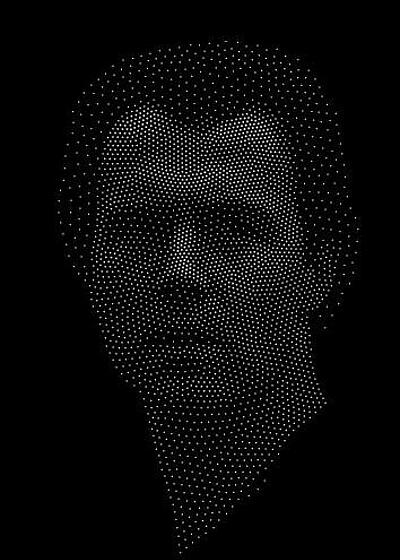
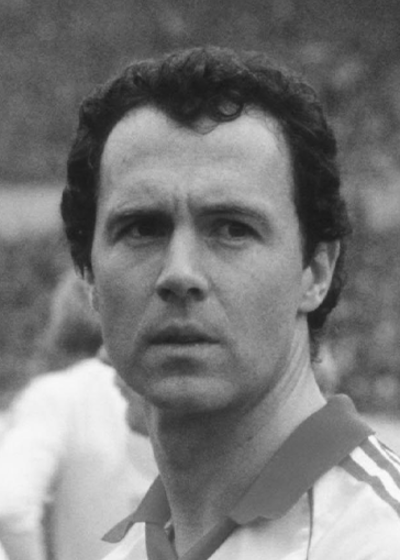
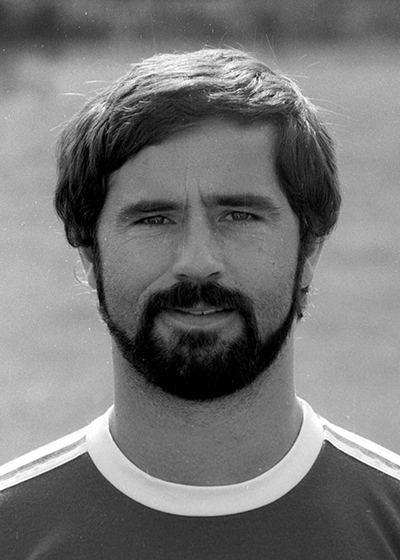
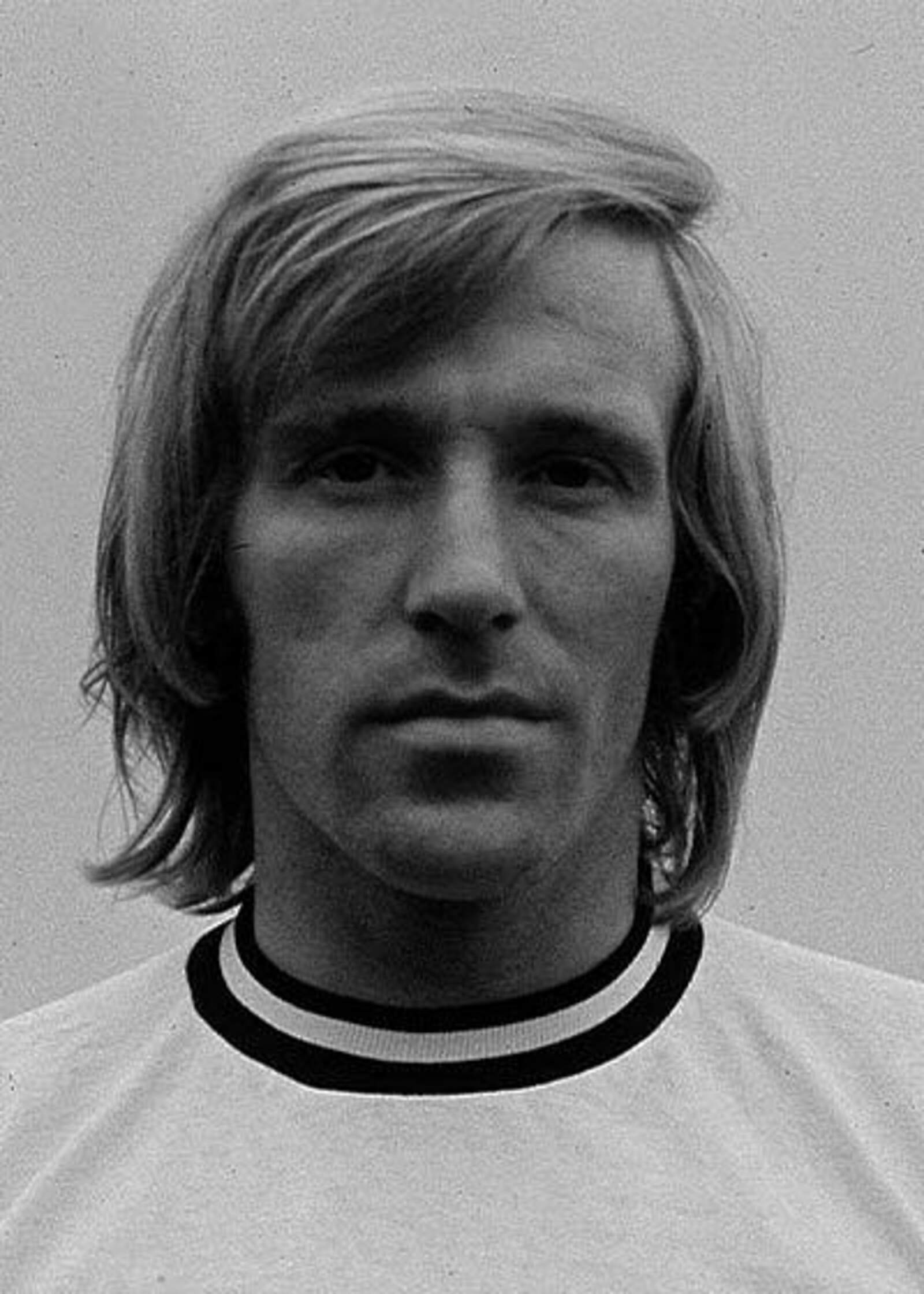
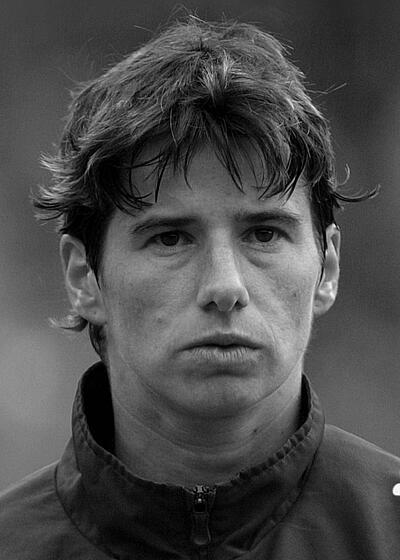
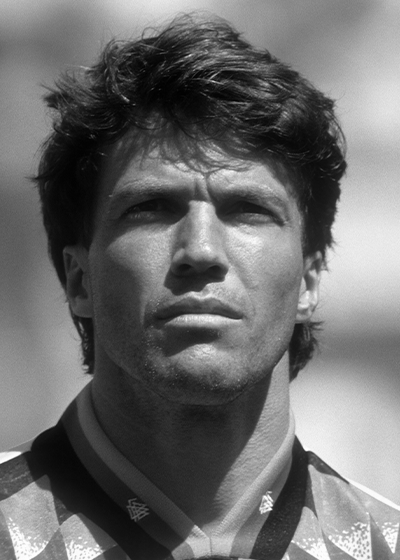
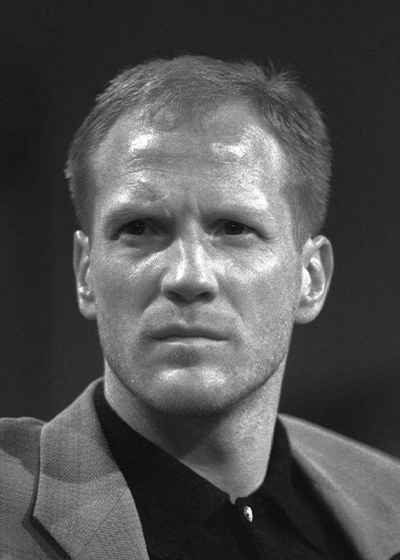
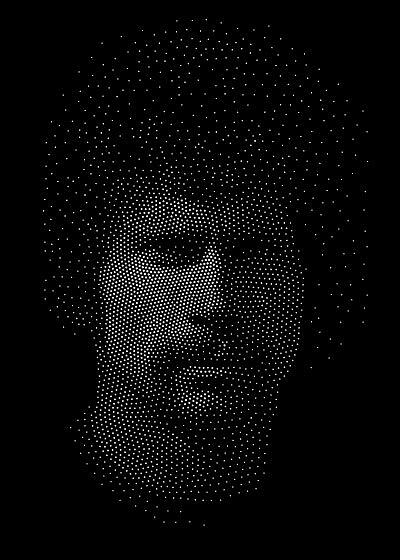
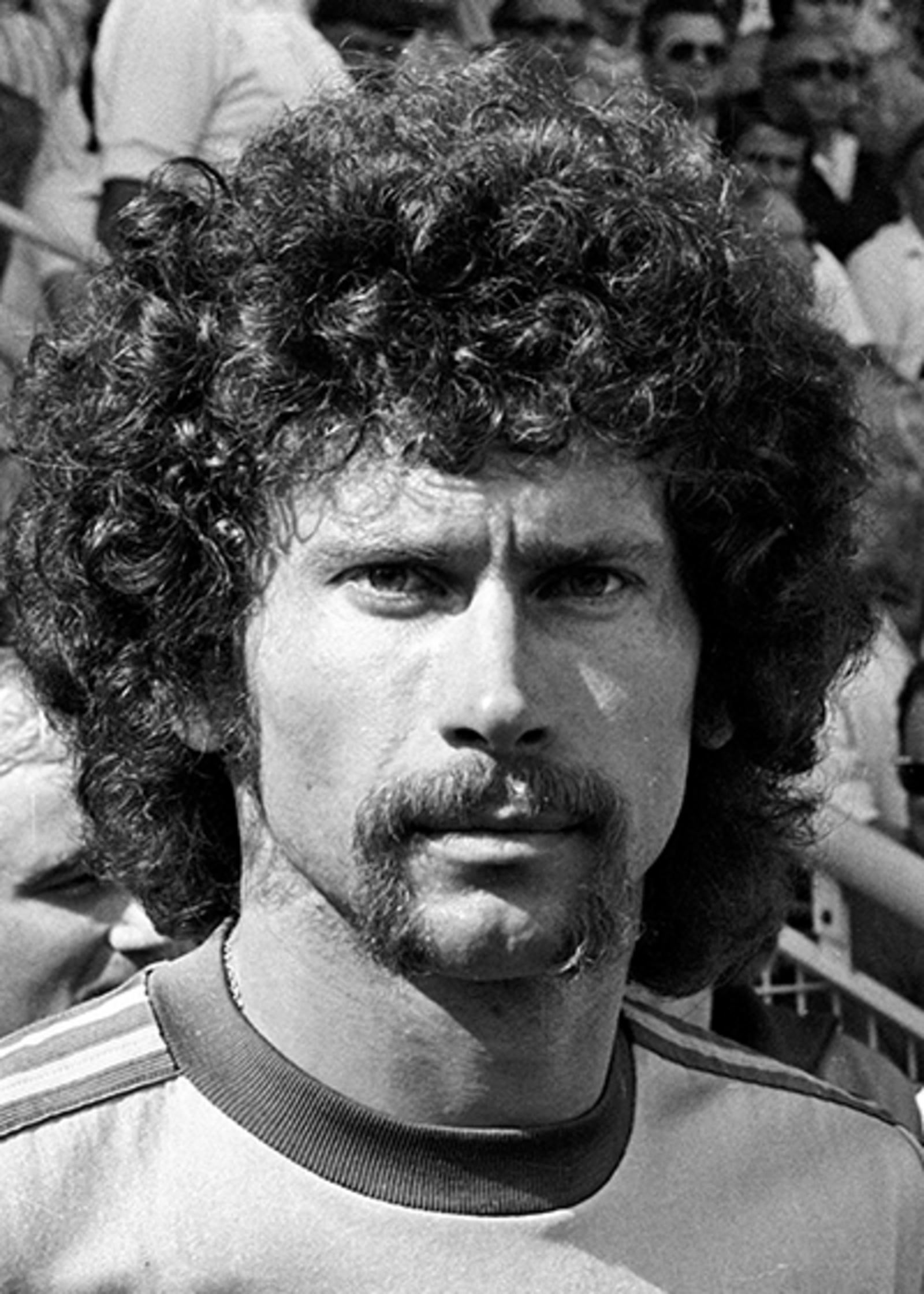
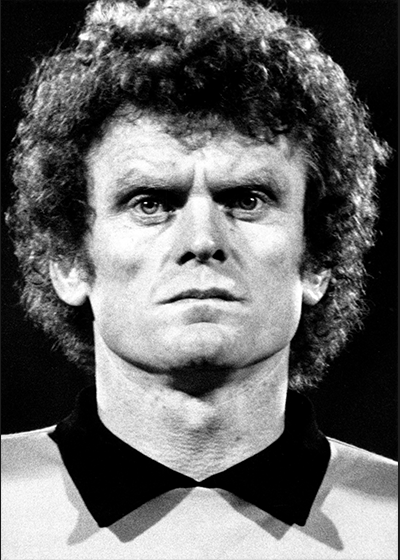
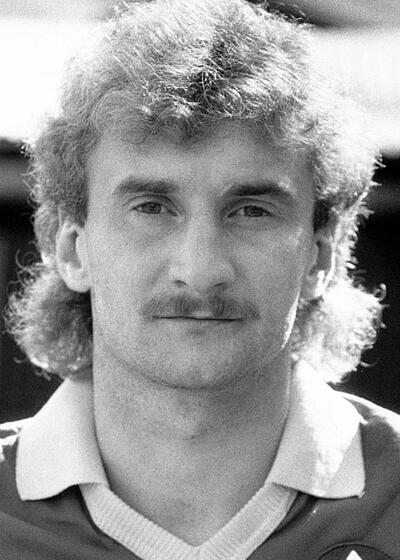
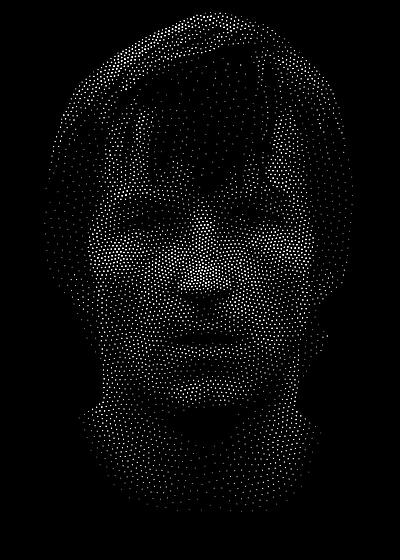
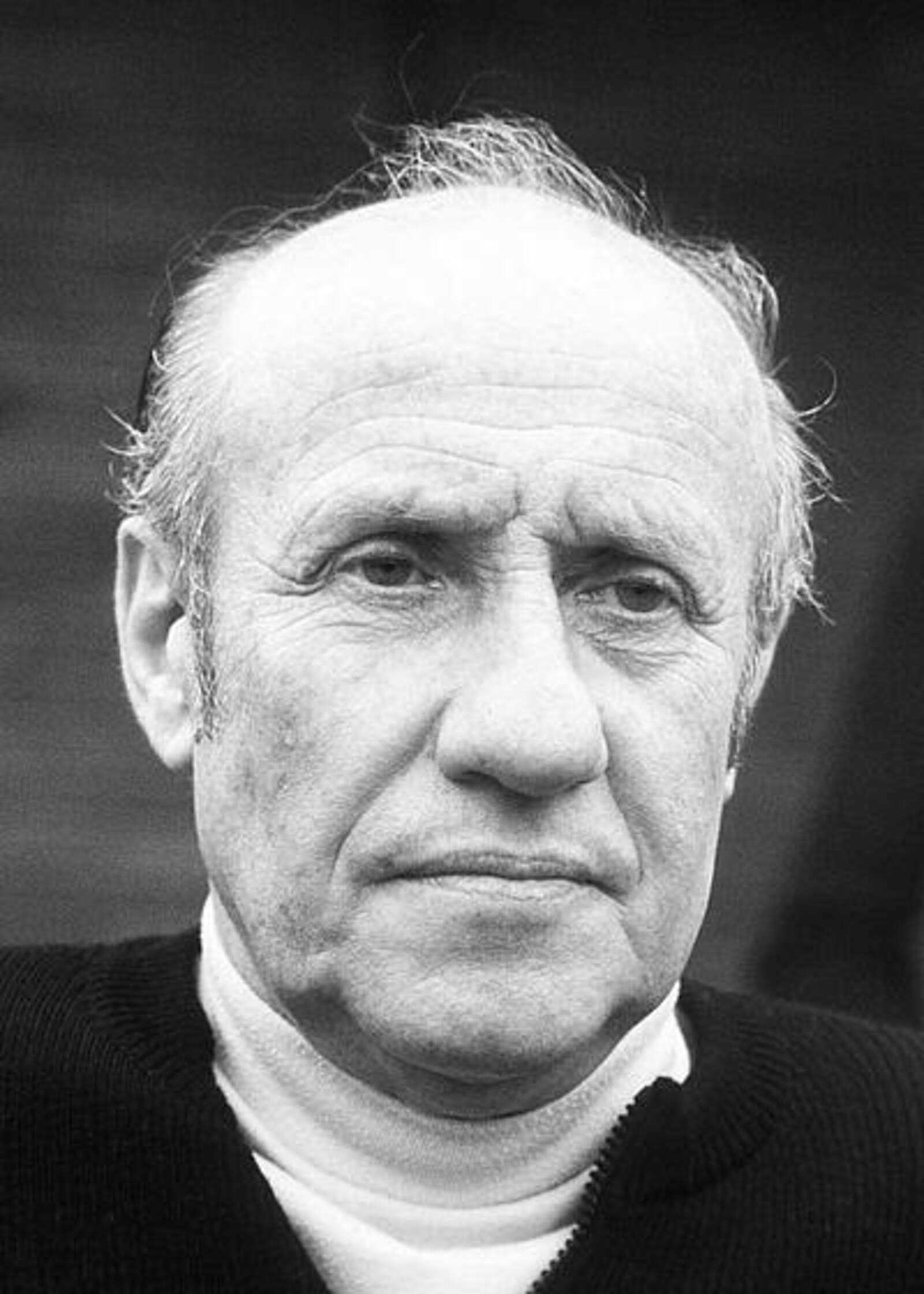
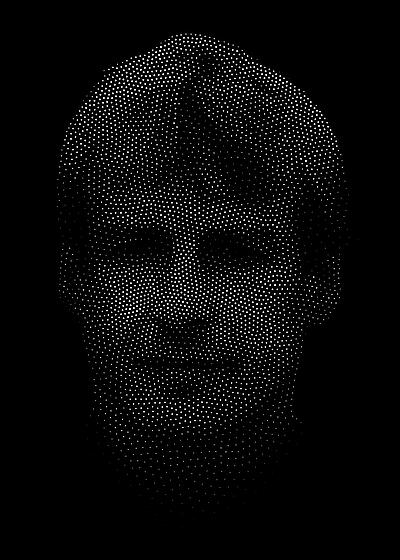
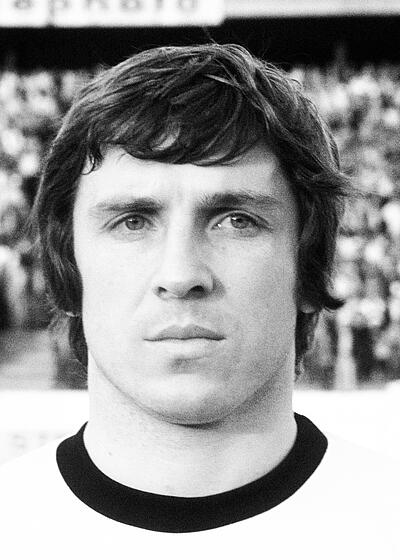
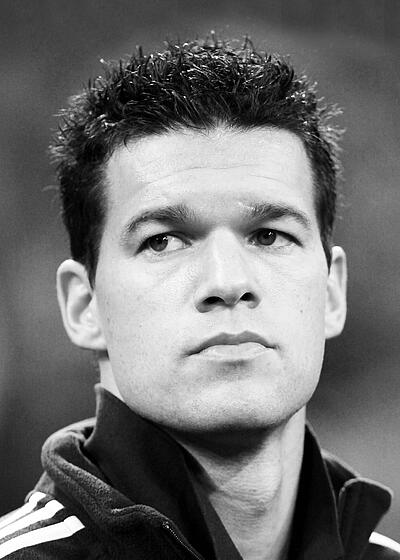
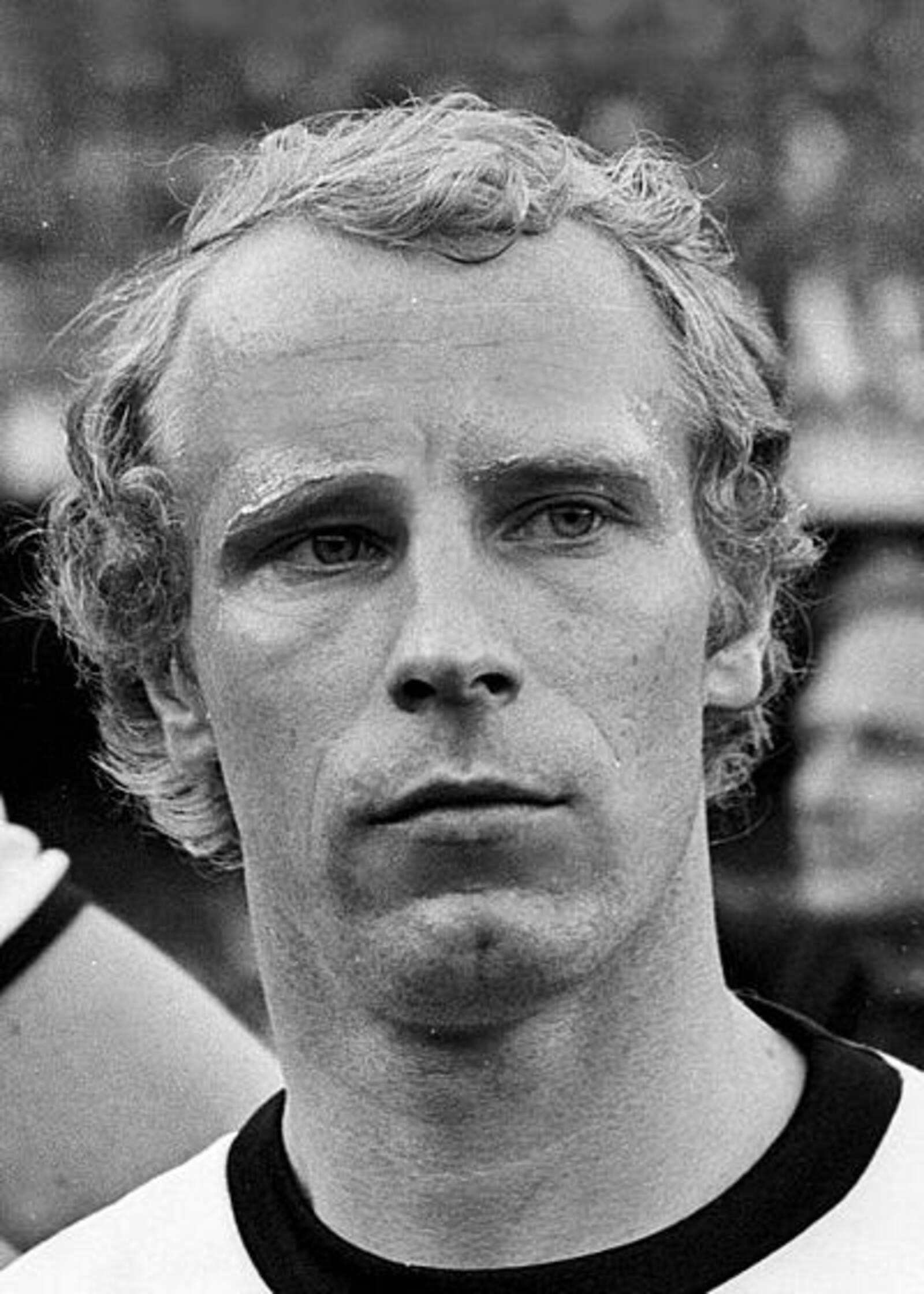
Bernd Schuster
*22 December 1959, Augsburg Midfielder
Clubs as a player:
1978–1980 1. FC Köln
1980–1988 FC Barcelona
1988–1990 Real Madrid
1990–1993 Atlético Madrid
1993–1996 Bayer 04 Leverkusen
1996–1997 UNAM Pumas
Club:
120 appearances, 18 goals (Bundesliga)
; 316 appearances, 87 goals (Primera División, Spain)
Honours:
Spanish League champions: 1985, 1989, 1990
Spanish Cup winner: 1981, 1983, 1988,
1989, 1991, 1992
European Cup Winners’ Cup: 1982
National team:
21 matches, 4 goals
European Champion: 1980


Bernd Schuster played abroad for 13 years, making a total of 316 appearances in Spain’s Primera División for top clubs FC Barcelona, Real Madrid and Atlético Madrid. He won at least one title at each of these three clubs. In the Bundesliga, the midfielder took his first steps at 1. FC Köln, where he developed from a young talent into an exceptional player. At the age of 19, the playmaker made his debut for the German national team, which he led to the European Championship title a year later. He was voted the best player at the tournament in Italy. However, his career with the German national team came to a premature end due to disagreements with the then national coach, Jupp Derwall, and with officials at the German Football Association (DFB). There was repeated speculation about a return, but this never materialised. At the age of just 20, the Augsburg-born player moved to Spain for a record transfer fee. In 1993, he returned to the Bundesliga to join Bayer Leverkusen and continued to impress with his outstanding technical ability and vision. In 1994, he scored the ‘Goal of the Year’ with a shot from the halfway line, which was later also voted ‘Goal of the Decade’. During his prime, the gifted footballer earned the nickname ‘The Blond Angel’.
The German Football Hall of Fame was established on the initiative of the German Football Museum. In November 2018 and January 2019, leading sports journalists voted for the inaugural men’s and women’s teams. The jury members were asked to nominate their choice of players and managers from German men’s and women’s football. Players who were eligible to play for German national teams and whose playing careers had ended at least five years previously were eligible for nomination. The HALL OF FAME honours the greatest legends of German football in one central location for the first time. It forms part of the permanent exhibition at the German Football Museum in Dortmund. Opened on 1 April 2019, it has become a permanent place of pilgrimage for all football fans. The jury decides annually on further inductees from men’s and women’s football.