EN
EN
 DE
DE

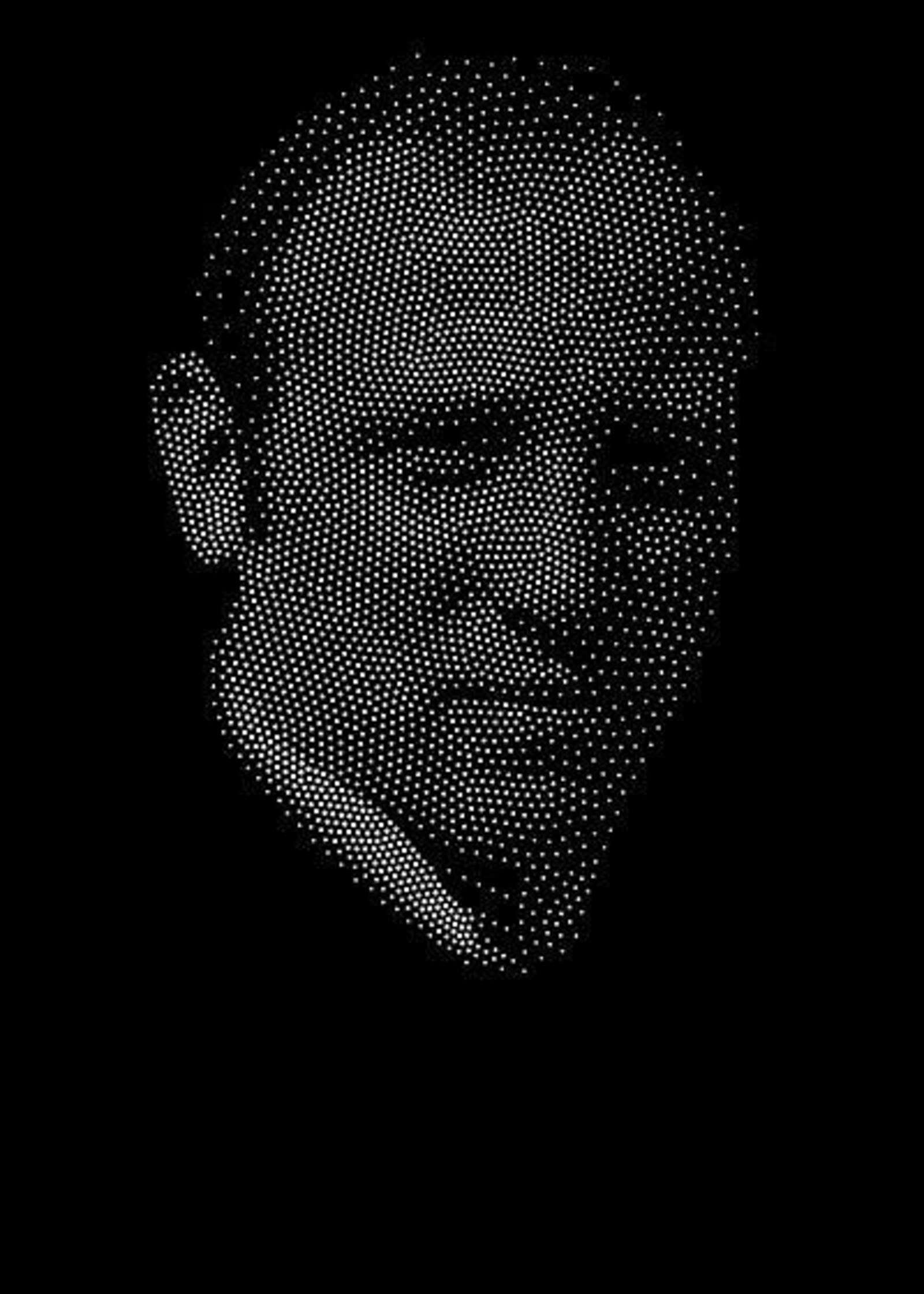
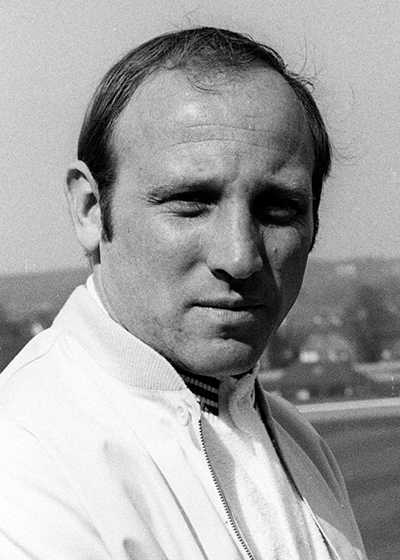
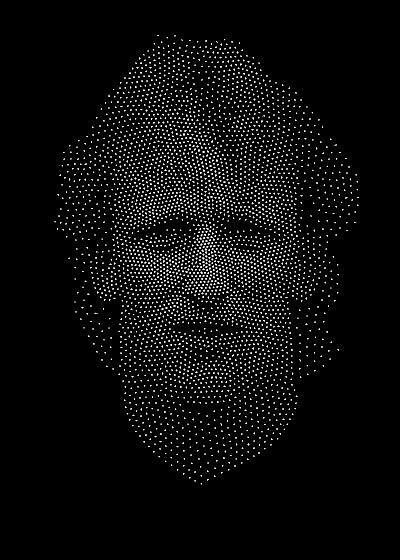
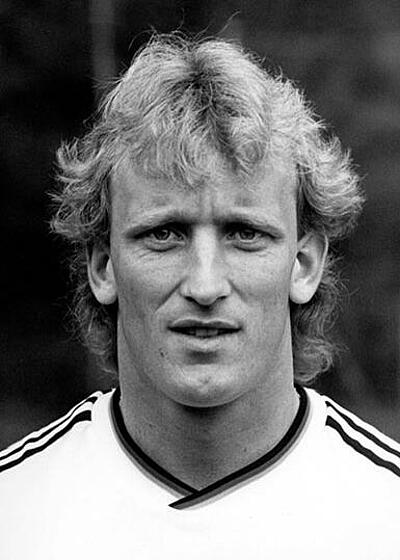
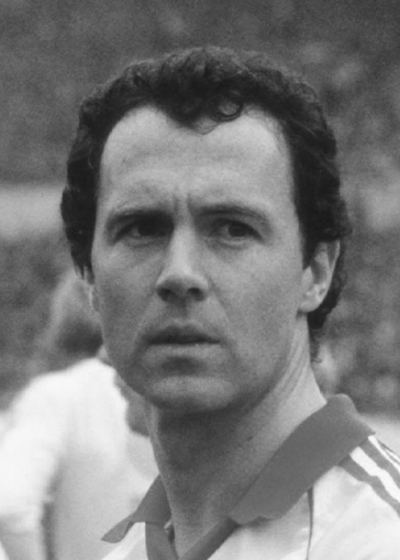
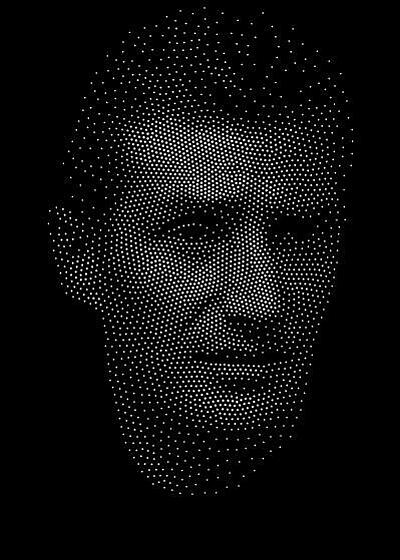
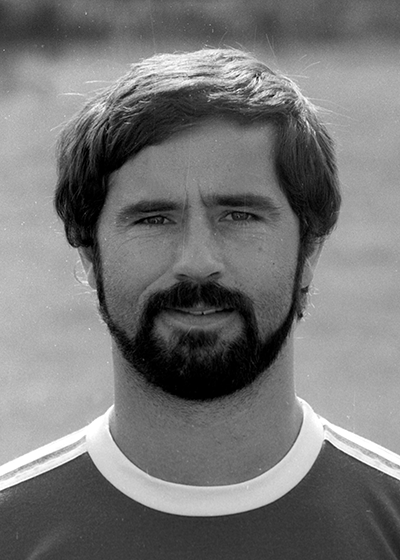
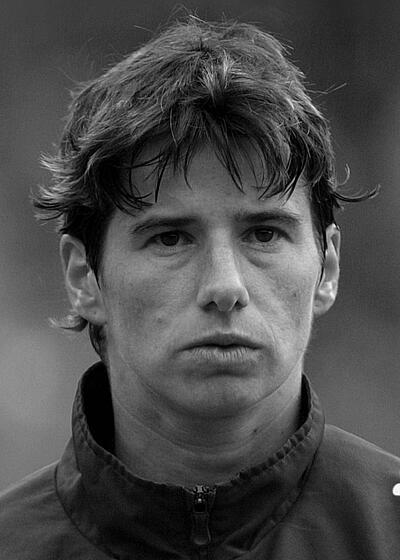
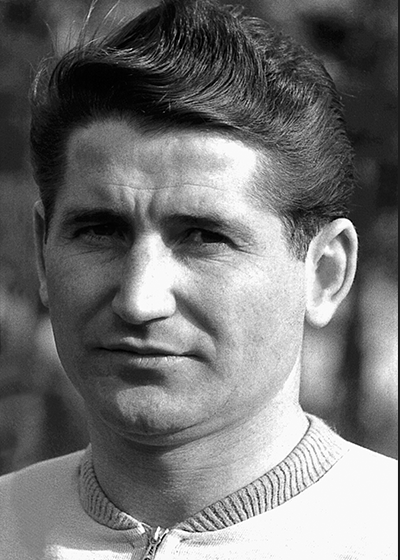
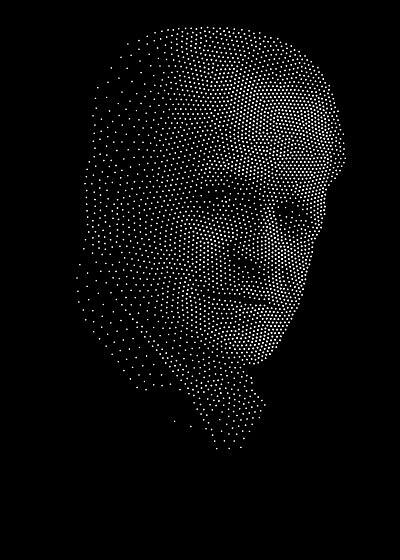
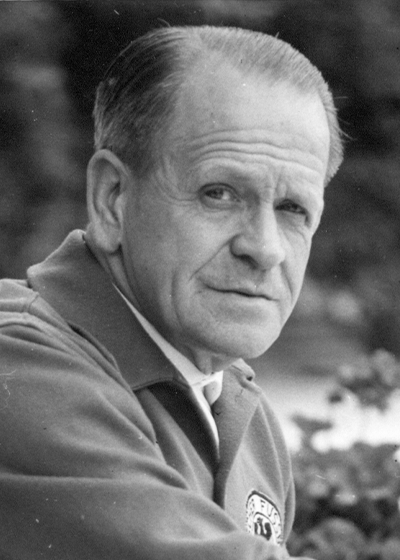
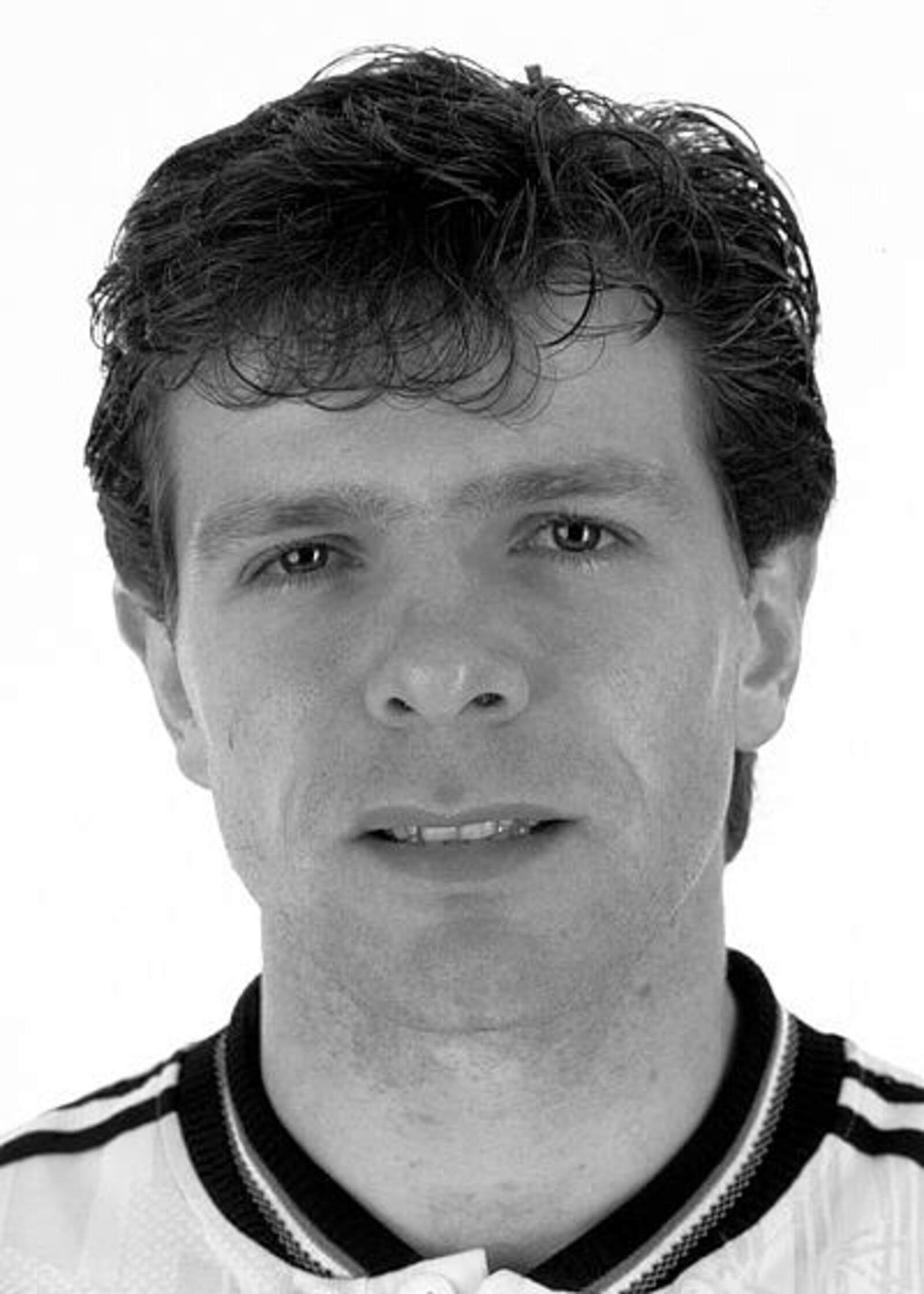
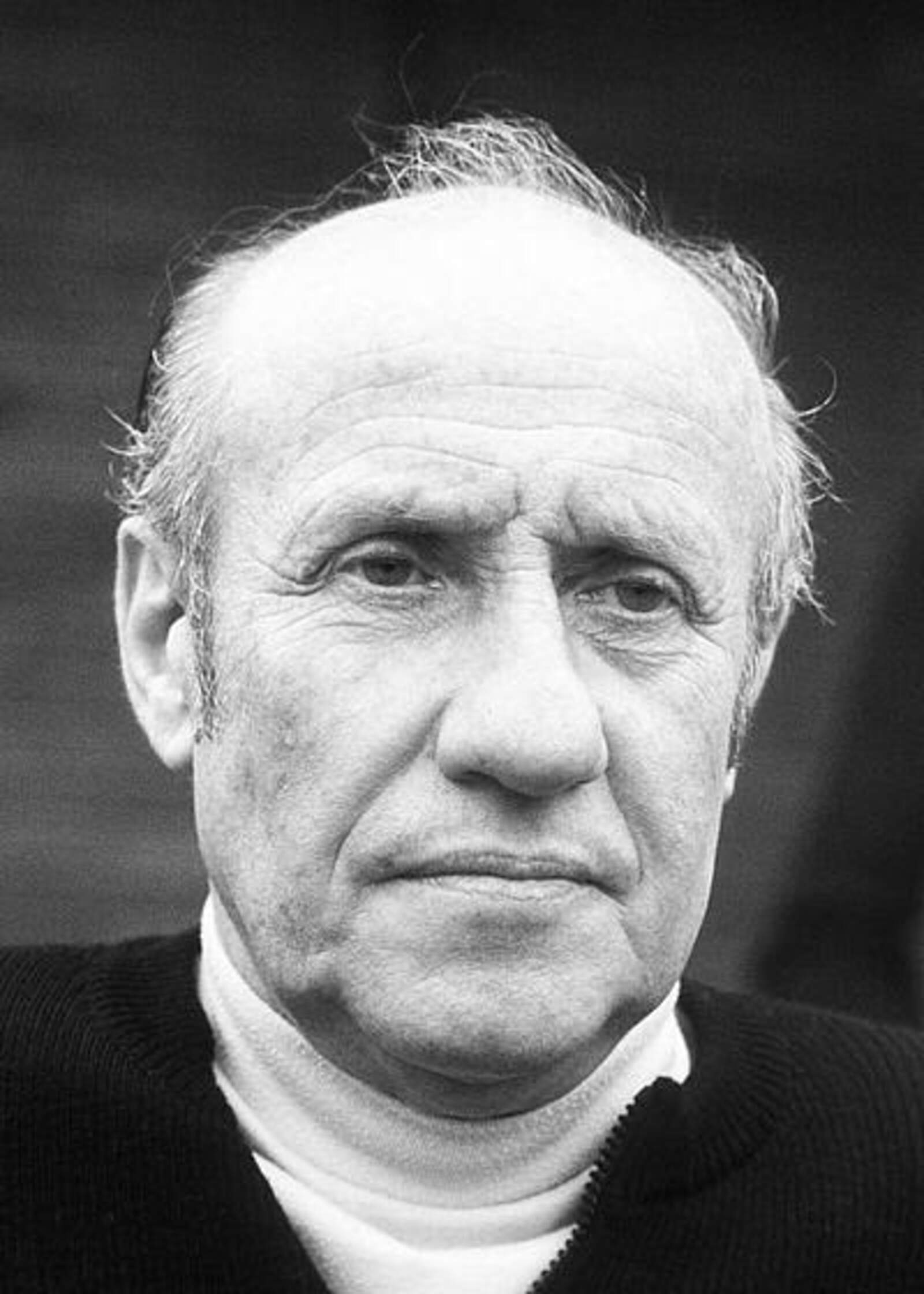
Fritz Walter
31 October 1920, Kaiserslautern (died 17 June 2002, Enkenbach-Alsenborn)
Midfielder
Clubs as a player:
1938–1959 1. FC Kaiserslautern
Club:
384 appearances, 327 goals (Oberliga Südwest)
Honours:
Oberliga Südwest champions: 1947, 1948, 1949, 1950, 1951, 1953, 1954, 1955, 1956, 1957
German champions: 1951, 1953
National team:
61 appearances (33 goals)
World Champion: 1954
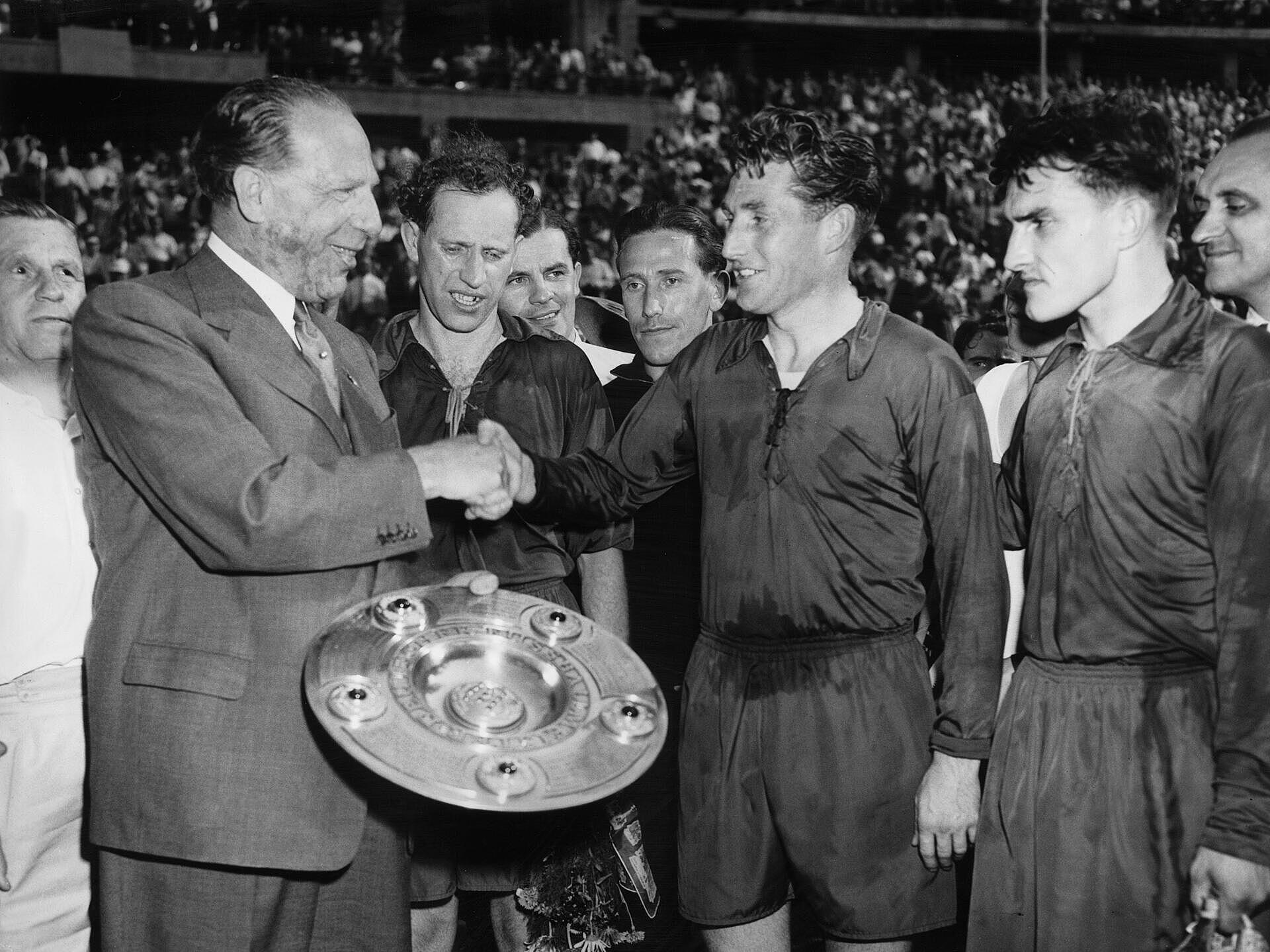
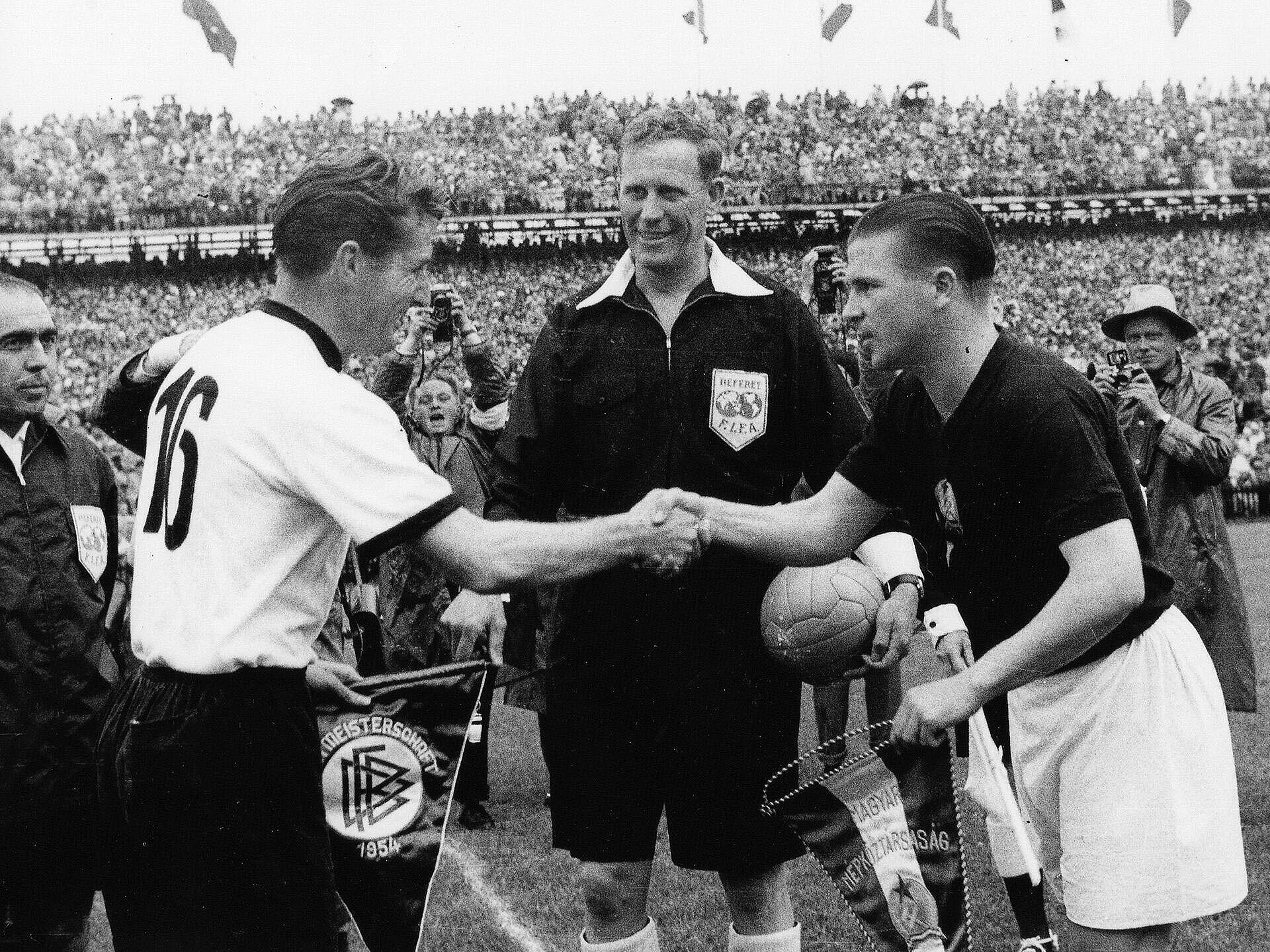
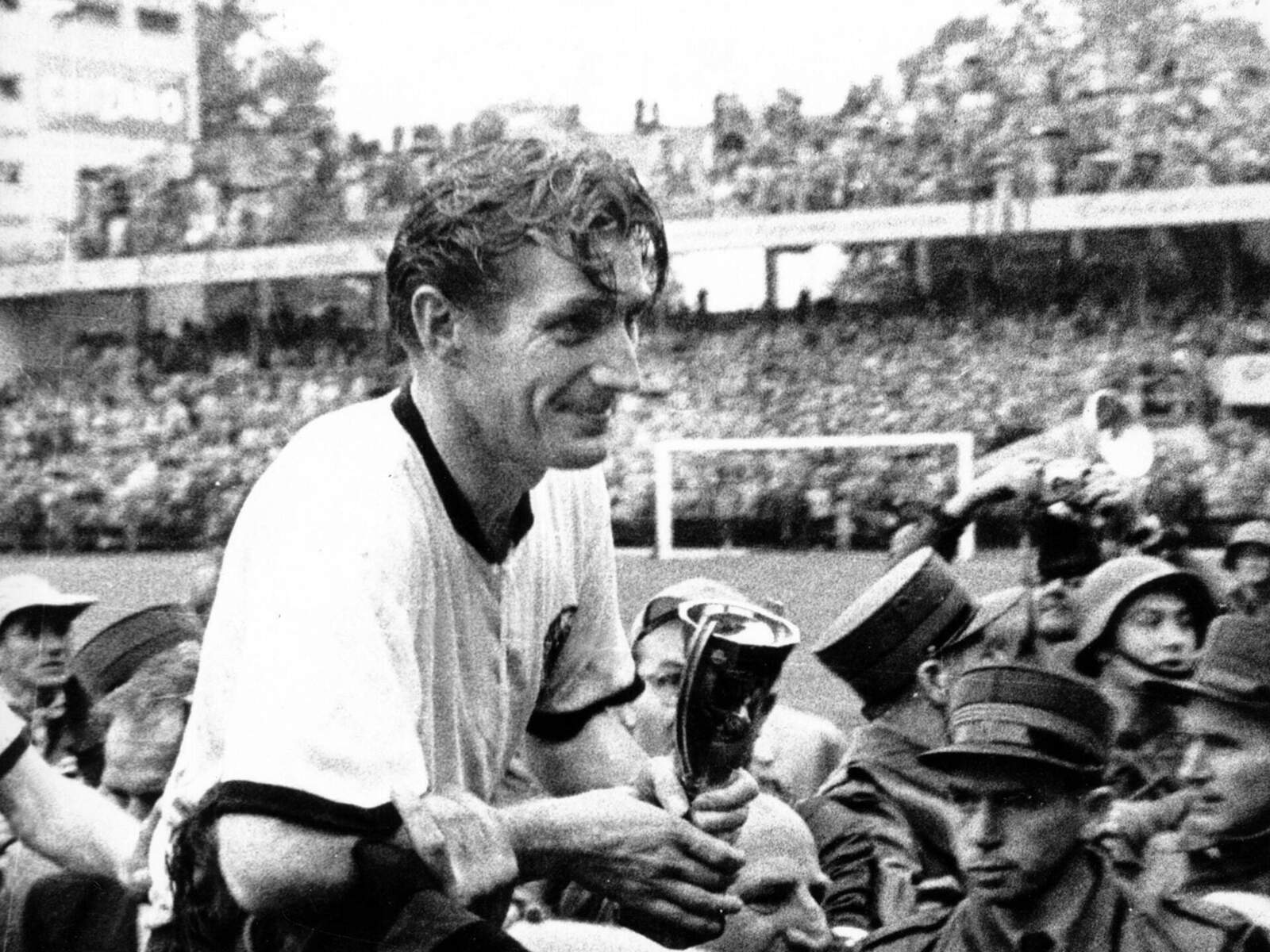
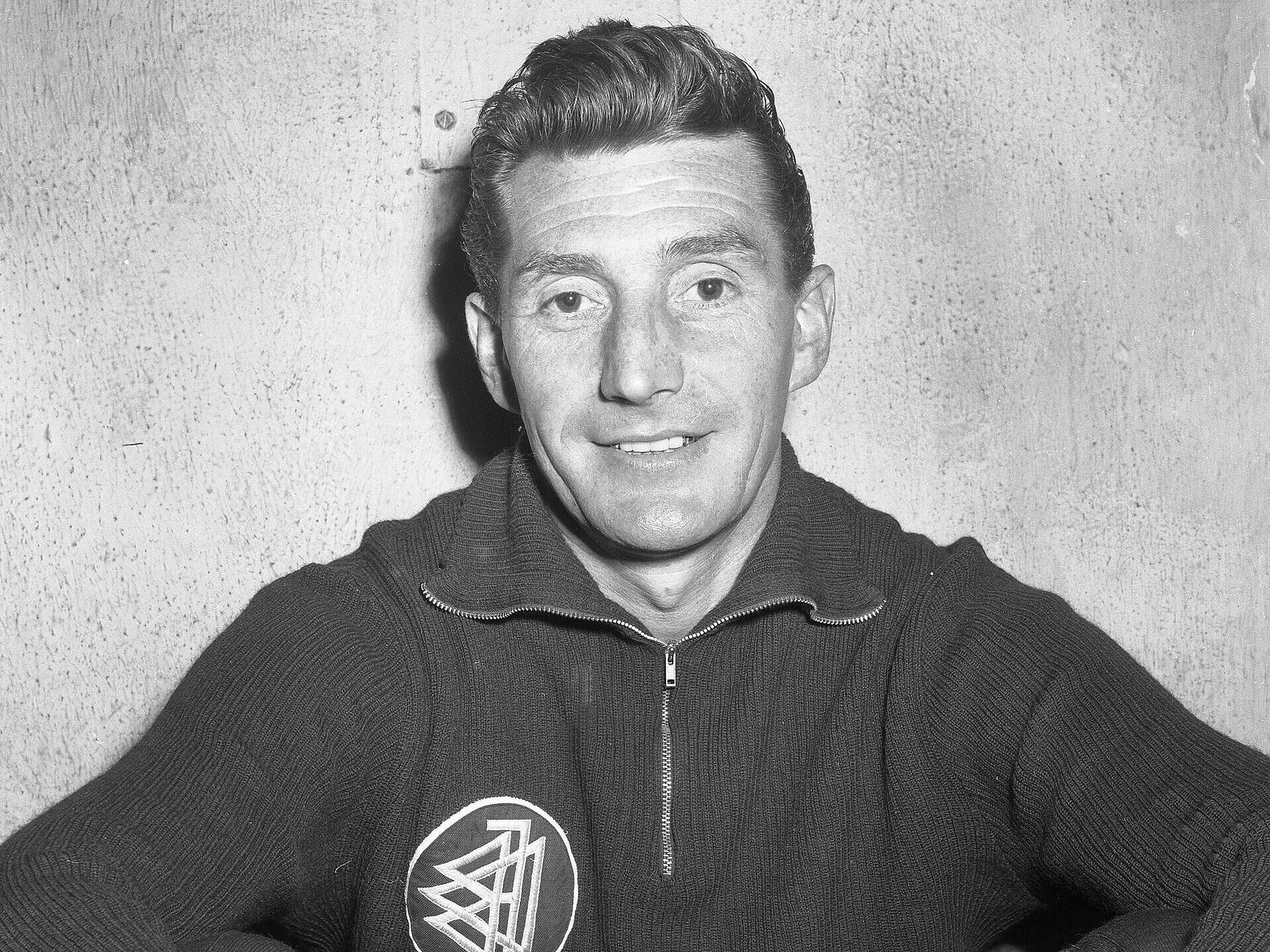
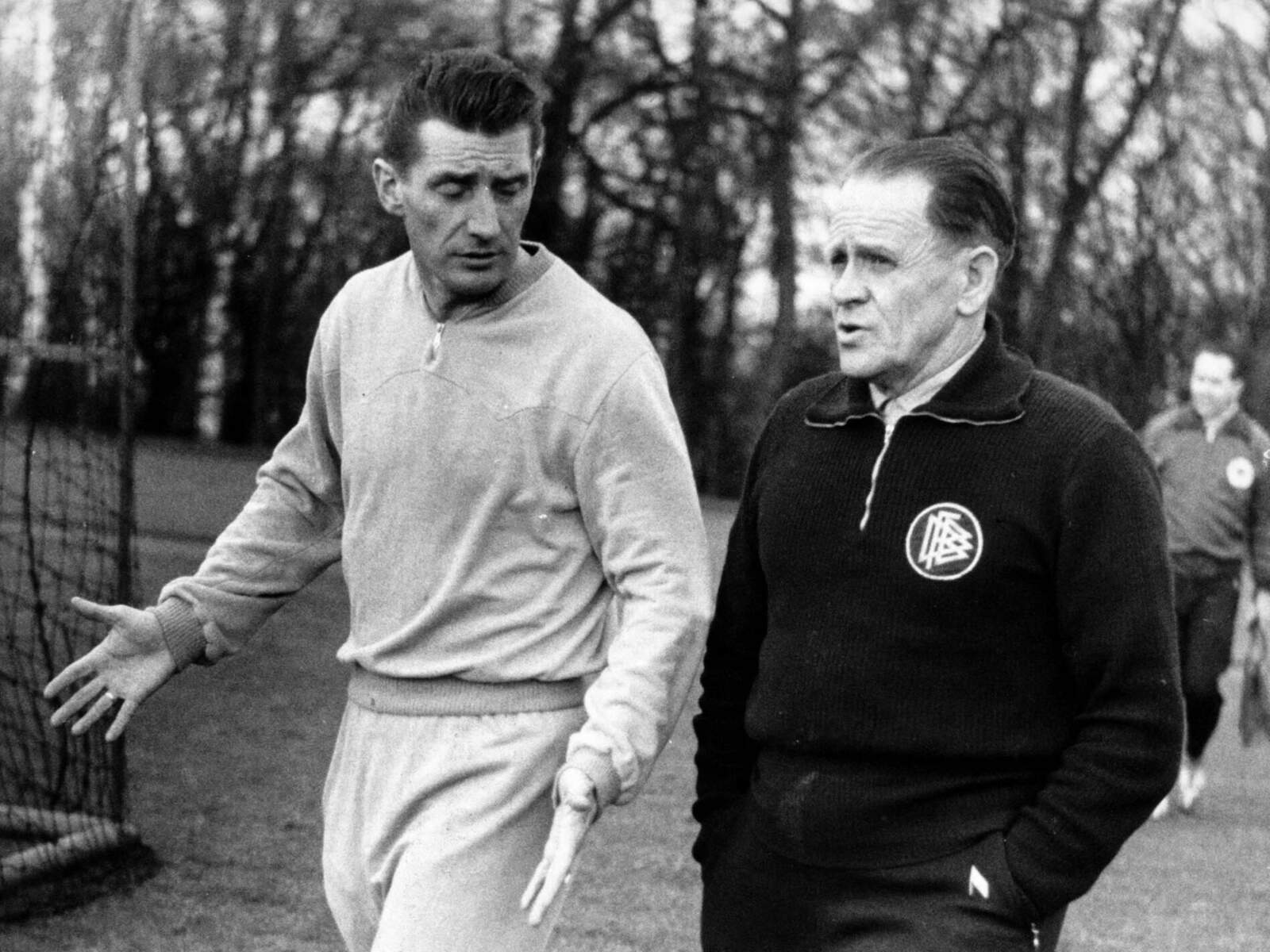

He is the only footballer in the world after whom a meteorological phenomenon has been named. Since the 1950s, light, persistent drizzle has been colloquially referred to as ‘Fritz-Walter weather’. It was in such conditions that the man after whom it is named was at his very best. Even more so than he already was. Fritz Walter was the football idol of his time. A true role model, modest in his demeanour off the pitch, yet a driving force on it. A brilliant playmaker, a master of technique, a true captain, the manager’s right-hand man.
Yet the Second World War robbed him of his best years as a footballer. Eight years passed between his 24th and his 25th international match. He was already in his thirties when his greatest successes came: twice German champion with 1. FC Kaiserslautern, and World Cup winner in 1954 with the German national team. He always remained loyal to his club, despite staggering offers from Italian and Spanish clubs. For the Palatinate side, the goal-scoring midfield maestro found the net almost as often as he played for them: 327 goals in 384 matches. Thanks to his charisma and presence, the 1. FC Kaiserslautern team was also known as the ‘Walter XI’.
As well as his outstanding abilities, he was also characterised by a sensitive nature. At the kick-off, it simply couldn’t be too hot, and no black cat was allowed to have crossed the path of the team bus beforehand. This superstition sometimes caused Fritz Walter to hesitate and dither. In such cases, the ‘boss’ was on hand. Sepp Herberger had a keen instinct for dealing with his most important player. However, the fact that it began to rain in Bern on 4 July 1954, shortly before the World Cup final between Germany and Hungary, certainly gave the national coach some cause for doubt as well.
The German Football Hall of Fame was established on the initiative of the German Football Museum. In November 2018 and January 2019, leading sports journalists voted for the inaugural men’s and women’s teams. The jury members were asked to nominate their choice of players and managers from German men’s and women’s football. Players who were eligible to play for German national teams and whose playing careers had ended at least five years previously were eligible for nomination. The HALL OF FAME honours the greatest legends of German football in one central location for the first time. It forms part of the permanent exhibition at the German Football Museum in Dortmund. Opened on 1 April 2019, it has become a permanent place of pilgrimage for all football fans. The jury decides annually on further inductees from men’s and women’s football.