EN
EN
 DE
DE

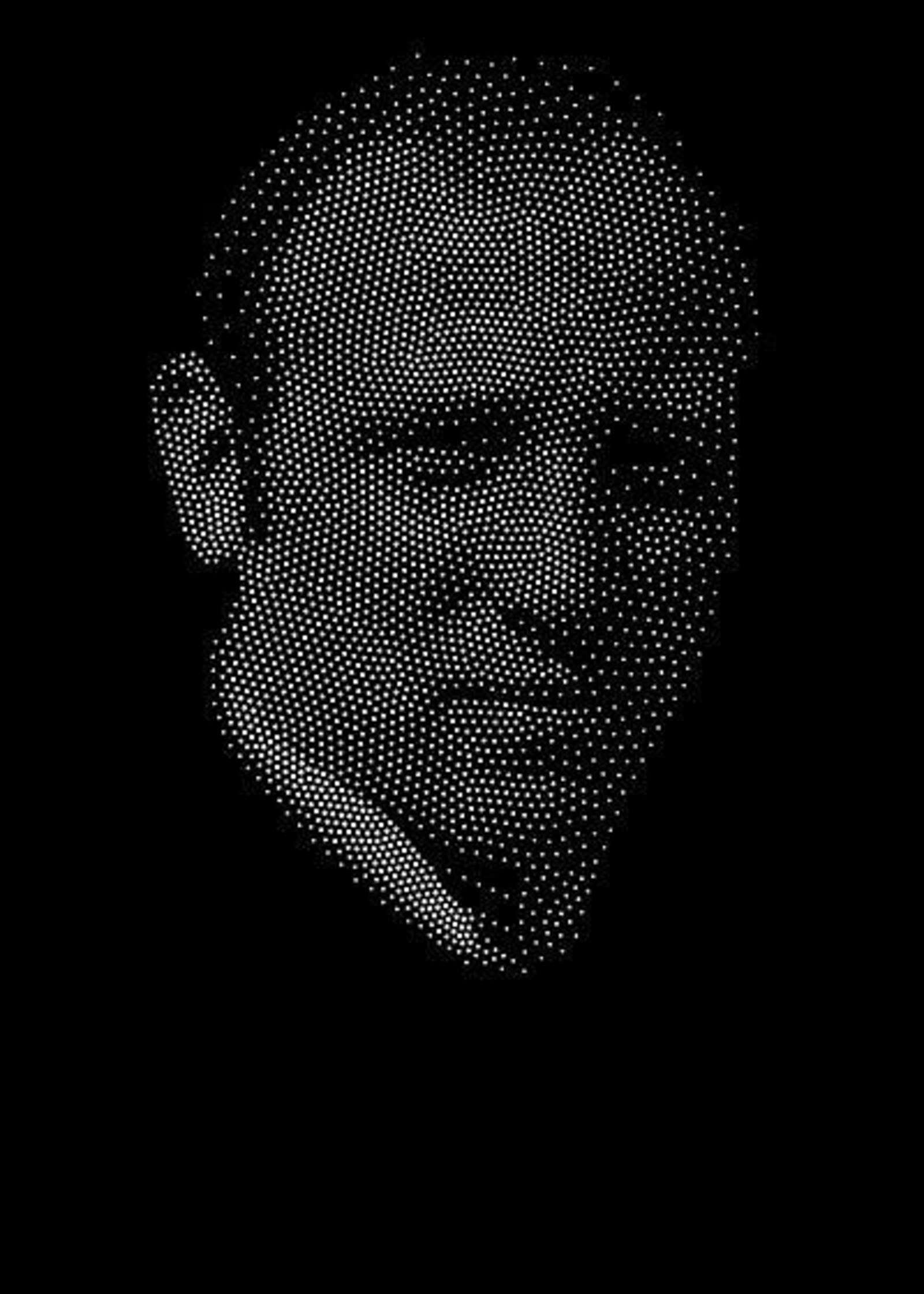
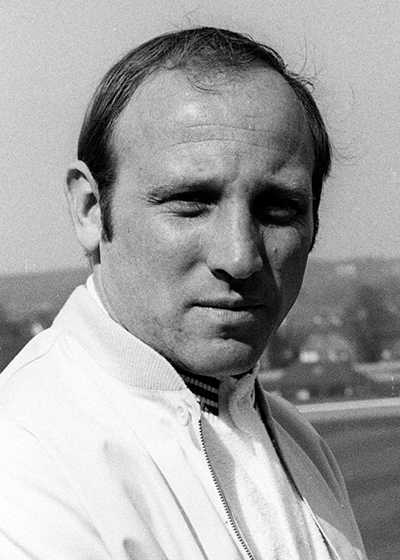
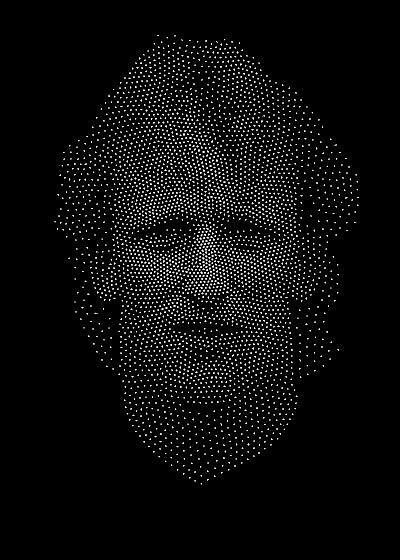
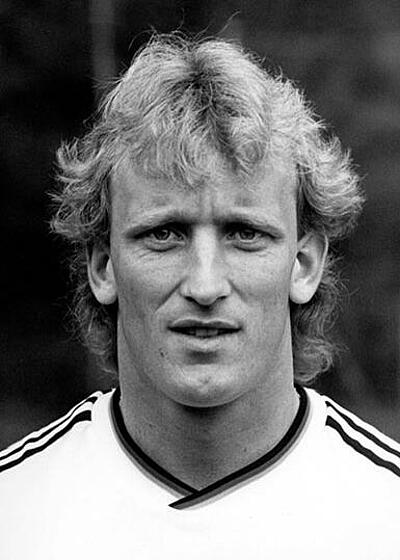
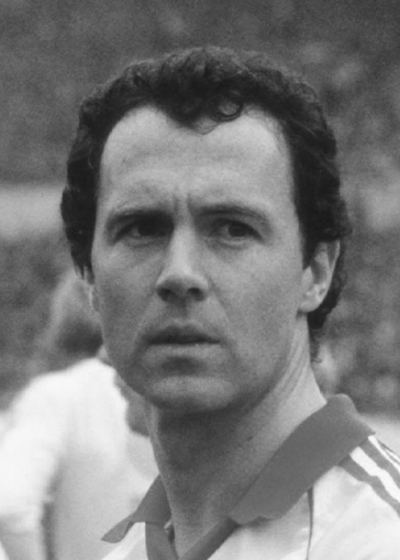
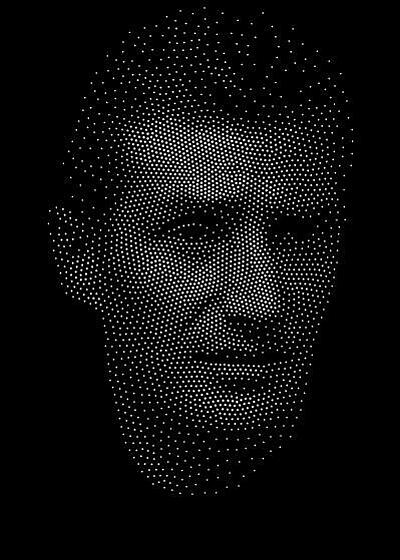
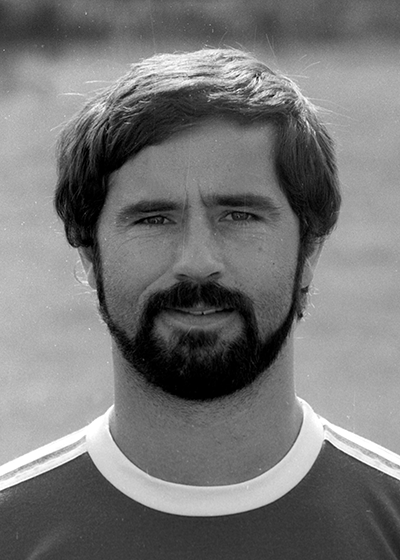
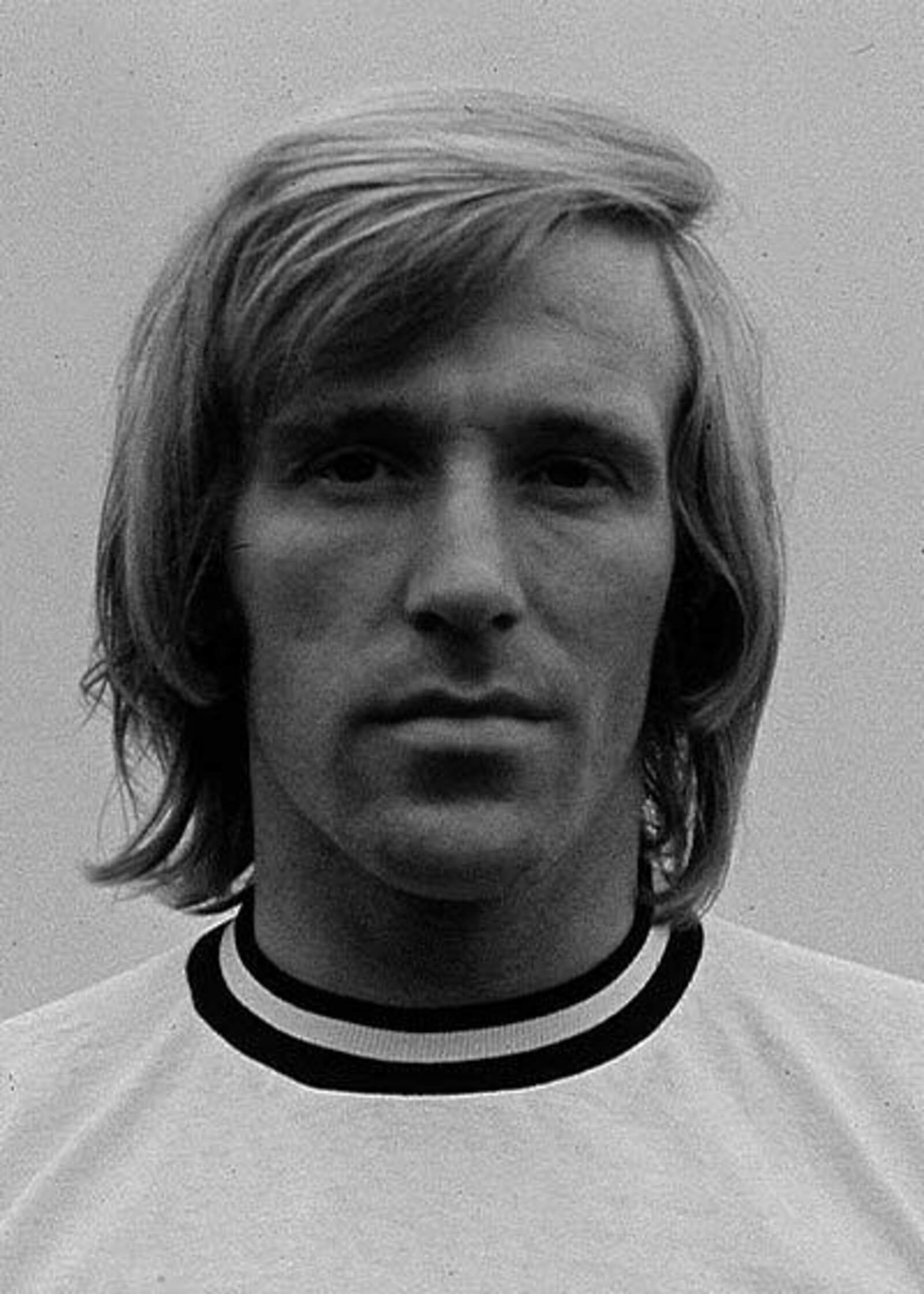
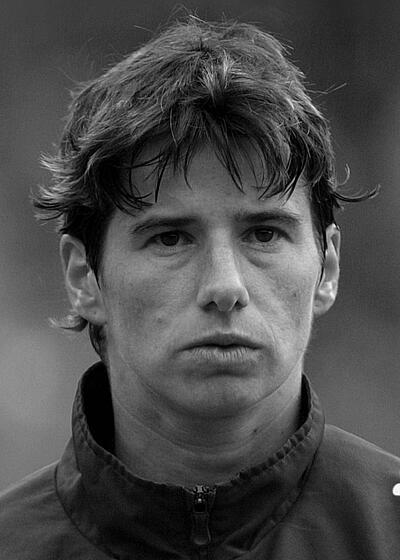
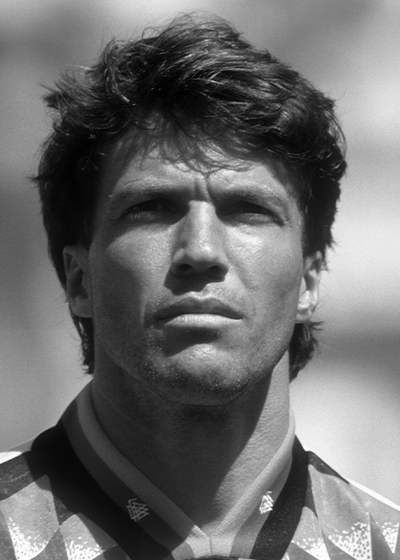
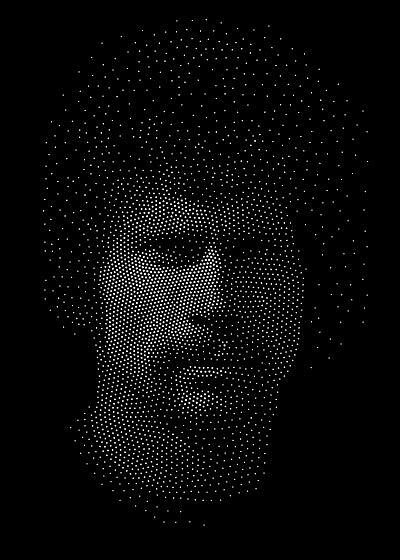
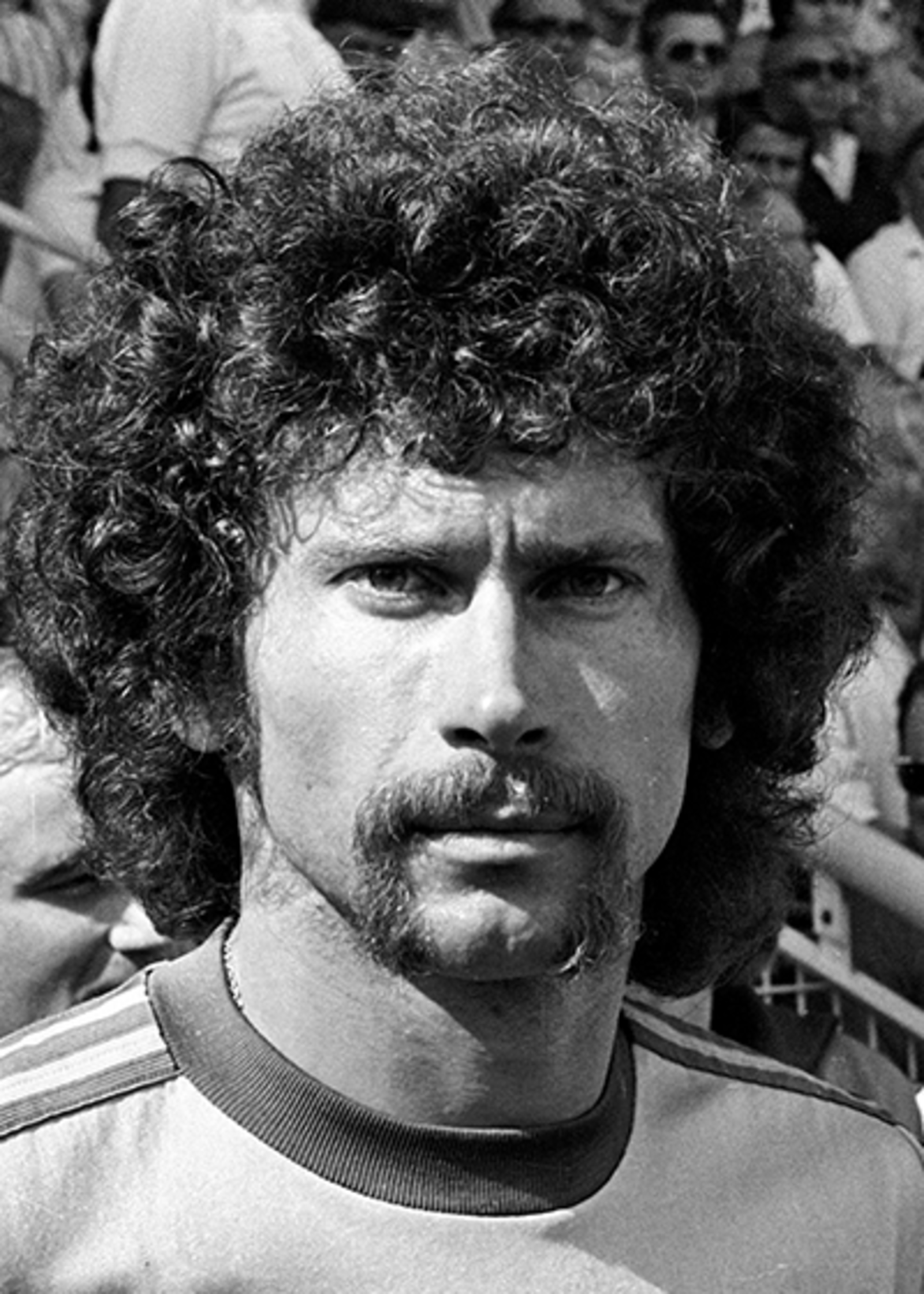
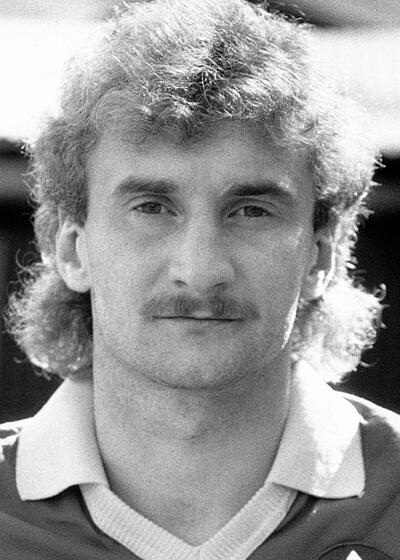
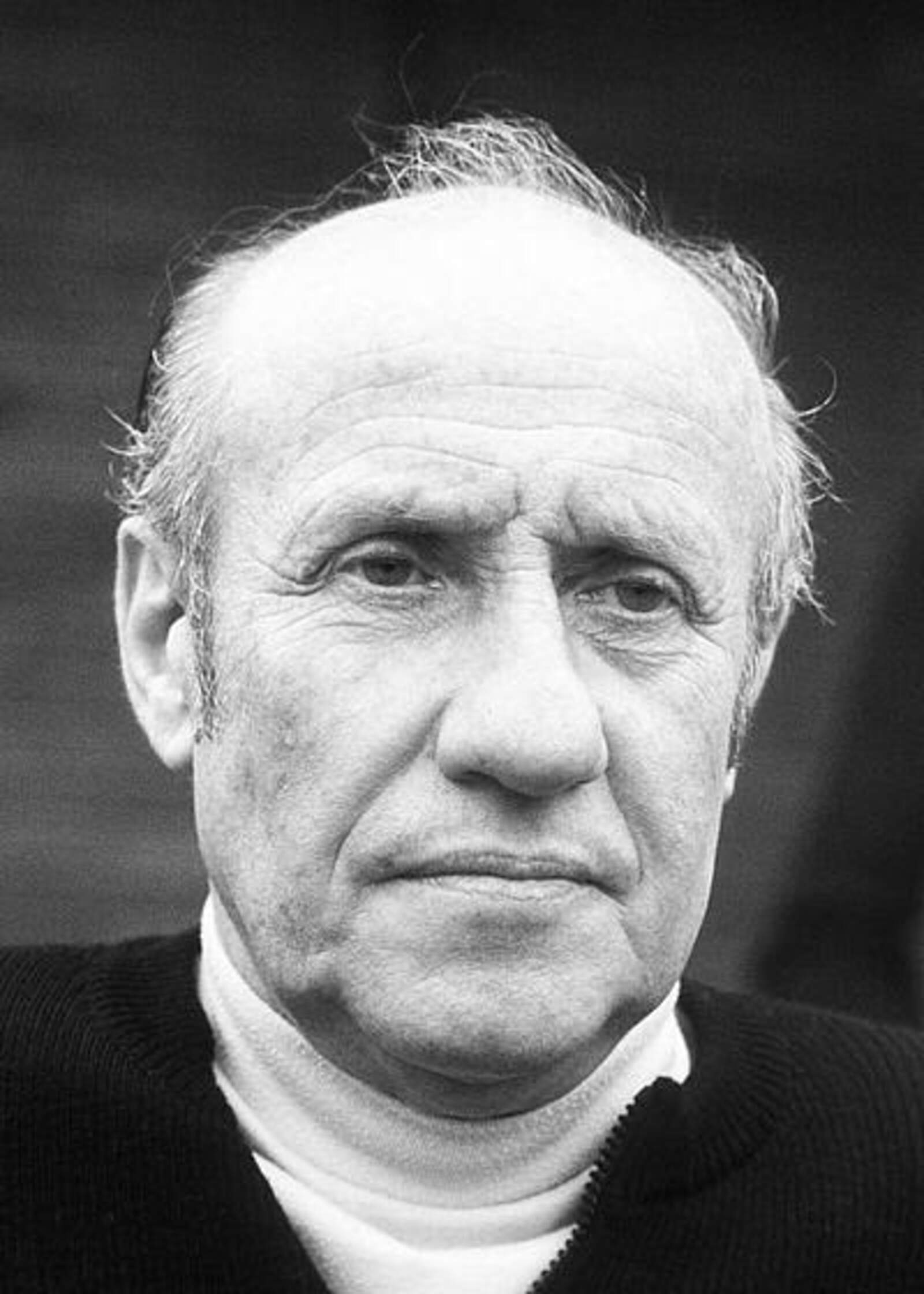
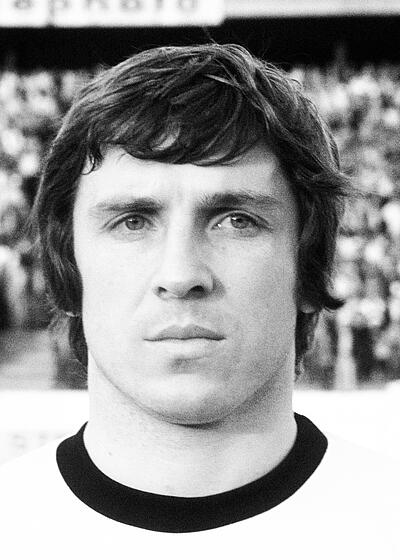
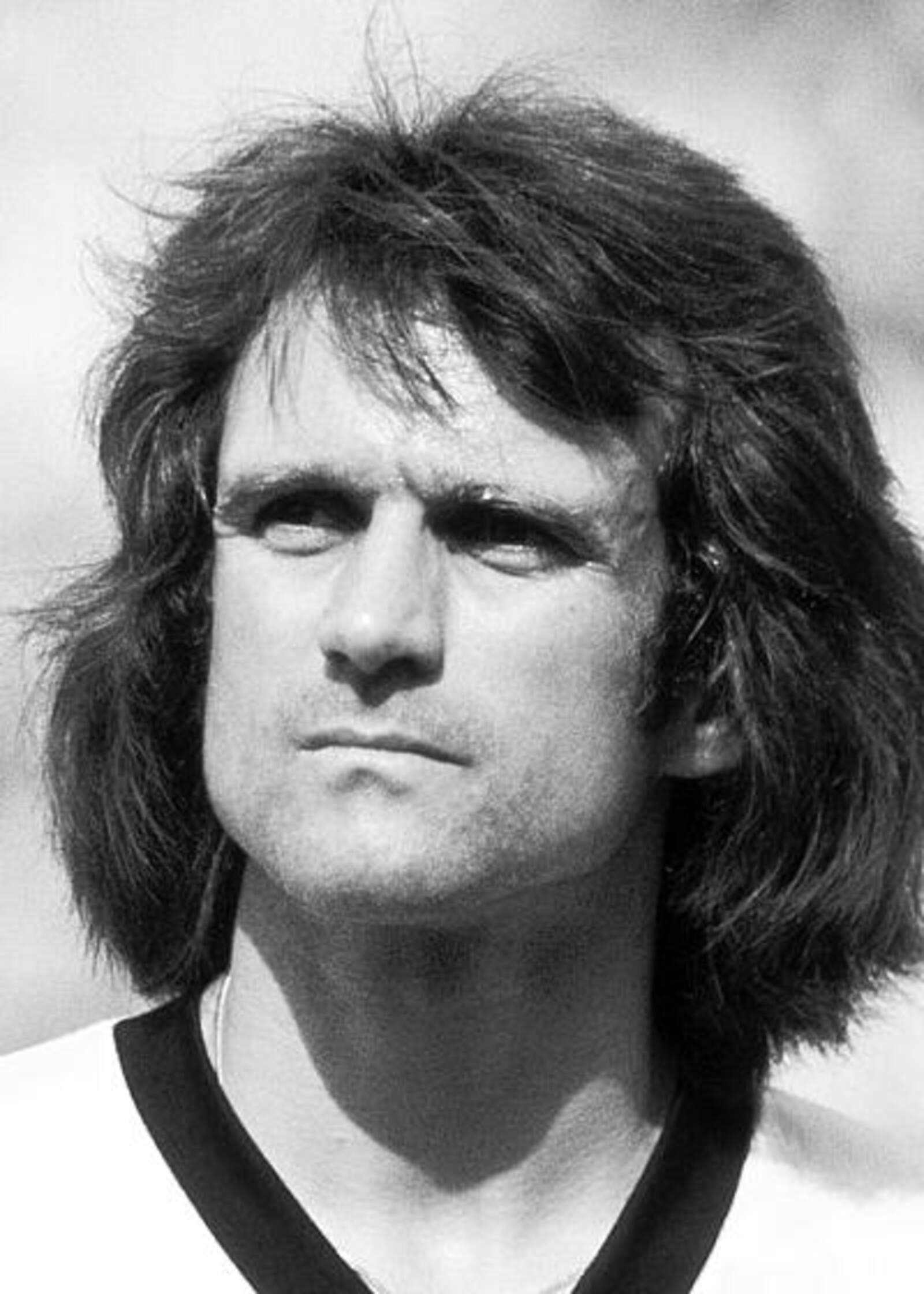
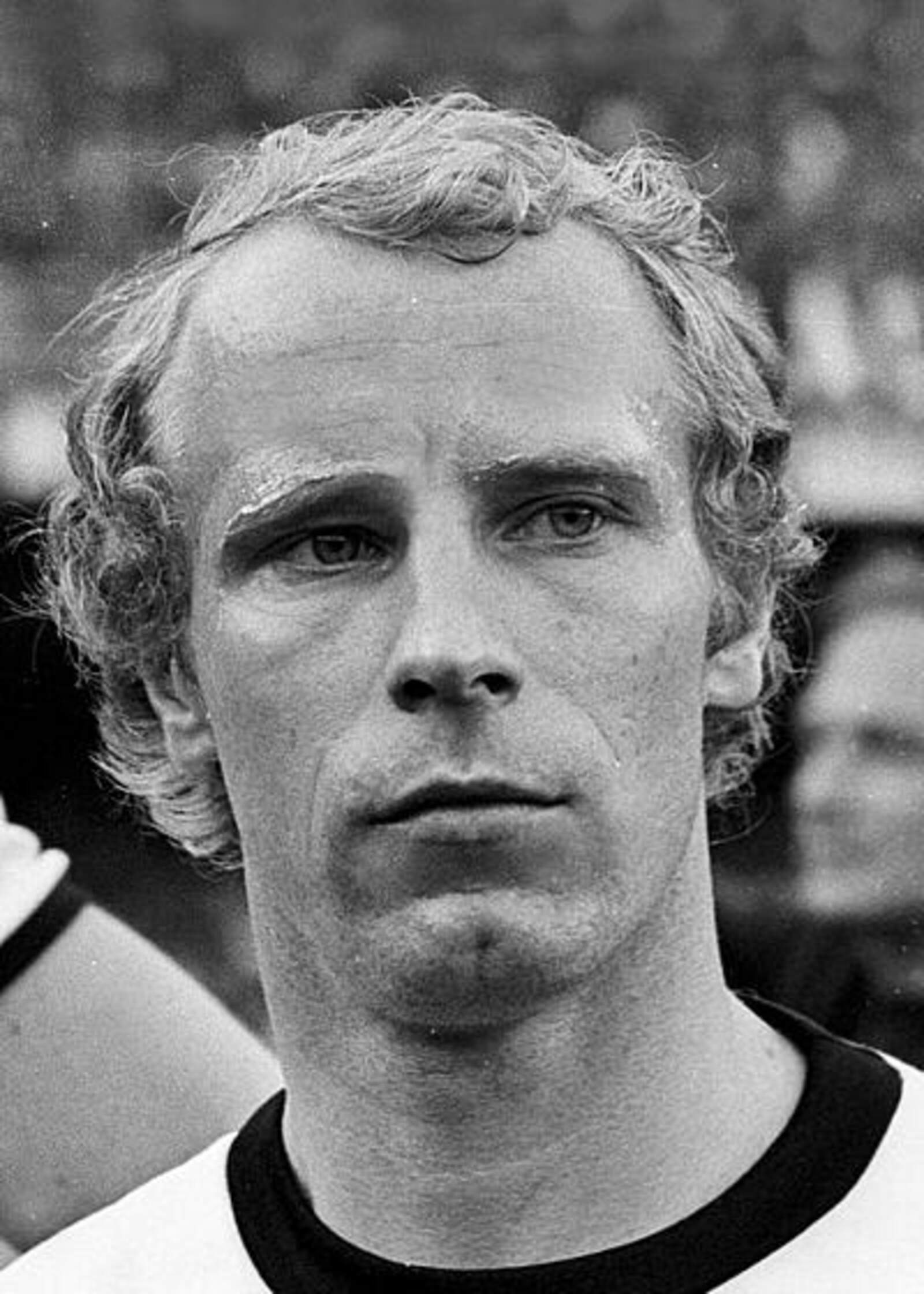
Gerd Müller
3 November 1945, Nördlingen (died 15 August 2021)
Forward
Clubs as a player:
1963–1964 TSV 1861 Nördlingen
1964–1979 FC Bayern Munich
1979–1981 Fort Lauderdale Strikers
1981–1982 Smith Brothers Lounge
Club:
427 appearances, 365 goals (Bundesliga)
; 113 appearances, 71 goals (North American Soccer League, USA)
Honours:
German Champion: 1969, 1972, 1973, 1974
DFB Cup winner: 1966, 1967, 1969, 1971
Intercontinental Cup winner: 1976
European Cup winner: 1974, 1975, 1976
European Cup Winners’ Cup winner: 1967
National team:
62 appearances, 68 goals
World Champion: 1974
Third place at the World Cup: 1970
European Champion: 1972


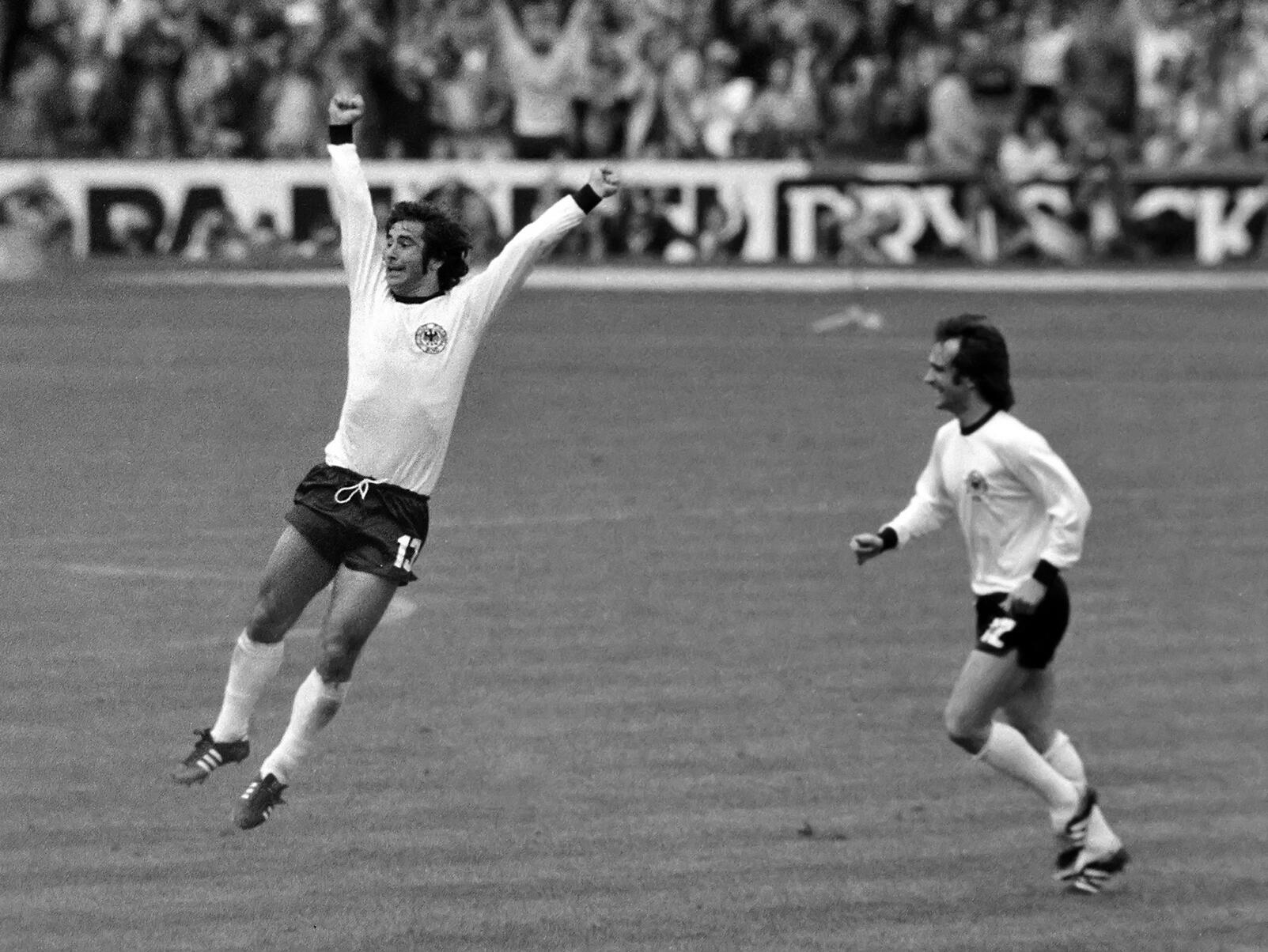


“If it weren’t for Gerd Müller, none of us would be sitting here,” Franz Beckenbauer once remarked during a meeting of FC Bayern Munich’s supervisory board. That said it all – then and now. Put into figures, it reads as follows: 365 goals in 427 Bundesliga appearances, 79 goals in the DFB Cup and 66 in European competitions. All for Munich. On top of that, Gerd Müller scored an incredible 68 goals in just 62 international matches. He scored 40 goals in a single Bundesliga season; only he and Robert Lewandowski have won the top scorer’s title a total of seven times; between 1966 and 1978, he never scored fewer than 20 goals per season, netting at least 30 on five occasions.
To this day, Gerd Müller remains the epitome of a goalscorer and the embodiment of the saying ‘goals from all angles’. Whether sitting or lying down, stumbling or flying through the air, Müller was always on hand whenever even the slightest whiff of a goal-scoring opportunity drifted through the opposition’s penalty area. This was also the case with his most important goal amongst his countless decisive ones:
it was the 43rd minute of the 1974 World Cup final. The score between Germany and the Netherlands was 1–1. Rainer Bonhof broke through on the right wing. Now the task was to get the ball into the box somehow. And that’s exactly how the cross turned out. Less a matter of precision than of knowing full well that it would find the best finisher in the world. The move culminated in a typical Müller goal. He controlled the ball, made a quick, inimitable turn, and fired off a shot almost instantly. 2–1! Germany were crowned world champions.
His accuracy earned him the formidable nickname ‘the Nation’s Bomber’. As the king of goalscorers, he remains the benchmark to this day. Müller epitomises the classic centre-forward, a role that is now virtually extinct in modern football. A true number nine. “If he were playing today,” says Franz Beckenbauer, “Gerd Müller would score 80 goals a season.” Thus, it seems only he himself could once again pose a threat to his own all-time goal-scoring records.
The German Football Hall of Fame was established on the initiative of the German Football Museum. In November 2018 and January 2019, leading sports journalists voted for the inaugural men’s and women’s teams. The jury members were asked to nominate their choice of players and managers from German men’s and women’s football. Players who were eligible to play for German national teams and whose playing careers had ended at least five years previously were eligible for nomination. The HALL OF FAME honours the greatest legends of German football in one central location for the first time. It forms part of the permanent exhibition at the German Football Museum in Dortmund. Opened on 1 April 2019, it has become a permanent place of pilgrimage for all football fans. The jury decides annually on further inductees from men’s and women’s football.