EN
EN
 DE
DE


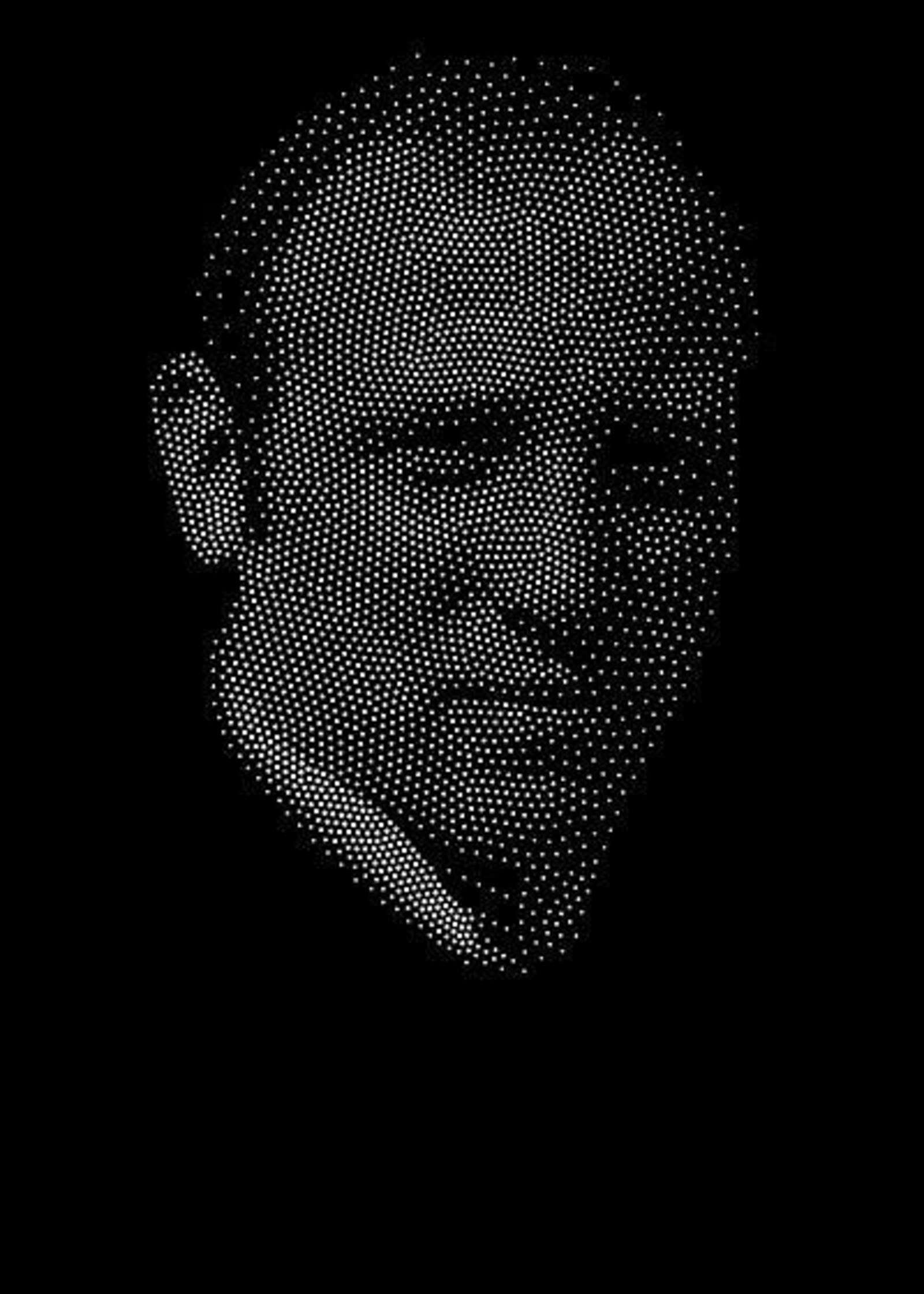
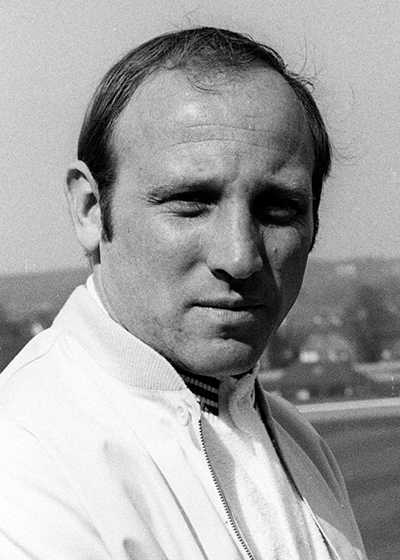
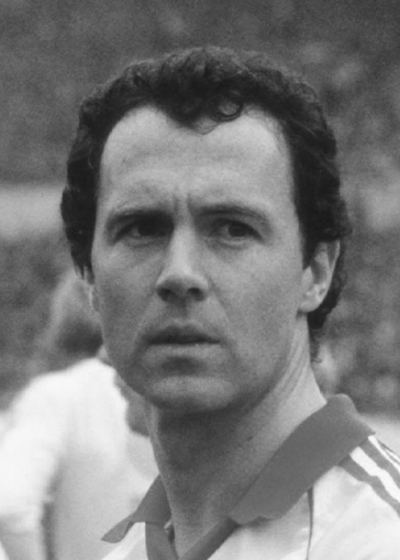
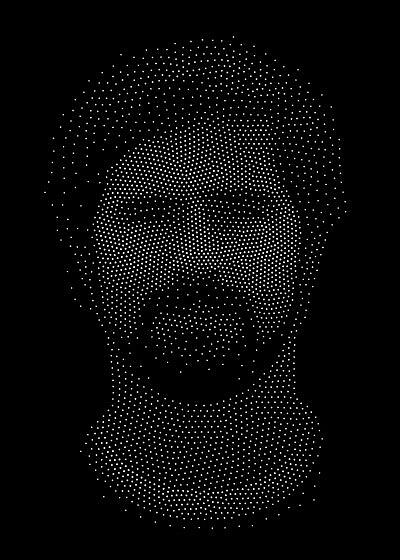
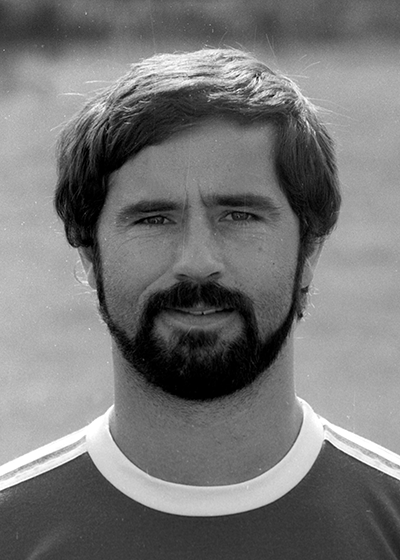
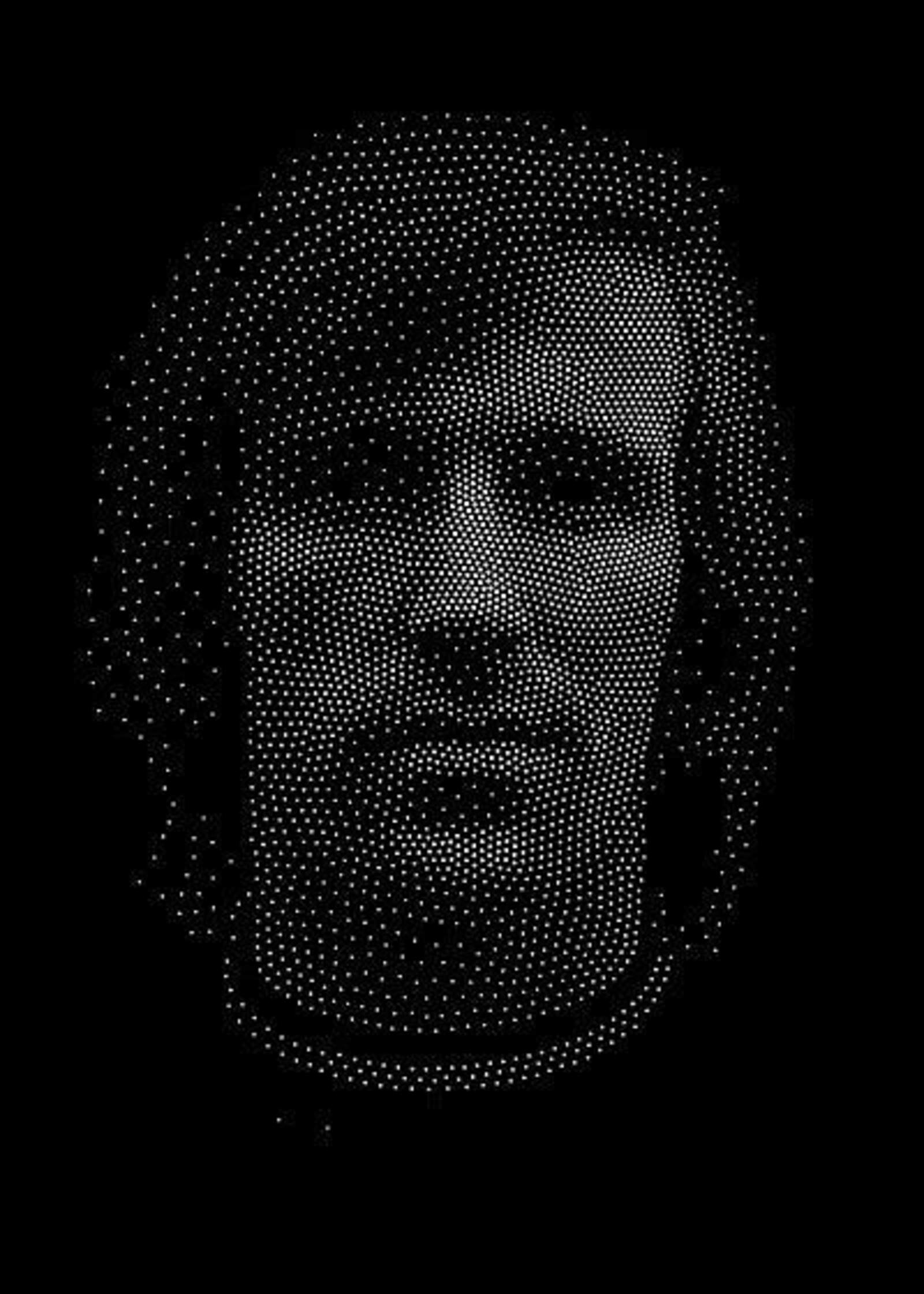
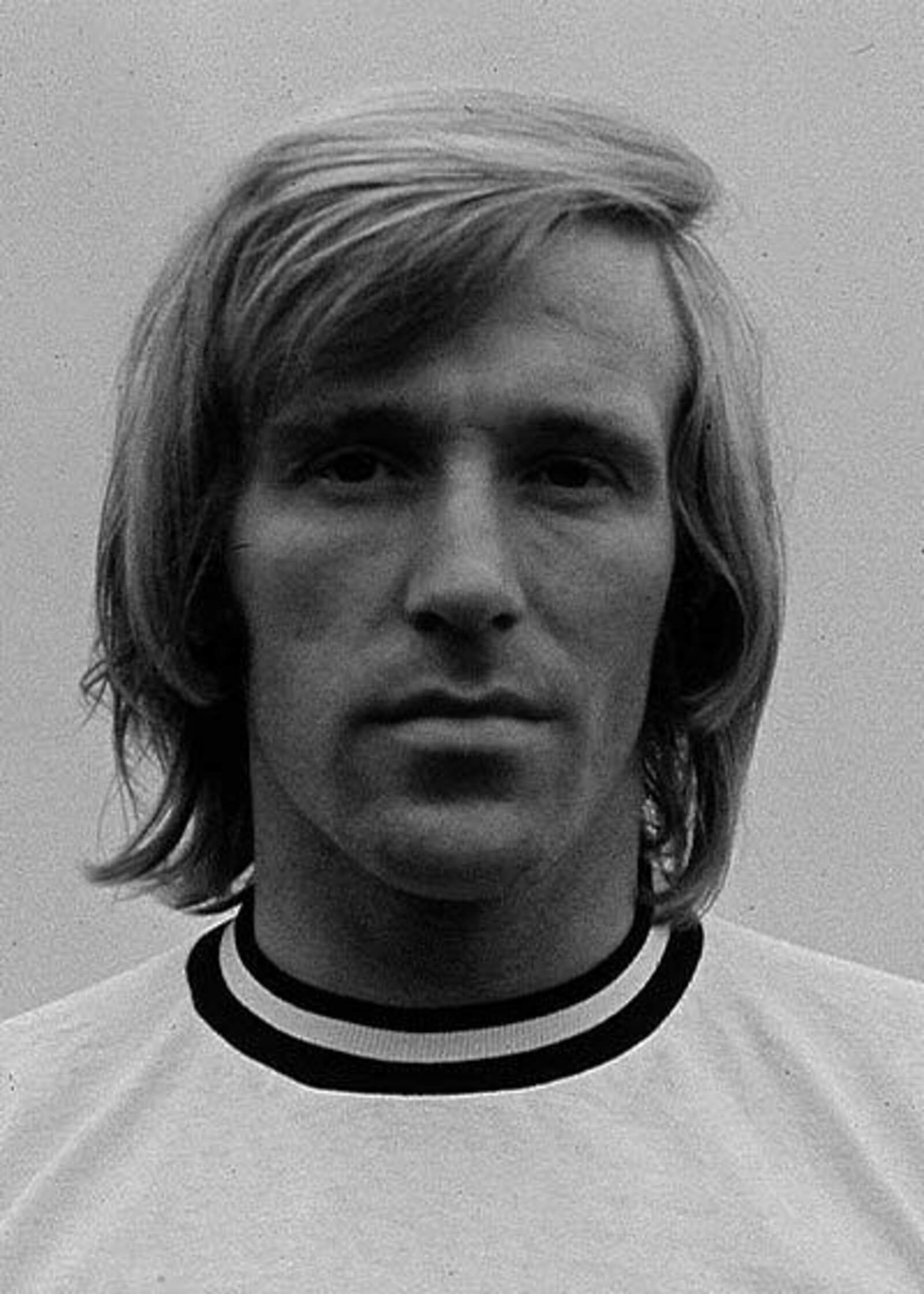
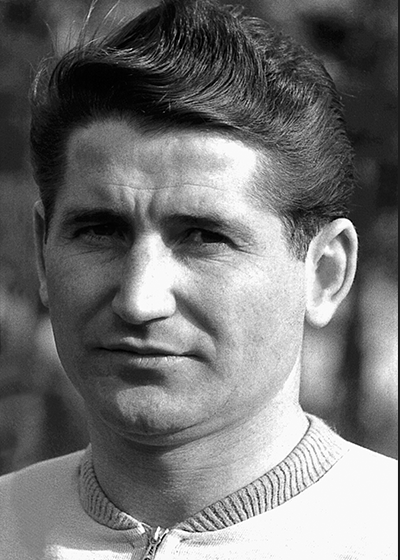
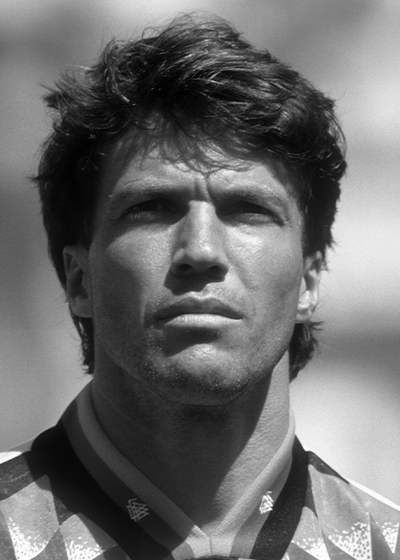
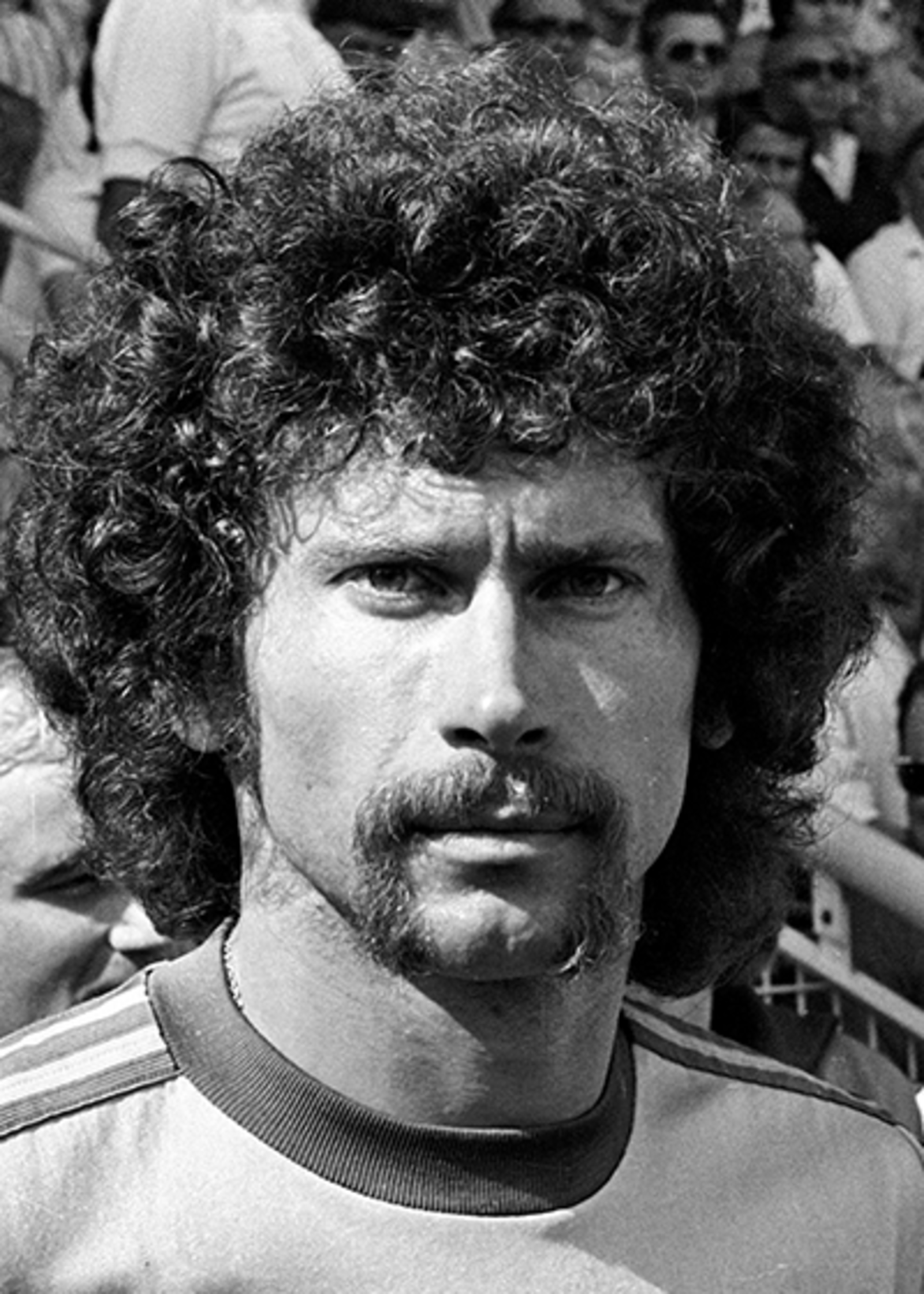
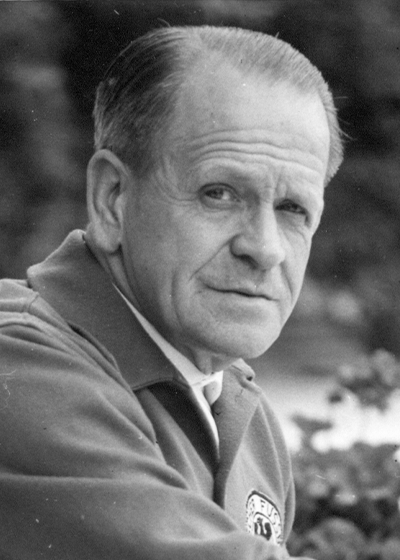
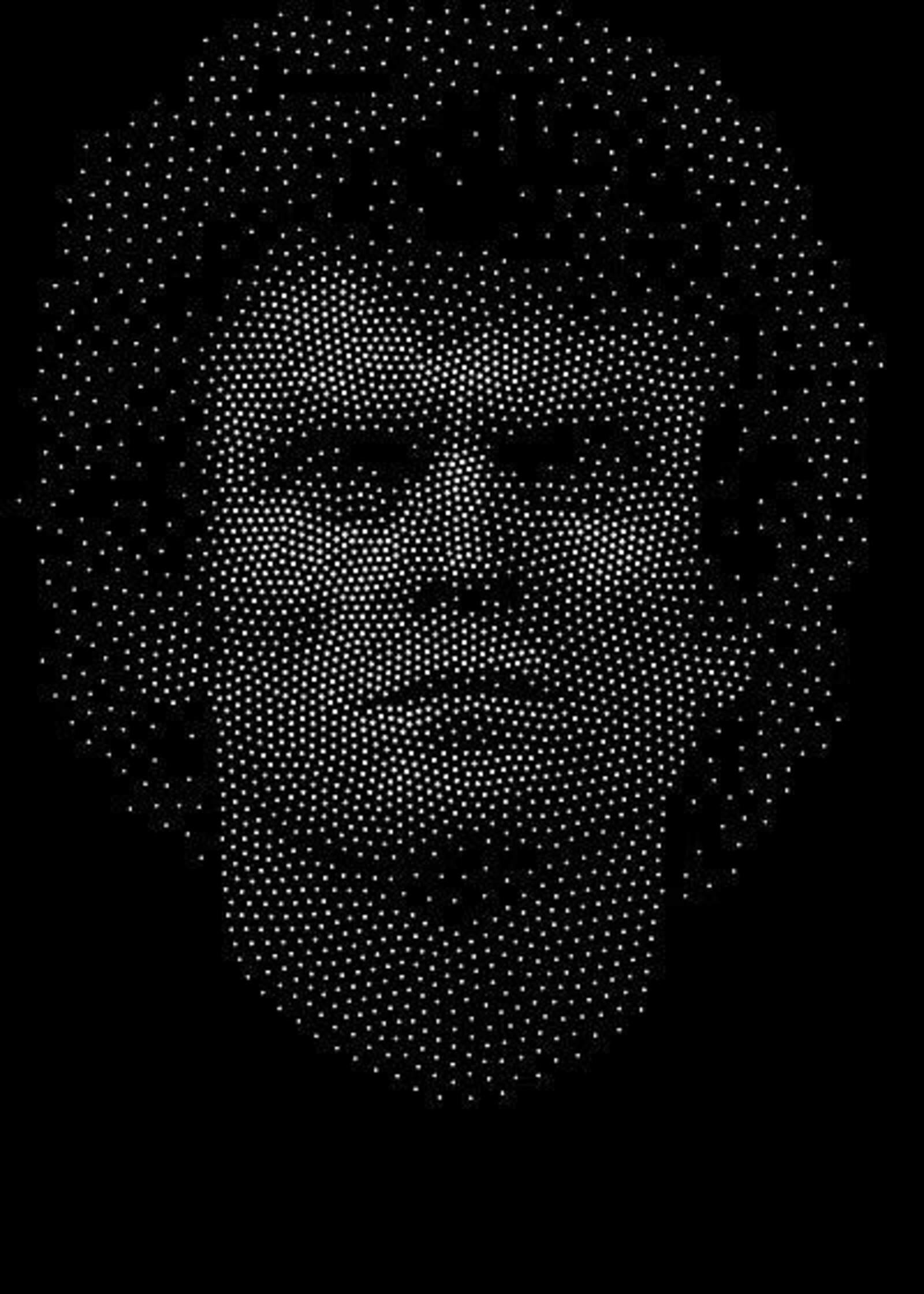
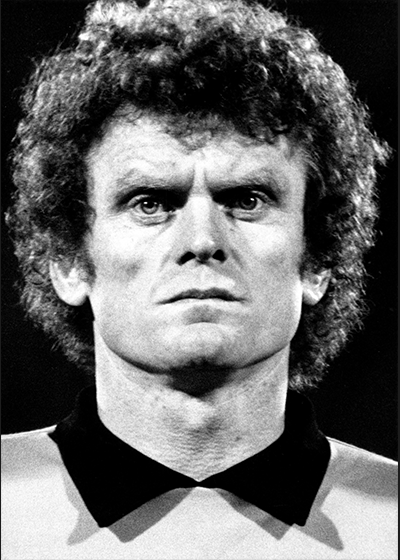
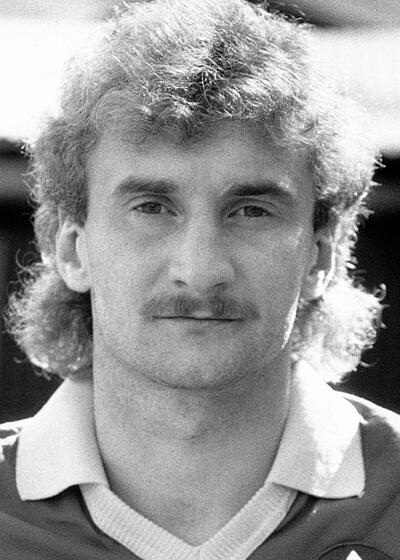
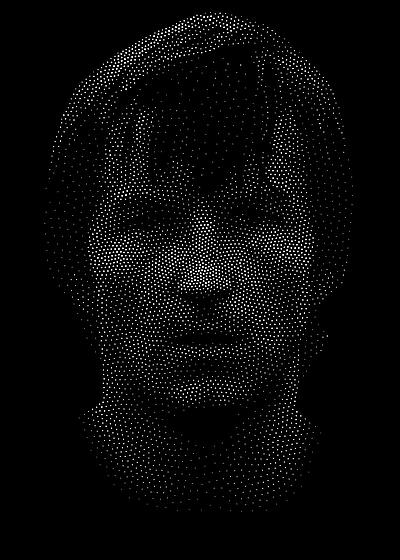
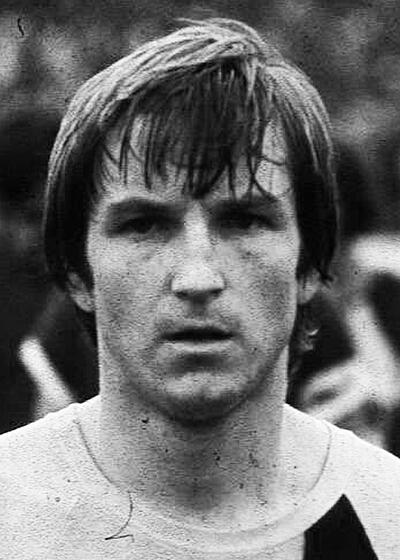
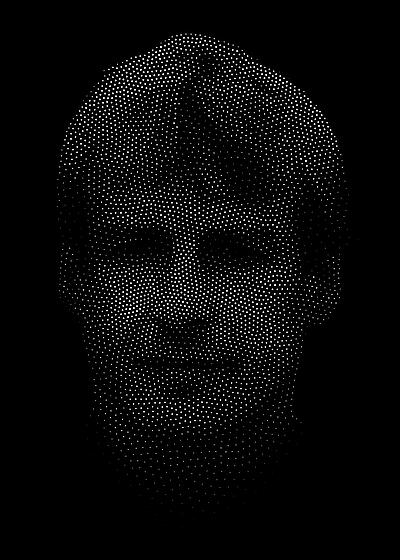
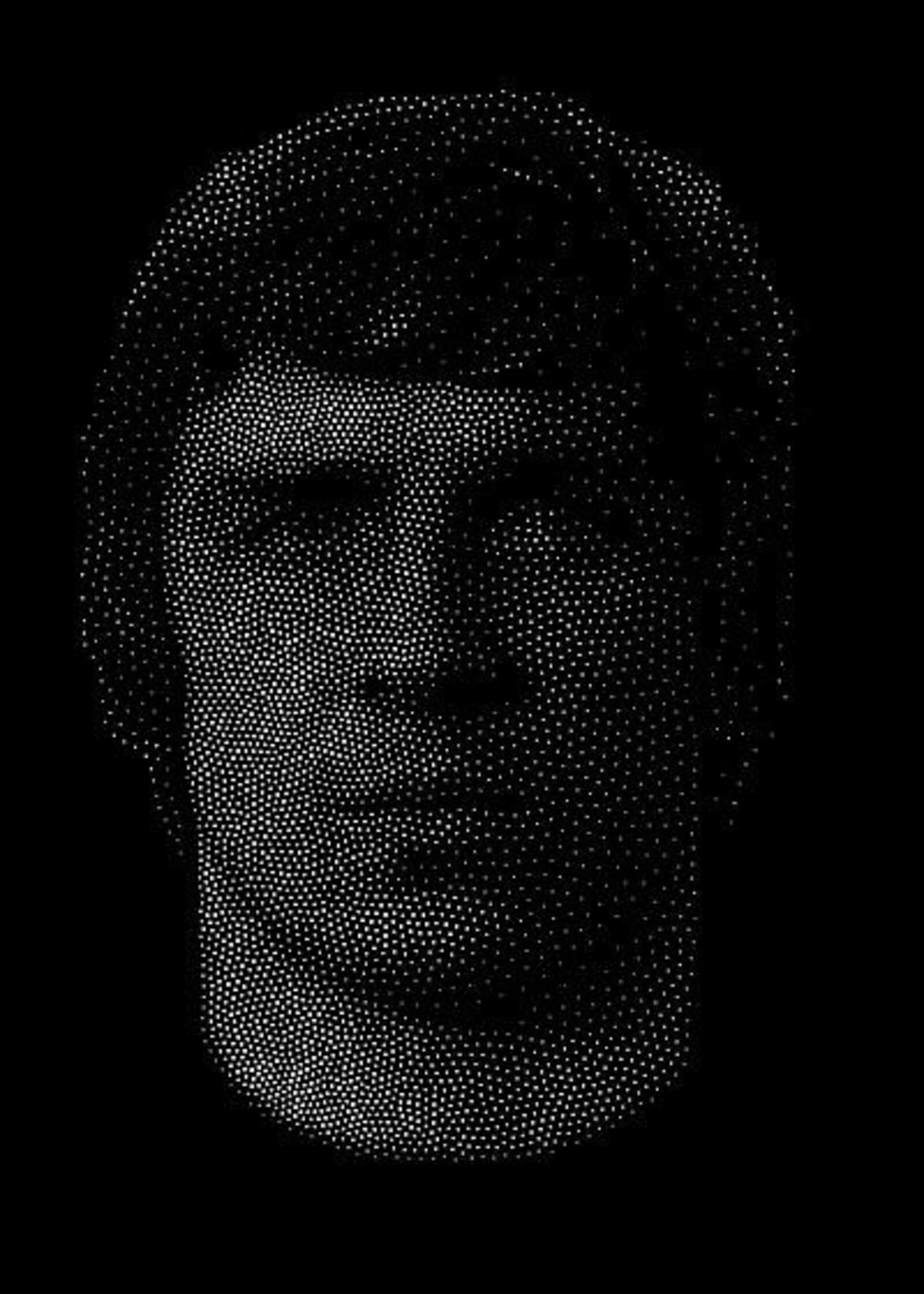
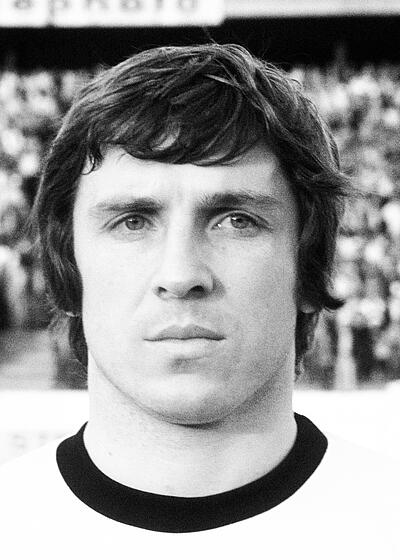
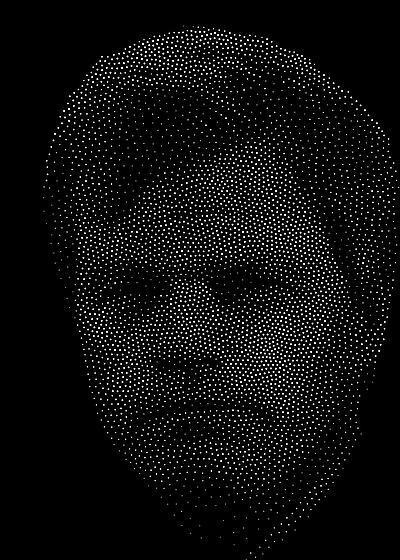
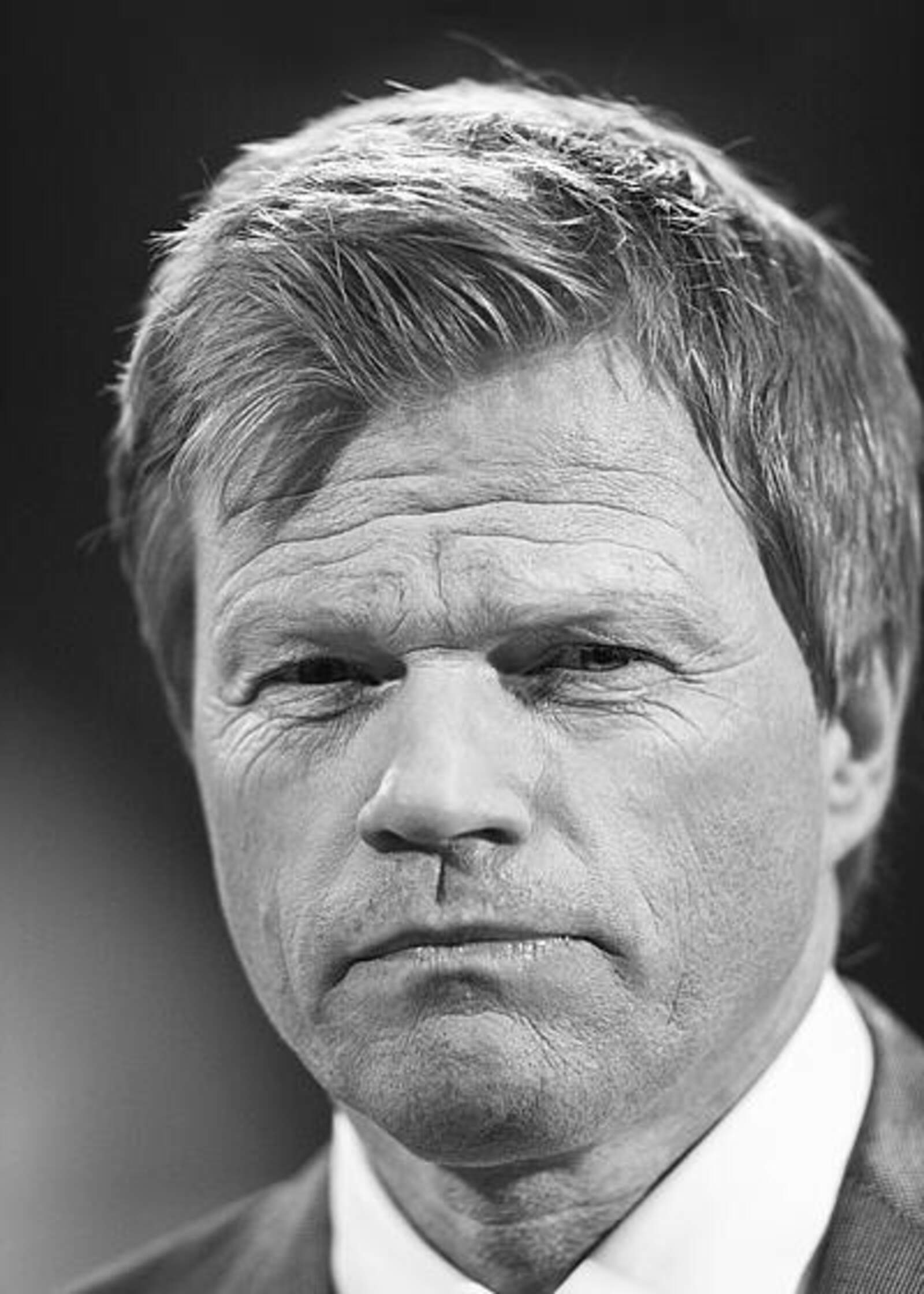
Hans-Jürgen “Dixie” Dörner
*25 January 1951, Görlitz
† 19 January 2022, Dresden
Libero
Clubs as a player:
1968–1986 Dynamo Dresden
Club:
392 appearances, 65 goals (GDR Oberliga)
Honours:
GDR Champions: 1971, 1973, 1976, 1977, 1978
GDR Cup Winners: 1971, 1973, 1982, 1984, 1985
National team:
100 appearances (9 goals)
Olympic gold medallist: 1976
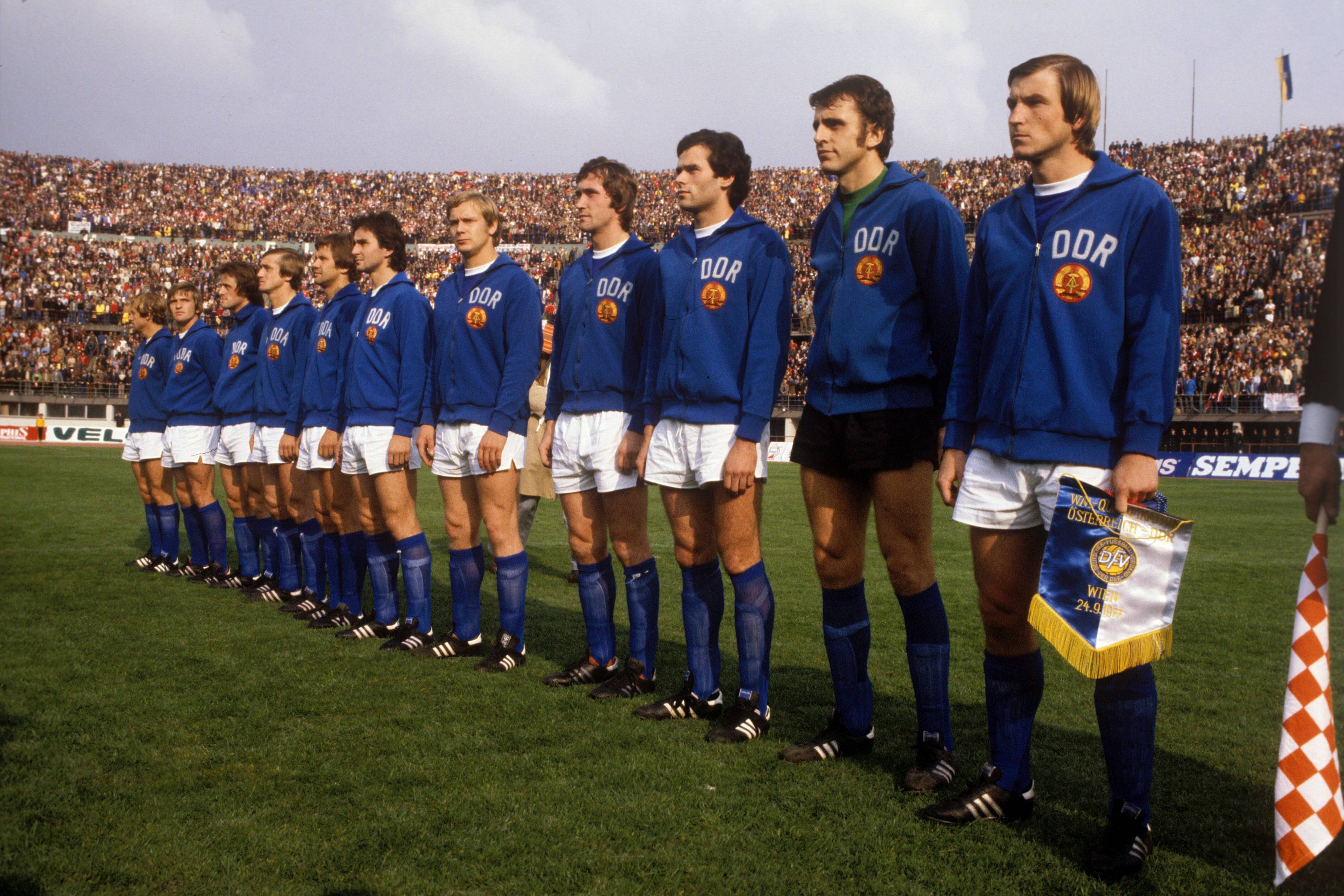
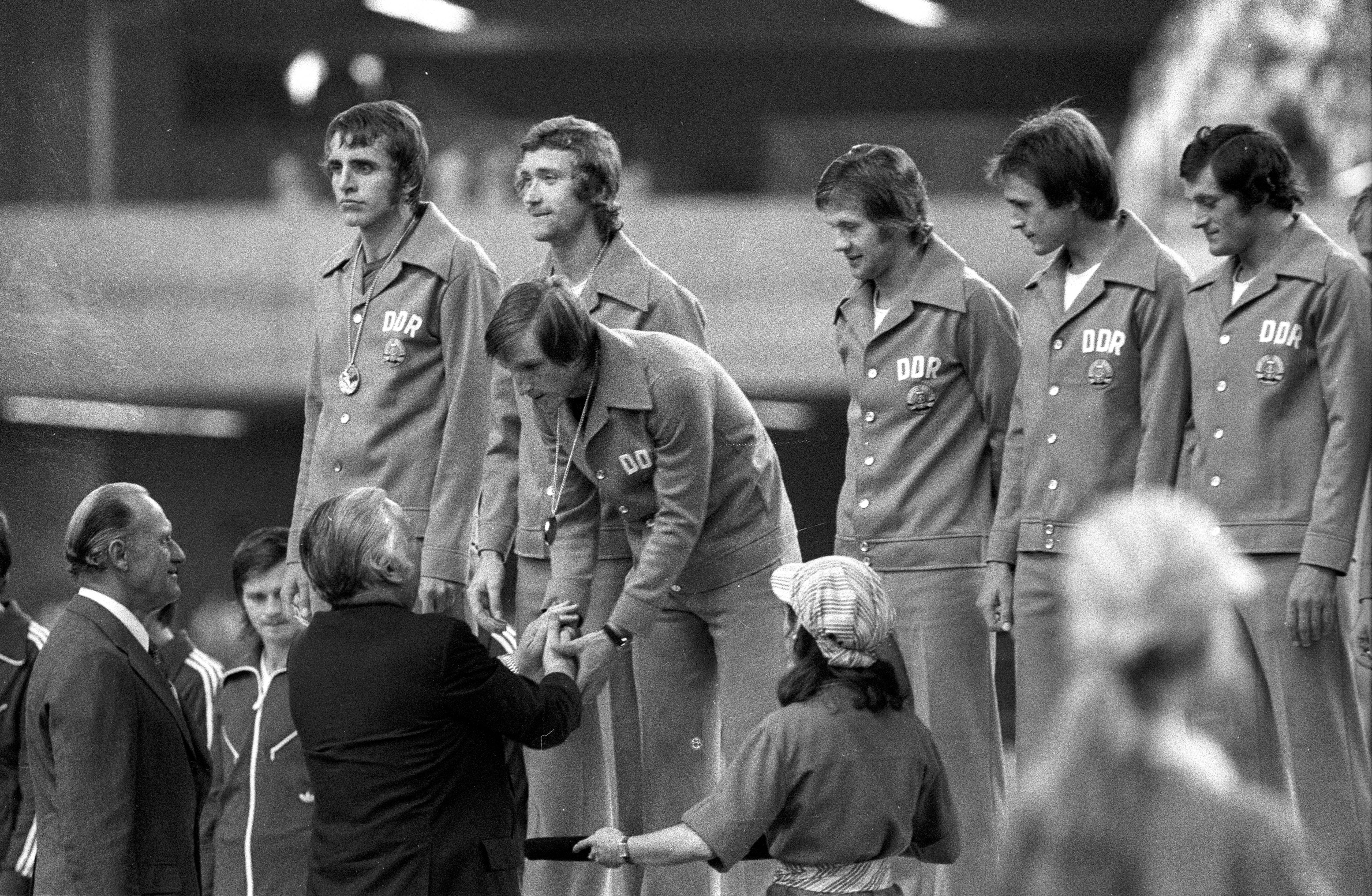
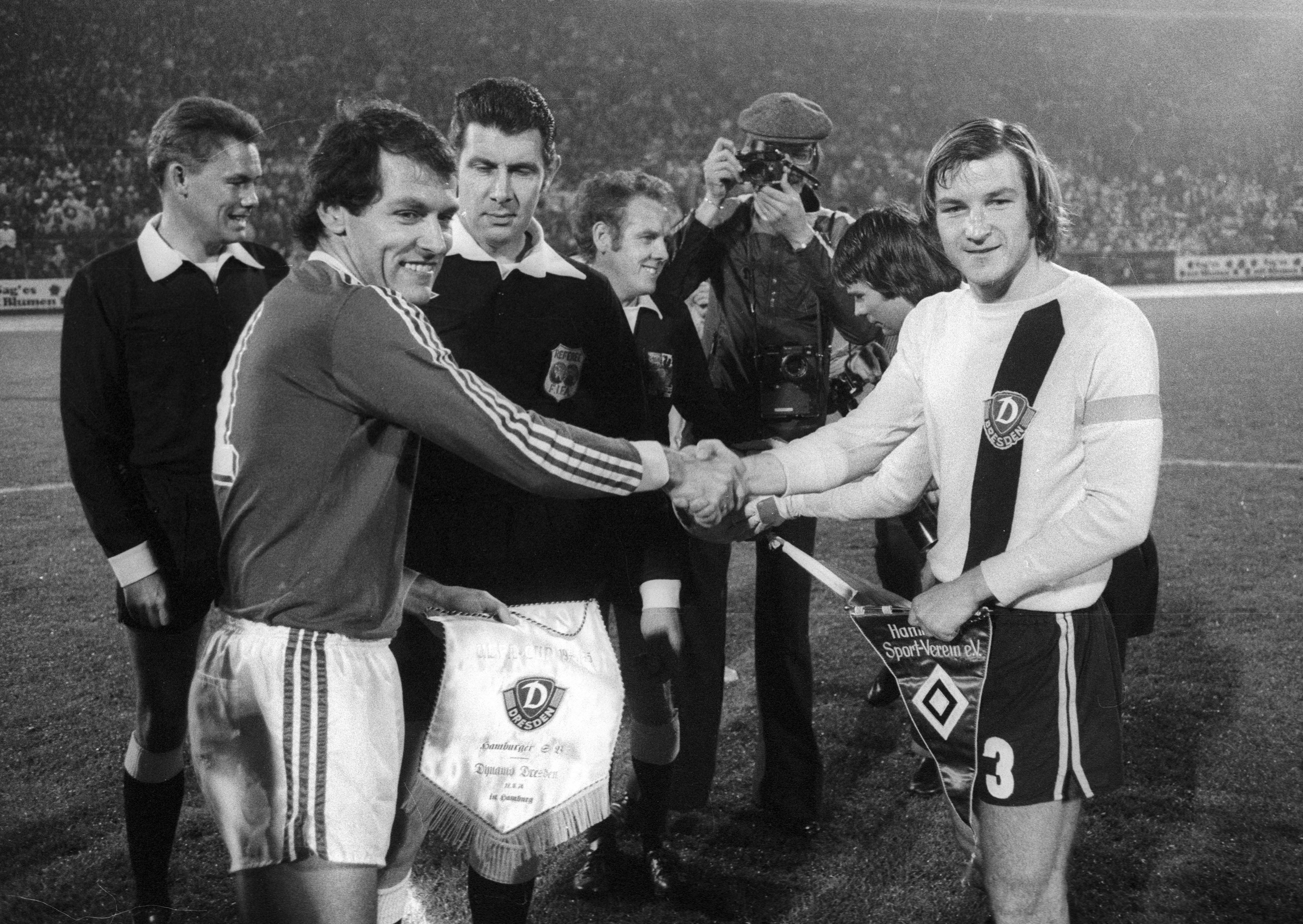
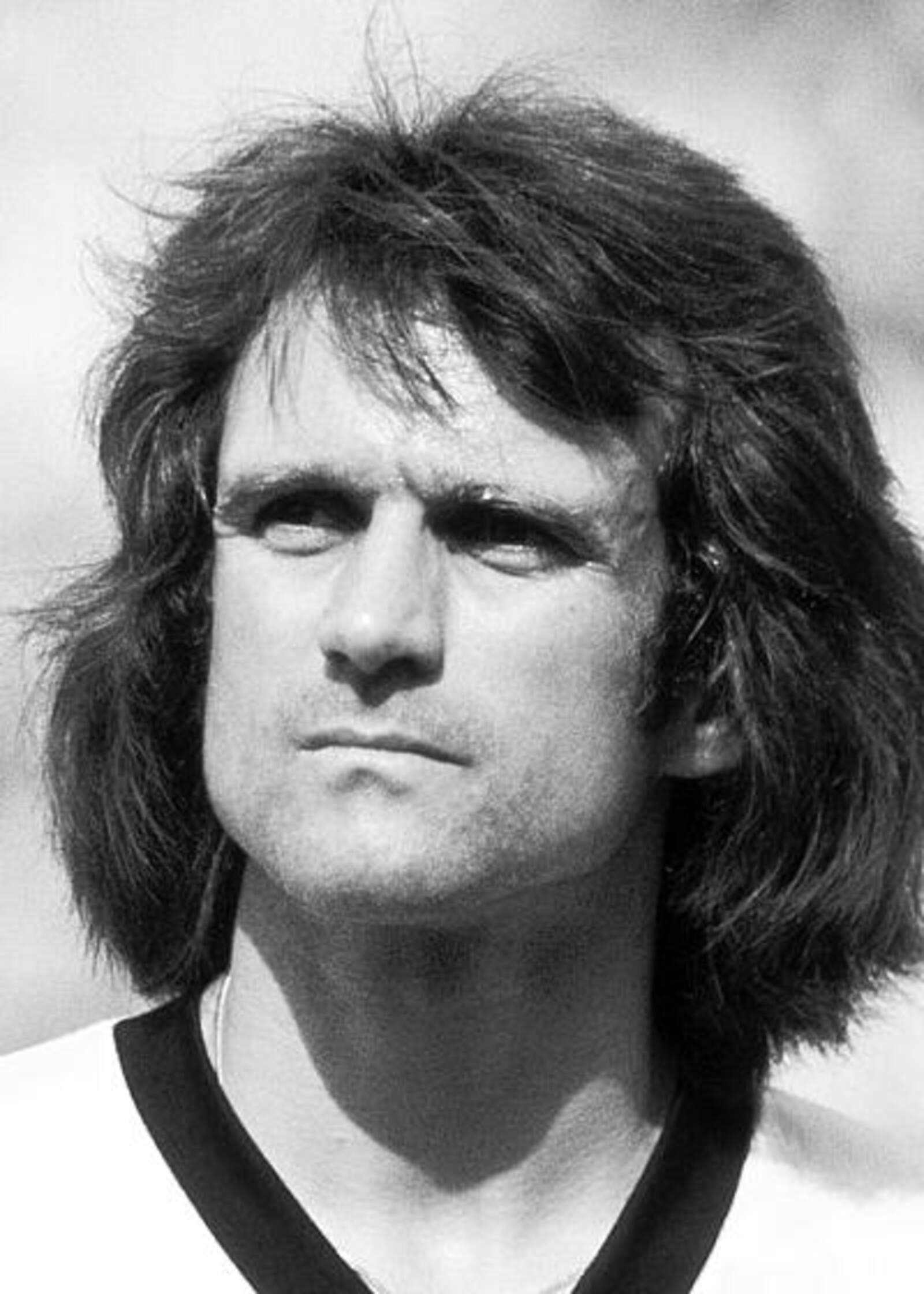
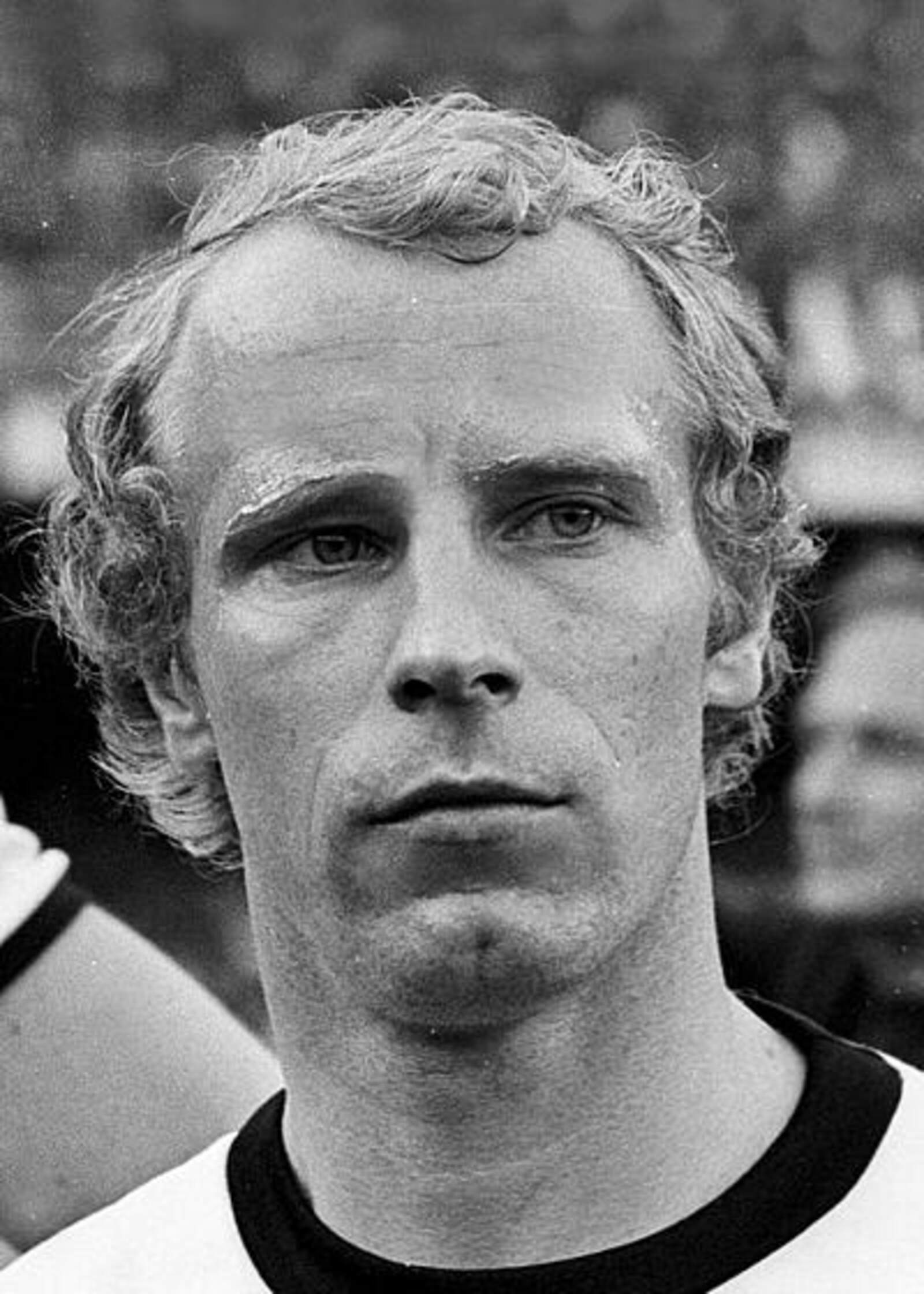
He doesn’t seem to care much for what appears to be the highest praise. “Dixie” Dörner is often referred to as the “Beckenbauer of the East”. His aversion stems less from the fact that these words of praise for an icon of GDR football are imbued with a ‘Wessi’ perspective, but rather because he can confidently assert: ‘I have created my own style.’ This style was characterised by elegance, technical finesse and a commanding view of the pitch. The comparison with Beckenbauer is therefore by no means far-fetched. Further parallels suggest a connection. Both have played roughly the same number of international matches. Dörner played 100 times for the GDR national team and, in his own way, long defined the role of the libero – a position that his West German counterpart, Beckenbauer, who made 103 international appearances, had initially invented for himself.
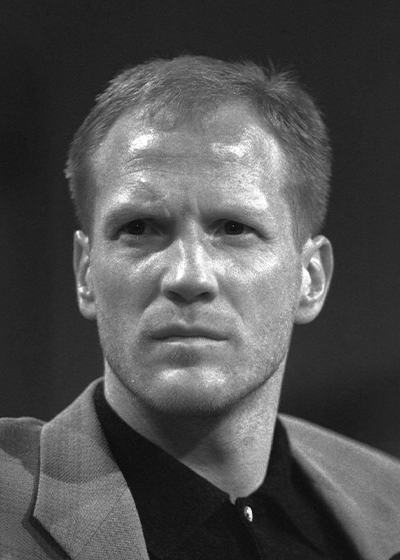
“But Dixie was also ahead of his time,” says Matthias Sammer, who counts Dörner amongst his childhood idols. “Today, you’d describe him as a ‘Guardiola-style player’.” The star Spanish manager values footballers who can read the game, act with foresight and anticipate the moves of both the opposition and their own team. Dörner brought all these qualities to the game at a time when football was still very much defined by man-to-man marking. The fact that he did not constantly wear himself out in endless one-on-one duels probably explains his incredible consistency. Dörner was virtually never injured and was therefore able to play around 90 per cent of the maximum possible number of matches for him in the GDR Oberliga between the ages of 18 and 36. A similar rate applies to his appearances at international level. He was sidelined for a decisive period on just
one occasion. Due to jaundice, he missed – of all things – the 1974 Football World Cup in Germany and, with it, the historic match between the Federal Republic and the GDR, as well as the direct clash with Franz Beckenbauer, the – if you will – ‘Dörner of the West’. However, his greatest sporting success was yet to come. Two years later, Dörner won the gold medal with the GDR at the 1976 Olympic Games in Montreal.
Whether he is known as the ‘Beckenbauer of the East’ or a ‘Guardiola-style player’ – one thing is certain about Hans-Jürgen Dörner: he is a Dynamo Dresden legend. The three-time GDR Footballer of the Year never played for any other club at senior level; in total, he made 392 Oberliga appearances for the Yellow and Blacks, scoring a remarkable 68 goals for a player who operated primarily in defence. Incidentally, nobody – not even himself – can remember how he came to be known as ‘Dixie’. Never mind. The other nicknames are explanation enough.
The German Football Hall of Fame was established on the initiative of the German Football Museum. In November 2018 and January 2019, leading sports journalists voted for the inaugural men’s and women’s teams. The jury members were asked to nominate their choice of players and managers from German men’s and women’s football. Players who were eligible to play for German national teams and whose playing careers had ended at least five years previously were eligible for nomination. The HALL OF FAME honours the greatest legends of German football in one central location for the first time. It forms part of the permanent exhibition at the German Football Museum in Dortmund. Opened on 1 April 2019, it has become a permanent place of pilgrimage for all football fans. The jury decides annually on further inductees from men’s and women’s football.