EN
EN
 DE
DE


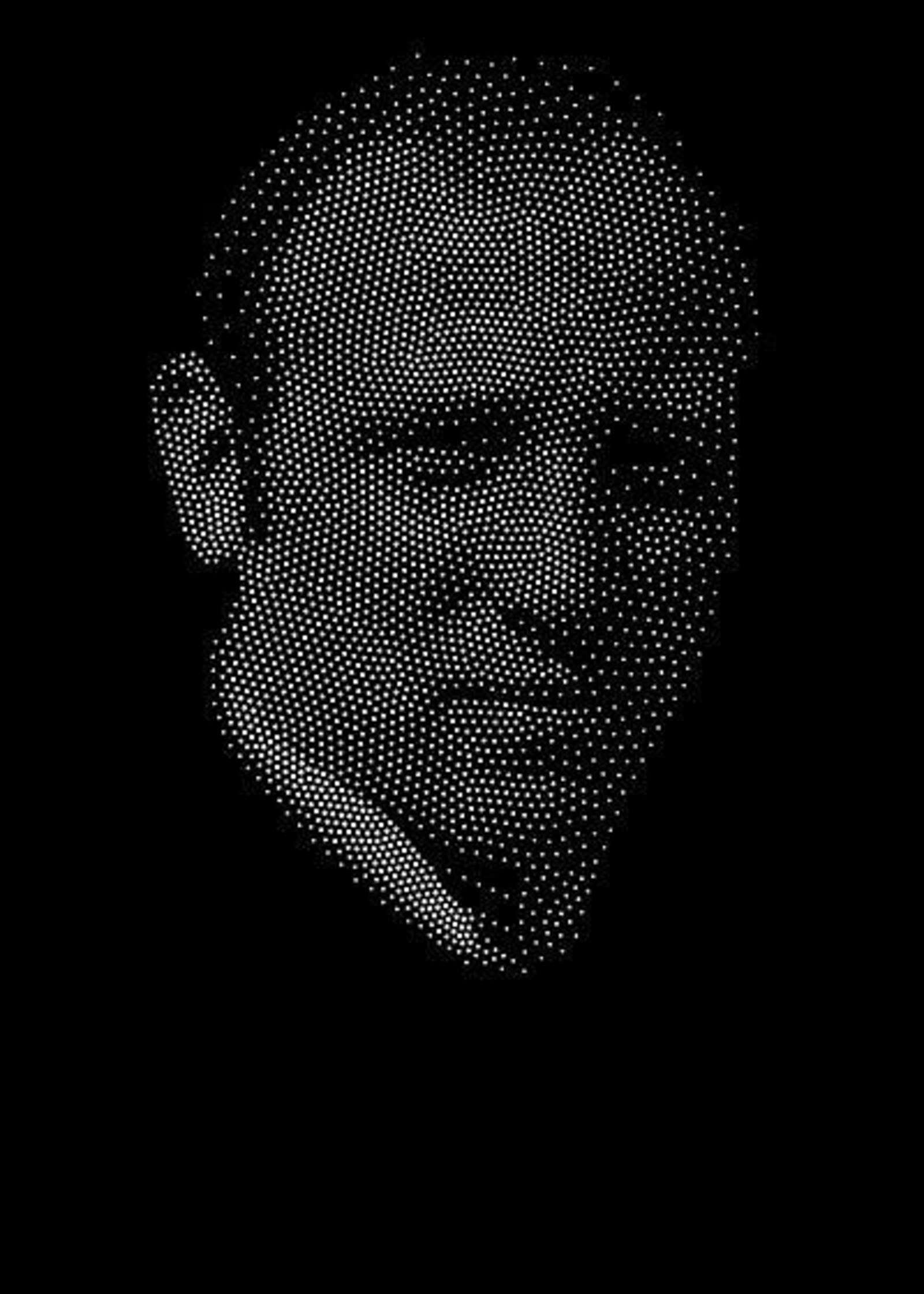
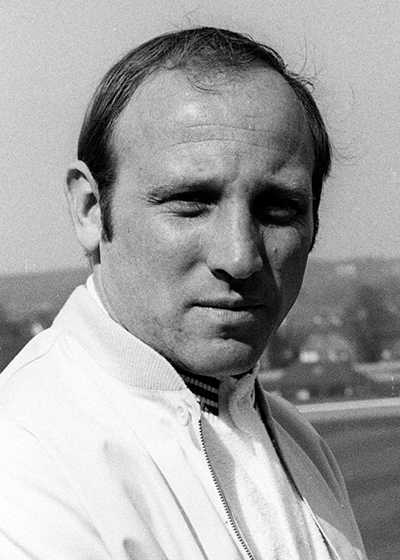
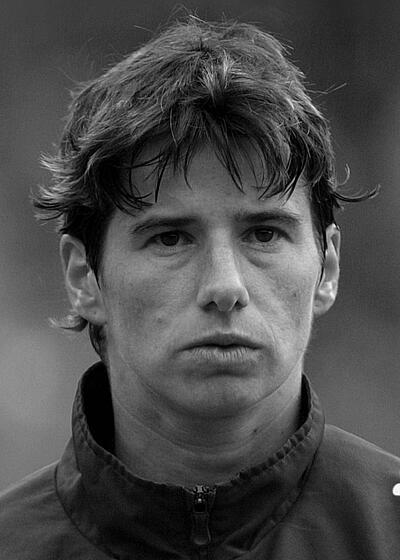
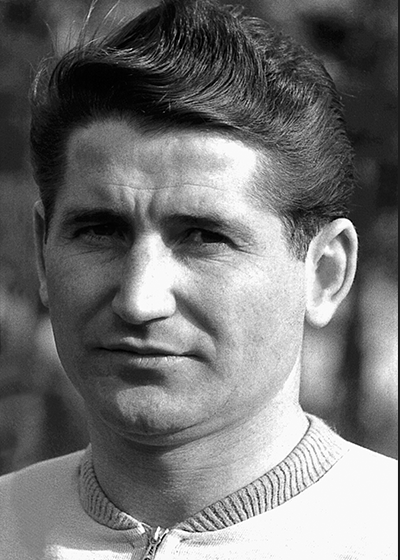
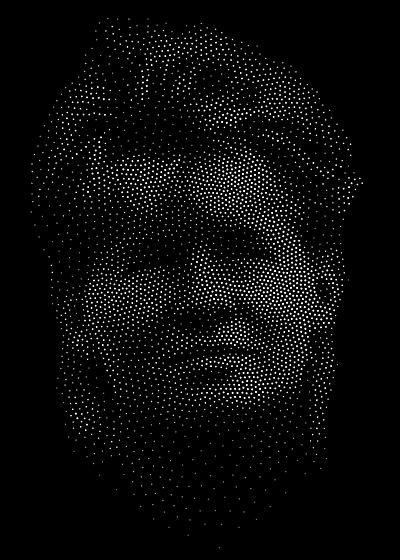
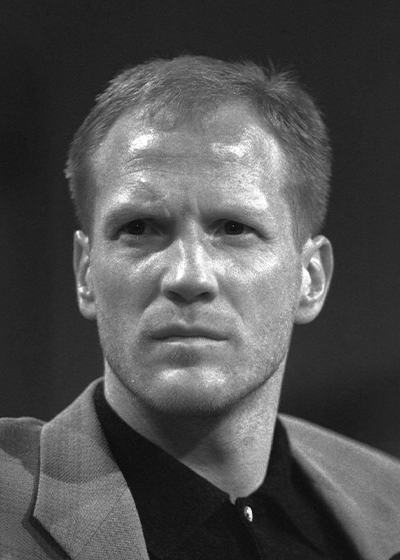
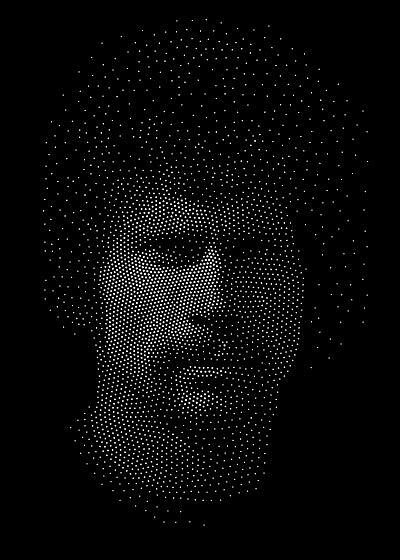
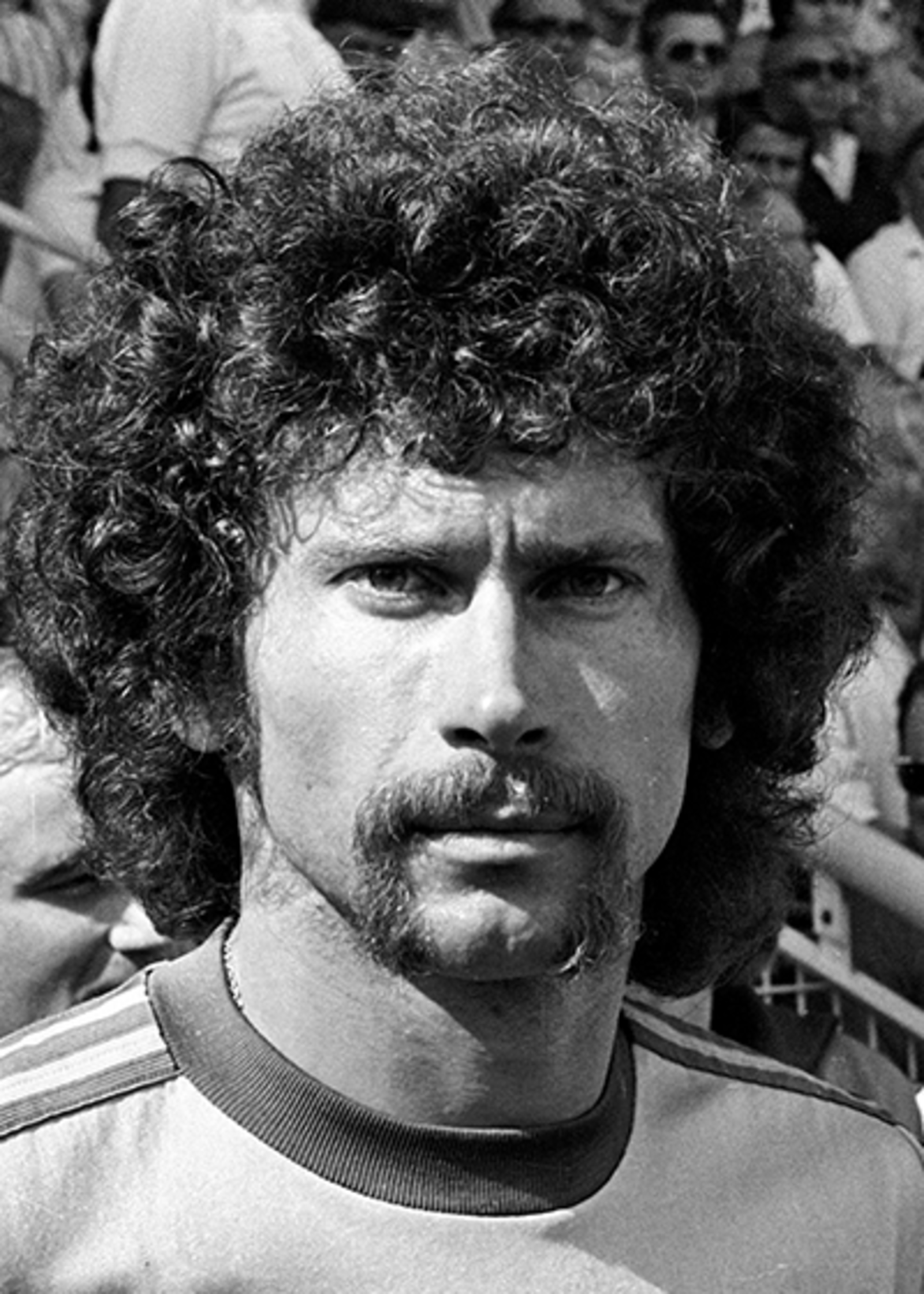
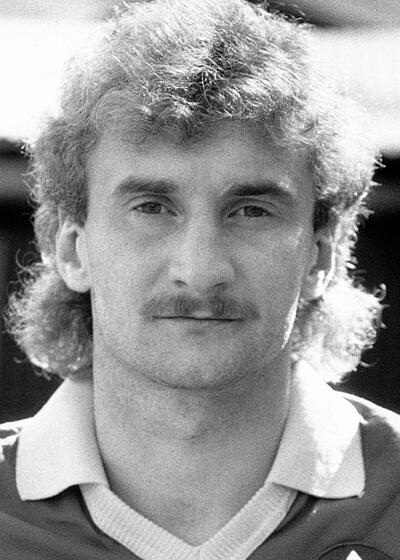
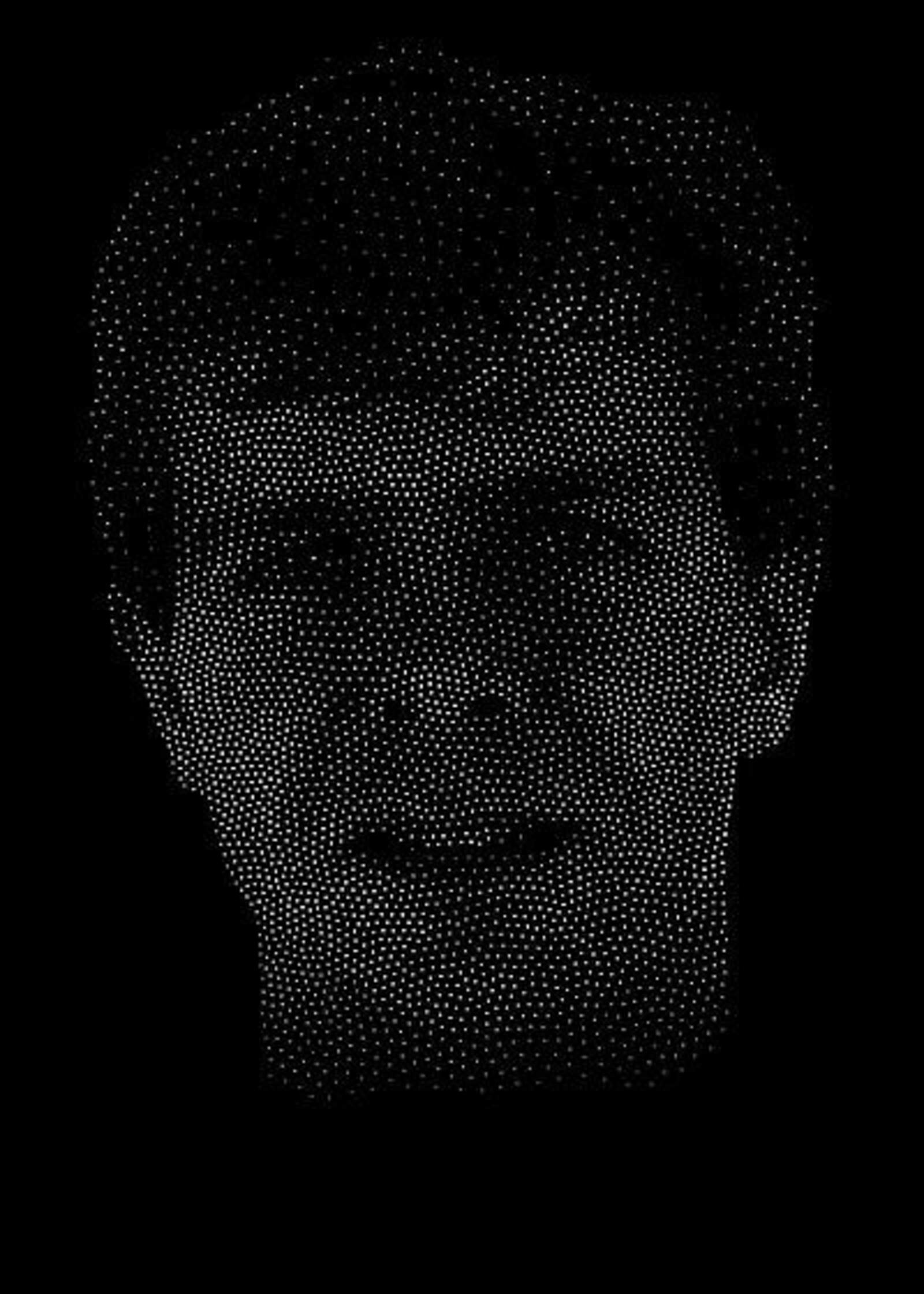
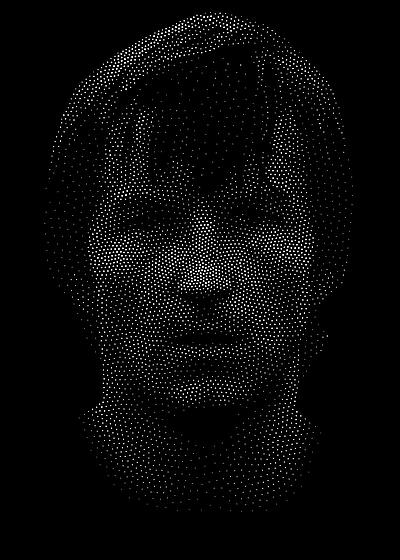
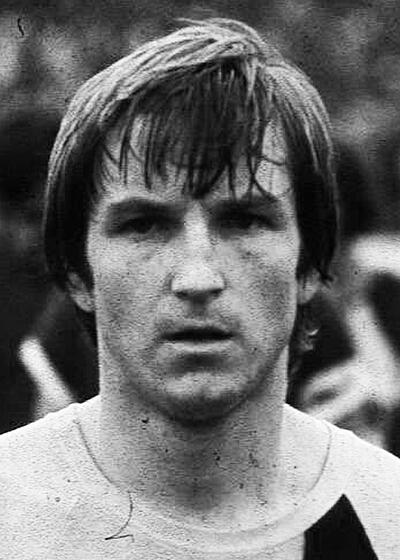
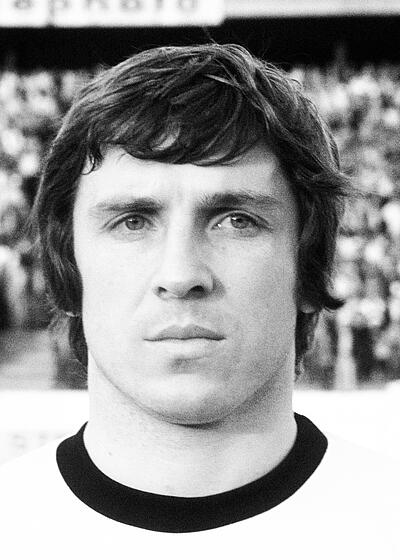
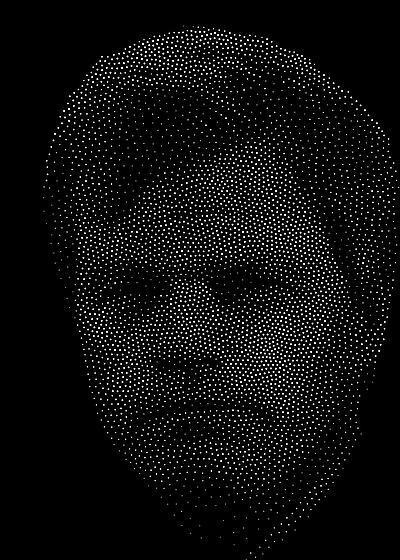
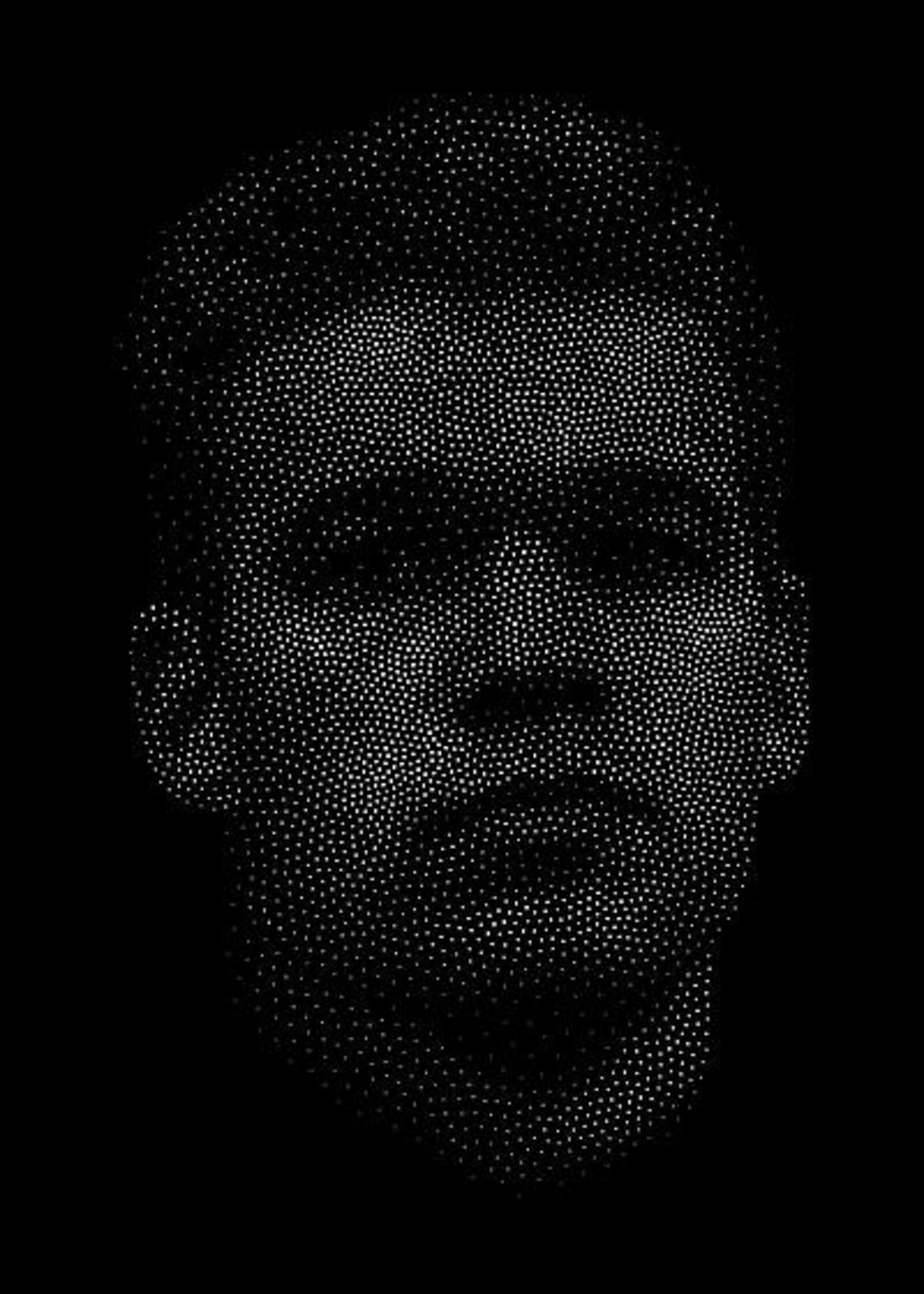
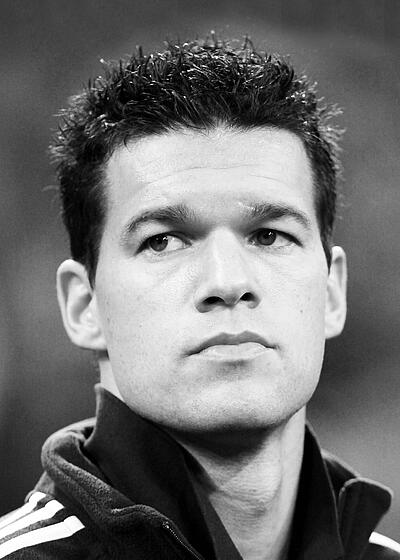
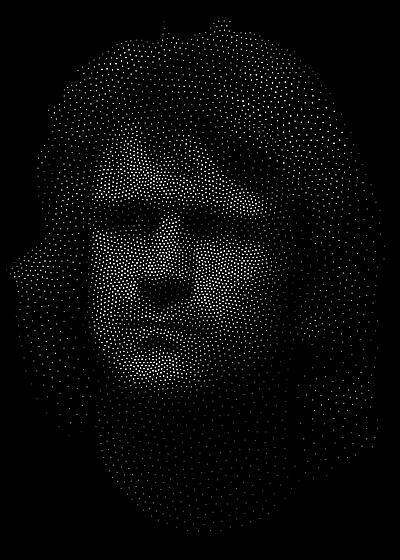
Helmut Rahn
16 August 1929, Essen
– 14 August 2003, Essen
(forward)
Clubs as a player:
1946–1950 SC Oelde 09
1950–1951 Sportfreunde Katernberg
1951–1959 Rot-Weiss Essen
1959–1960 1. FC Köln
1960–1963 Sportclub Enschede
1963–1965 Meidericher SV
Club:
230 appearances, 99 goals (Oberliga West)
; 19 appearances, 8 goals (Bundesliga)
; 69 appearances, 39 goals (Eredivisie, Netherlands)
Honours:
German Champion: 1955
DFB Cup winner: 1953
National team:
40 matches, 21 goals
World Champion: 1954
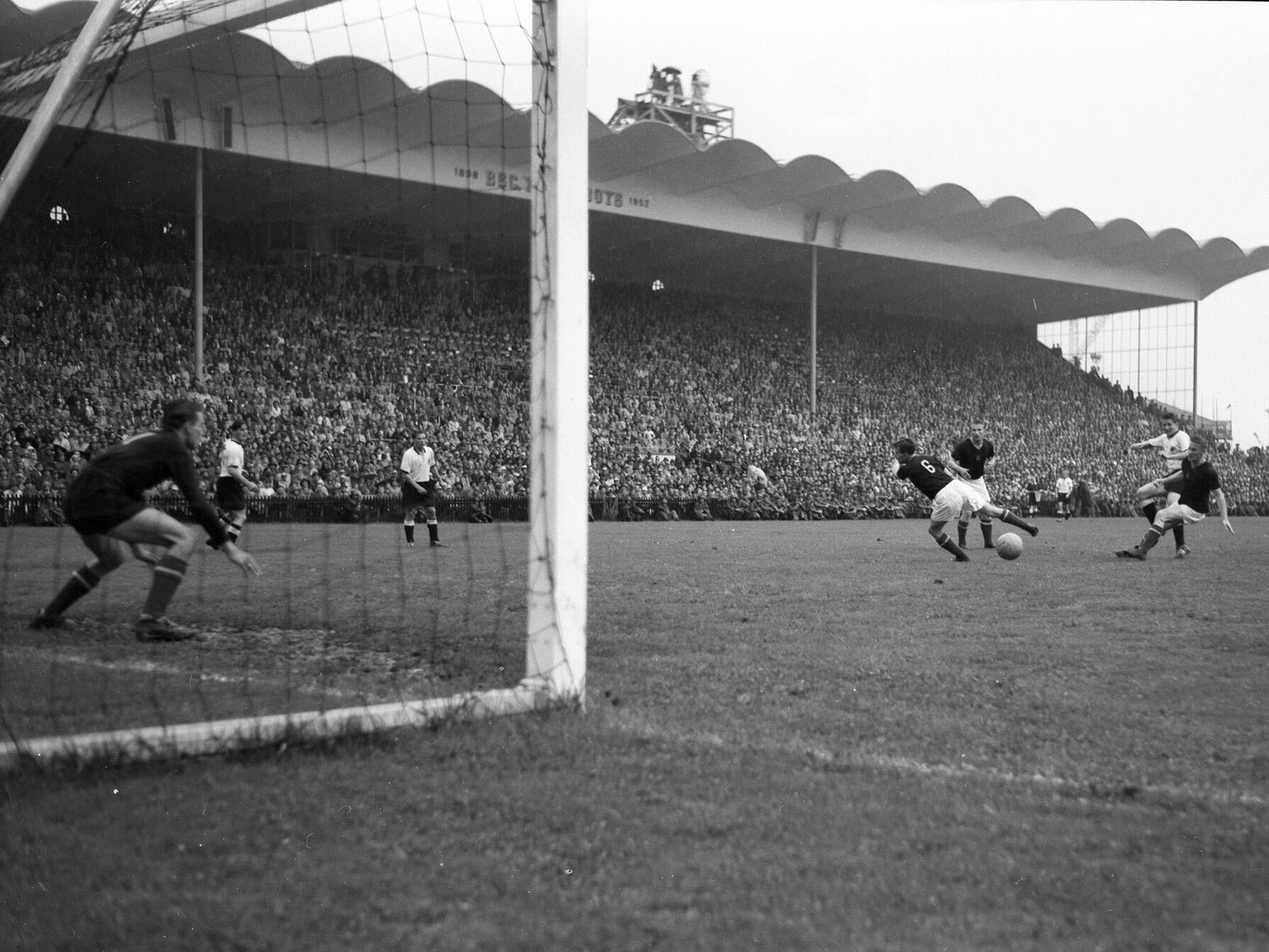
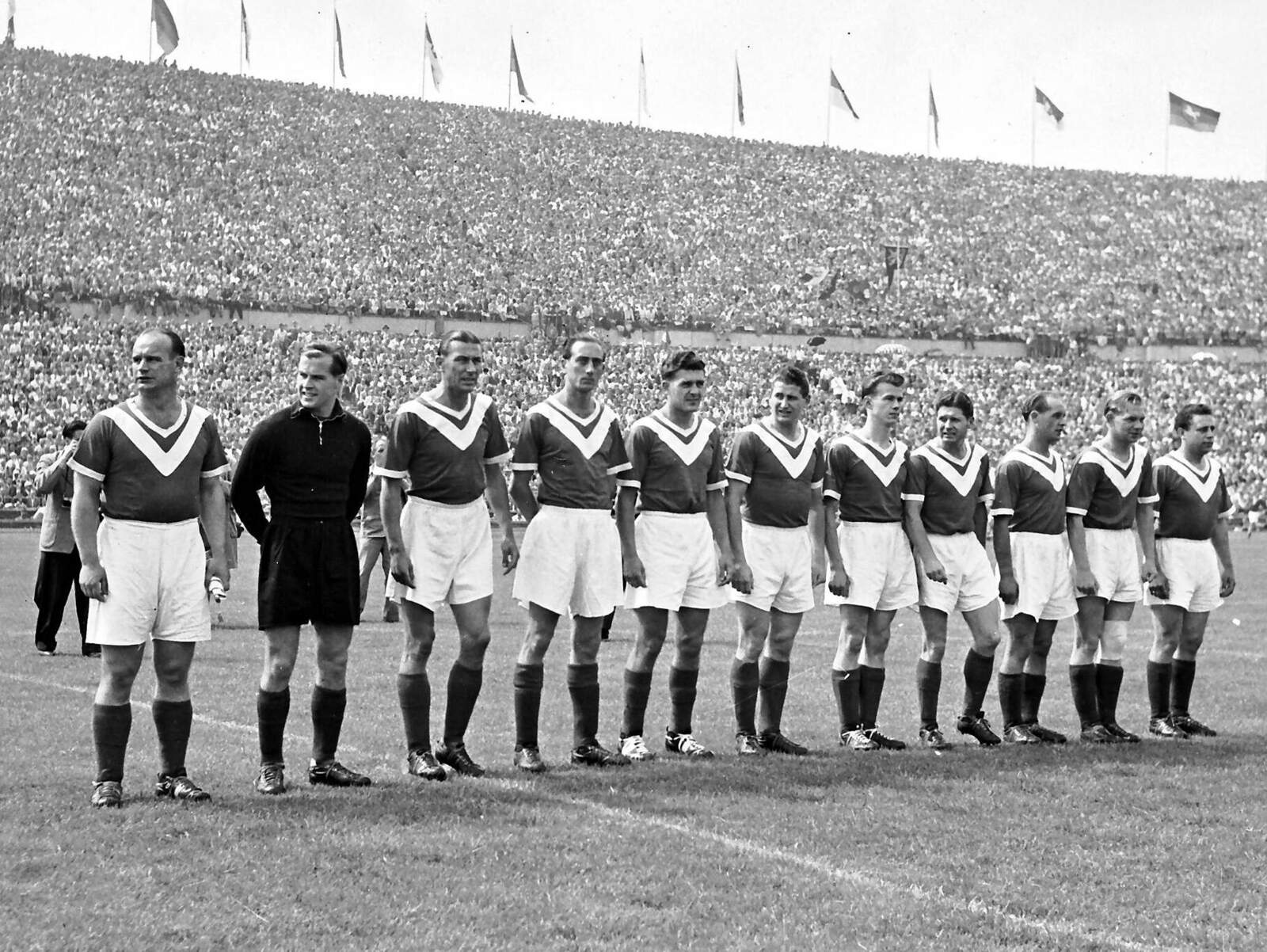

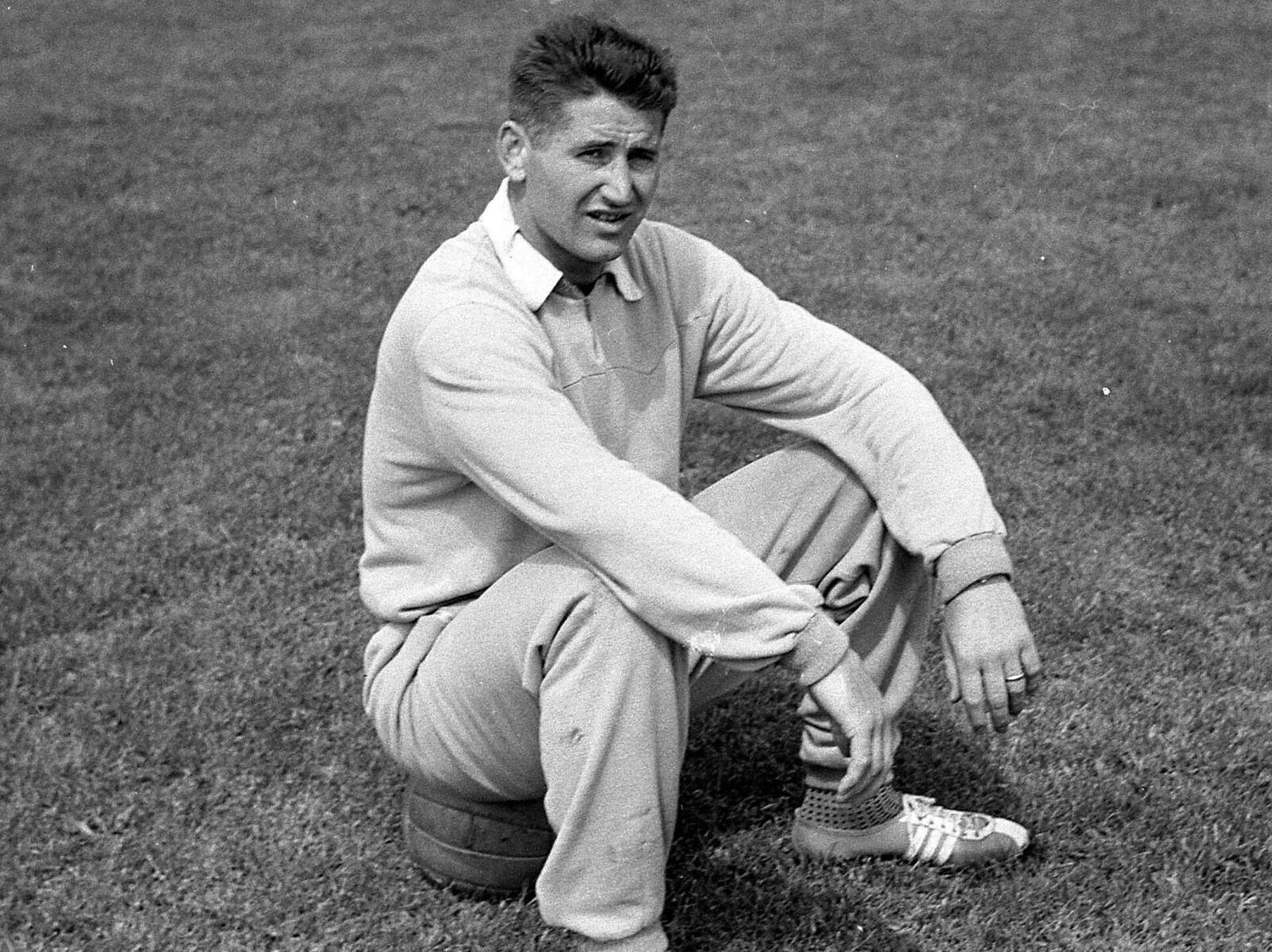


It is one of the most famous moments in German football history, no doubt partly because radio commentator Herbert Zimmermann immortalised it for all time: “Rahn should be shooting from deep, Rahn shoots, goal, goal, goal!” The scene described – which still gives listeners goosebumps today – was, first and foremost, the German national team’s 3–2 winning goal in the 84th minute of the 1954 World Cup final against the hot favourites, Hungary. Six minutes later, it was clear: Helmut Rahn’s thunderous shot into the bottom-left corner of the Hungarian goal was the winning goal that brought the Germans the ‘Miracle of Bern’ and, with it, their first ever World Cup title.
A goal that felt like a big bang, to which all the national team’s subsequent successes are linked. Yet it did not come out of nowhere. Nor, for that matter, did its scorer. The powerful striker from Rot-Weiss Essen had already scored the equaliser to make it 2–2 in that match and set up Max Morlock’s goal to make it 1–2. In the tournament’s quarter-final against Yugoslavia, his goal to make it 2–0 proved decisive.
At club level, too, he had already enjoyed major success by winning the DFB Cup in 1953. This was followed in 1955 by victory in the German Championship final against 1. FC Kaiserslautern, a side that fielded four of Rahn’s World Cup teammates. At that time, RWE was the benchmark in German football and Helmut Rahn was the “Boss”, as he was known due to his leadership qualities.
Having scored a total of four goals at the 1954 World Cup, he found the net six times at the finals in Sweden four years later. This earned him a nomination for the European Footballer of the Year award, in which he ultimately finished in second place. Via 1. FC Köln and a three-year spell abroad with SC Enschede, he joined Meidericher SV in 1963. There, towards the end of his illustrious career, he played for a further two years in the newly founded Bundesliga.
Helmut Rahn had a certain daring quality about him, both on and off the pitch. At times, he went too far, made the wrong decisions and ruffled a few feathers. How fortunate that he shared Herbert Zimmermann’s view, at least for one wonderful moment: “Rahn has to shoot…”
The German Football Hall of Fame was established on the initiative of the German Football Museum. In November 2018 and January 2019, leading sports journalists voted for the inaugural men’s and women’s teams. The jury members were asked to nominate their choice of players and managers from German men’s and women’s football. Players who were eligible to play for German national teams and whose playing careers had ended at least five years previously were eligible for nomination. The HALL OF FAME honours the greatest legends of German football in one central location for the first time. It forms part of the permanent exhibition at the German Football Museum in Dortmund. Opened on 1 April 2019, it has become a permanent place of pilgrimage for all football fans. The jury decides annually on further inductees from men’s and women’s football.