EN
EN
 DE
DE

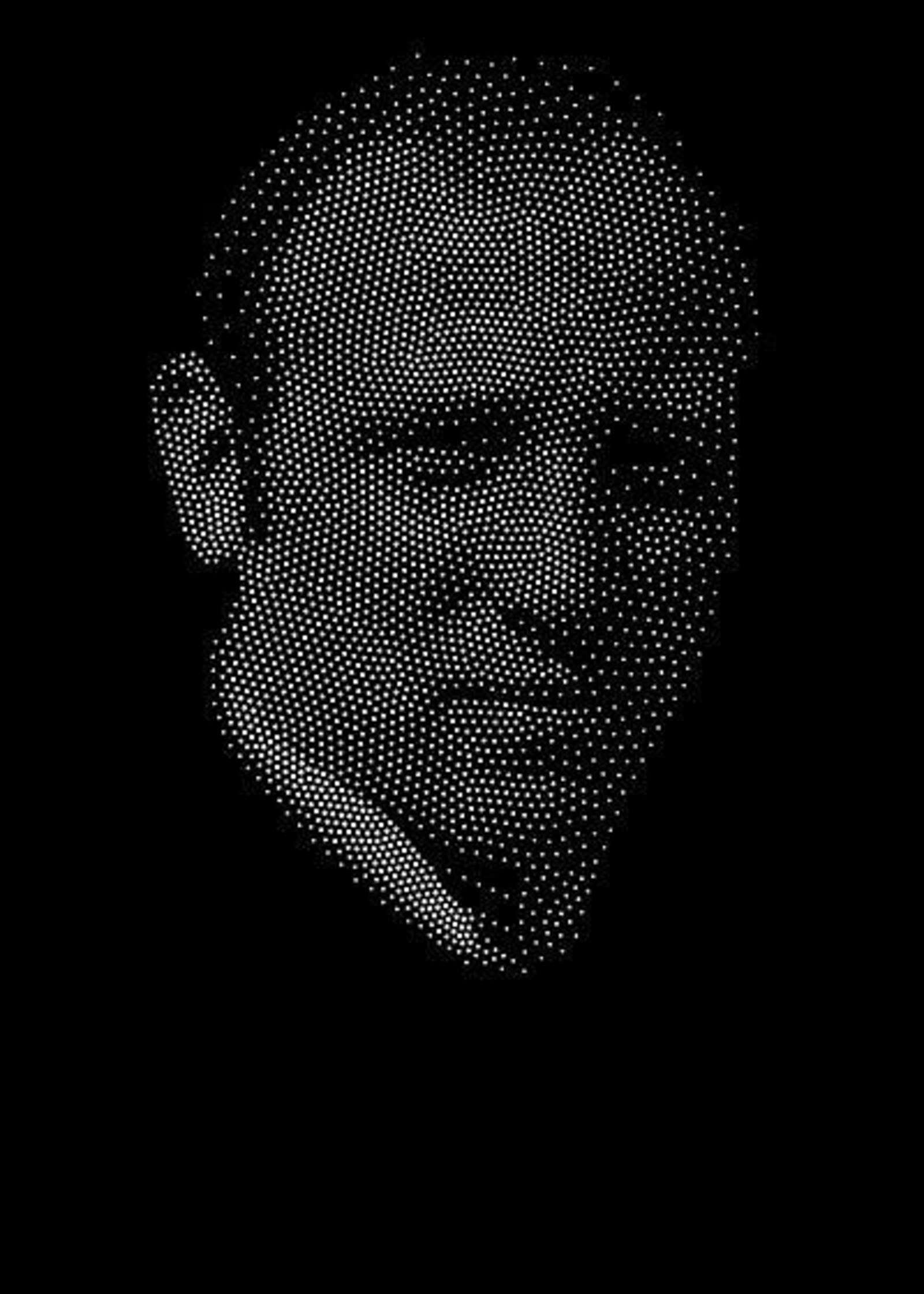
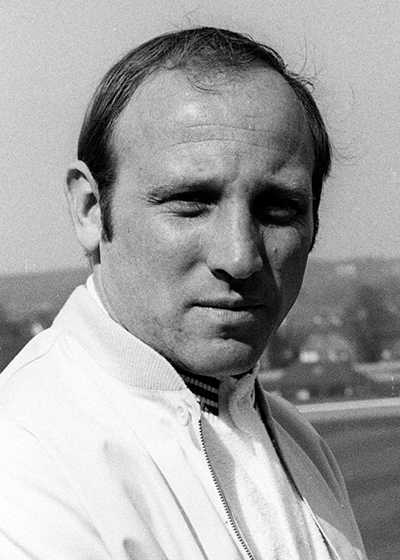
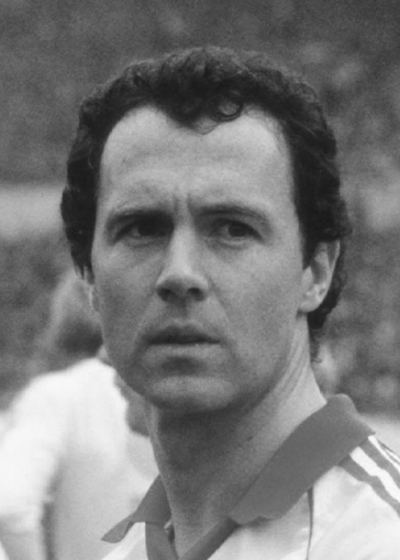
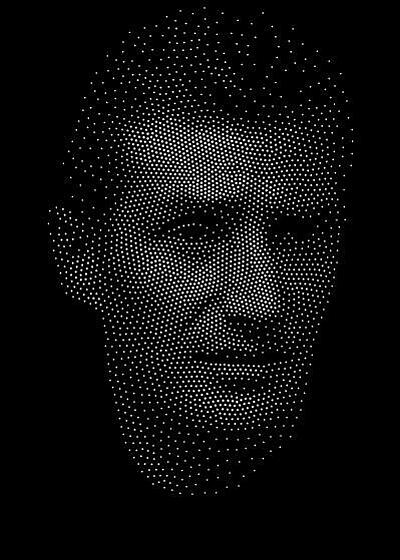
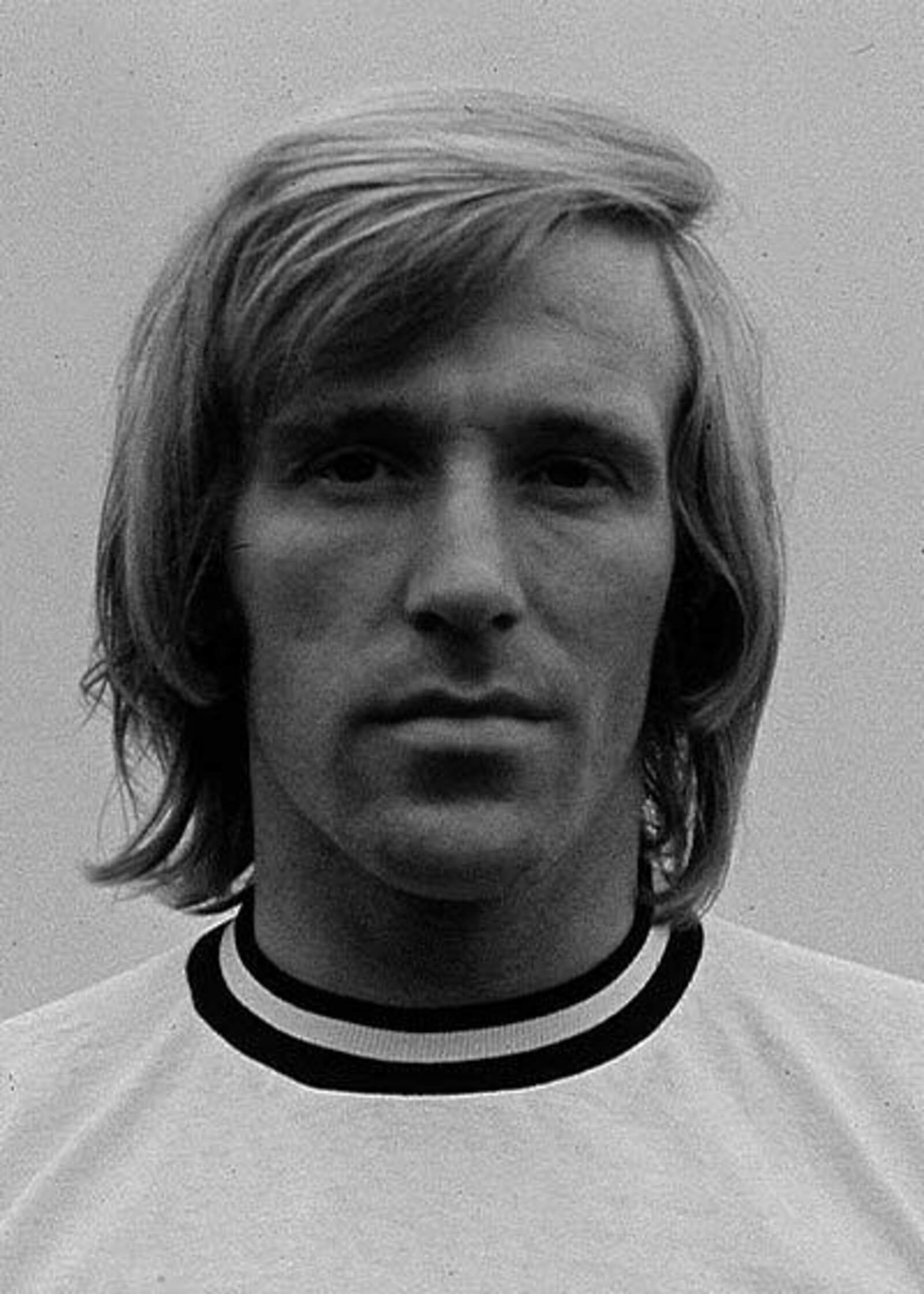
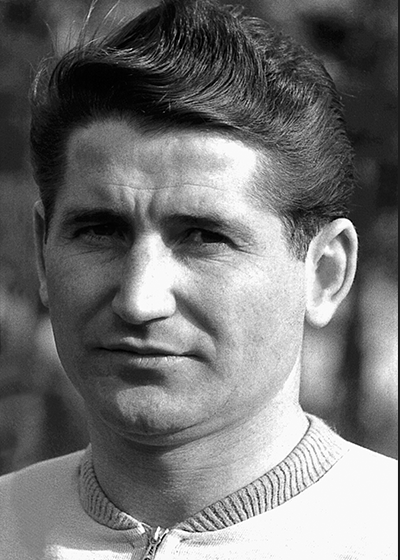
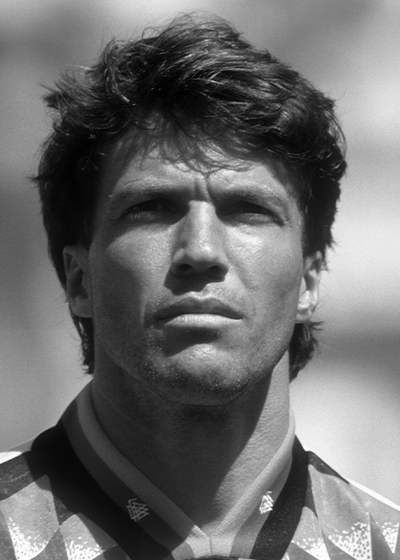
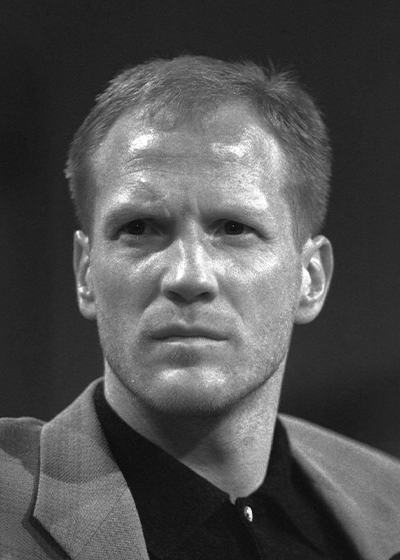
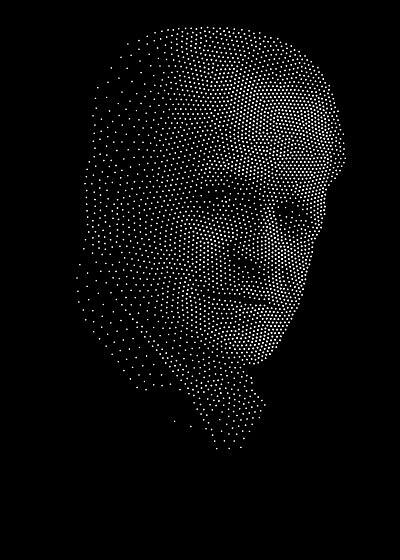
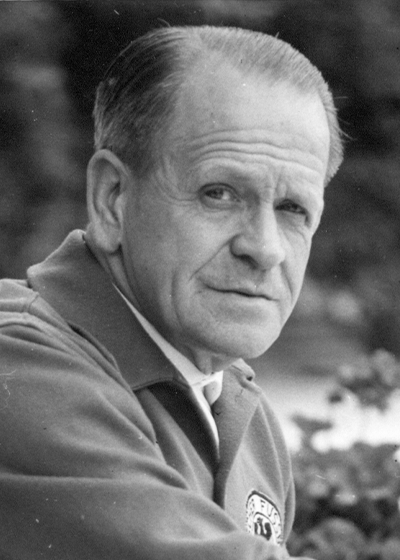
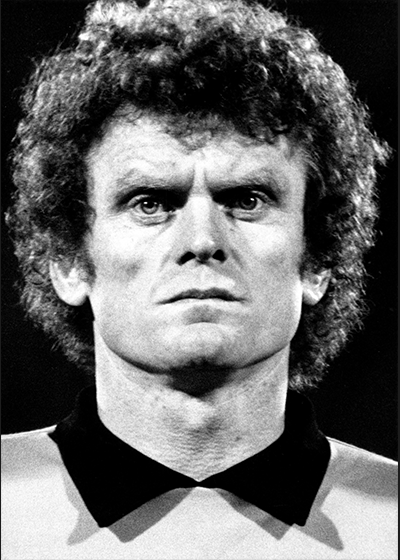
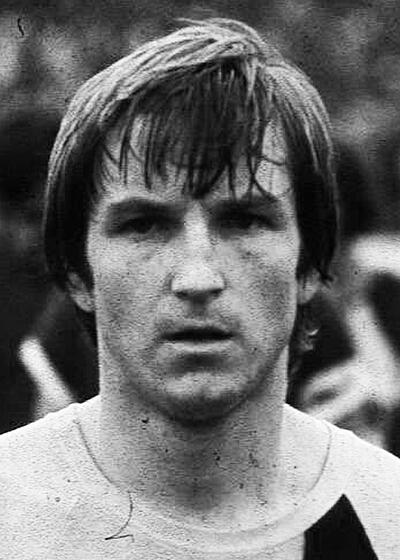
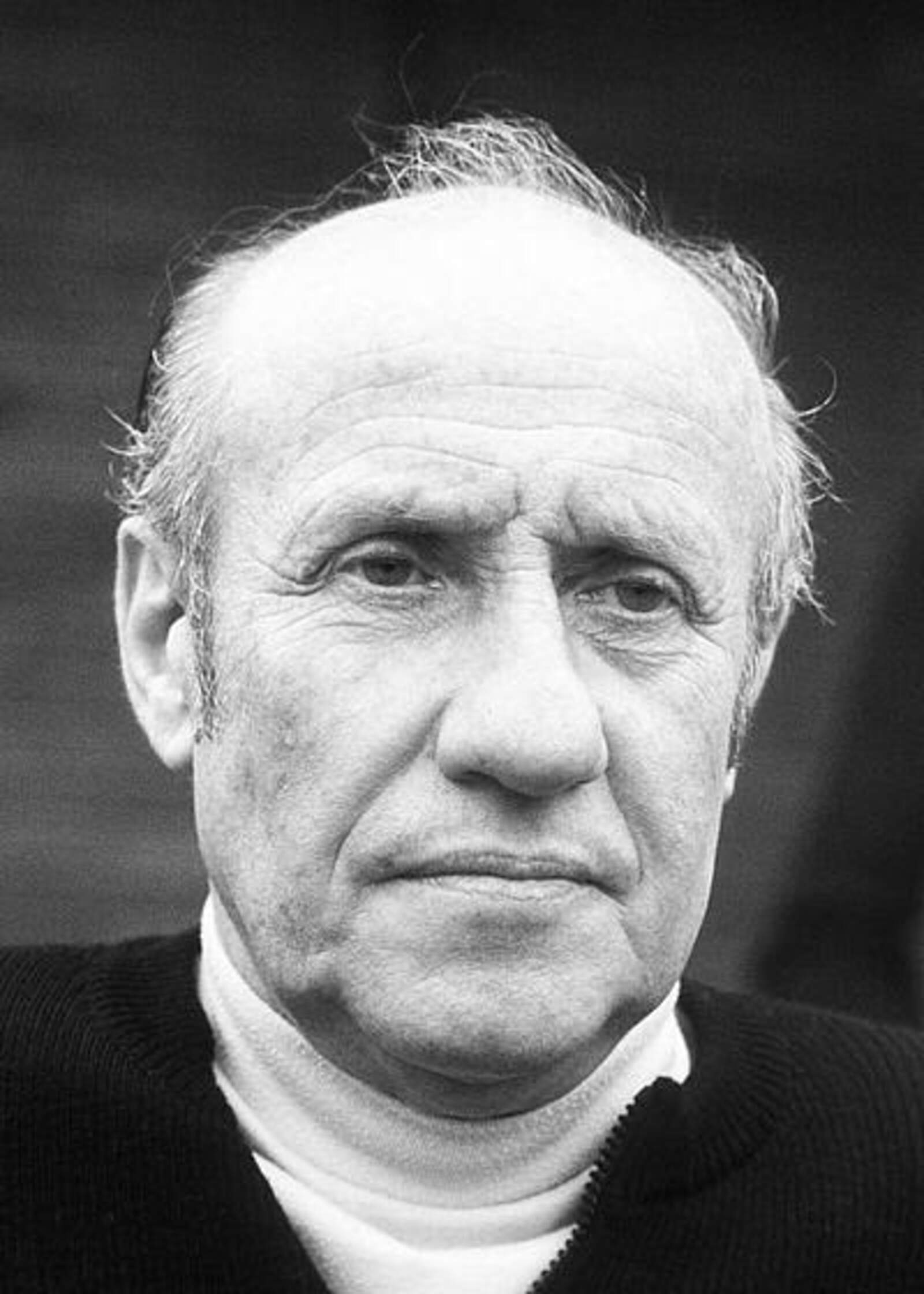
Helmut Schön
*15 September 1915, Dresden
† 23 February 1996, Wiesbaden
Coach
Coaching career:
1946–1950 SG Dresden-Friedrichstadt
1948–1950 Saxony select
team 1949–1950 Soviet Zone
select team 1950 Hertha BSC
1951–1952 SV Wiesbaden
1952–1956 Saarland (national coach)
1956–1964 Germany (assistant coach)
1964–1978 Germany
National team:
World Champions: 1974 World Cup runners-up
: 1966
World Cup third place: 1970
European Champions: 1972
European Championship runners-up: 1976

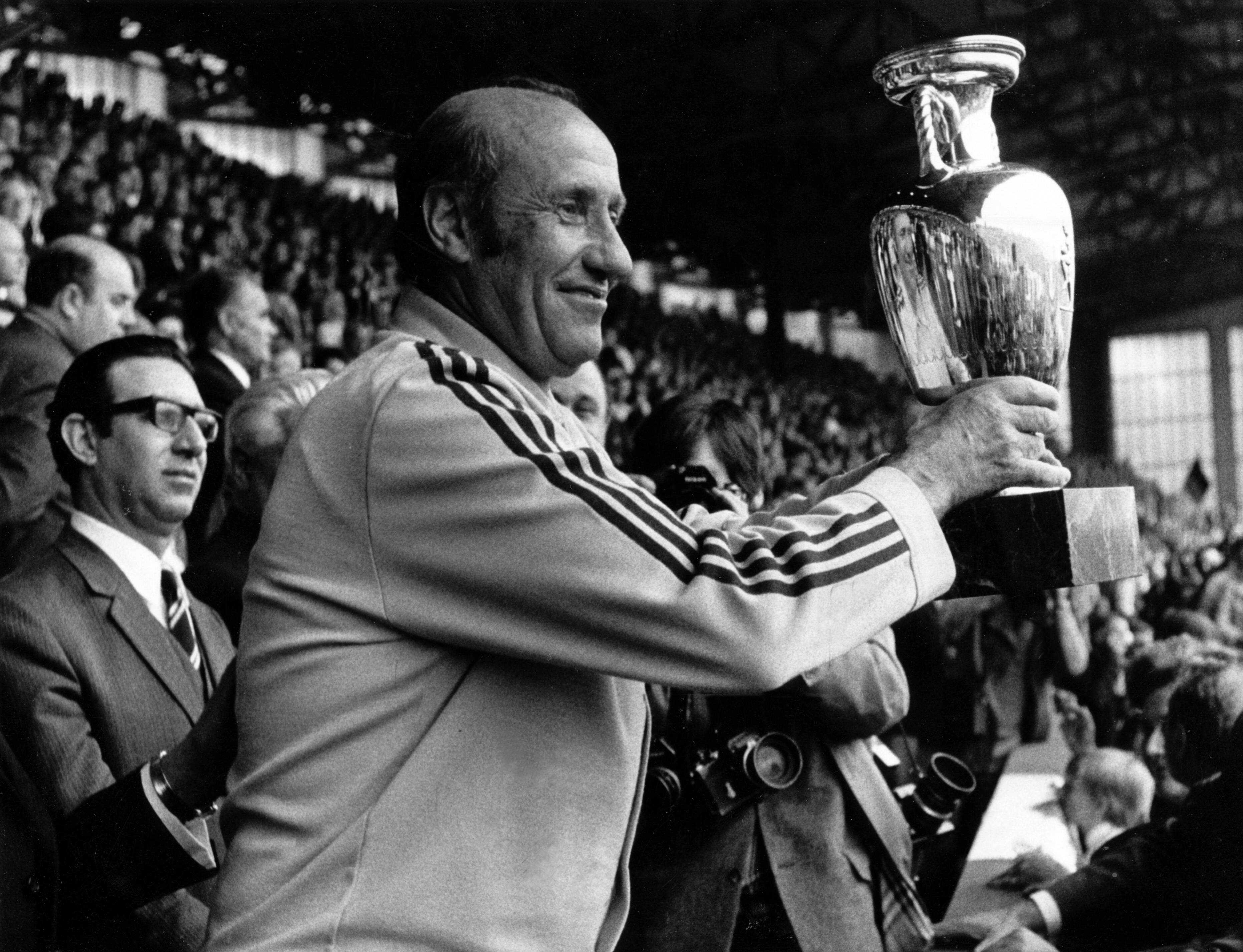
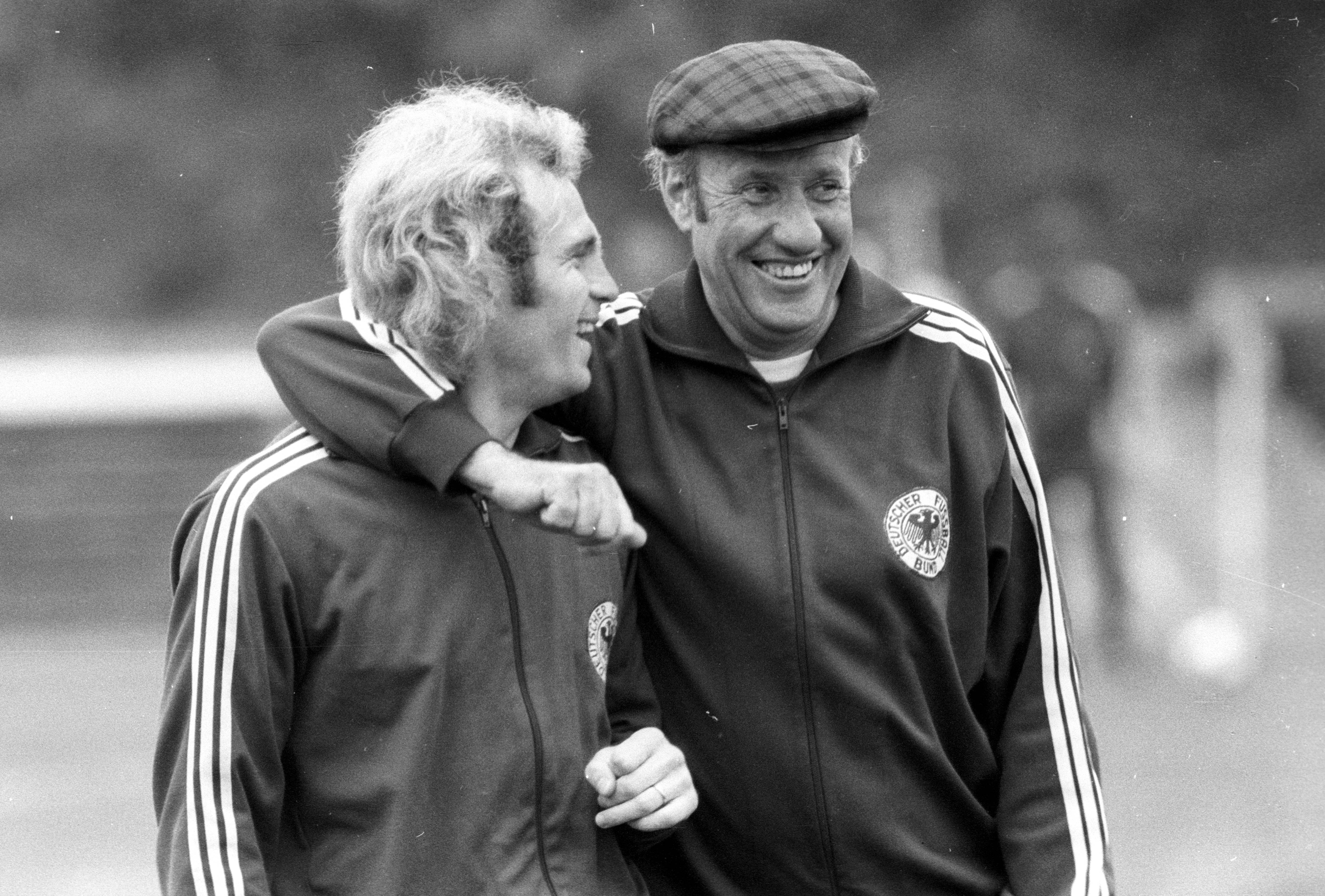
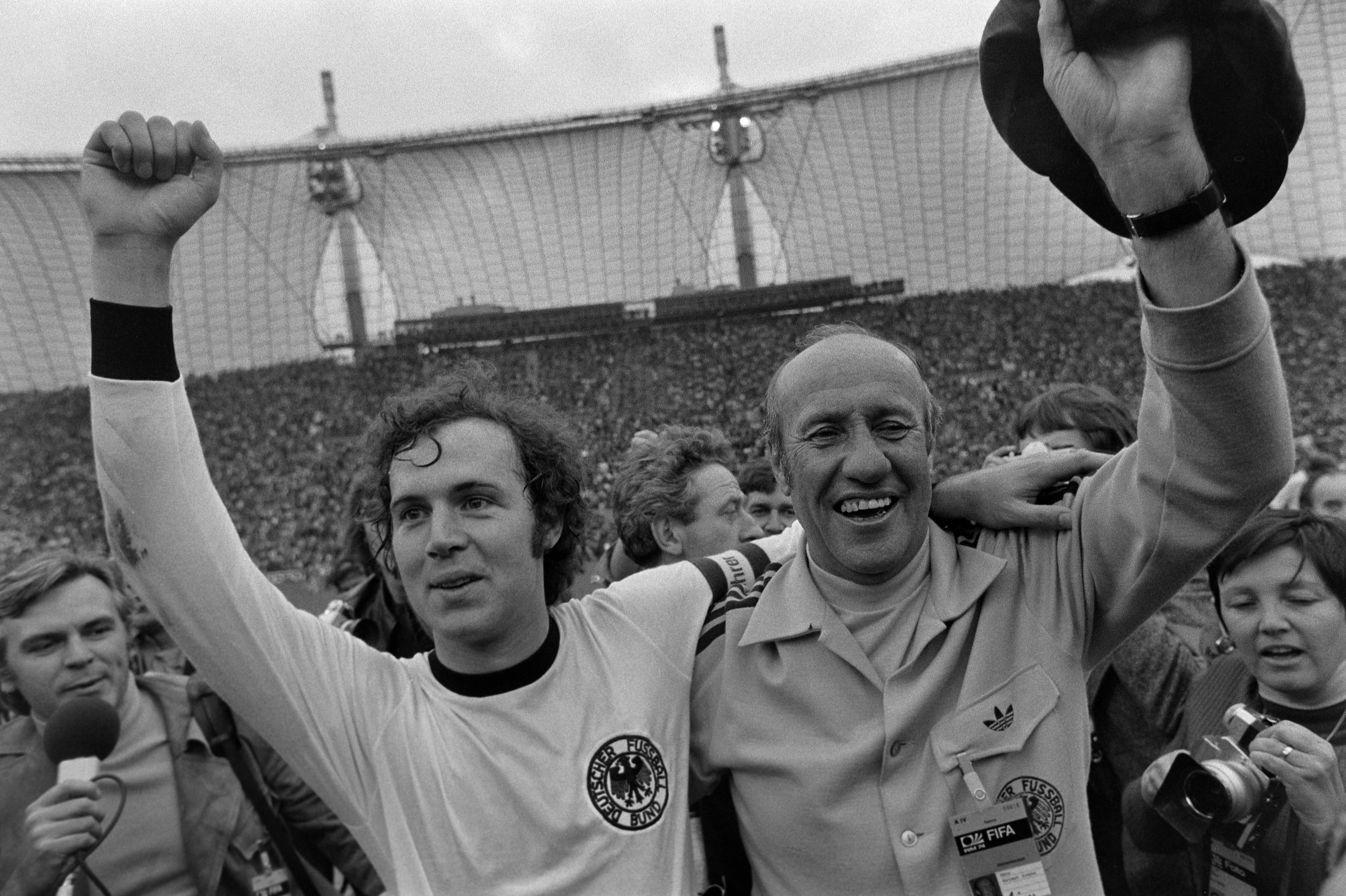
In 1972, he first led Germany to the European Championship title and, two years later, to the ultimate triumph: victory at the 1974 World Cup in Germany. As national coach, Helmut Schön moulded one of the best – and most skilful – German national teams of all time. With the core of Sepp Maier, libero Franz Beckenbauer, midfield maestro Wolfgang Overath and striker Gerd Müller, he shaped an era of unprecedented success from the mid-1960s through to the golden 1970s. Günter Netzer, too, enjoyed his finest years with the national team under the Dresden-born coach, who moved from the GDR to the Federal Republic in 1952. “We all loved going to national team training,” recalls his long-serving captain, Franz Beckenbauer. “We were street footballers. Schön let us play without any tactical constraints. He always knew how to keep us in good spirits.”
Upon arriving in West Germany, Helmut Schön initially took on a role ‘abroad’ when the then autonomous Saarland was looking for a coach for its national team. His side put in impressive performances in the qualifiers for the 1954 World Cup, including matches against the DFB squad coached by Sepp Herberger and the eventual world champions. This earned Schön a position with the German Football Association (DFB) once the Saarland had been reintegrated as a regional association.
As assistant to Sepp Herberger – under whose leadership he had already scored an outstanding 17 goals in 16 international appearances as a player – he emerged as the natural successor to the ‘boss’. The very first major tournament under his charge proved to be a remarkable success. And not just in sporting terms. Despite the ‘Wembley’ goal – which remains a subject of controversy to this day – the national team returned from the 1966 World Cup in England as the fair-play runners-up. In the country of their former wartime adversary, the team had earned great respect through their dignified conduct, even in the face of that unfortunate defeat. This was a particular credit to ‘The Tall One’, as one of his two most common nicknames went. The second nickname still rings in our ears today: Udo Jürgens dedicated a song to the ‘Man with the Cap’ when he stepped down as national coach after the 1978 World Cup. The cap was his trademark; humanity was the secret to his extraordinary success.
The German Football Hall of Fame was established on the initiative of the German Football Museum. In November 2018 and January 2019, leading sports journalists voted for the inaugural men’s and women’s teams. The jury members were asked to nominate their choice of players and managers from German men’s and women’s football. Players who were eligible to play for German national teams and whose playing careers had ended at least five years previously were eligible for nomination. The HALL OF FAME honours the greatest legends of German football in one central location for the first time. It forms part of the permanent exhibition at the German Football Museum in Dortmund. Opened on 1 April 2019, it has become a permanent place of pilgrimage for all football fans. The jury decides annually on further inductees from men’s and women’s football.