EN
EN
 DE
DE


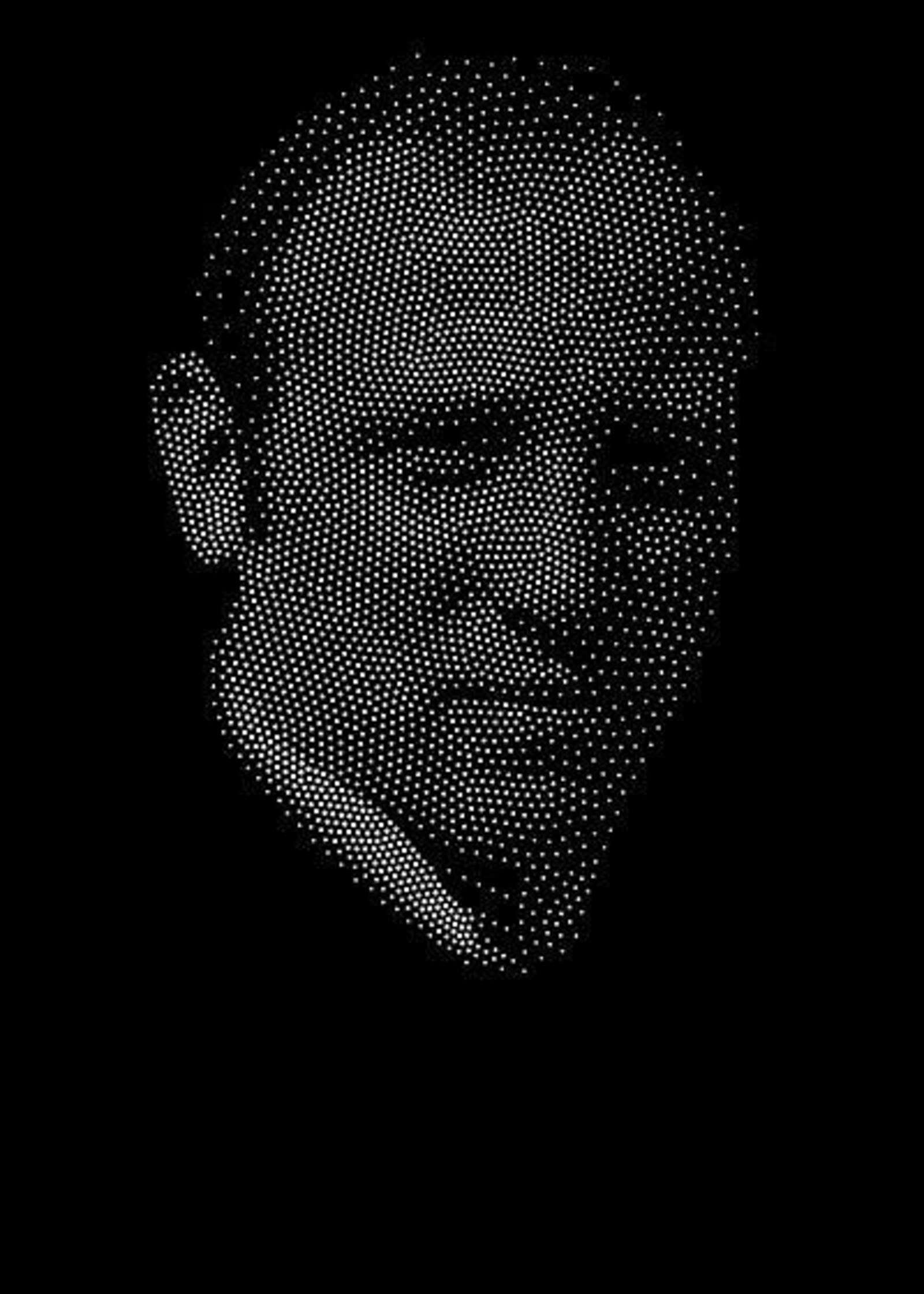
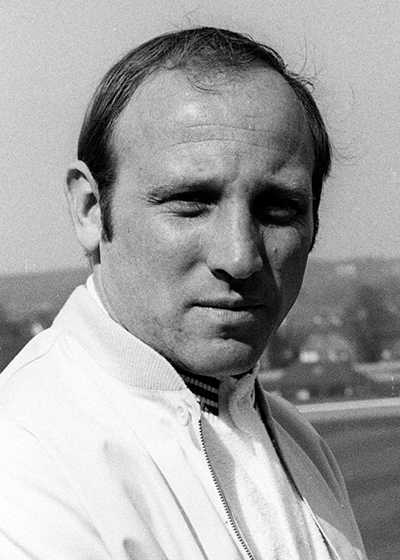
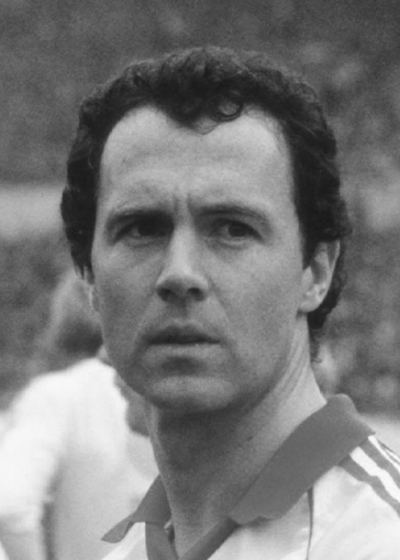
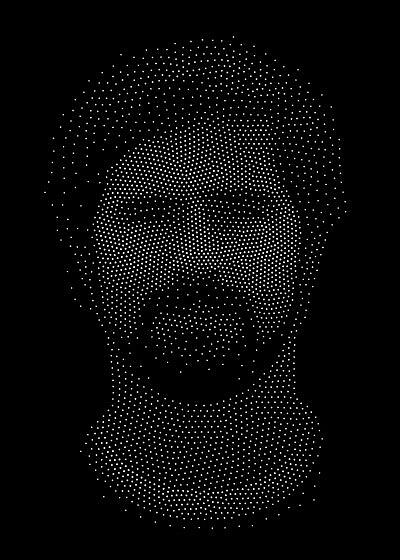
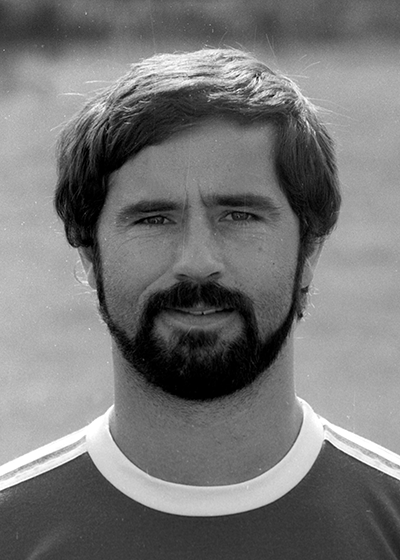
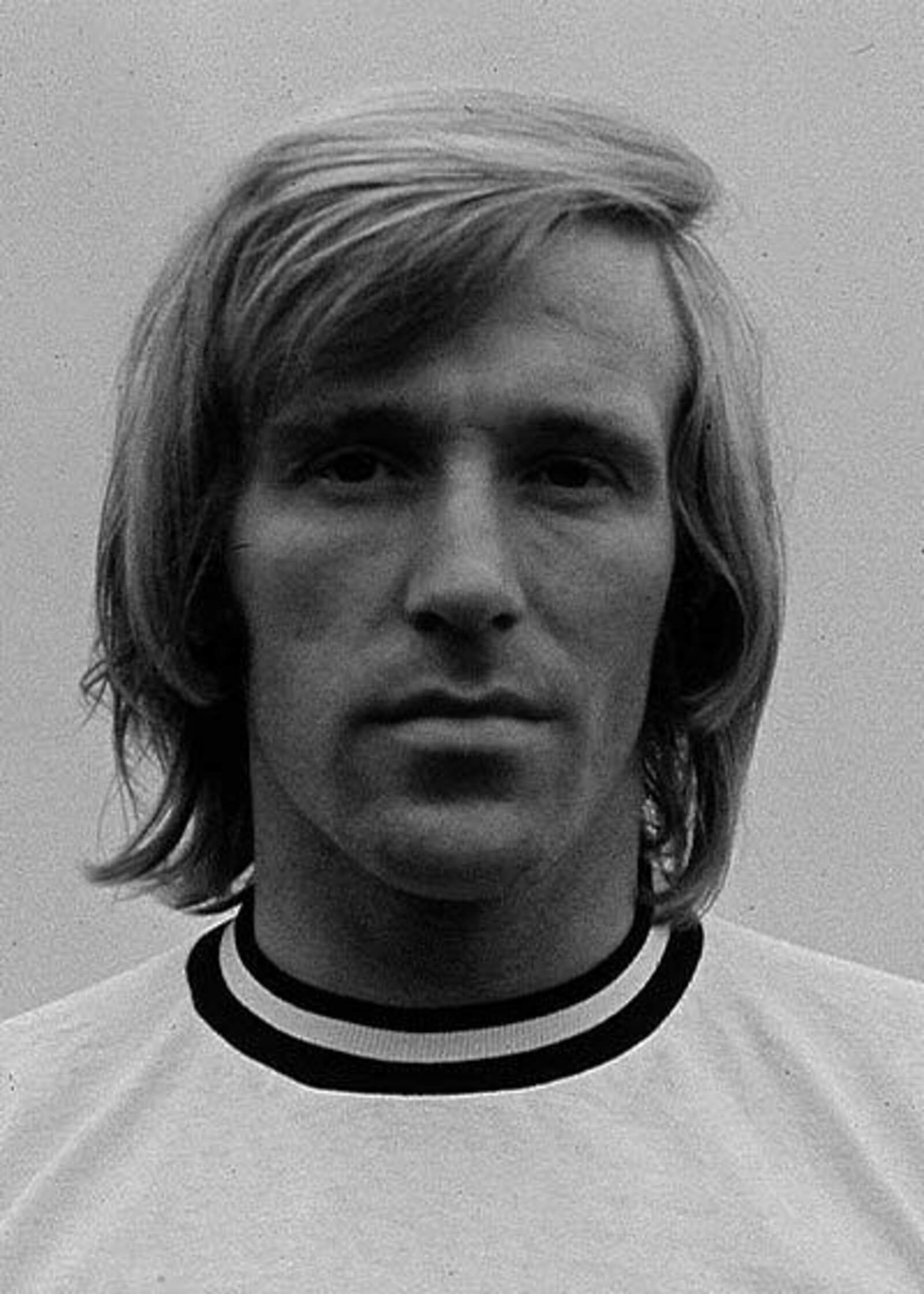
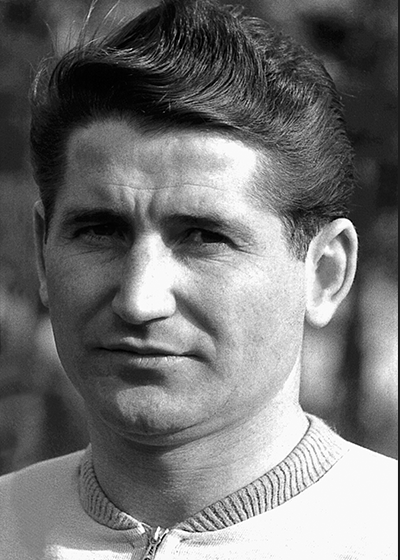
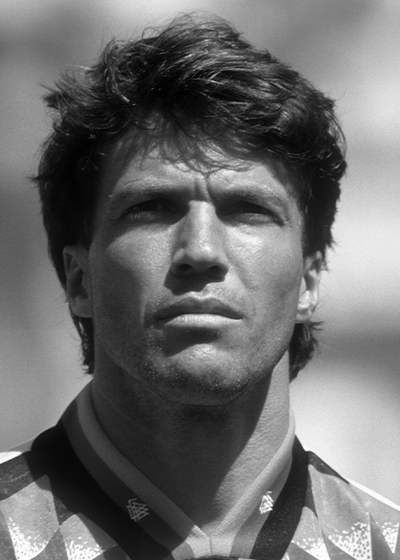
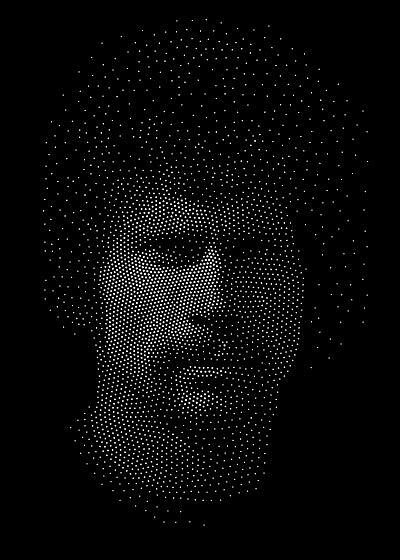
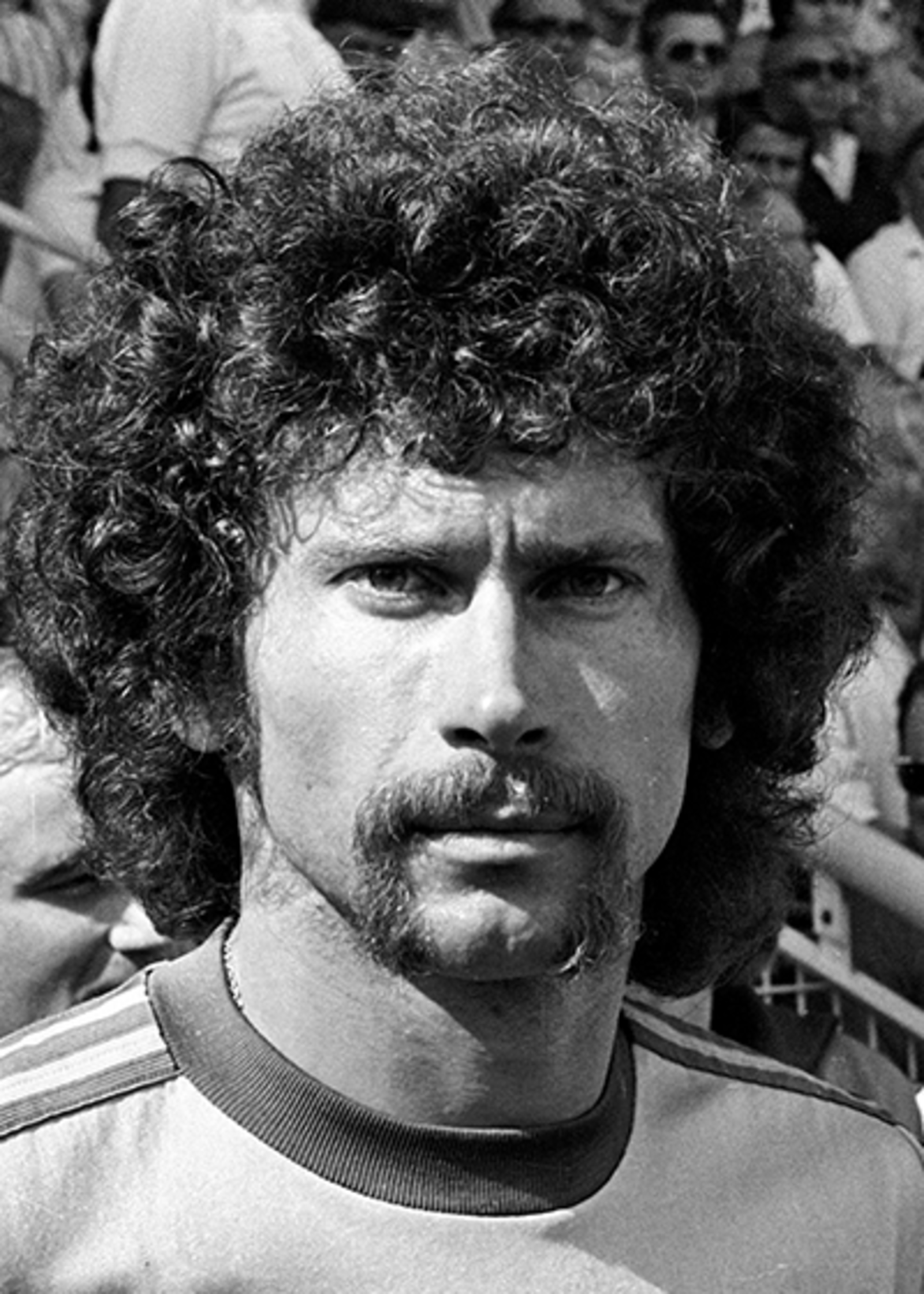
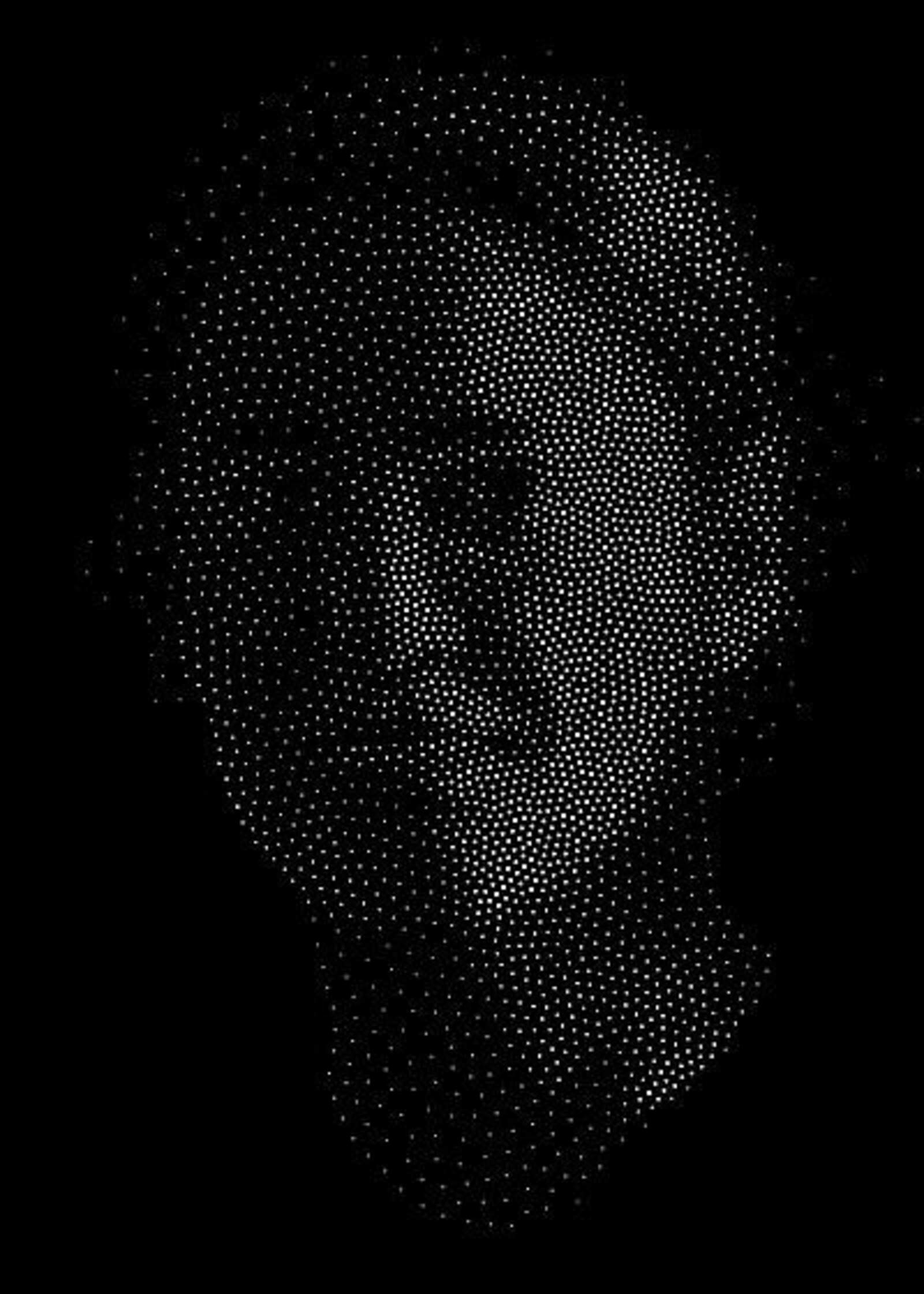
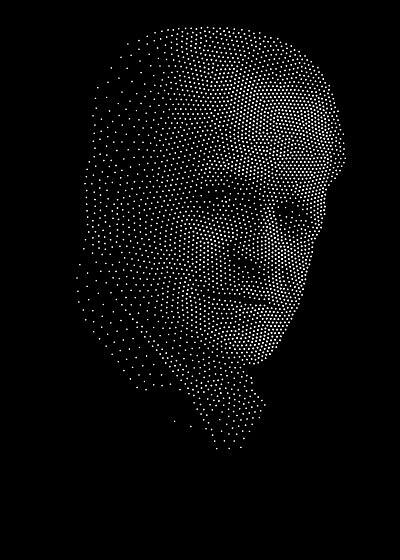
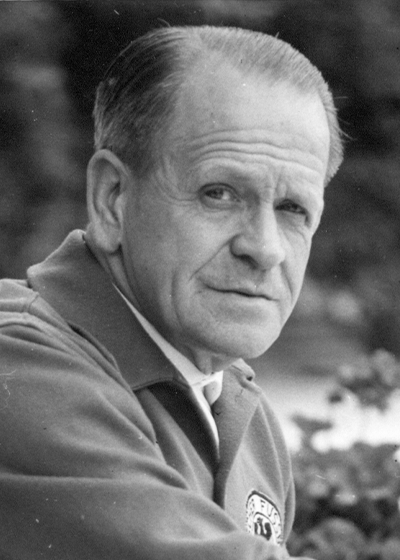
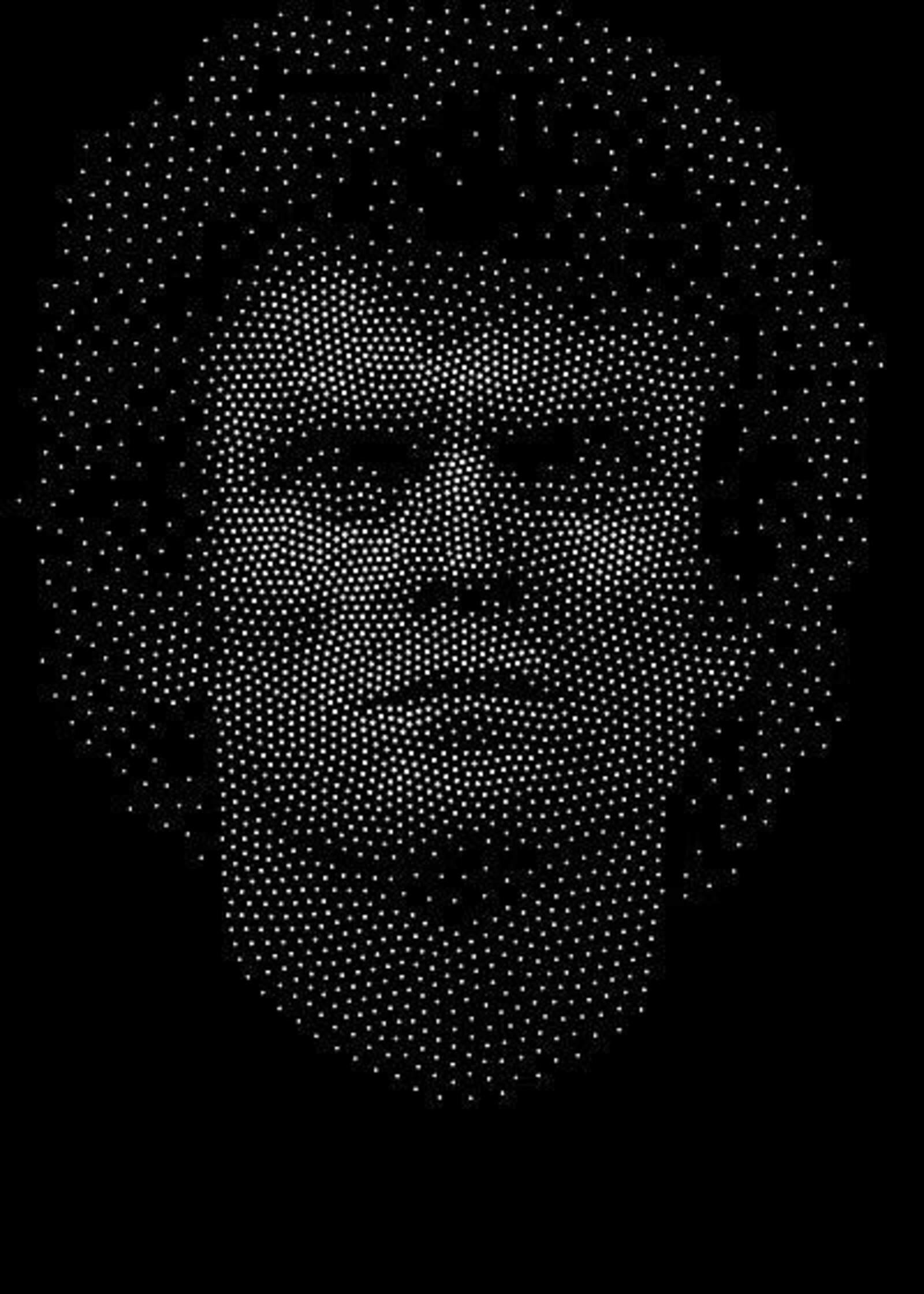
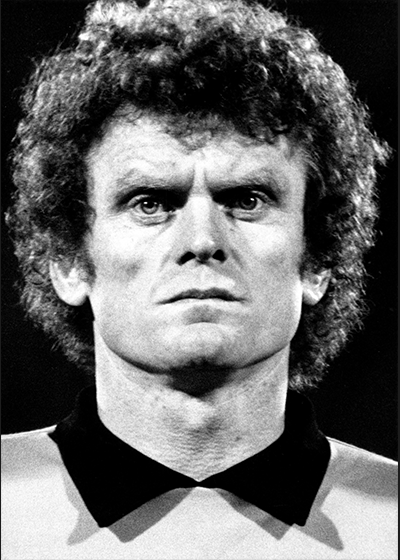
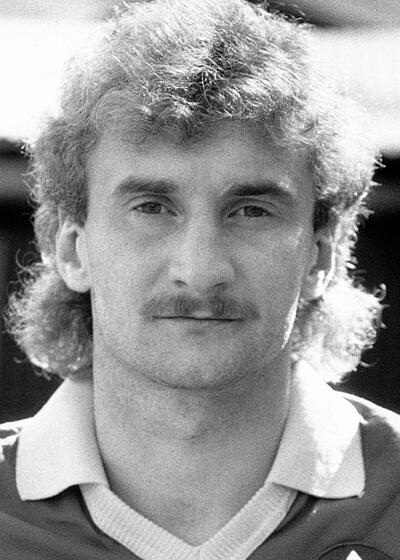
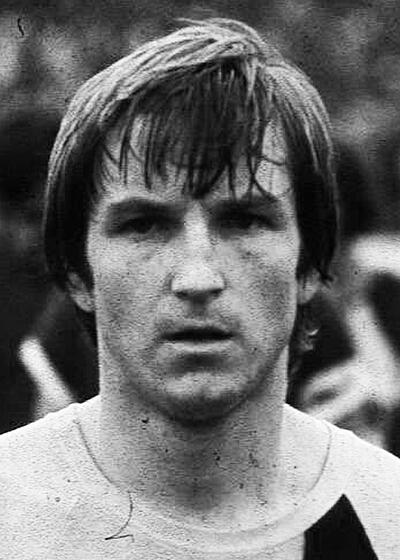
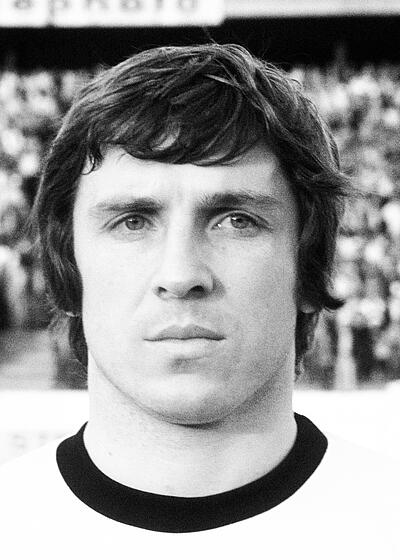
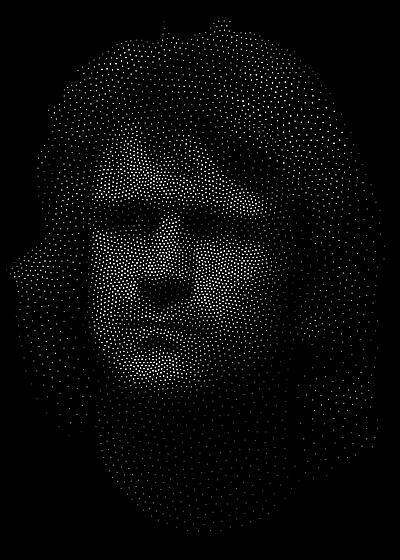
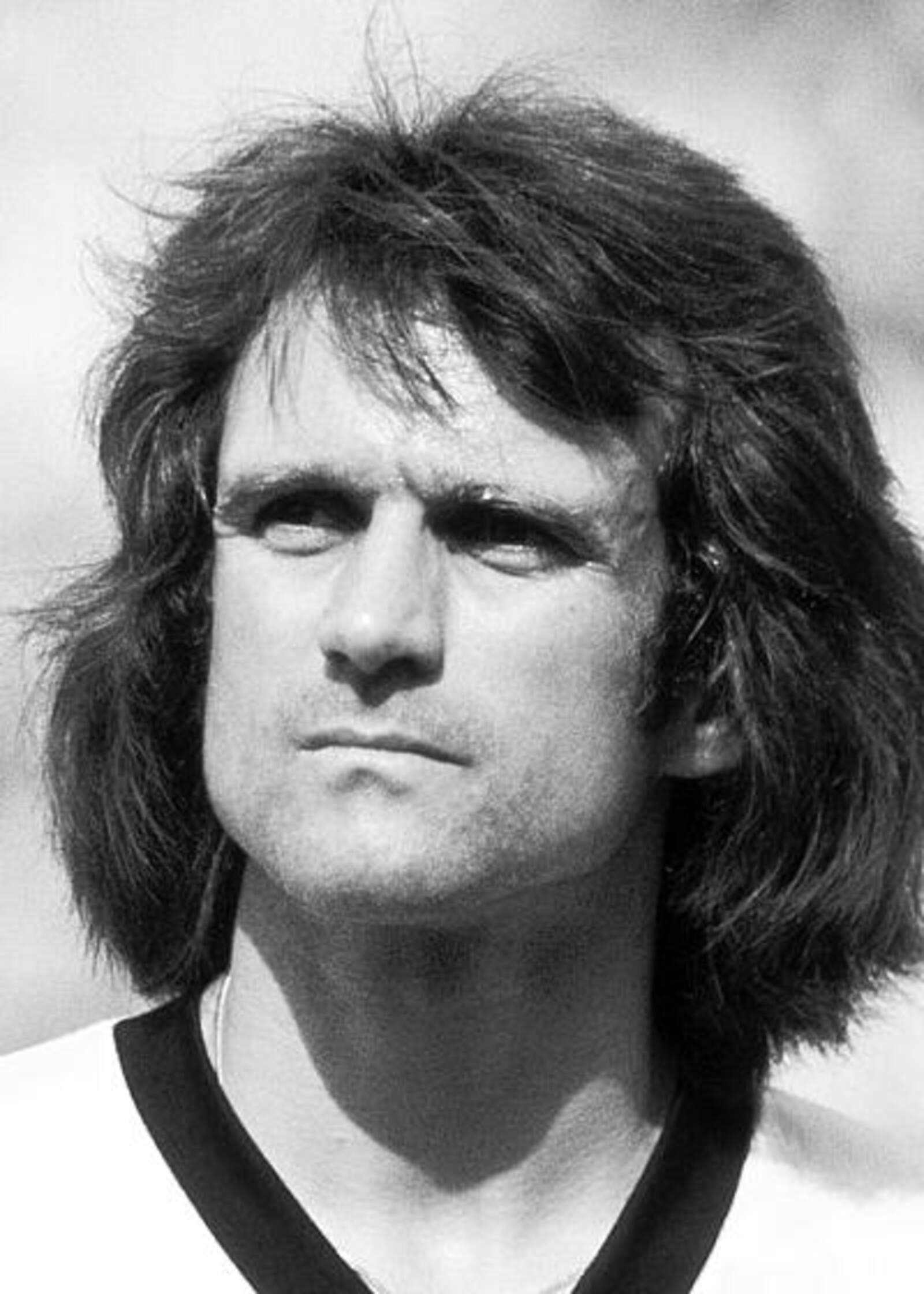
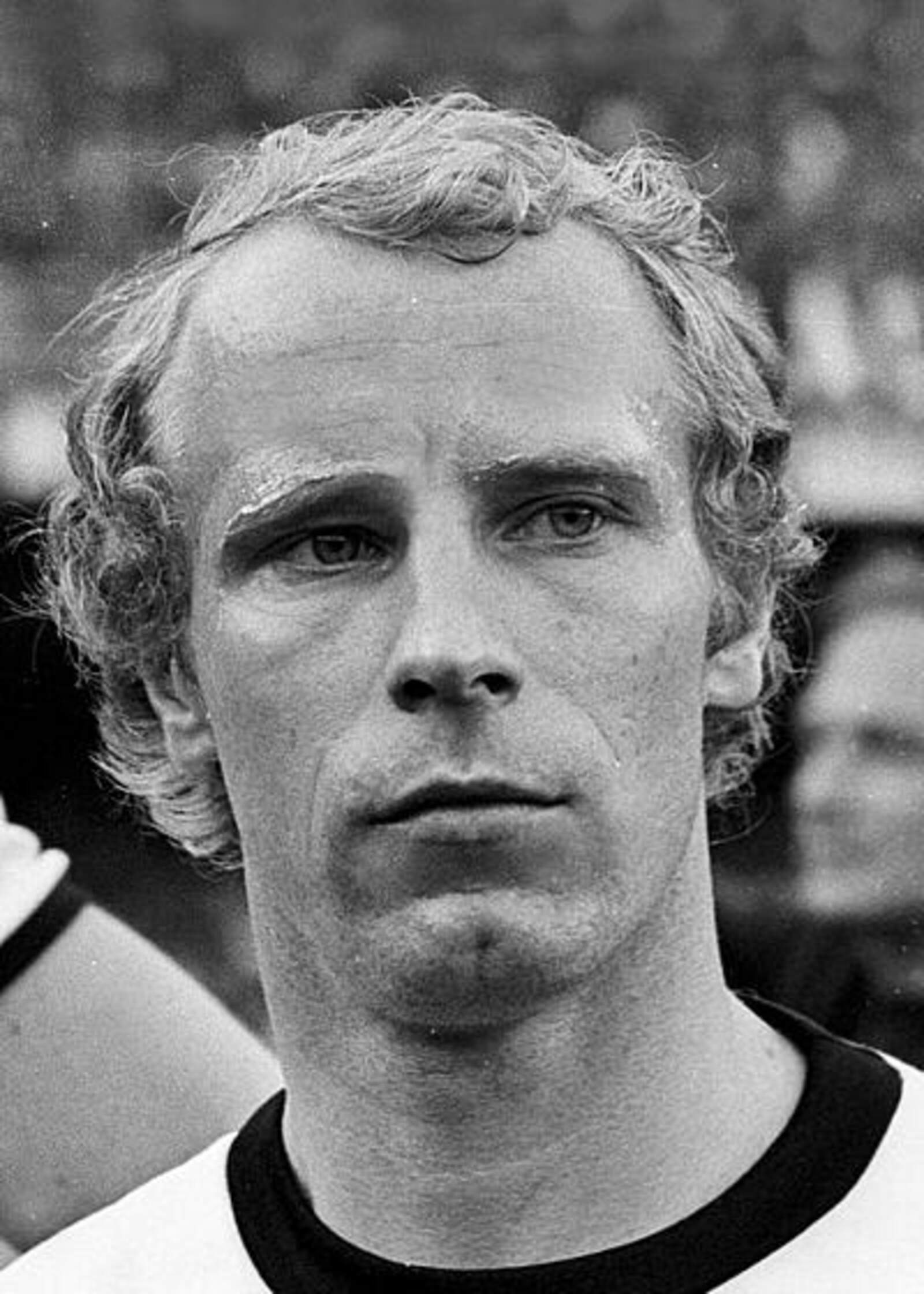
Horst Hrubesch
* 17 April 1951, Hamm
Sturm
Coaching career:
1971 Germania Hamm
1971–1972 Hammer SpVg
1972–1975 SC Westtünnen
1975–1978 Rot-Weiss Essen
1978–1983 Hamburger SV 1983–1985
Standard Liège
1985–1986 Borussia Dortmund
1987–1988 SC Westtünnen
Club:
224 appearances, 136 goals (Bundesliga)
; 41 appearances, 17 goals (First Division, Belgium)
Honours:
German Champion: 1979, 1982, 1983
European Cup: 1983
National team:
21 matches, 6 goals
World Cup runners-up: 1982
European Champions: 1980
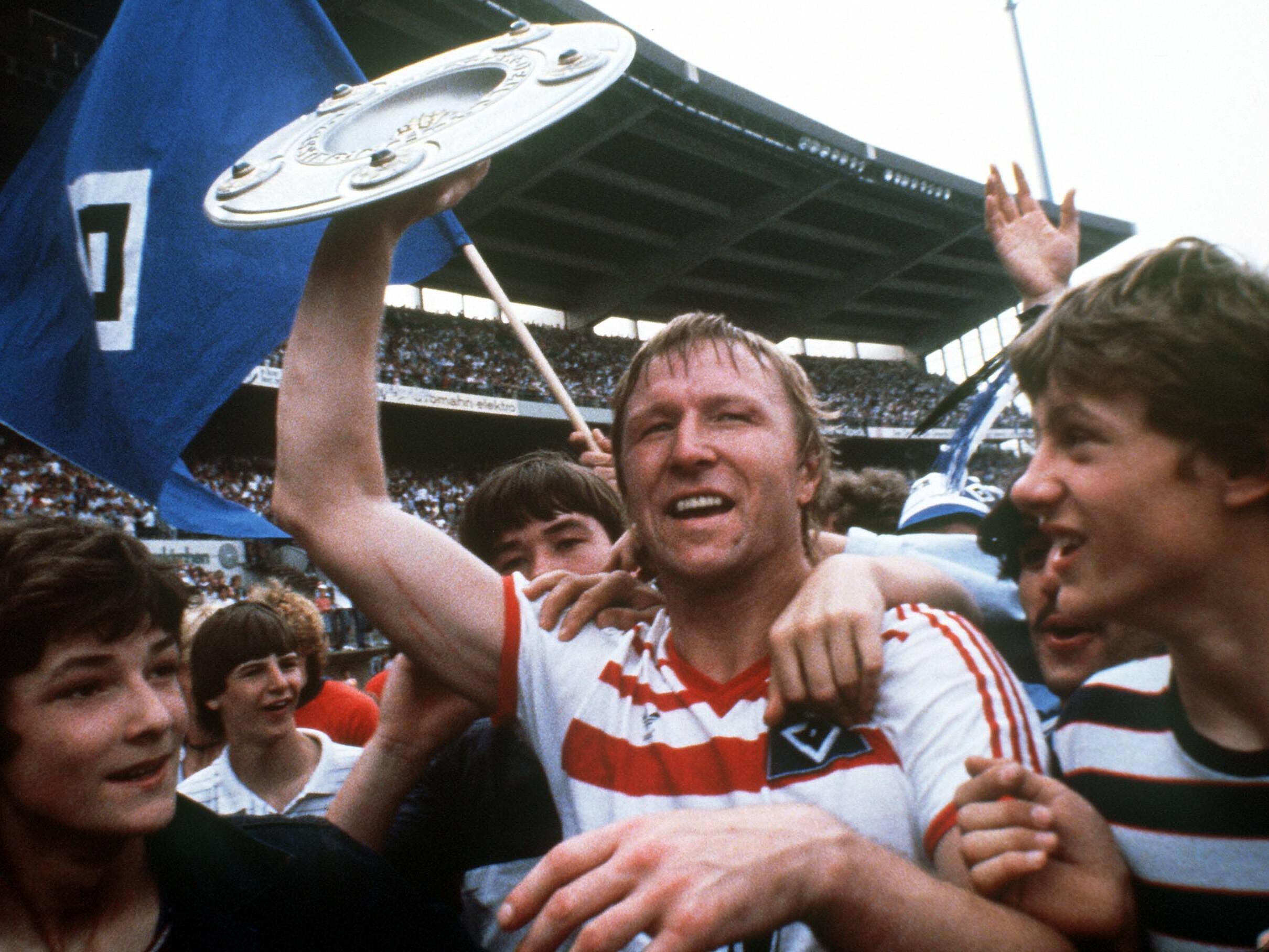
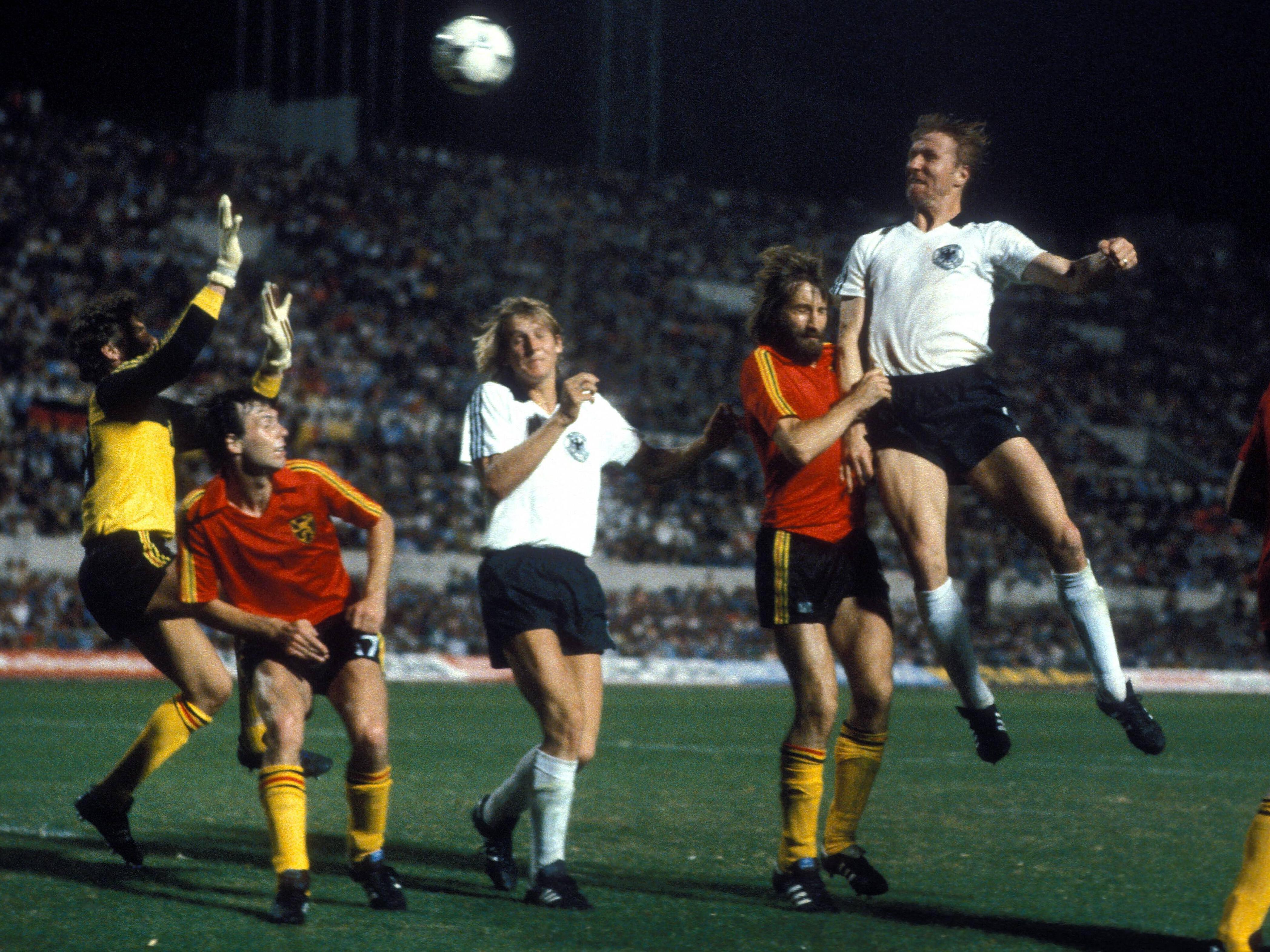
“Manni’s a banana, I’m a pear – goal.” Horst Hrubesch isn’t one for grand statements. In typical fashion, he sums up in an interview, without beating about the bush, one of the most famous – yet simplest – moves in Bundesliga history, which also helped lay the foundations for Hamburger SV’s most successful era.
When the 1.88-metre-tall centre-forward moved to the Hanseatic club in 1978 from Rot-Weiss Essen in the Ruhr region – at the relatively advanced footballing age of 27 – having set a second-division record of 41 goals in a season (a record that still stands today), Manfred “Manni” Kaltz finally found a perfect partner for his cleverly curved passes, which entered the vocabulary of German football as “banana crosses”.
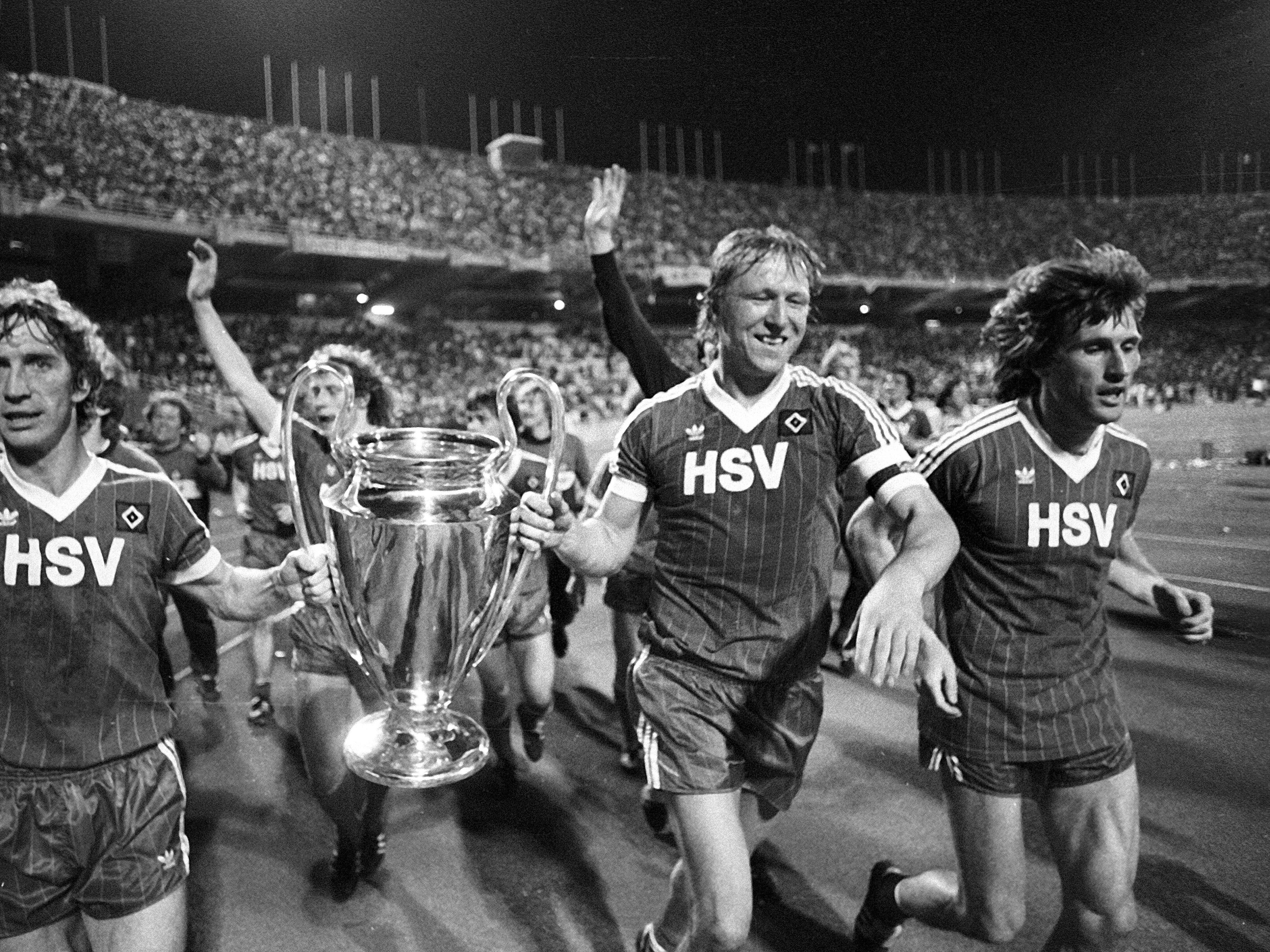
From then on, Hrubesch struck fear into the hearts of his opponents in Germany’s top flight as the “heading monster” – and brought about an enormous resurgence for his club. The five years during which Hrubesch played for HSV became a unique success story. The result was three German league titles and two appearances in the European Cup final. In the 1983 final in Athens, the team led by captain Horst Hrubesch were crowned Europe’s best club side after defeating favourites Juventus Turin 1–0 thanks to a goal from Felix Magath.
In Hrubesch’s career with the national team, where, at the age of 29, he was also one of those called up relatively late, two matches stand out in particular: In the 1980 European Championship final in Rome, he scored both goals in a 2–1 victory over Belgium, securing the German national team’s second European Championship title. In the 1982 World Cup semi-final against France, Hrubesch came on as a substitute in the 73rd minute; in extra time, he set up Klaus Fischer’s 3–3 equaliser with a cleverly laid-off header and scored the decisive penalty to secure a place in the final. His walk to the penalty spot, without positioning the ball himself before the kick, is legendary. Here, too, he disposed of the matter in his typical manner – without further ado.
The German Football Hall of Fame was established on the initiative of the German Football Museum. In November 2018 and January 2019, leading sports journalists voted for the inaugural men’s and women’s teams. The jury members were asked to nominate their choice of players and managers from German men’s and women’s football. Players who were eligible to play for German national teams and whose playing careers had ended at least five years previously were eligible for nomination. The HALL OF FAME honours the greatest legends of German football in one central location for the first time. It forms part of the permanent exhibition at the German Football Museum in Dortmund. Opened on 1 April 2019, it has become a permanent place of pilgrimage for all football fans. The jury decides annually on further inductees from men’s and women’s football.