EN
EN
 DE
DE

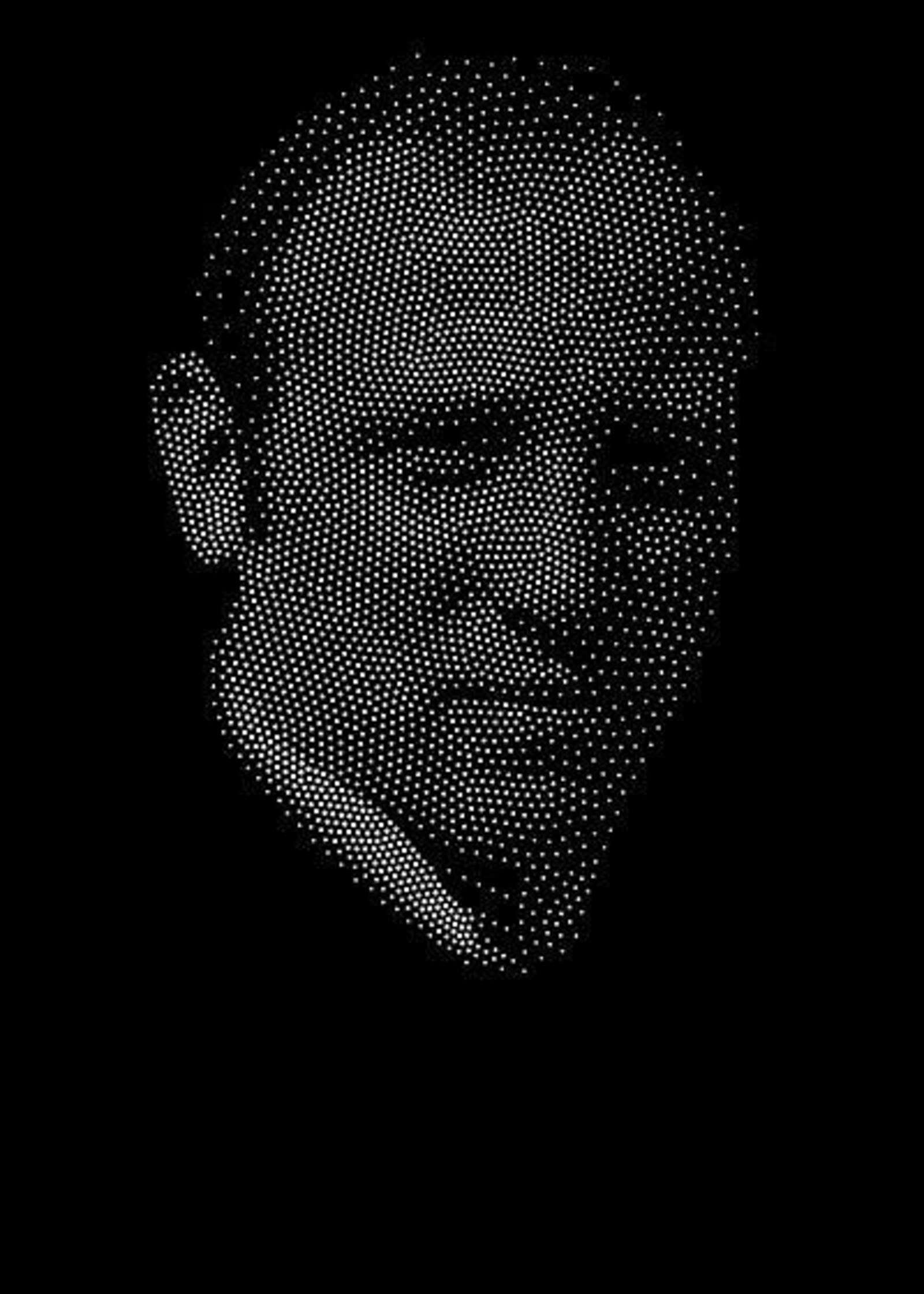
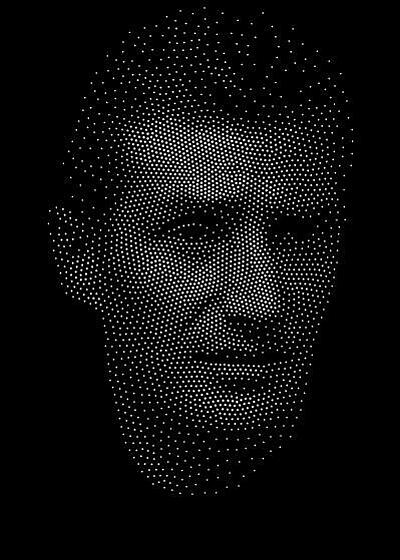
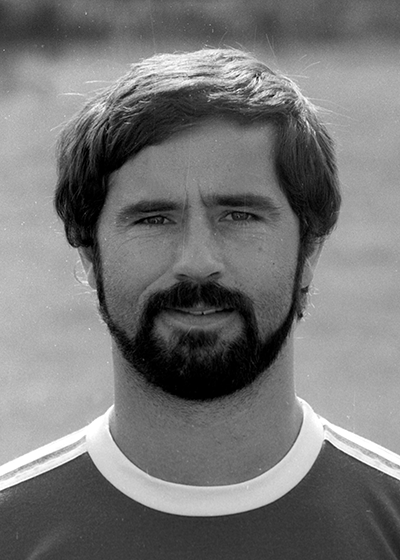
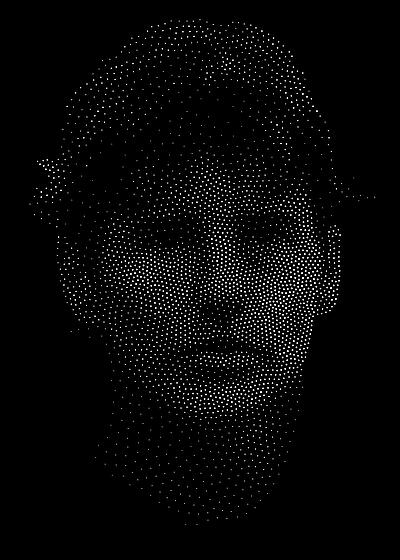
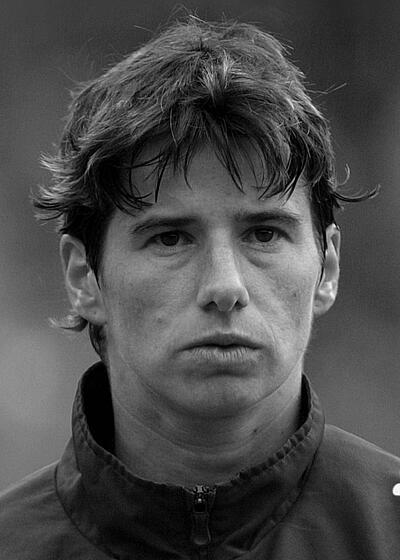
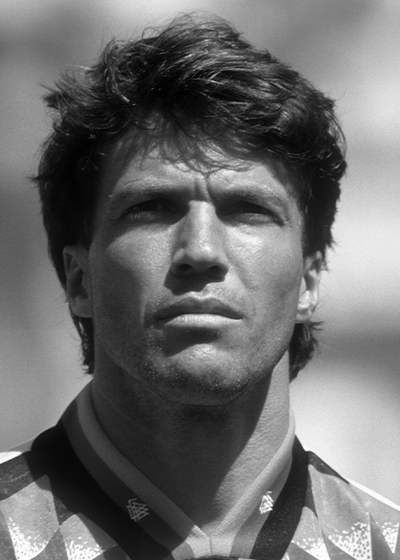
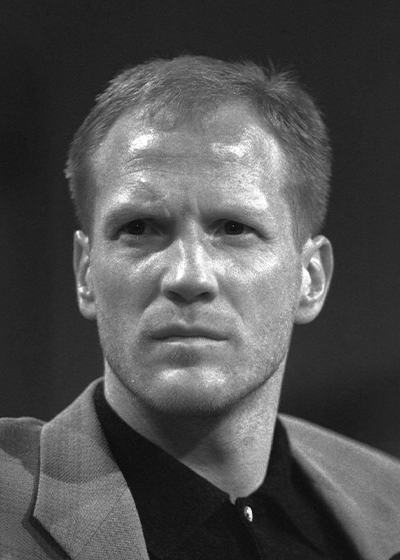
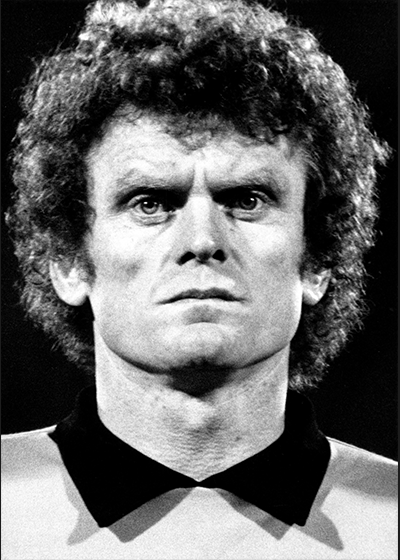
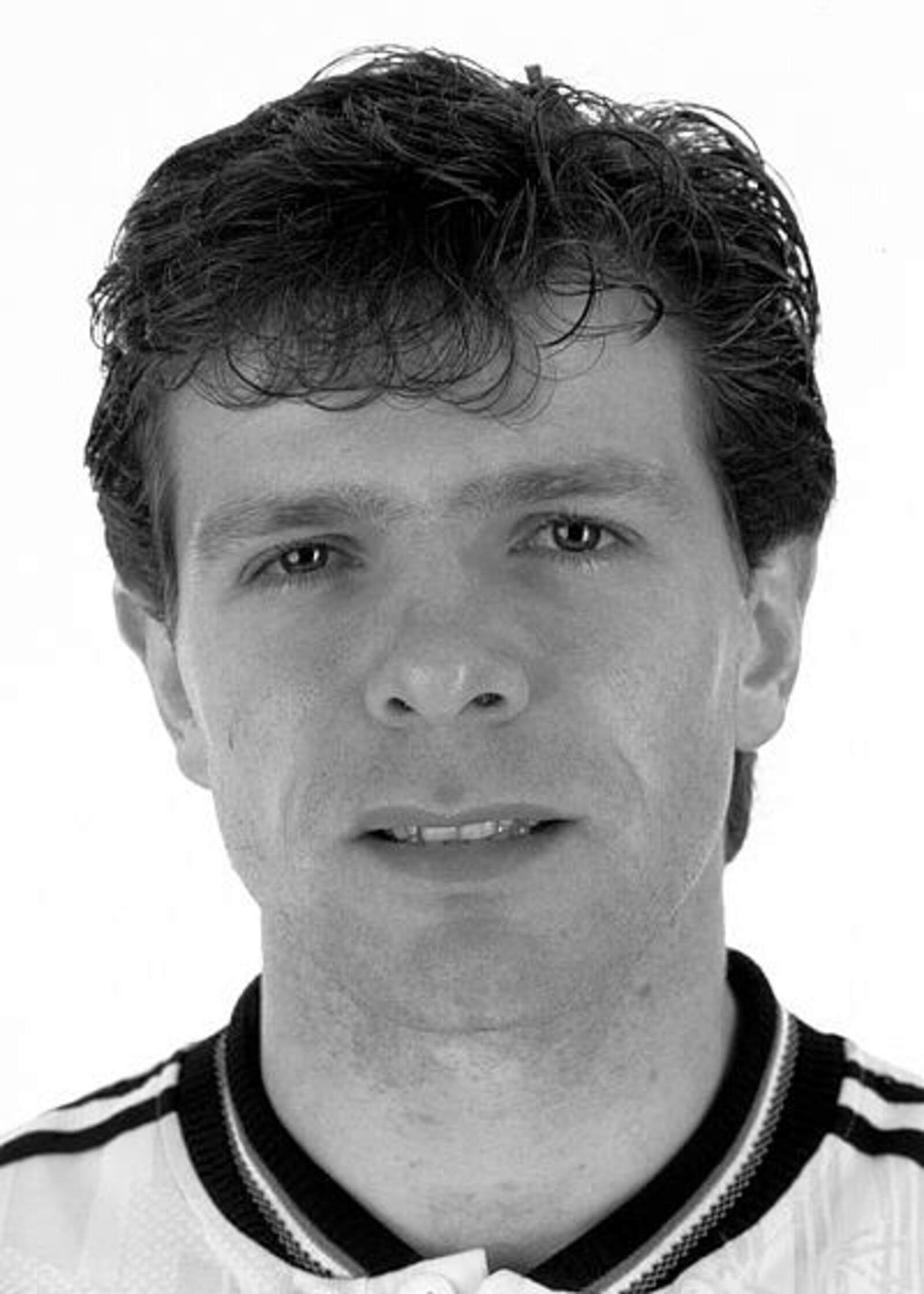
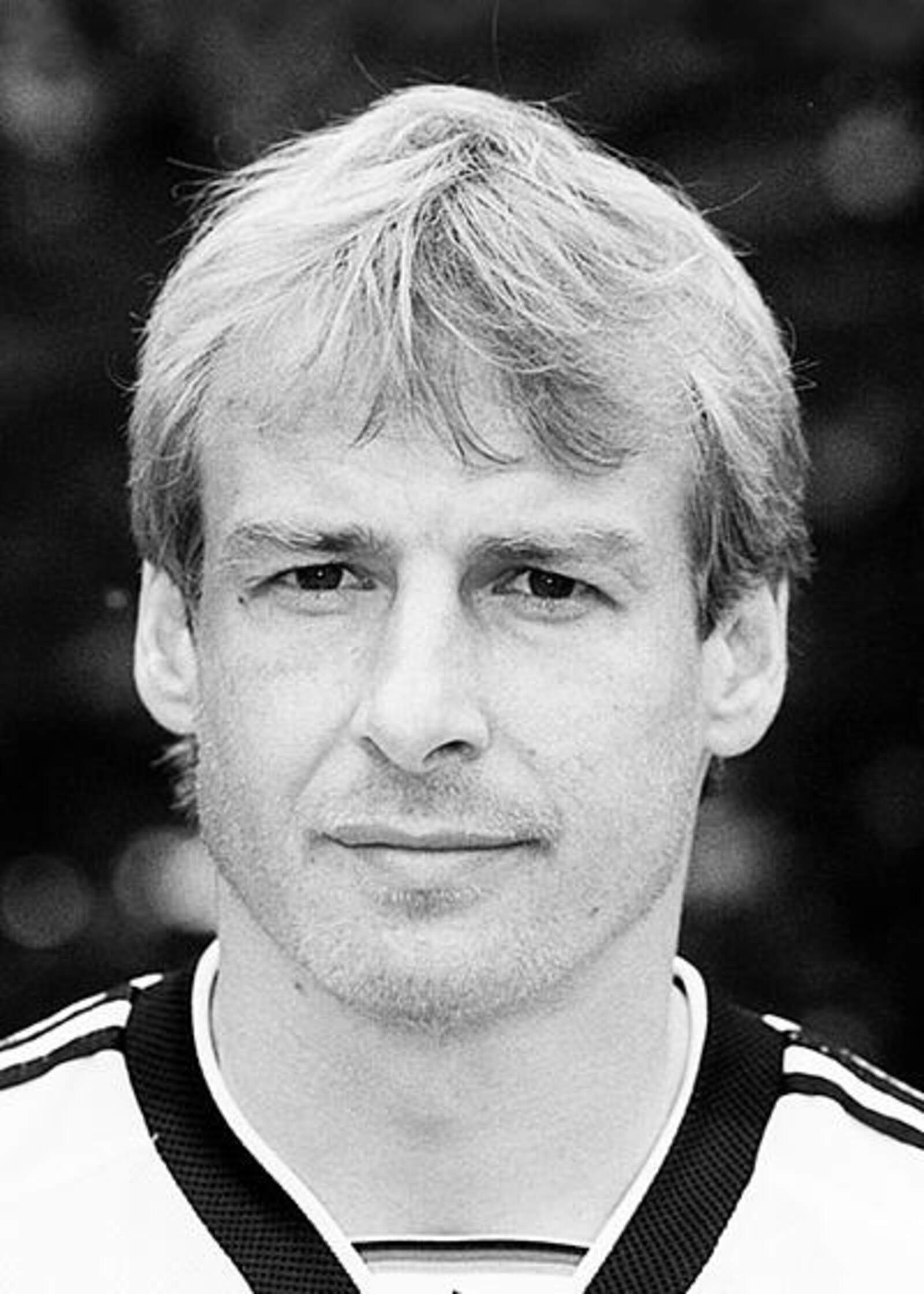
Jürgen Klinsmann
30 July 1964, Göppingen
Sturm
Career as a player:
1981–1984 Stuttgarter Kickers 1984–1989
VfB Stuttgart 1989
–1992 Inter Milan
1992–1994 AS Monaco
1994–1995 Tottenham Hotspur 1995
–1997 FC Bayern Munich
1997–1998 Sampdoria Genoa
Club:
221 appearances, 110 goals (Bundesliga)
103 appearances, 36 goals (Serie A, Italy)
65 appearances, 29 goals (Ligue 1, France)
41 appearances, 20 goals (Premier League, England)
Honours:
German Champion: 1997
UEFA Cup winner: 1991, 1996
National team:
108 appearances, 47 goals
World Champion: 1990
European Champion: 1996
European Championship runner-up: 1992

Jürgen Klinsmann already had a remarkable career behind him when, of all times, whilst his form was on the wane, he finally earned the public’s well-deserved respect and, in particular, won the hearts of Tottenham Hotspur fans. In fact, at his fifth professional club, he was doing nothing different from what he’d done previously at Stuttgart, with the Kickers and at VfB, at Inter Milan and whilst playing for AS Monaco: the striker scored goals regularly and reliably. Now, however, he combined his celebrations with an extraordinary gesture: he would sprint forward, then take a run-up almost like a ski jumper, before landing face-down on the usually damp English turf and skidding a few metres with obvious delight in what he was doing. The ‘Diver’ was born and quickly became his trademark. Originally, the acrobatic aerial display was aimed at his critics, accustomed to British toughness, who would occasionally accuse Klinsmann of having a pronounced tendency to go down as soon as an opponent approached him a little too robustly. So the much-maligned player demonstrated: ‘Look, I can do this without any physical contact either.’ The English appreciate self-deprecating humour.
The ‘Diver’ had another effect. Klinsmann turned it into a collective celebration. Whenever he took a run-up with his arms outstretched, it was always an invitation to his teammates to follow his lead. Before long, almost the entire ‘Spurs’ team would slide towards the delighted fans in the stands after scoring a goal. This created an image of solidarity, of togetherness – values with which the native Swabian had not necessarily been associated throughout his career up to that point. Klinsmann had been decried as an egotist concerned only with his own interests. Now he was the one who inspired his team, infusing them with enthusiasm and dynamism. Having been named England’s ‘Footballer of the Year’, he also emerged as the world’s leading goalscorer in 1995.
It was the period when he was promoted to captain of the national team by the then Germany manager, Berti Vogts. As a result, he was the first to lift the European Championship trophy at Wembley Stadium in 1996. The European Championship in England was his tournament, even though he had recently left London to join Bayern Munich – incidentally, taking with him the number 18 shirt with which he had become popular at Tottenham. The timing was exceptionally good, as fixed shirt numbers had only just become the norm in the Bundesliga. In this way, the Klinsmann hype that had been ignited in England also spilled over into Germany, where he had until then been denied full recognition, even though Klinsmann had already made an outstanding contribution to the nation’s footballing success.
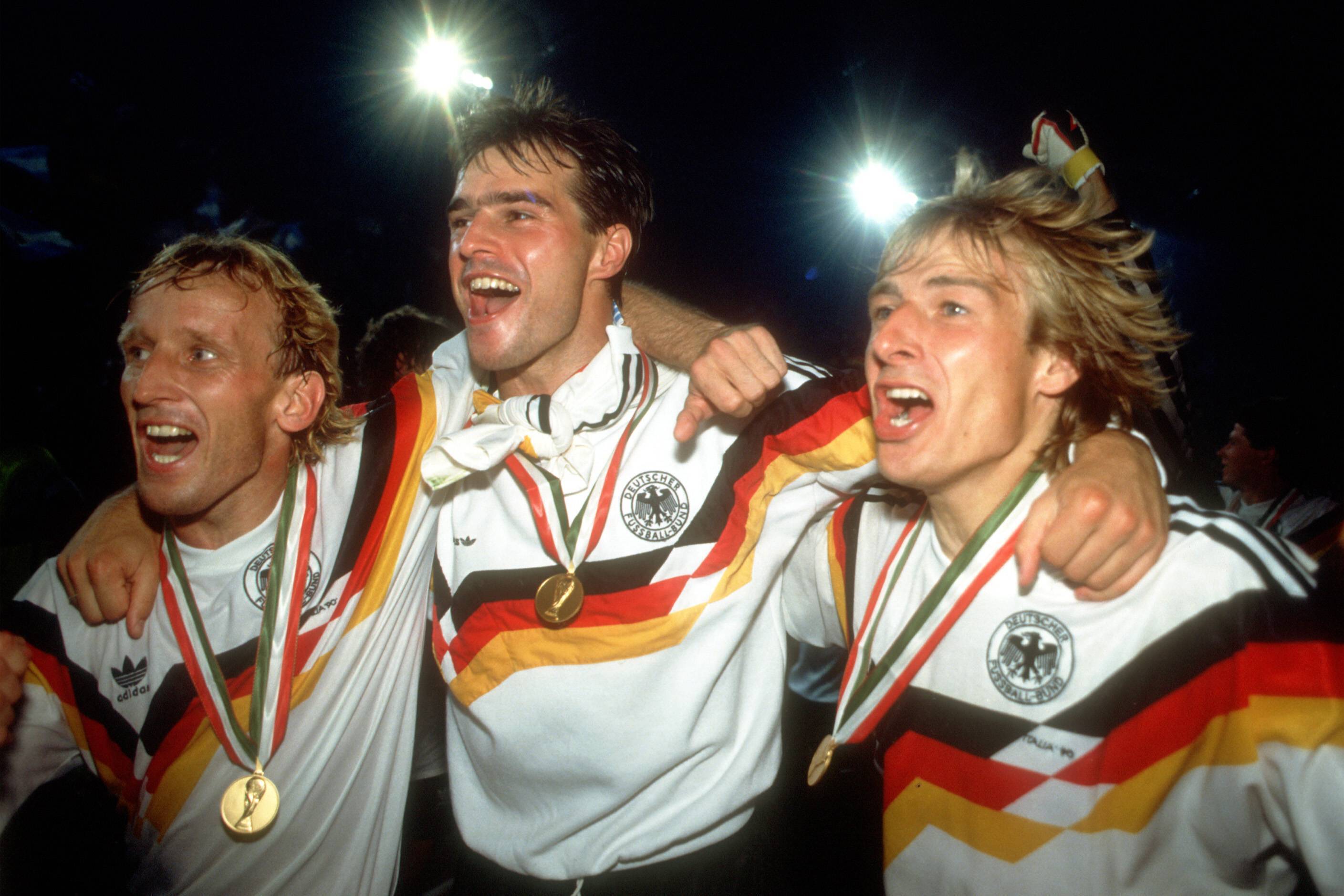
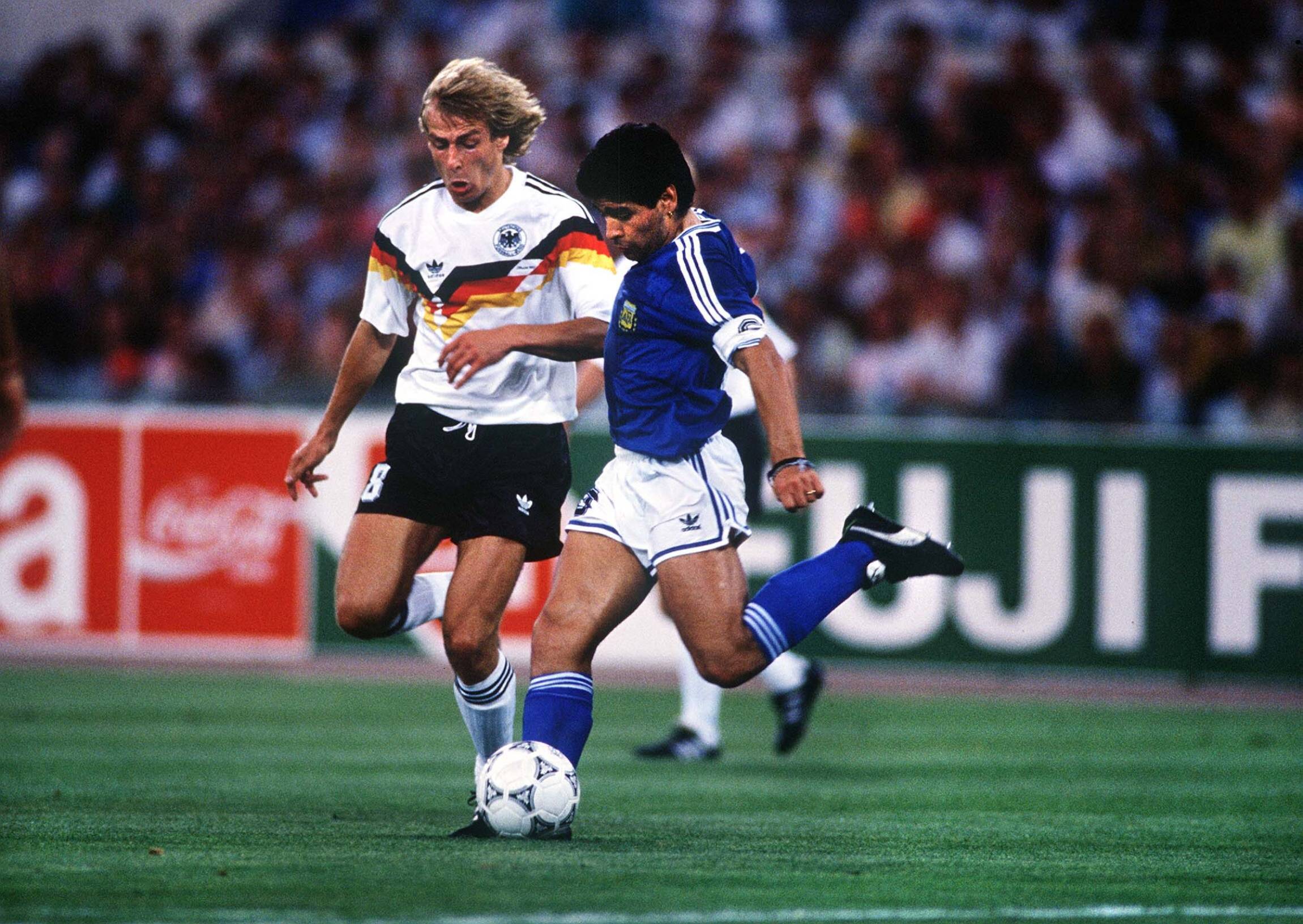
In 1988, he was a member of the Olympic team that won bronze at the Seoul Games – the first medal ever for a West German team. And at the 1990 World Cup in Italy, where Germany were crowned champions, the player who had earned 108 caps for his country played the match of his life in the round of 16 during the 2–1 victory over the Netherlands. This was no doubt also because he was able to play as a free spirit. Following the early sending-off of his strike partner Rudi Völler, Klinsmann found himself alone up front with the open field ahead of him. He carved out his own path and, once he was convinced of a course of action, he pressed on against all odds – in this case, physical ones. The images of him, completely exhausted, as he was substituted – having previously put the DFB side on the road to victory with his goal to make it 1–0 – remain unforgettable. Off the pitch, too, independence and personal freedom were central to his philosophy. Team manager Franz Beckenbauer knew how to handle this and allowed him various special trips during the tournament in Klinsmann’s adopted home at the time.
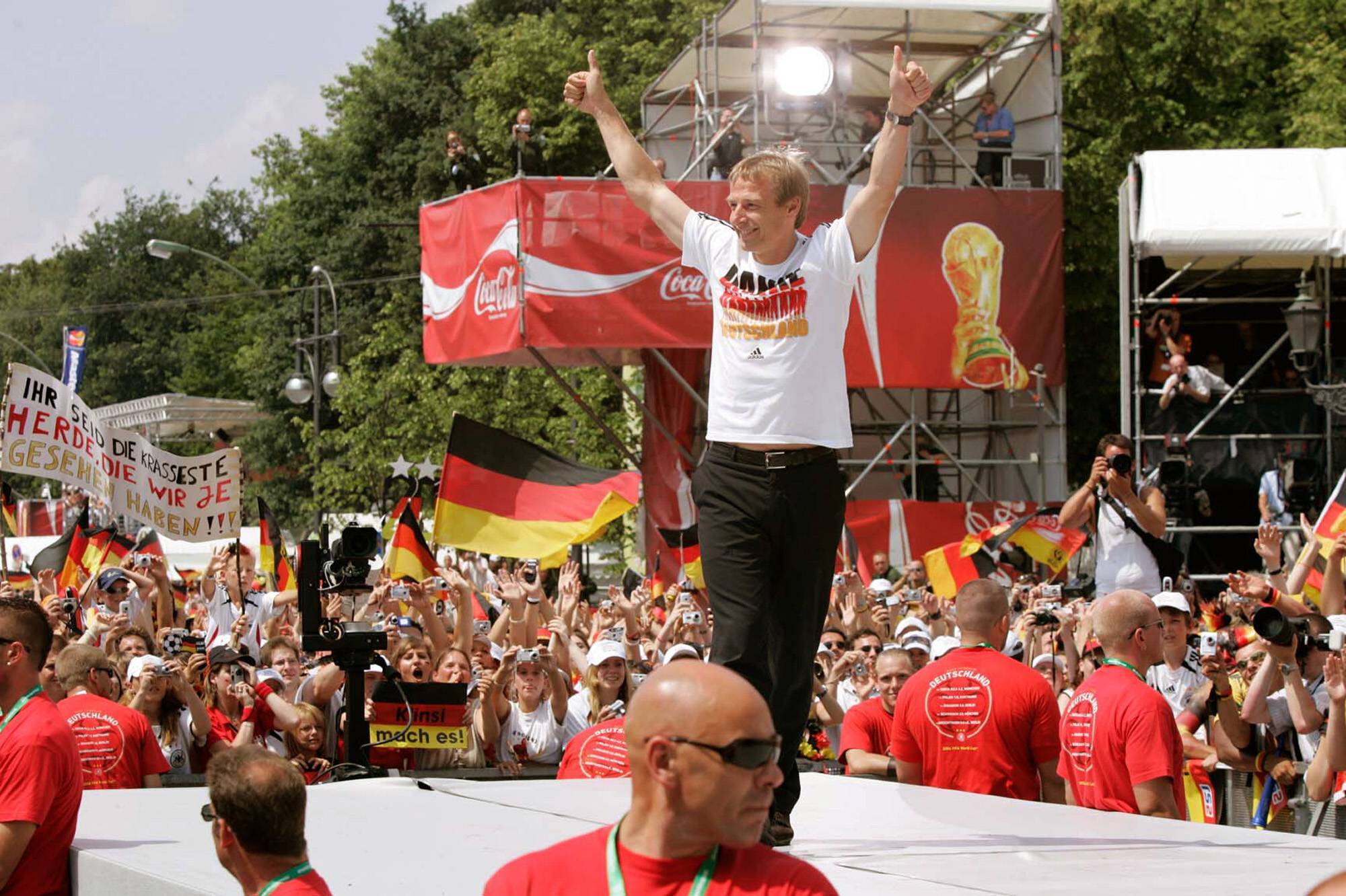
Headstrong, straightforward, consistent – Jürgen Klinsmann’s style of play and character did not always win him favour, but they did bring him numerous successes and personal honours. In 2016, the World and European champion was appointed honorary captain of the national team by the German Football Association. An outstanding honour which, for the often controversial figure – yet one elevated to the ranks of Germany’s greatest football legends – must surely have been worth a perfectly executed ‘dive’.
The German Football Hall of Fame was established on the initiative of the German Football Museum. In November 2018 and January 2019, leading sports journalists voted for the inaugural men’s and women’s teams. The jury members were asked to nominate their choice of players and managers from German men’s and women’s football. Players who were eligible to play for German national teams and whose playing careers had ended at least five years previously were eligible for nomination. The HALL OF FAME honours the greatest legends of German football in one central location for the first time. It forms part of the permanent exhibition at the German Football Museum in Dortmund. Opened on 1 April 2019, it has become a permanent place of pilgrimage for all football fans. The jury decides annually on further inductees from men’s and women’s football.