EN
 DE


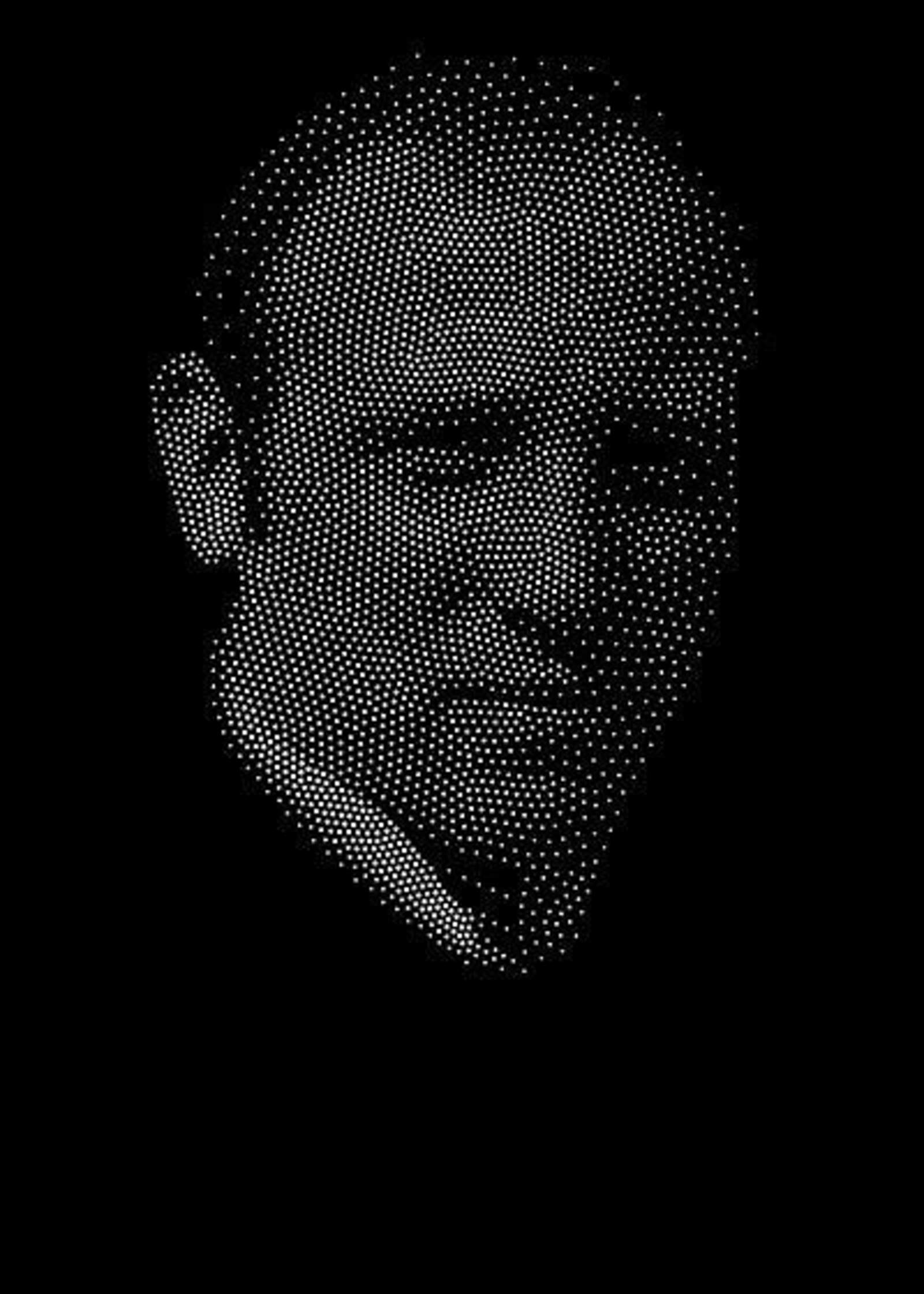
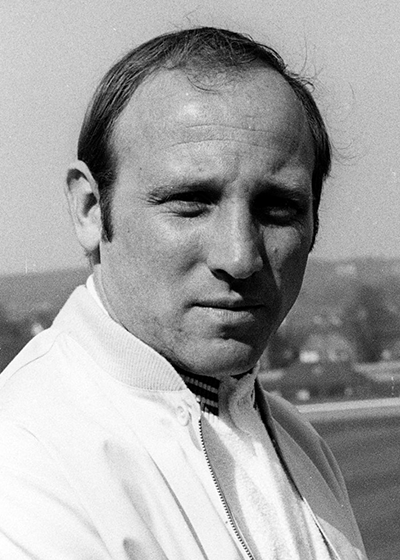
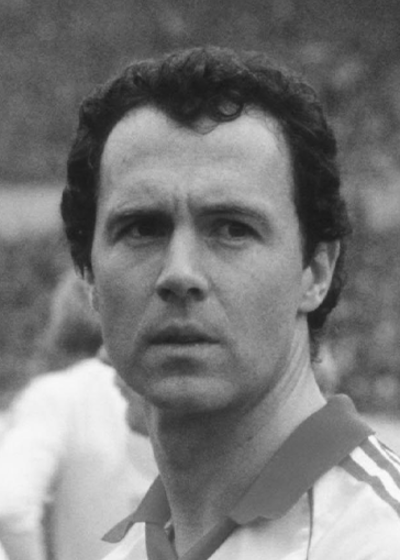
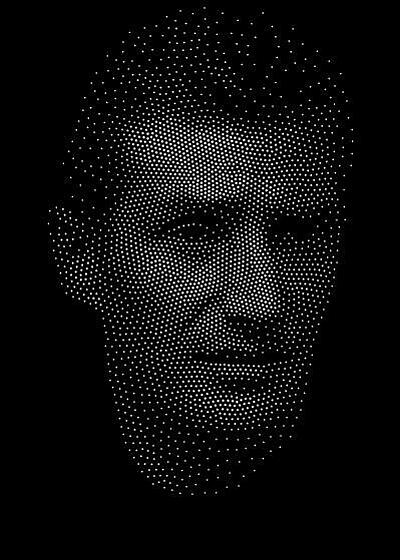
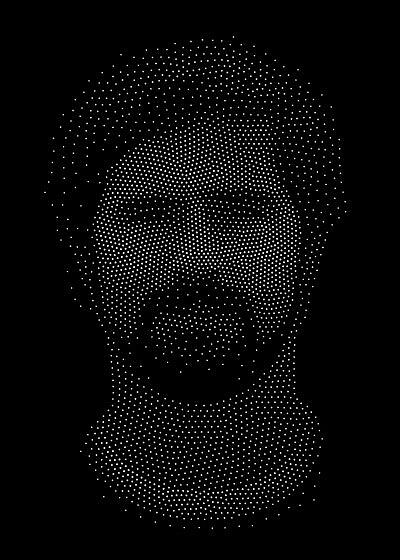
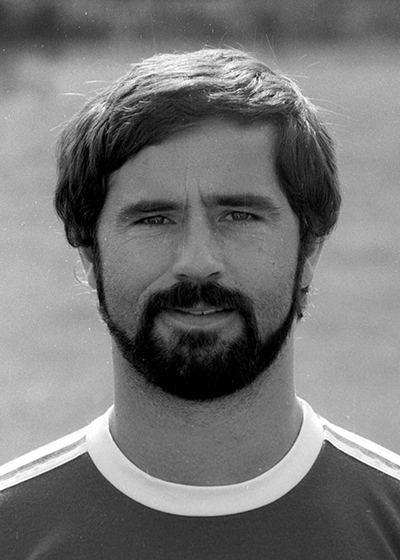
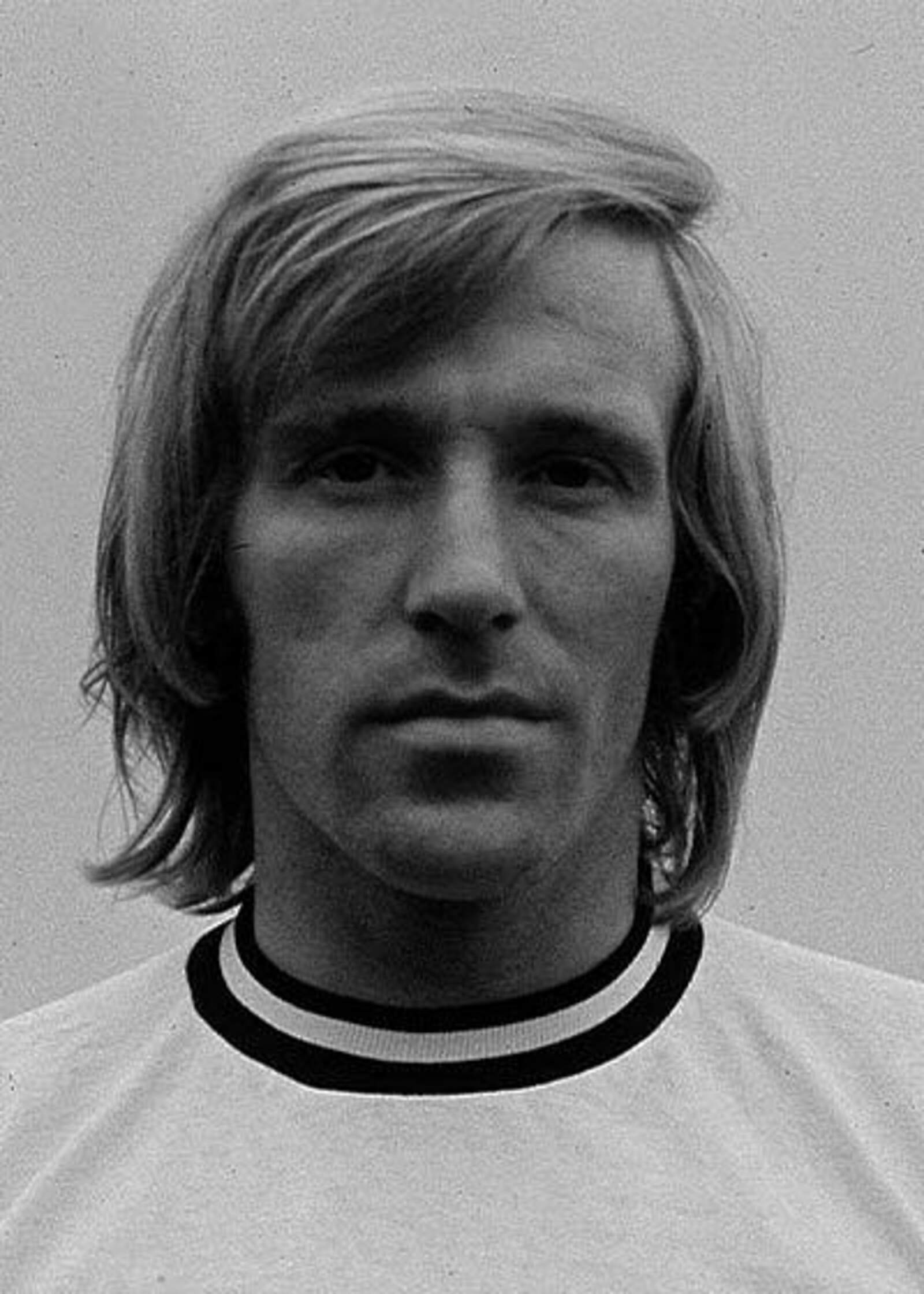
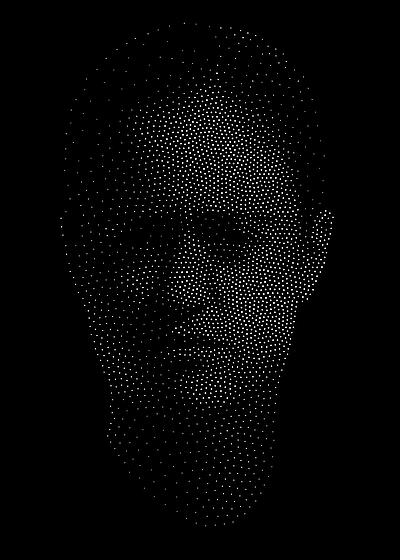
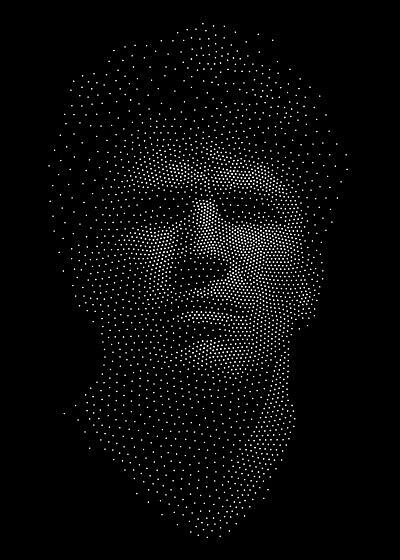
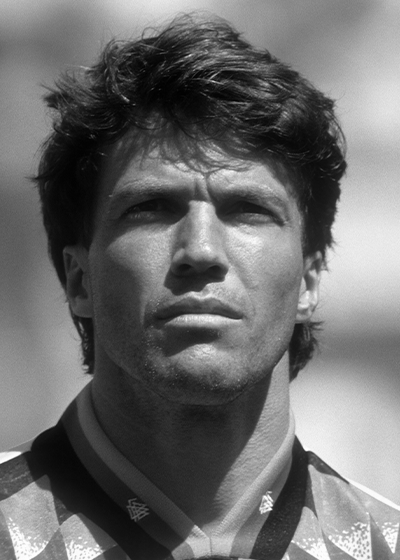
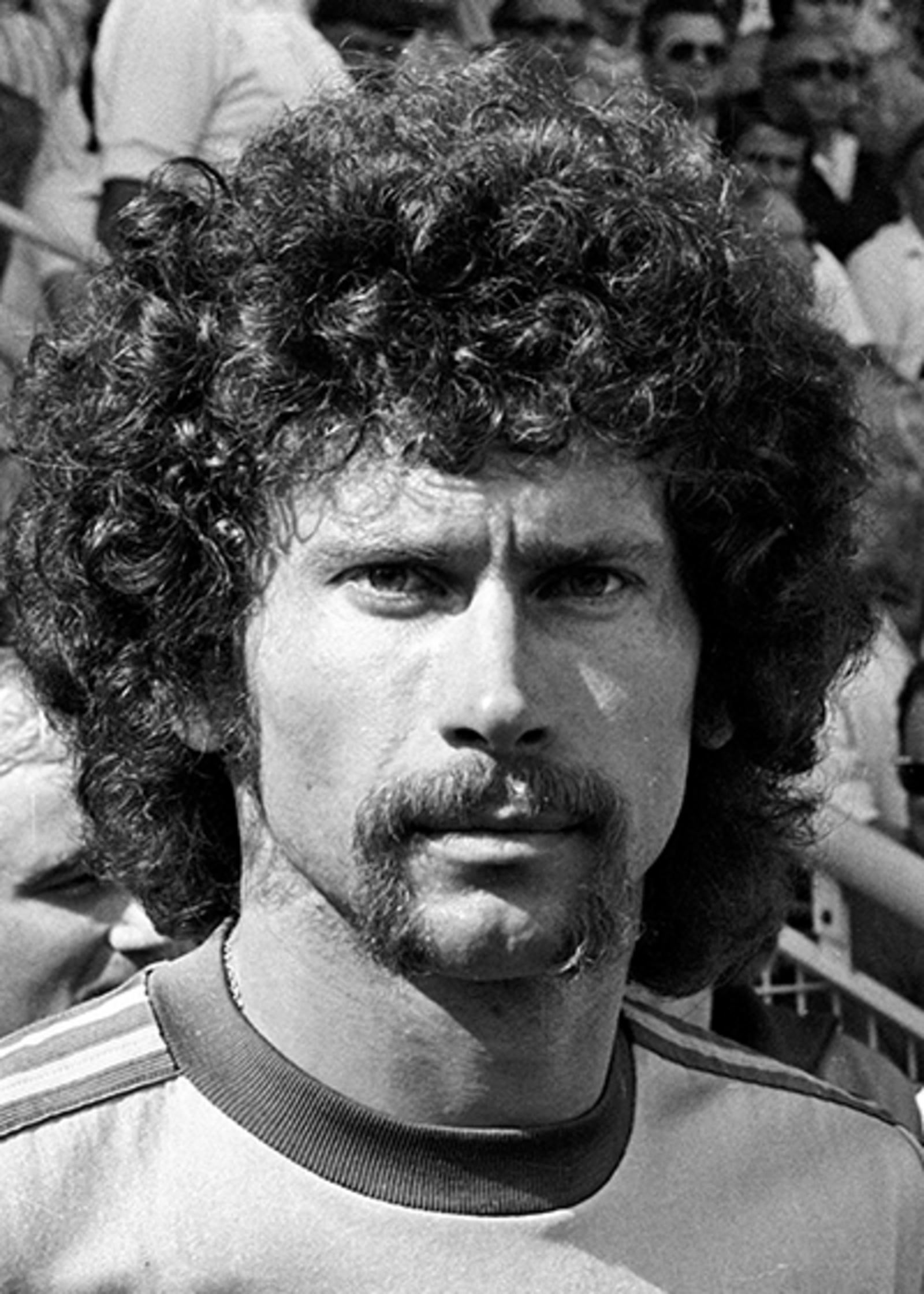
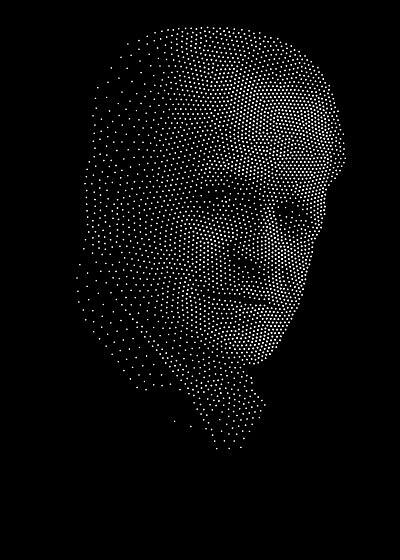
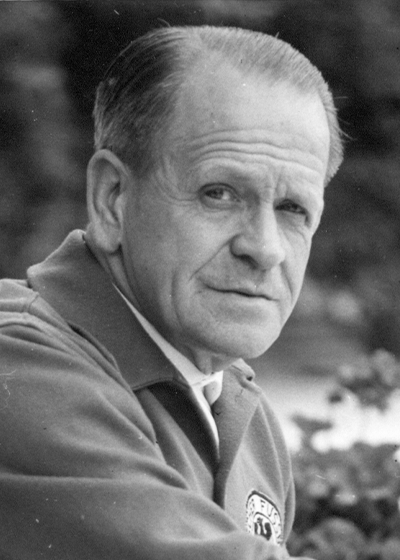
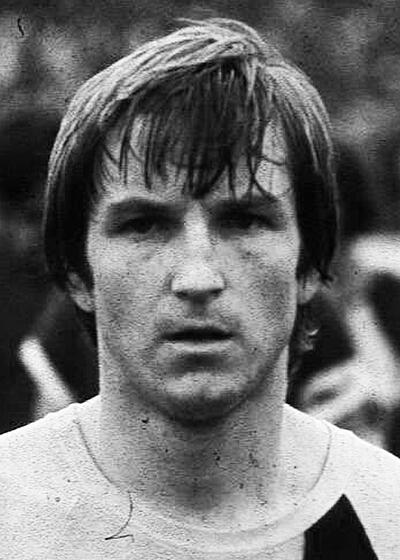
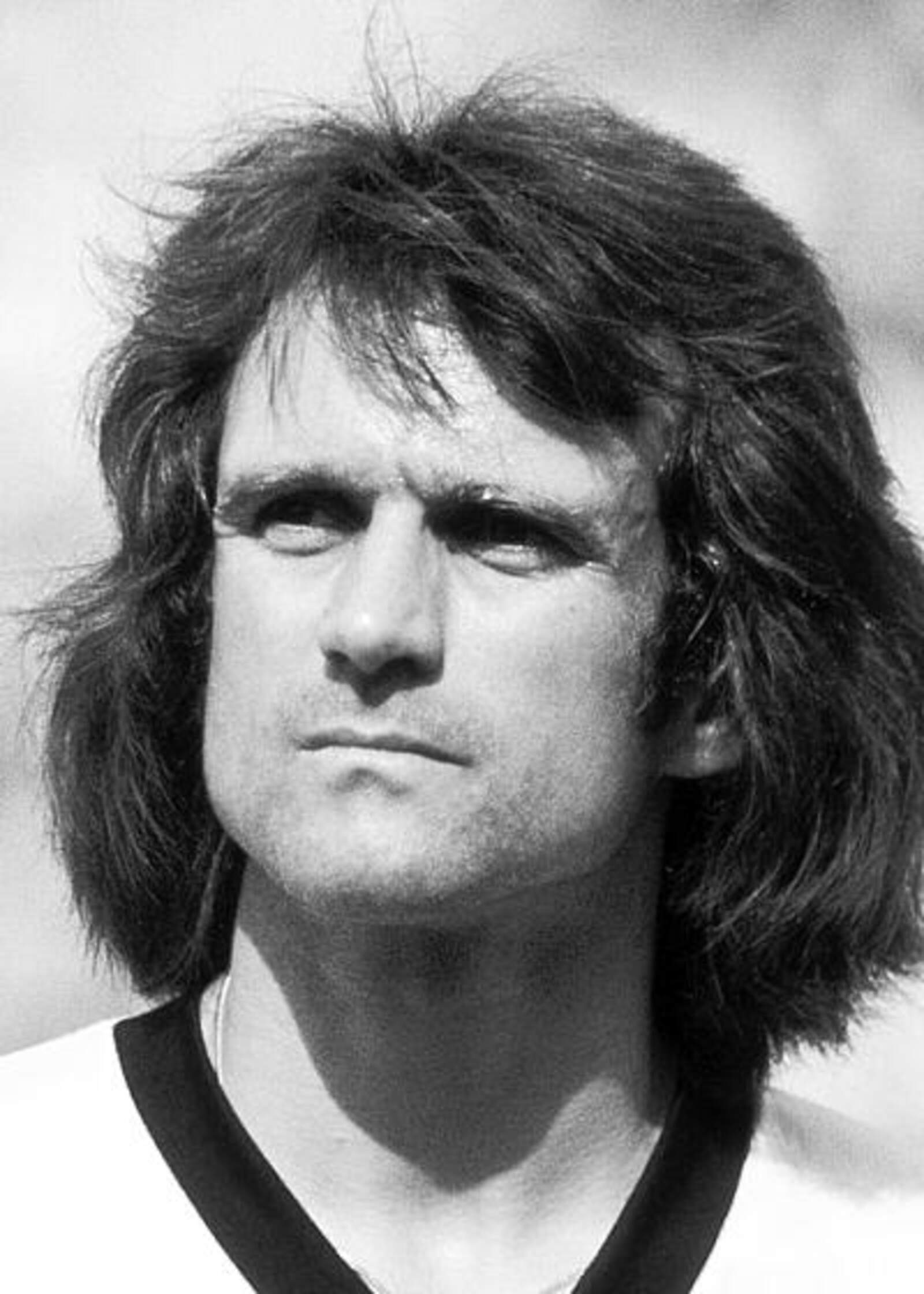
Jupp Heynckes
* 9 May 1945, Munich – Gladbach
Manager
Coaching career:
1979–1987 Borussia Mönchengladbach
1987–1991 FC Bayern Munich
1992–1994 Athletic Bilbao
1994–1995 Eintracht Frankfurt
1995–1997 CD Tenerife
1997–1998 Real Madrid
1999–2000 Benfica Lisbon
2001–2003 Athletic Bilbao
2003–2004 FC Schalke 04
2006–2007 Borussia Mönchengladbach
2009 FC Bayern Munich
2009–2011 Bayer 04 Leverkusen
2011–2013 FC Bayern Munich
2017–2018 FC Bayern Munich
Club:
668 matches (Bundesliga)
274 matches (Primera División, Spain)
38 matches (Primeira Divisão, Portugal)
Honours:
German Champion: 1989, 1990, 2013, 2018
DFB Cup winner: 2013
Champions League winner: 1998, 2013
National team:
76 appearances, 4 goals
World
Champion: 1990
European Championship runner-up: 1992
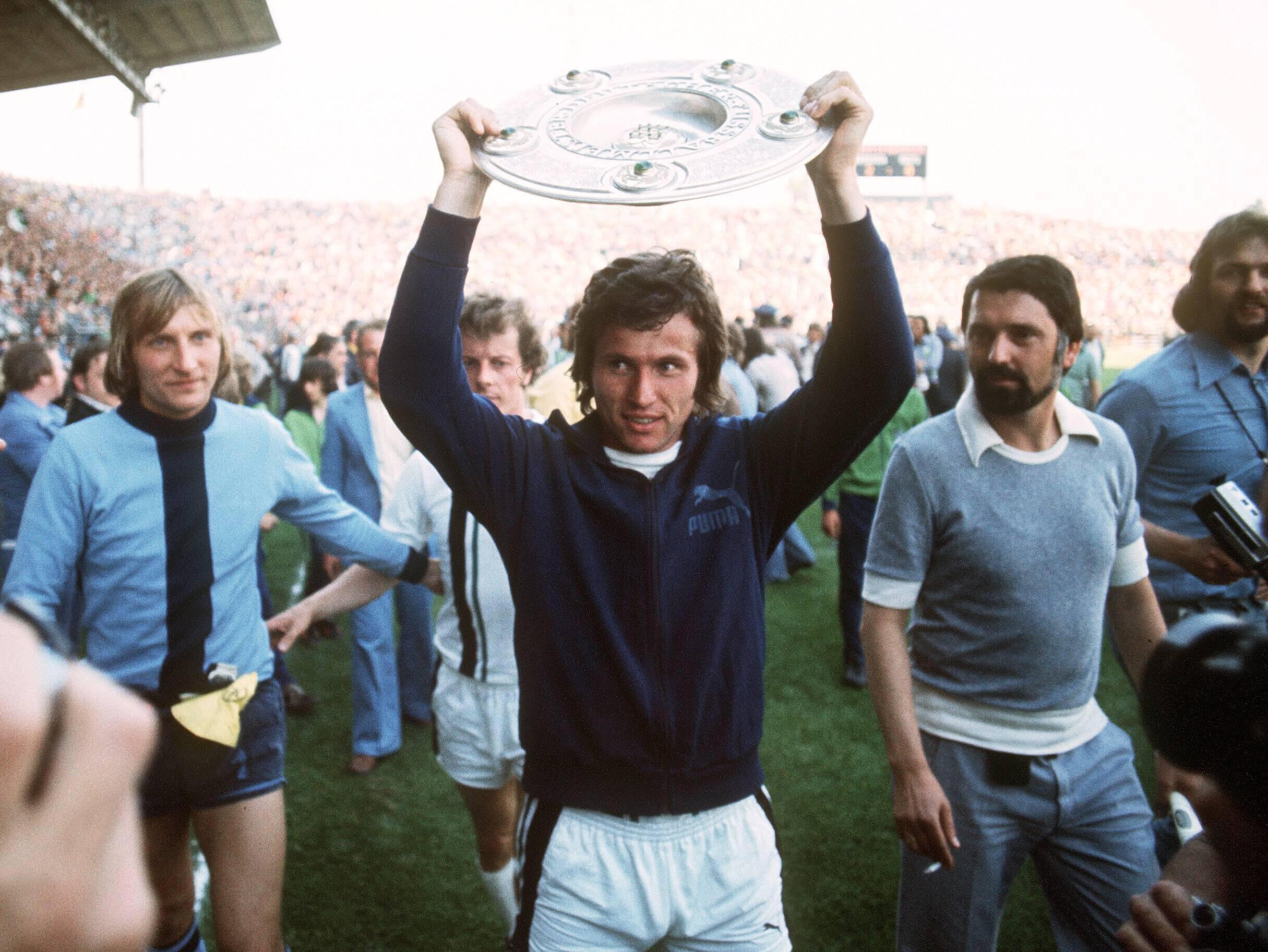
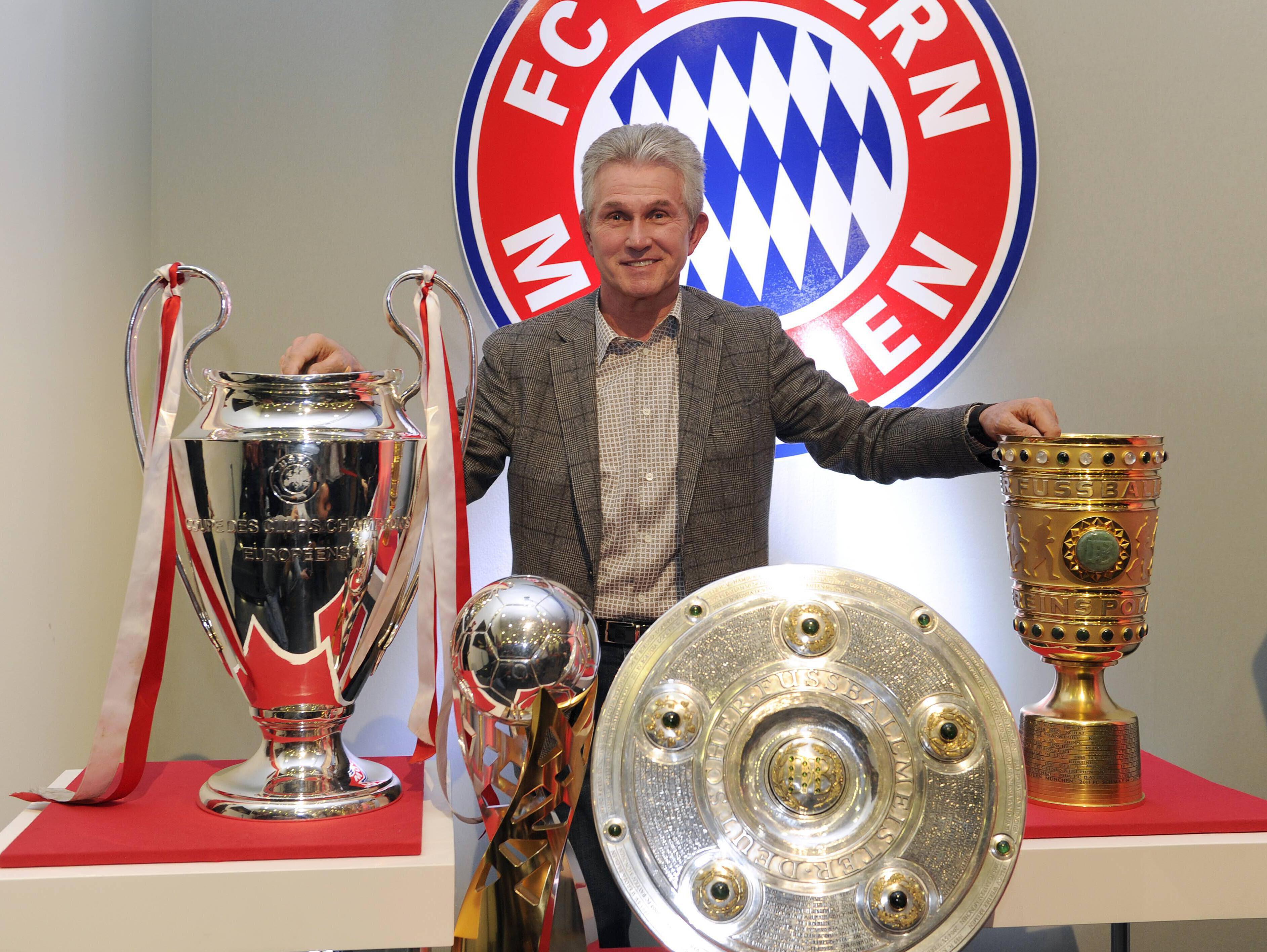
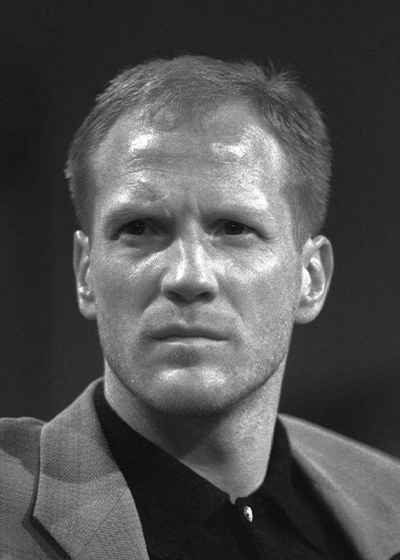
When Jupp Heynckes raised the DFB Cup aloft against the Berlin night sky on 1 June 2013, he had achieved something unique with FC Bayern Munich: winning the treble of the German league title, the DFB Cup and the Champions League – something no other manager had ever achieved with a German club. He had won the individual titles before, though he had previously lifted the DFB Cup as a player. During his first spell in charge at Munich in the late 1980s, he led Bayern to two league titles, and in 1998 he led Real Madrid to victory in the Champions League final.
Heynckes’ career as a manager is like that of a fine wine, which unfolds its full potential with age. As the youngest coach in Bundesliga history at the time, he moved from the pitch to the touchline at Borussia Mönchengladbach just one year after ending his playing career, succeeding the legendary coach Udo Lattek. He quickly proved to be a promising prospect for the future. He established his team in the top third of the Bundesliga table and led them to the cup final in 1984. Although his time as manager of the ‘Fohlen’ ended without a trophy, it was regarded as reliable and successful. Nevertheless, his approach to dealing with some of the star players was at times seen as tense. His style of leadership, based primarily on strictness and discipline, softened over time without him losing any respect. During his eight-year spell in southern Europe with Athletic Bilbao, CD Tenerife, Real Madrid and Benfica Lisbon, ‘Don Jupp’ developed a sense of composure and confidence.
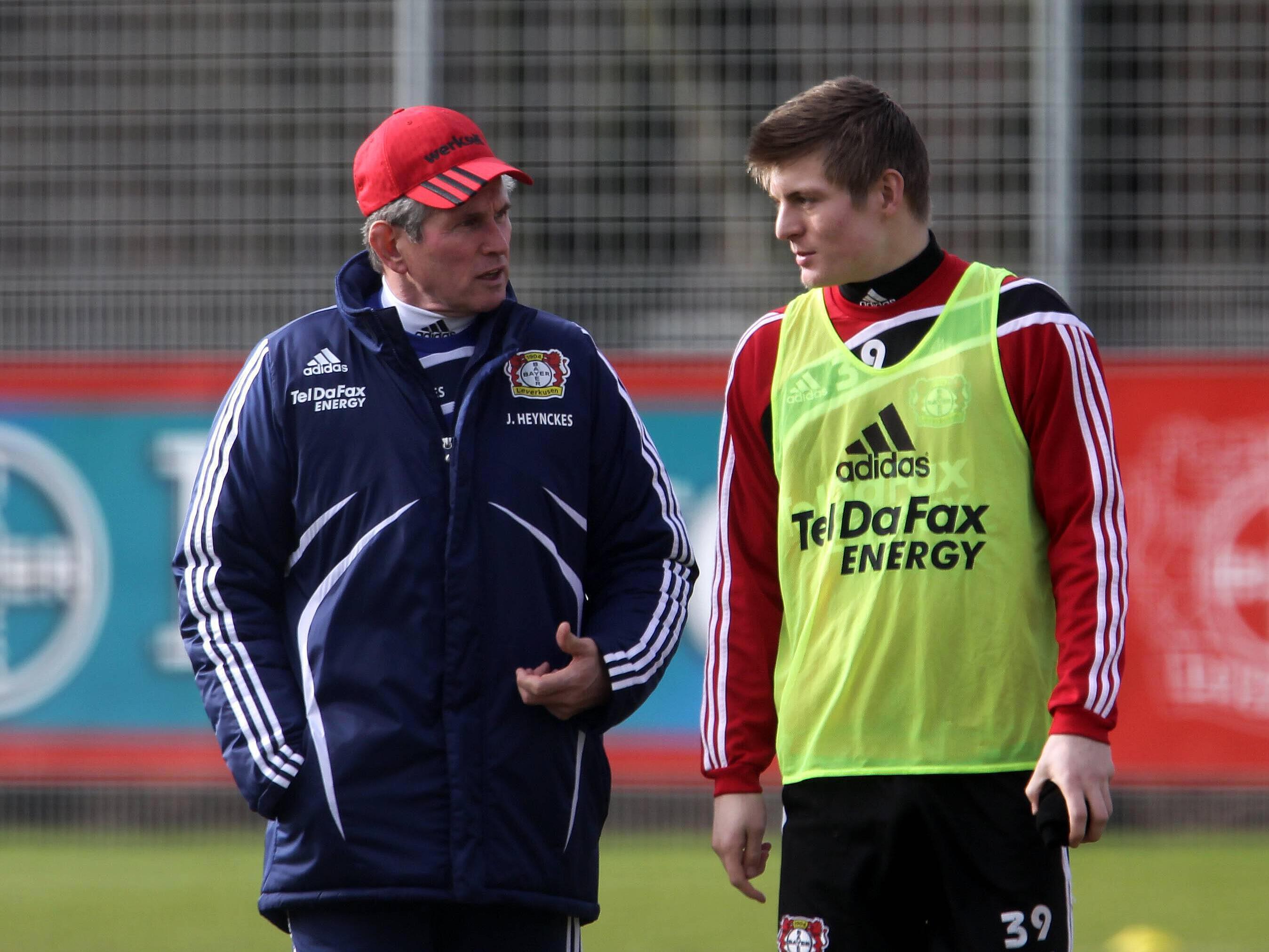
A call for help from his old friend Uli Hoeneß, who was looking for a successor in Munich to the hapless Jürgen Klinsmann in the final stages of the 2008/2009 season, heralded the era that would finally elevate Heynckes to the pinnacle of coaching. By securing a place in the Champions League, he initially saved Bayern’s season, before setting a new Bundesliga record for the best start to a season the following year with Bayer Leverkusen, going 24 matches unbeaten. In 2011, he began his third spell in charge at Bayern, which culminated in the ultimate treble. Four years later, he interrupted his well-deserved retirement once more to do Uli Hoeneß a favour and, 29 years after his first title, won the German championship for the fourth time with the Munich side. A wine that has matured to such an extent is likely to be priceless.
The German Football Hall of Fame was established on the initiative of the German Football Museum. In November 2018 and January 2019, leading sports journalists voted for the inaugural men’s and women’s teams. The jury members were asked to nominate their choice of players and managers from German men’s and women’s football. Players who were eligible to play for German national teams and whose playing careers had ended at least five years previously were eligible for nomination. The HALL OF FAME honours the greatest legends of German football in one central location for the first time. It forms part of the permanent exhibition at the German Football Museum in Dortmund. Opened on 1 April 2019, it has become a permanent place of pilgrimage for all football fans. The jury decides annually on further inductees from men’s and women’s football.