EN
 DE


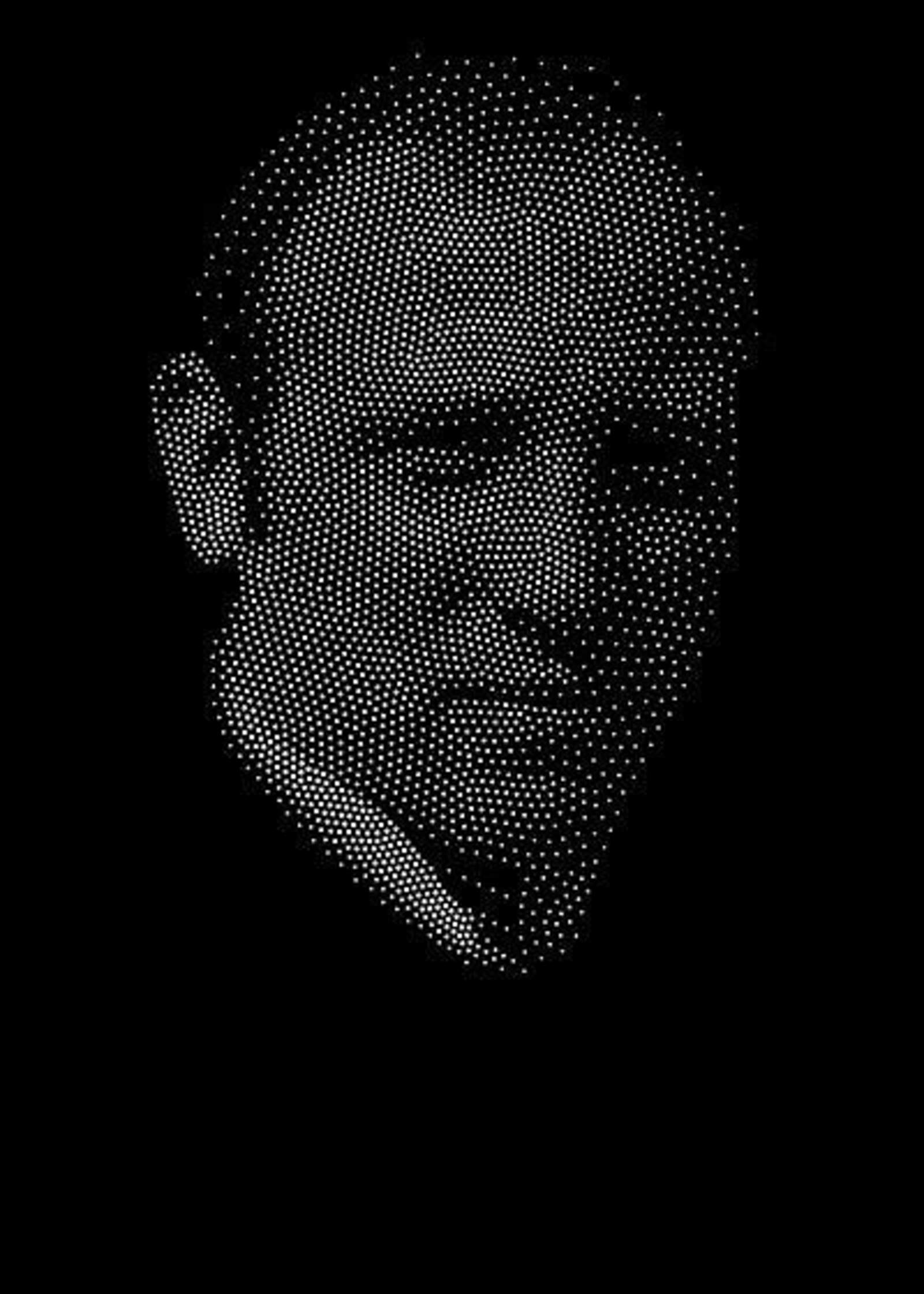
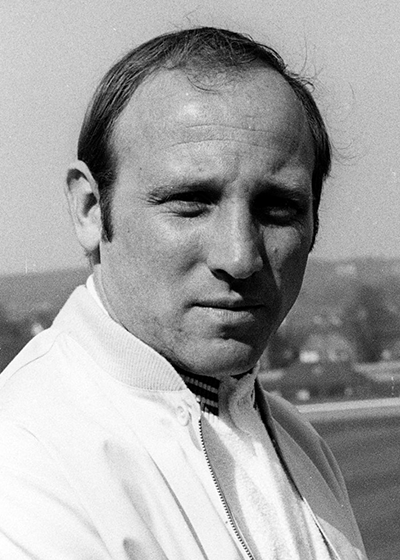
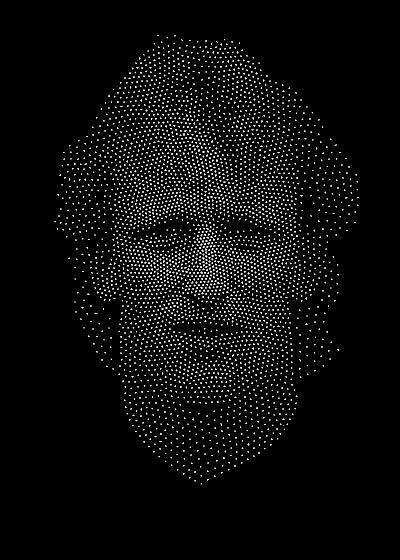
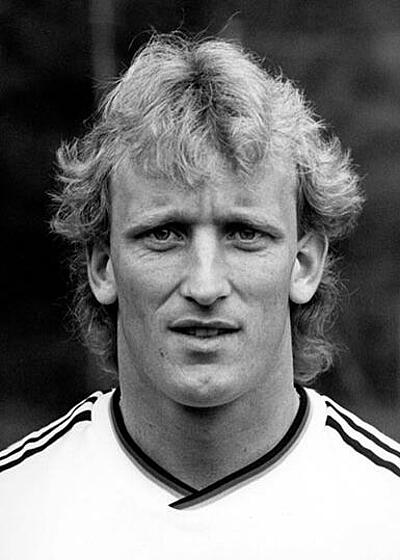
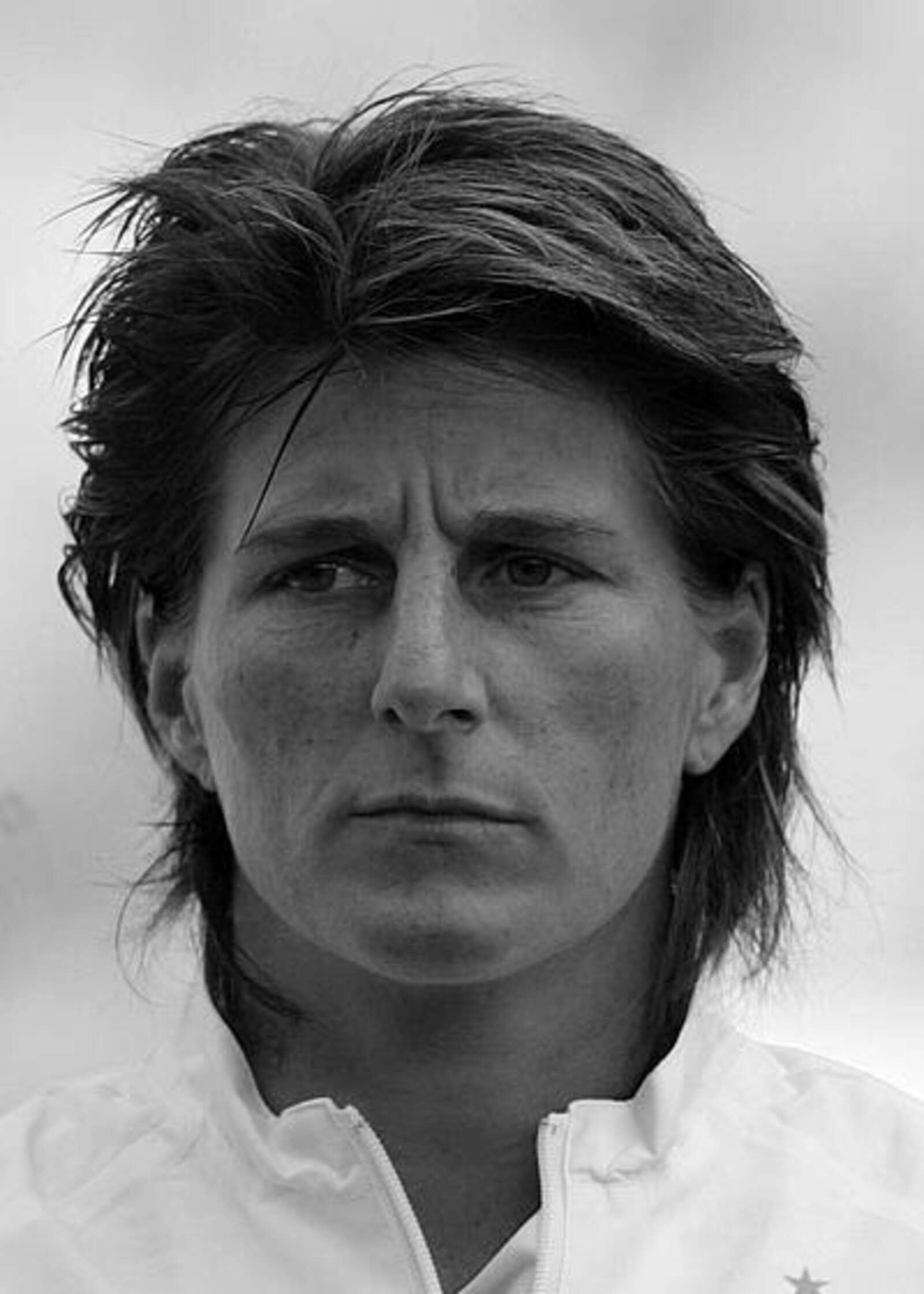
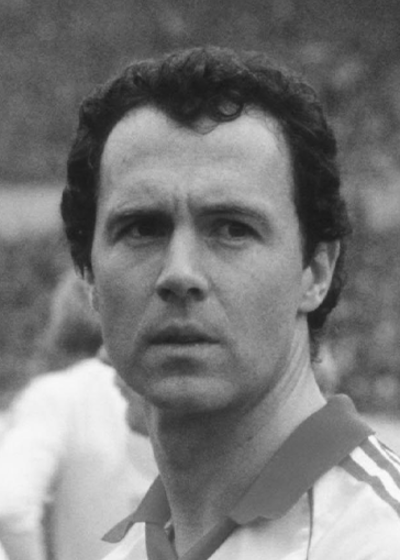
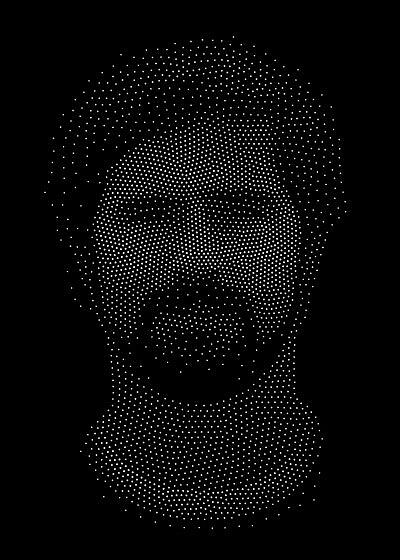
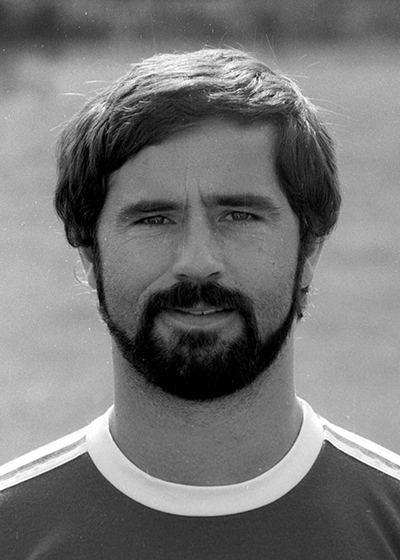
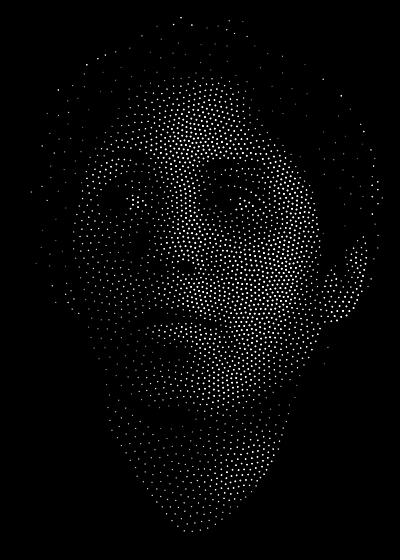
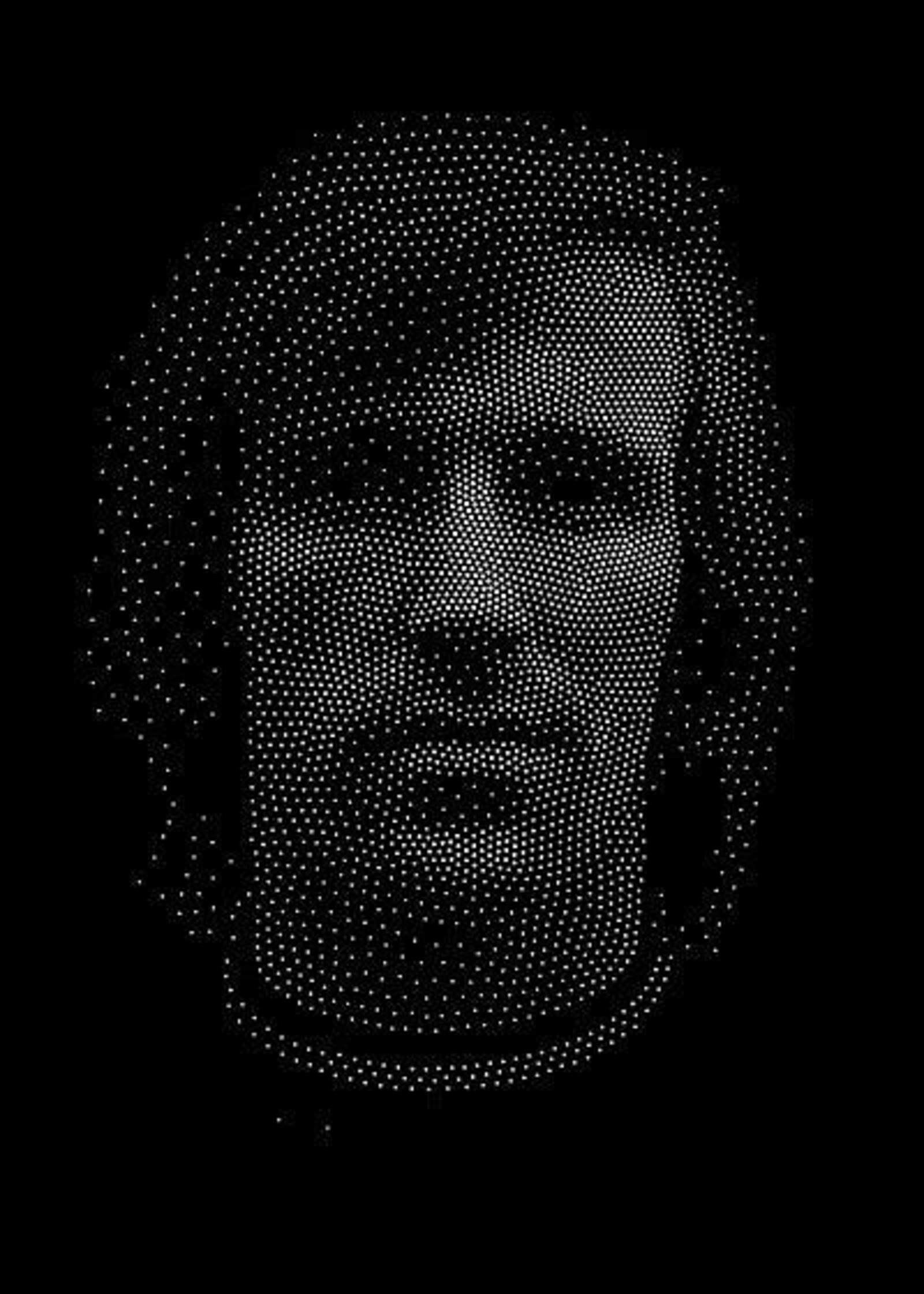
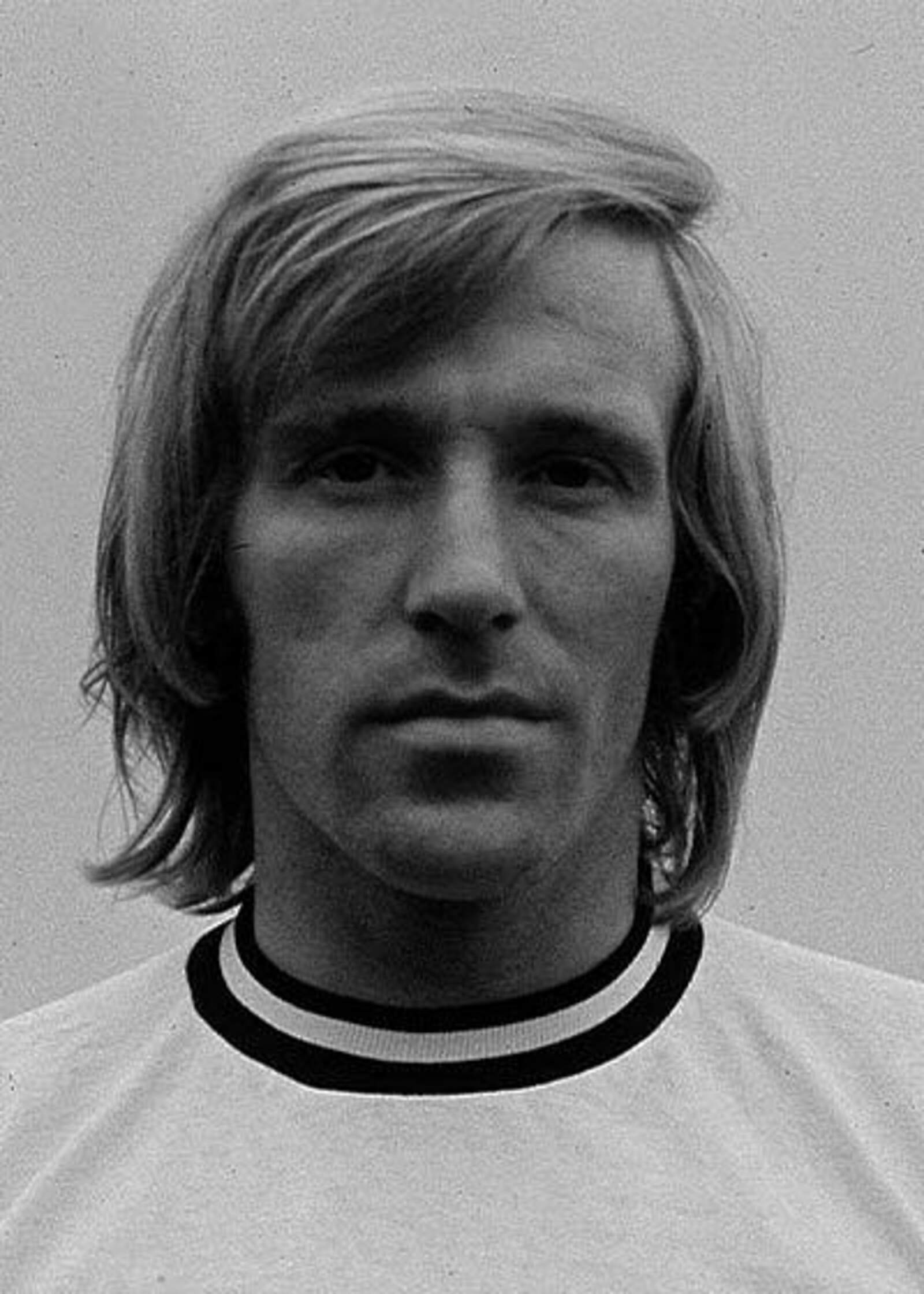
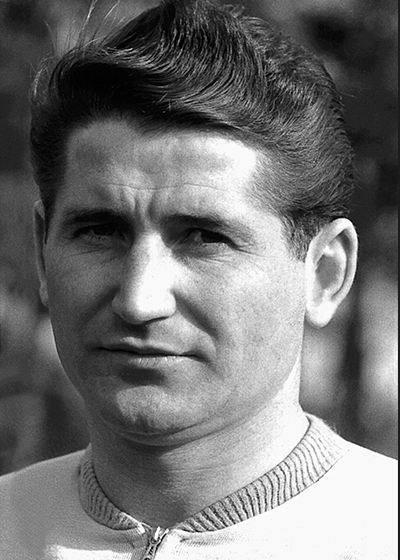
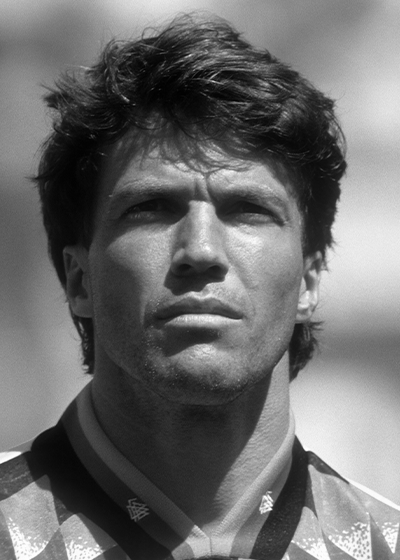
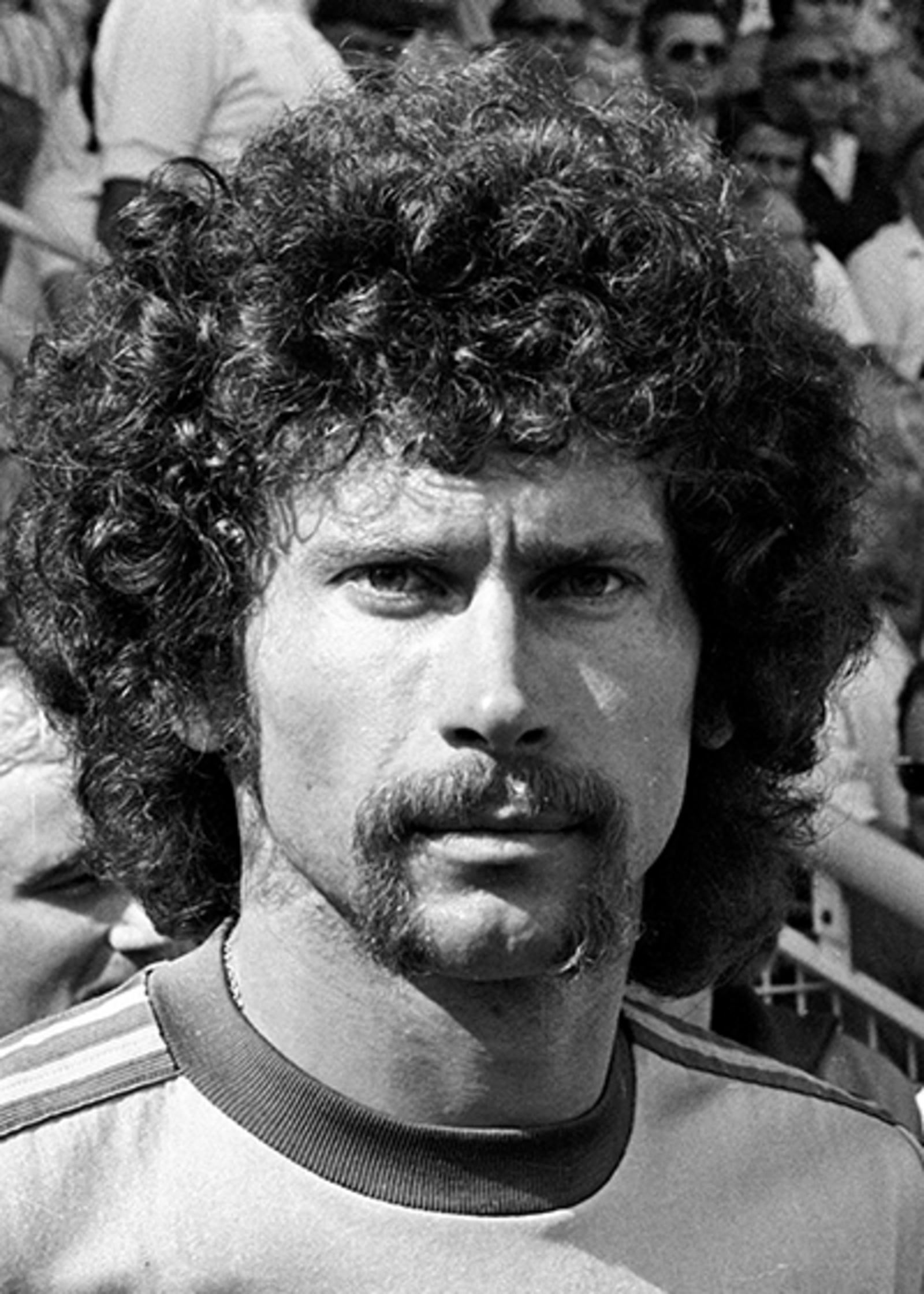
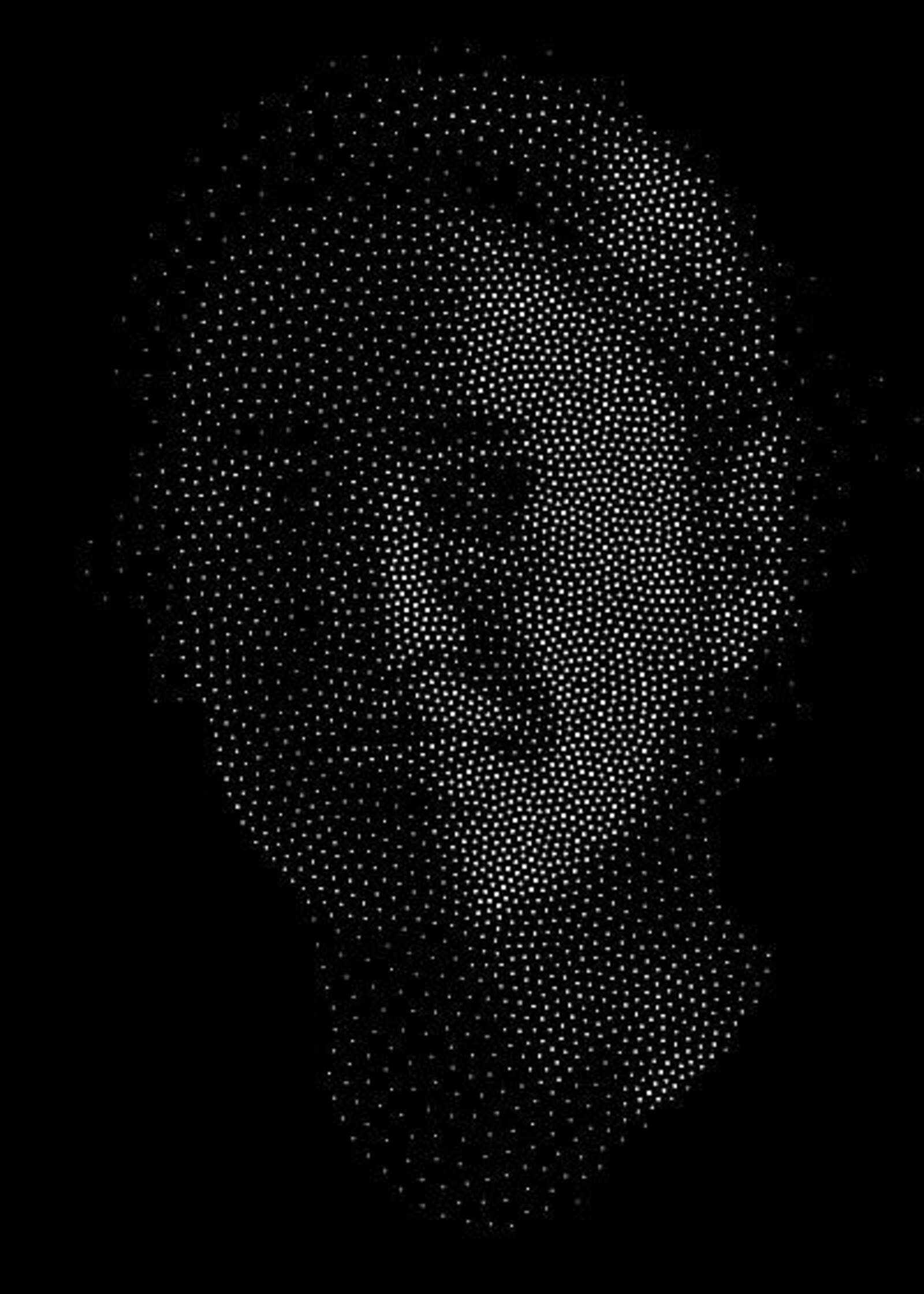
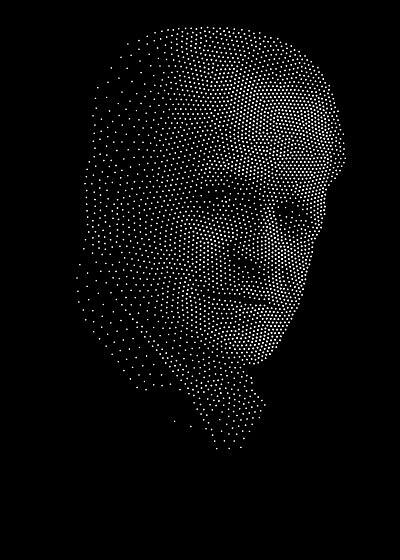
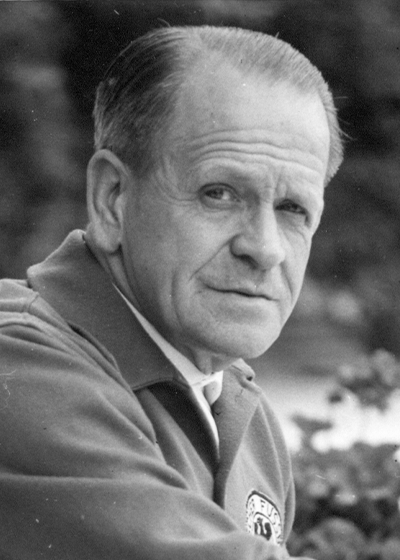
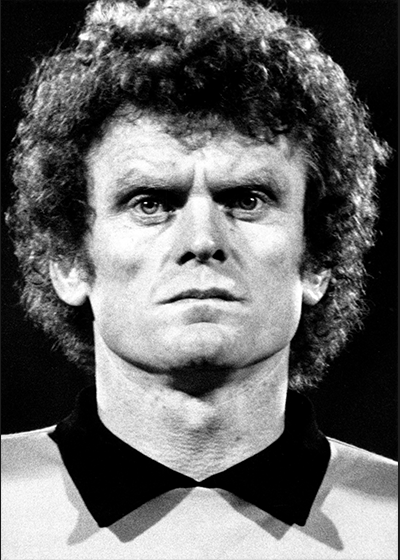
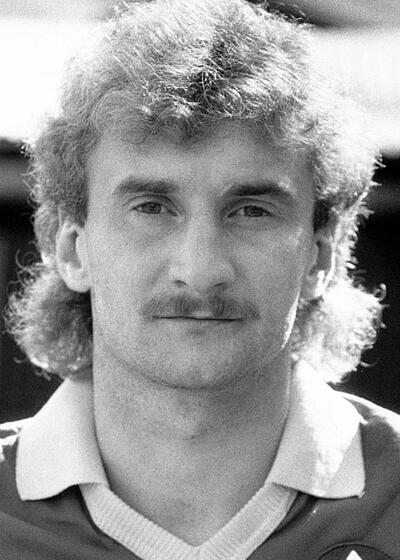
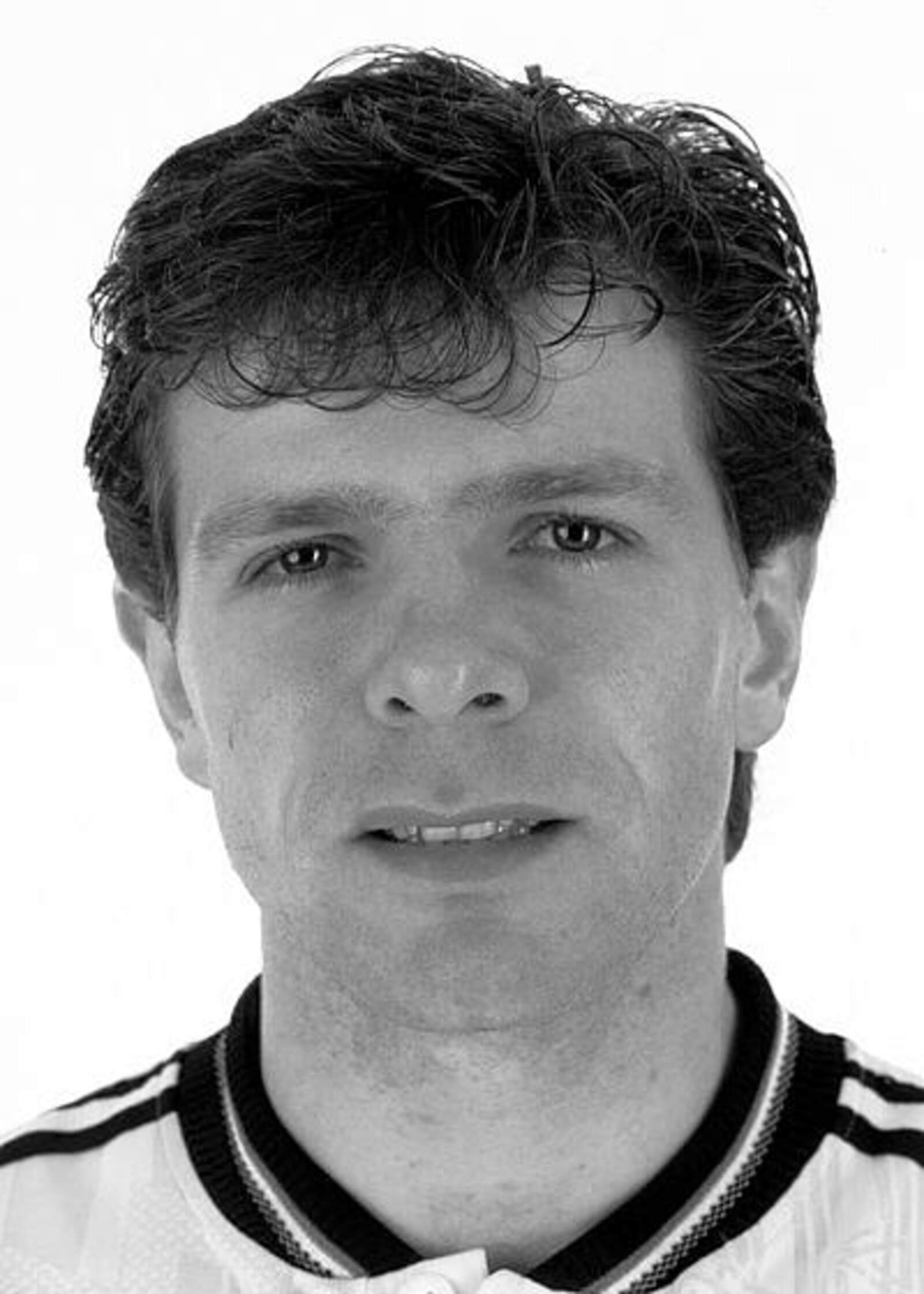
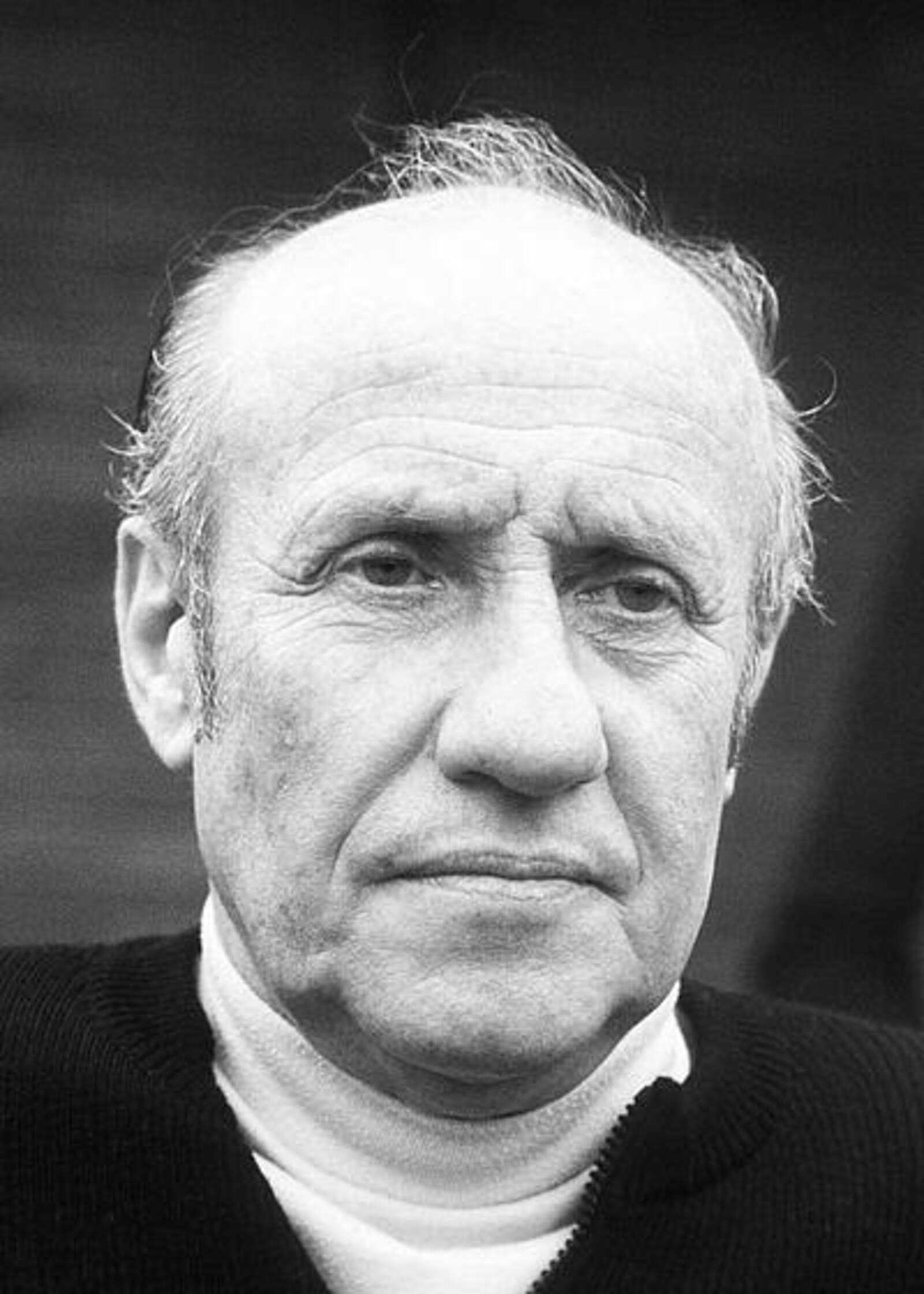
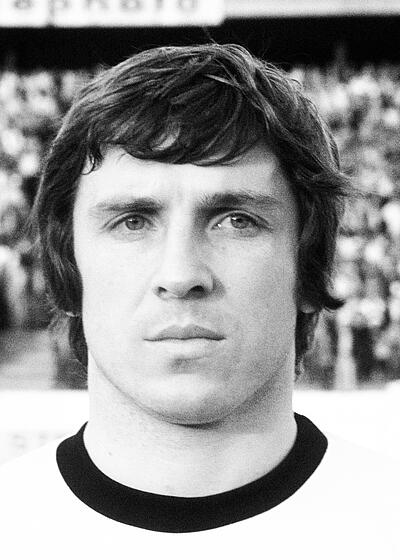
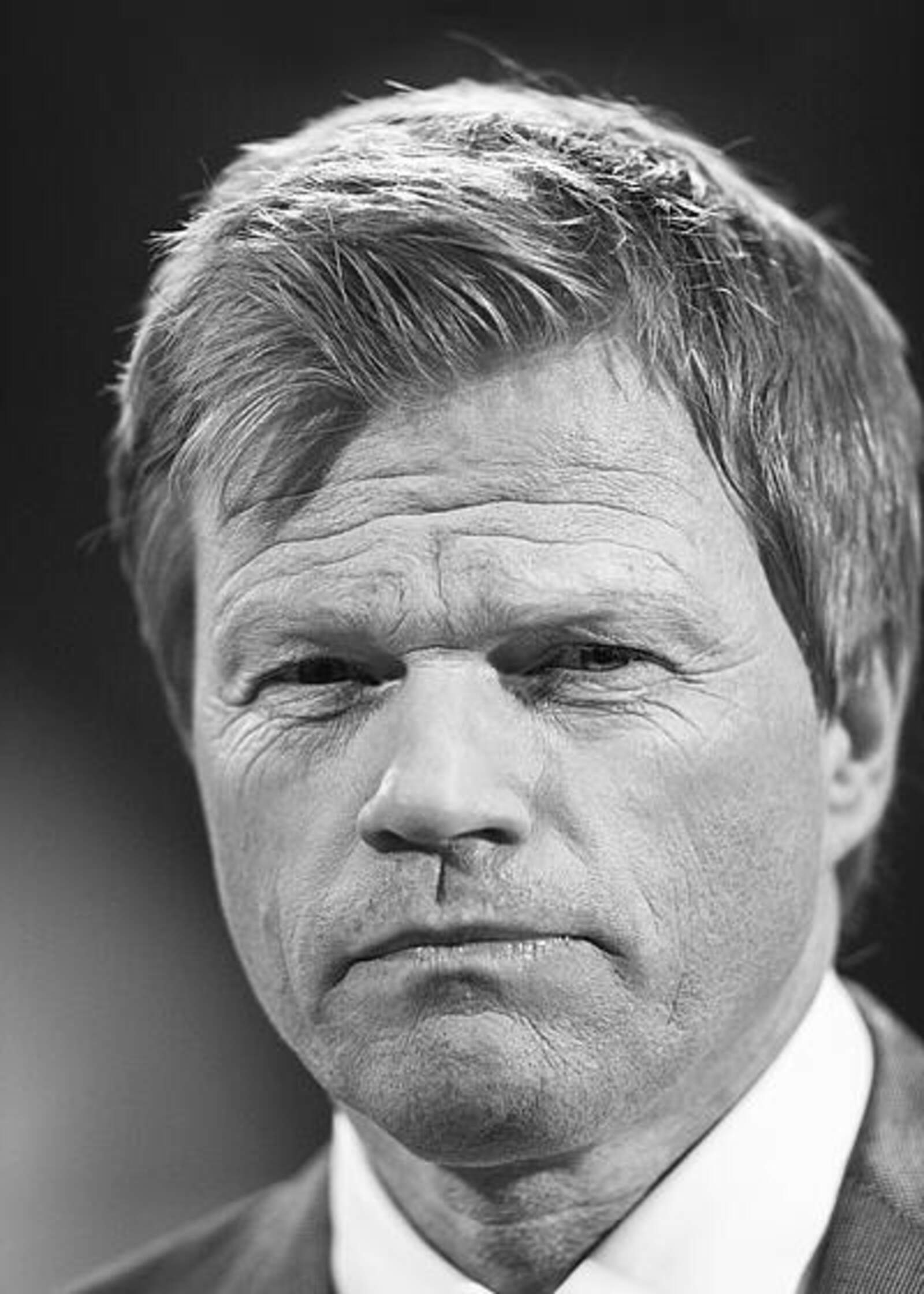
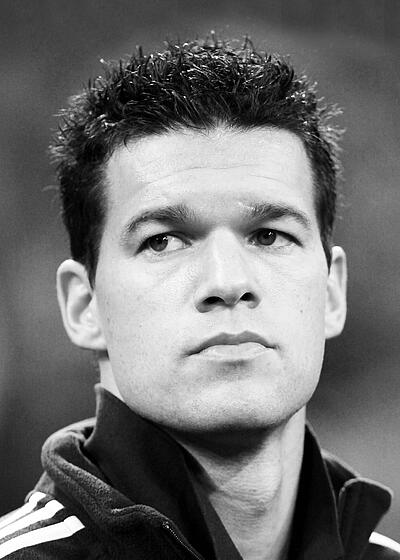
Karl-Heinz Rummenigge
*25 September 1955, Lippstadt
Sturm
Clubs as a player:
1974–1984 FC Bayern Munich
1984–1987 Inter Milan
1987–1989 Servette Geneva
Club:
310 appearances, 162 goals (Bundesliga)
; 64 appearances, 24 goals (Serie A, Italy)
; 60 appearances, 34 goals (Nationalliga A, Switzerland)
Honours:
German Champion: 1980, 1981
German Cup winner: 1982, 1984
Intercontinental Cup winner: 1976
European Cup winner: 1975, 1976
National team:
95 matches, 45 goals
European Champion: 1980
World Cup runner-up in 1982 and 1986

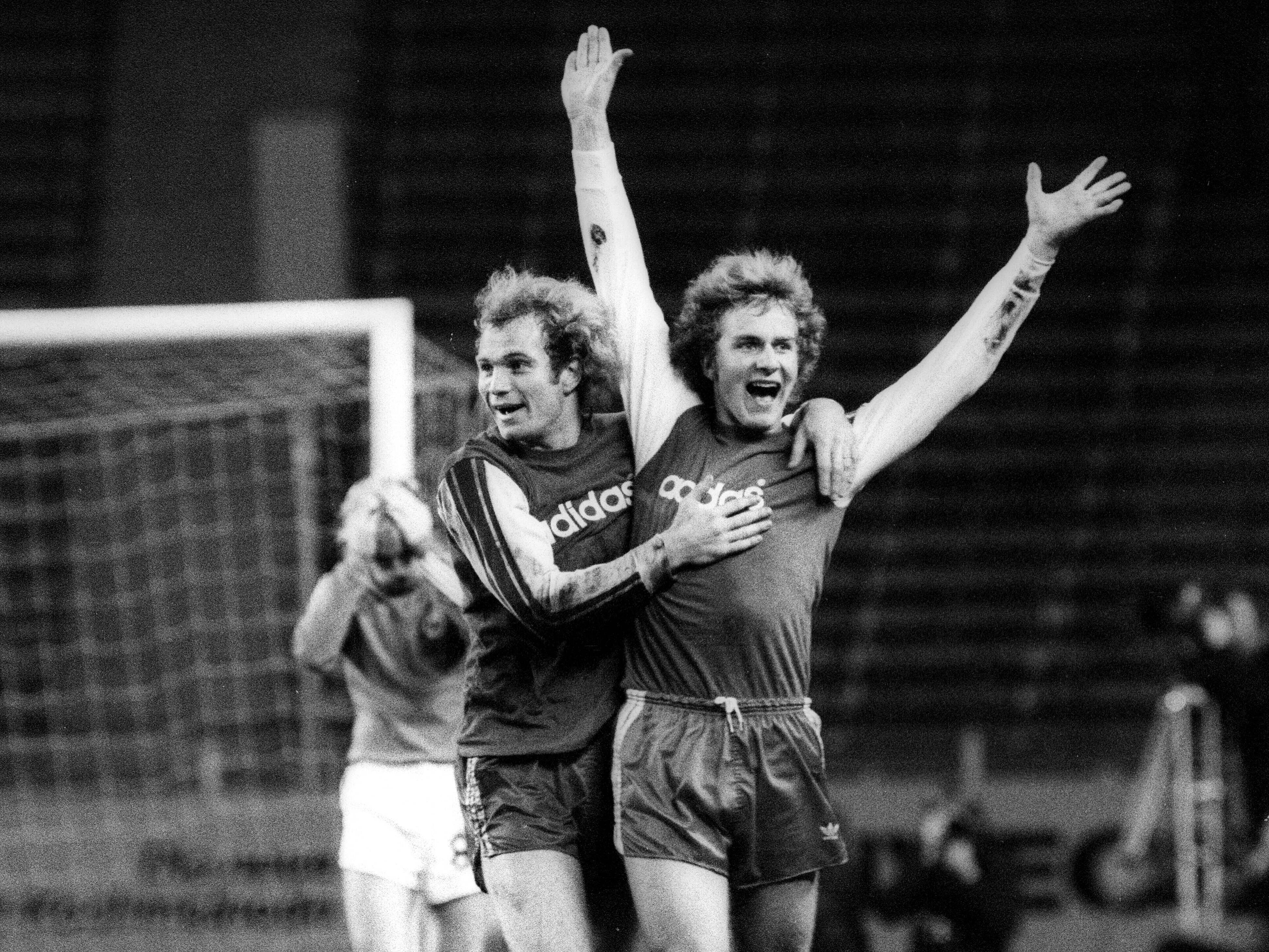
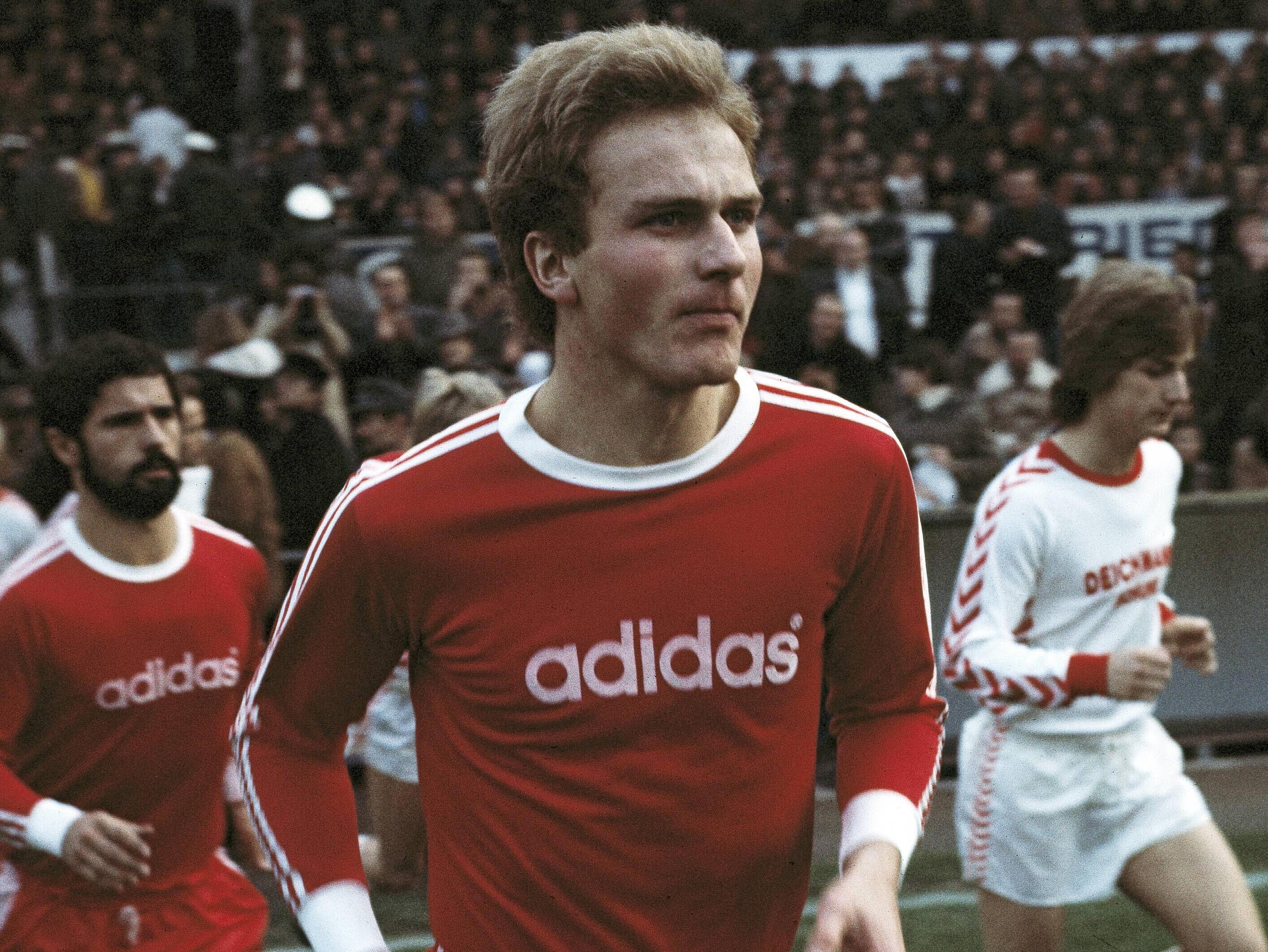
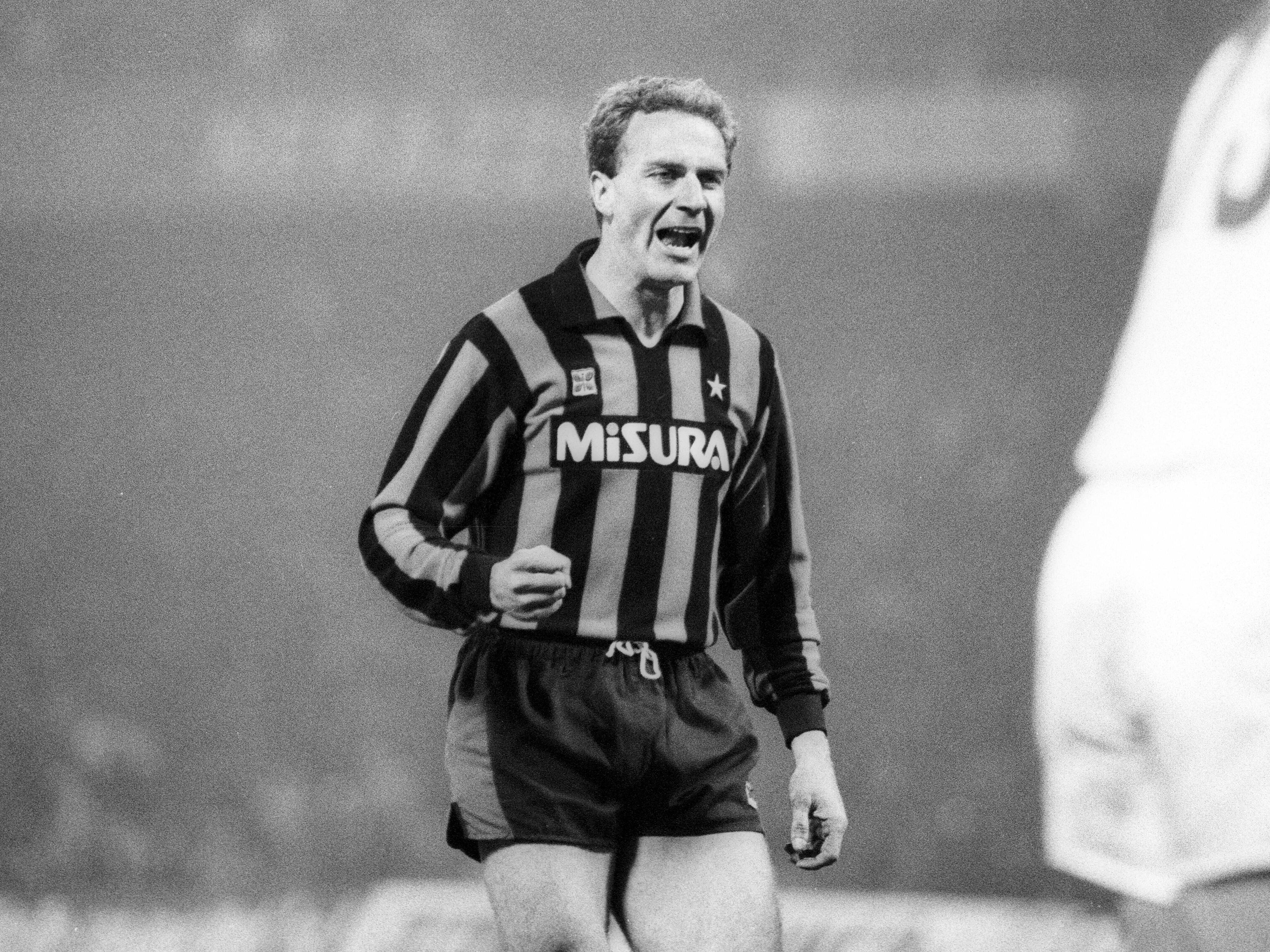
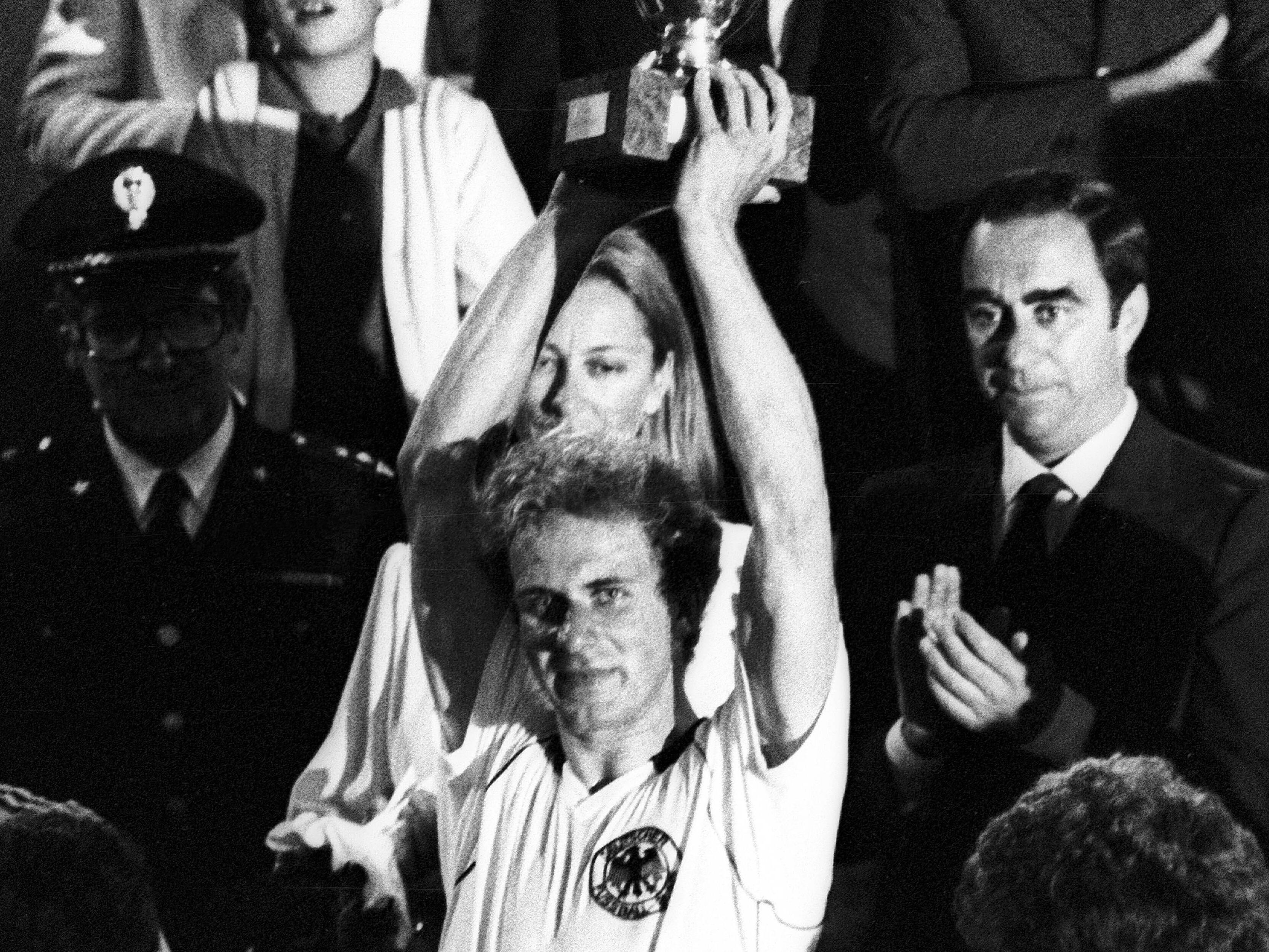
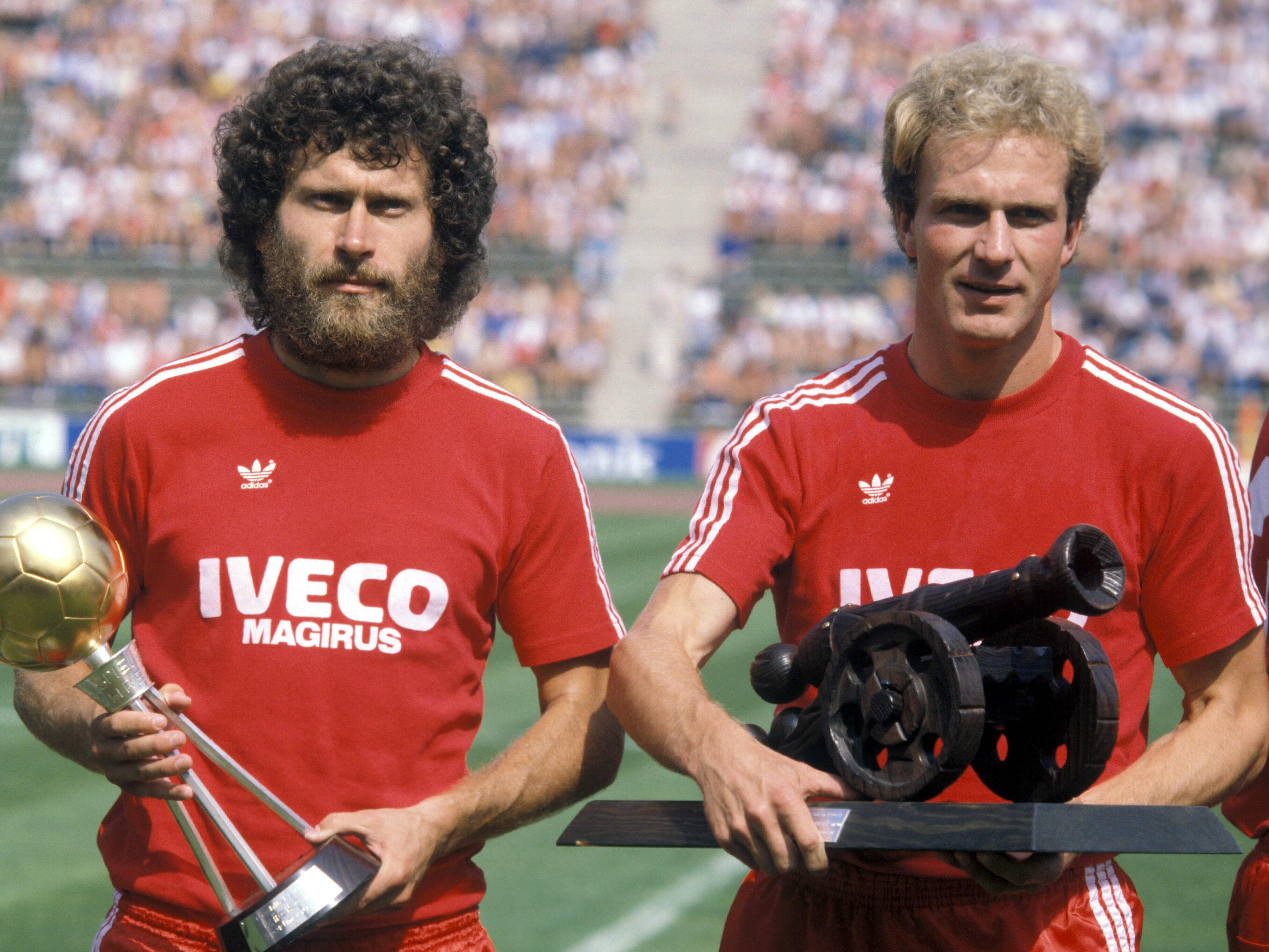
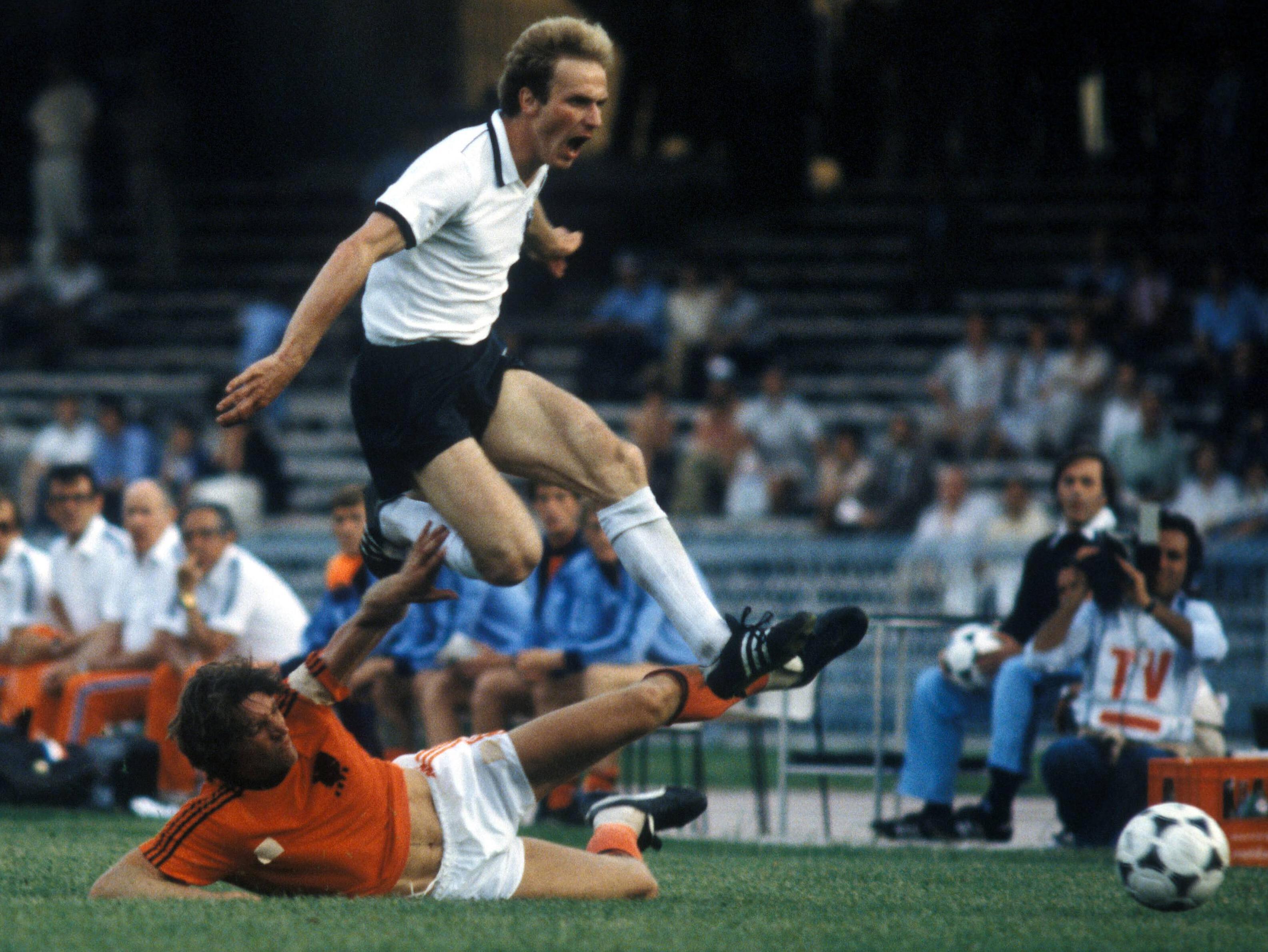

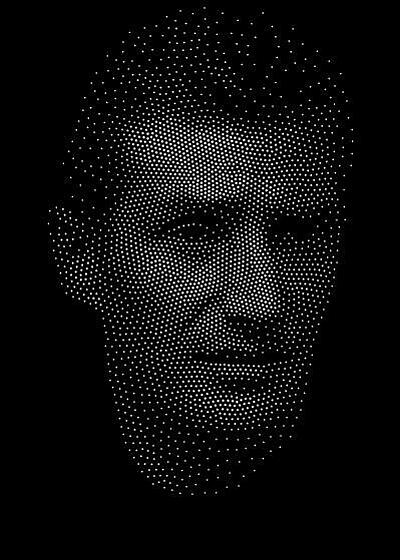
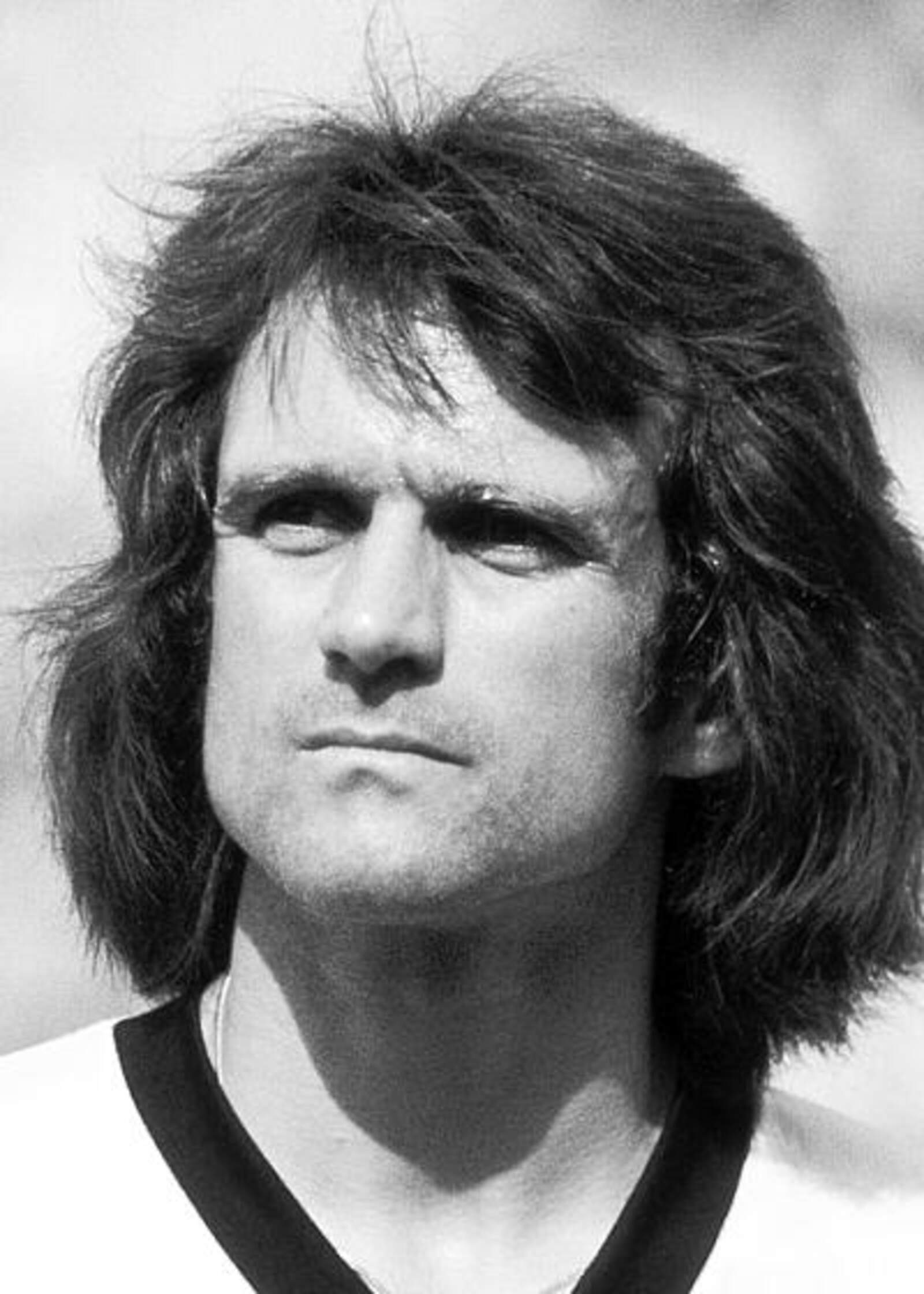
Born in Lippstadt, he went on to become one of the world’s best strikers following his move to Bayern Munich in 1974. With his pace, inimitable dribbling and a keen eye for goal, he posed a major challenge to every opposing defence. The three-time Bundesliga top scorer was voted ‘European Footballer of the Year’ twice in a row. After winning the European Championship in 1980, Rummenigge captained the German national team to the World Cup final in both 1982 and 1986. His move to Inter Milan in 1984 earned FC Bayern Munich a record transfer fee of around eleven million Deutschmarks (around 5.6 million euros), which at the time was surpassed only by the transfer fee paid for Argentina’s superstar Diego Maradona when he moved from FC Barcelona to SSC Napoli. Together with his Munich team-mate Paul Breitner, Rummenigge was the standout figure in both the club and the national team for many years. Thanks to their unspoken understanding on the pitch and their leadership qualities, the duo were nicknamed ‘Breitnigge’. Rummenigge saw out his career in Switzerland, where he once again became top scorer and was named ‘Foreign Player of the Year’ whilst playing for Servette Geneva. The British pop duo Alan & Denise dedicated a song to him: ‘Rummenigge, what a man.’
The German Football Hall of Fame was established on the initiative of the German Football Museum. In November 2018 and January 2019, leading sports journalists voted for the inaugural men’s and women’s teams. The jury members were asked to nominate their choice of players and managers from German men’s and women’s football. Players who were eligible to play for German national teams and whose playing careers had ended at least five years previously were eligible for nomination. The HALL OF FAME honours the greatest legends of German football in one central location for the first time. It forms part of the permanent exhibition at the German Football Museum in Dortmund. Opened on 1 April 2019, it has become a permanent place of pilgrimage for all football fans. The jury decides annually on further inductees from men’s and women’s football.