EN
EN
 DE
DE


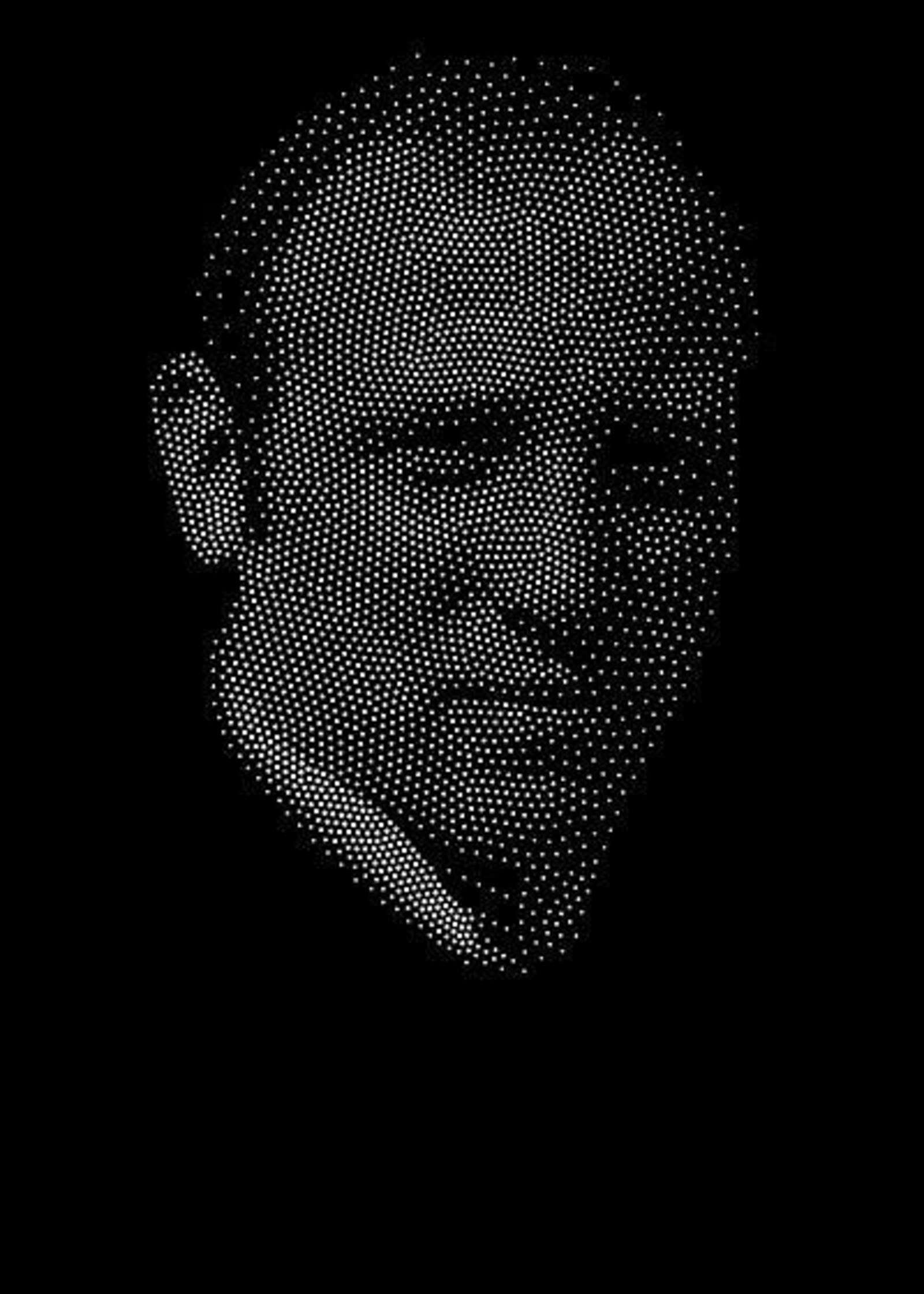
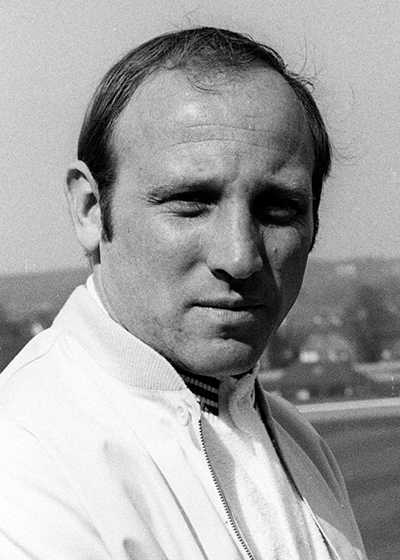
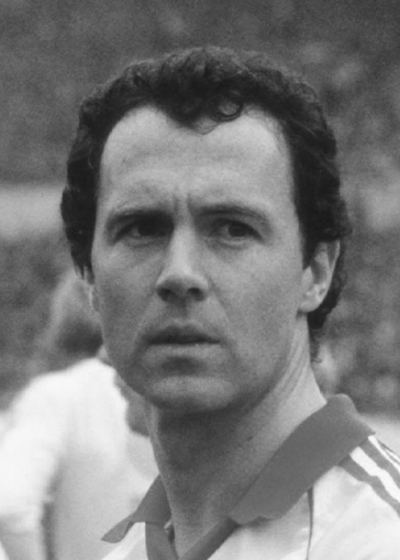
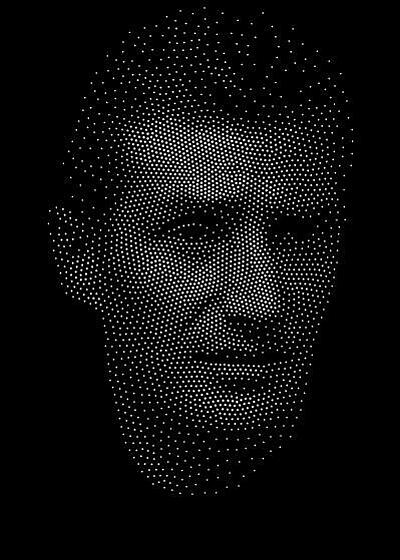
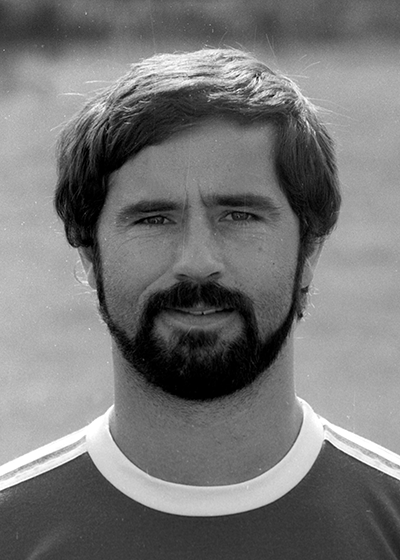
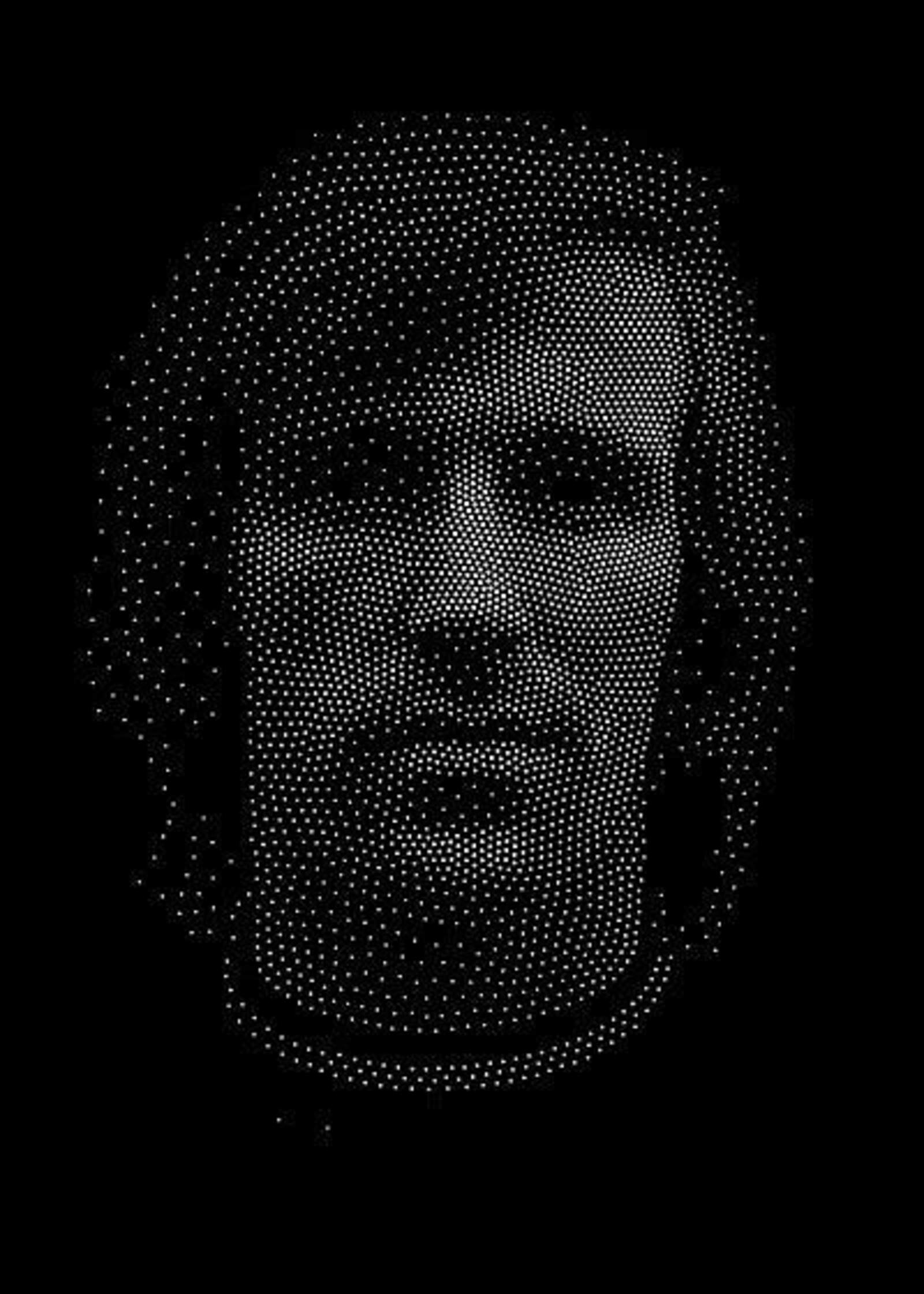
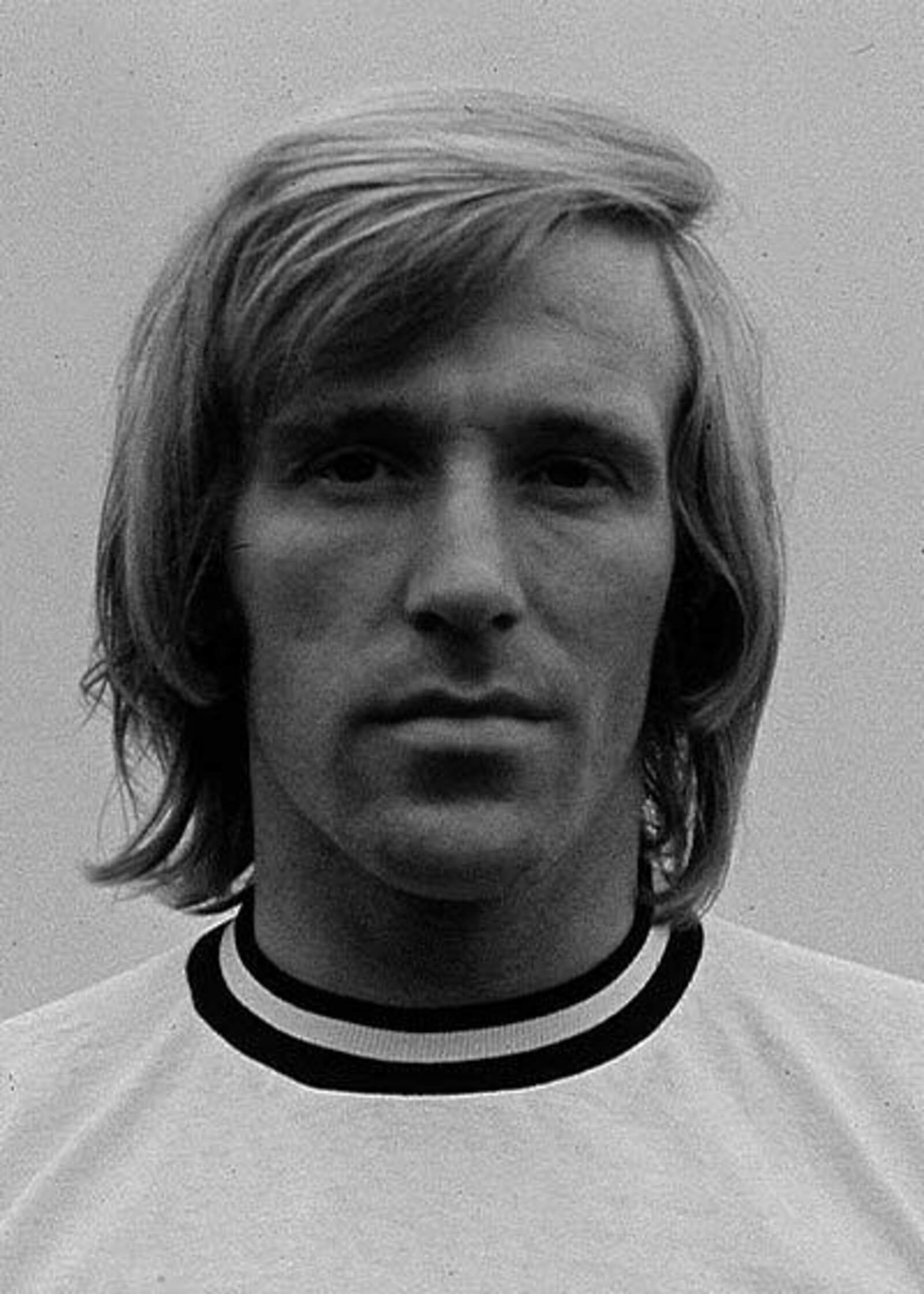
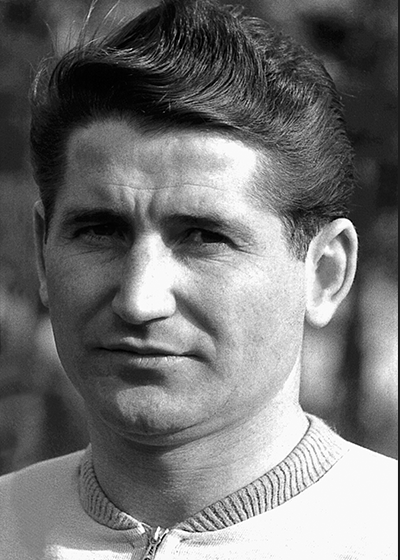
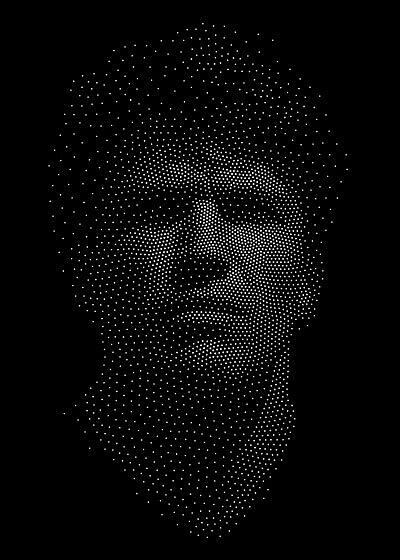
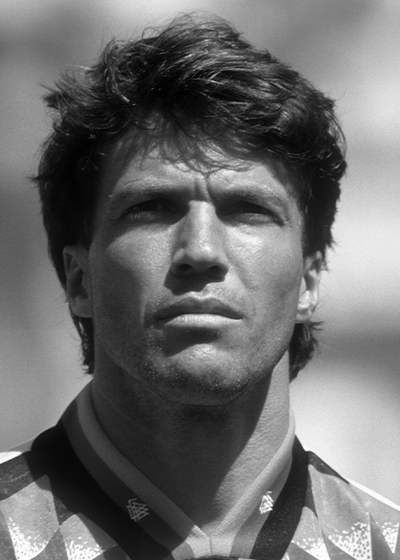
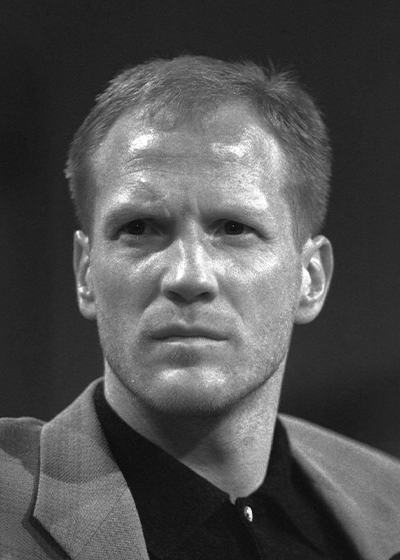
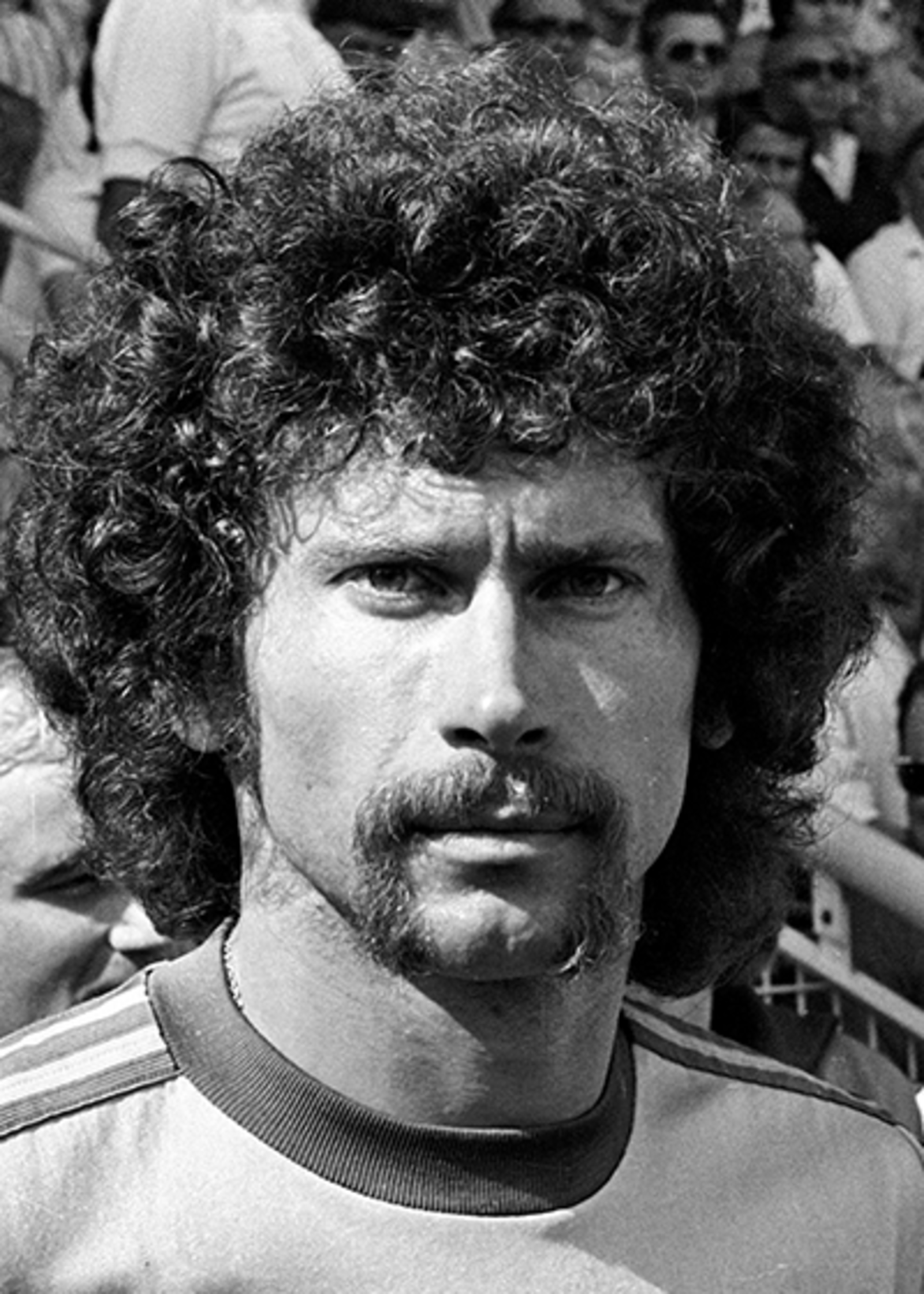
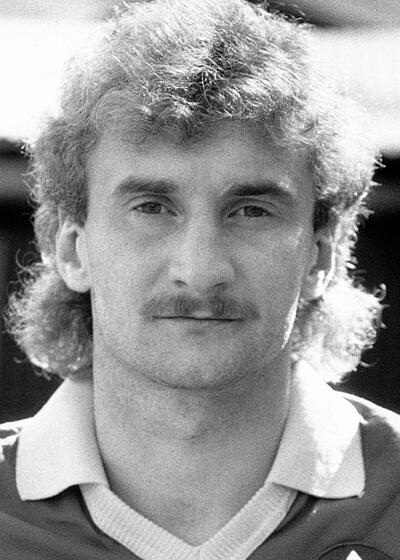
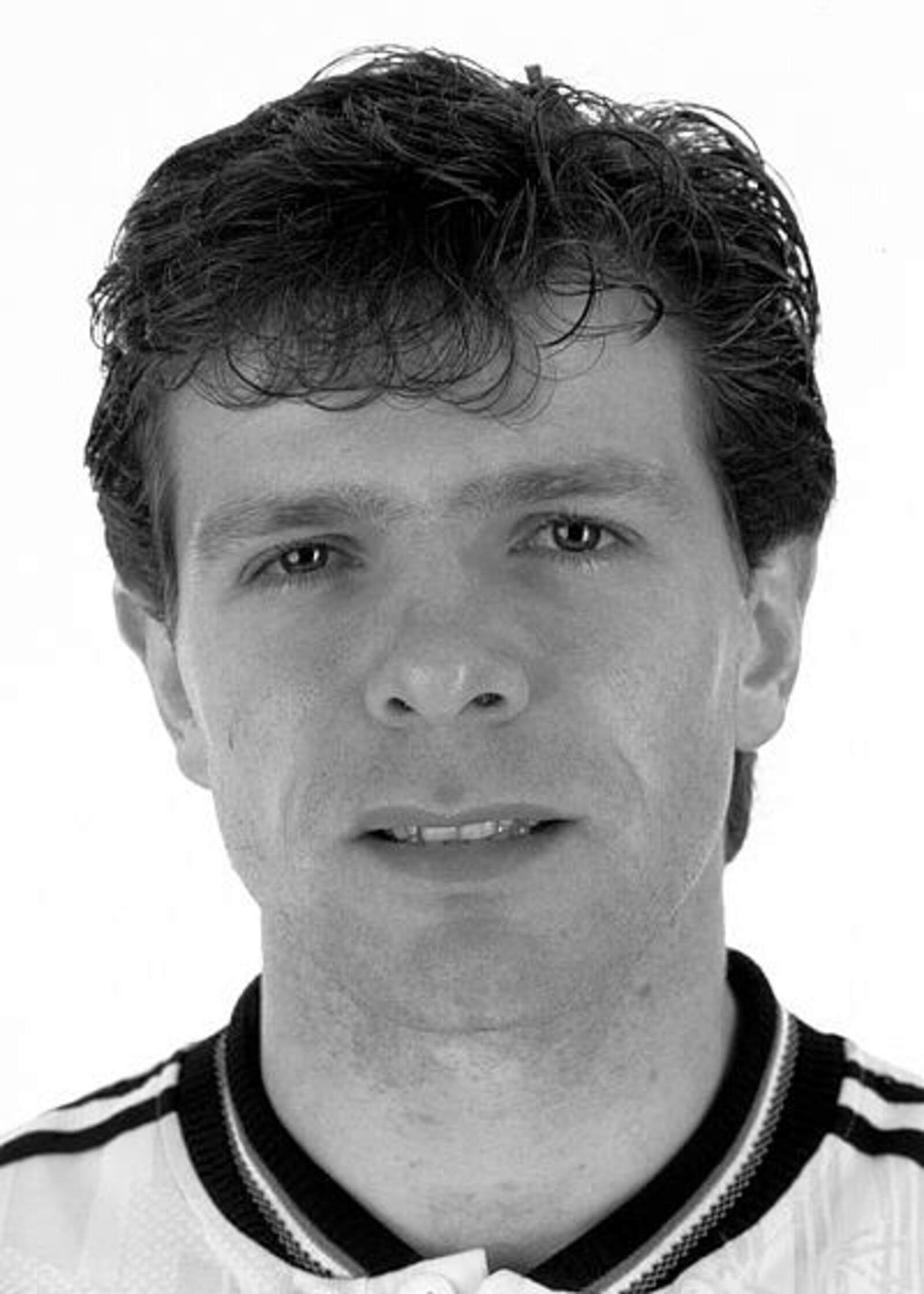
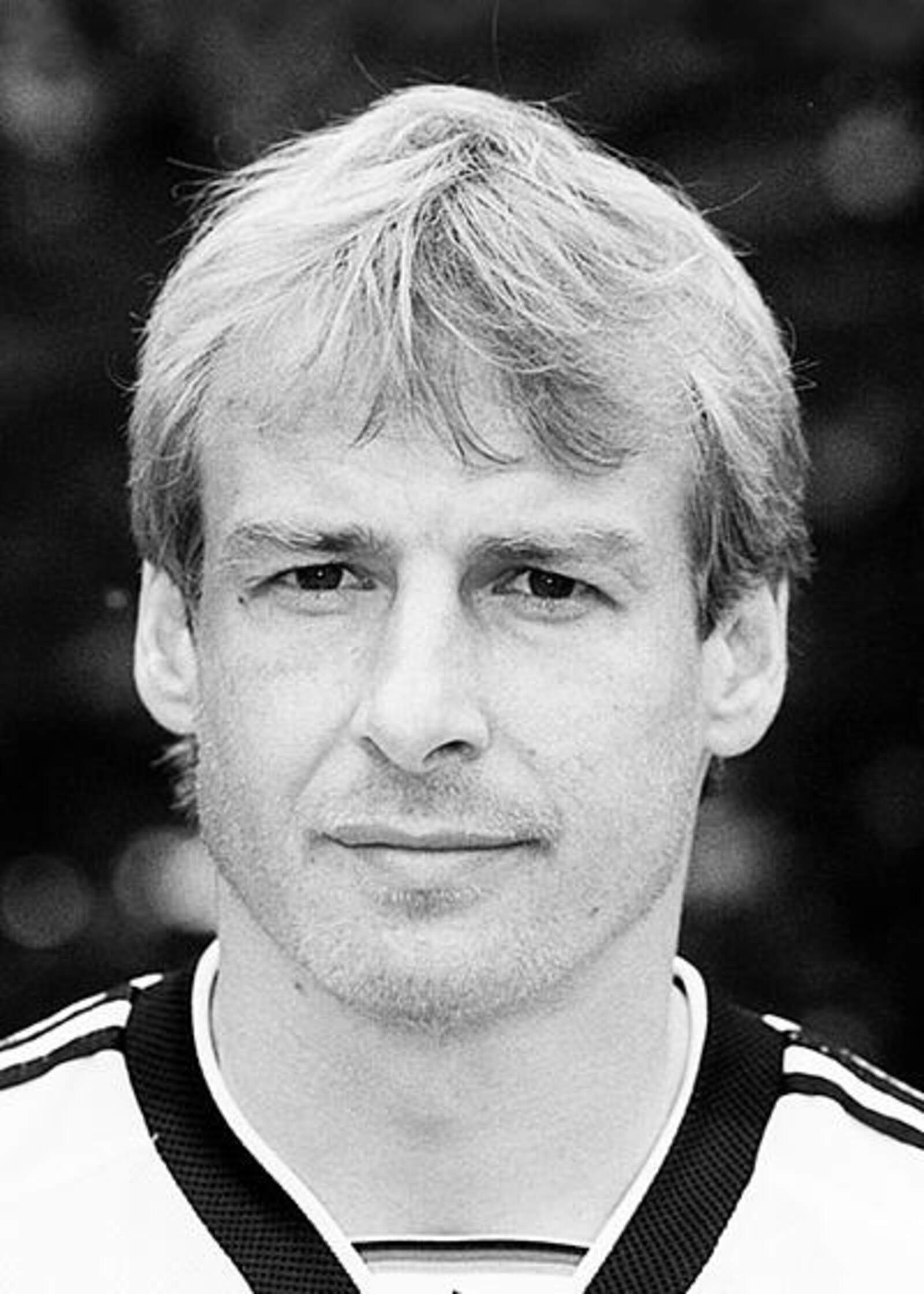
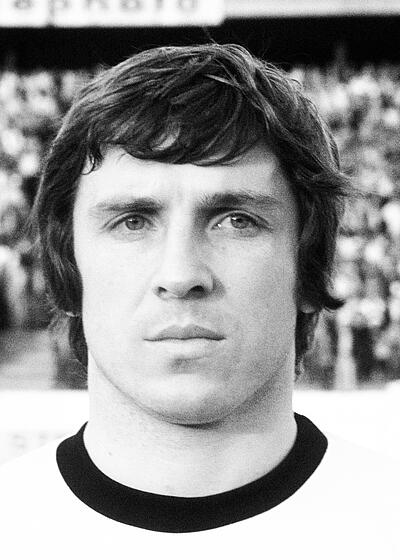
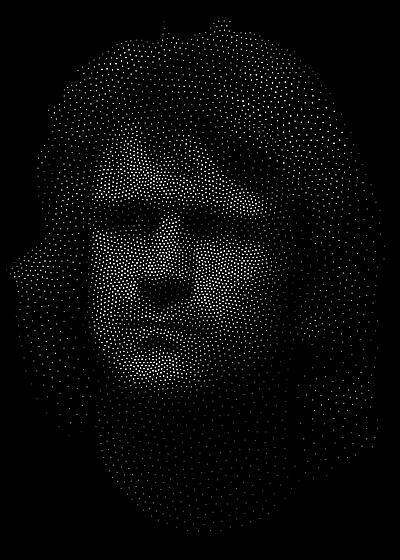
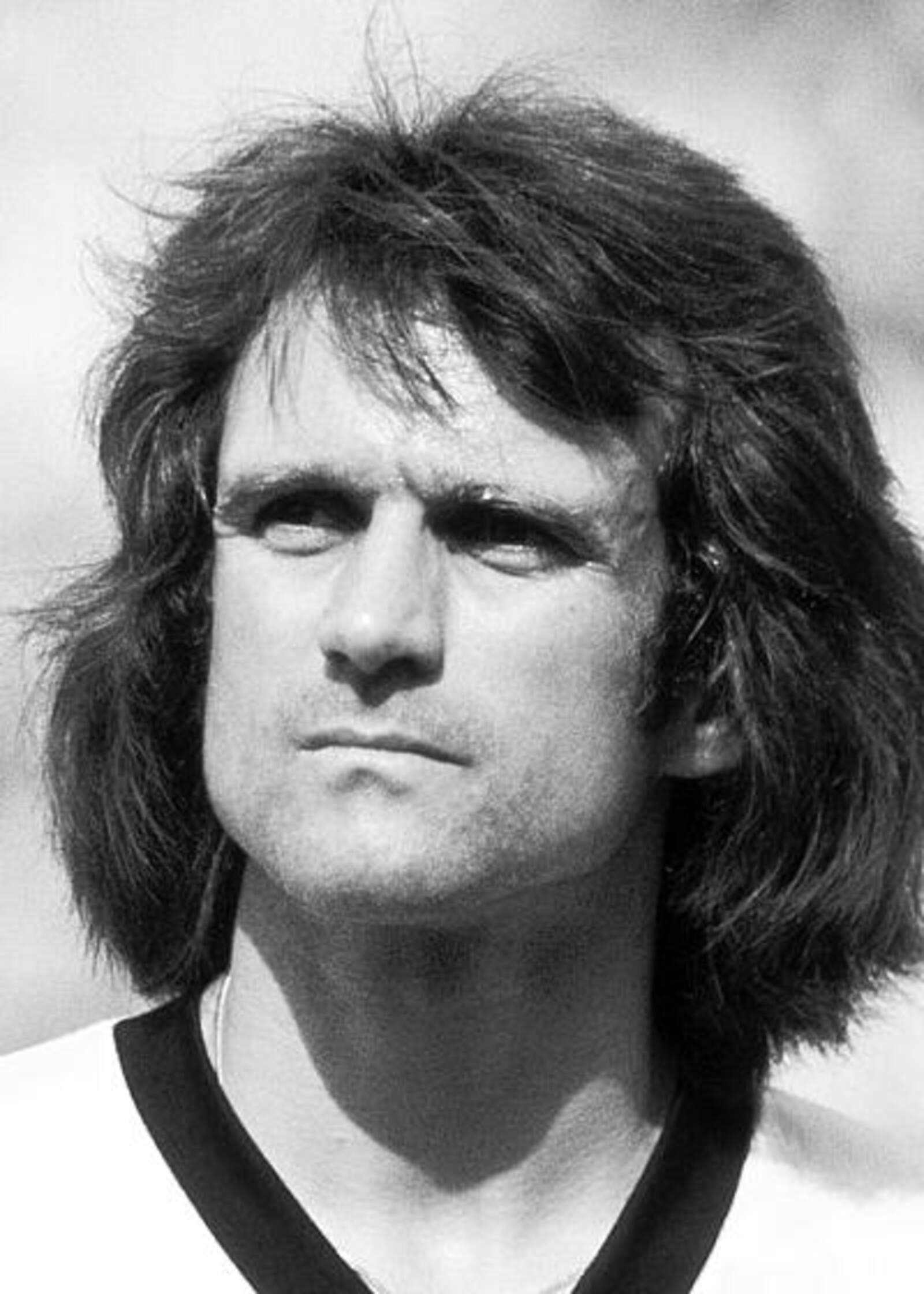
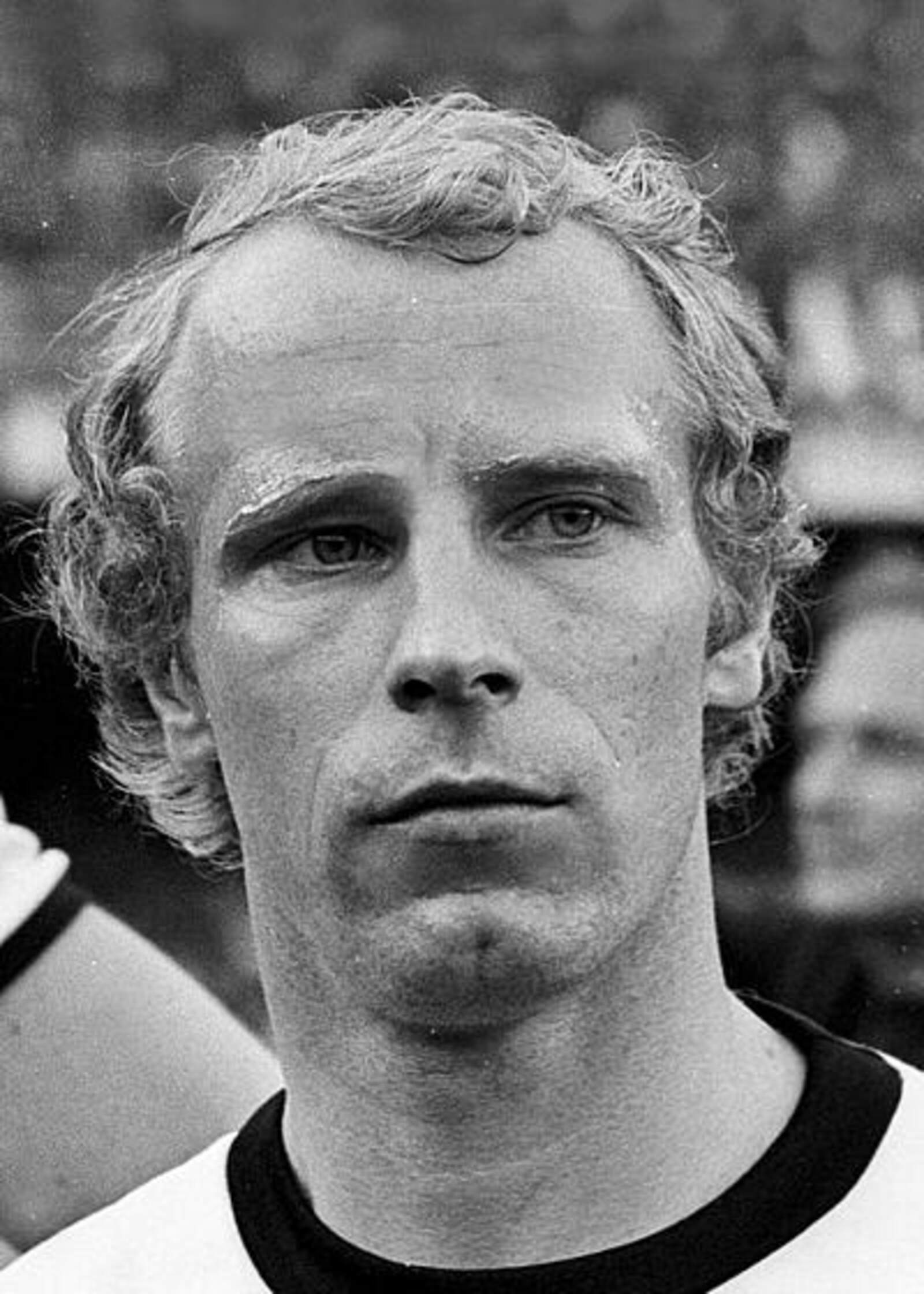
Klaus Fischer
27 December 1949, Kreuzstraßl
Sturm
Clubs as a player:
1968–1970 TSV 1860 Munich 1970–1981
FC Schalke 04 1981–1984
1. FC Köln
1984–1988 VfL Bochum
Club:
535 appearances, 268 goals (Bundesliga)
Honours:
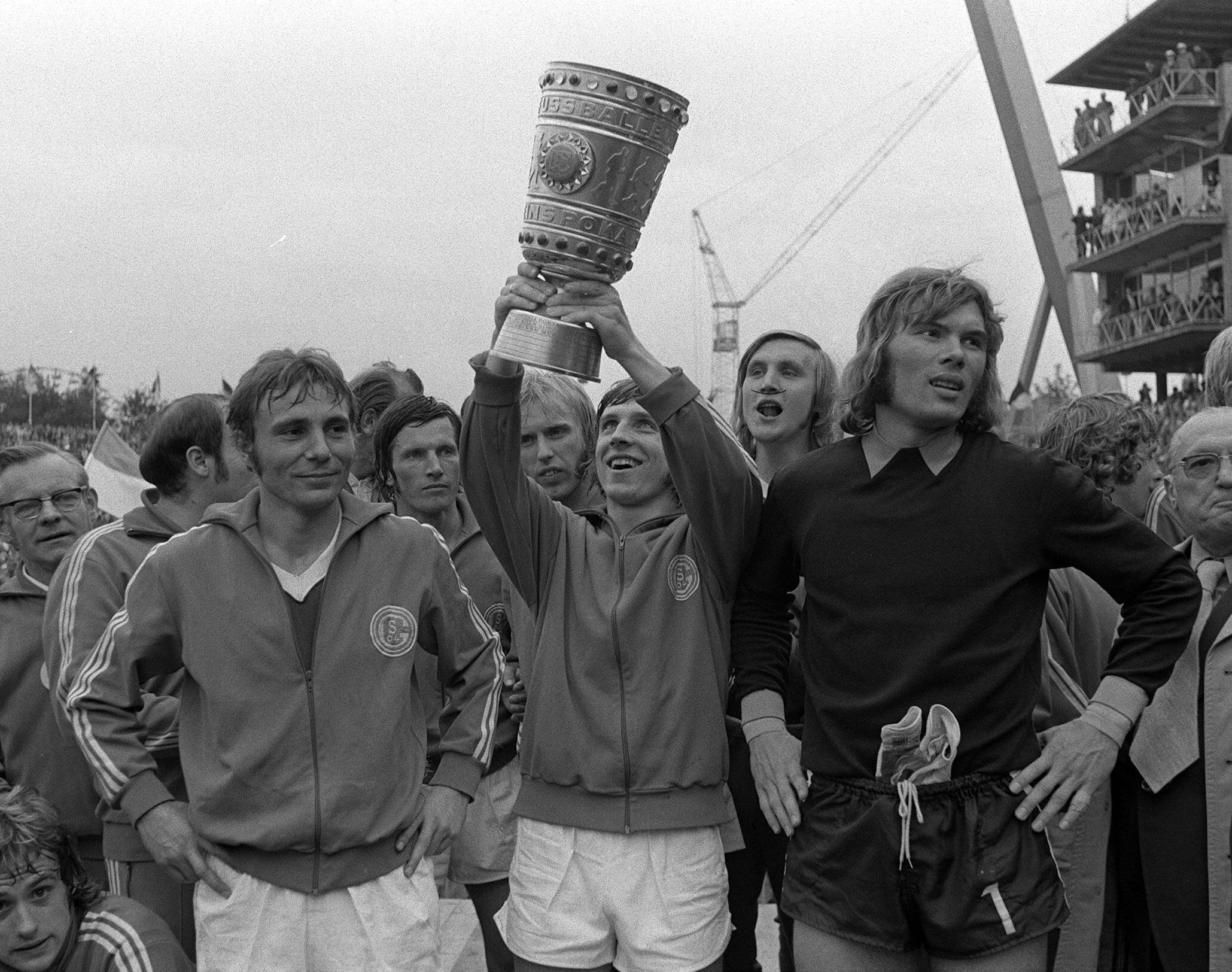
DFB Cup winner: 1972, 1983
National team:
45 appearances, 32 goals
World Cup runner-up: 1982
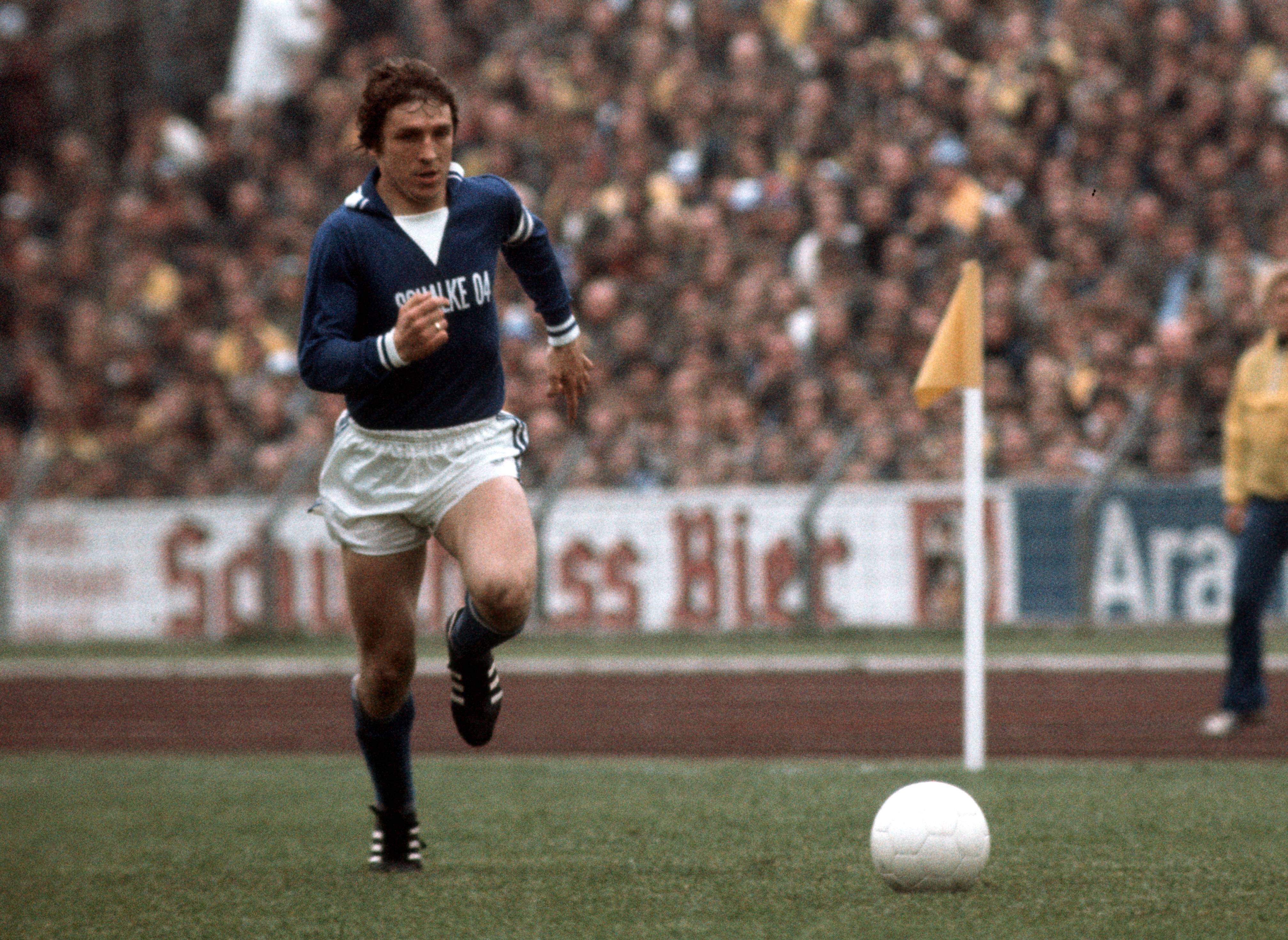


Klaus Fischer didn’t just score a lot of goals during his career for 1860 Munich, Schalke 04, 1. FC Köln, VfL Bochum and the German national team; above all, he scored many beautiful goals. But beauty was by no means an end in itself. The trained glassblower from Zwiesel in Lower Bavaria was not a player who deliberately aimed for the top corner, nor was he a dribbler who sought to beat as many opponents as possible before finishing, nor was he an outstanding long-range shooter. The beauty of his goals stemmed from a certain pragmatism. He developed his speciality – the bicycle kick – to perfection, so to speak, out of necessity.
When Fischer, once again lying horizontally in the air with his back to goal, scored one of his most important goals in the 1982 World Cup semi-final against France – a strike that sent football fans all over the world into raptures – he simply said, with modesty: “I couldn’t have put the ball in any other way.” He harboured no criticism of his crossers, whom he held in particularly high regard: “Without players like Stan Libuda in my early days at Schalke 04, or later Rüdiger Abramczik, I could never have been so successful.” But their passes weren’t always goal assists served up on a silver platter. If they were a little imprecise, Fischer made it his mission to still find a way to get a shot on goal by the most direct route possible. He developed true mastery in this. Not just with overhead kicks.
When the Schalke idol almost single-handedly dismantled Bayern Munich with four goals during the legendary 7–0 away victory at Munich’s Olympic Stadium in October 1976, he scored a flying header in which the tip of his nose almost grazed the turf. The ball, coming towards him, had bounced just in front of him. In such situations, Fischer instinctively and at lightning speed decided on the most promising option: which part of his body and in what position to use to steer the ball towards the goal.
In another situation, however, he would have had to make a different decision. By accepting what seemed a derisory sum of money, he became embroiled in the Bundesliga bribery scandal as a young player in 1971 and, as a result, was banned from playing for a total of over 13 months. Nevertheless, Klaus Fischer went on to become the third-highest goalscorer in Germany’s top flight to this day. He was even banned from the national team for five years, which is why he did not make his debut there until November 1977. But he did so in his usual style – with two goals. With 32 goals in 45 international appearances, he achieved a phenomenal goals-per-game ratio.
He also scored his most highly acclaimed goal for the national team in an international match against Switzerland in 1977 (Goal of the Month, Goal of the Decade, Goal of the Quarter-Century). A bicycle kick of unrivalled beauty. The cross wasn’t exactly brilliant, though.
The German Football Hall of Fame was established on the initiative of the German Football Museum. In November 2018 and January 2019, leading sports journalists voted for the inaugural men’s and women’s teams. The jury members were asked to nominate their choice of players and managers from German men’s and women’s football. Players who were eligible to play for German national teams and whose playing careers had ended at least five years previously were eligible for nomination. The HALL OF FAME honours the greatest legends of German football in one central location for the first time. It forms part of the permanent exhibition at the German Football Museum in Dortmund. Opened on 1 April 2019, it has become a permanent place of pilgrimage for all football fans. The jury decides annually on further inductees from men’s and women’s football.