EN
EN
 DE
DE

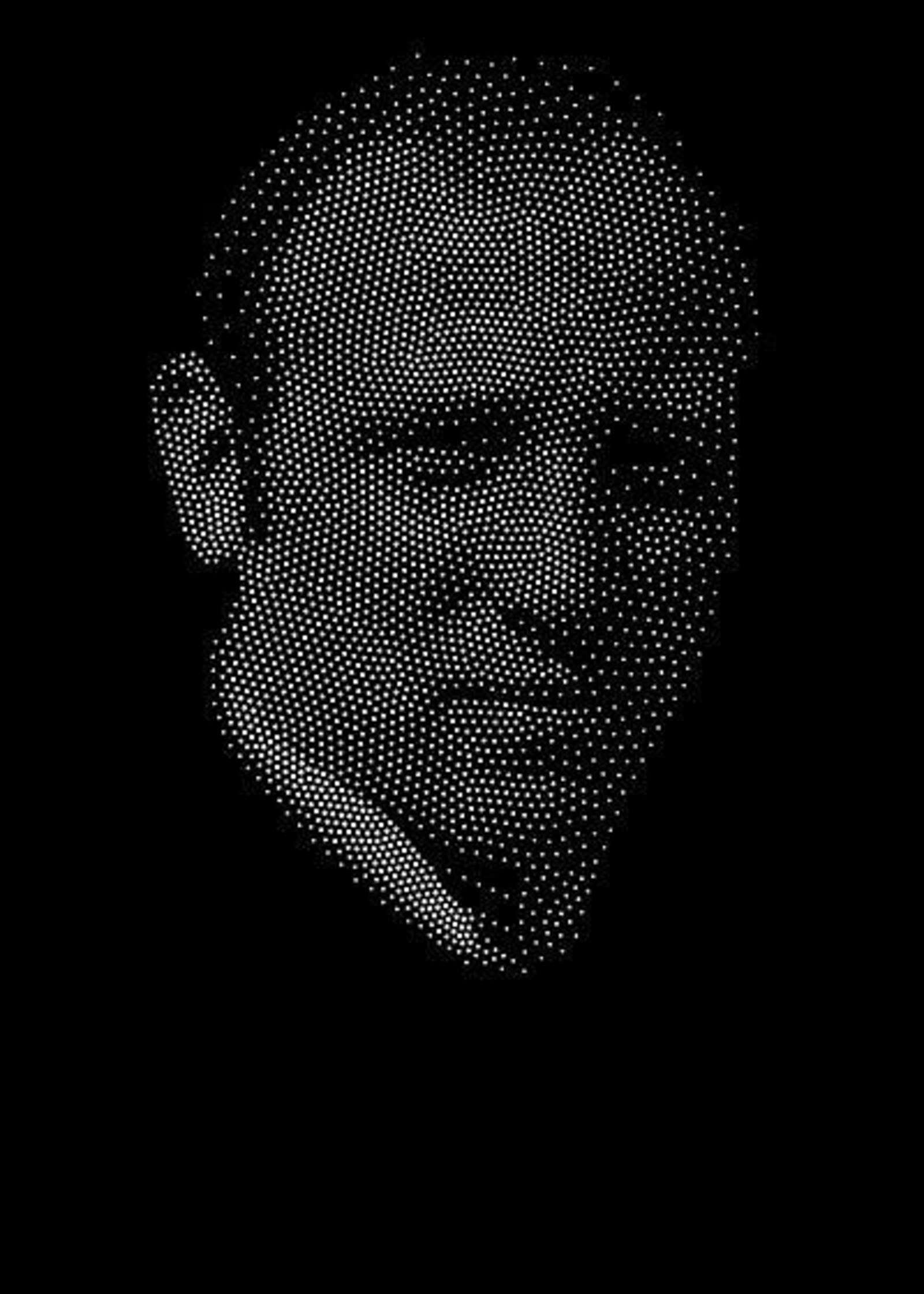
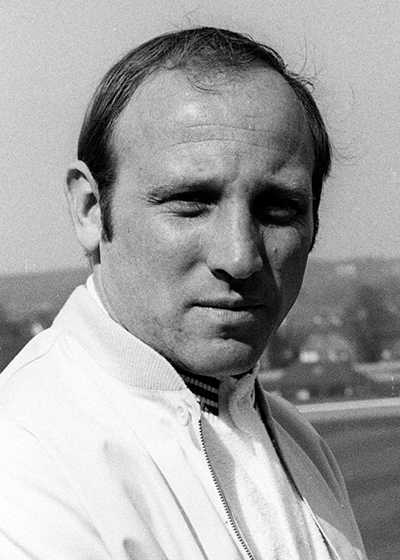
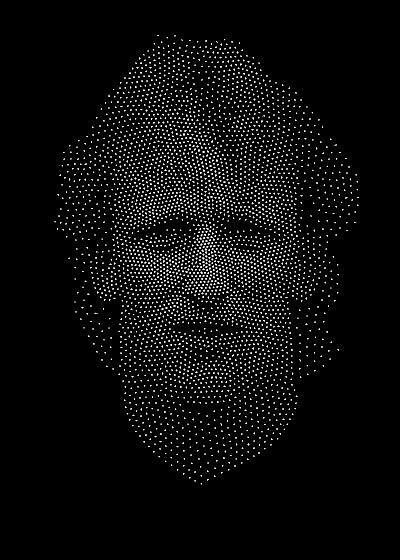
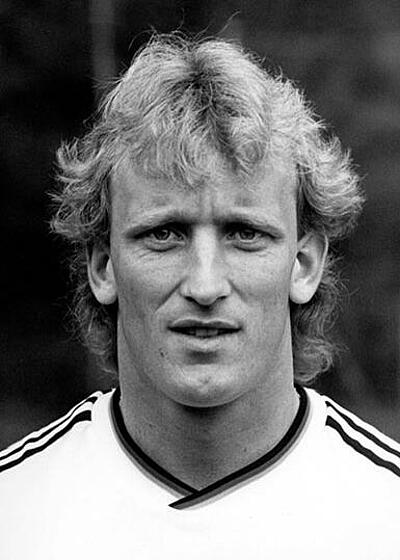
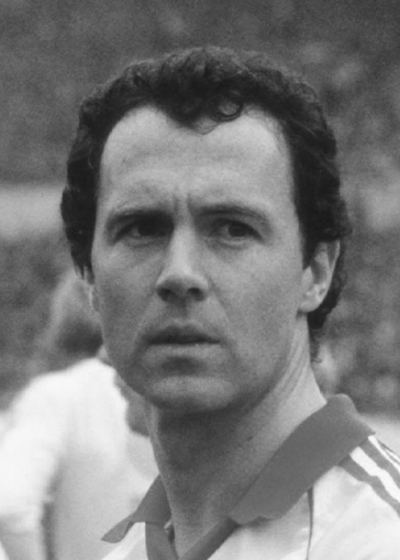
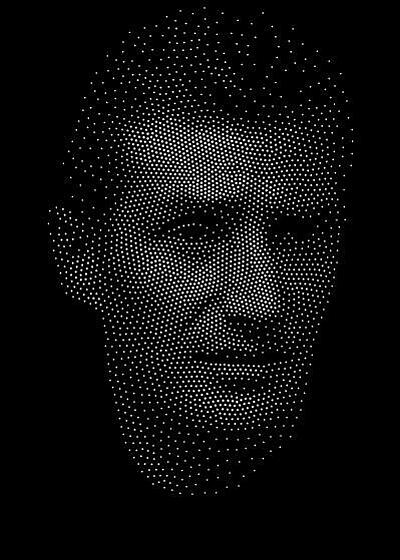
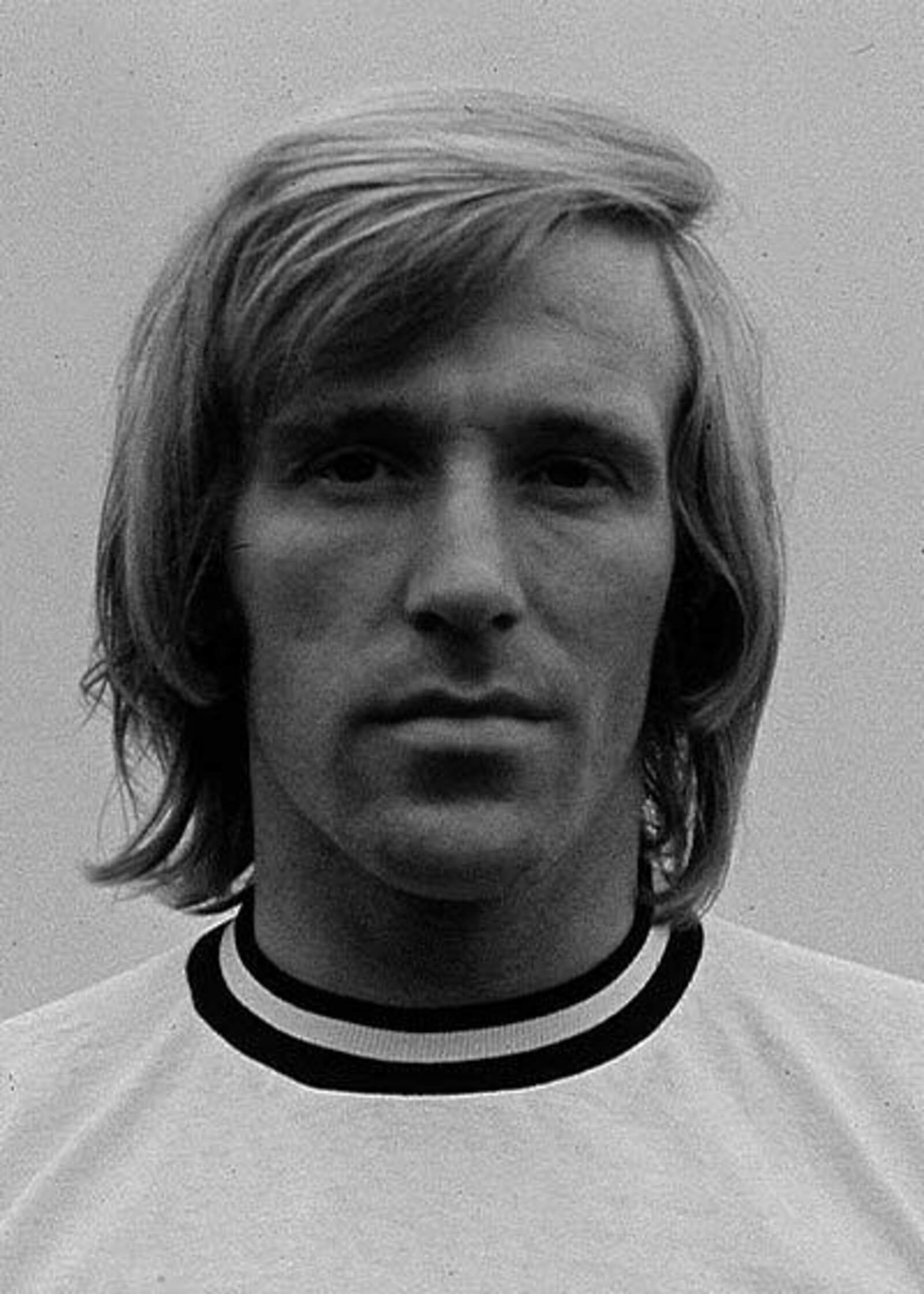
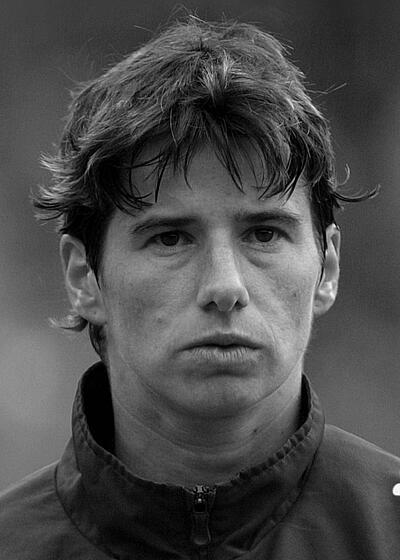
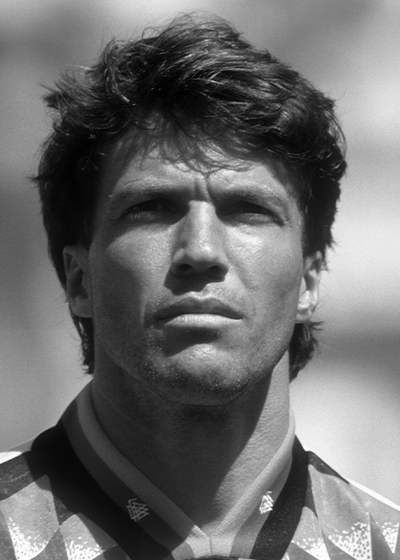
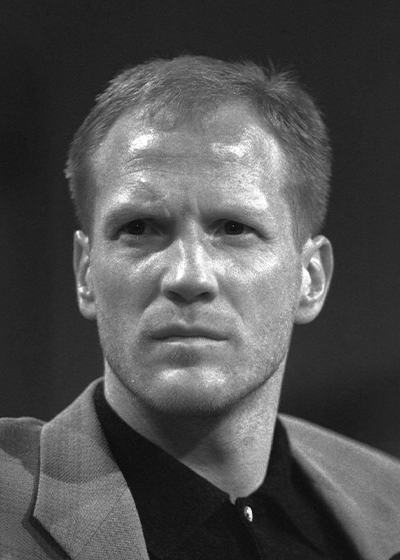
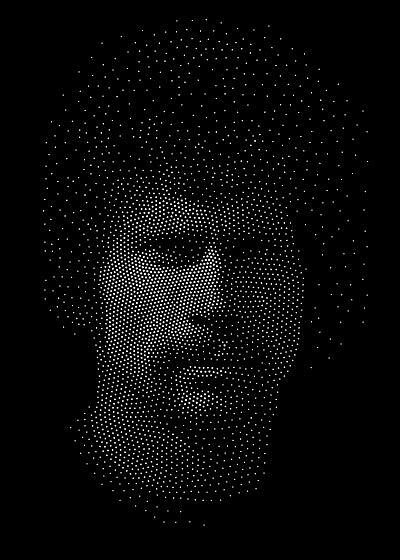
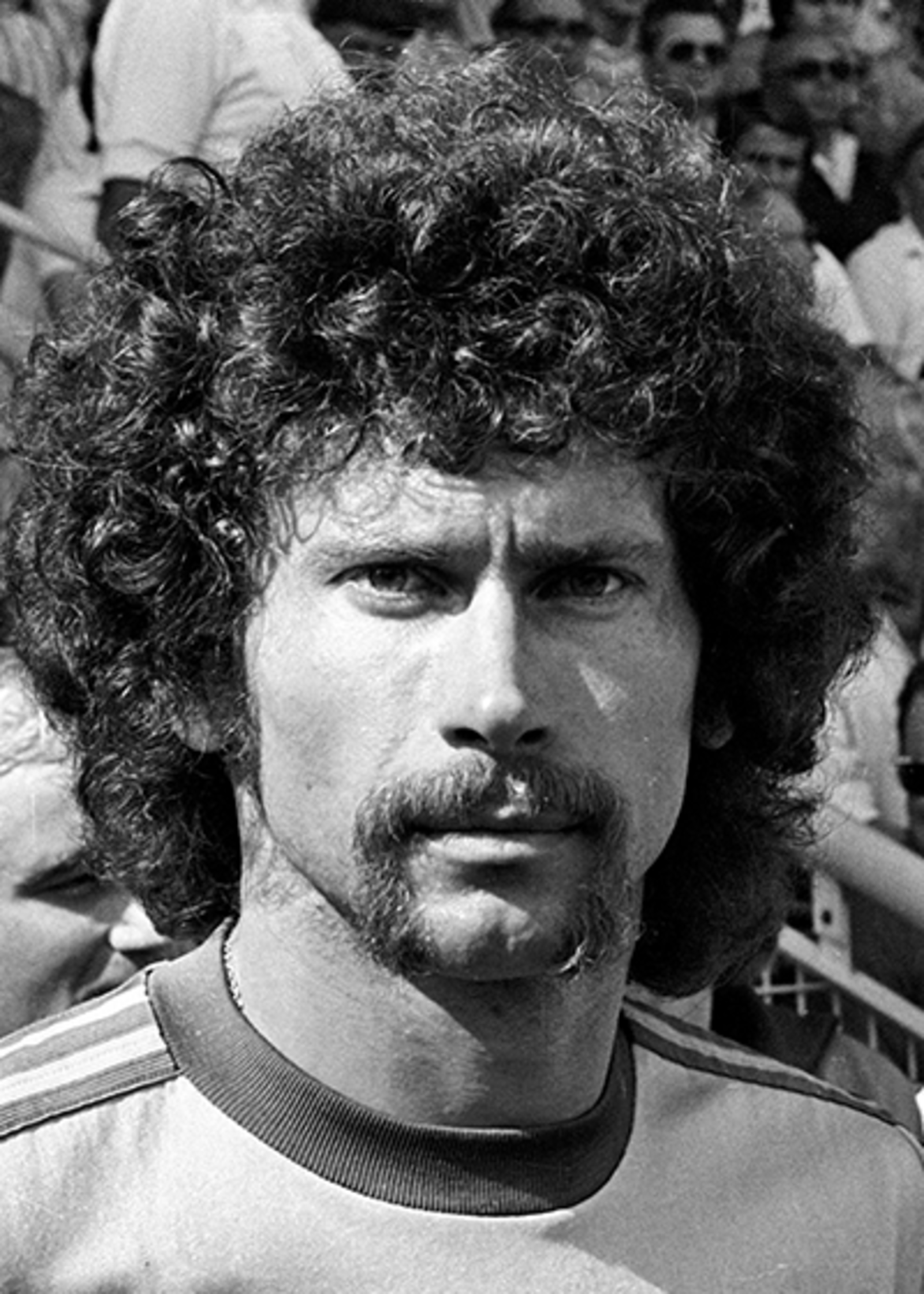
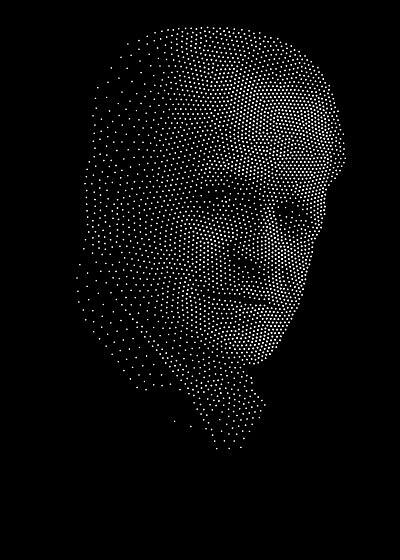
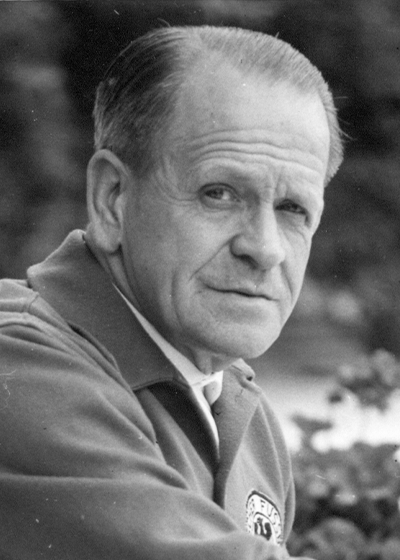
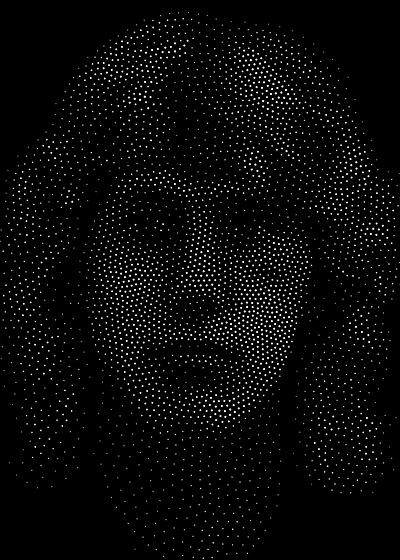
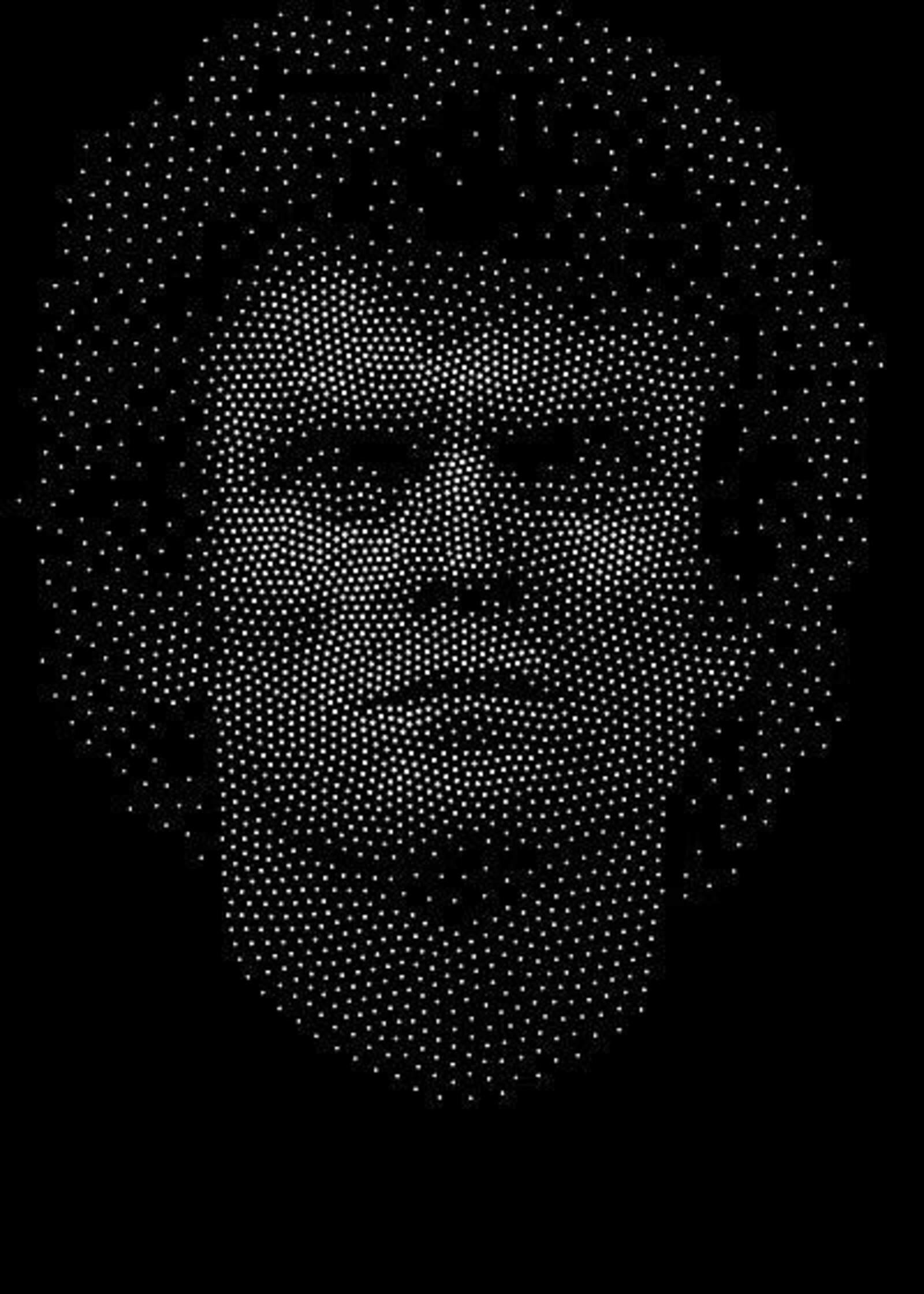
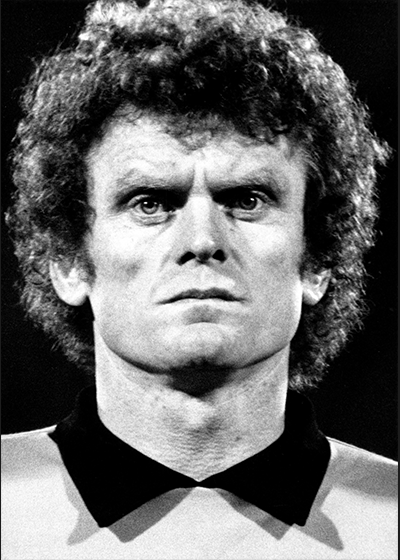
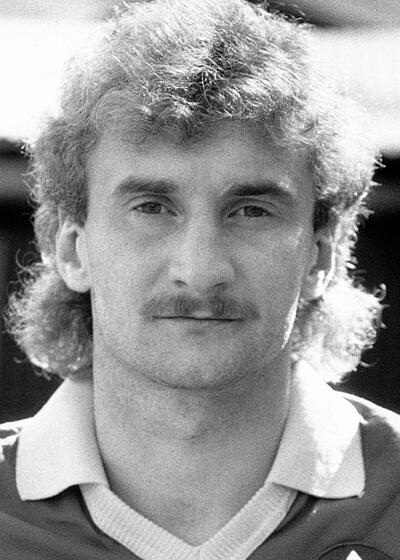
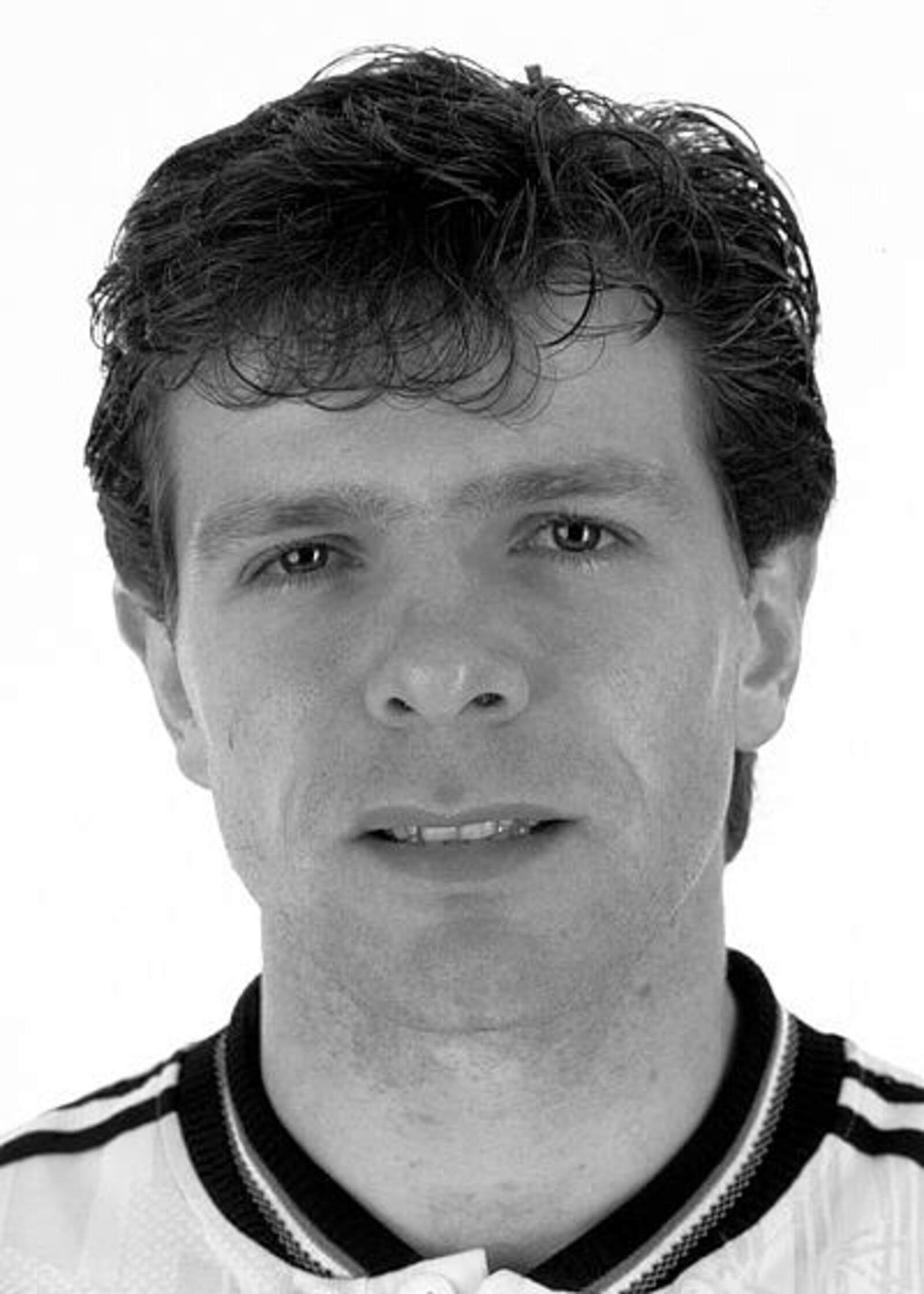
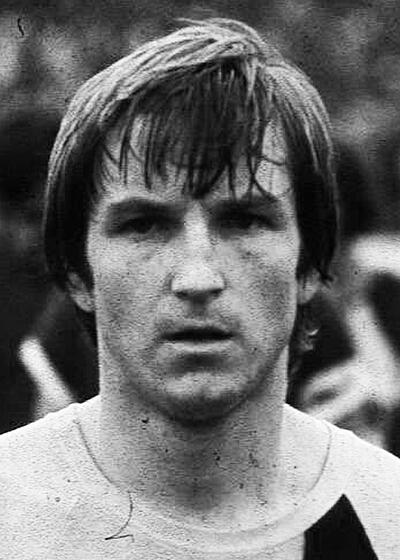
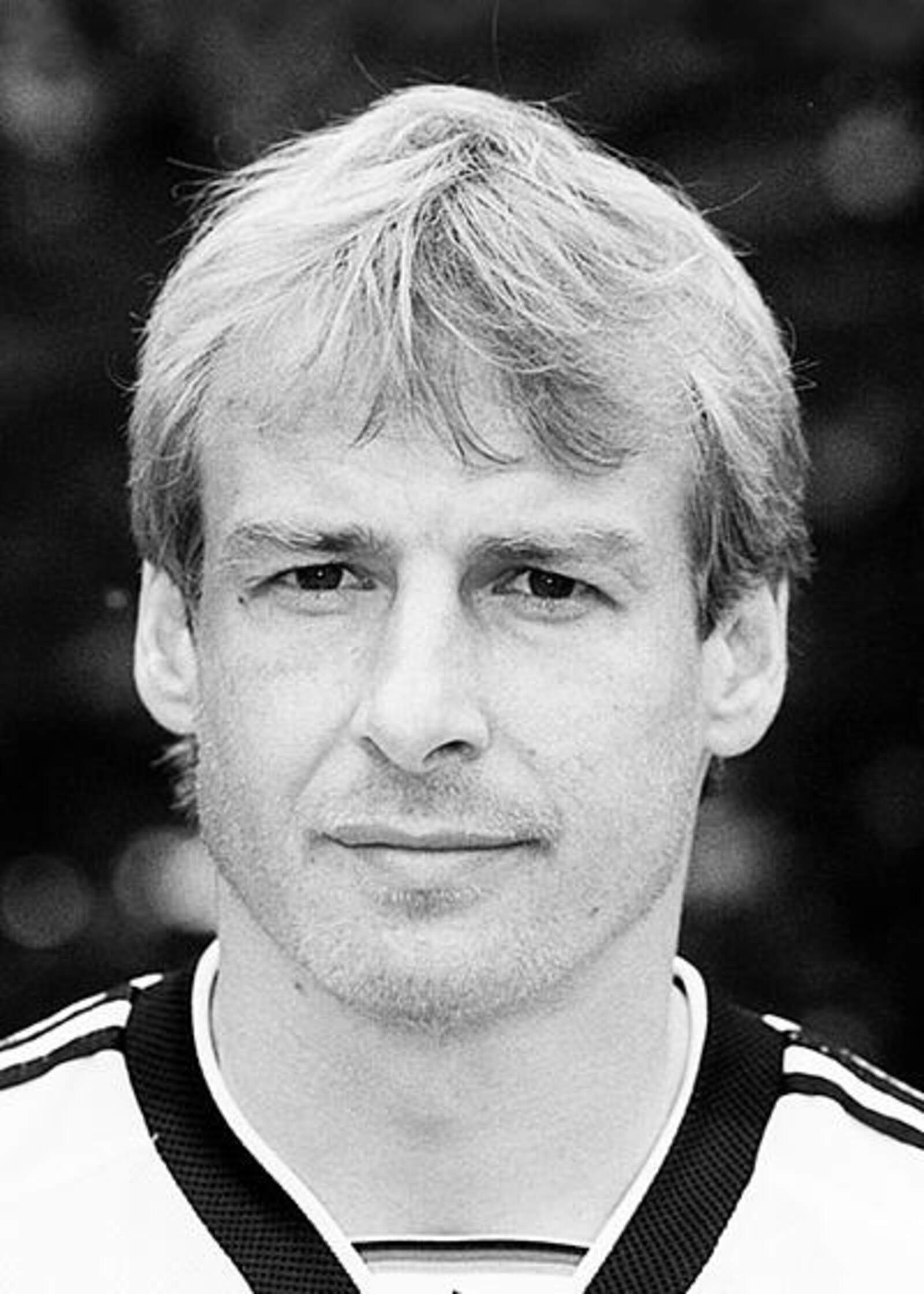
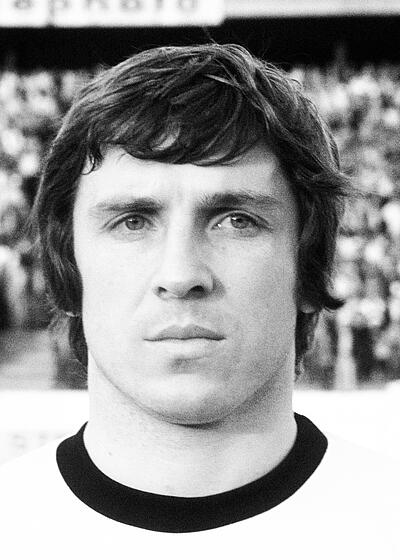
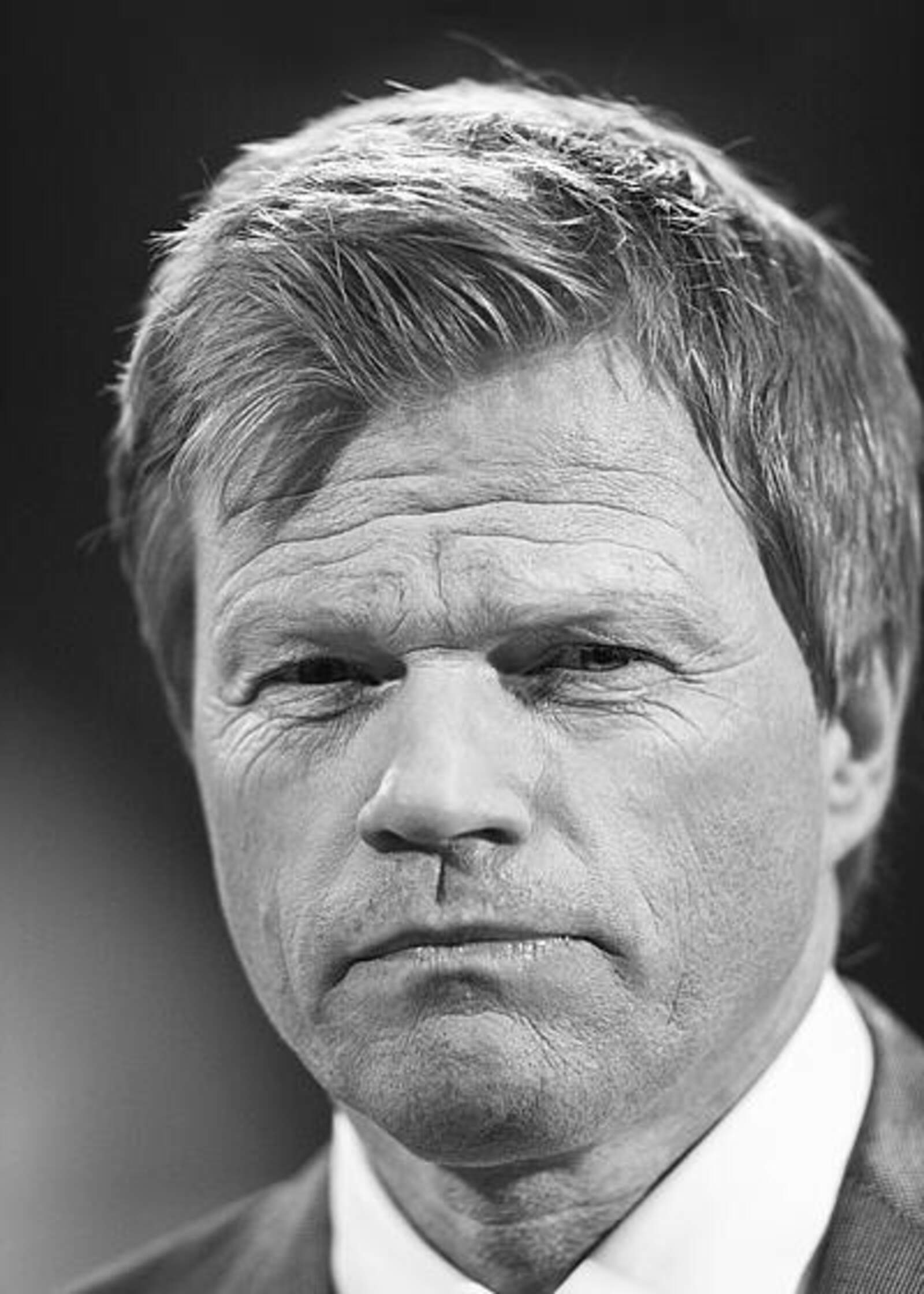
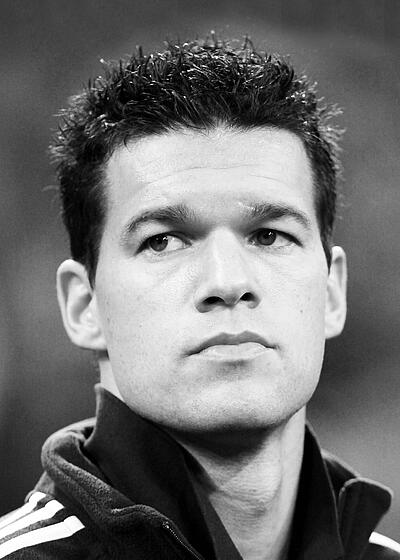
Matthias Sammer
5 September 1967, Dresden
Midfielder
Clubs as a player:
1985–1990 Dynamo Dresden
1990–1992 VfB Stuttgart
1992–1993 Inter Milan
1993–1998 Borussia Dortmund
Club:
102 appearances, 39 goals (GDR Oberliga)
; 178 appearances, 41 goals (Bundesliga)
; 11 appearances, 4 goals (Serie A, Italy)
Honours:
GDR Champions: 1989, 1990
GDR Cup Winners: 1990
German Champions: 1992, 1995, 1996
Intercontinental Cup winner: 1997
UEFA Champions League winner: 1997
National team:
23 appearances, 6 goals (GDR)
51 appearances, 8 goals (FRG)
European Champion: 1996
European Championship runner-up: 1992

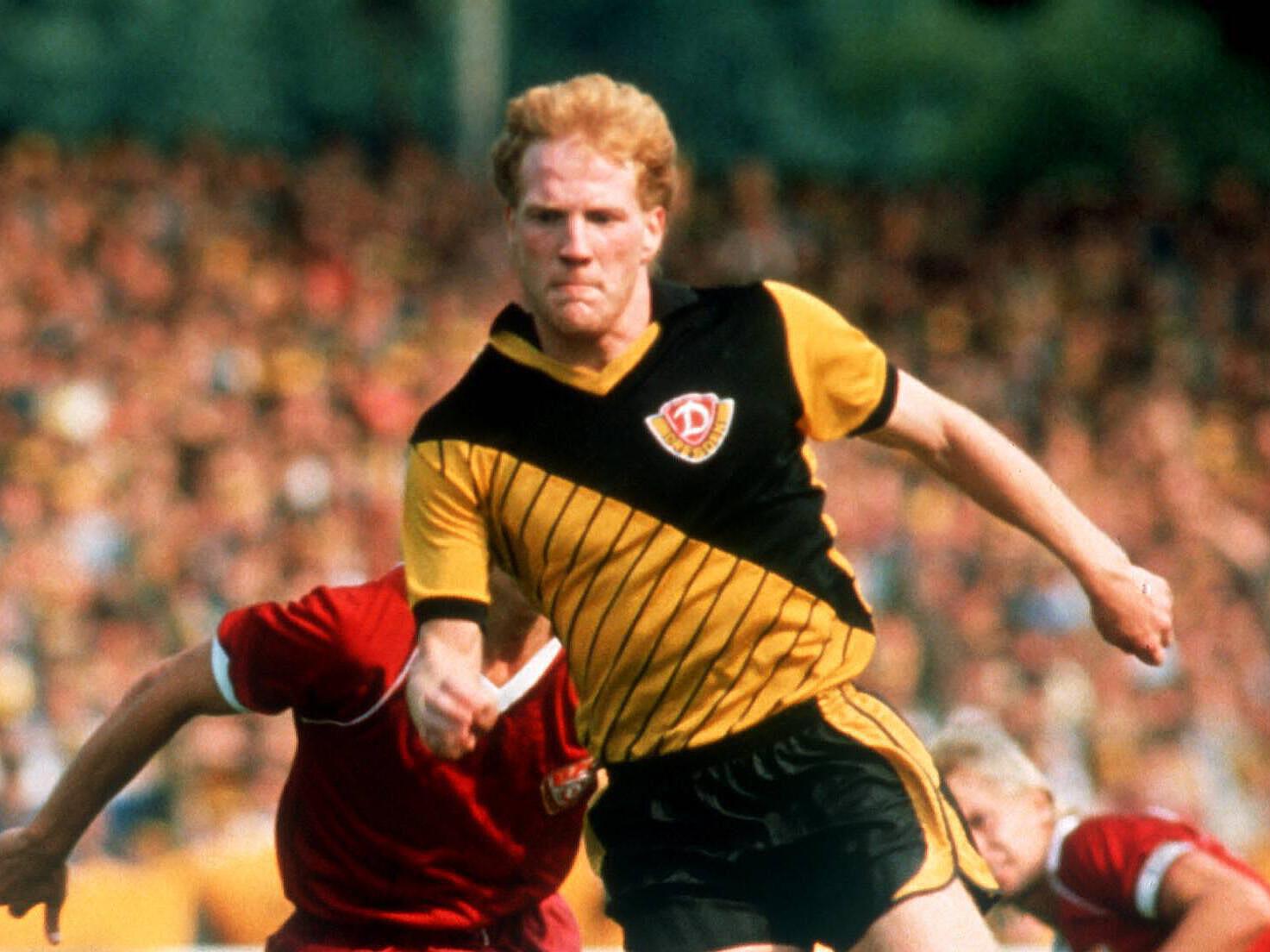

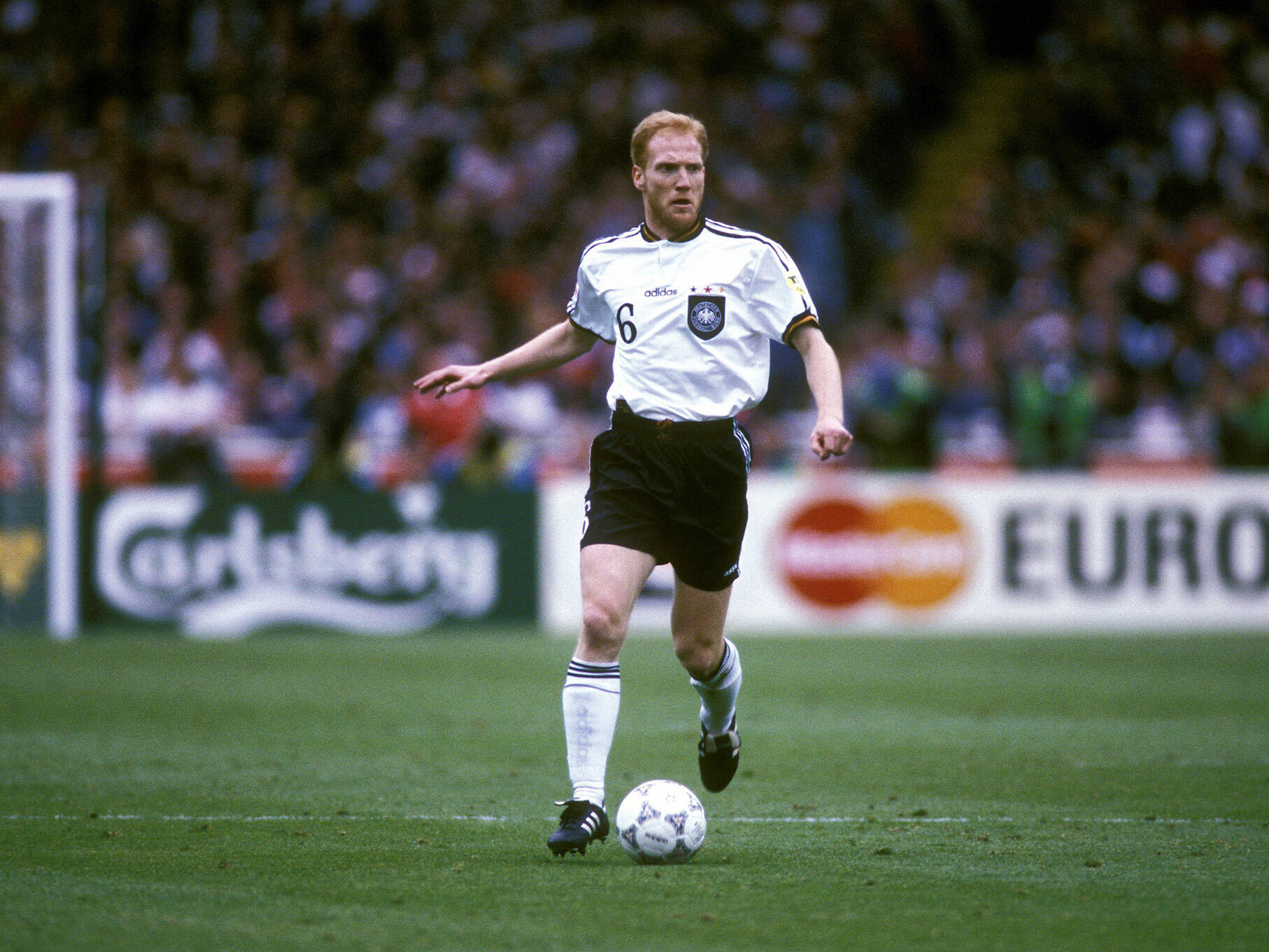
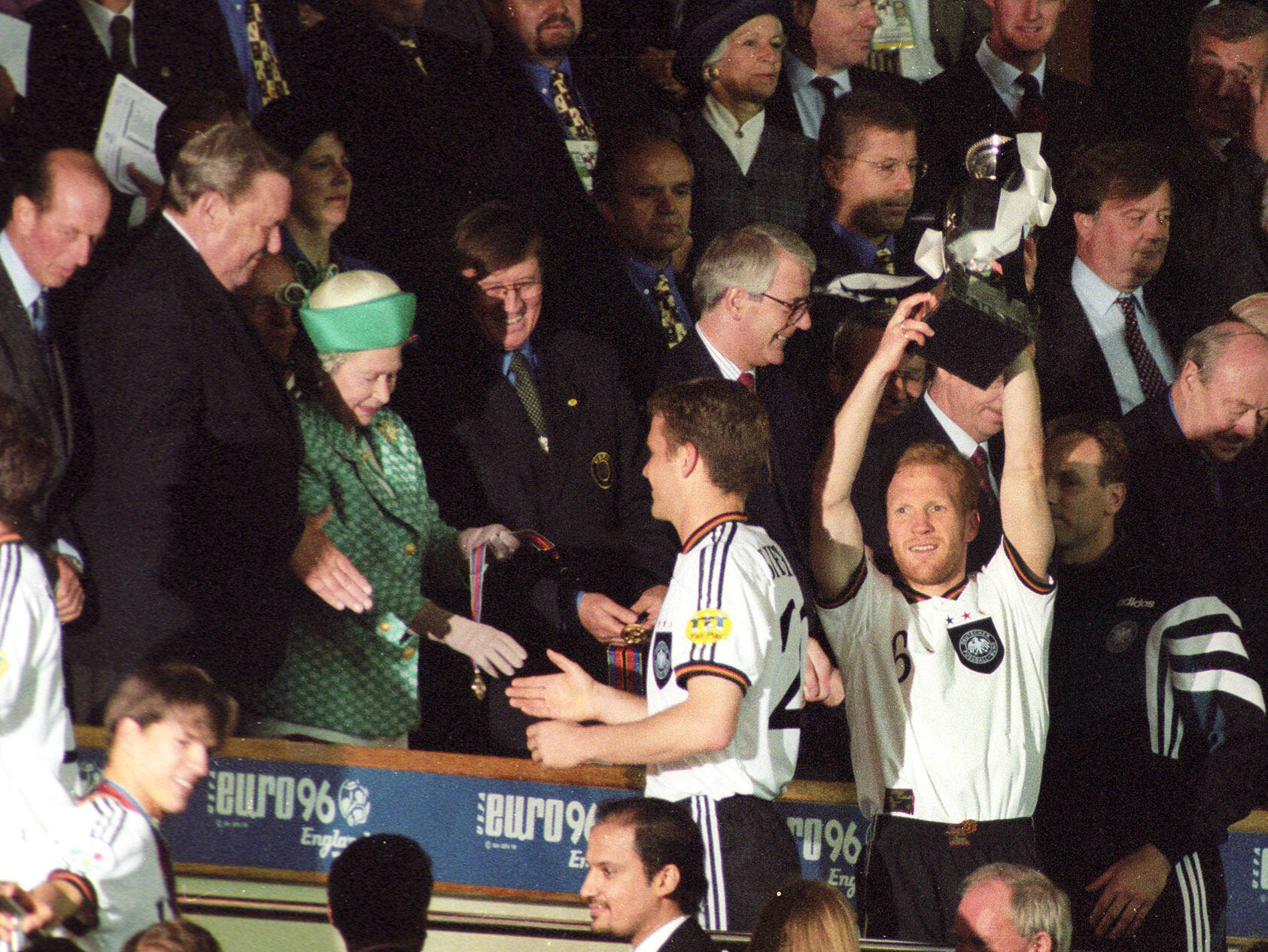
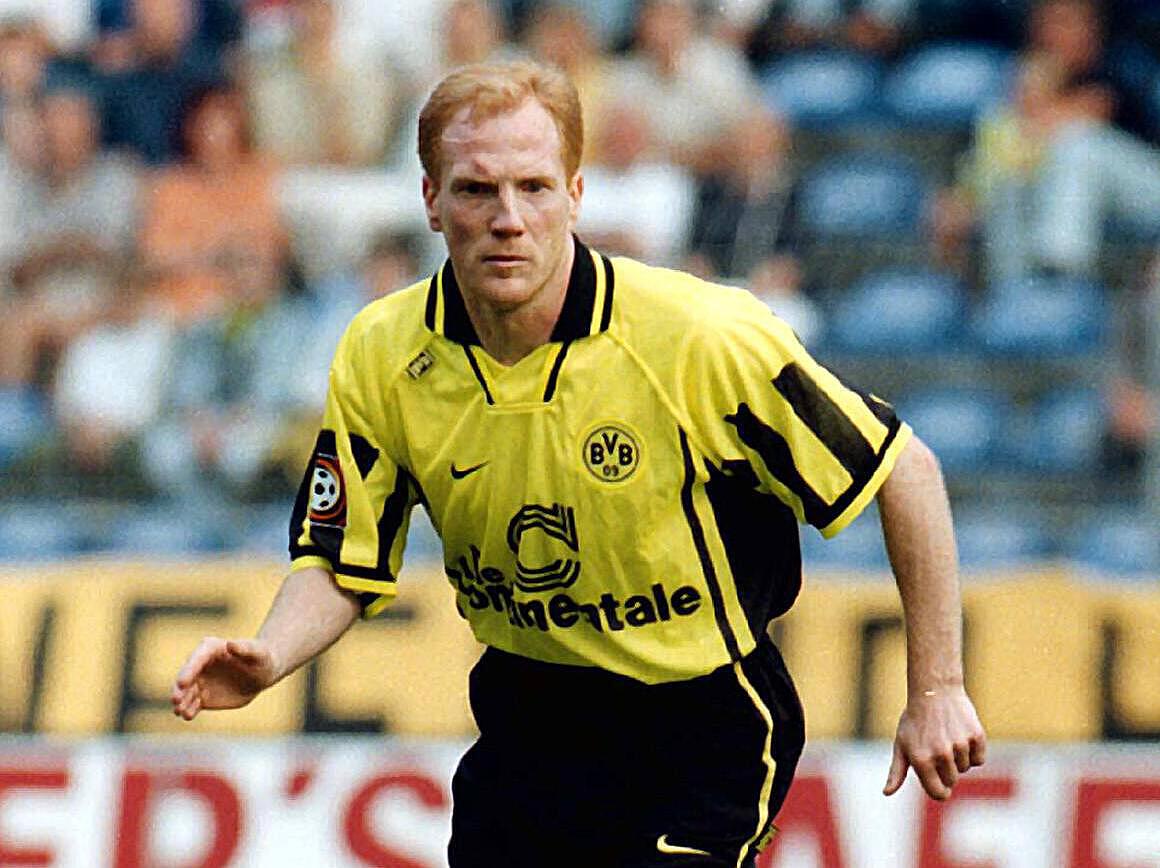
Championship-winning manager Ottmar Hitzfeld said of his protégé Sammer: “Matthias thinks like a manager.” In other words: he always kept his eye on the bigger picture. Even as a player. It was never enough for him simply to go through the motions. He gave thought to tactical details, held his team-mates to account to give their all at all times, faced up to journalists’ questions even during difficult periods, and always maintained a critical mind. Sammer didn’t put up with anything. This initially earned him the nickname ‘Motzki’, which stemmed not only from his combative nature but also alluded to his origins.
Having grown up in Dresden and developed into an exceptional talent there, he made his debut in 1985 as a 17-year-old in the top flight of the GDR and made his international debut just over a year later. He made history by scoring two goals in the GDR national team’s final international match, a 2–0 away win against Belgium.
Following reunification, he seamlessly continued his career with the national team. After his first spell in the Bundesliga with VfB Stuttgart and a brief stint at Inter Milan, he developed into one of the most influential figures in German football of the 1990s whilst at Borussia Dortmund. Between 1992 and 1997, he won the German league title three times, the UEFA Champions League and the Intercontinental Cup, and claimed the European Championship title with the national team. In 1996, he became the last German player to date to be named European Footballer of the Year.
An irreparable knee injury resulting from a bacterial infection brought his playing career to a premature end. The fact that he had always thought like a manager soon stood him in good stead. In 2002, whilst at BVB, he became the youngest manager to win the Bundesliga title in the league’s history.
(Copy 2)
The German Football Hall of Fame was established on the initiative of the German Football Museum. In November 2018 and January 2019, leading sports journalists voted for the inaugural men’s and women’s teams. The jury members were asked to nominate their choice of players and managers from German men’s and women’s football. Players who were eligible to play for German national teams and whose playing careers had ended at least five years previously were eligible for nomination. The HALL OF FAME honours the greatest legends of German football in one central location for the first time. It forms part of the permanent exhibition at the German Football Museum in Dortmund. Opened on 1 April 2019, it has become a permanent place of pilgrimage for all football fans. The jury decides annually on further inductees from men’s and women’s football.