EN
 DE


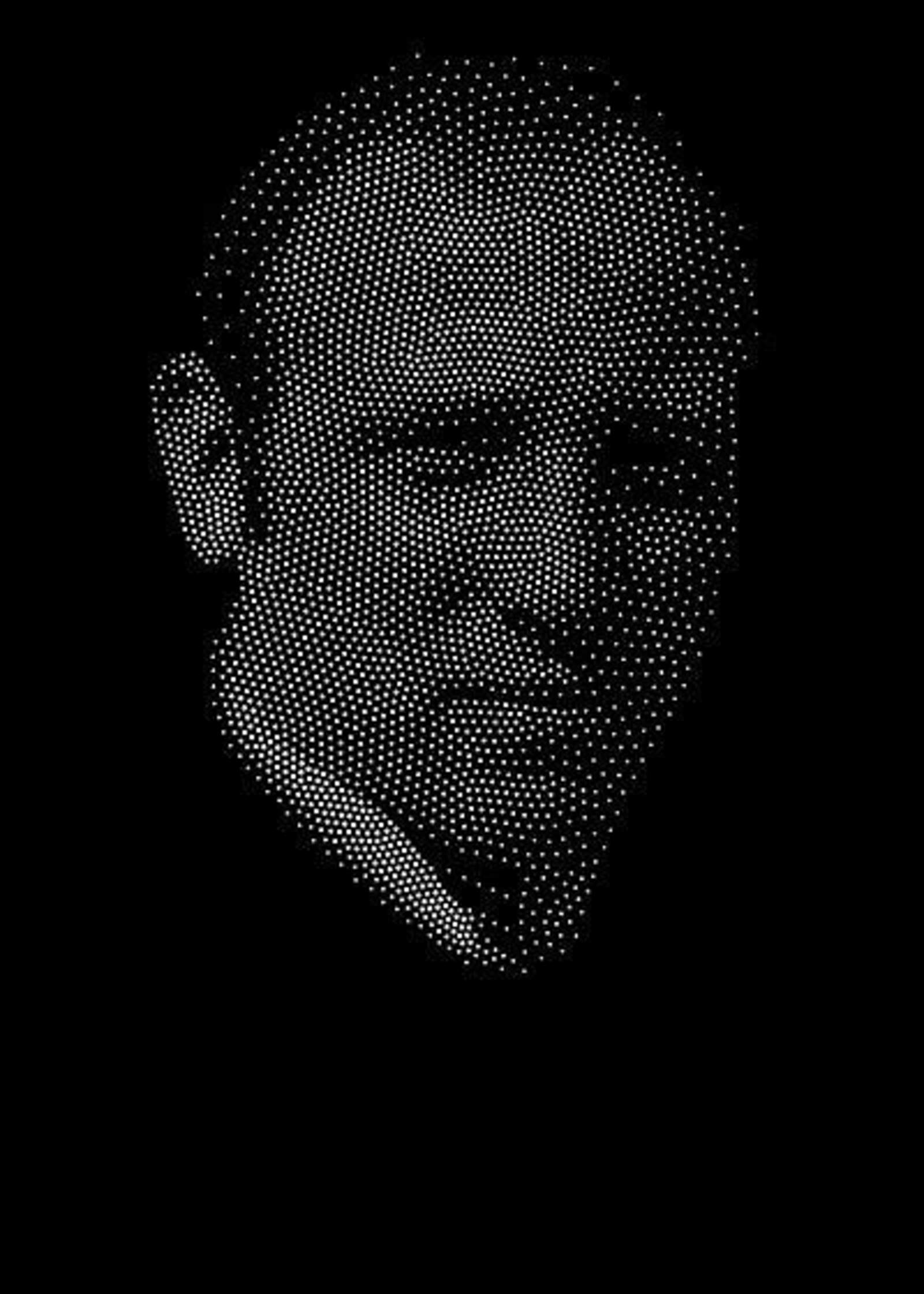
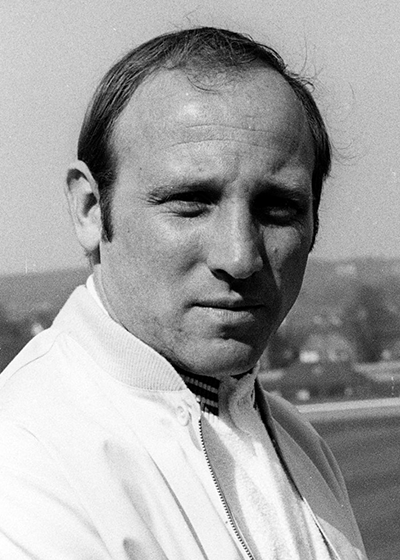
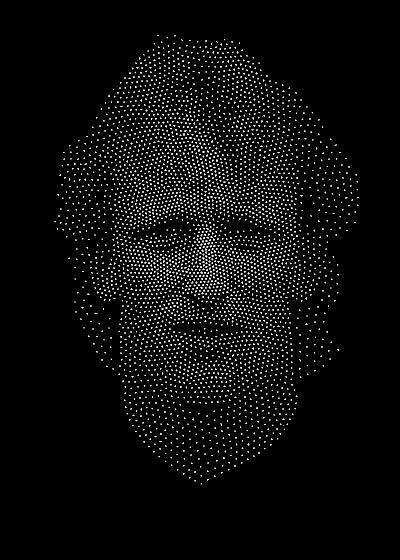
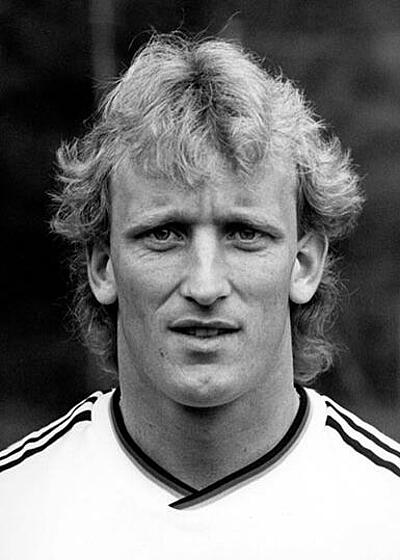
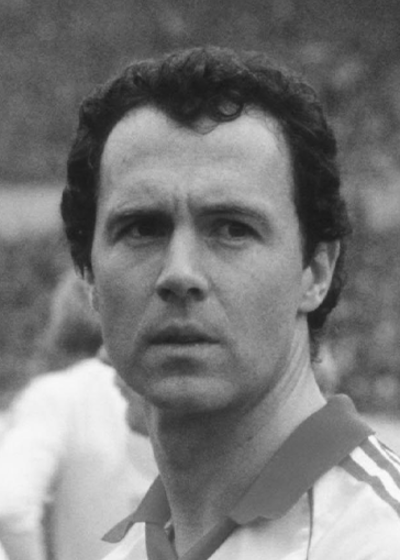
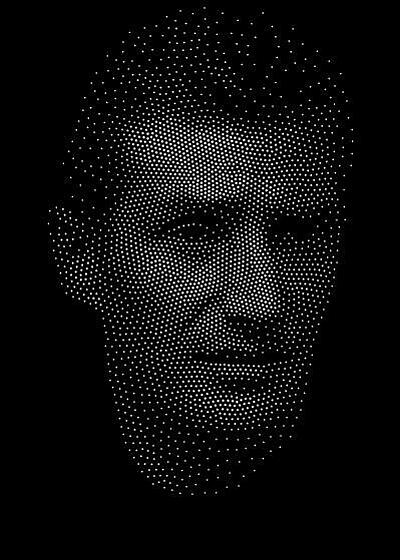
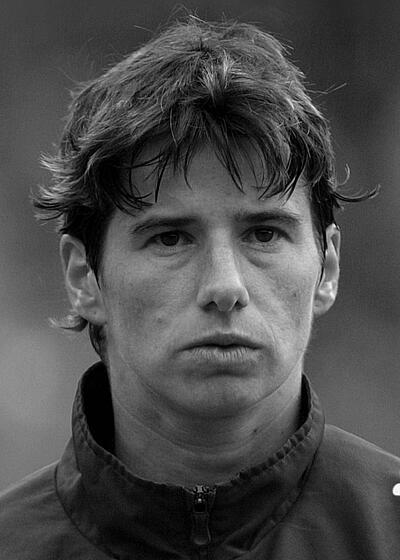
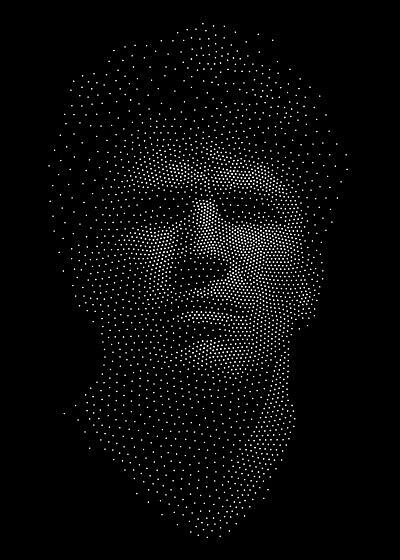
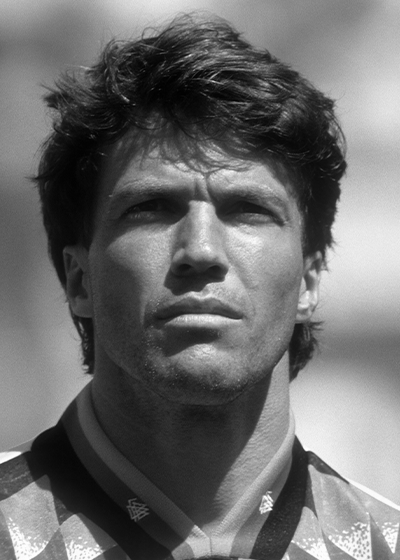
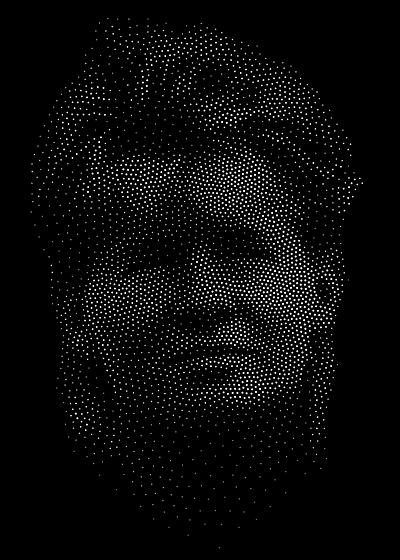
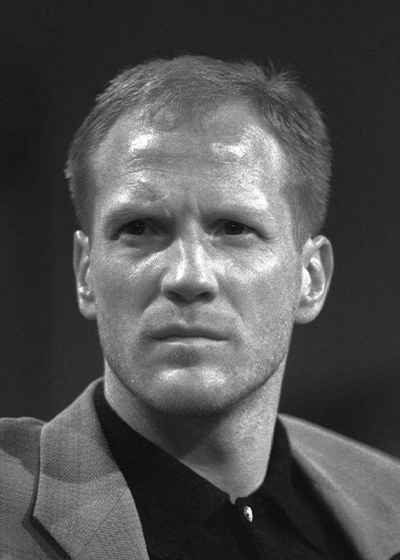
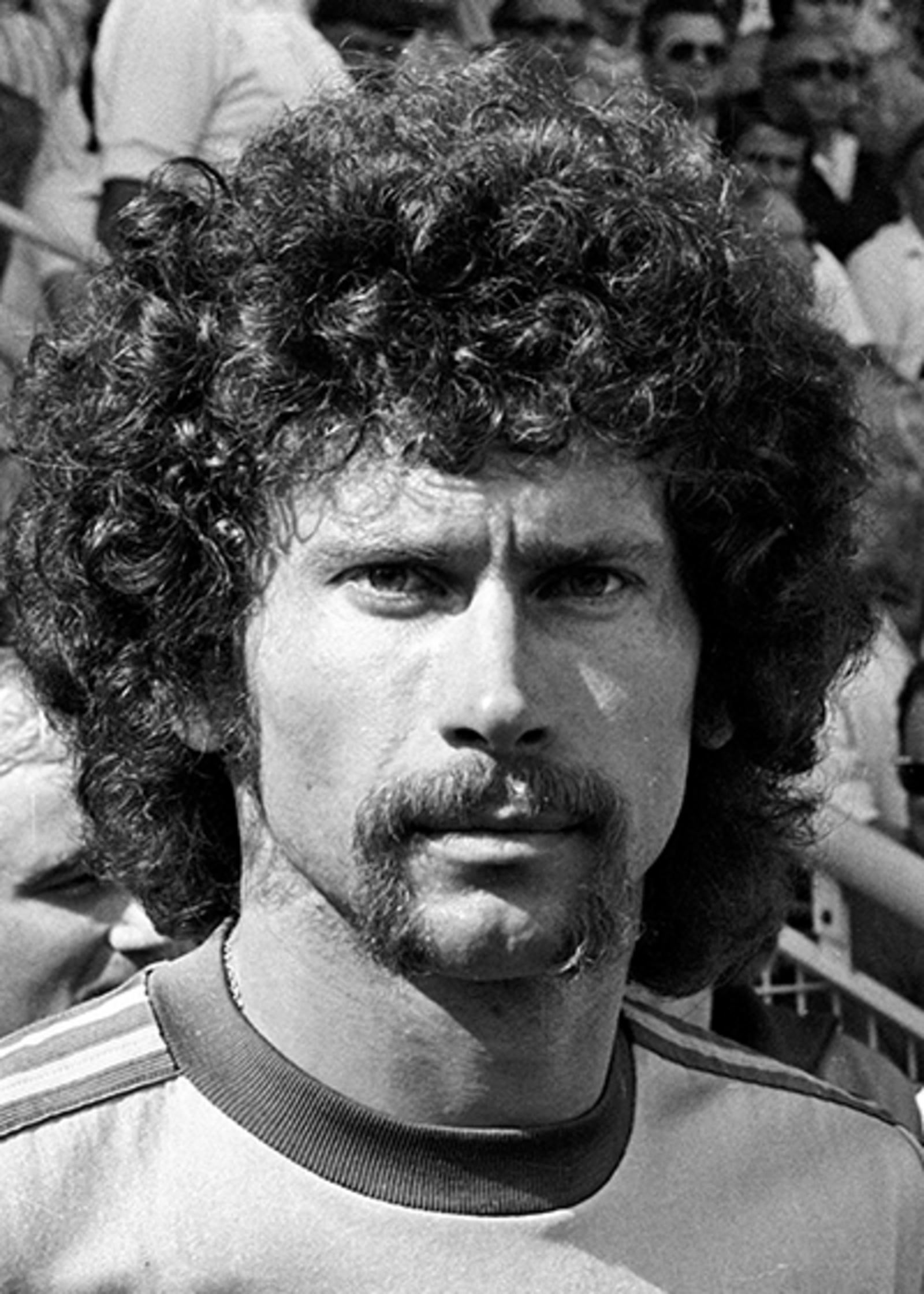
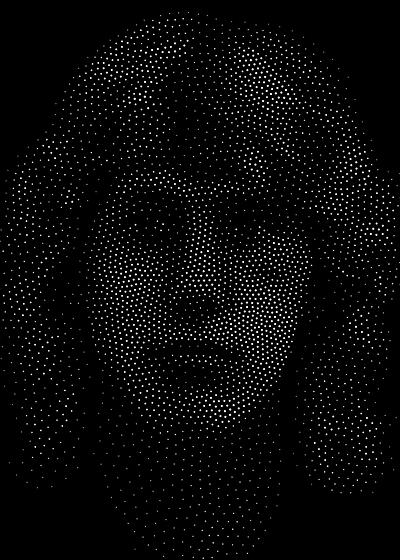
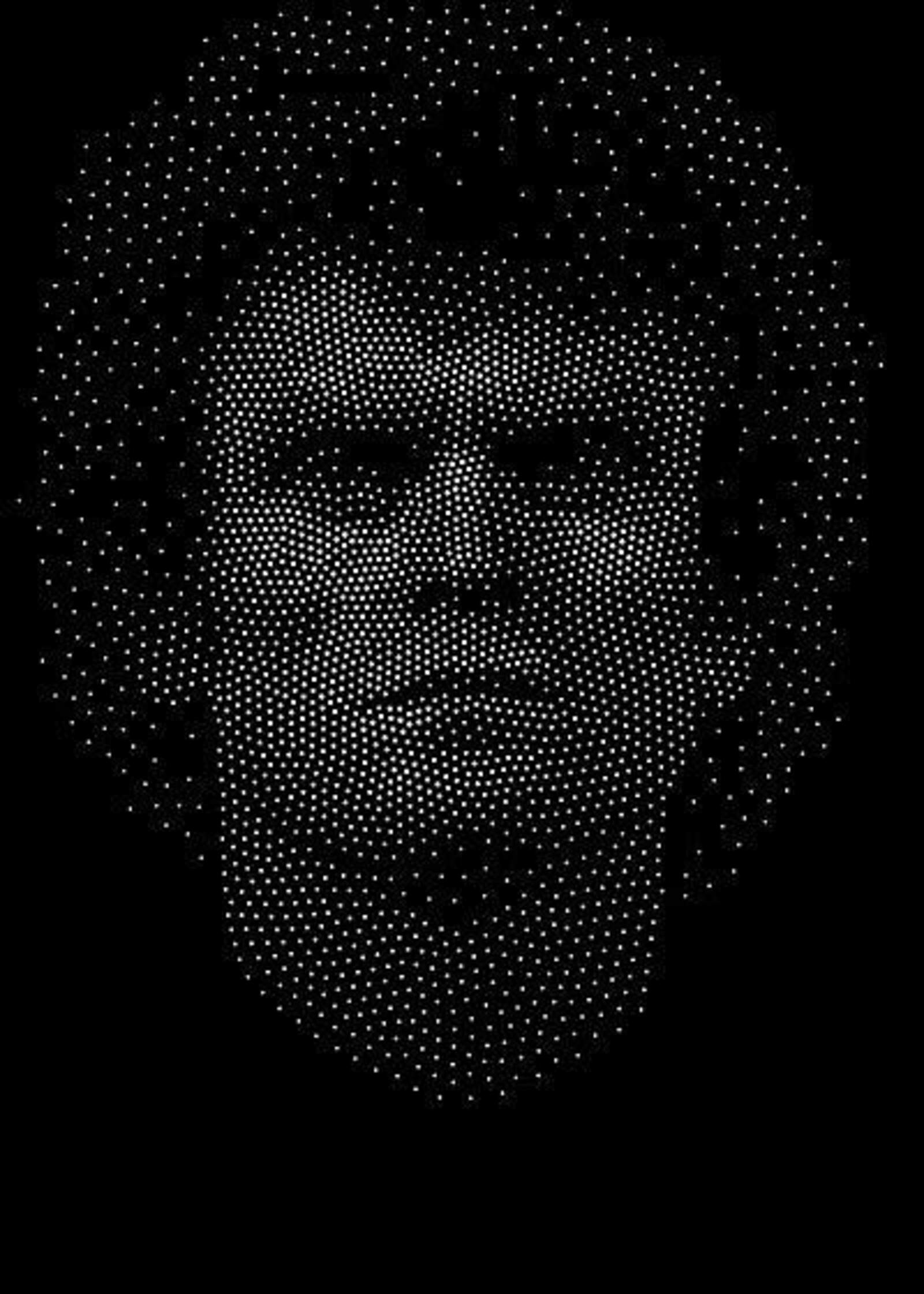
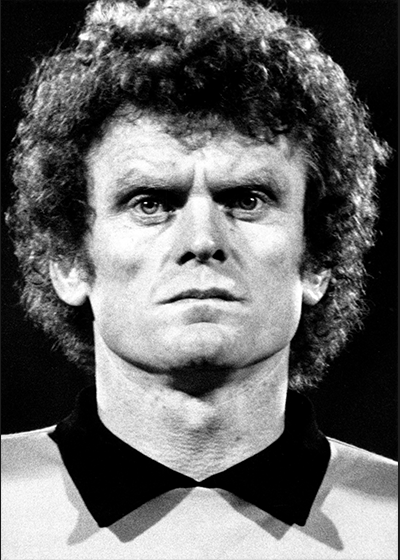
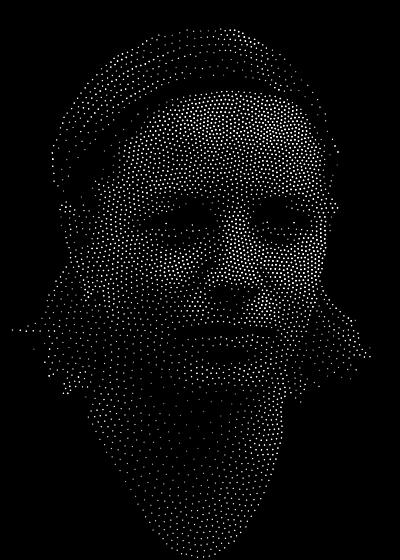
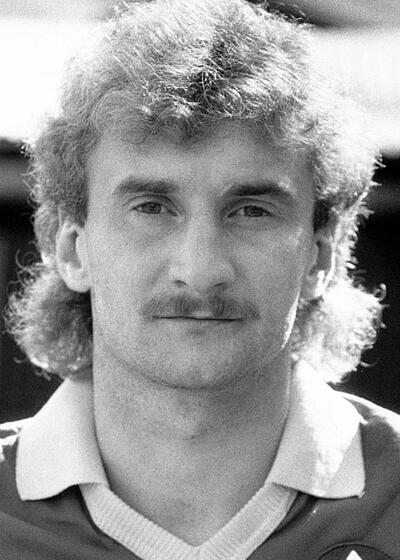
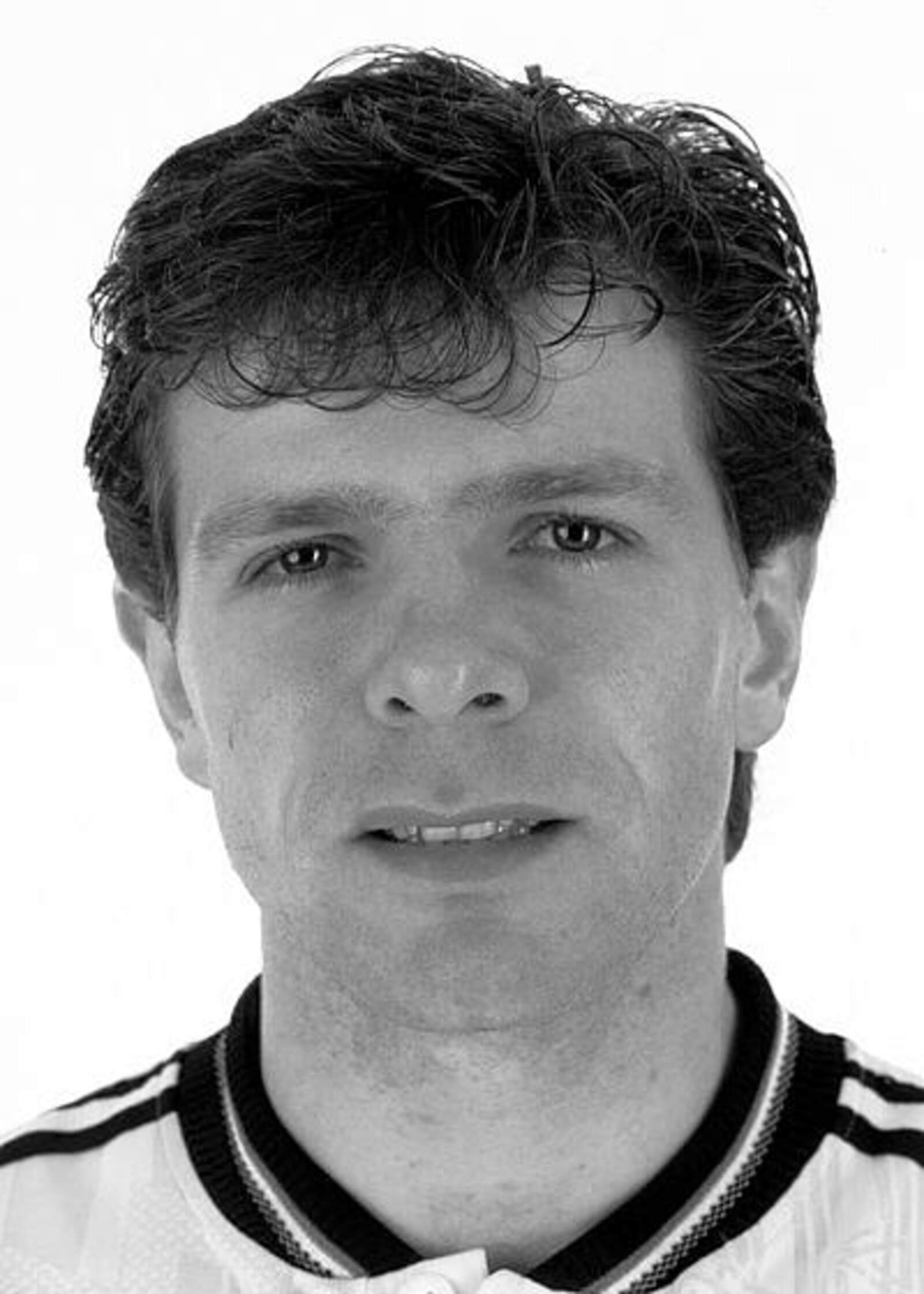
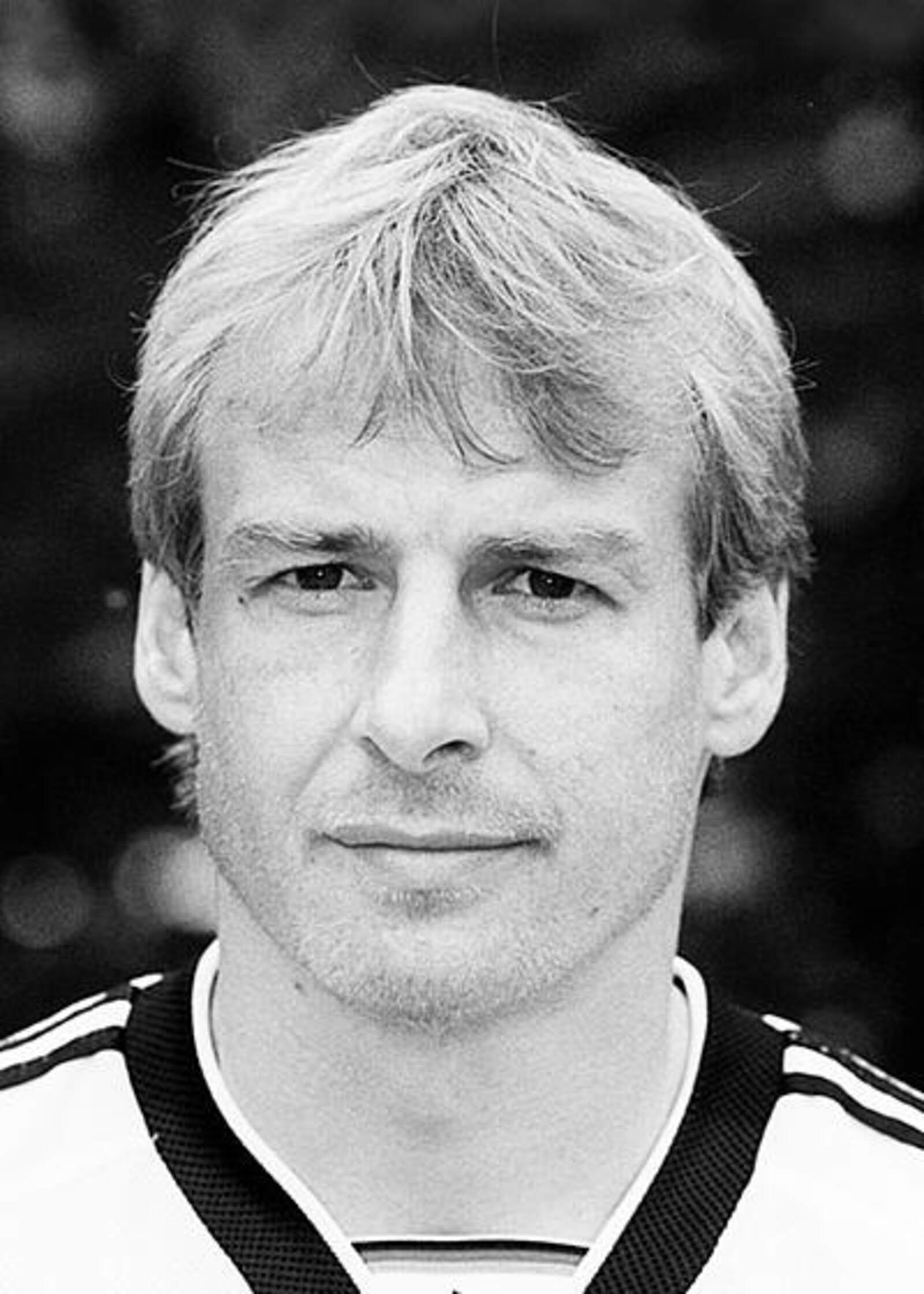
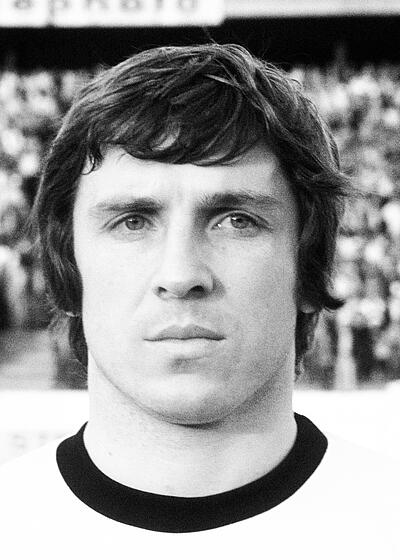
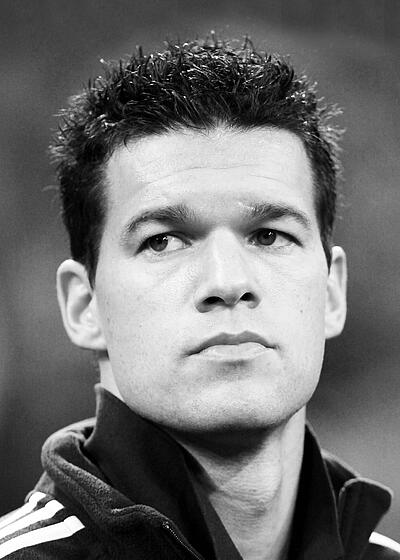
Miroslav Klose
*9 June 1978, Opole (Poland)
Forward
Clubs as a player:
1997–1998 SG Blaubach-Diedelkopf 1998–1999
FC 08 Homburg
1999–2004 1. FC Kaiserslautern
2004–2007 Werder Bremen
2007–2011 FC Bayern Munich
2011–2016 Lazio Rome
Club:
307 appearances, 121 goals (Bundesliga)
; 171 appearances, 63 goals (Serie A, Italy)
Honours:
German League Champion: 2008, 2010
German Cup winner: 2008, 2010
Italian Cup winner: 2013
National team:
137 matches, 71 goals
World Champion: 2014
; World Cup runner-up: 2002
; World Cup third place: 2006, 2010
; European Championship runner-up: 2008
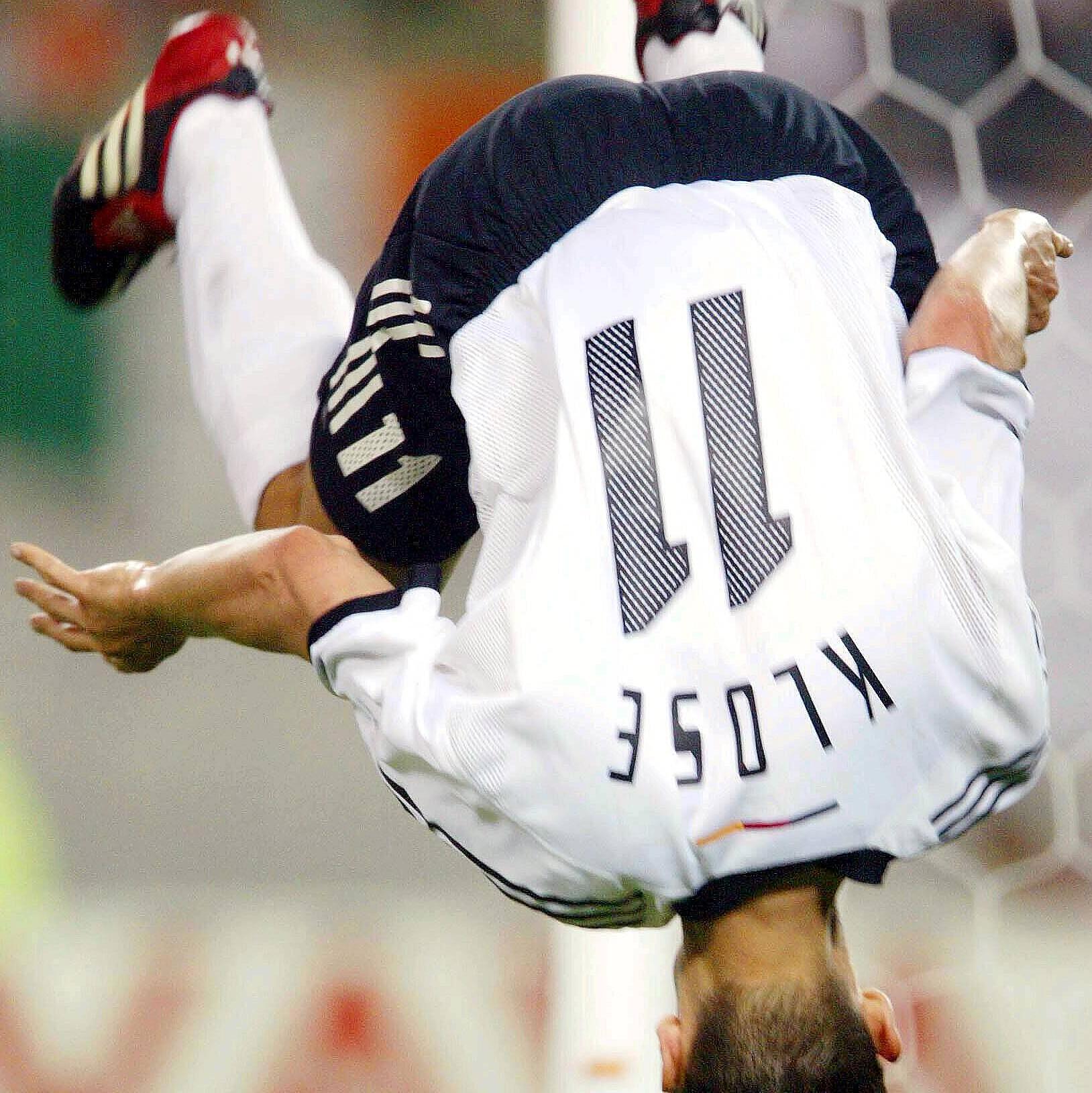
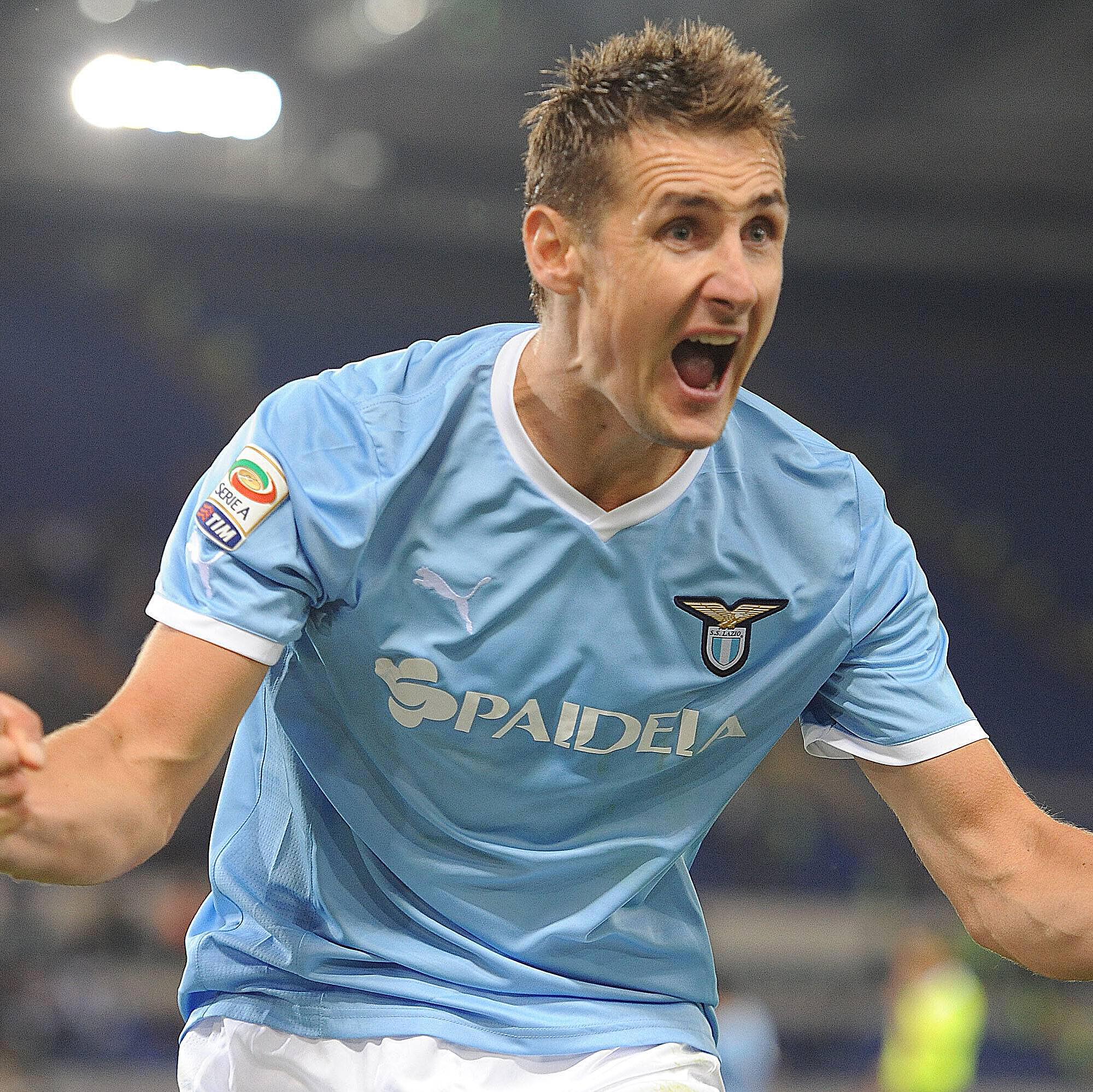
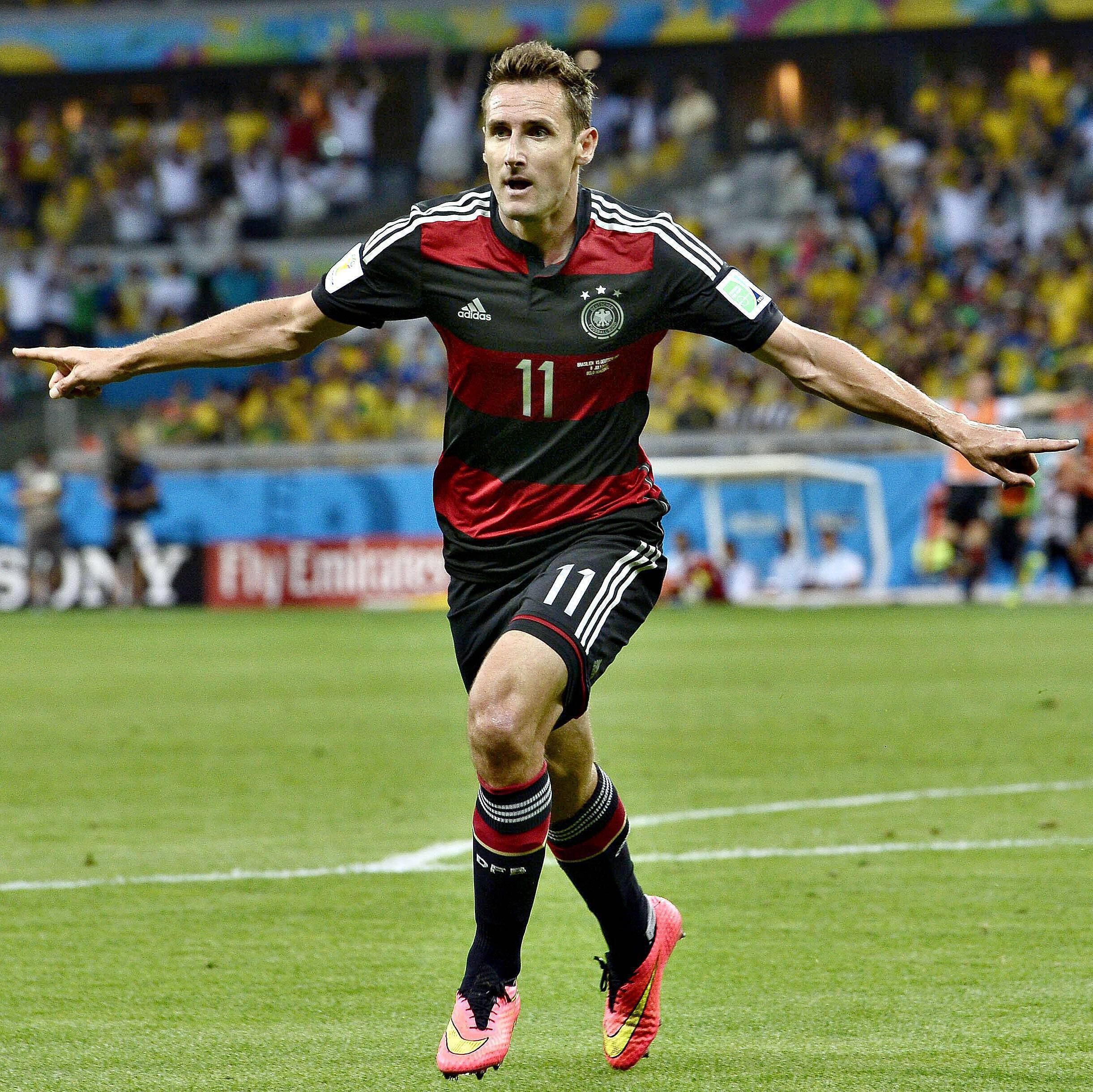

Miroslav Klose’s career is exceptional not only because of his outstanding achievements. He is the only member of the 2014 World Cup-winning squad who did not come through any of the Bundesliga’s youth academies as a teenager, nor did he ever play for a junior national team. Klose spent his first season in senior football in the Bezirksliga playing for SG Blaubach-Diedelkopf. It was only after that that his meteoric rise began. After a season with FC Homburg, the Polish-born player worked his way up through the U23 team of 1. FC Kaiserslautern into their first-team squad. Thanks to his goal-scoring prowess, he quickly caught the eye of the German national team, for whom he made a sensational debut. In March 2001, he came on as a substitute in the 72nd minute of the World Cup qualifier against Albania and secured victory for his team three minutes before the final whistle with the goal that made it 2–1. At the 2002 World Cup, the heading specialist scored a hat-trick in the opening match against Saudi Arabia and, with a total of five goals, became the tournament’s top scorer, playing a key role in the team’s run to the World Cup final. Miro Klose and the national team – this partnership was to prove a perfect fit in the years that followed. When Klose retired from the national team in 2014 following the World Cup, he had scored his 16th World Cup goal in the semi-final – the legendary 7–1 victory over hosts Brazil – to become the tournament’s all-time leading goalscorer. In 137 international appearances – the second-highest total after Lothar Matthäus – he scored 71 goals. This also makes Klose the German national team’s all-time leading goalscorer. In four World Cup campaigns, he finished third twice, second once and, finally, as World Champion.
The German Football Hall of Fame was established on the initiative of the German Football Museum. In November 2018 and January 2019, leading sports journalists voted for the inaugural men’s and women’s teams. The jury members were asked to nominate their choice of players and managers from German men’s and women’s football. Players who were eligible to play for German national teams and whose playing careers had ended at least five years previously were eligible for nomination. The HALL OF FAME honours the greatest legends of German football in one central location for the first time. It forms part of the permanent exhibition at the German Football Museum in Dortmund. Opened on 1 April 2019, it has become a permanent place of pilgrimage for all football fans. The jury decides annually on further inductees from men’s and women’s football.