EN
EN
 DE
DE

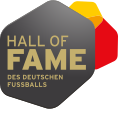
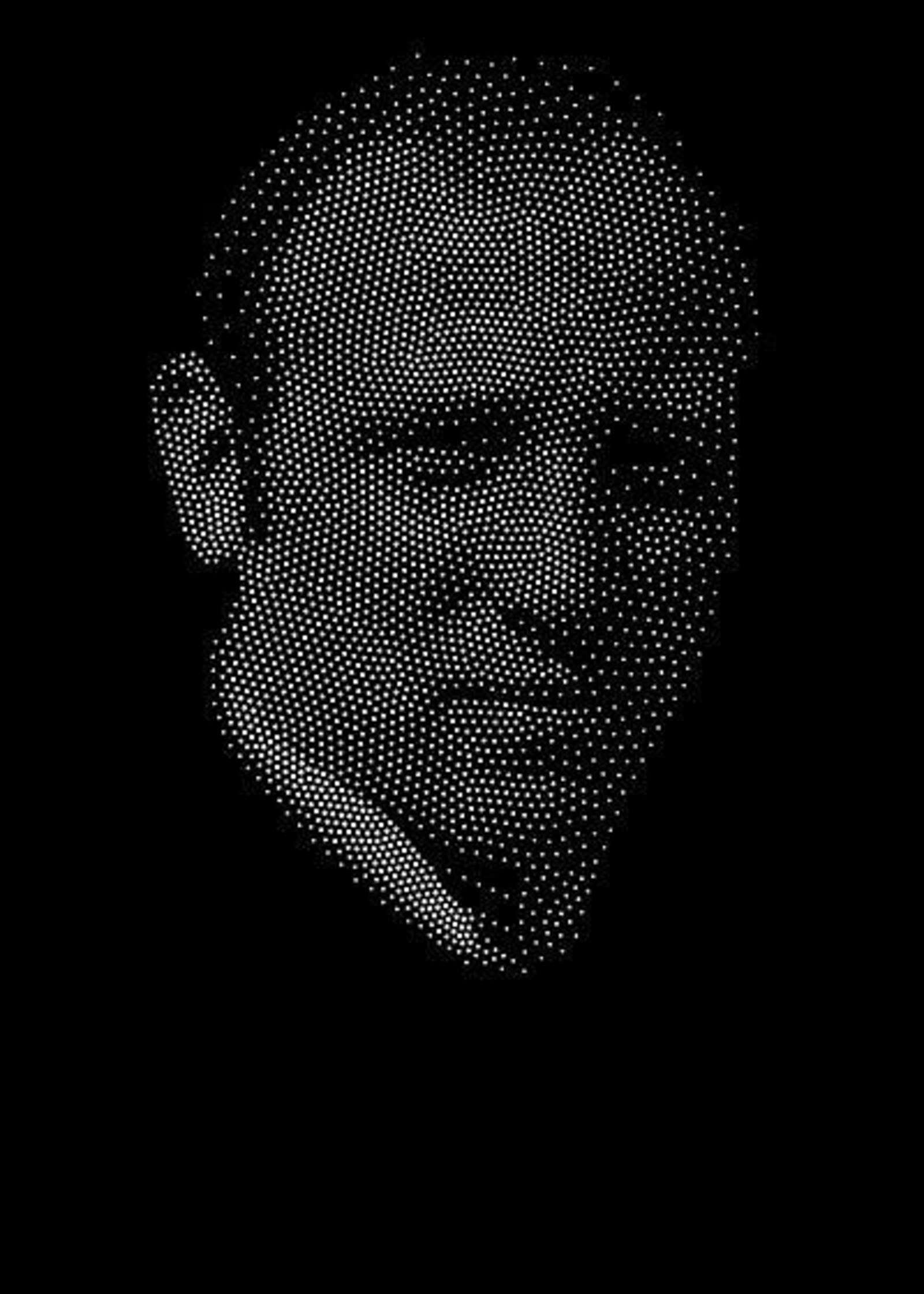
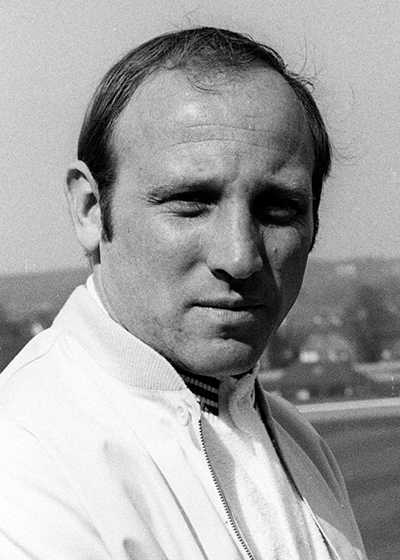
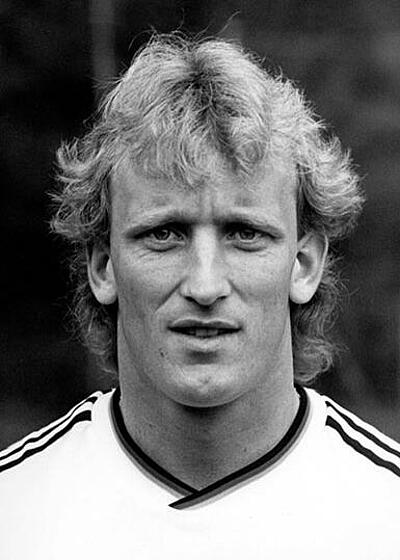
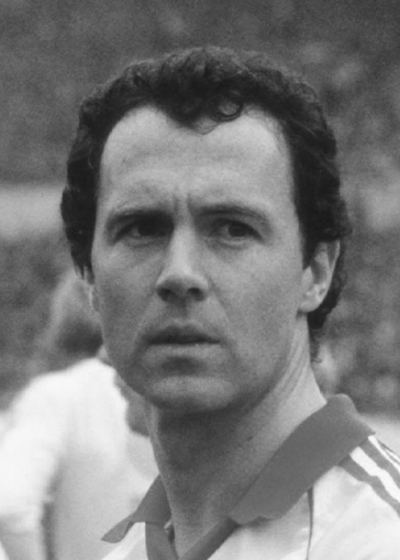
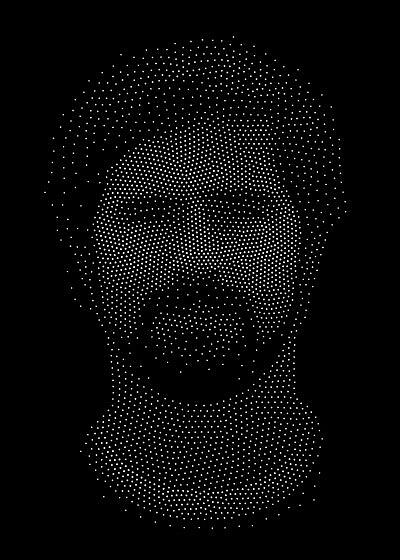
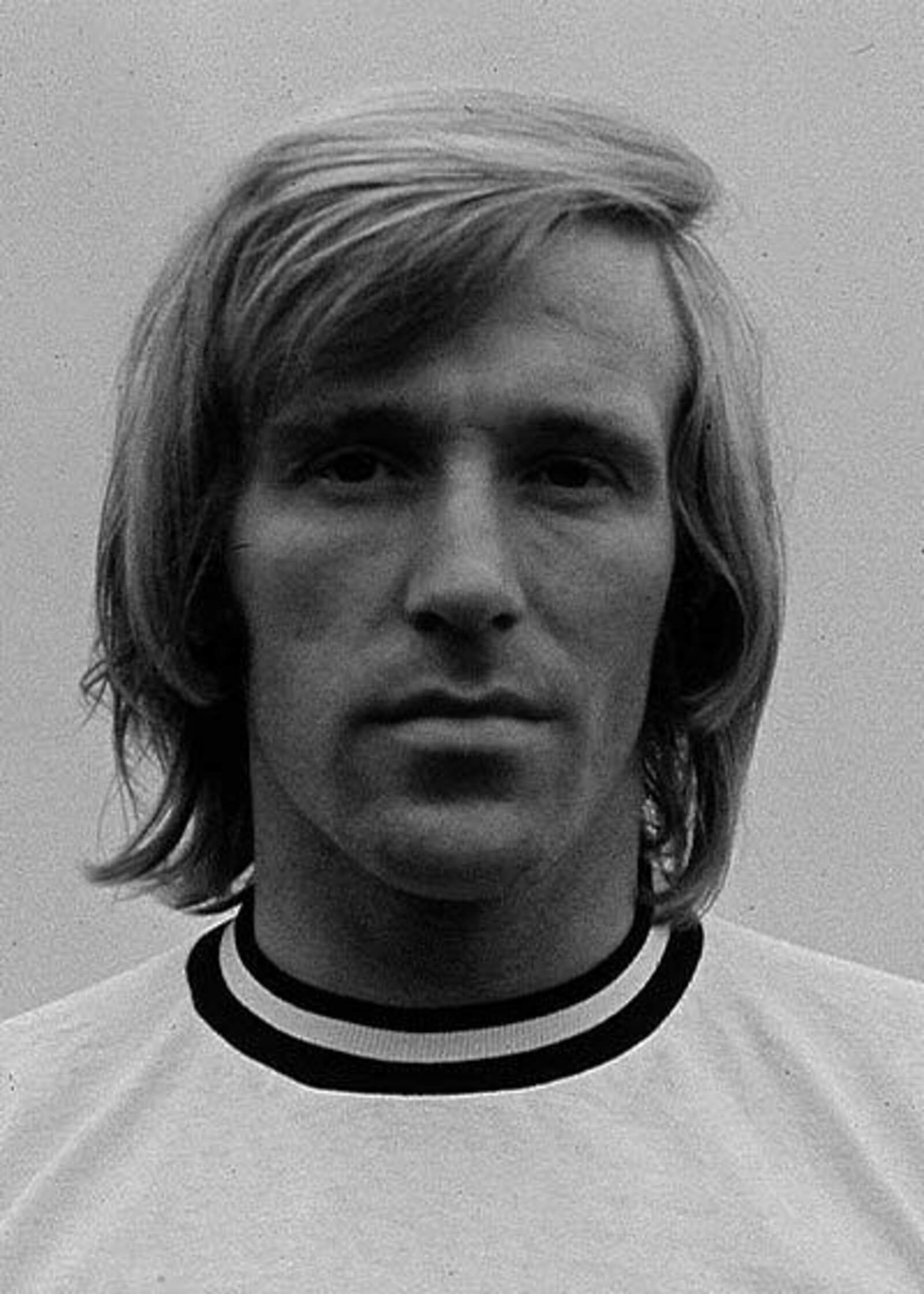
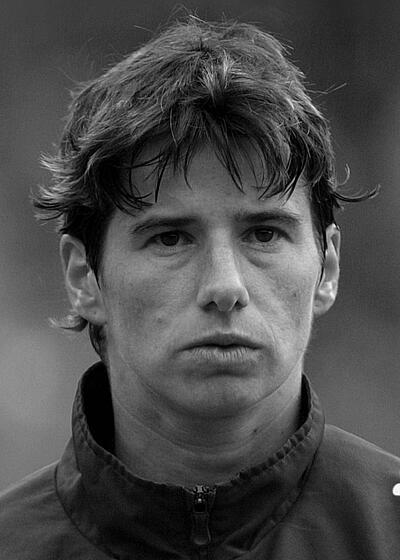
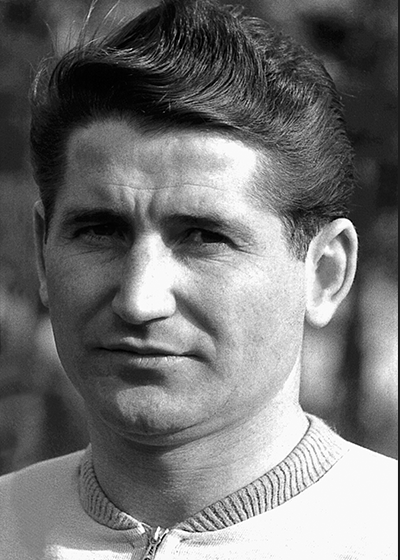
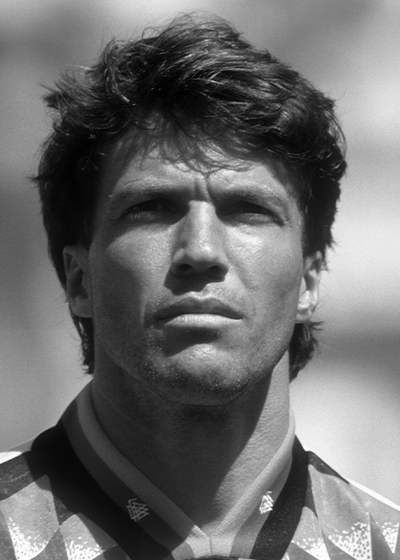
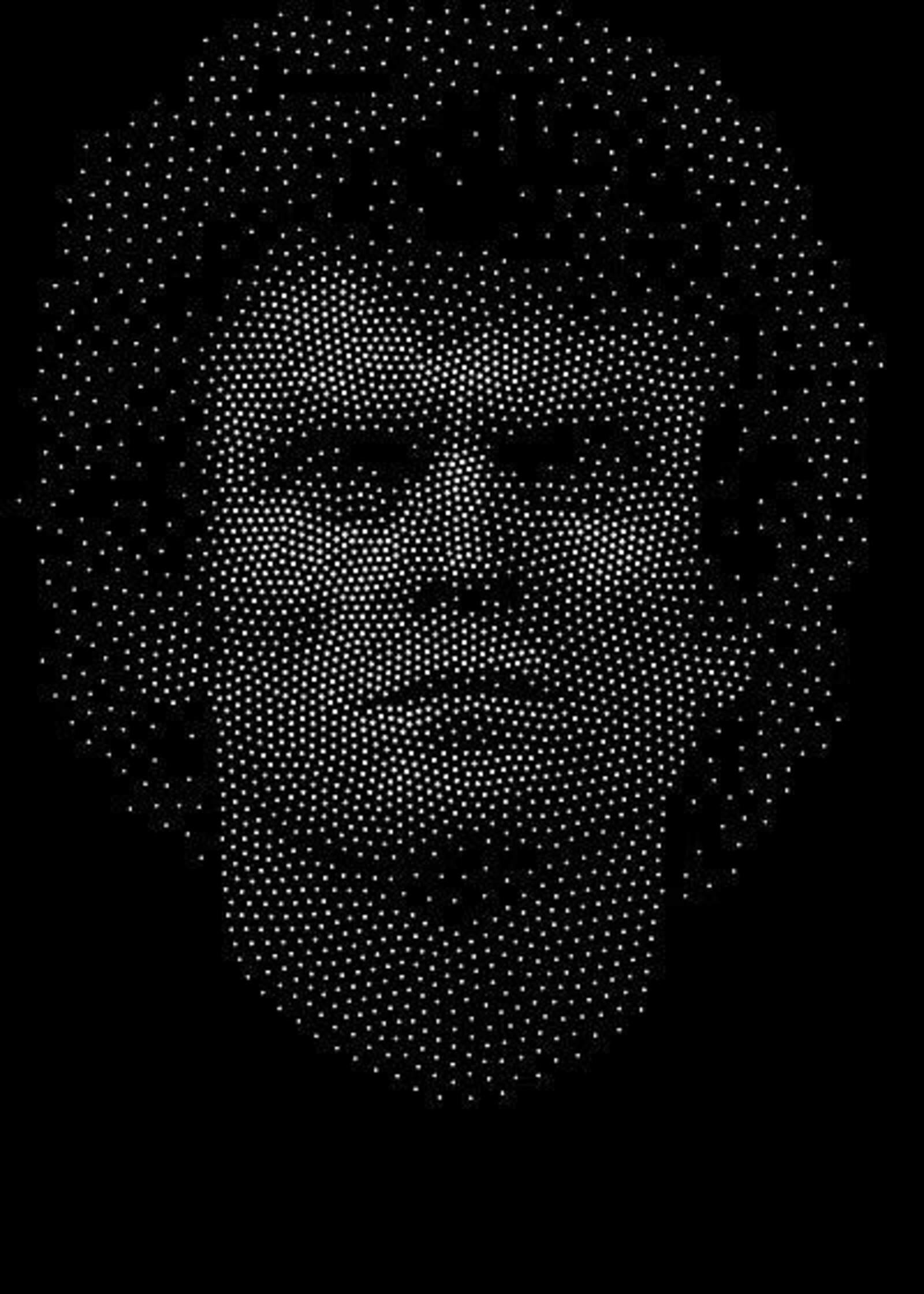
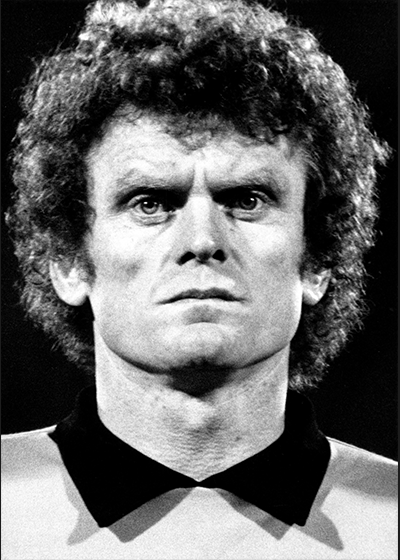
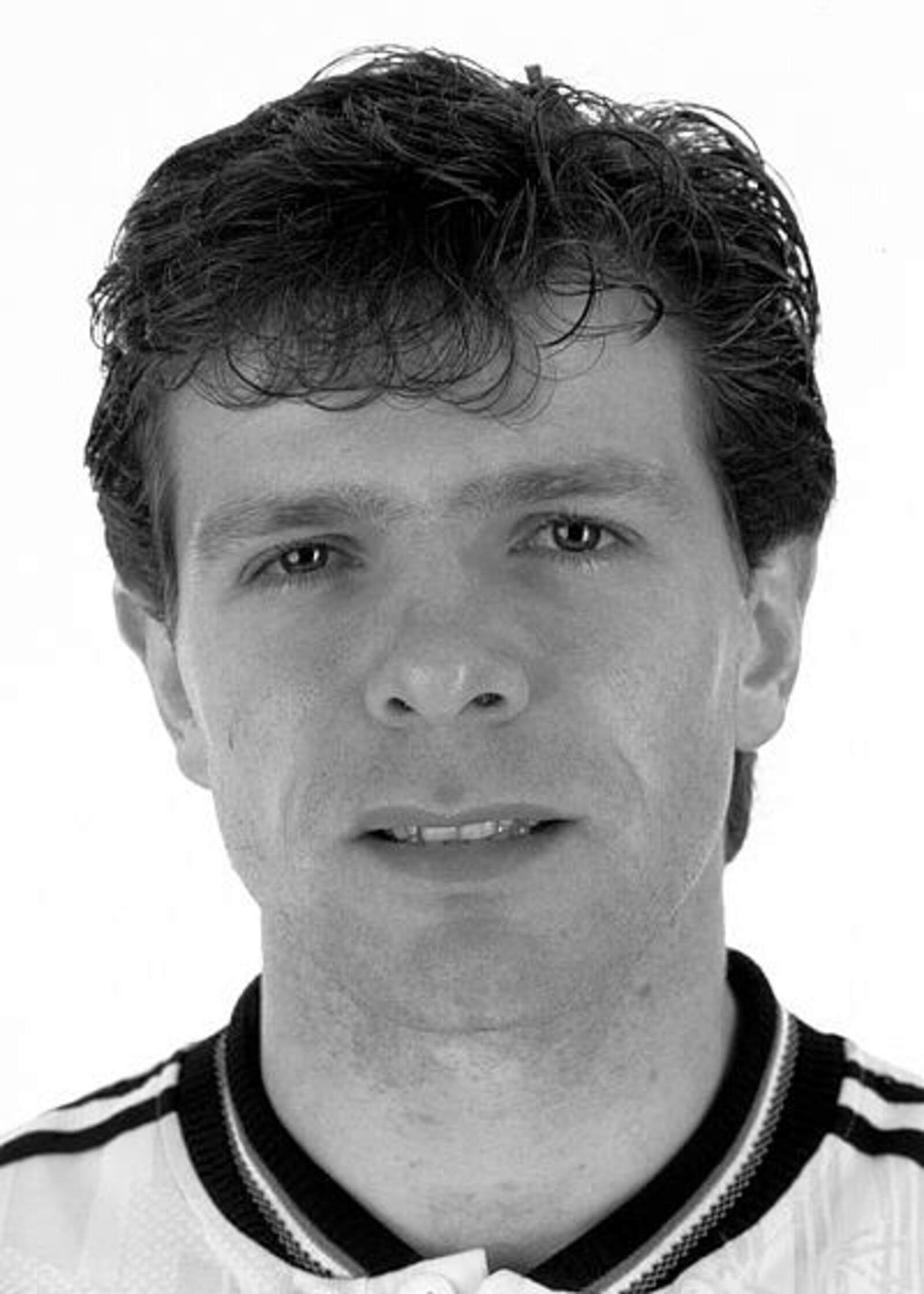
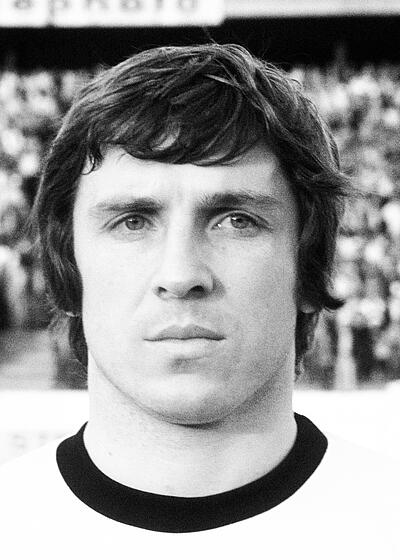
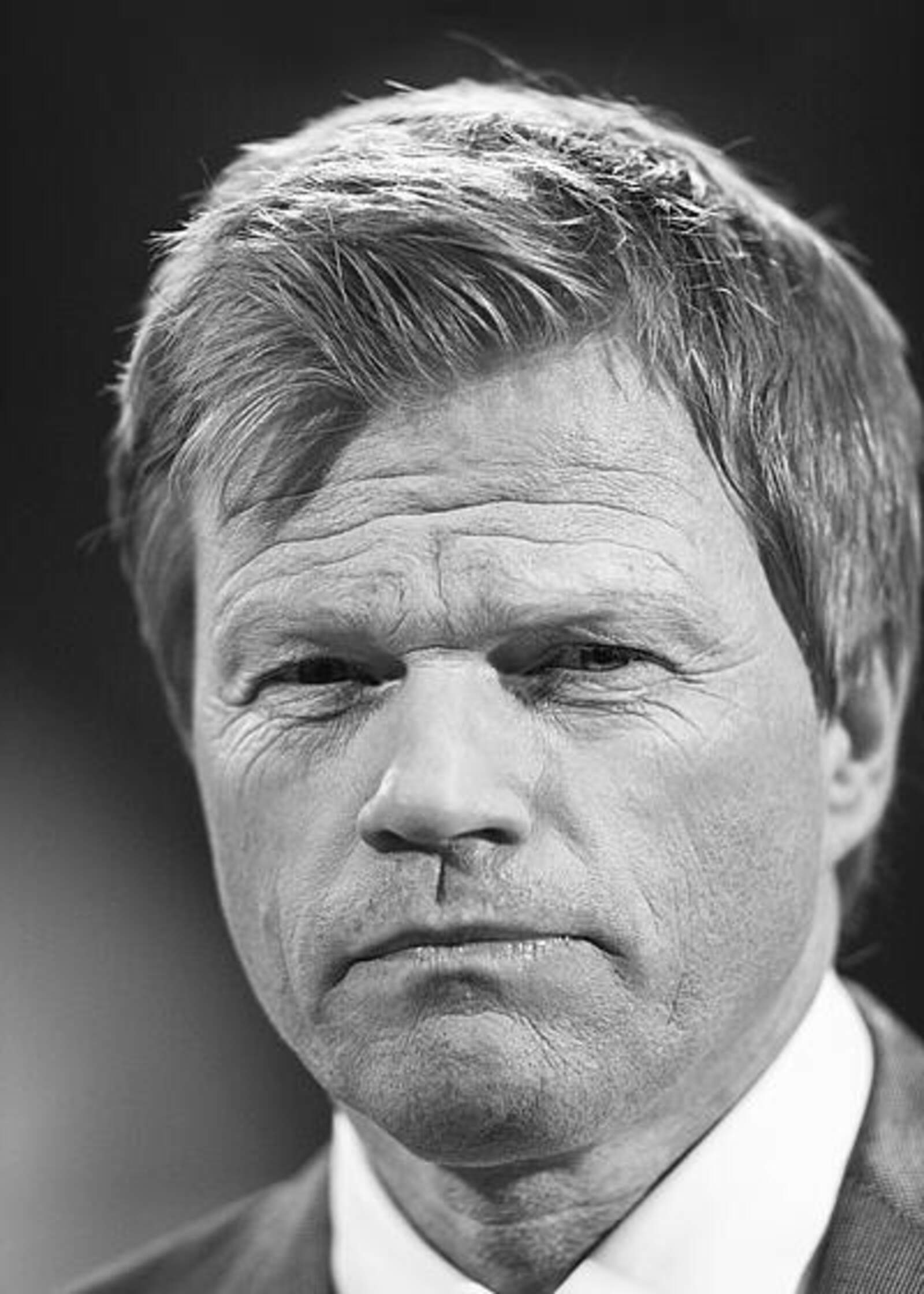
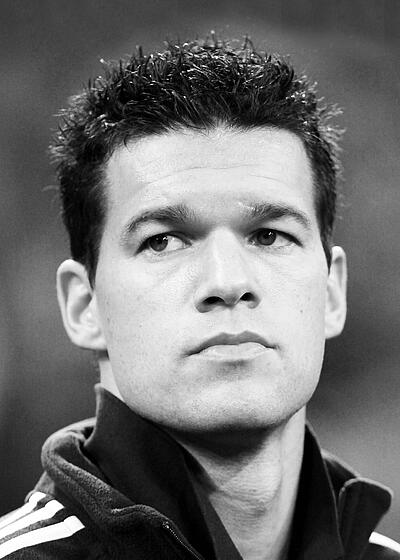
Oliver Kahn
15 June 1969, Karlsruhe
(goalkeeper)
Clubs as a player:
1987–1994 Karlsruher SC
1994–2008 FC Bayern Munich
Club:
557 matches (Bundesliga)
Honours:
German champions: 1997, 1999, 2000, 2001, 2003, 2005, 2006, 2008
DFB Cup winners: 1998, 2000, 2003, 2005, 2006, 2008
Intercontinental Cup winner: 2001
UEFA Champions League winner: 2001
UEFA Cup winner: 1996
National team:
86 appearances, 0 goals
World Cup runners-up: 2002
; World Cup third place: 2006
; European champions: 1996
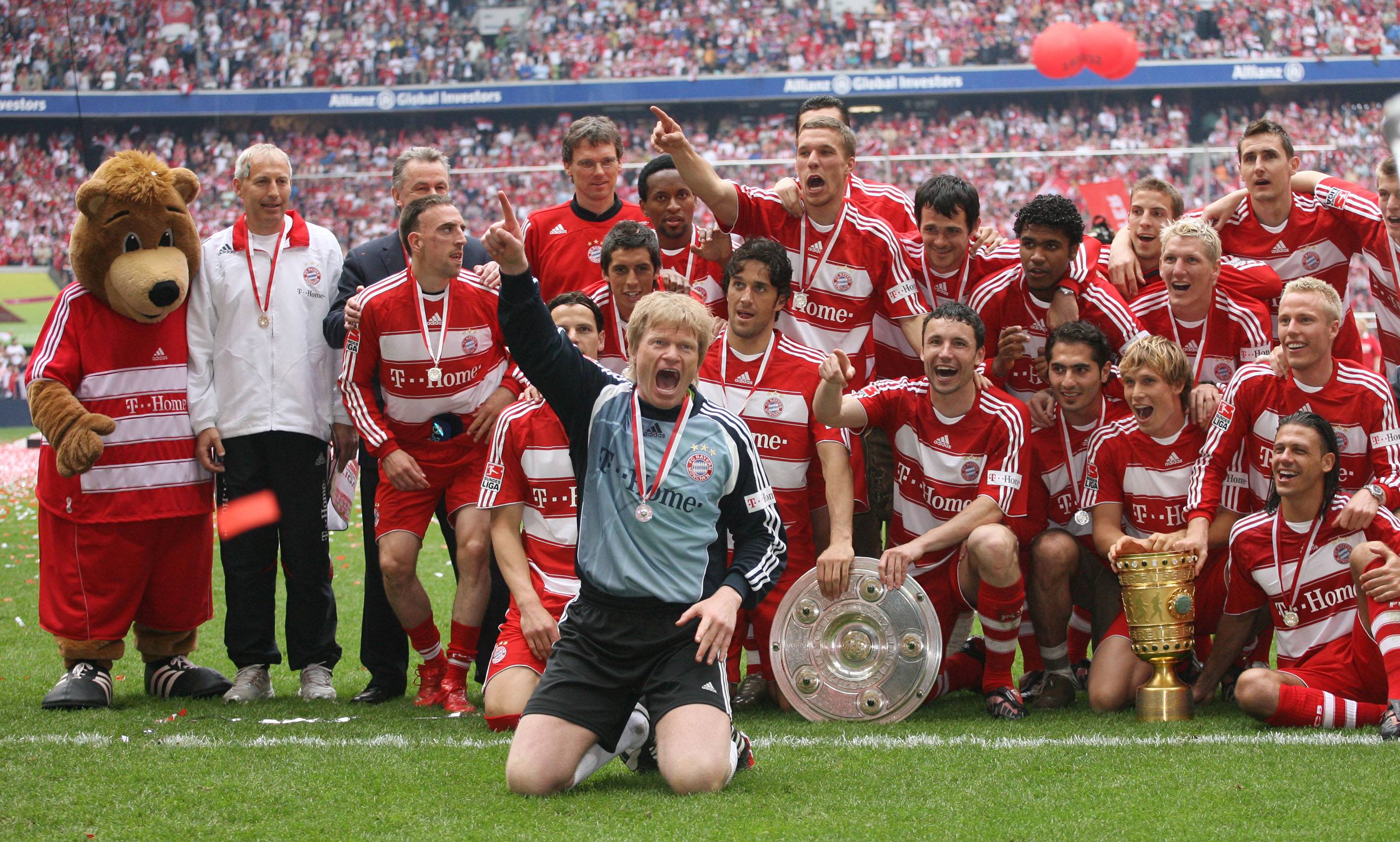
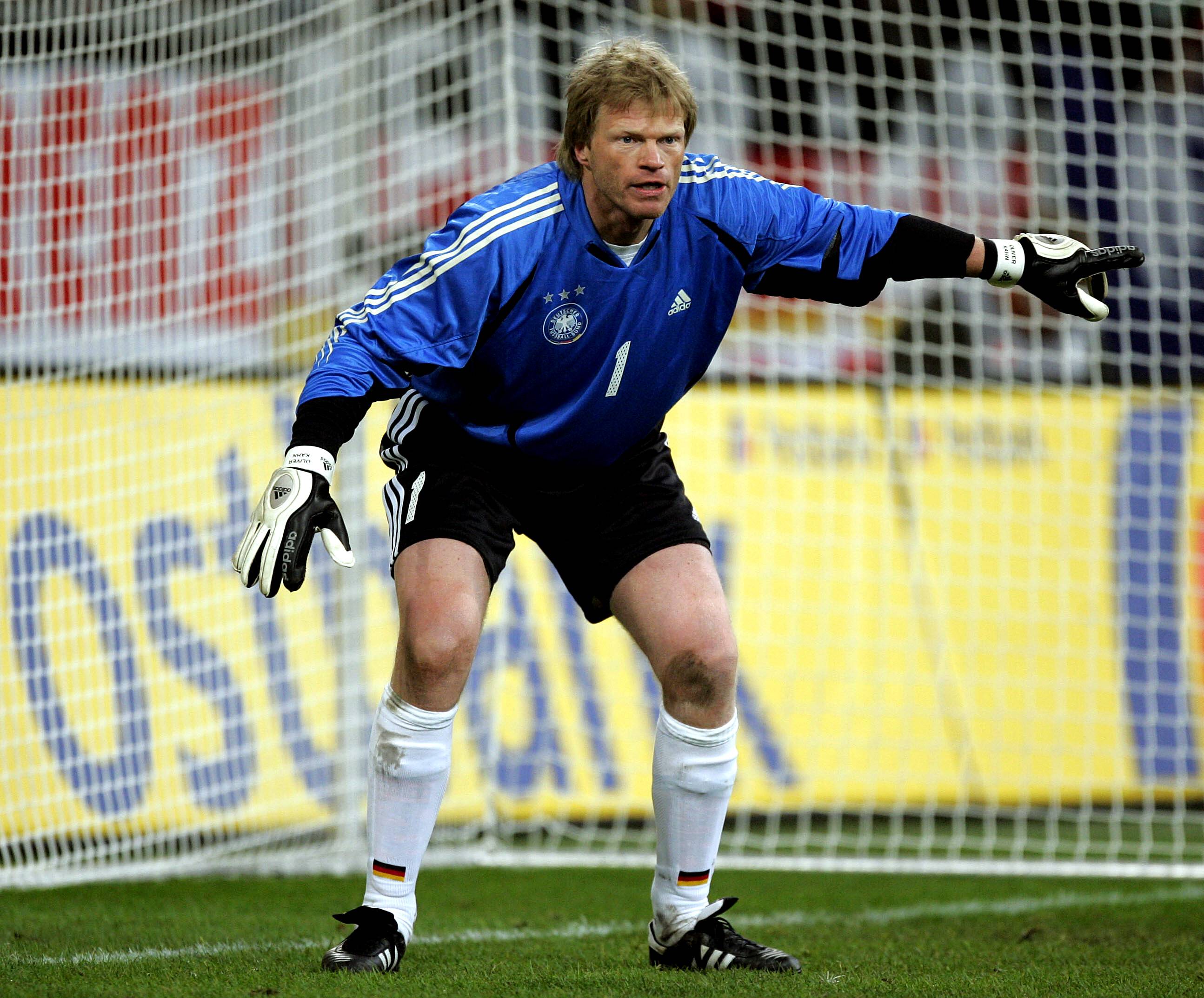
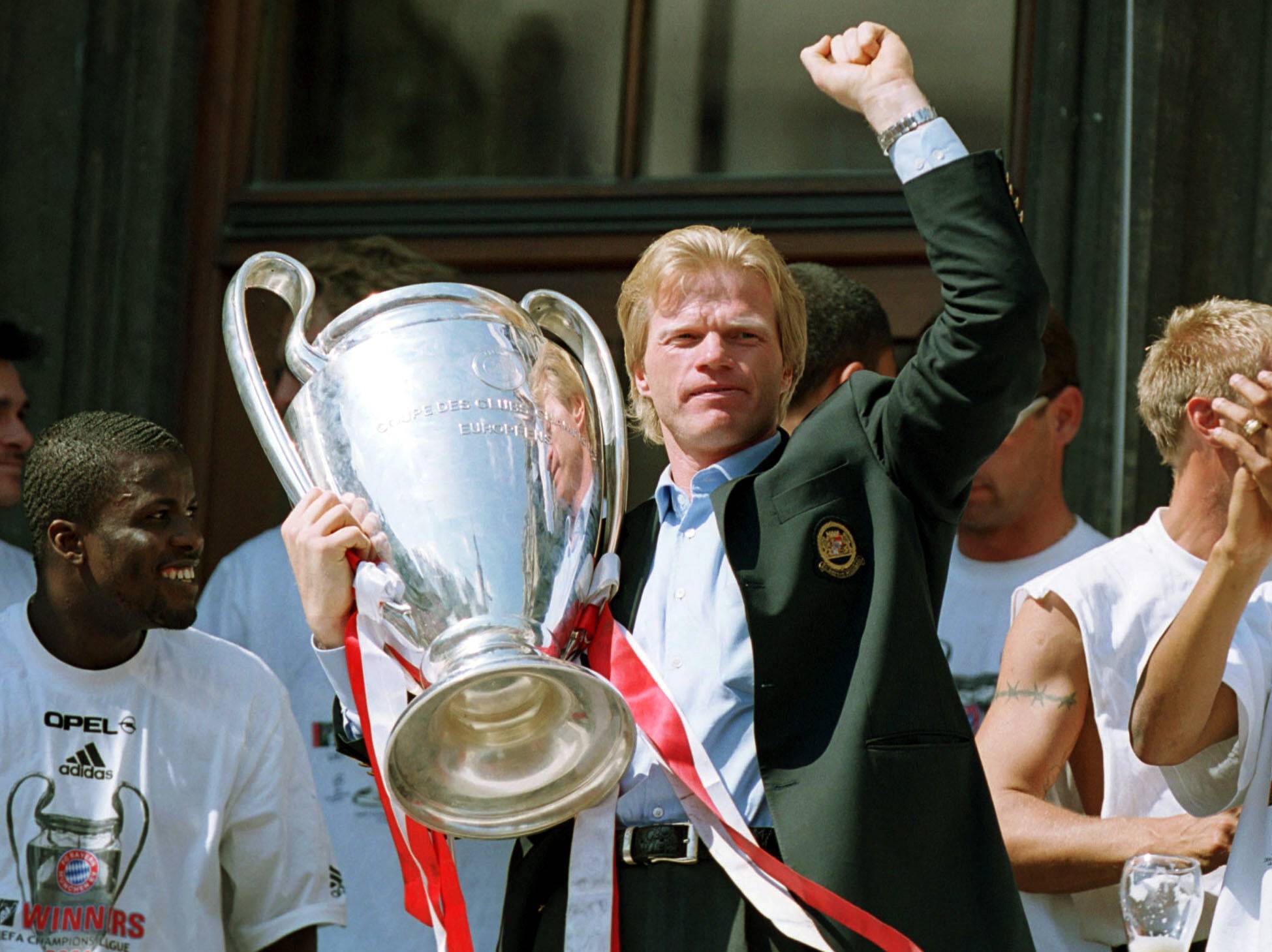
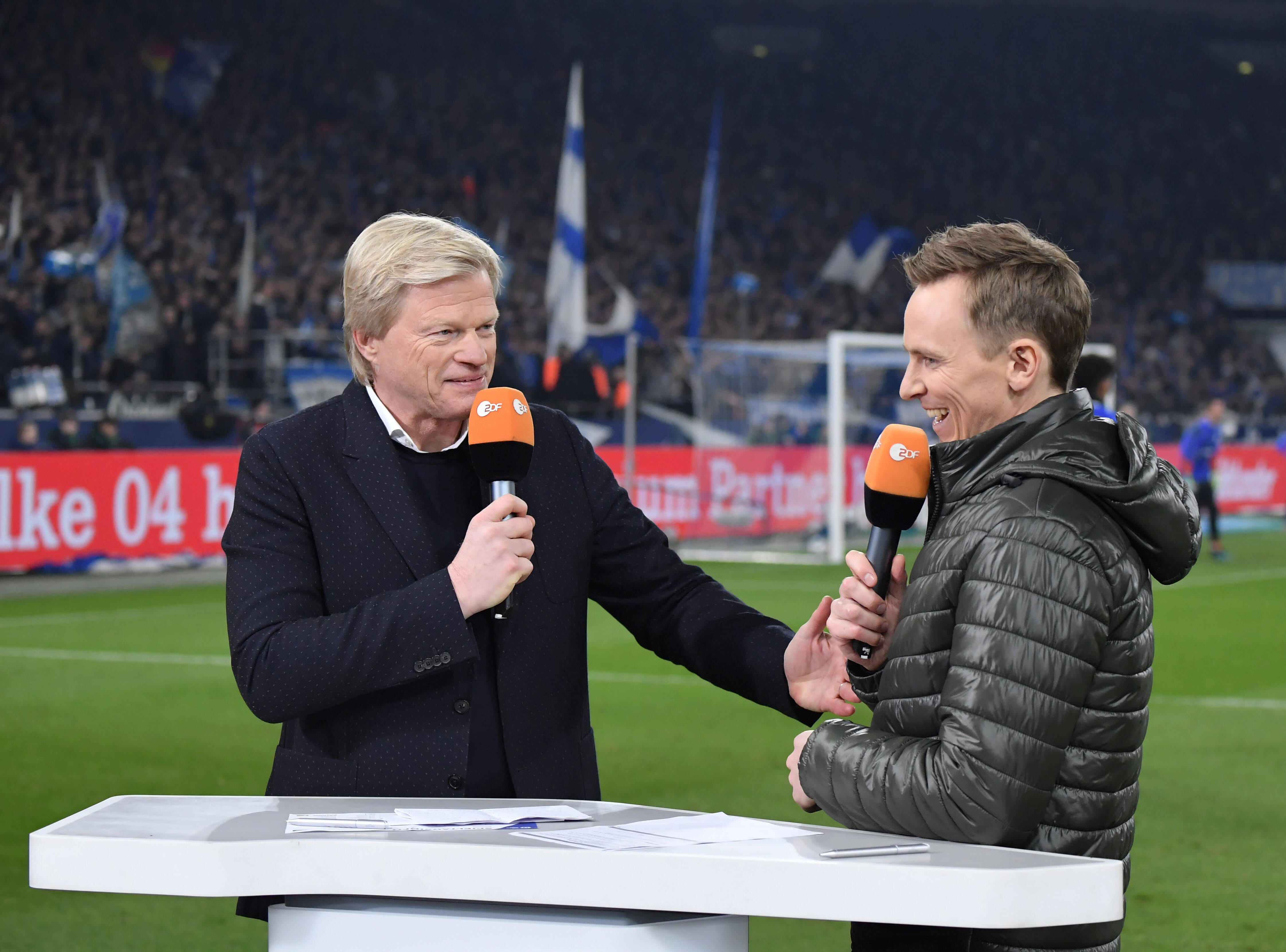
The three-time world goalkeeper was particularly good at keeping his professional and private lives separate during his career as a professional footballer. Whilst he was regarded as relaxed, humorous and courteous when with friends and acquaintances, there was no trace of this on the pitch. Here, with the utmost determination, unbridled ambition and often a grim expression, he strove for personal excellence and team success. In doing so, he set the highest standards for himself and his teammates. Thanks to his outstanding consistency over many years, his word carried increasing weight within both the club and the national team. Even when he vociferously demanded what, naturally, was already there. “Guts, we need guts!” is a famous quote from Kahn that is still readily used today by subsequent generations of players when it comes to preparing their own team for the opposition and a tough battle.
His motto, “Onwards, ever onwards!”, was the key rallying cry in the title race of the 2000–2001 Bundesliga season. Back then, with Bayern Munich, they found themselves 0–1 down in the final minute of their match against Hamburger SV on the last day of the season, which would have meant their rivals Schalke 04 winning the title. Instead of remaining frozen in despair and letting this bitter fate unfold, Kahn retrieved the ball from the net and, with the words mentioned above, drove his team-mates like a herd towards the centre spot to make the impossible possible as quickly as possible. Moments later, Munich equalised and Kahn was able to present the championship trophy to the fans with his equally iconic declaration: ‘There it is.’
It was already his seventh title with FC Bayern, following three German league titles, two DFB Cup victories and the UEFA Cup. But that afternoon at Hamburg’s Volksparkstadion marked just the beginning of Oliver Kahn’s incredible transformation from goalkeeper to titan. For over the course of the following 15 months, he achieved nothing short of the superhuman between the posts. First, by saving three penalties in the Champions League final against Valencia, he helped Bayern win the Champions League trophy (formerly the European Cup) for the first time in 25 years. Then, in 2002, at the World Cup in Japan and South Korea, he produced a goalkeeping performance rarely seen before, almost single-handedly securing the national team’s completely unexpected place in the World Cup final. There, however, Kahn became a tragic figure – or, rather, human again – when his sole mistake of the tournament led to the defeat against Brazil.
After securing the first-choice spot at his home club, Karlsruher SC, in 1990, Oliver Kahn remained the undisputed number one in the Bundesliga for over 18 years and, with a total of 557 appearances, became the goalkeeper with the most appearances in the league. In the meantime, a few goalkeepers blessed with greater talent may have tentatively knocked on his door. They were all turned away. And certainly not in the friendliest of ways.
The German Football Hall of Fame was established on the initiative of the German Football Museum. In November 2018 and January 2019, leading sports journalists voted for the inaugural men’s and women’s teams. The jury members were asked to nominate their choice of players and managers from German men’s and women’s football. Players who were eligible to play for German national teams and whose playing careers had ended at least five years previously were eligible for nomination. The HALL OF FAME honours the greatest legends of German football in one central location for the first time. It forms part of the permanent exhibition at the German Football Museum in Dortmund. Opened on 1 April 2019, it has become a permanent place of pilgrimage for all football fans. The jury decides annually on further inductees from men’s and women’s football.