EN
 DE


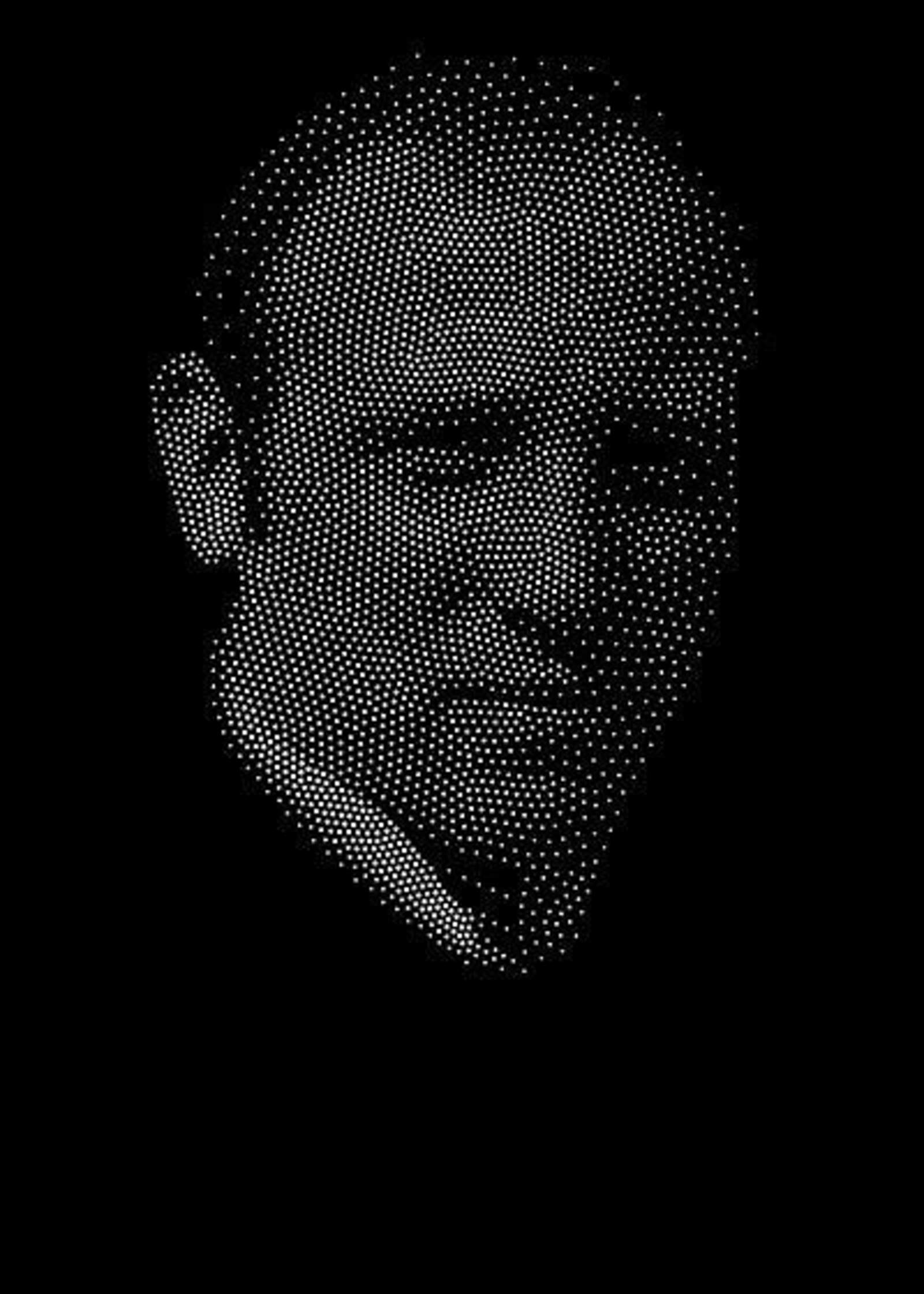
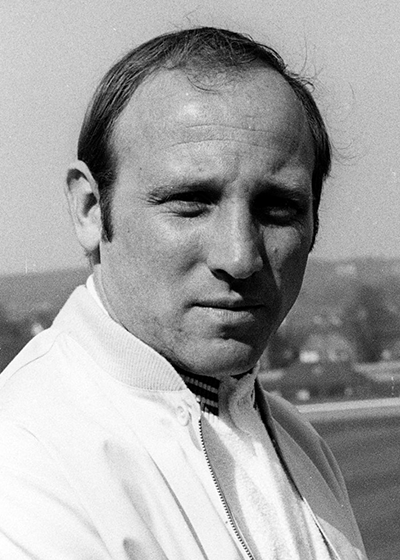
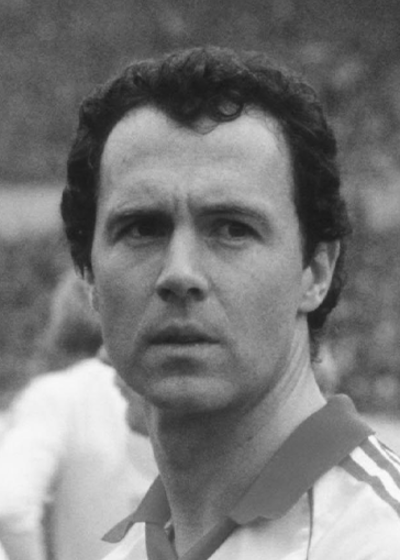
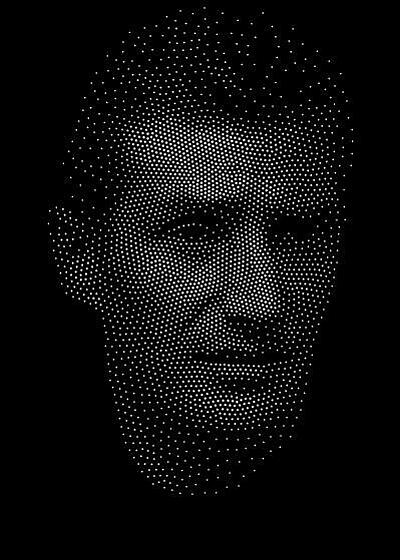
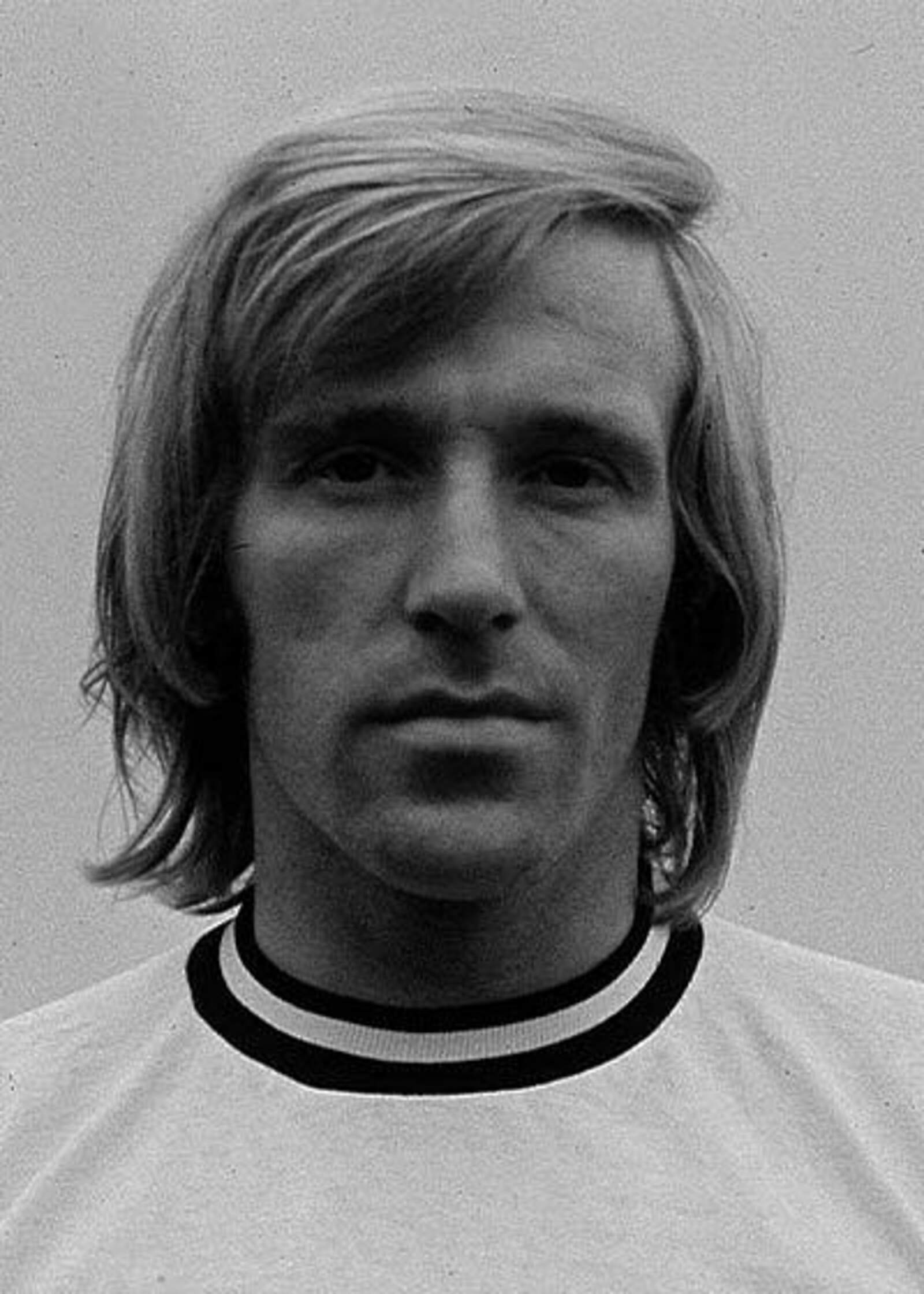
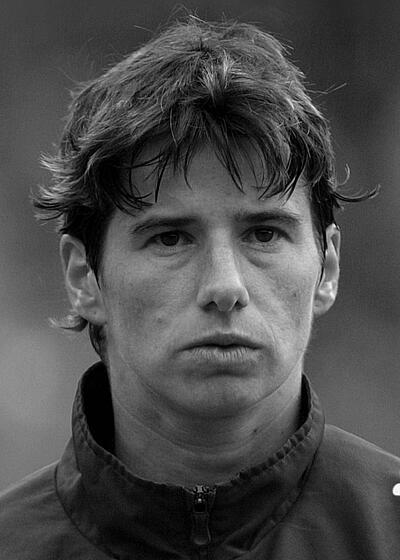
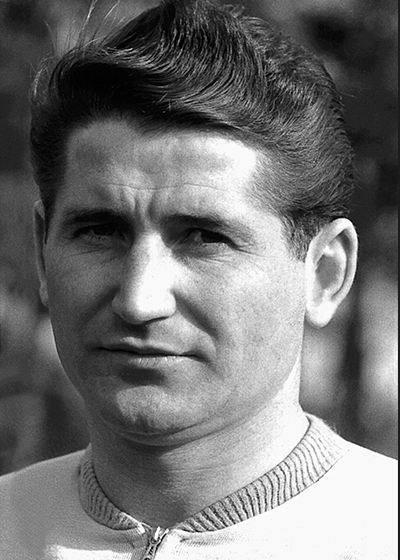
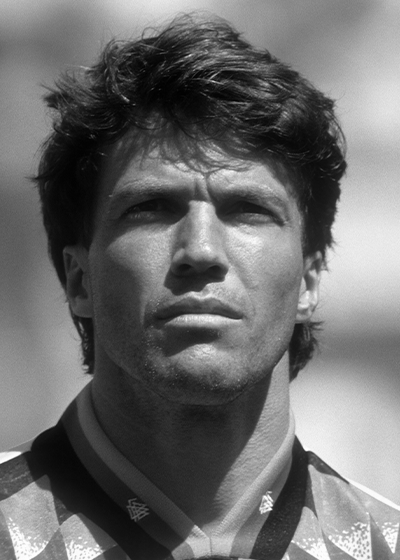
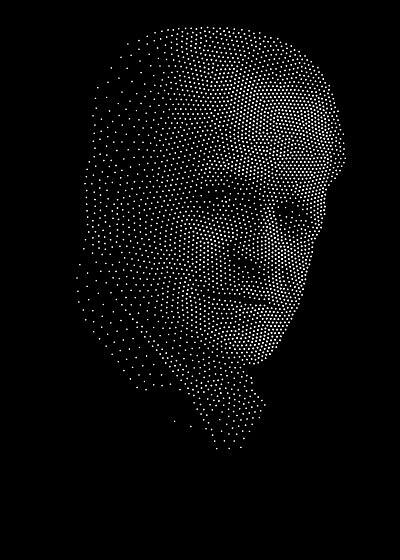
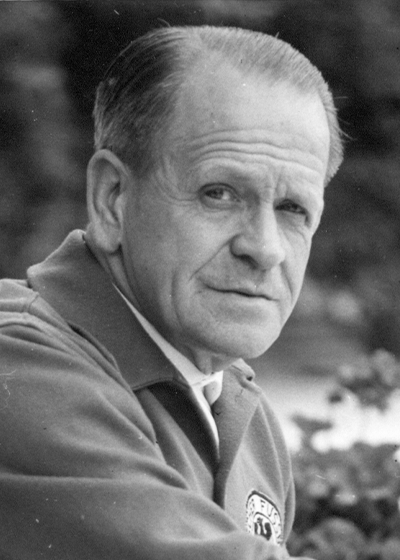
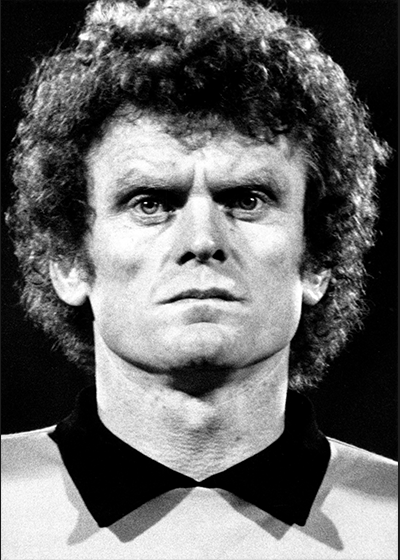
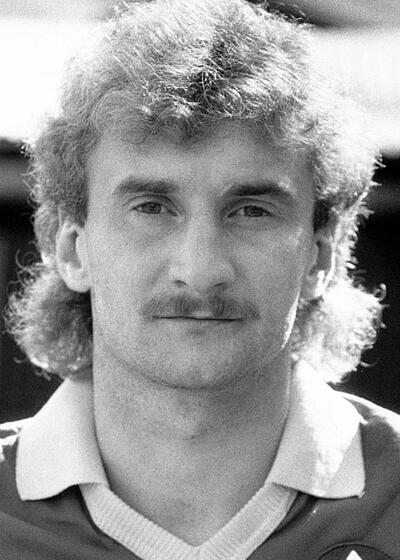
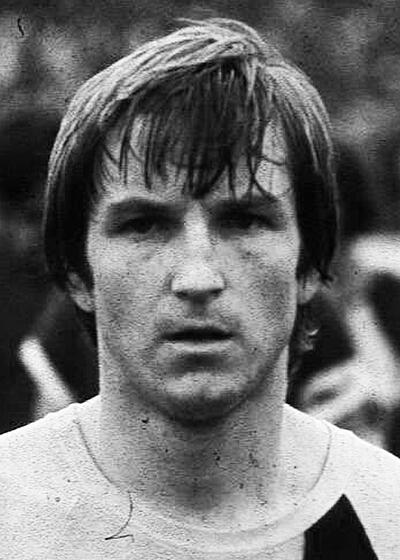
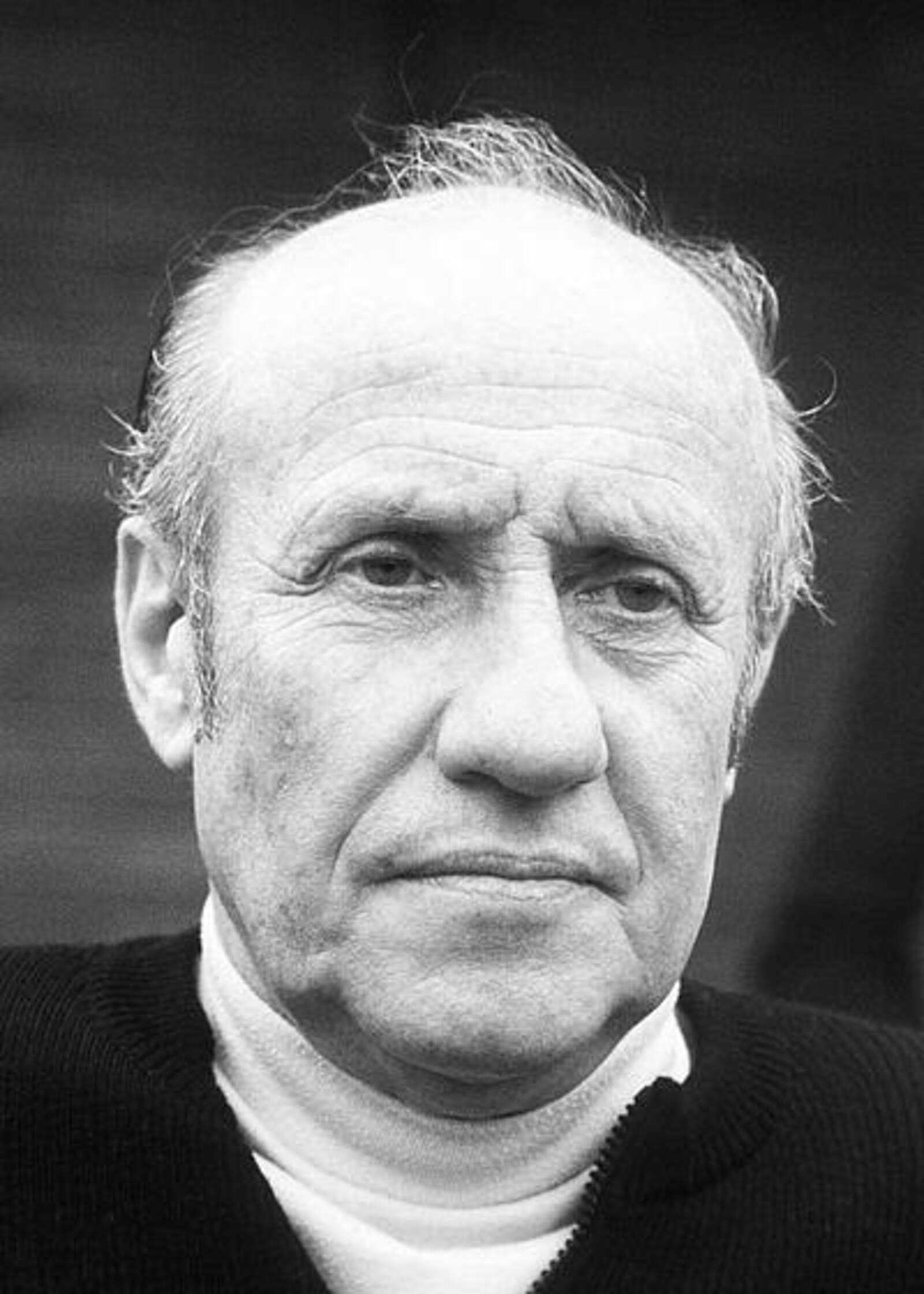
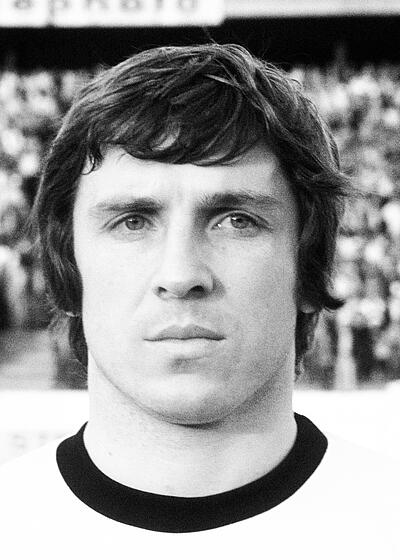
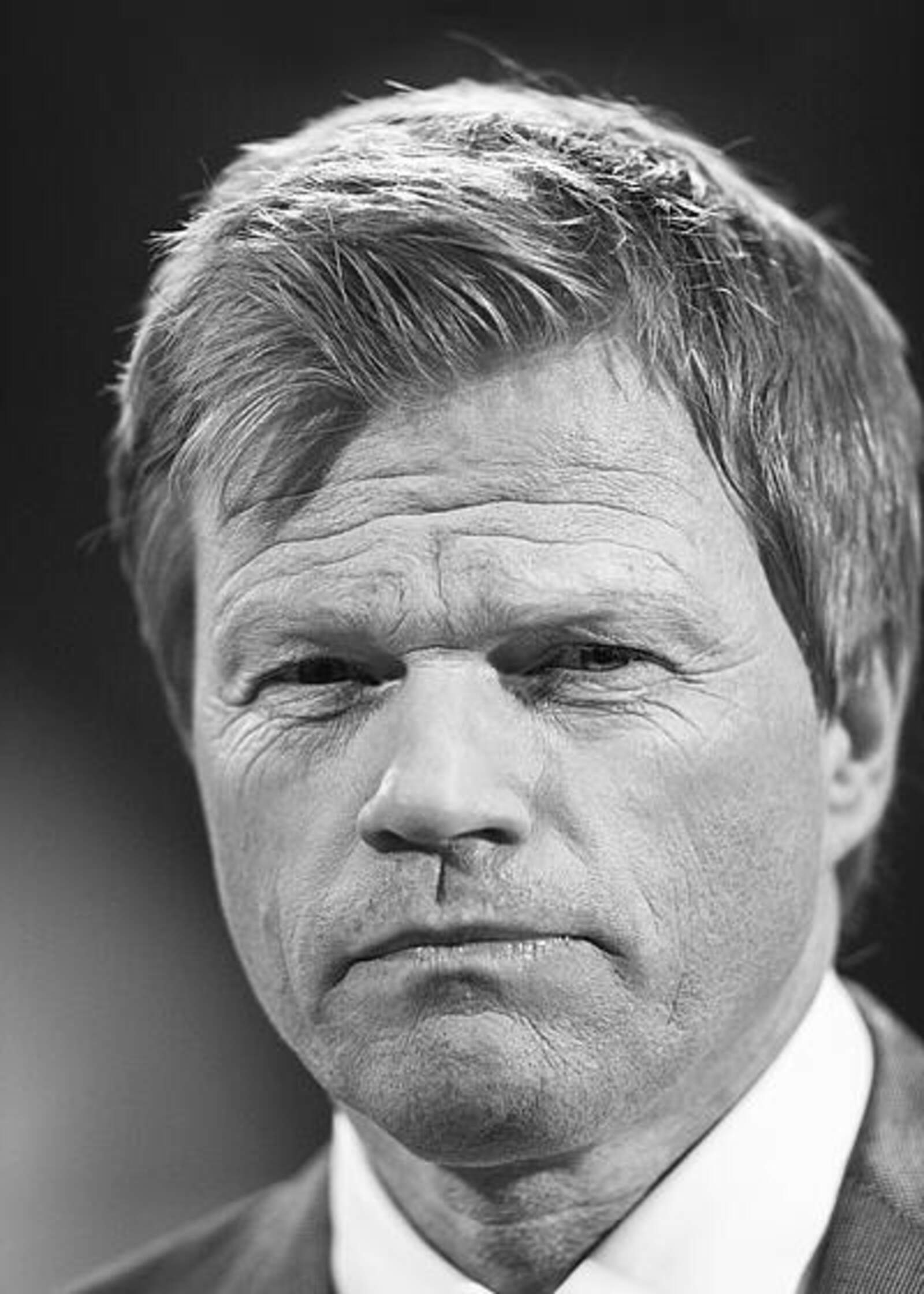
Otto Rehhagel
* 9 August 1938, Essen
Coach
Coaching career:
1972 FV Rockenhausen
1972–1973 1. FC Saarbrücken
1973–1974 Kickers Offenbach (assistant)
1974–1975 Kickers Offenbach
1976 Werder Bremen
1976–1978 Borussia Dortmund
1978–1979 Arminia Bielefeld
1979–1980 Fortuna Düsseldorf
1981–1995 Werder Bremen
1995–1996 FC Bayern Munich
1996–2000 1. FC Kaiserslautern
2001–2010 Greece
2012 Hertha BSC
Club:
837 matches (Bundesliga)
Honours:
German champions: 1988, 1993, 1998
; German Cup winners: 1980, 1991, 1994
; European Cup Winners’ Cup: 1992
National team:
106 appearances
European Champion: 2004
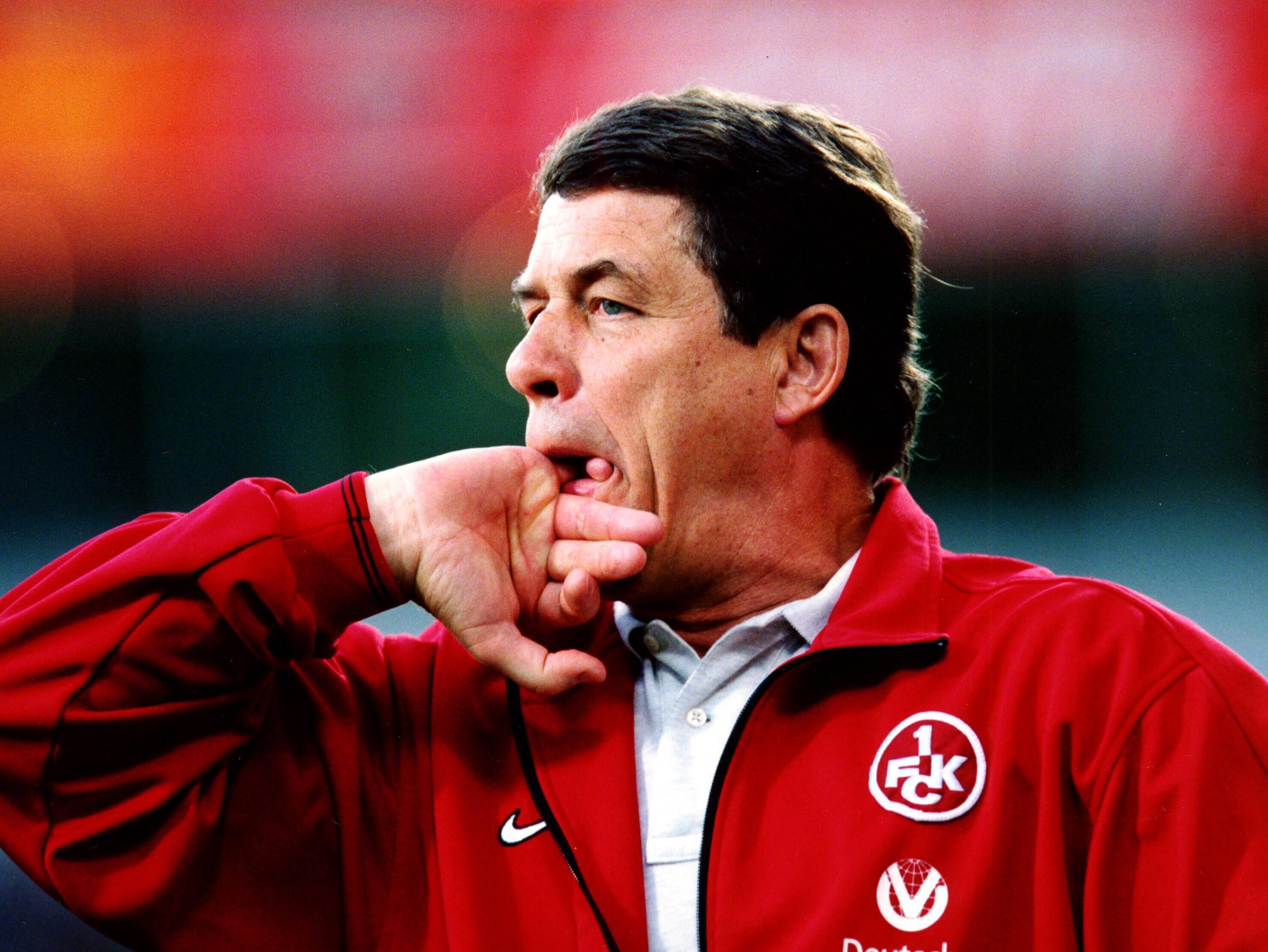
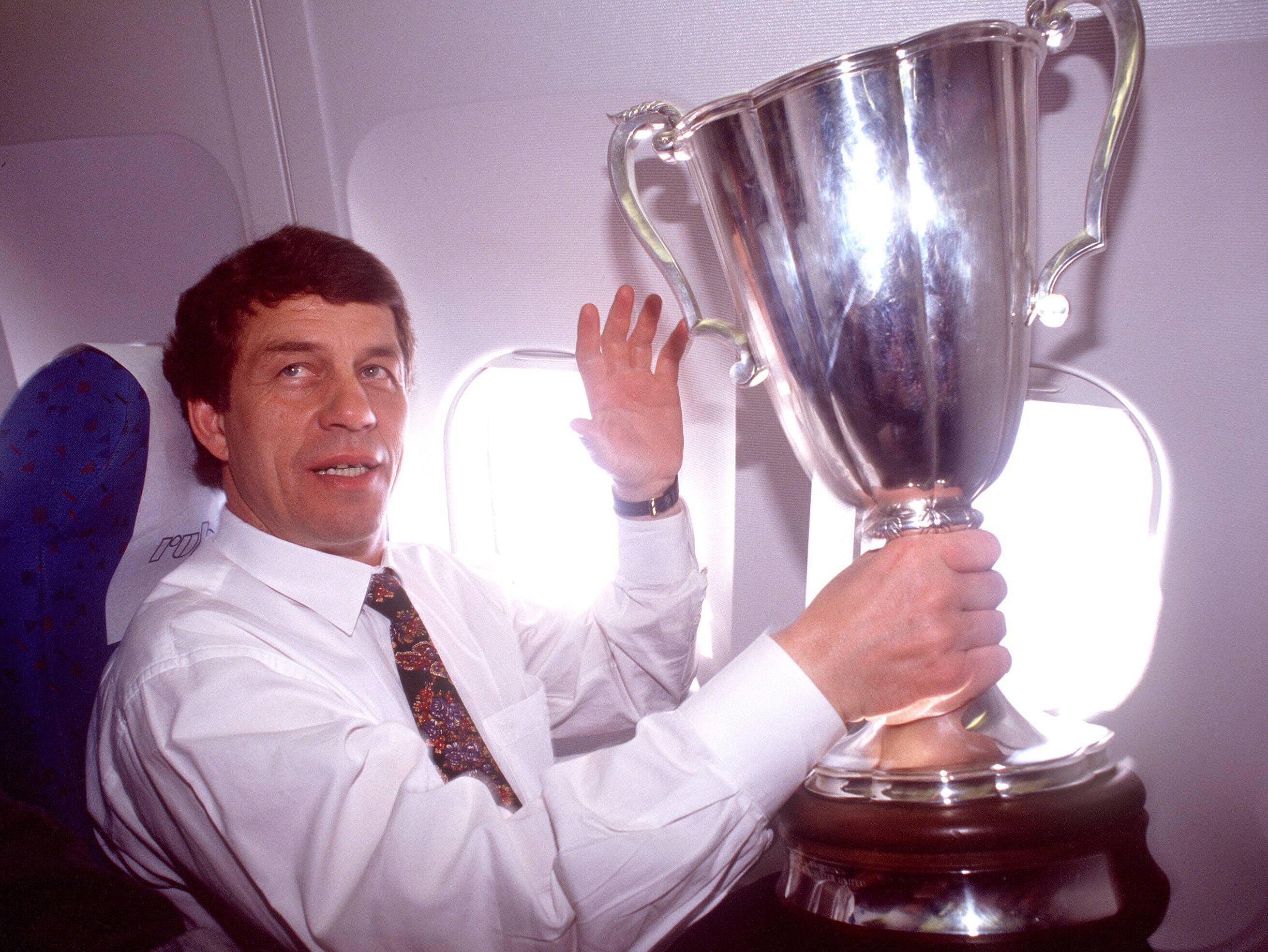
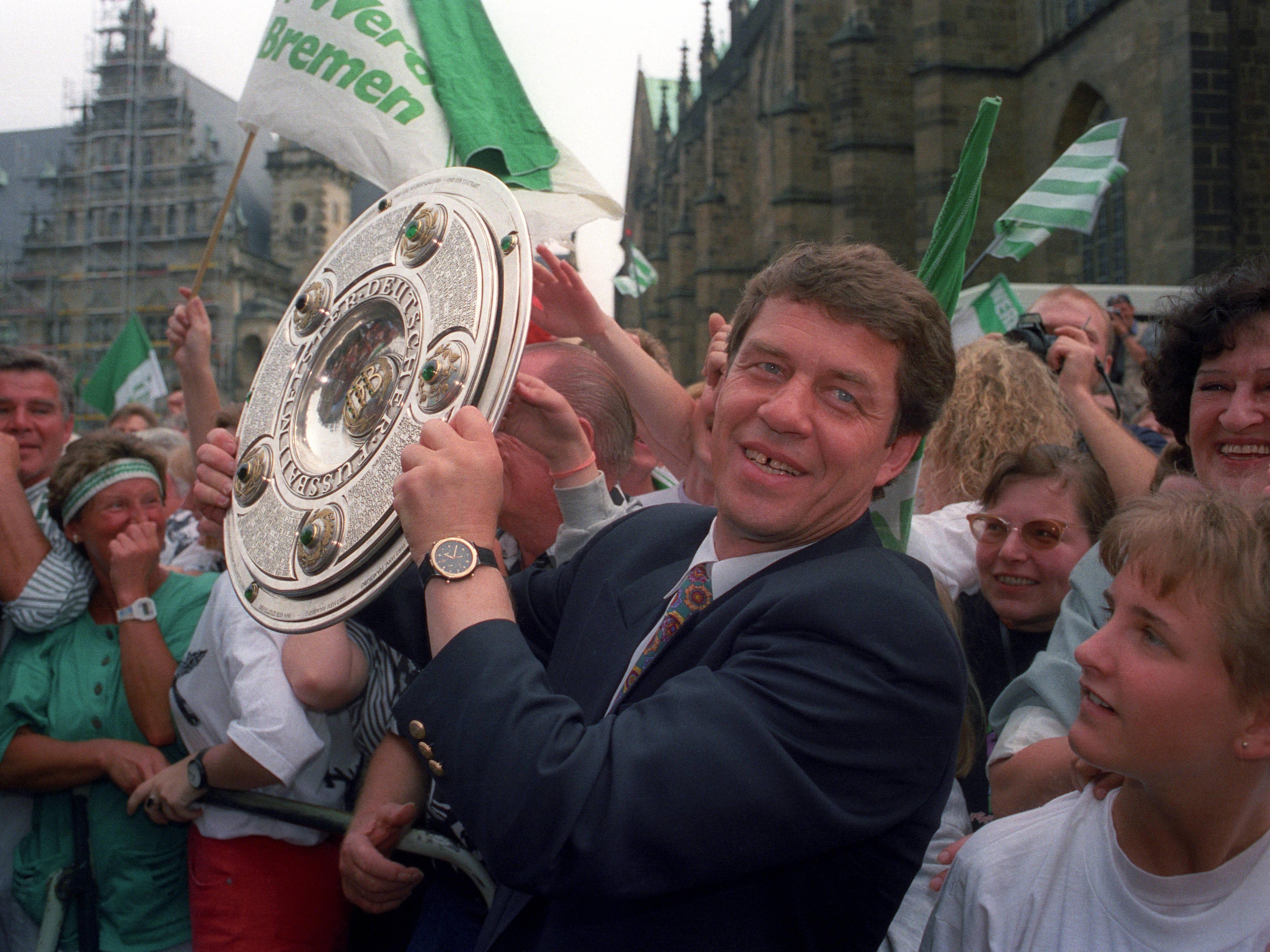
4 July is clearly a special day for making football history: For exactly 50 years to the day after the ‘Miracle of Bern’ – the German national team’s first World Cup victory in 1954 in Switzerland against a seemingly unbeatable Hungarian side – Otto Rehhagel is set to achieve something equally unexpected: The Greek national team he coaches is considered the clear underdog in the European Championship final in Portugal against the hosts.
But once again, his disciplined defensive tactics prove to be a masterstroke. As in the quarter-finals and semi-finals, the Greeks secure a 1–0 victory, thereby claiming Europe’s crown. It is one of the greatest upsets in football history. And ‘King’ Otto is celebrated on the Peloponnese as ‘Rehakles’, in a nod to the mythical hero Hercules. In doing so, he has shown his critics – who had accused him of having an outdated understanding of football – what he is made of. Immediately after the no less surprising semi-final victory against the Czech Republic, Rehhagel remarked: “Modern is whoever wins.”
The self-proclaimed ‘child of the Bundesliga’ not only enjoyed securing victories, but did so with remarkable frequency. Following his playing career with Rot-Weiss Essen, Hertha BSC and 1. FC Kaiserslautern, he turned his attention to management. Following various relatively short stints, Rehhagel joined SV Werder Bremen in 1981, with whom he secured promotion to the Bundesliga straight away. This was followed by 14 successful years on the banks of the Weser. During this time, he won the German league title twice, finished as runners-up four times and lifted the DFB-Pokal twice. He also secured the greatest triumph in Bremen’s club history with victory in the 1992 European Cup Winners’ Cup final in Lisbon against AS Monaco.
Following an ill-fated spell at Bayern Munich, he took charge of 1. FC Kaiserslautern in 1996, a club that had just been relegated to the second division. Here, too, he secured immediate promotion, and another miracle followed: Kaiserslautern became the first Bundesliga club to win the German championship as a newly promoted side. The foundations for this were laid early on. On the opening day of the season, Rehhagel’s team won 1–0 away at defending champions Bayern Munich – the very club that had suspended him the previous year, despite reaching the UEFA Cup final.
Rehhagel repeatedly cites the 1954 World Cup-winning team as his greatest role models. In terms of hero status and achieving miracles, he is hardly second to them.
The German Football Hall of Fame was established on the initiative of the German Football Museum. In November 2018 and January 2019, leading sports journalists voted for the inaugural men’s and women’s teams. The jury members were asked to nominate their choice of players and managers from German men’s and women’s football. Players who were eligible to play for German national teams and whose playing careers had ended at least five years previously were eligible for nomination. The HALL OF FAME honours the greatest legends of German football in one central location for the first time. It forms part of the permanent exhibition at the German Football Museum in Dortmund. Opened on 1 April 2019, it has become a permanent place of pilgrimage for all football fans. The jury decides annually on further inductees from men’s and women’s football.