EN
 DE


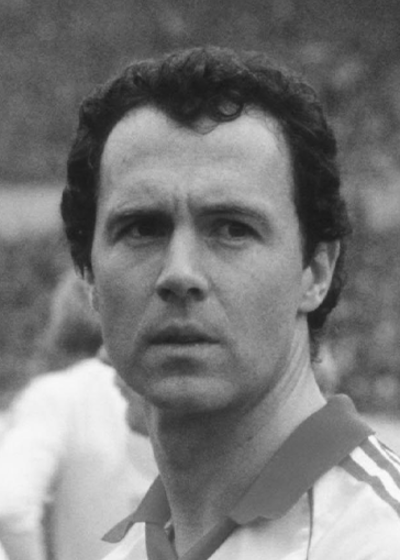
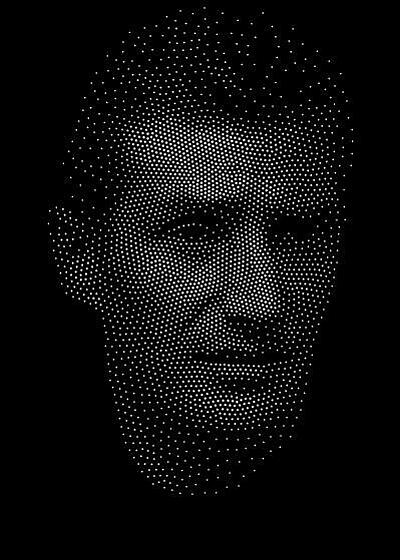
Peace, Lattek
*16 January 1935, Bosemb (East Prussia)
†31 January 2015, Cologne
Manager
Coaching career:
1965–1970 Germany Under-19s
1965–1970 Germany national team (Assistant)
1970–1975 FC Bayern Munich
1975–1979 Borussia Mönchengladbach
1979–1981 Borussia Dortmund
1981–1983 FC Barcelona
1983–1987 FC Bayern Munich
1991 1. FC Cologne
1992–1993 FC Schalke 04
2000 Borussia Dortmund
Achievements:
German Champions: 1972, 1973, 1974, 1976, 1977,
1985, 1986, 1987
German Cup Winners: 1971, 1984, 1986
European Cup Winners’ Cup: 1974
European Cup Winners’ Cup: 1982
UEFA Cup: 1979
National team:
World Cup runners-up (assistant manager): 1966
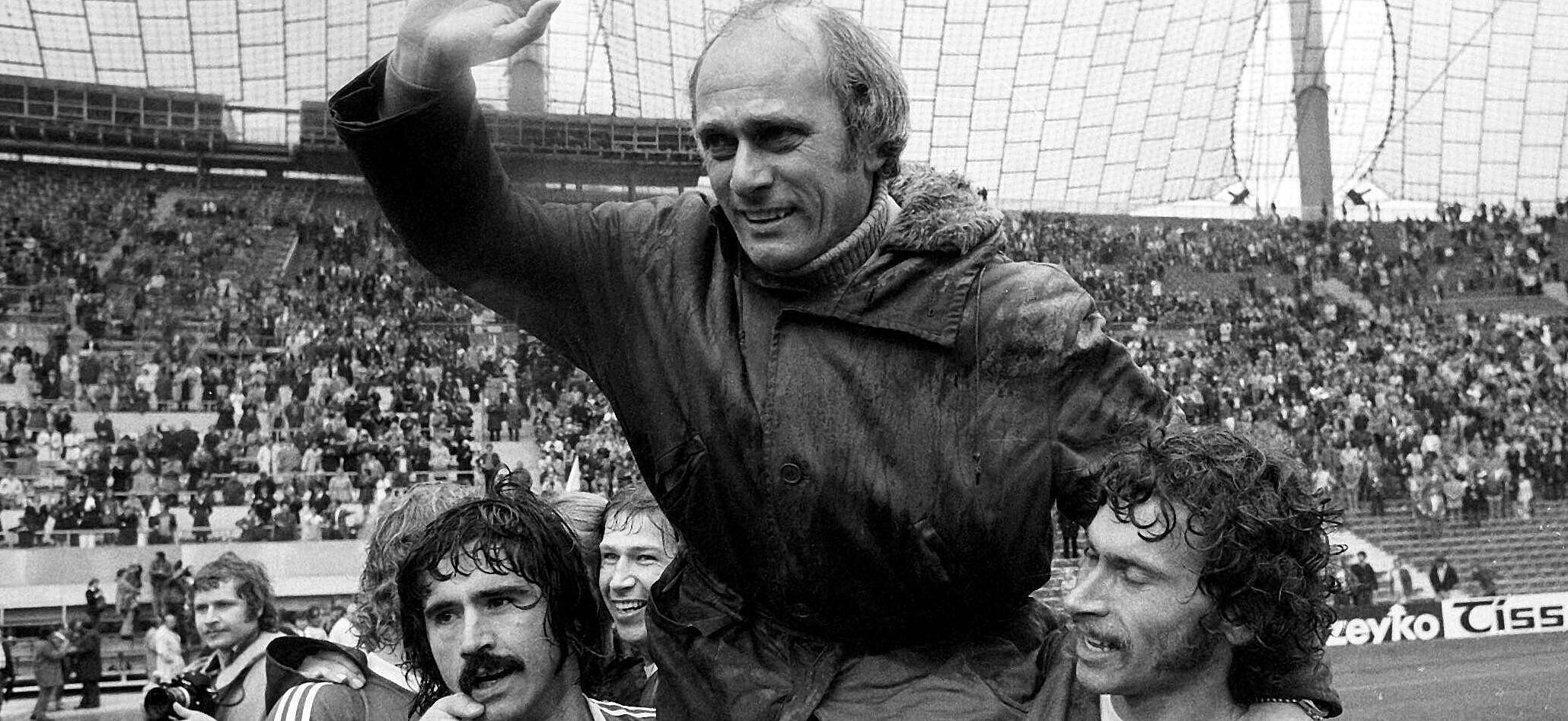
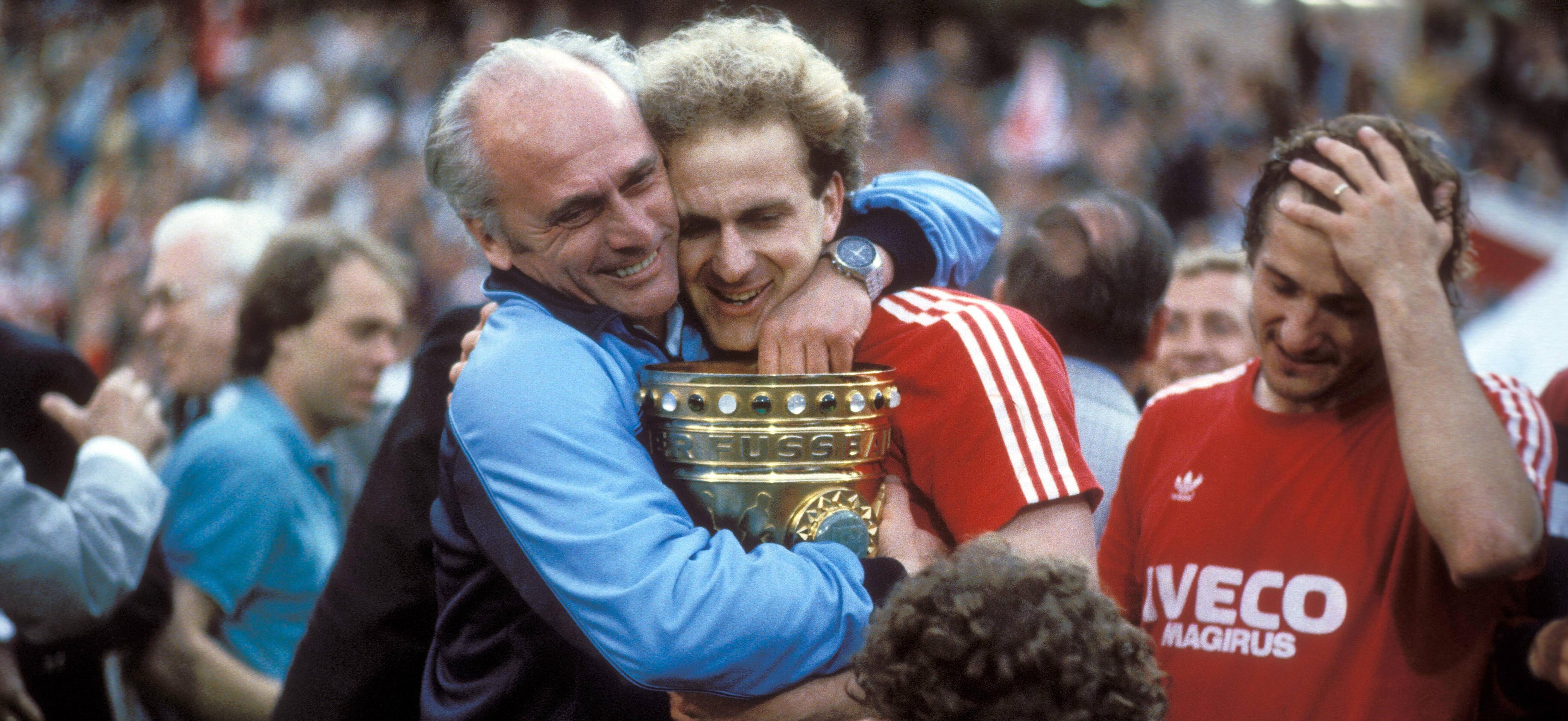
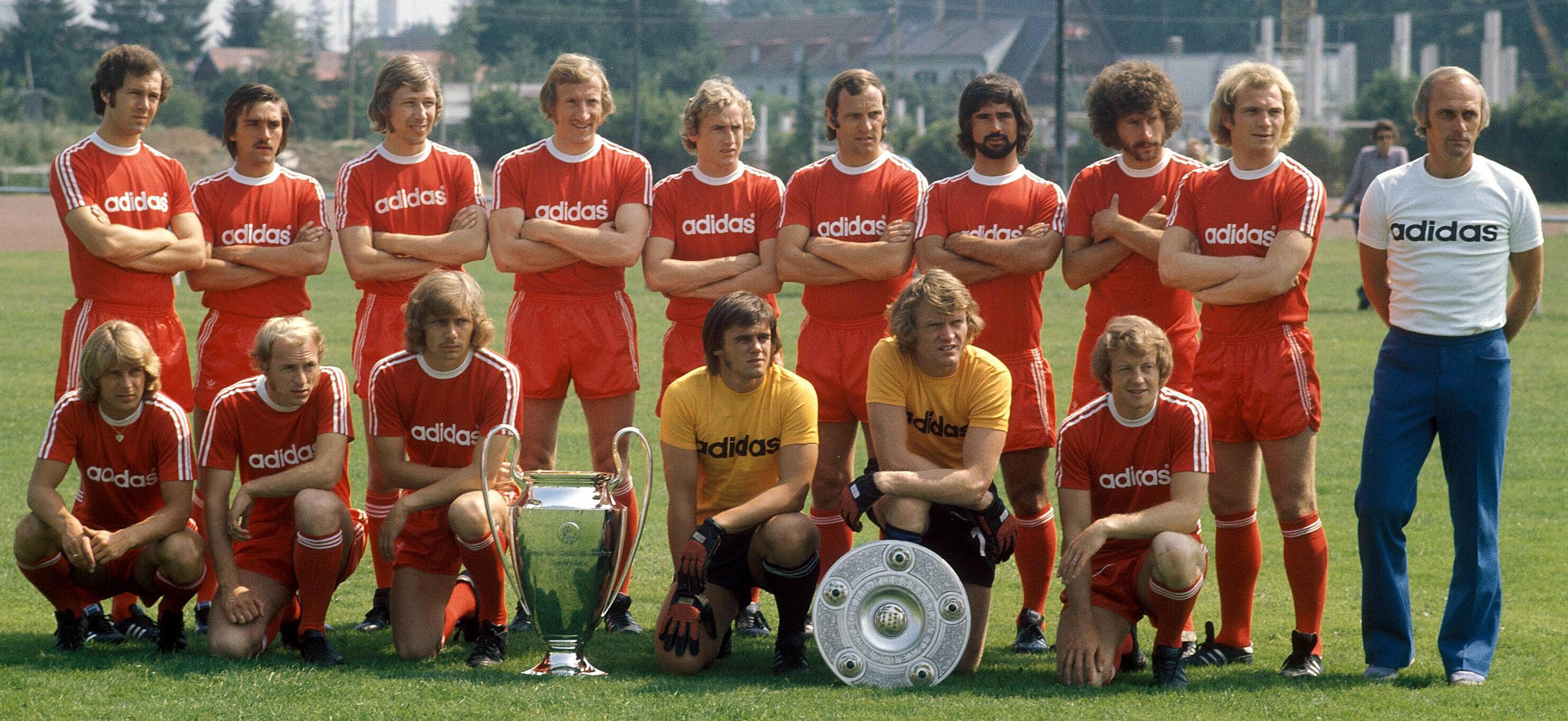
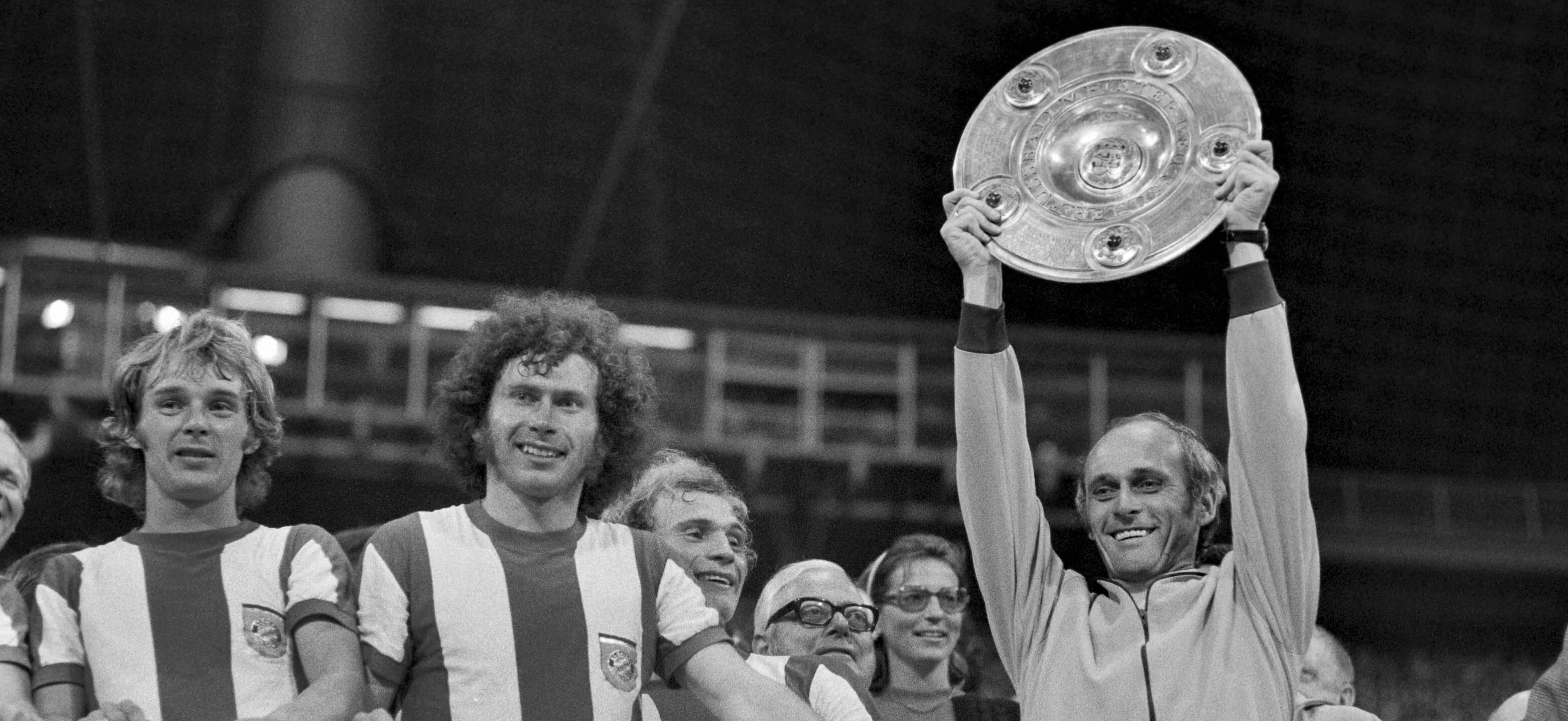
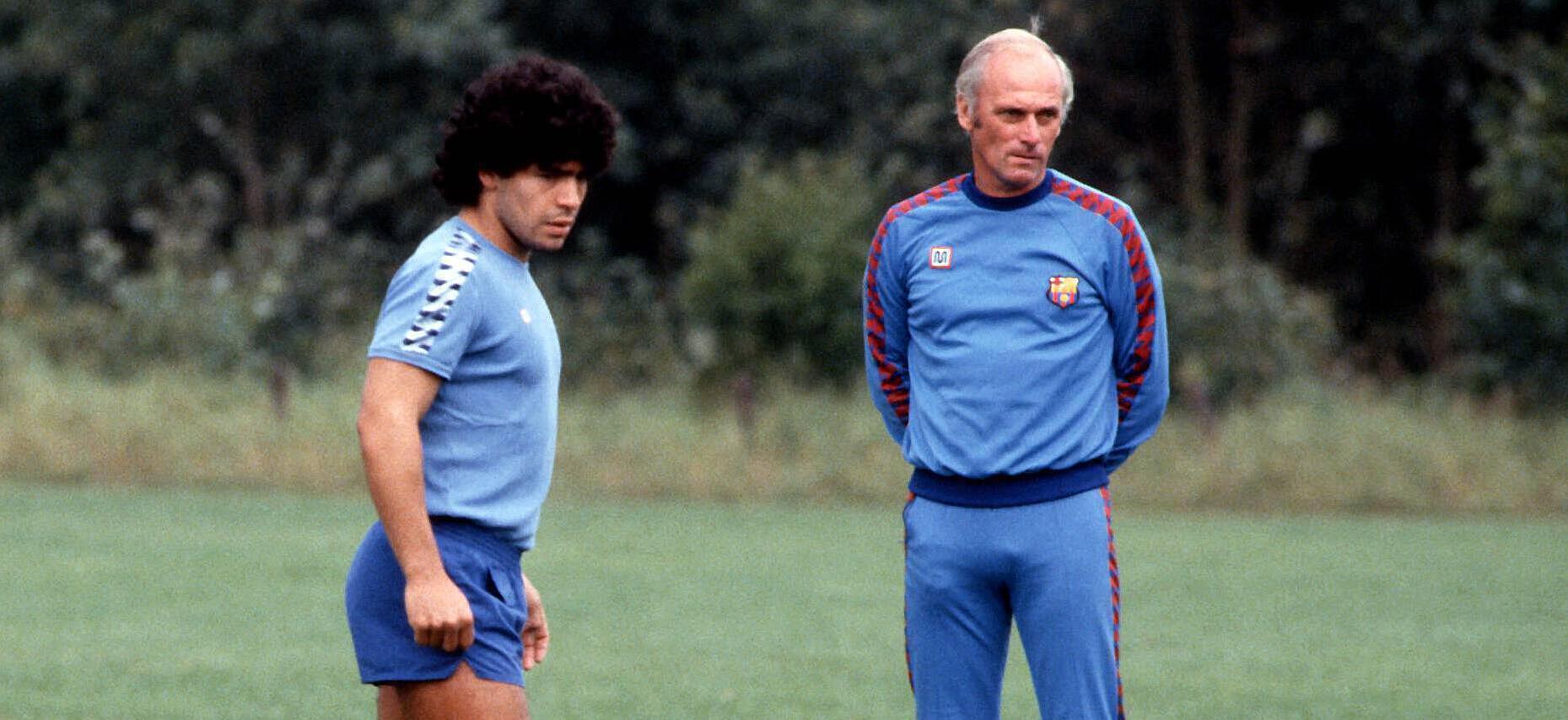
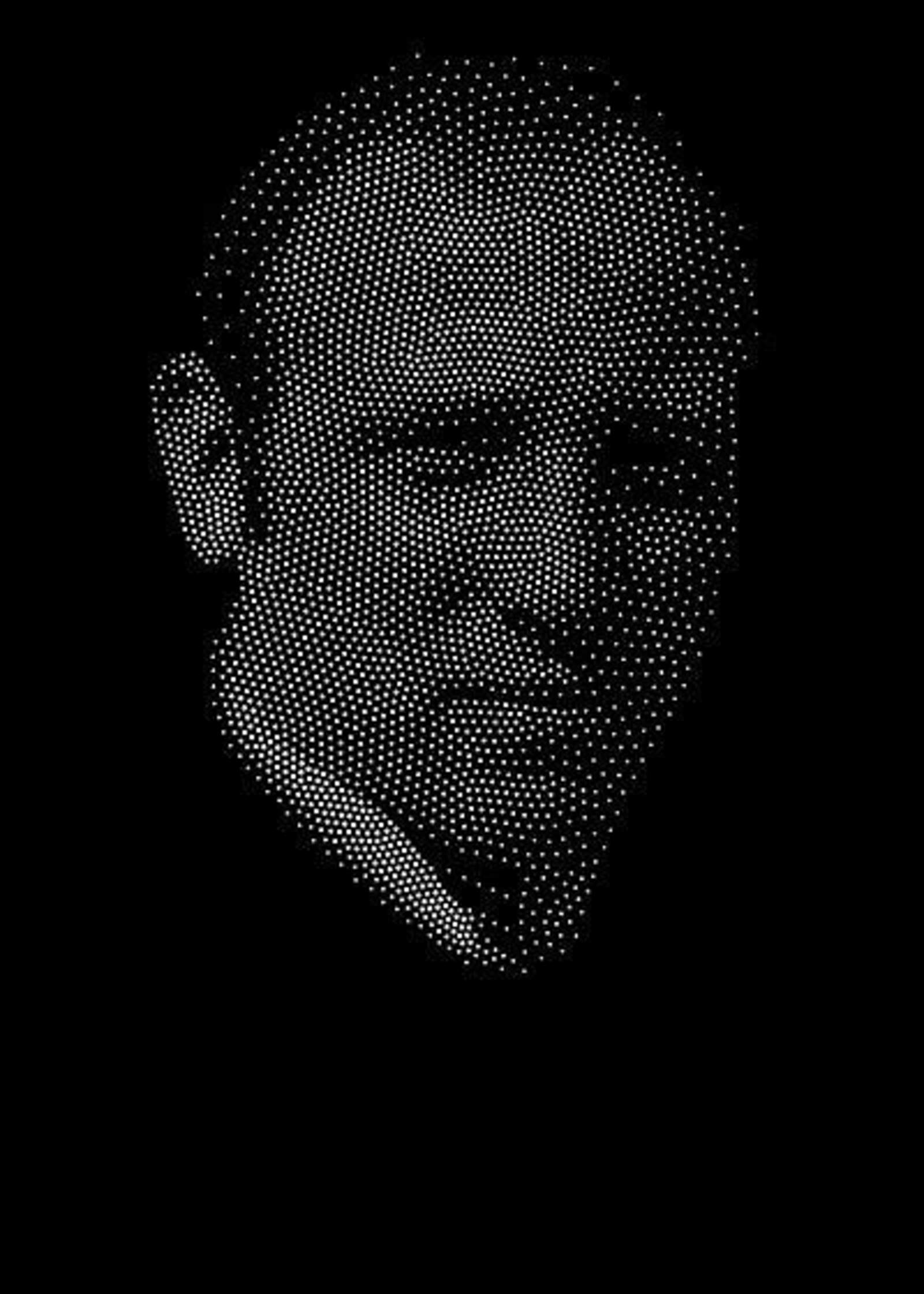
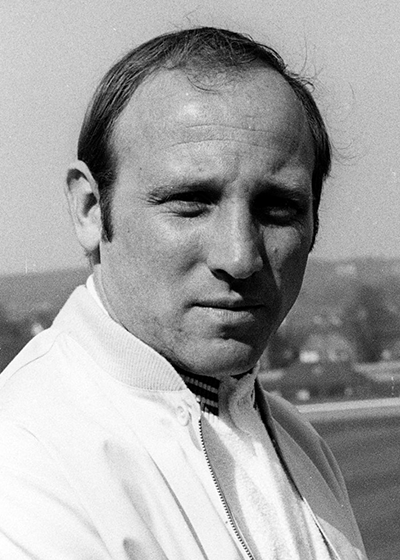
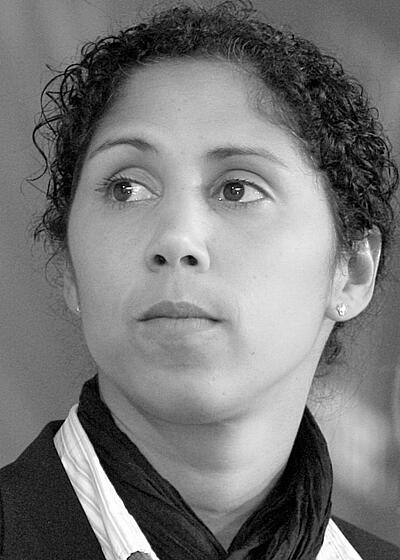
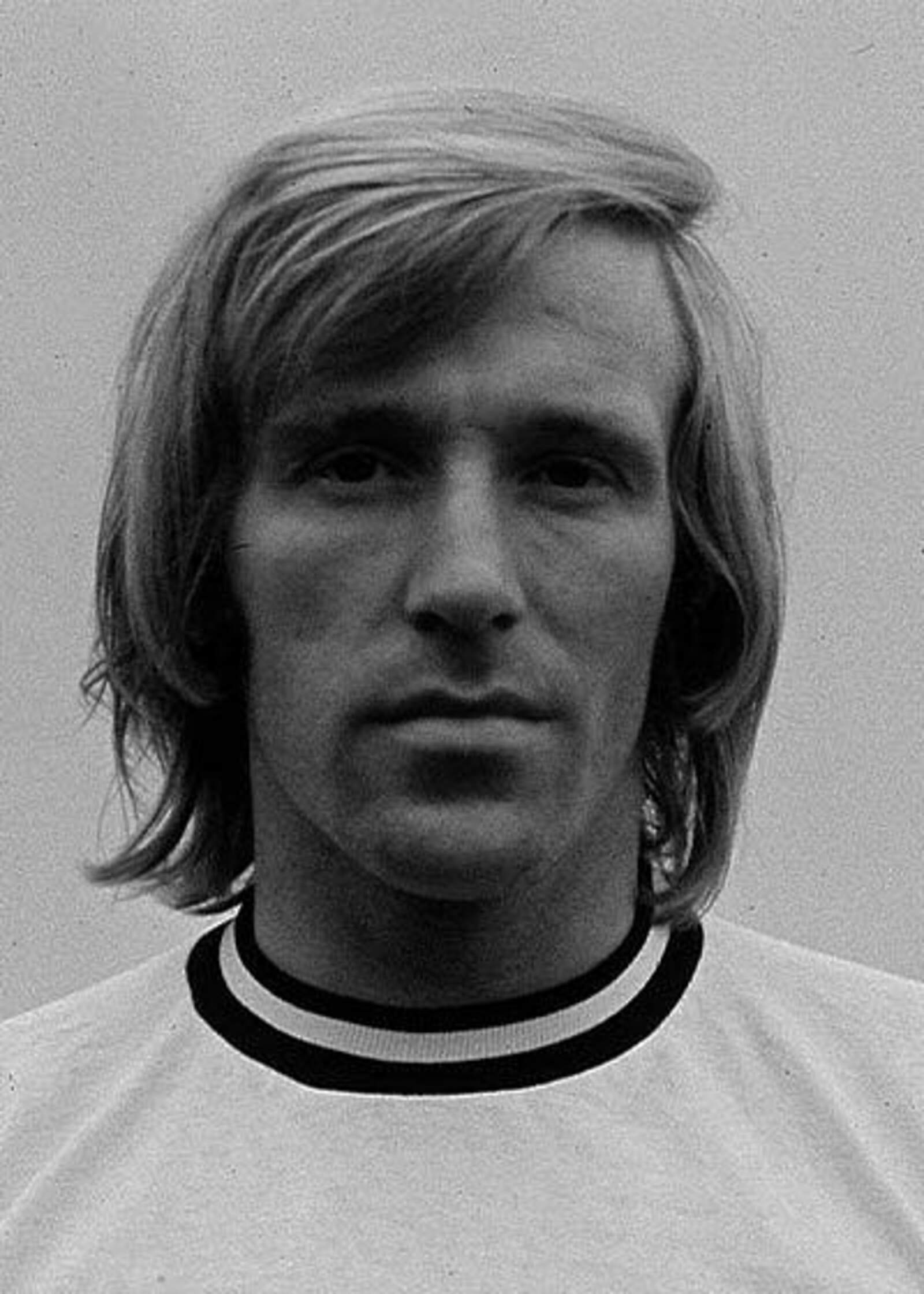
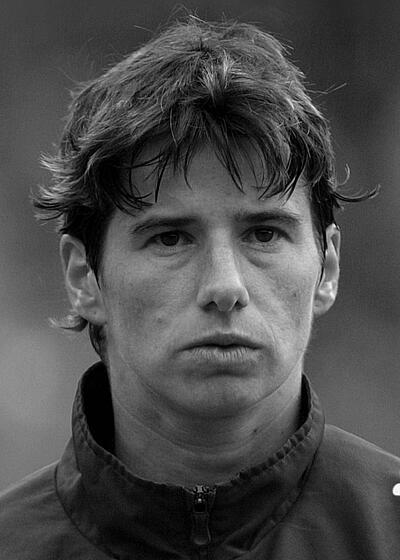
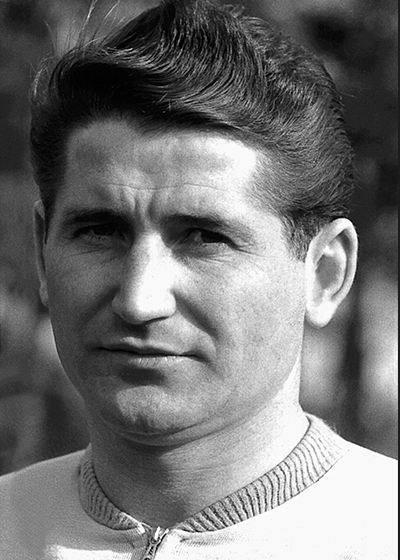
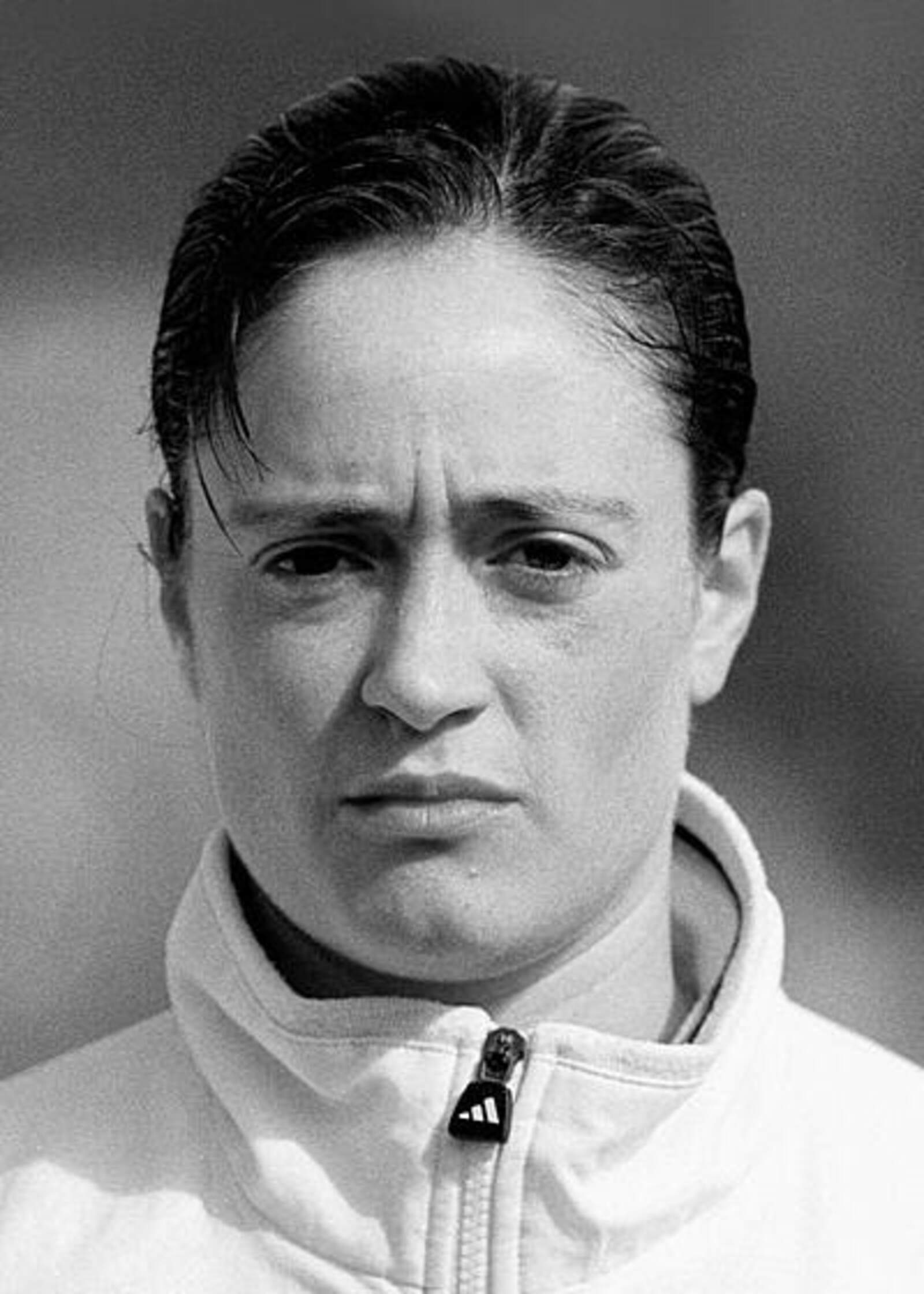
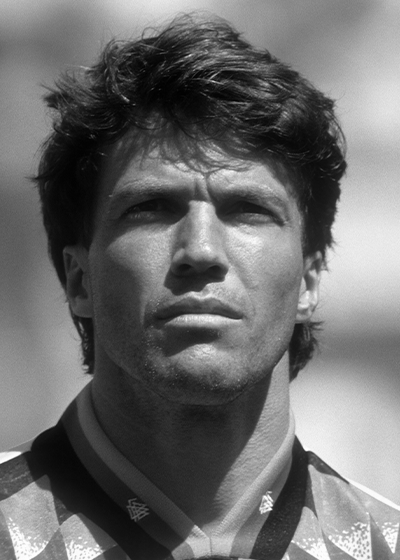
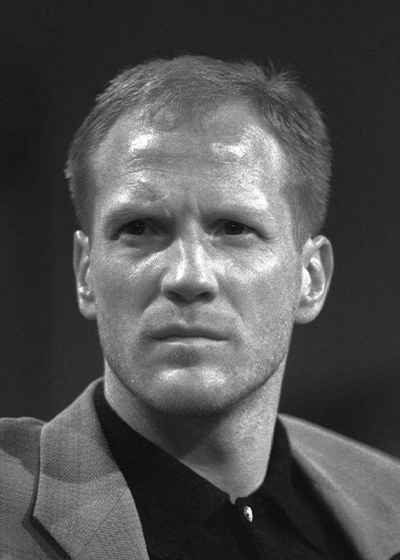
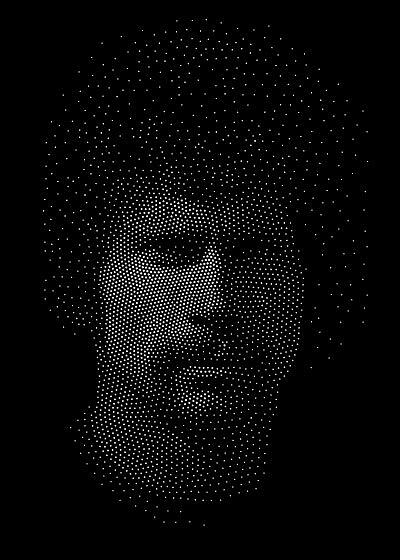
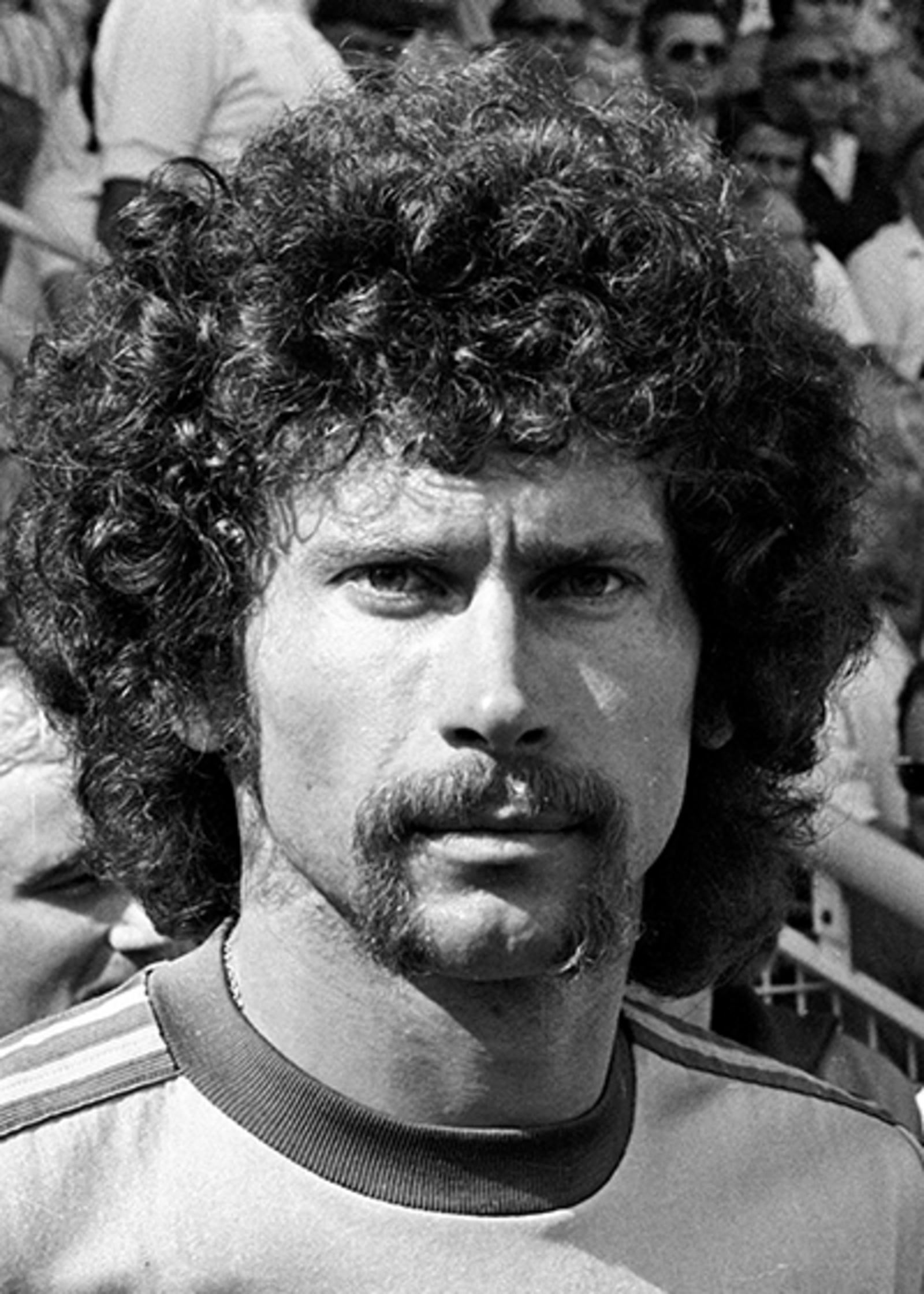
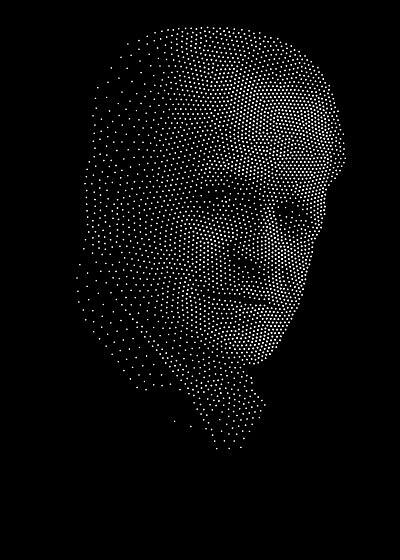
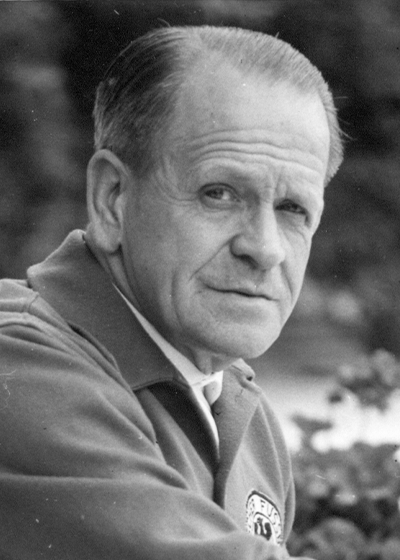
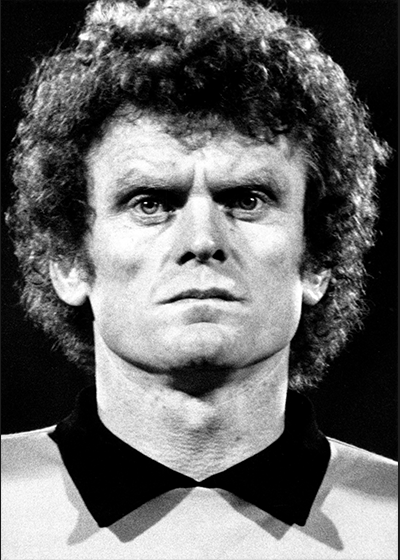
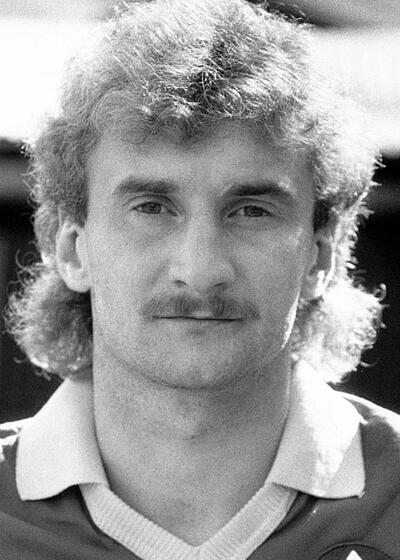
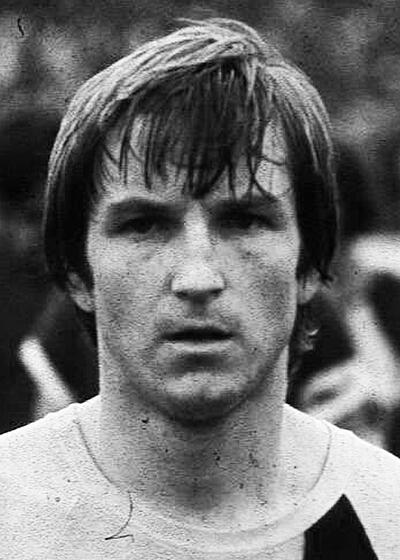
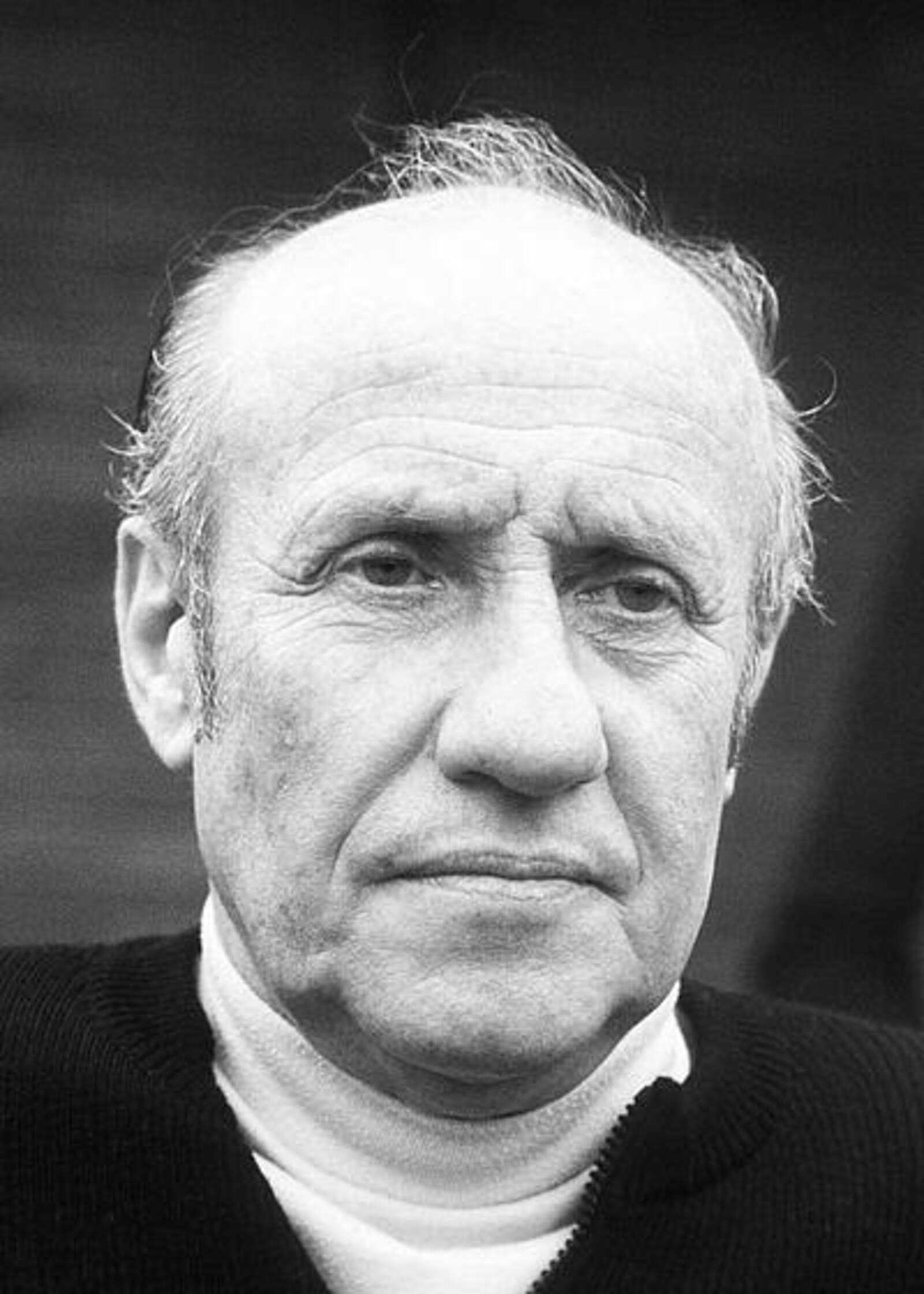
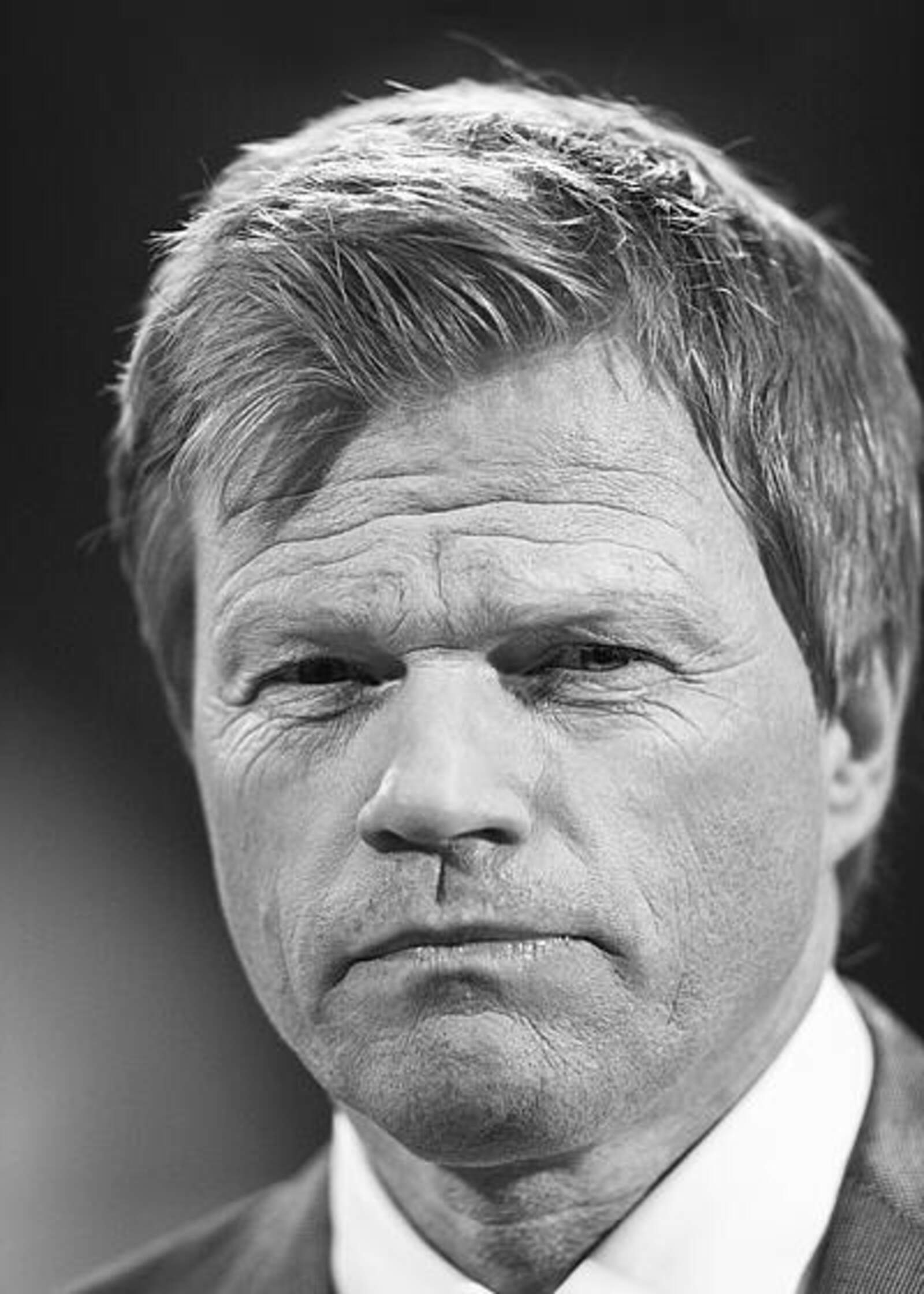
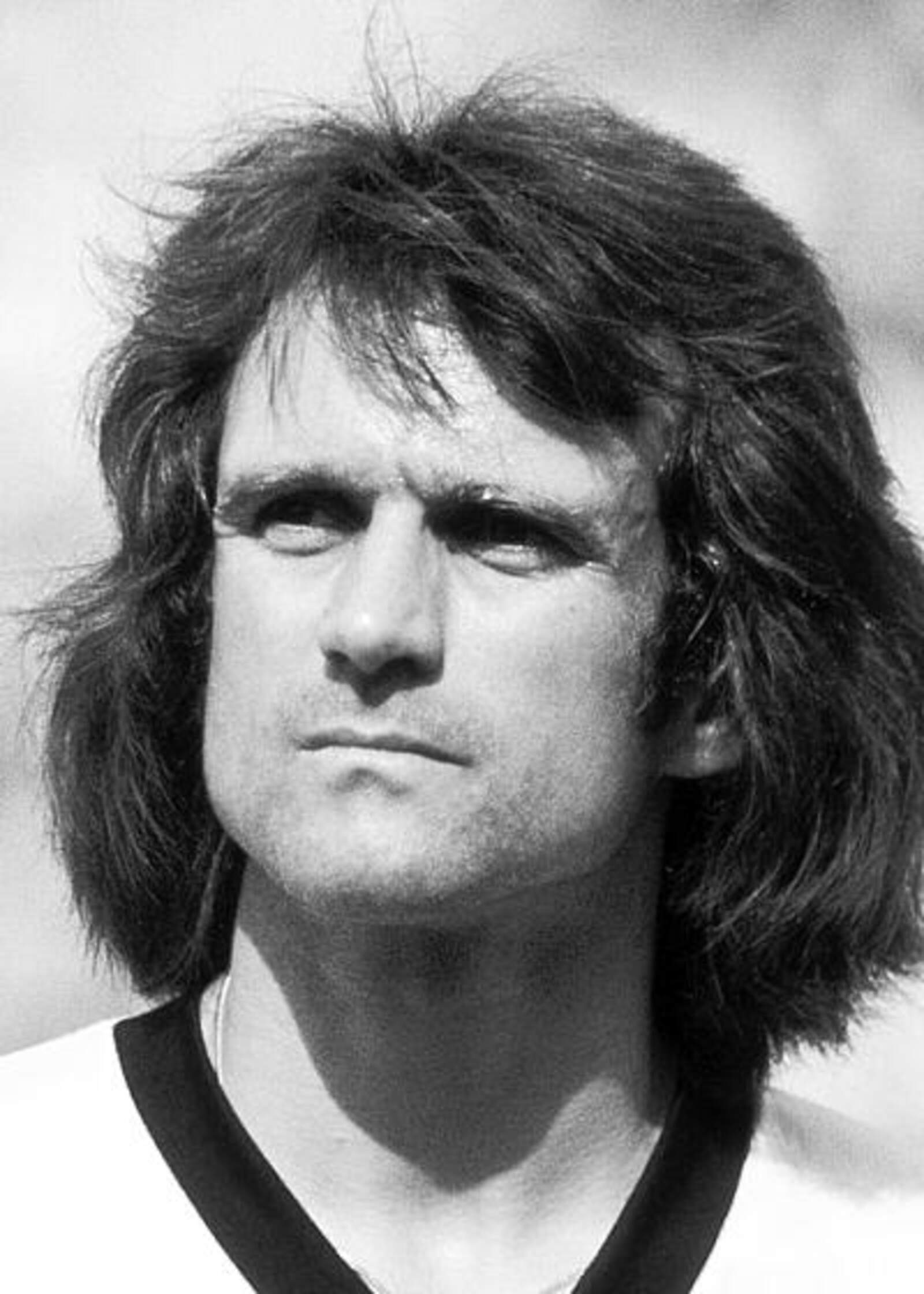
Udo Lattek is one of the most successful club managers in the world. However, the qualified secondary school teacher initially began his career with the German Football Association. He spent five years there working with the youth teams and also served as assistant to Helmut Schön with the senior national team. In this role, the native of East Prussia also played a part in the team’s runner-up finish at the 1966 World Cup in England. Following his move from the DFB to FC Bayern in March 1970, he brought two of the greatest talents of the time – Uli Hoeneß and Paul Breitner – to Munich, a move that was to prove to be of far-reaching significance for the club. After five years, during which he won the DFB Cup, three German league titles and victory in the European Cup, Lattek continued to add to his trophy haul at Borussia Mönchengladbach, where he celebrated two consecutive German league titles in 1976 and 1977 and victory in the UEFA Cup in 1979. Lattek also proved to be a guarantee of success abroad, winning the European Cup Winners’ Cup with FC Barcelona in 1982. After returning to Munich, he once again shaped an outstanding era, winning the league title three times and the cup twice with Bayern within four years. Having actually announced his retirement from the world of football in 1993 following a brief spell at Schalke 04, he was entrusted once again – after a seven-year break – with a mission that was entirely new to him. This time, the then 65-year-old was not called upon as a title-winning manager, but was tasked with saving BVB 09 from the threat of relegation – a feat he achieved in collaboration with the then novice manager Matthias Sammer, further cementing his legendary status.
The German Football Hall of Fame was established on the initiative of the German Football Museum. In November 2018 and January 2019, leading sports journalists voted for the inaugural men’s and women’s teams. The jury members were asked to nominate their choice of players and managers from German men’s and women’s football. Players who were eligible to play for German national teams and whose playing careers had ended at least five years previously were eligible for nomination. The HALL OF FAME honours the greatest legends of German football in one central location for the first time. It forms part of the permanent exhibition at the German Football Museum in Dortmund. Opened on 1 April 2019, it has become a permanent place of pilgrimage for all football fans. The jury decides annually on further inductees from men’s and women’s football.