EN
EN
 DE
DE


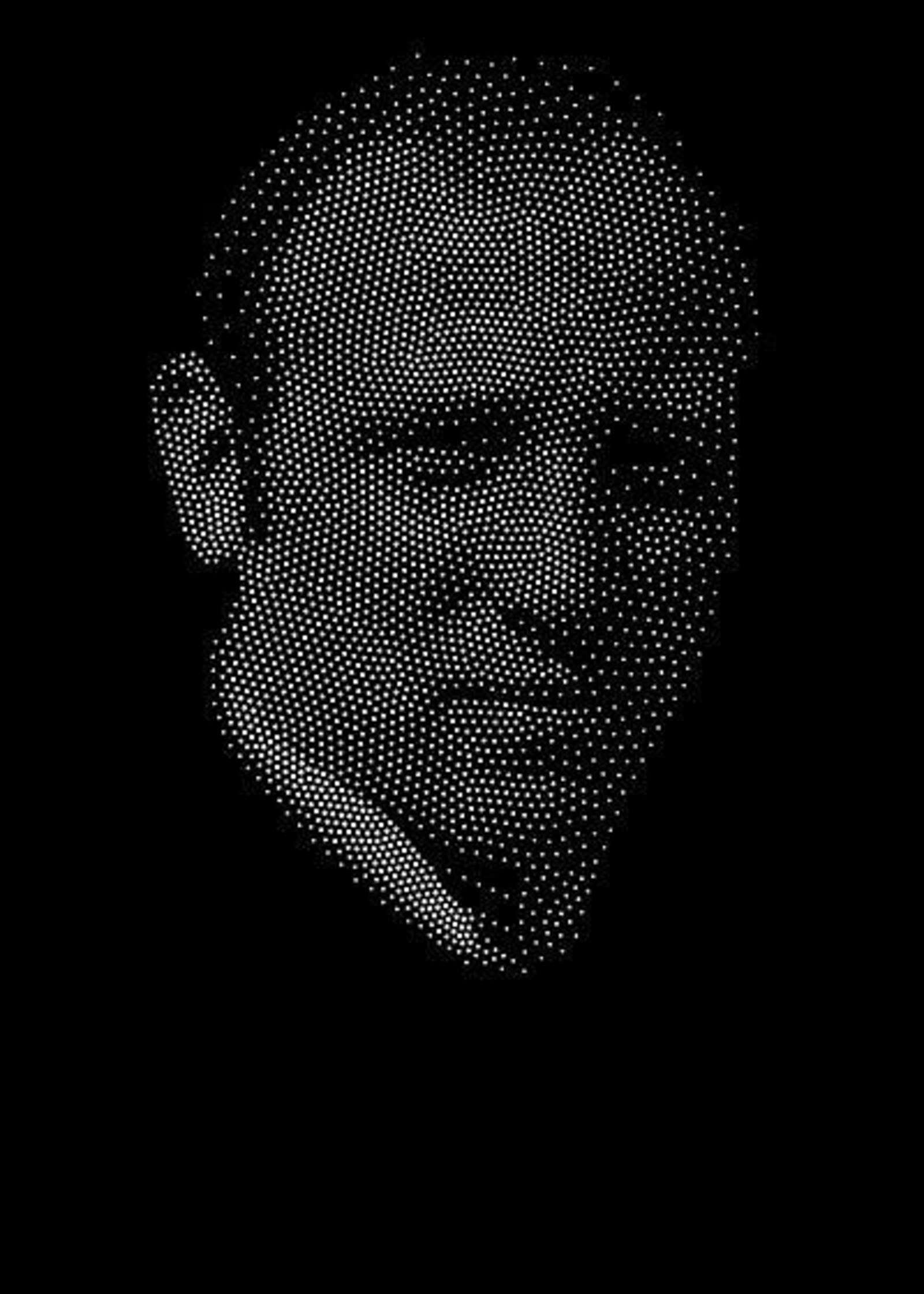
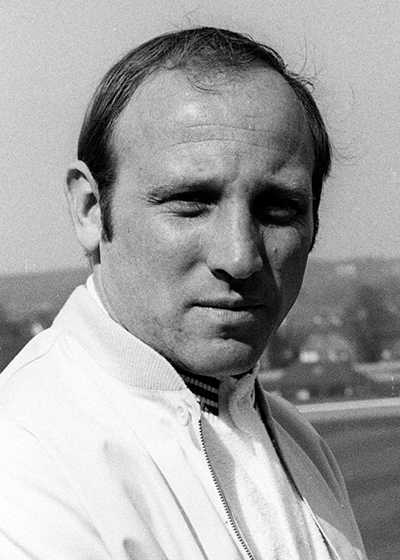
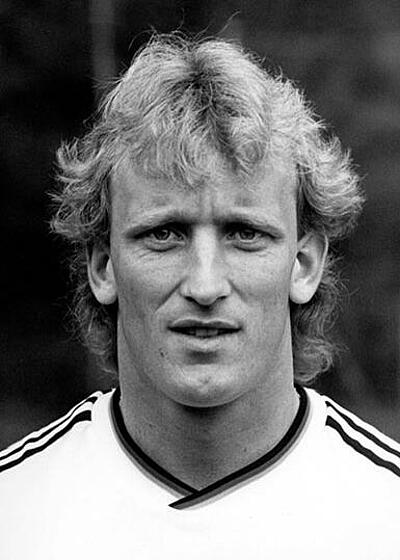
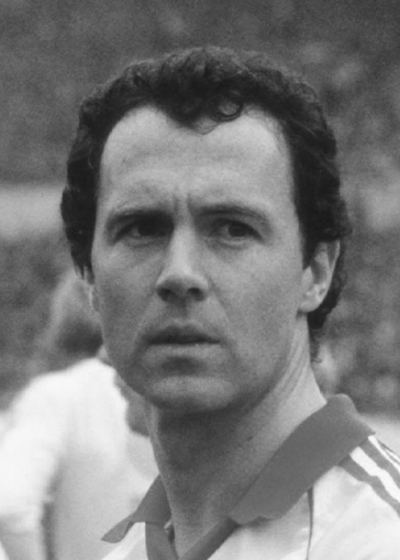
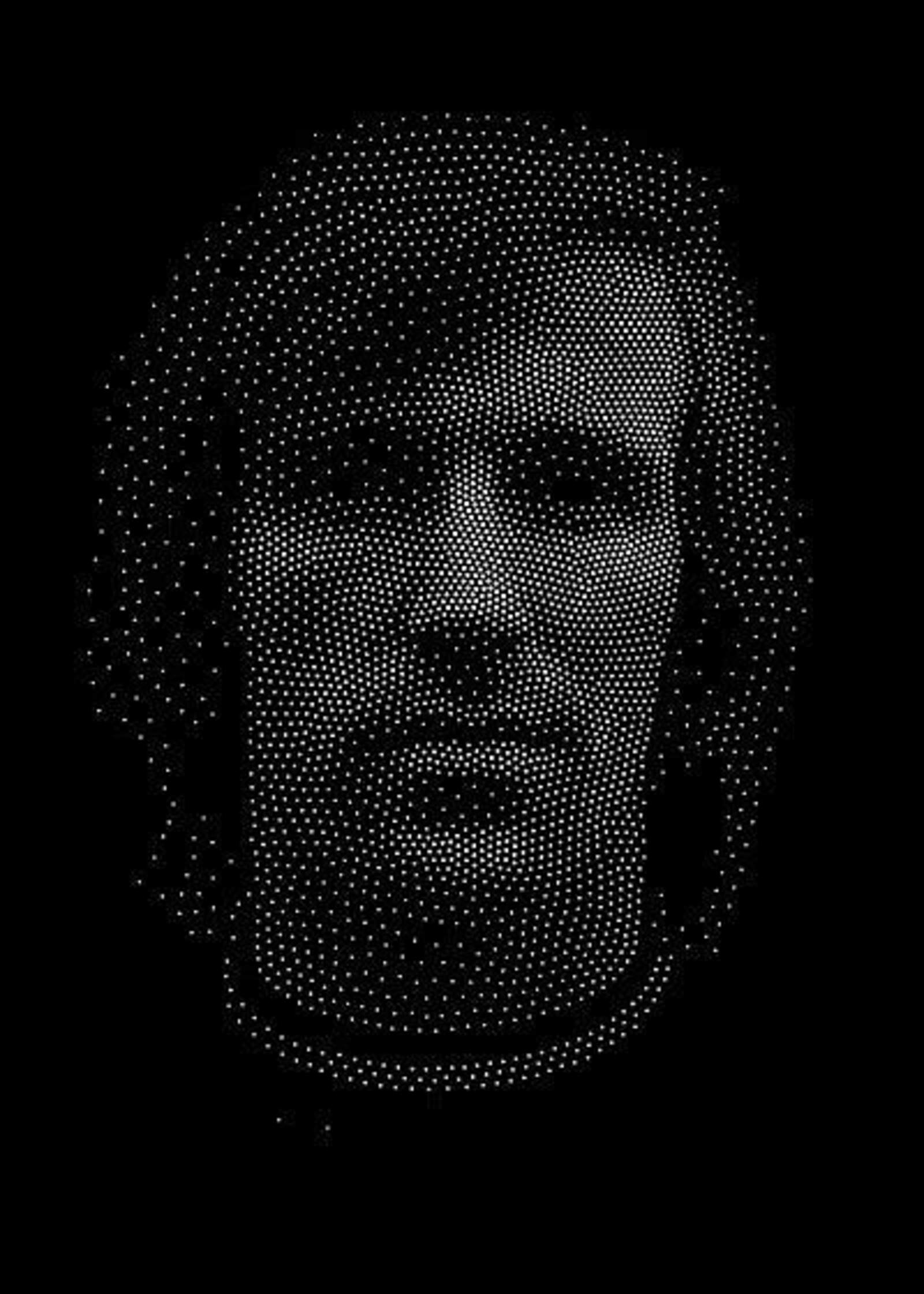
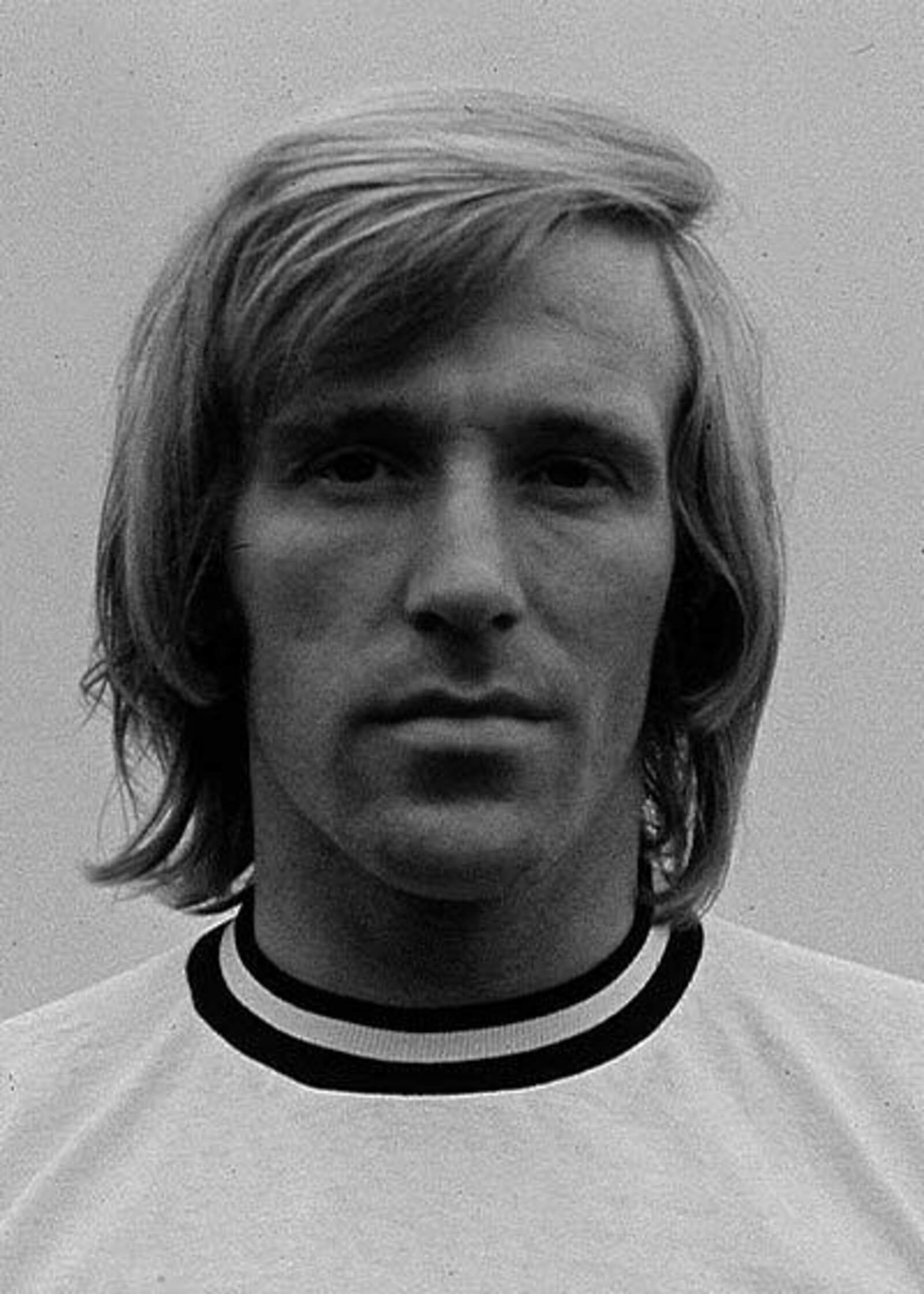
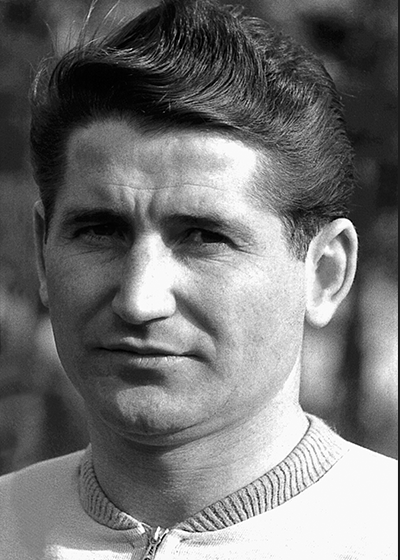
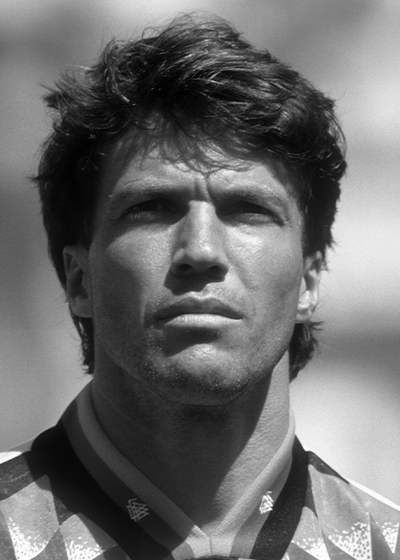
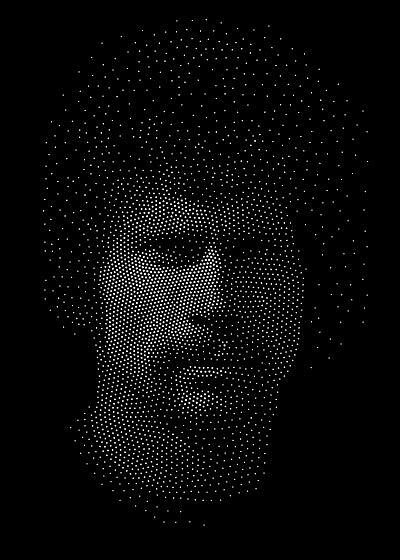
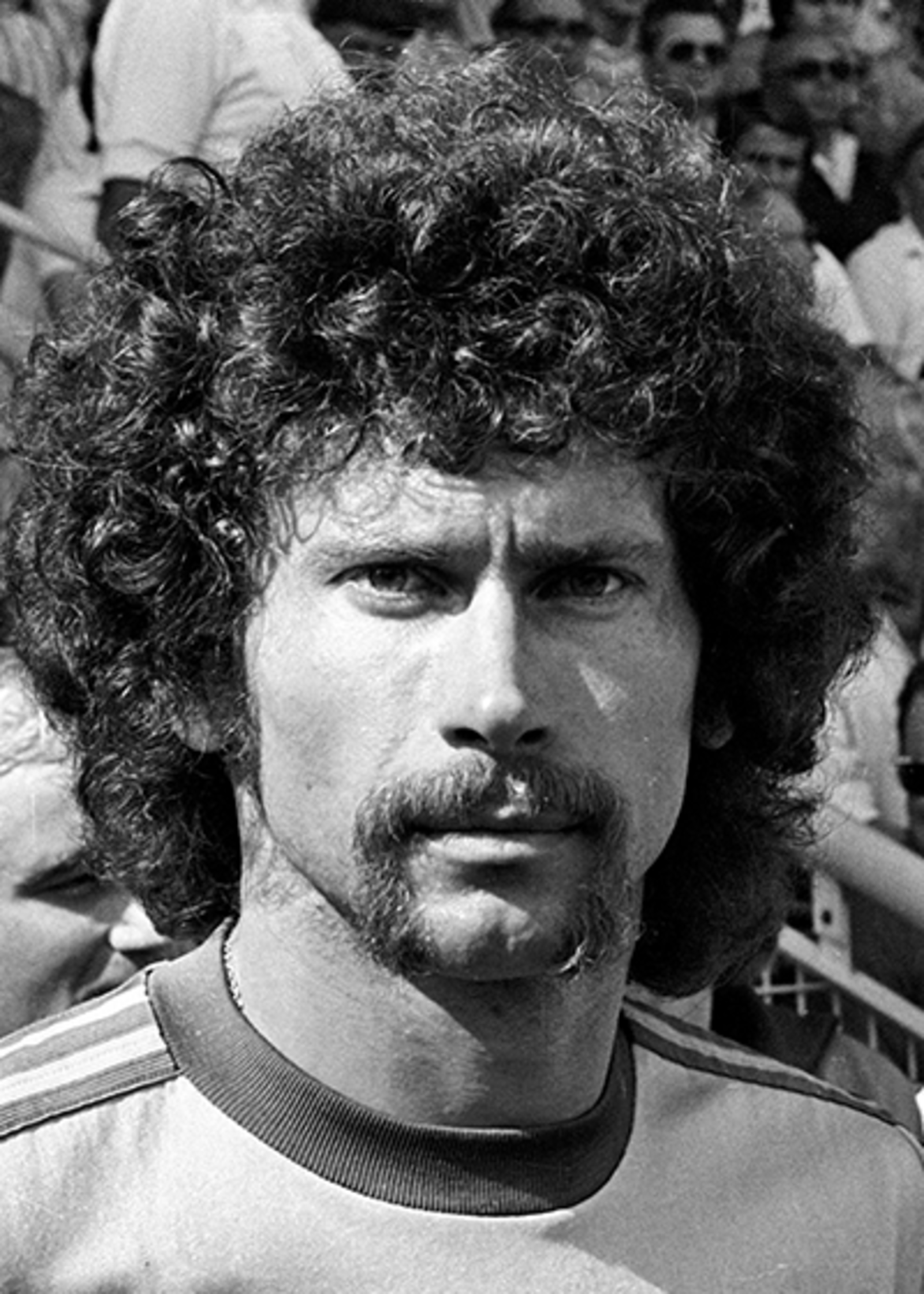
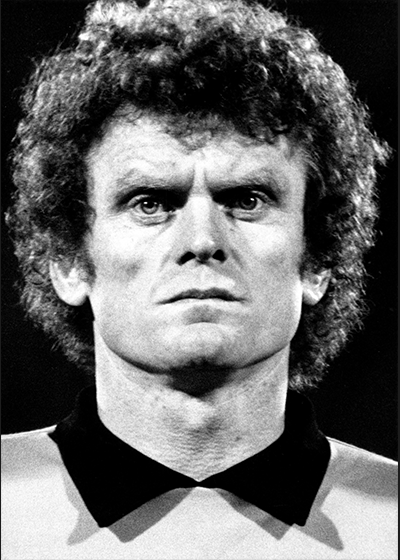
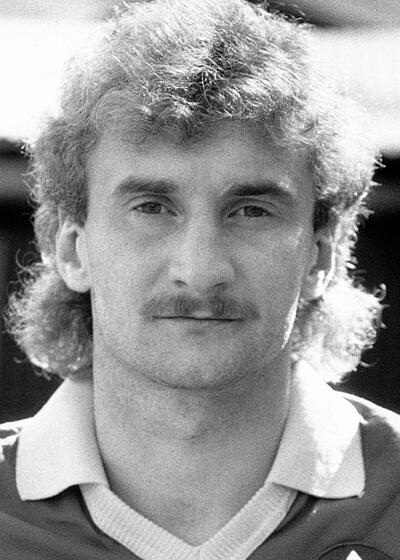
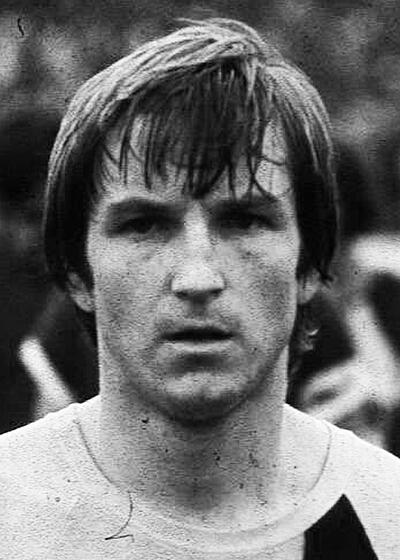
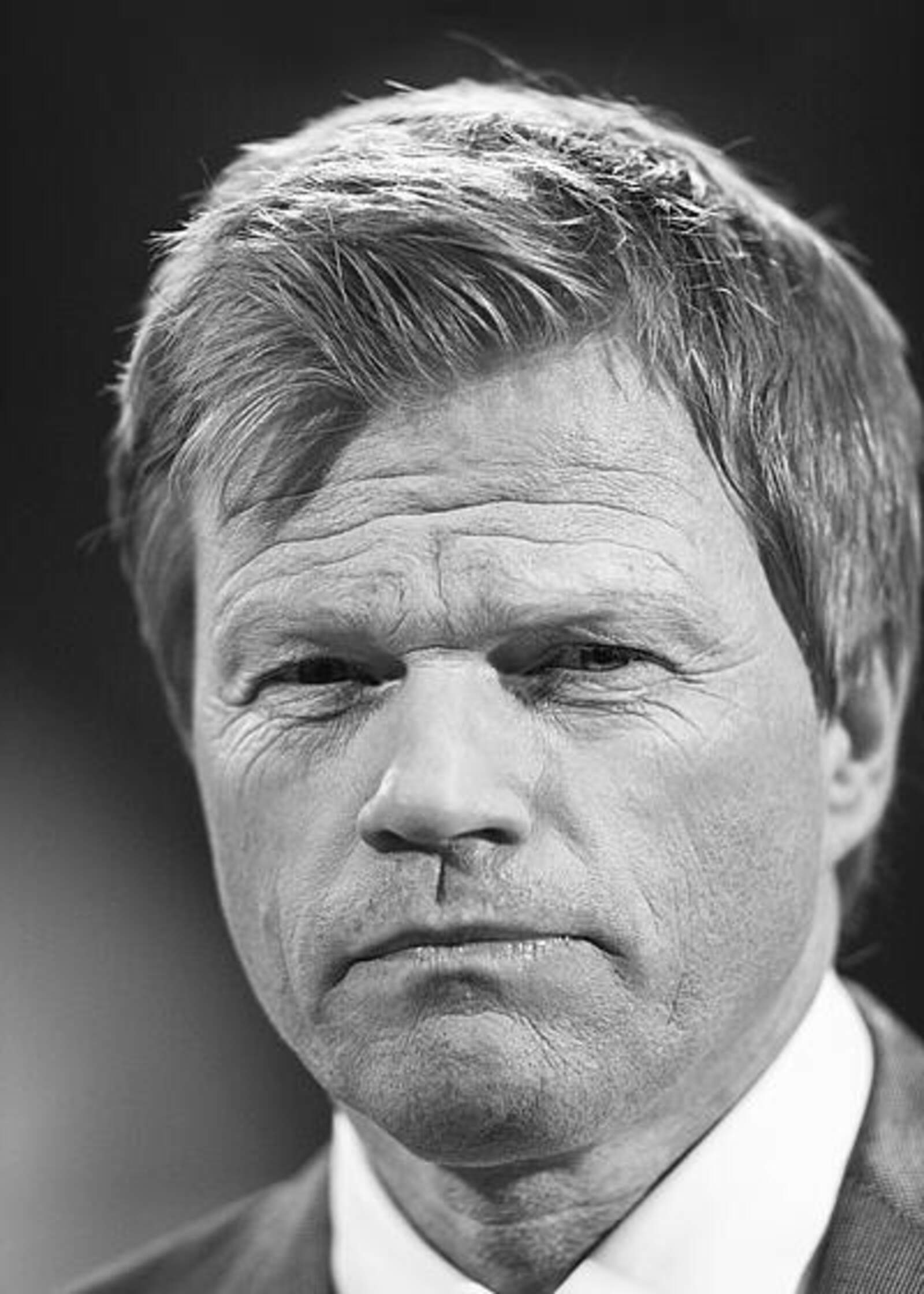
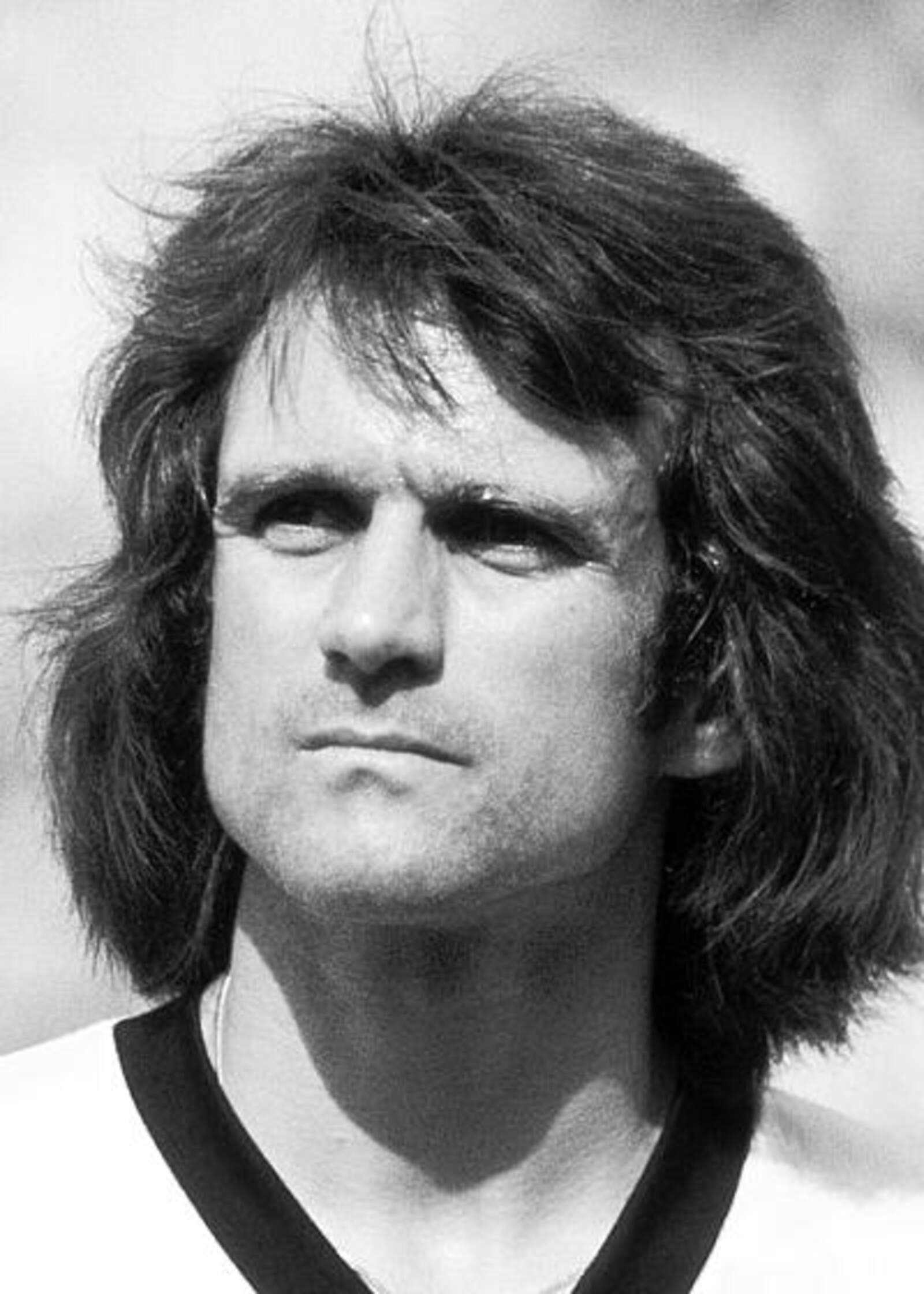
Rudi Völler
13 April 1960, Hanau
Sturm
Career as a player:
1977–1980 Kickers Offenbach 1980–1982
TSV 1860 Munich 1982–1987
Werder Bremen 1987
–1992 AS Roma 1992–1994
Olympique Marseille 1994–1996
Bayer 04 Leverkusen
Club:
232 appearances, 132 goals (Bundesliga)
; 142 appearances, 45 goals (Serie A, Italy)
; 58 appearances, 24 goals (Ligue 1, France)
Honours:
Italian Cup winner: 1991
UEFA Champions League winner: 1993
National team:
90 appearances, 47 goals
World Champion: 1990
; World Cup runner-up: 1986
; European Championship runner-up: 1992
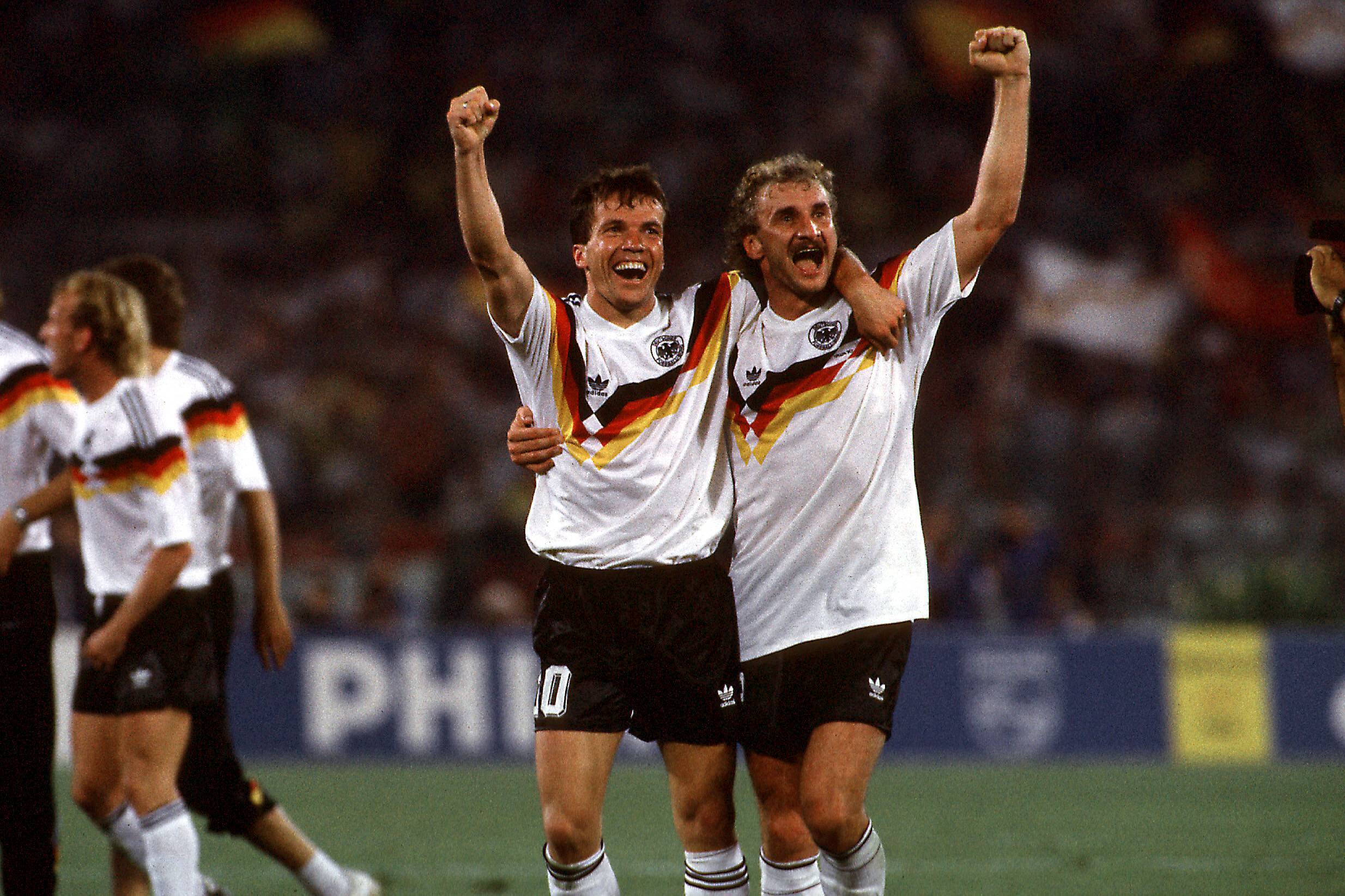
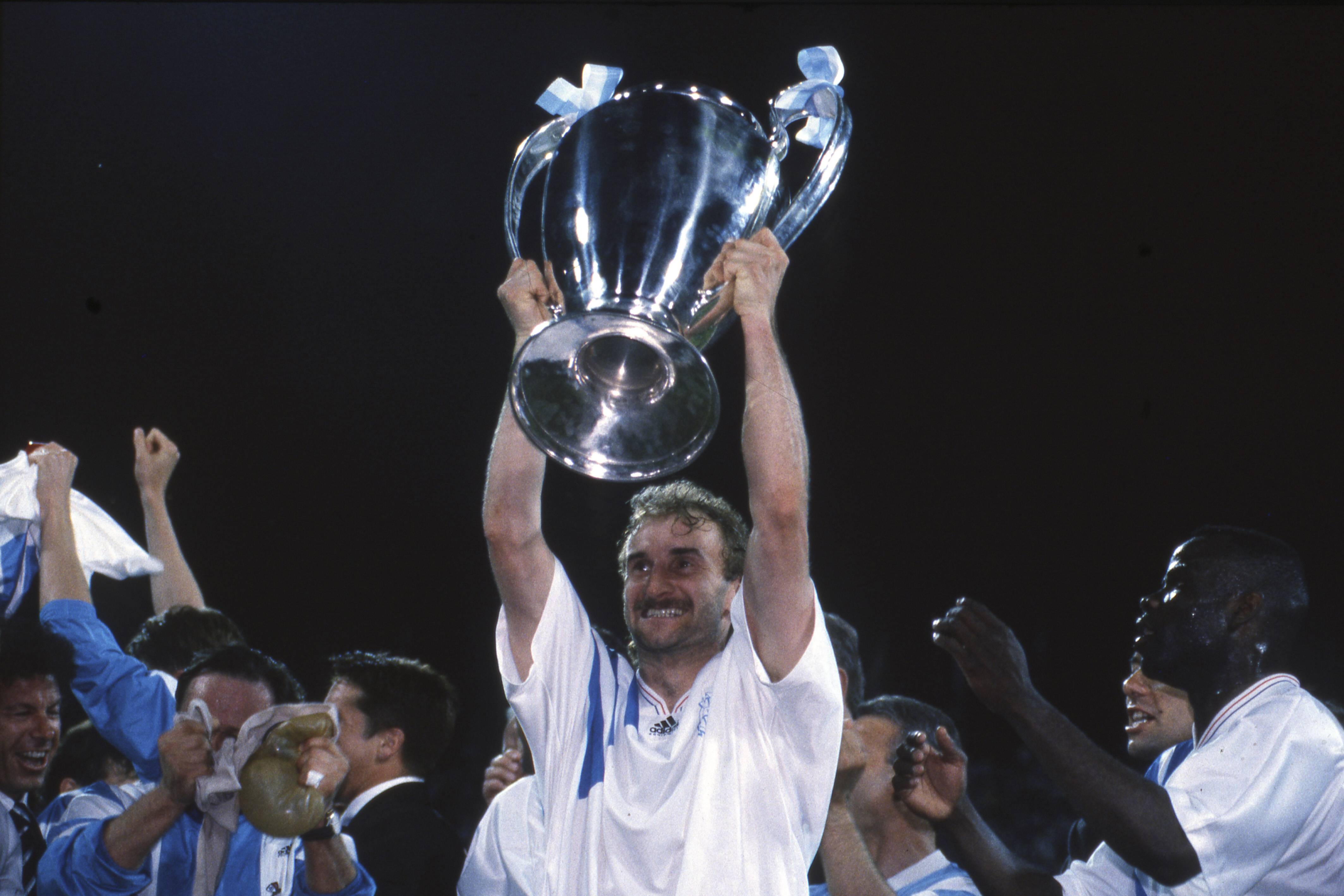
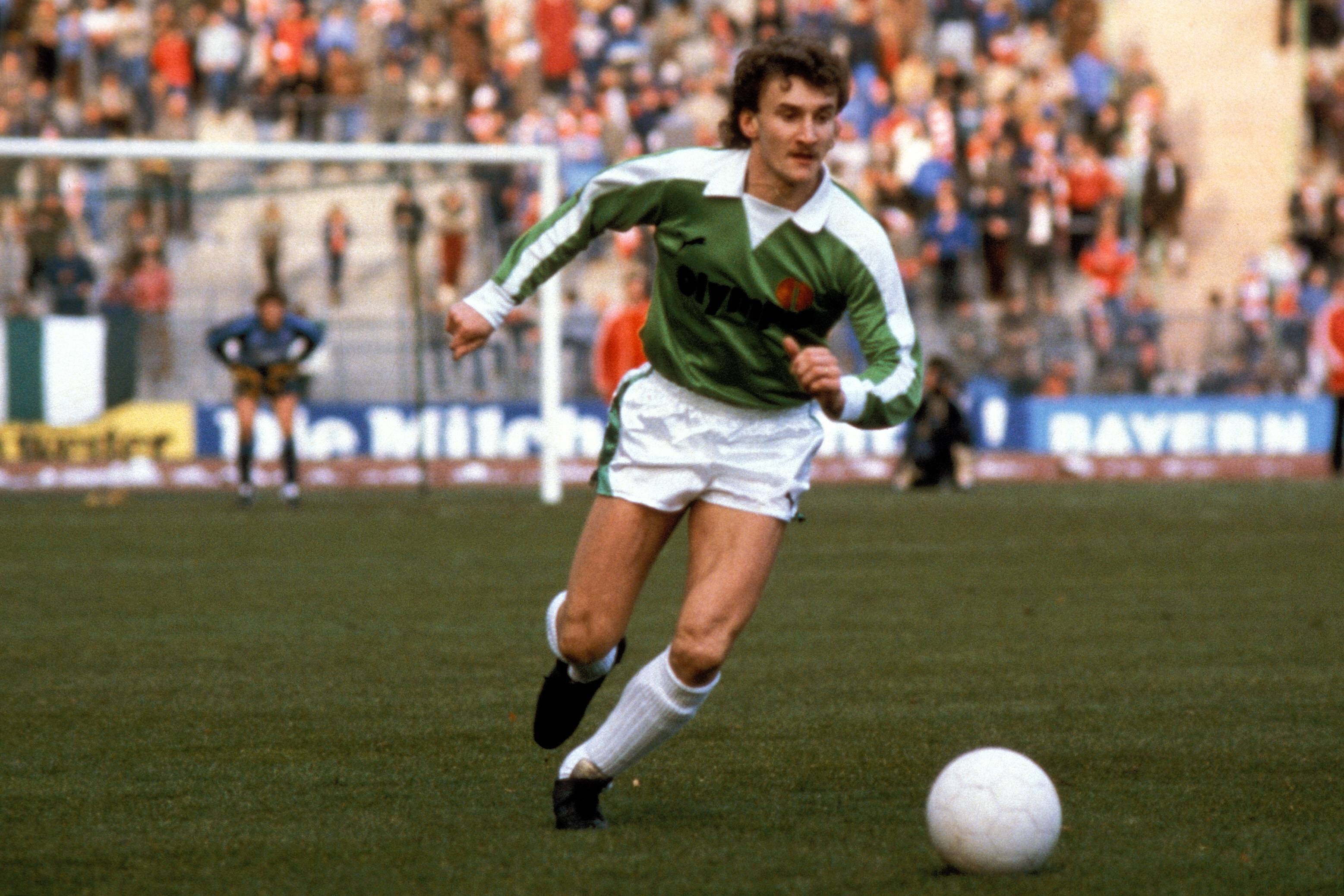
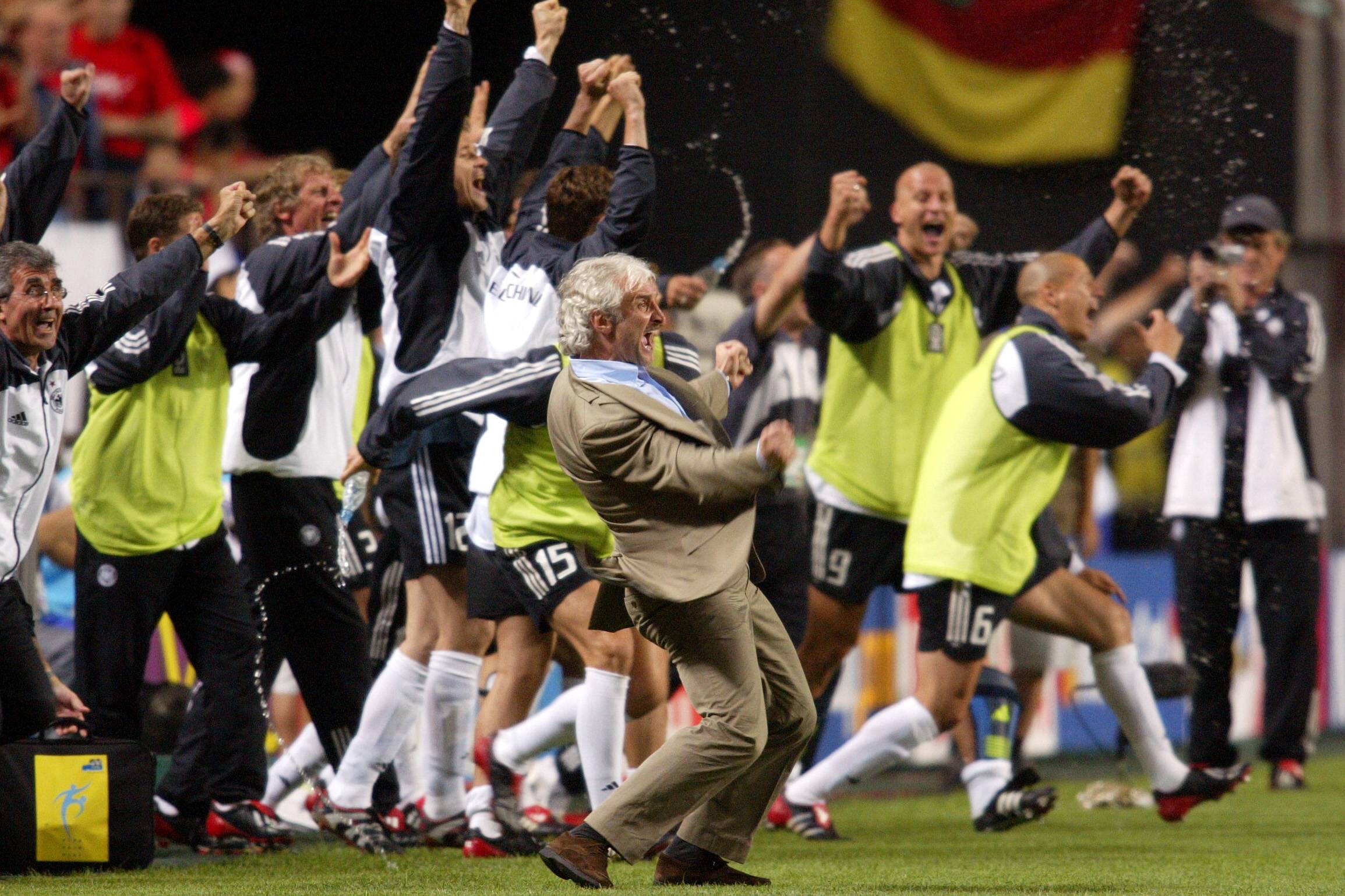
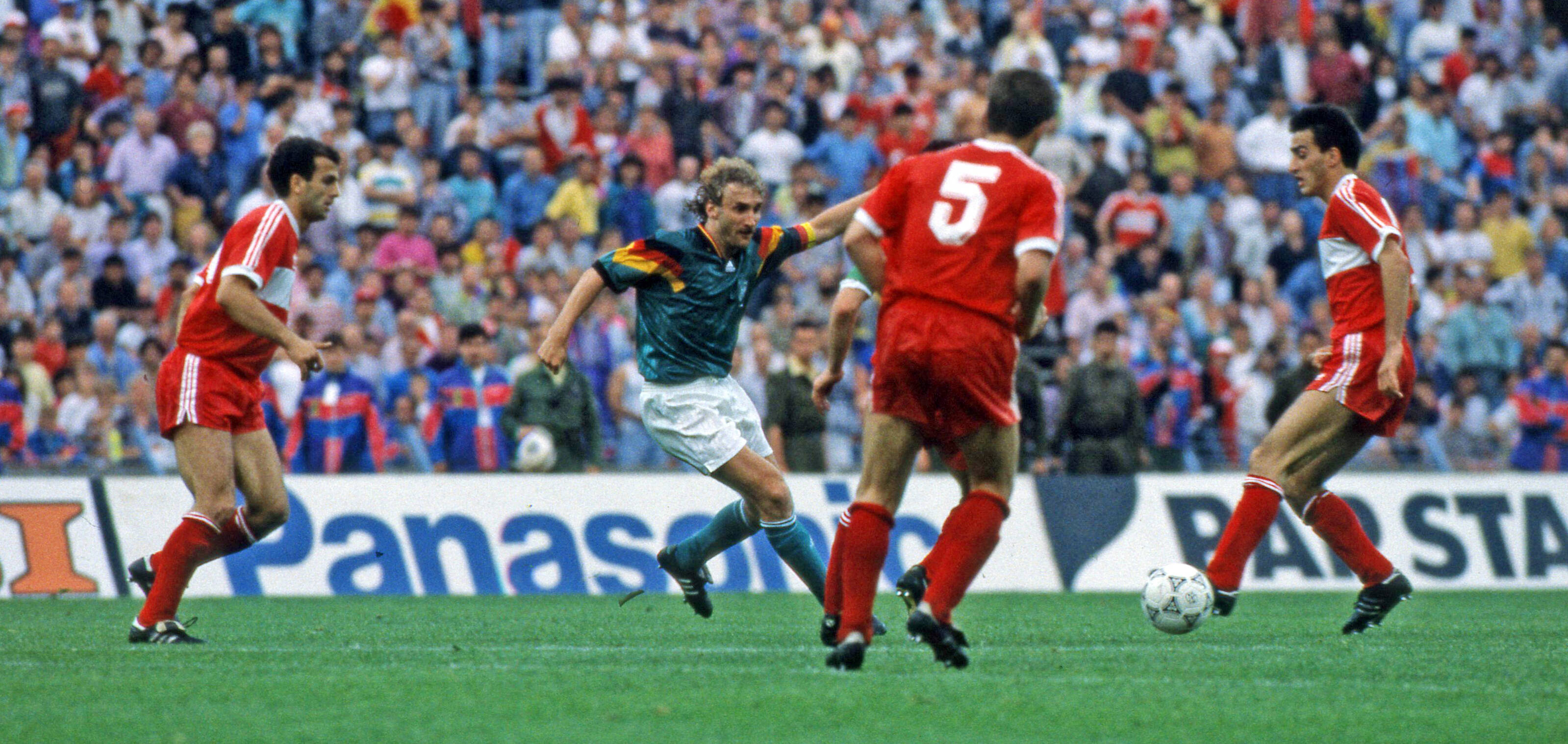
In the stands, where the fans are able to create a spine-tingling atmosphere, they favour first names like Siegfried and Wilfried. Or Rudolf. Especially when one of their favourites goes by that name and thousands of them loudly cheer on his every move by chanting the obvious derivations – a drawn-out ‘Siggi’ and ‘Willi’. Or ‘Ruuuuudi’! With some players, it’s easy to conclude that their popularity is defined almost more by their first name than by their footballing ability. Not so with Rudolf Völler. His mentor, Otto Rehhagel, says: “Rudi was an exceptional player, a complete striker. Two-footed, strong in the air, very fast, with excellent dribbling skills and a nose for goal.”
Rehhagel brought the highly talented striker to Bremen in 1982 after he had topped the second division’s scoring charts, with the result that he immediately went on to become the top scorer in the top flight and Germany’s ‘Footballer of the Year’. His signing helped Werder establish themselves among the Bundesliga’s elite. Völler’s goals – 97 in total from 137 appearances over five seasons – secured the club three runners-up spots and qualification for international competition every season. Völler’s style of play was electrifying. His combative running style, his desire to hold his own in challenges, and his energy – which wasn’t confined to the 16-metre box – drew cries of “Ruuuuudi” from his fans as soon as he even came near the ball. His popularity extended far beyond the club’s boundaries. When Völler was sidelined for months following a foul, virtually the whole nation held its breath, hoping he would recover in time for the 1986 World Cup.
He made a successful comeback, but was unable to compete in the tournament in Mexico at 100 per cent fitness. From the quarter-finals onwards, he featured only as a substitute; in that role, he played a decisive part in securing a place in the final with a goal in the semi-final against France, where he scored again. His equaliser, after Germany had fallen 0–2 behind against Argentina, briefly raised the German team’s hopes of a happy ending, hopes that were brought to an abrupt end shortly afterwards by Jorge Burruchaga.
The fact that they managed to take their revenge four years later was also down to Ruuudi. Like most of his team-mates, he had a great tournament, albeit one that took a somewhat up-and-down turn for him after the gross unsporting behaviour of his opponent Frank Rijkaard in the round of 16 against the Netherlands led, in a manner that remains inexplicable to this day, to him being sent off and receiving a one-match ban. In the dramatic semi-final against England, he picked up an injury early on, but four days later in the final – once again against Argentina – he was there when it mattered most. Andy Brehme converted a penalty he had won to score the winning goal and secure victory on that magical night in Rome. In his adopted home, in ‘his’ city. In 1987, Völler had moved abroad to AS Roma. There – unsurprisingly – he became a crowd favourite. Not least because of this, the sympathies of the Italian spectators at the final venue, the Stadio Olimpico di Roma, were largely with the German team.
At that time, Italy was the promised land for the ‘who’s who’ of international football. Alongside Völler, the Bundesliga also lost other stars to Serie A. They all returned to Germany, enriching the Bundesliga as top international stars and closing the huge gap they themselves had previously left behind. At Bayer Leverkusen, the fans in the stands were delighted by the return of ‘Ruuuuudi’, even though he had by then been nicknamed ‘Aunt Käthe’ due to his curly mane, which had turned grey rather early.
The German Football Hall of Fame was established on the initiative of the German Football Museum. In November 2018 and January 2019, leading sports journalists voted for the inaugural men’s and women’s teams. The jury members were asked to nominate their choice of players and managers from German men’s and women’s football. Players who were eligible to play for German national teams and whose playing careers had ended at least five years previously were eligible for nomination. The HALL OF FAME honours the greatest legends of German football in one central location for the first time. It forms part of the permanent exhibition at the German Football Museum in Dortmund. Opened on 1 April 2019, it has become a permanent place of pilgrimage for all football fans. The jury decides annually on further inductees from men’s and women’s football.