EN
EN
 DE
DE

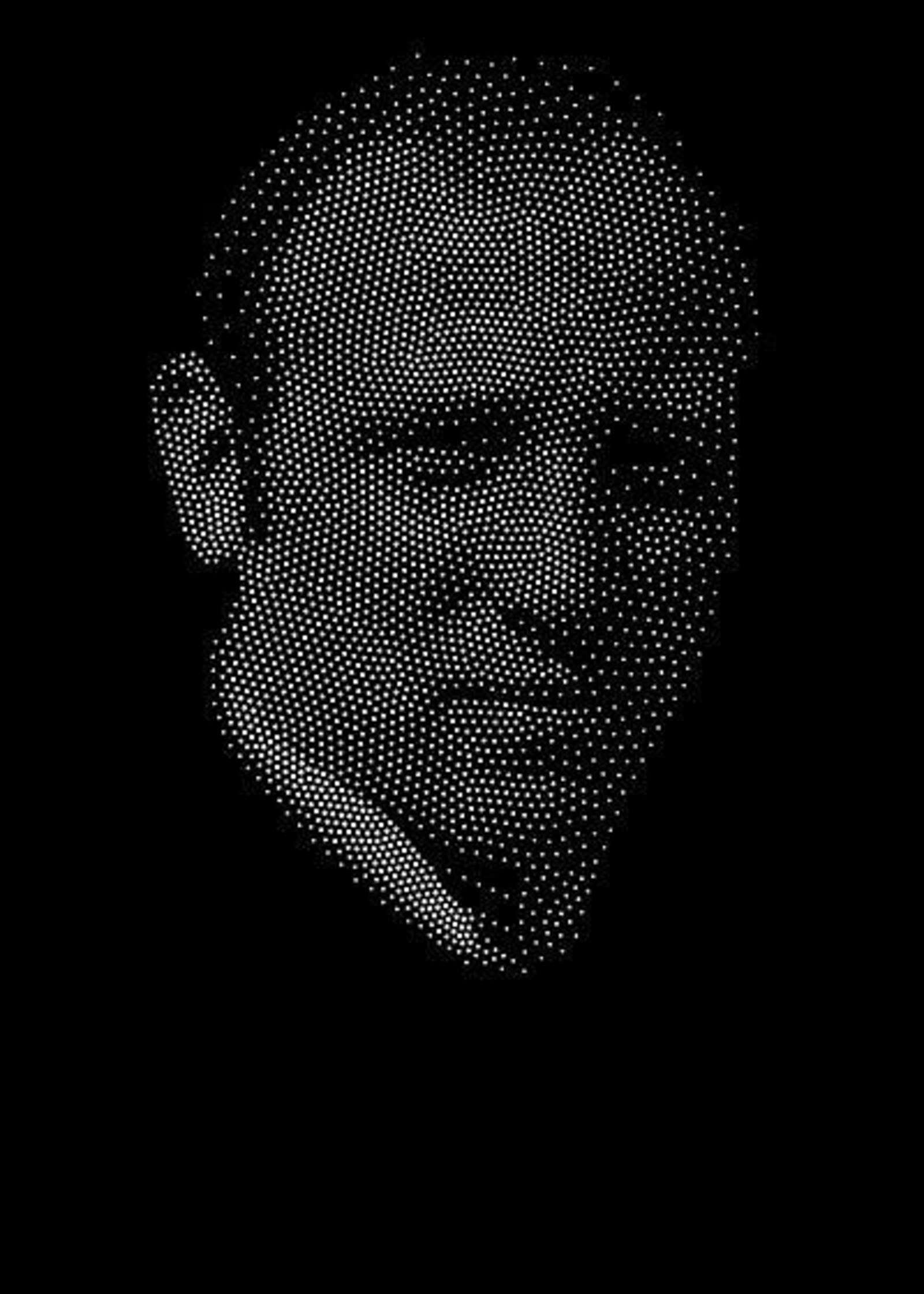
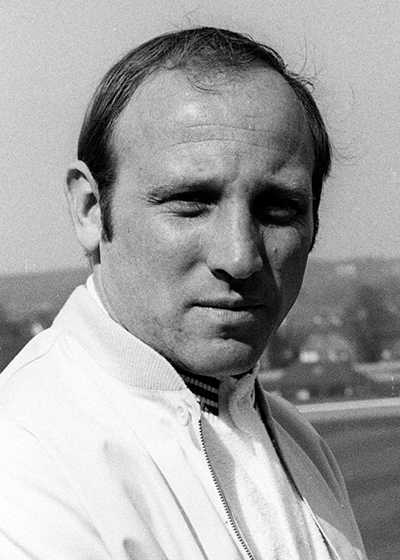
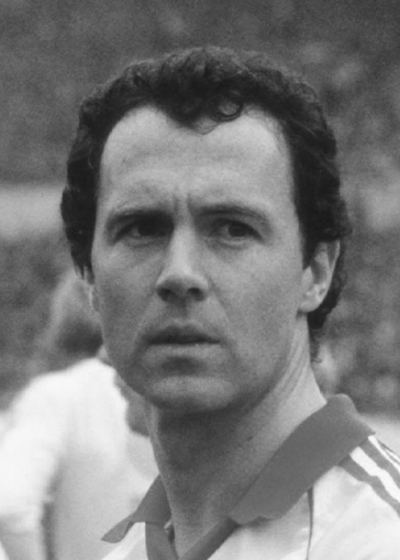
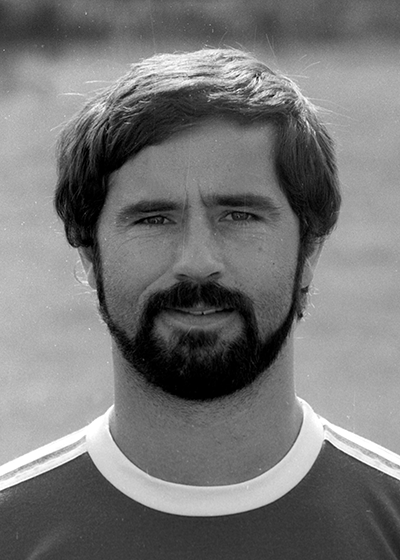
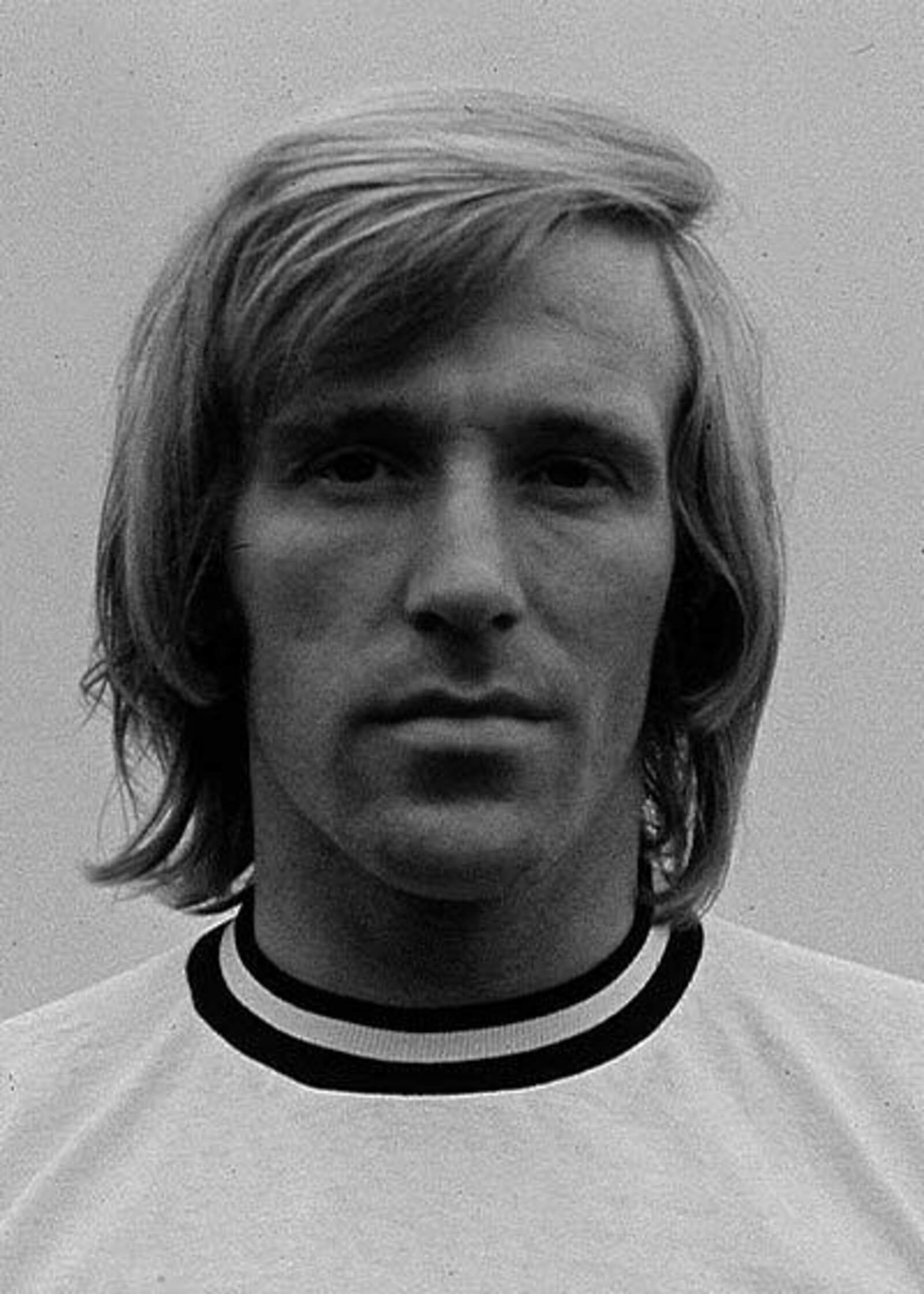
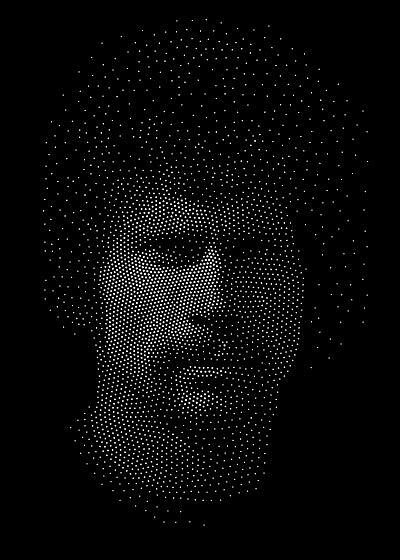
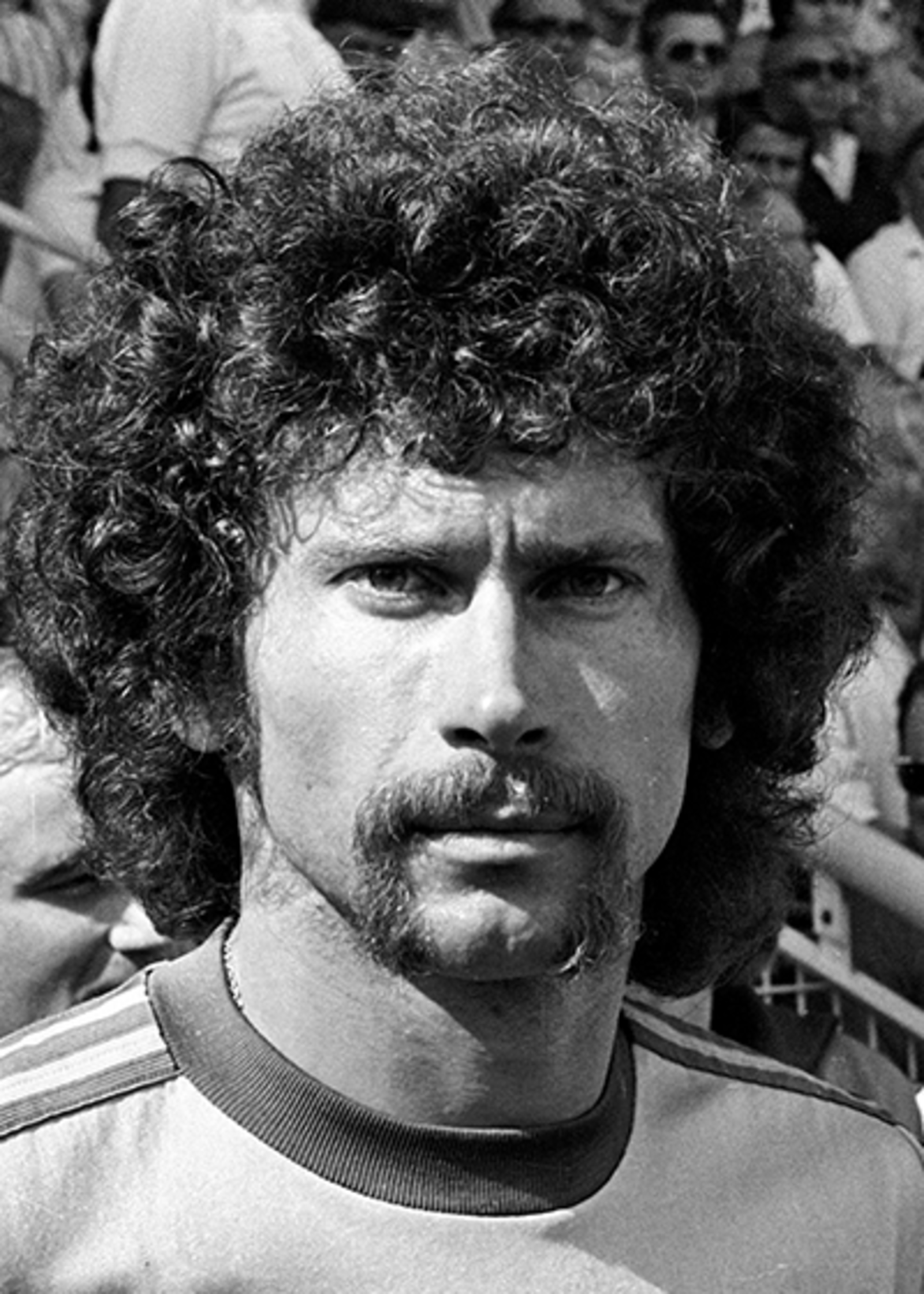
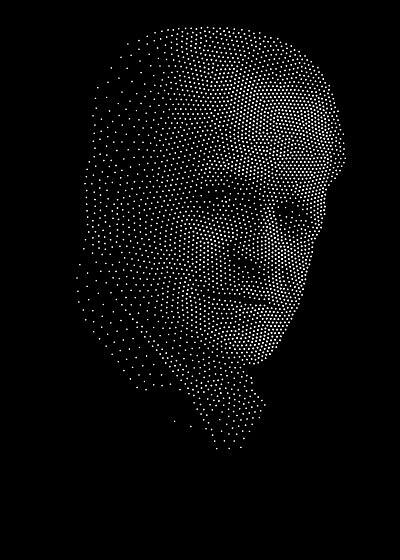
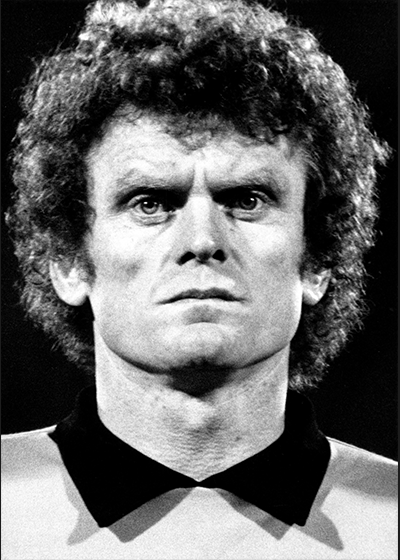
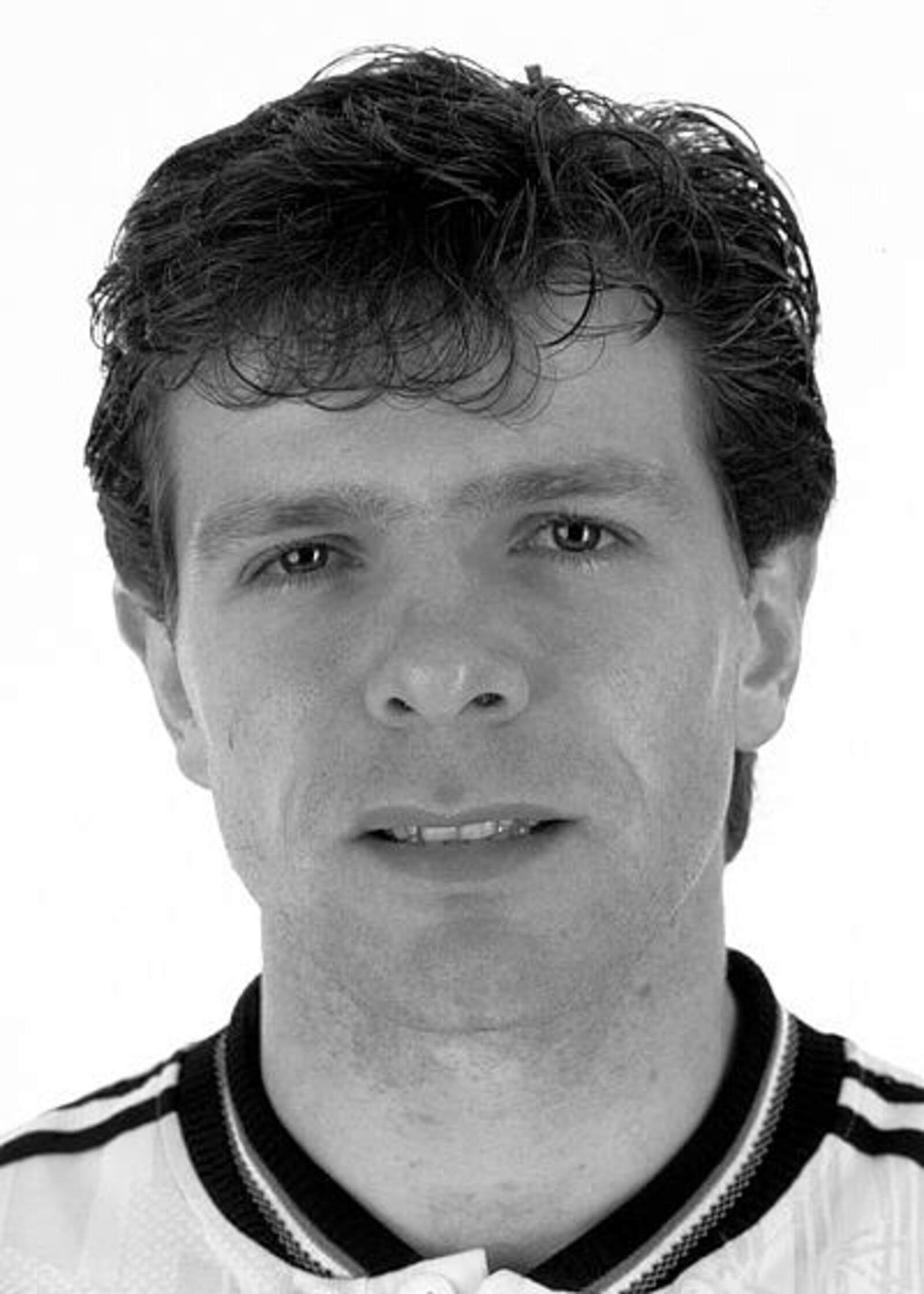
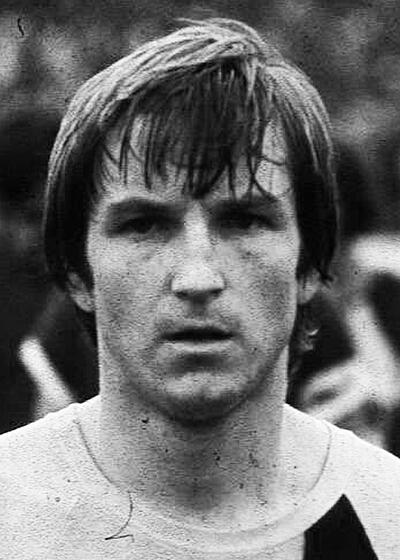
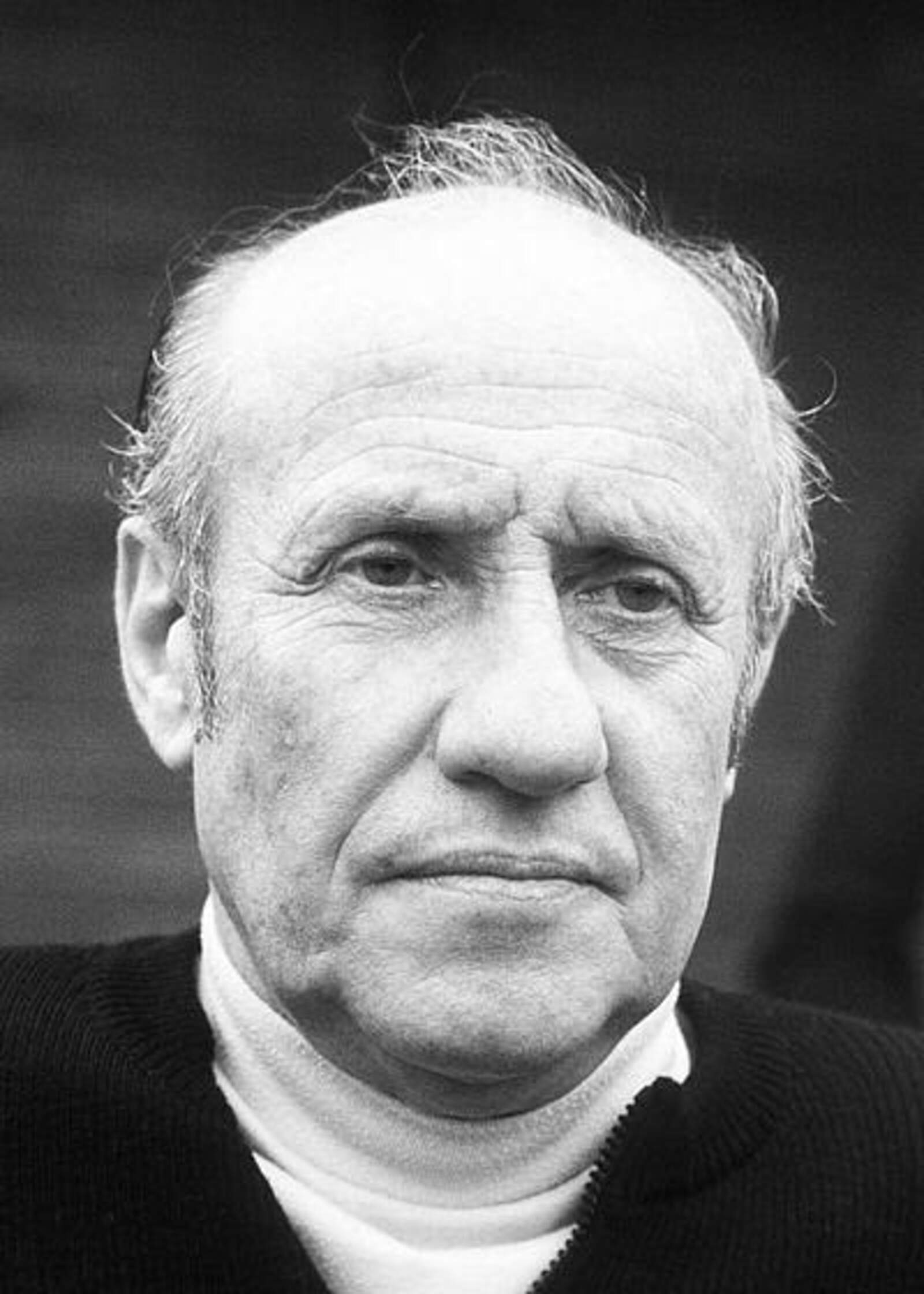
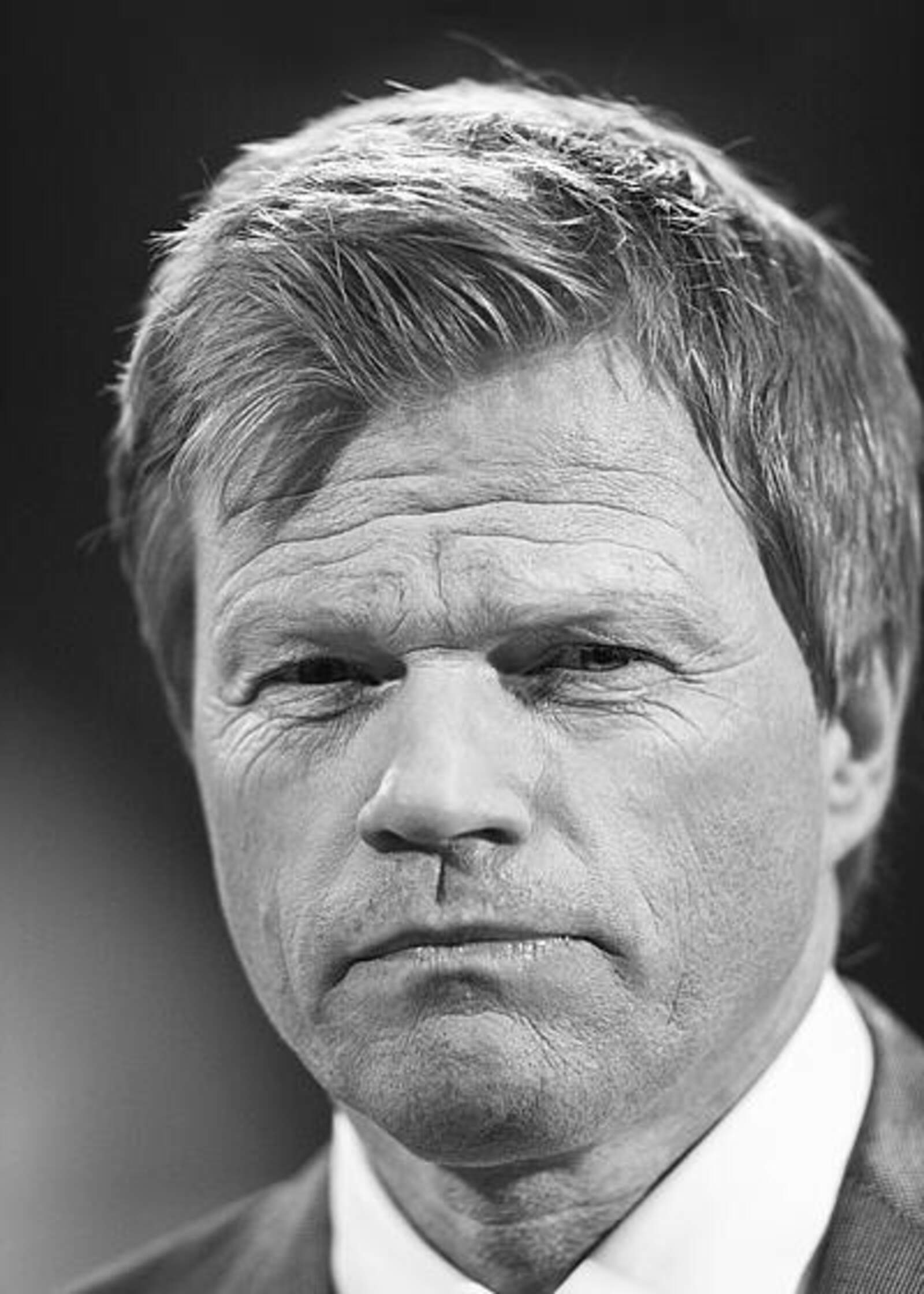
Sepp Maier
28 February 1944, Metten
Goalkeeper
Clubs as a player:
1962–1979 FC Bayern Munich
Club:
473 matches (Bundesliga)
Honours:
German champions: 1969, 1972, 1973, 1974
DFB Cup winners: 1996, 1967, 1969, 1971
Intercontinental Cup winners: 1976
European Cup: 1974, 1975, 1976
European Cup Winners’ Cup: 1967
National team:
95 appearances, 0 goals
World Champion: 1974
World Cup runner-up: 1966
Third place at the World Cup: 1970
European Champion: 1972
European Championship runner-up: 1976


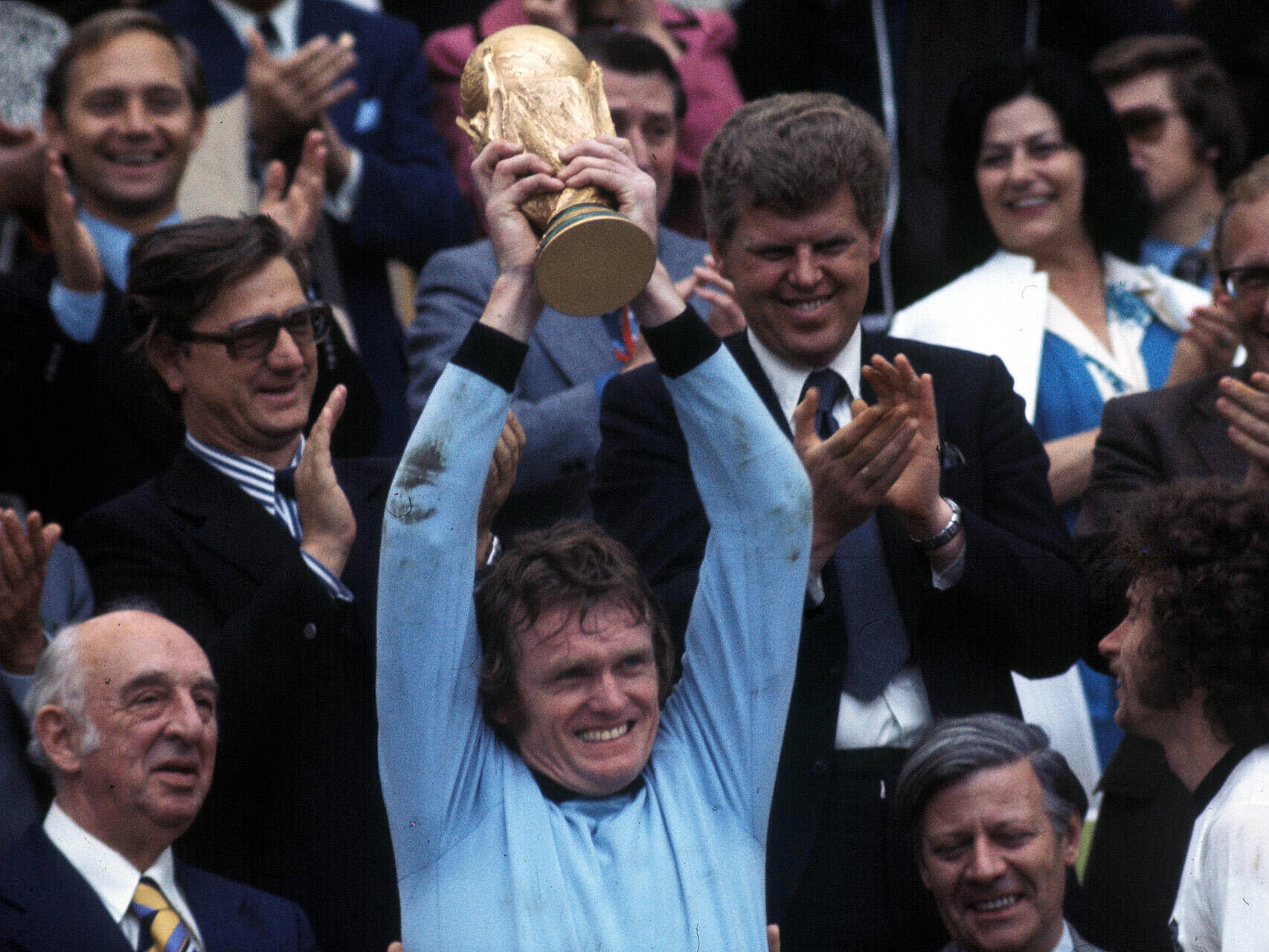

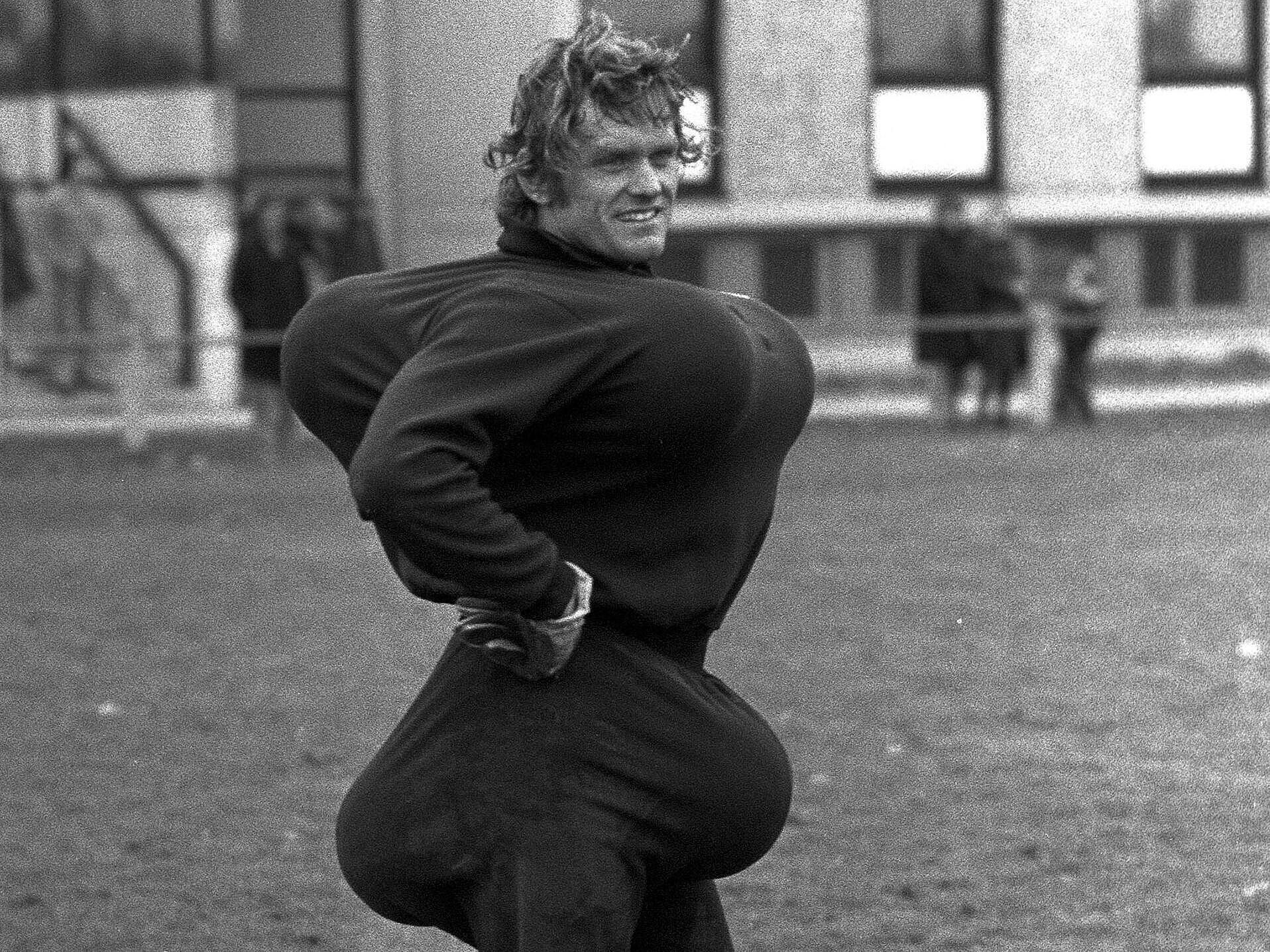
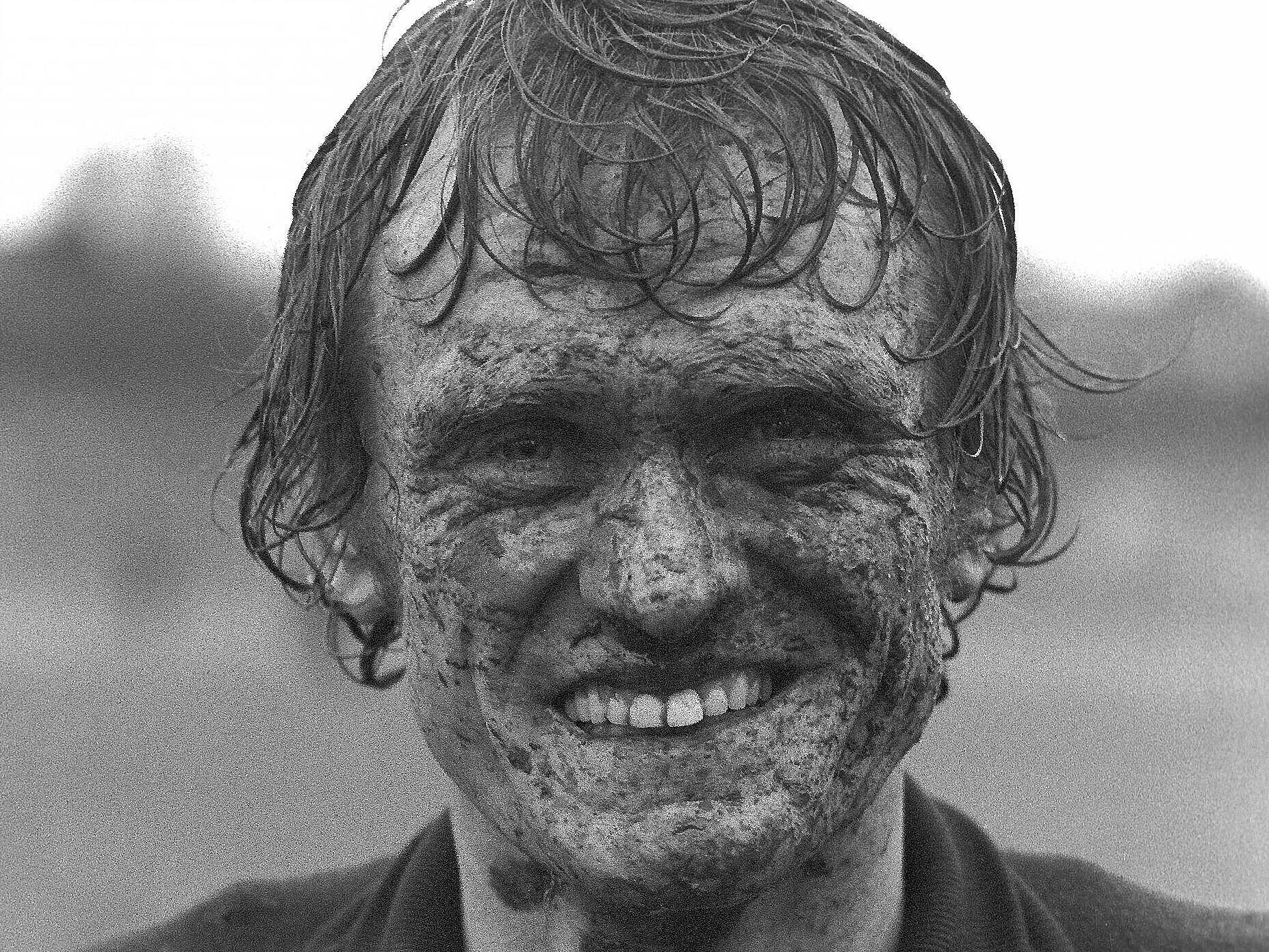
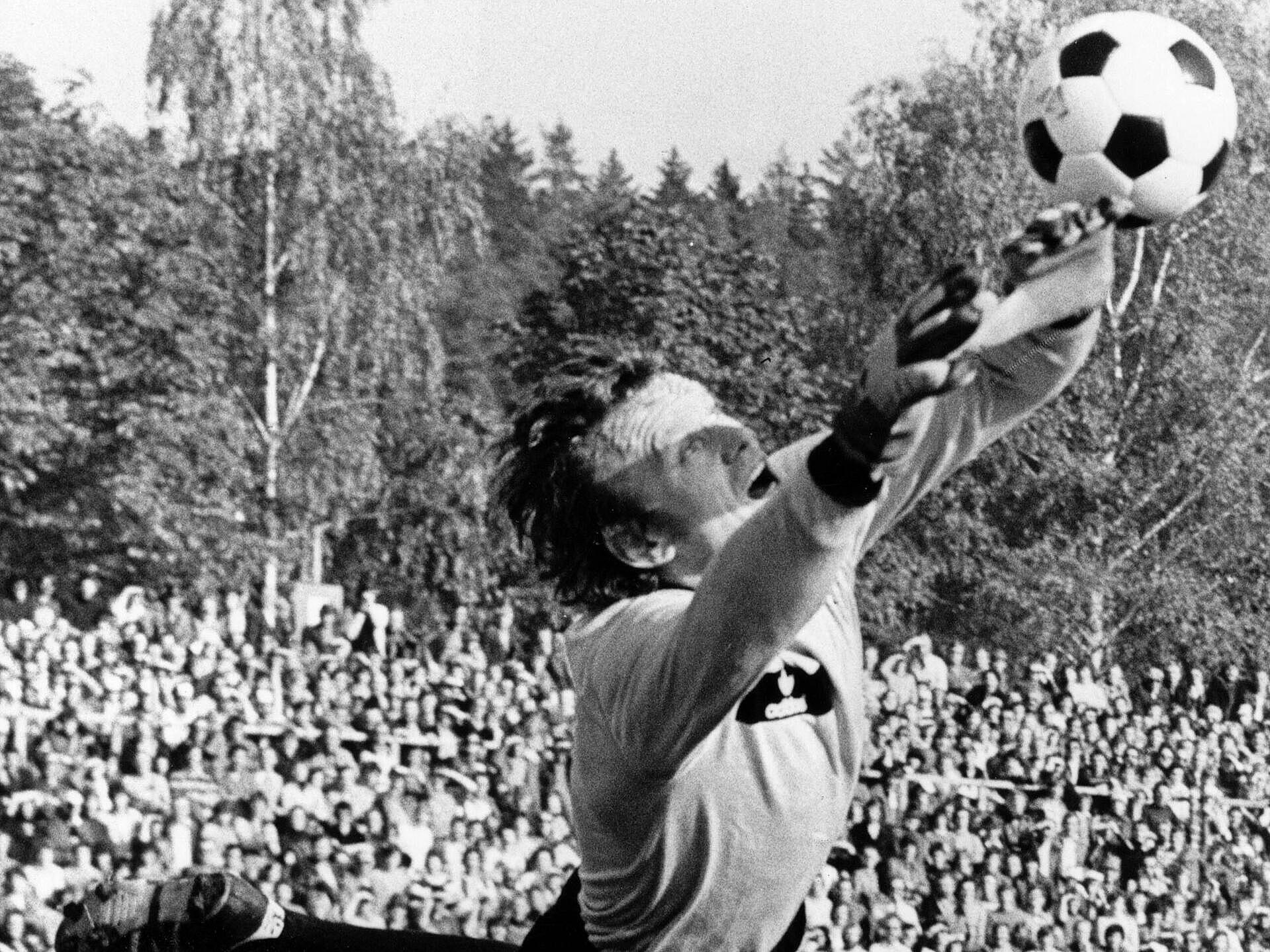
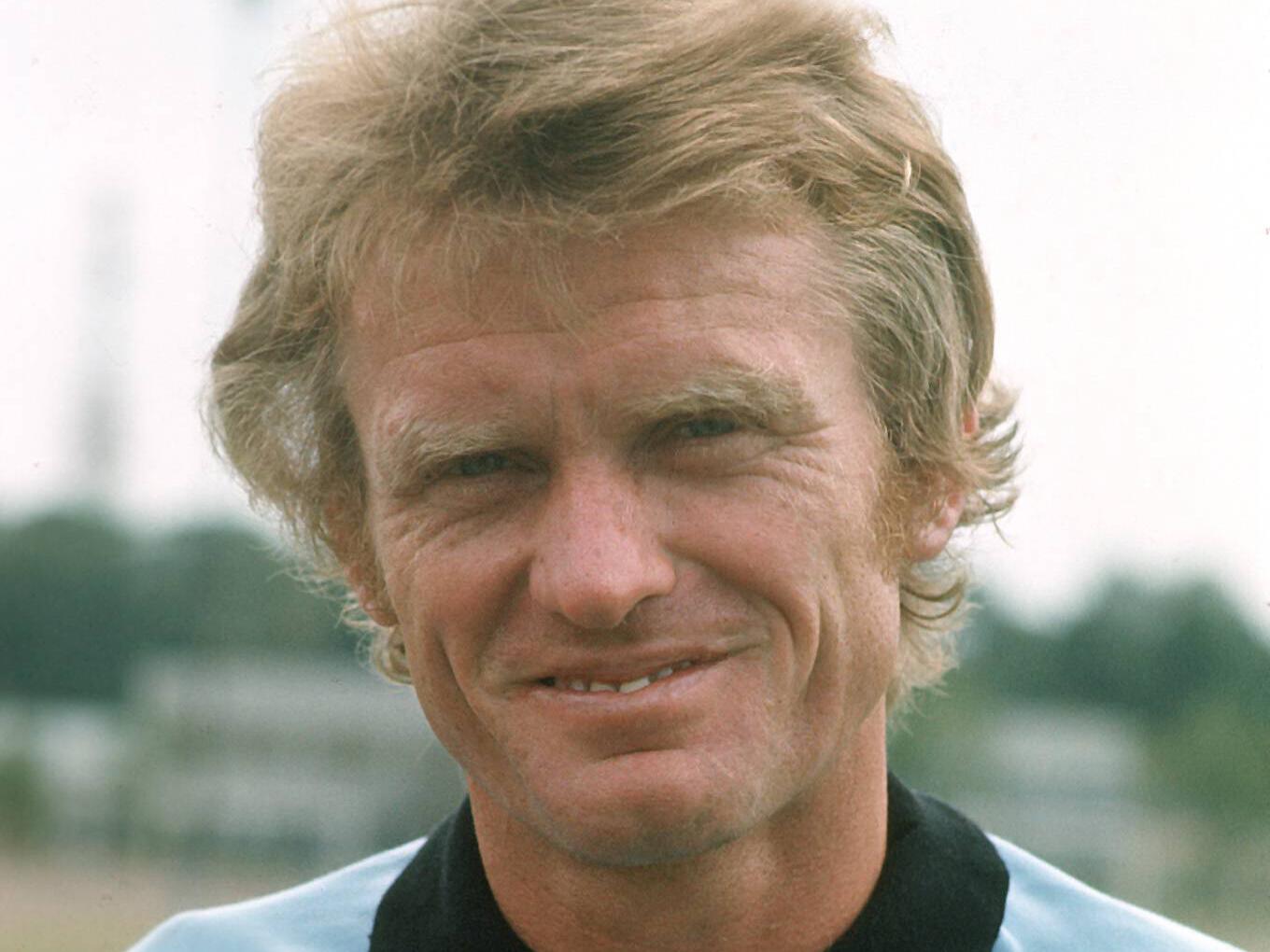
The ‘Cat of Anzing’ not only defended every corner of his goal with grace, but would occasionally dive after flying ducks that had strayed onto the pitch. That was what set Sepp Maier apart: Highly focused during crucial phases of the game, he regularly shone as a joker too. He would sometimes take a long run-up at full speed whilst taking a goal kick, only to suddenly stop and, standing on the ball, scan the pitch for his teammates. But when the going got tough, he was always there.
By the time of the 1974 World Cup on home soil, at the very latest, he had established himself as the world’s best goalkeeper of his time. The rain-soaked battle in Frankfurt during the intermediate round match against Poland remains unforgettable, and not just because of the weather conditions: “We only went through thanks to Sepp Maier,” recalls Günter Netzer, reflecting on his team-mate’s magnificent performance. In the final, the Dutch were ultimately driven to despair by Maier’s sheer invincibility. In the second half in particular, he threw himself into the opposition’s onslaught with reflex-like saves and secured the 2–1 victory.
He crowned his career with the World Cup title. Maier had already been part of the squad at the 1966 World Cup in England. Back then, he finished as World Cup runner-up in the shadow of his goalkeeping rival Hans Tilkowski; four years later in Mexico, as first-choice goalkeeper, he helped the team to third place; and in 1972 in Belgium, he became European champion. With 95 international caps, he is the goalkeeper with the second-most appearances for the national team after Manuel Neuer. His run of 442 consecutive Bundesliga appearances is also a record. As consistently as he performed at the highest level for a decade and a half, so abruptly did a serious car accident in 1979 bring his career to an end. Yet he remained loyal to football and, as the first-ever national team goalkeeping coach, played a key role in Germany’s victory at the 1990 World Cup in Italy.
The German Football Hall of Fame was established on the initiative of the German Football Museum. In November 2018 and January 2019, leading sports journalists voted for the inaugural men’s and women’s teams. The jury members were asked to nominate their choice of players and managers from German men’s and women’s football. Players who were eligible to play for German national teams and whose playing careers had ended at least five years previously were eligible for nomination. The HALL OF FAME honours the greatest legends of German football in one central location for the first time. It forms part of the permanent exhibition at the German Football Museum in Dortmund. Opened on 1 April 2019, it has become a permanent place of pilgrimage for all football fans. The jury decides annually on further inductees from men’s and women’s football.