EN
EN
 DE
DE

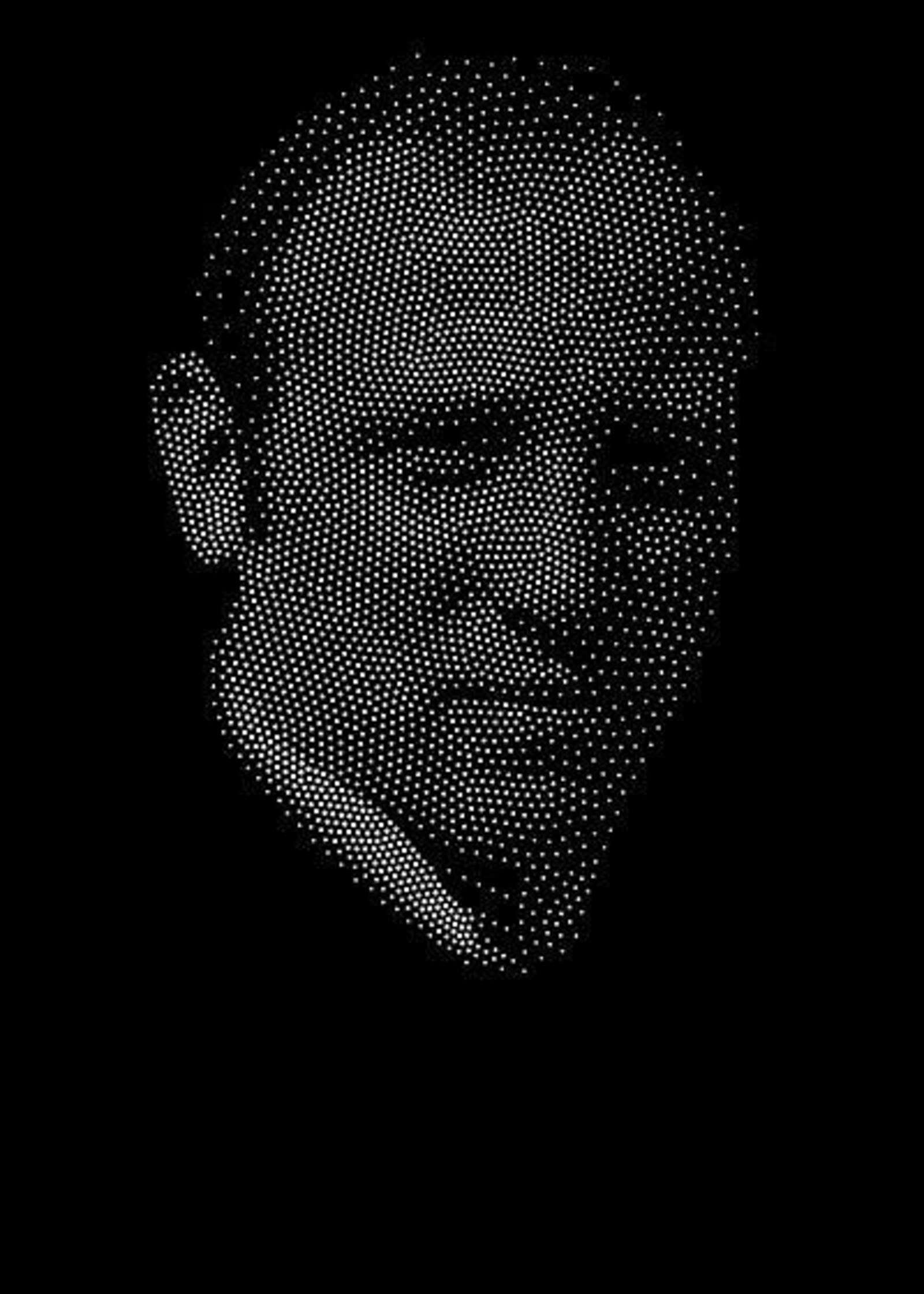
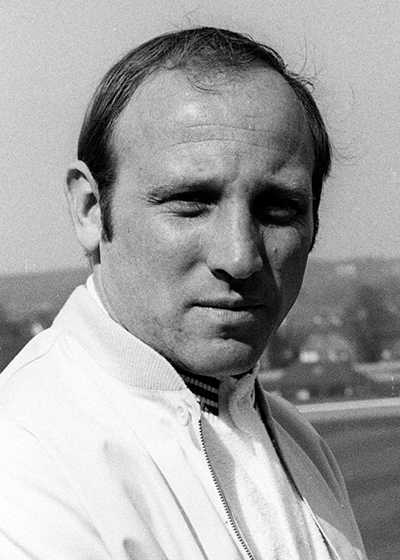
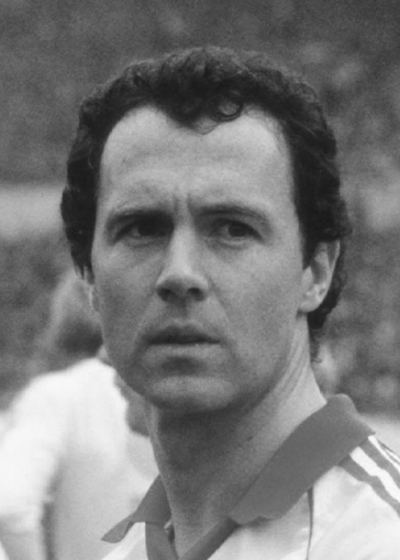
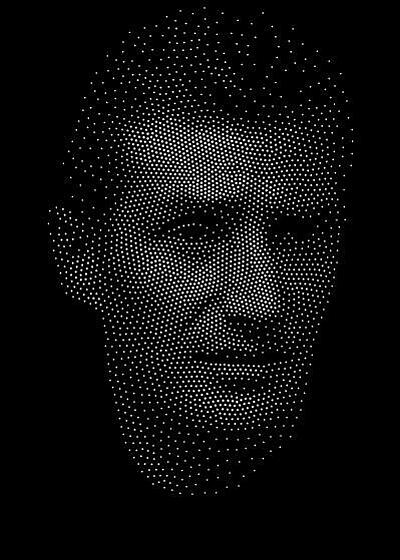
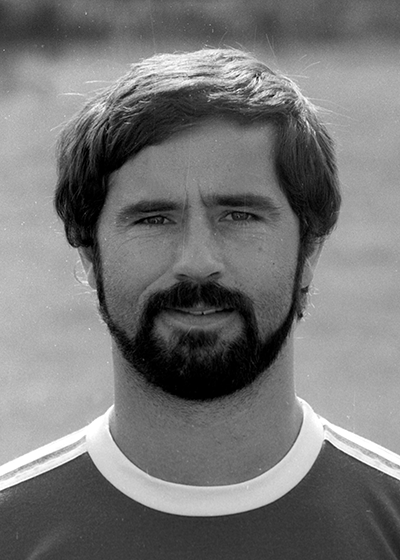
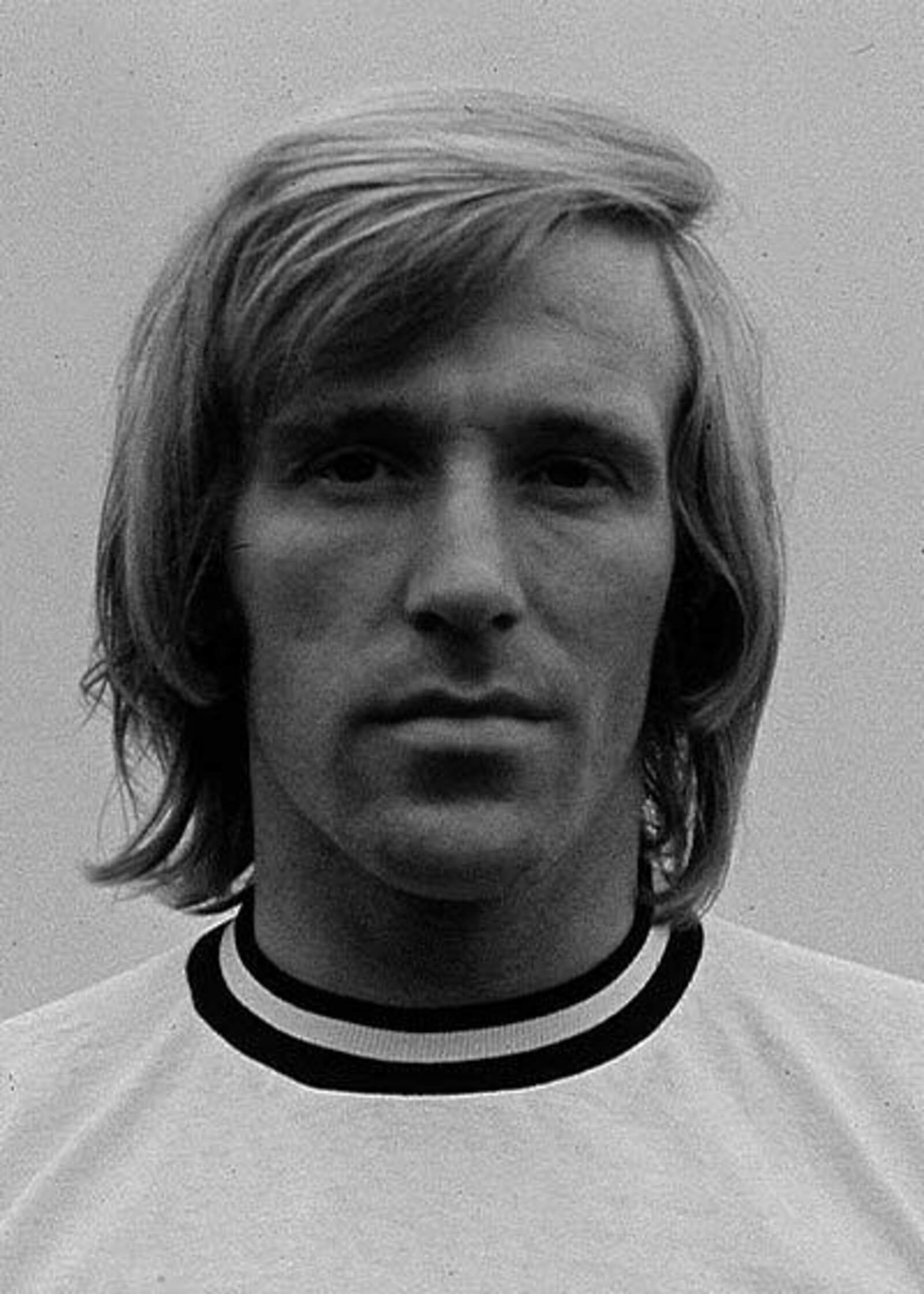
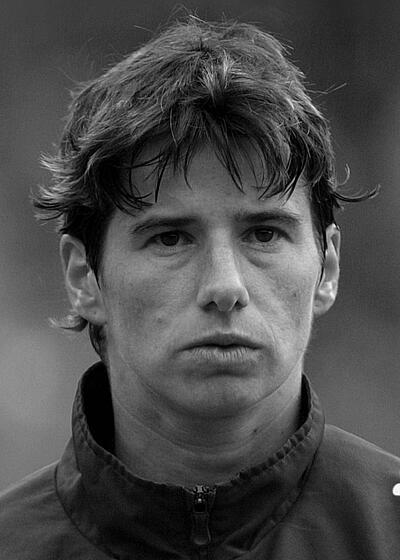
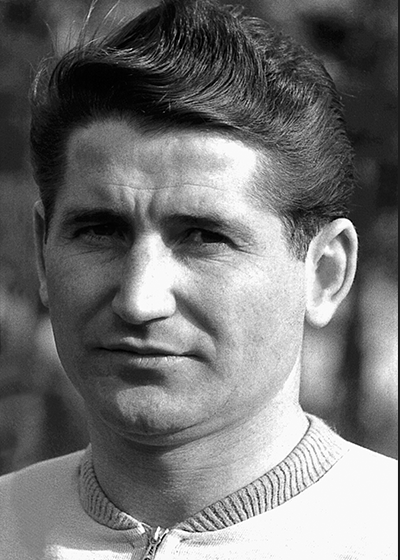
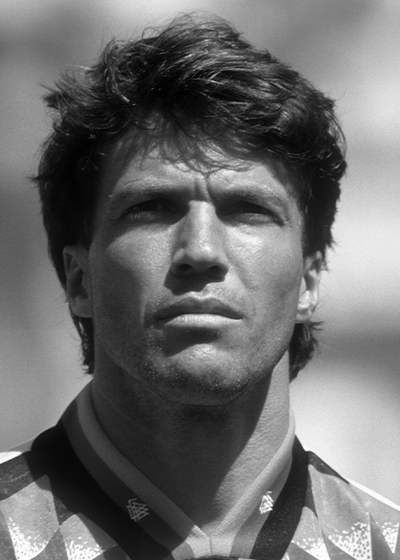
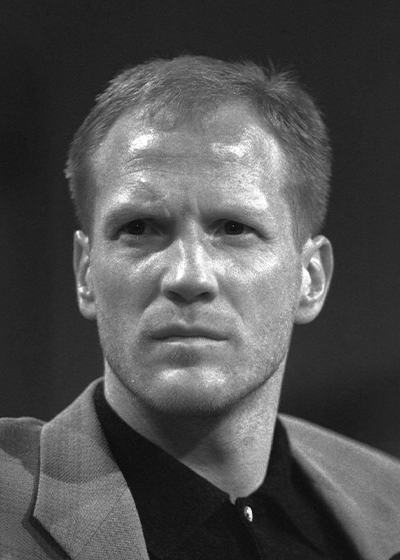
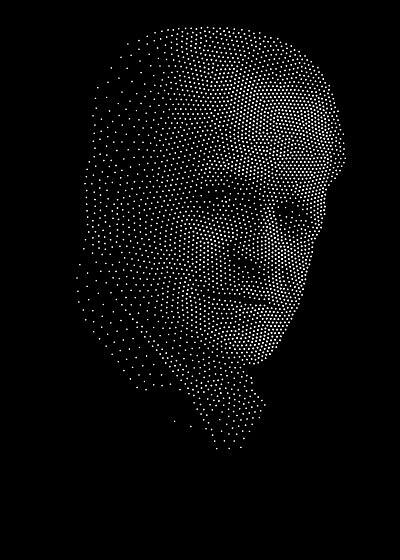
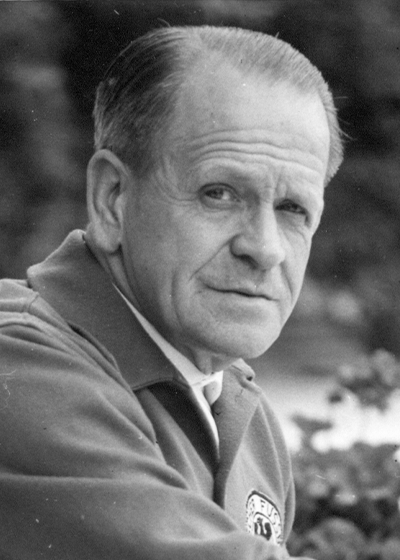
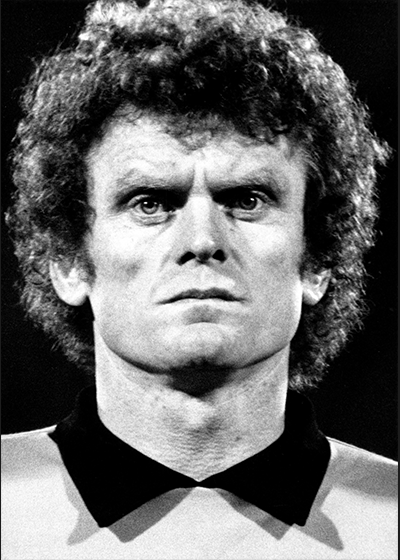
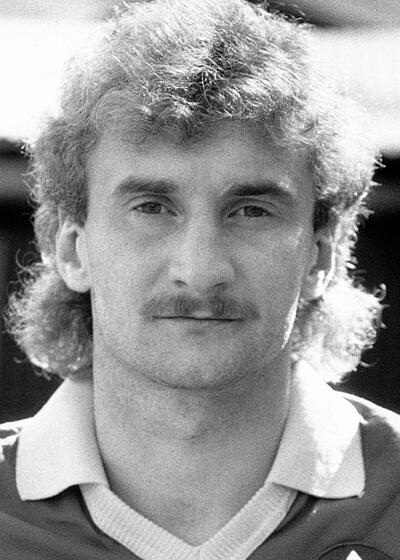
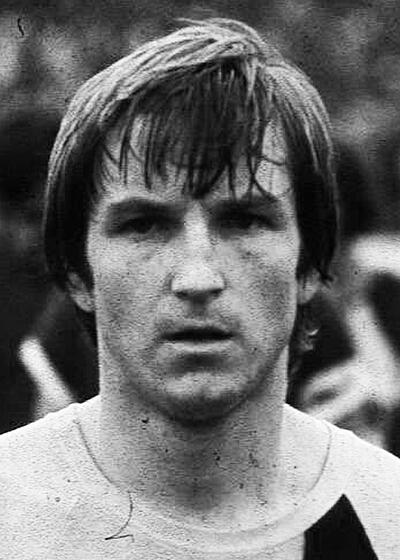
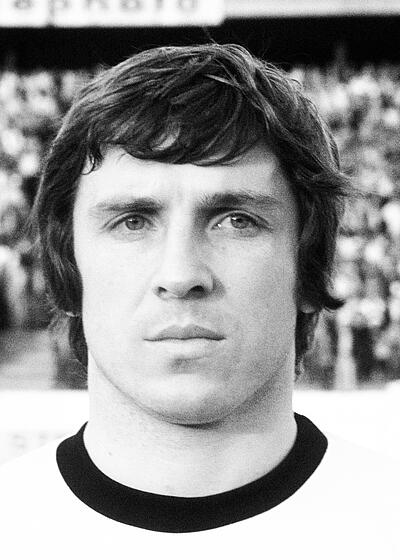
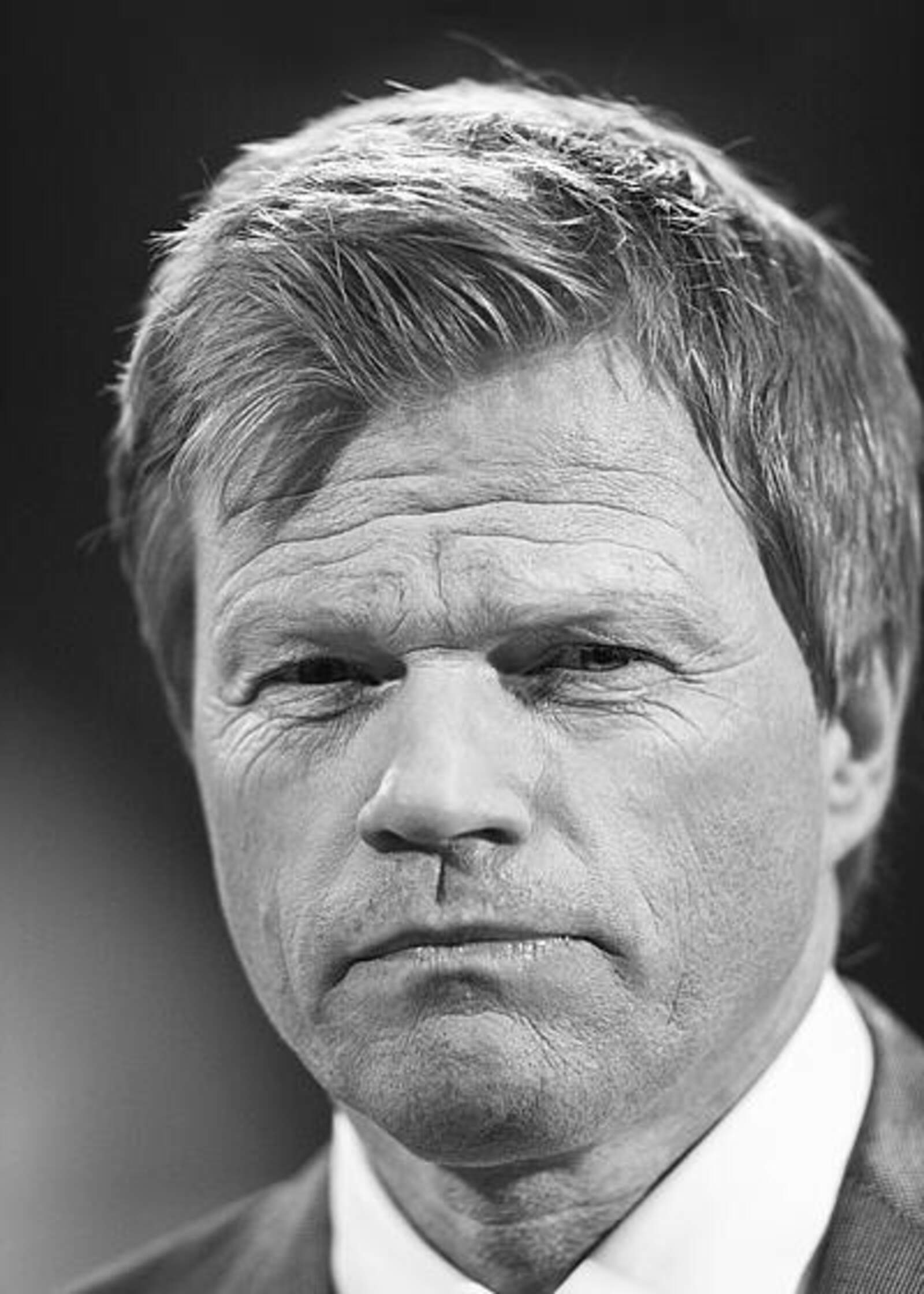
Uwe Seeler
*5 November 1936, Hamburg
†21 July 2022, Norderstedt
Forward
Clubs as a player:
1953–1972 Hamburger SV
1978 Cork City (Ireland)
Club:
36 matches, 40 goals (Oberliga Nord)
; 239 matches, 137 goals (Bundesliga)
; 1 match, 2 goals (League of Ireland, Ireland)
Honours:
North German Champion: 1955, 1956, 1957, 1958, 1959, 1960, 1961, 1962, 1963
German Champion: 1960
DFB Cup winner: 1963
National team:
73 appearances, 43 goals
World Cup runners-up: 1966
; third place at the World Cup: 1970

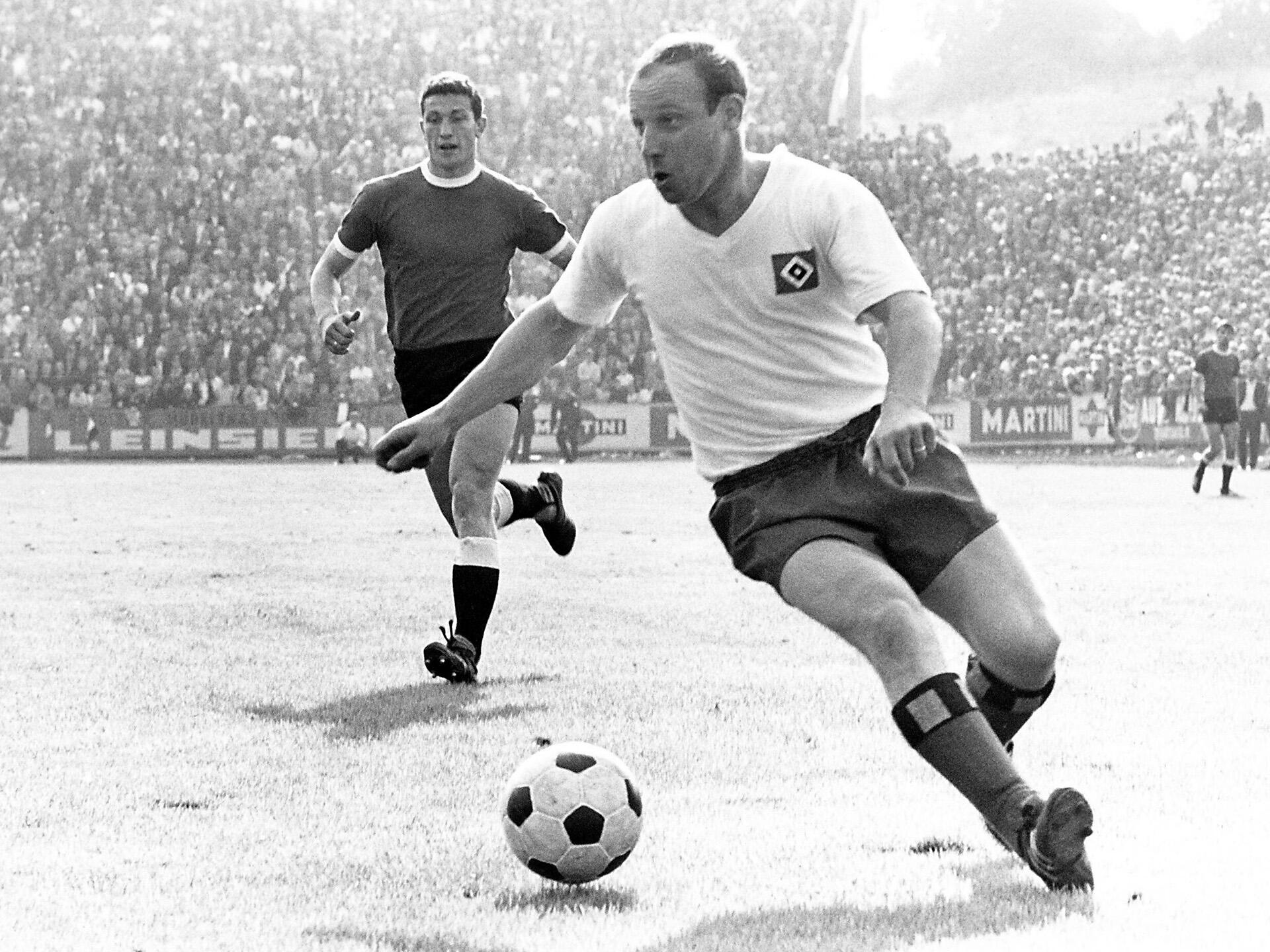

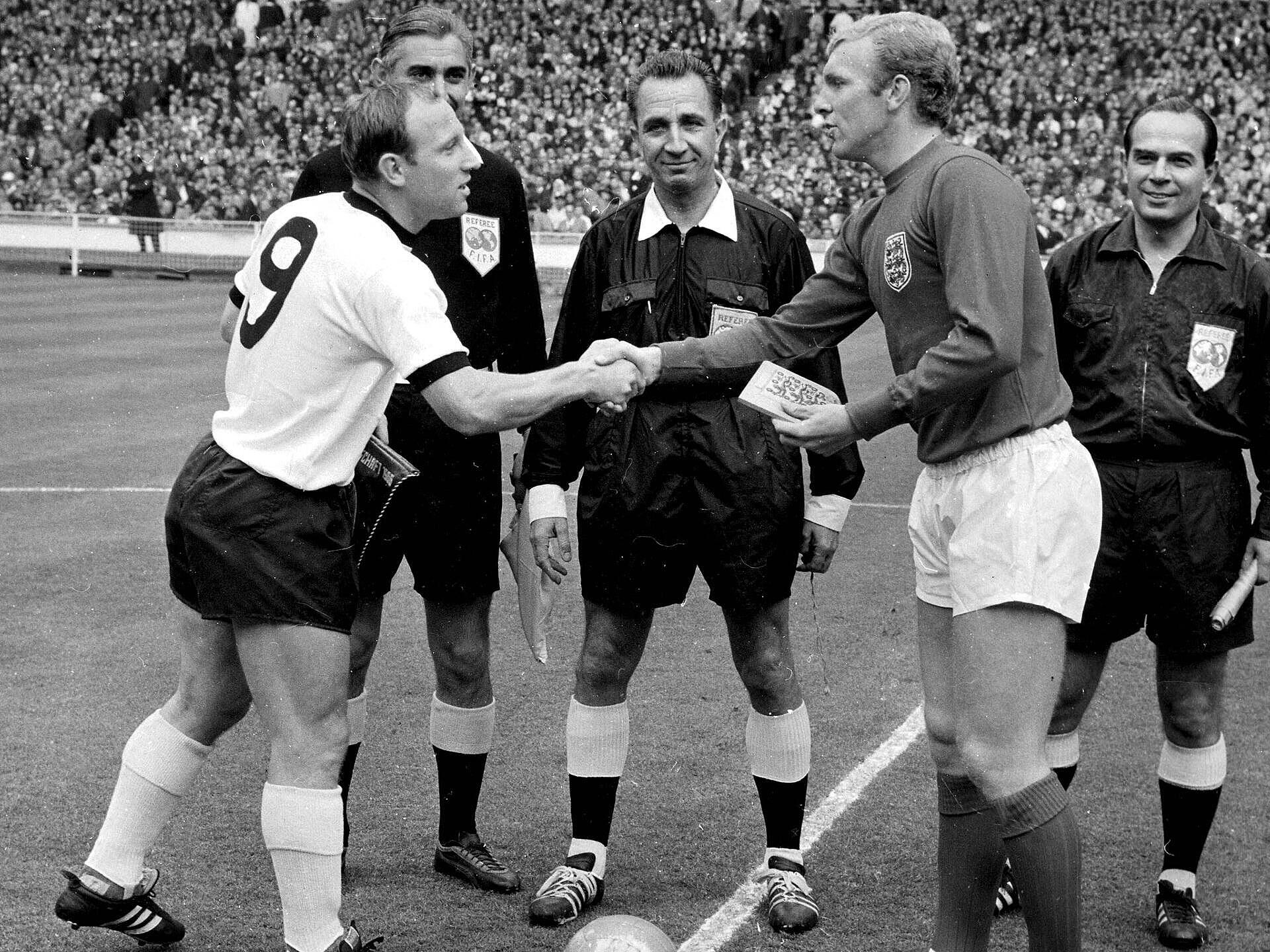
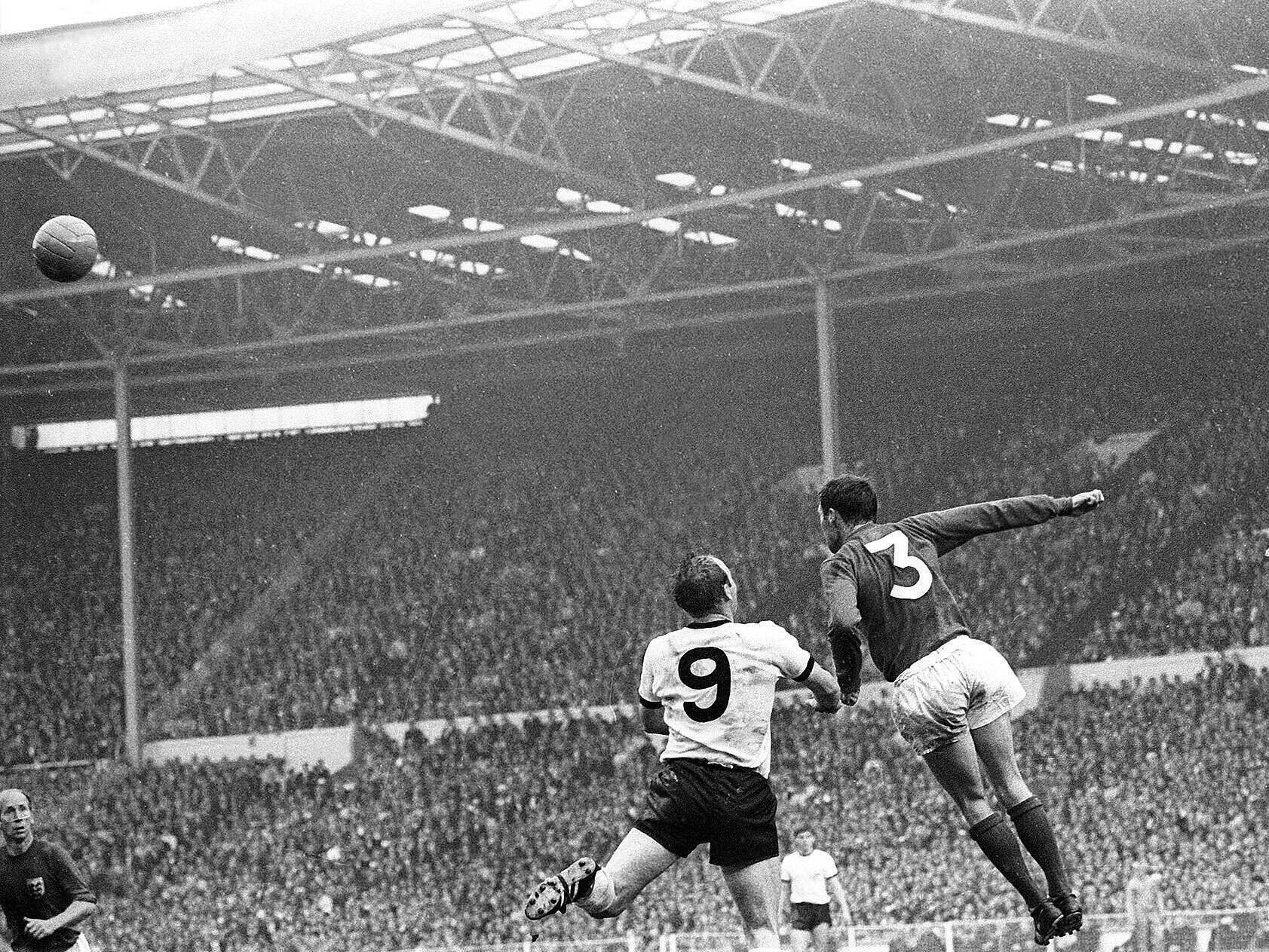
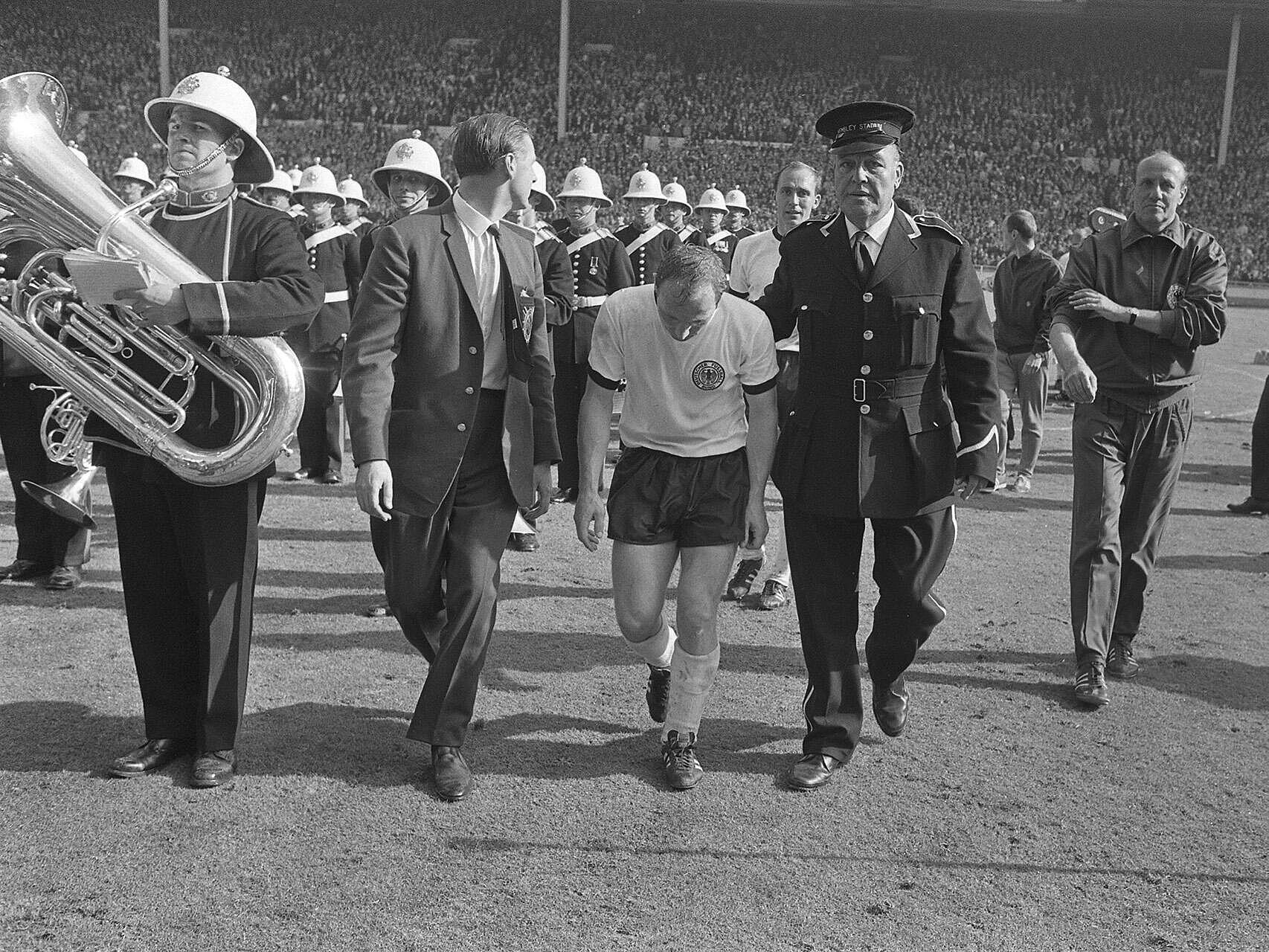
There were times when spectators at Germany’s international matches would chant “Uwe, Uwe!” at the top of their voices, even when Uwe wasn’t actually on the pitch. The support from the stands was directed at the whole team, born of a collective affection for the footballing idol par excellence: Uwe Seeler. Hardly any other player in the history of German football has been shown as much unreserved affection by the fans as the Hamburger SV player. Why might that have been?
First and foremost, he did what a centre-forward is particularly valued for exceptionally well. He scored goals. Lots of them, beautiful ones, decisive ones. Mostly with the instep, occasionally with a bicycle kick – and once even with the back of his head. That was in the 1970 World Cup quarter-final against England. Ever since, any goal scored in a similar manner has been described as: ‘Just like Uwe Seeler used to’.
Moreover, the fans appreciated his down-to-earth nature and his loyalty to the club. He resisted the lure of big money from abroad just as much as he withstood the relentless – and not always fair – man-to-man marking of his opponents. His worst injury, however, was sustained without any contact from an opponent. A ruptured Achilles tendon sidelined him in February 1965. But only temporarily, even though such a diagnosis effectively meant the end of his career at the time.
Yet the ‘little fat one’, as he was affectionately known due to his modest height of 1.68m, was a true fighter. Both on and off the pitch. He made his comeback after just four months and, on his return to the national team, played a key role in securing qualification for the World Cup in England. There, he celebrated his greatest international success by finishing as World Cup runners-up. Seeler was captain of a team whose fair play helped to correct the image of Germany – which was still perceived with hostility at the time – in the host country.
In 1970, he became the first sportsman ever to be awarded the Grand Cross of the Order of Merit of the Federal Republic of Germany. Uwe Seeler is one of the greatest role models in German football. “Our Uwe”, as they say.
The German Football Hall of Fame was established on the initiative of the German Football Museum. In November 2018 and January 2019, leading sports journalists voted for the inaugural men’s and women’s teams. The jury members were asked to nominate their choice of players and managers from German men’s and women’s football. Players who were eligible to play for German national teams and whose playing careers had ended at least five years previously were eligible for nomination. The HALL OF FAME honours the greatest legends of German football in one central location for the first time. It forms part of the permanent exhibition at the German Football Museum in Dortmund. Opened on 1 April 2019, it has become a permanent place of pilgrimage for all football fans. The jury decides annually on further inductees from men’s and women’s football.