EN
EN
 DE
DE

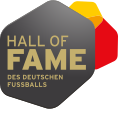
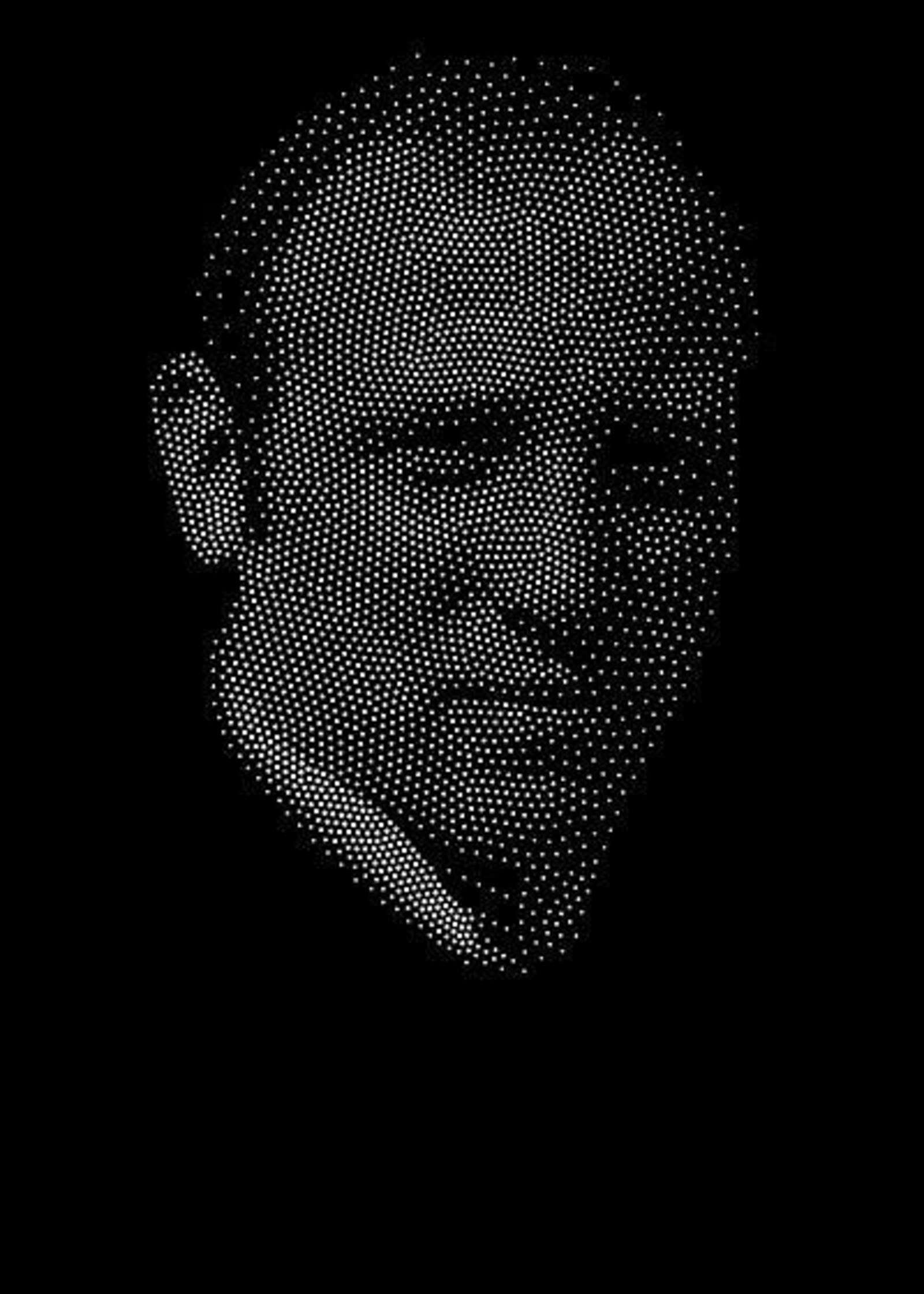
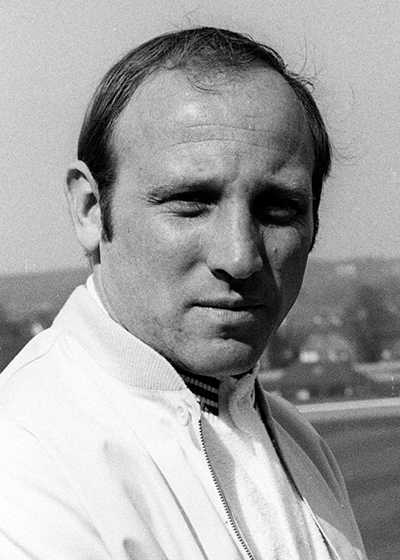
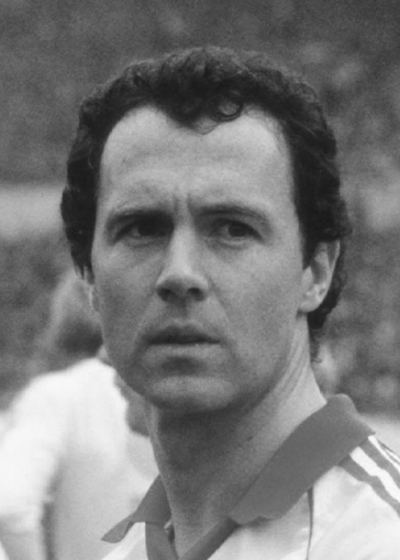
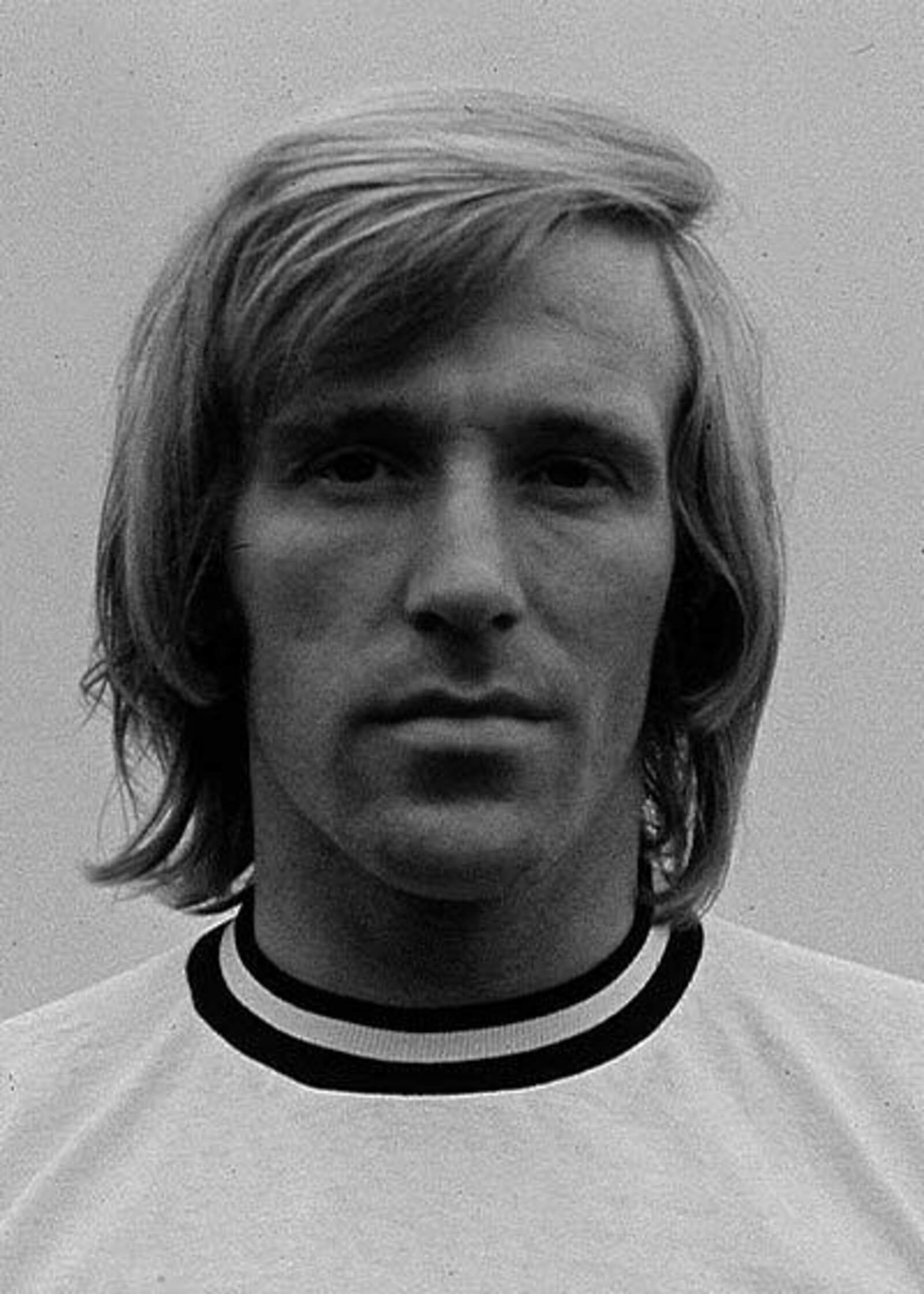
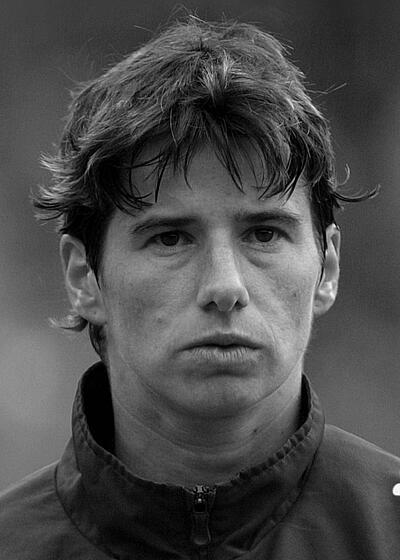
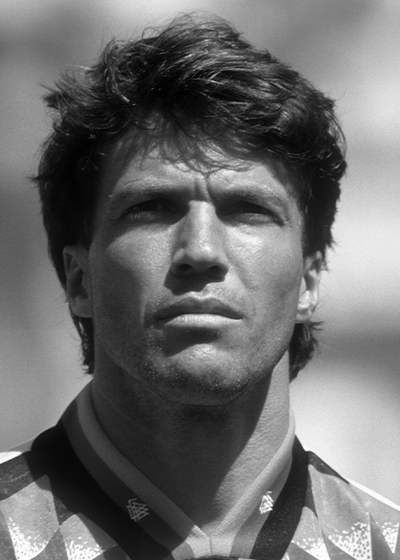
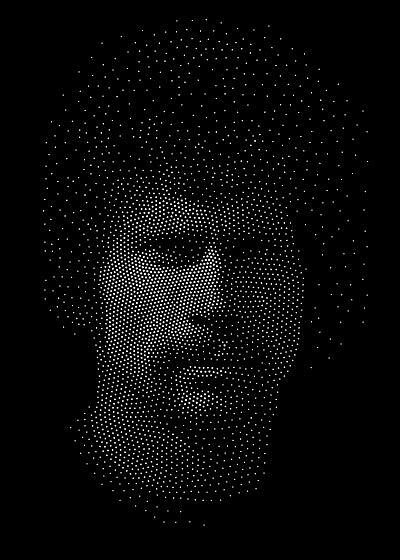
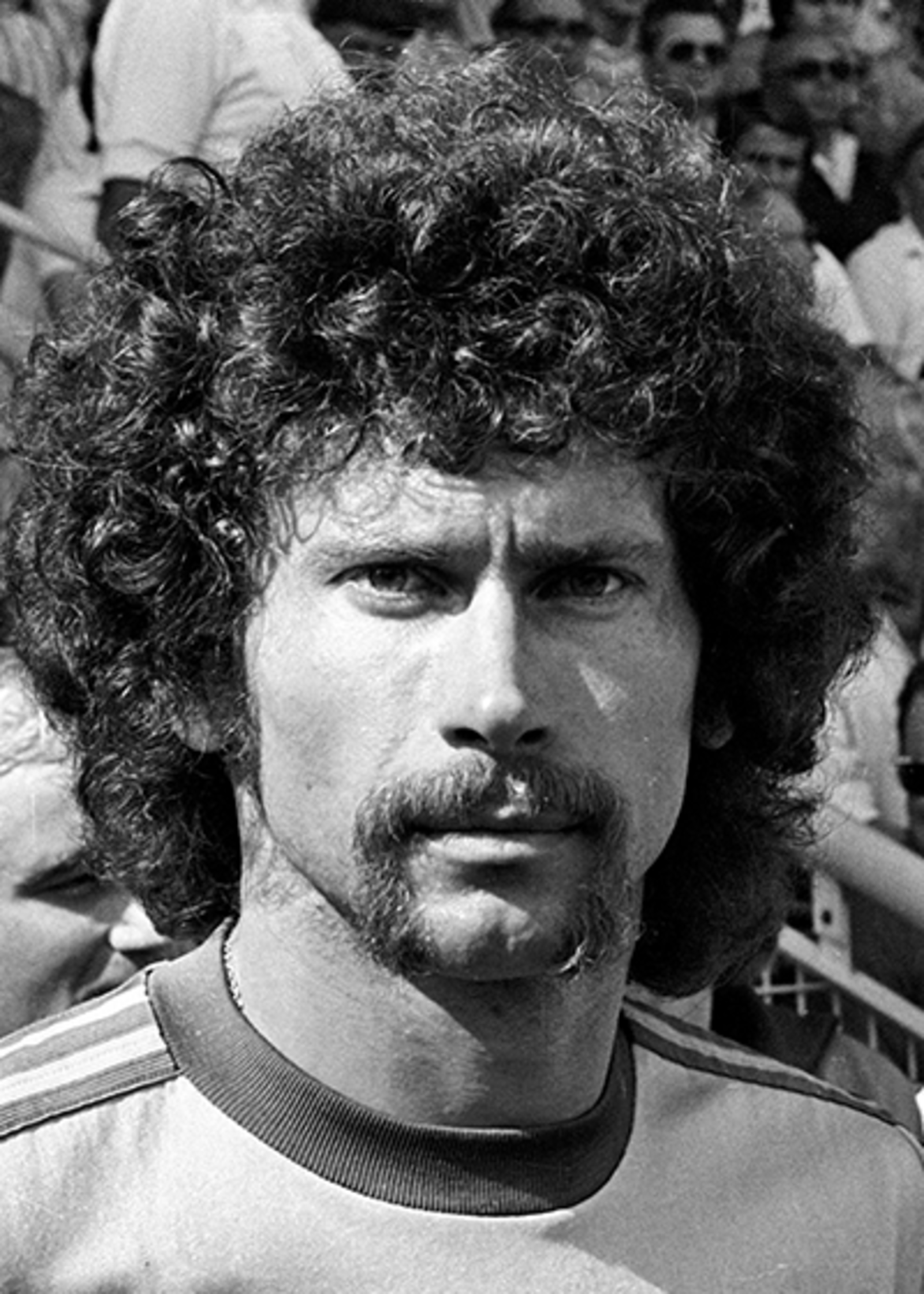
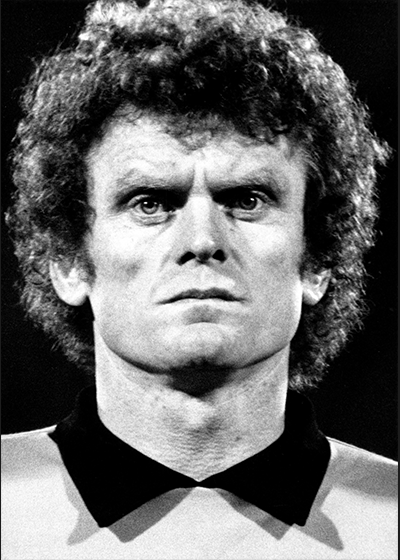
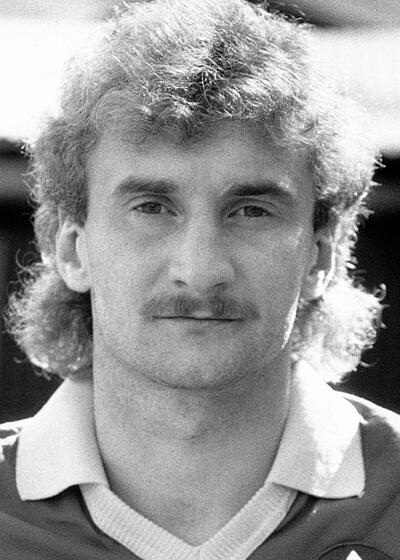
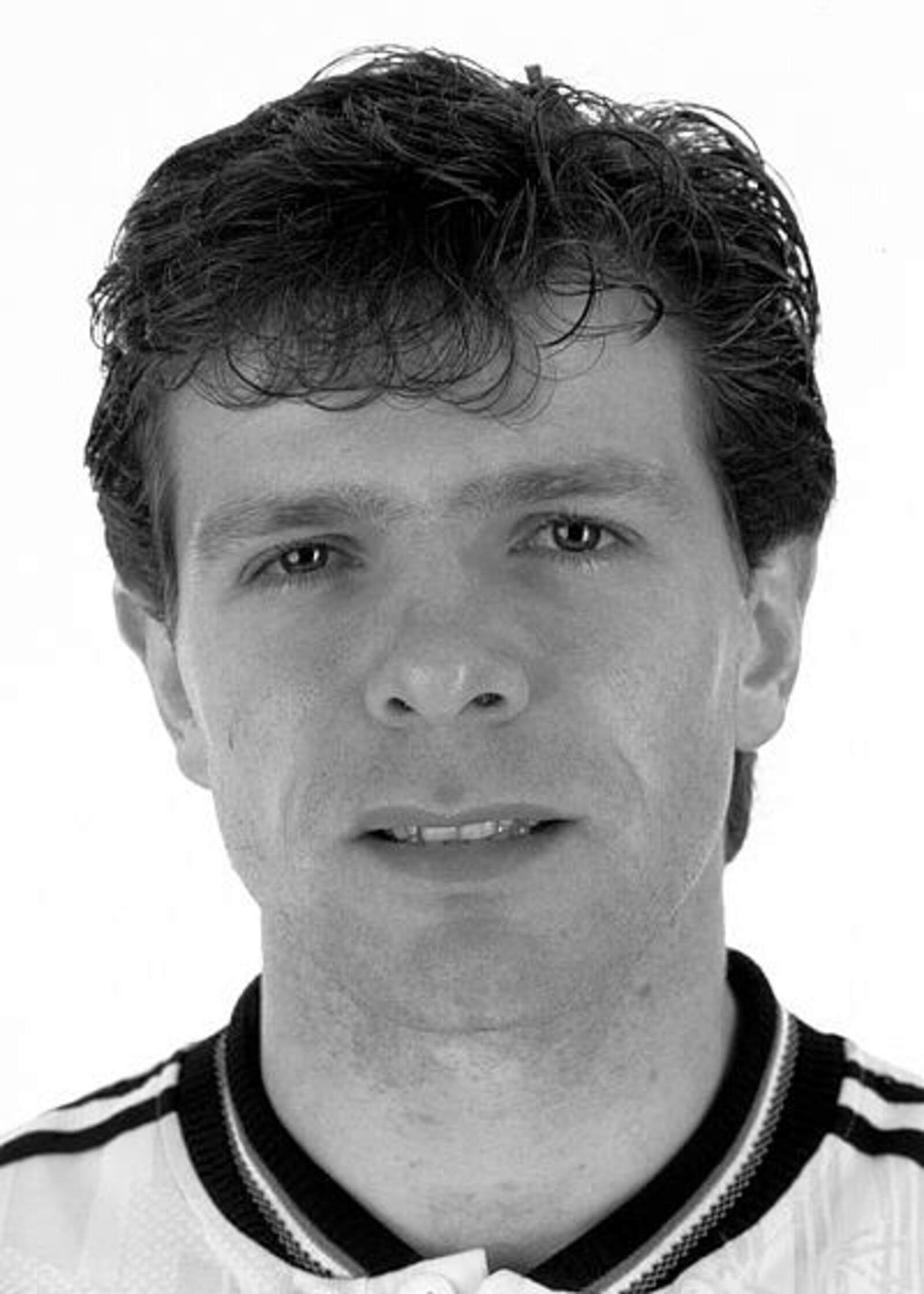
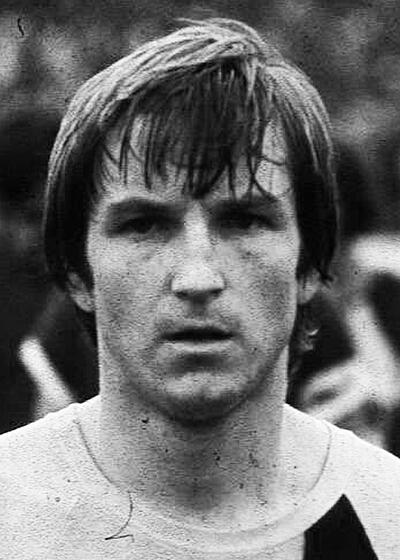
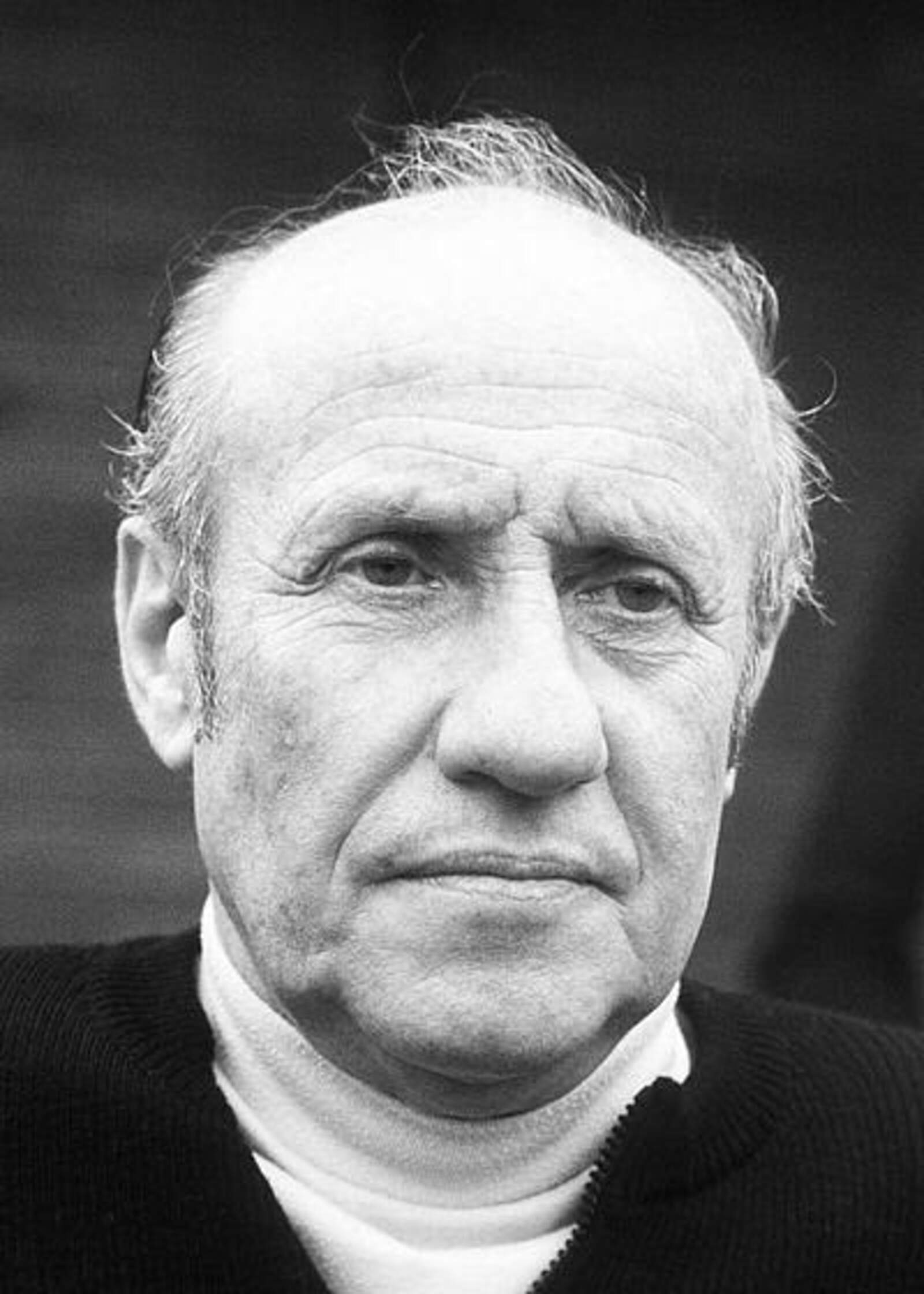
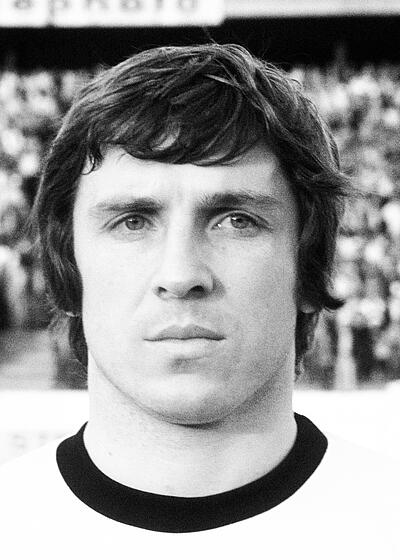
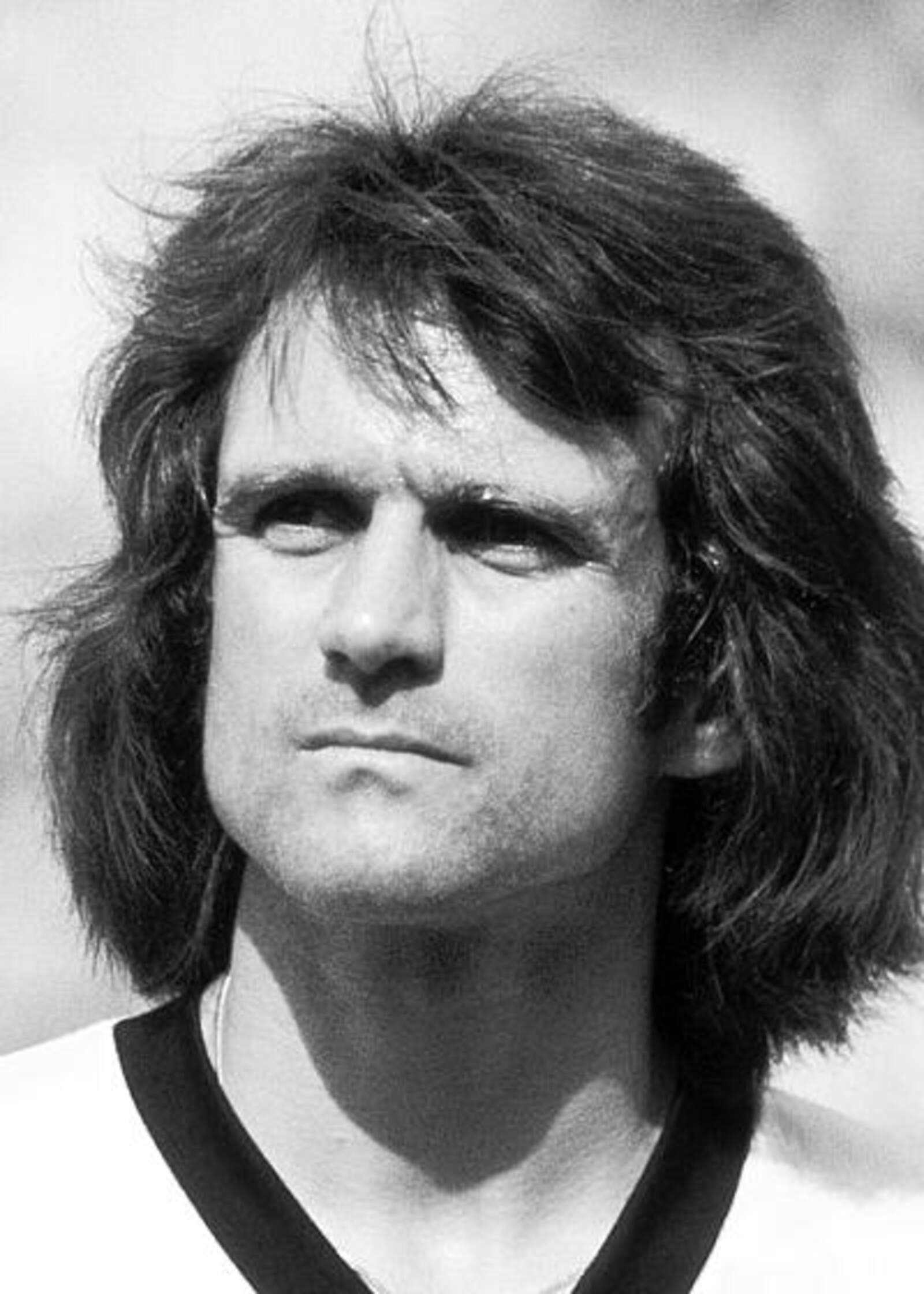
Wolfgang Overath
29 September 1943, Siegburg
Mittelfeld
Clubs as a player:
1962–1977 1. FC Köln
Club:
409 appearances, 83 goals (Bundesliga)
Honours:
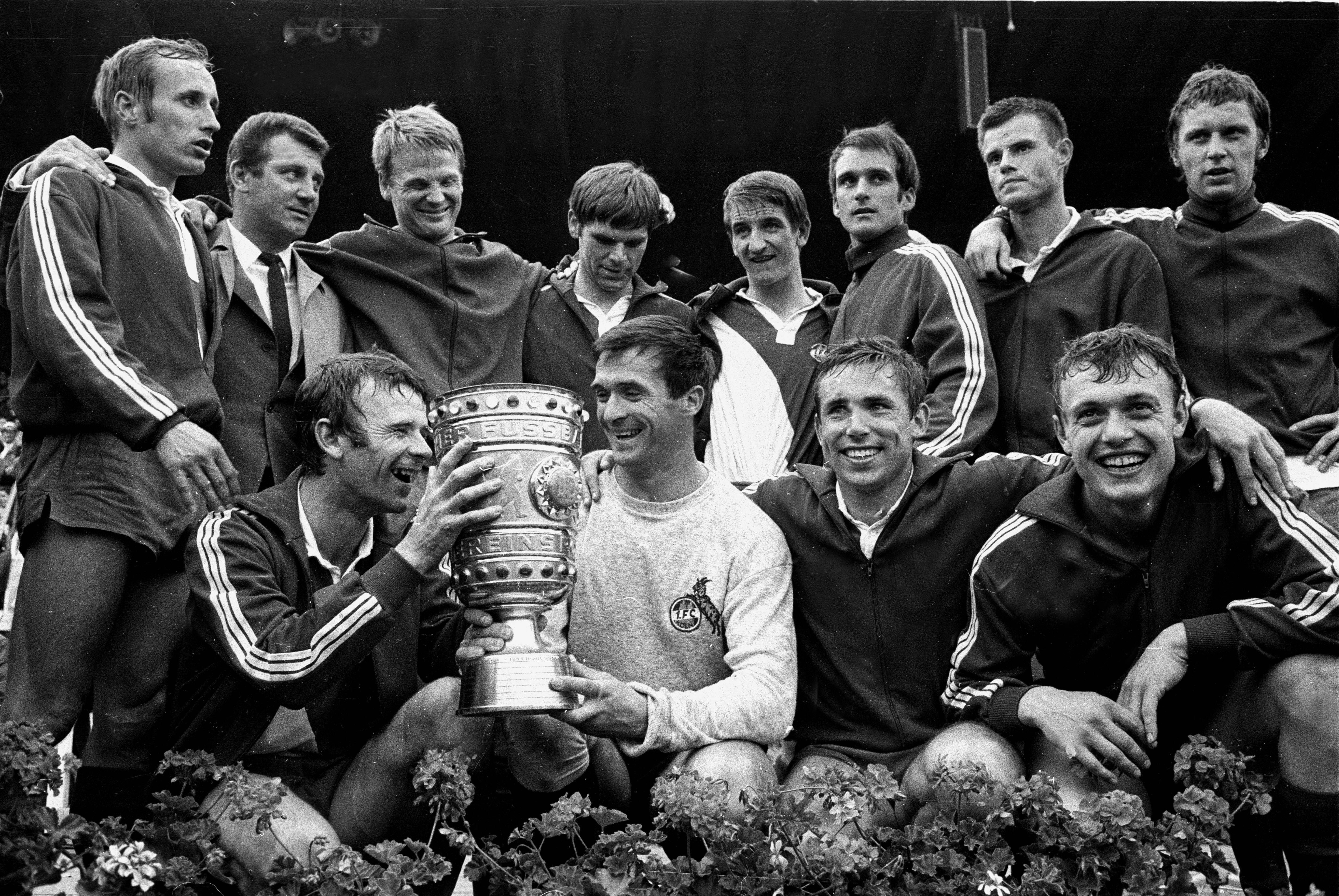
German Champion: 1964
; DFB Cup winner: 1968, 1977
National team:
81 appearances, 17 goals
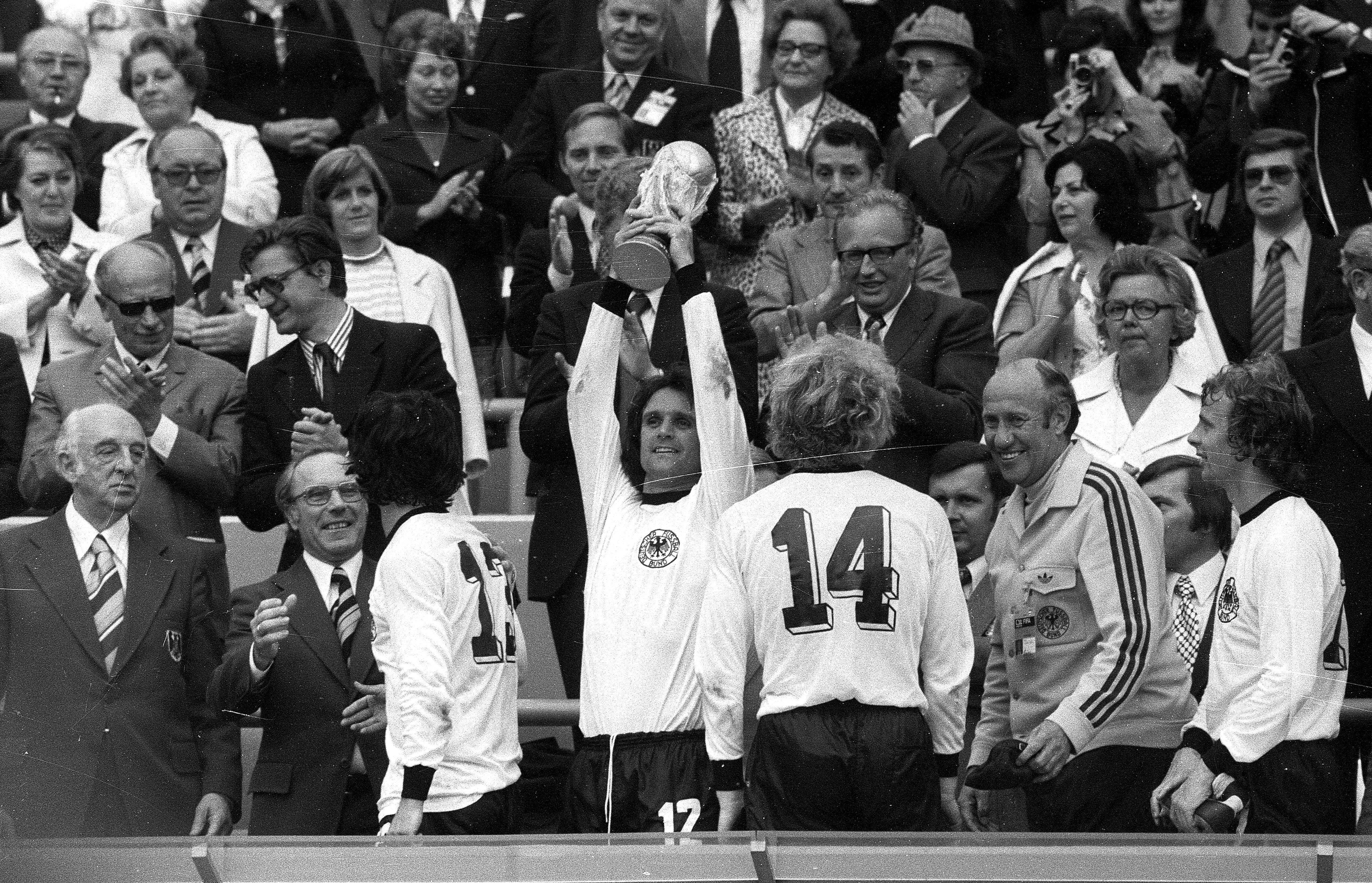
World Champion: 1974
World Cup runner-up: 1966
Third place at the World Cup: 1970

“Netzer or Overath?” That was once the crucial question in German football when it came to selecting the central midfielders for the national team. Two playmakers of outstanding calibre, with a great overview of the game, superb technique and leadership qualities – yet, apparently, this wasn’t enough for a functioning team structure back then. There could only be one ‘number ten’. From today’s perspective, that’s almost unimaginable. Modern tactical systems could surely be adapted in some way to solve such a ‘luxury problem’ and would provide for either a deep-lying, a wide-ranging or even a ‘false’ number ten.
In any case, Overath was the real deal, in the purest sense. Left-footed players like him were credited with an extra measure of creativity, which was an indispensable prerequisite for meeting the demands of that exposed position. The ball practically stuck to the Cologne playmaker’s foot. That’s why he didn’t need to keep his eyes fixed on it whilst dribbling through midfield. Instead, he could lift his head to keep a constant eye on his teammates’ movements, ready to play the decisive pass into open space. With Overath, this always looked elegant and fluid. His moves were characterised by a unique lightness and dynamism.
Nevertheless, Overath also had a combative side to his game. No distance was too great for the hard-working, technically gifted player. Perhaps that was the small but decisive difference between him and his long-standing rivals. Günter Netzer, when he came up from deep in the pitch, sometimes struggled to get back there. That could explain why he made only 37 international appearances. Overath, on the other hand, made 81 – with outstanding success.
He took part in three World Cups, reaching every step of the podium. Following the runners-up finish at the 1966 World Cup in England – where, at just 22 years of age, he dictated the German game in all six matches – and third place at the 1970 World Cup in Mexico, the 1974 World Cup, won on home soil, marked the crowning glory of his outstanding international career. The World Cup final against the Netherlands was also Overath’s final appearance. After the tournament, he announced his retirement from the German national team.
Overath, who came through the youth ranks at Siegburger SV, remained loyal to 1. FC Köln throughout his 14 years as a Bundesliga player. In his very first season in Germany’s top flight, he won the league title with the club. In 1977, he ended his career after 409 Bundesliga matches and a total of 765 appearances for the Rhineland club. Netzer or Overath? The question no longer arises: they are finally united in the German Football Hall of Fame.
The German Football Hall of Fame was established on the initiative of the German Football Museum. In November 2018 and January 2019, leading sports journalists voted for the inaugural men’s and women’s teams. The jury members were asked to nominate their choice of players and managers from German men’s and women’s football. Players who were eligible to play for German national teams and whose playing careers had ended at least five years previously were eligible for nomination. The HALL OF FAME honours the greatest legends of German football in one central location for the first time. It forms part of the permanent exhibition at the German Football Museum in Dortmund. Opened on 1 April 2019, it has become a permanent place of pilgrimage for all football fans. The jury decides annually on further inductees from men’s and women’s football.