EN
EN
 DE
DE


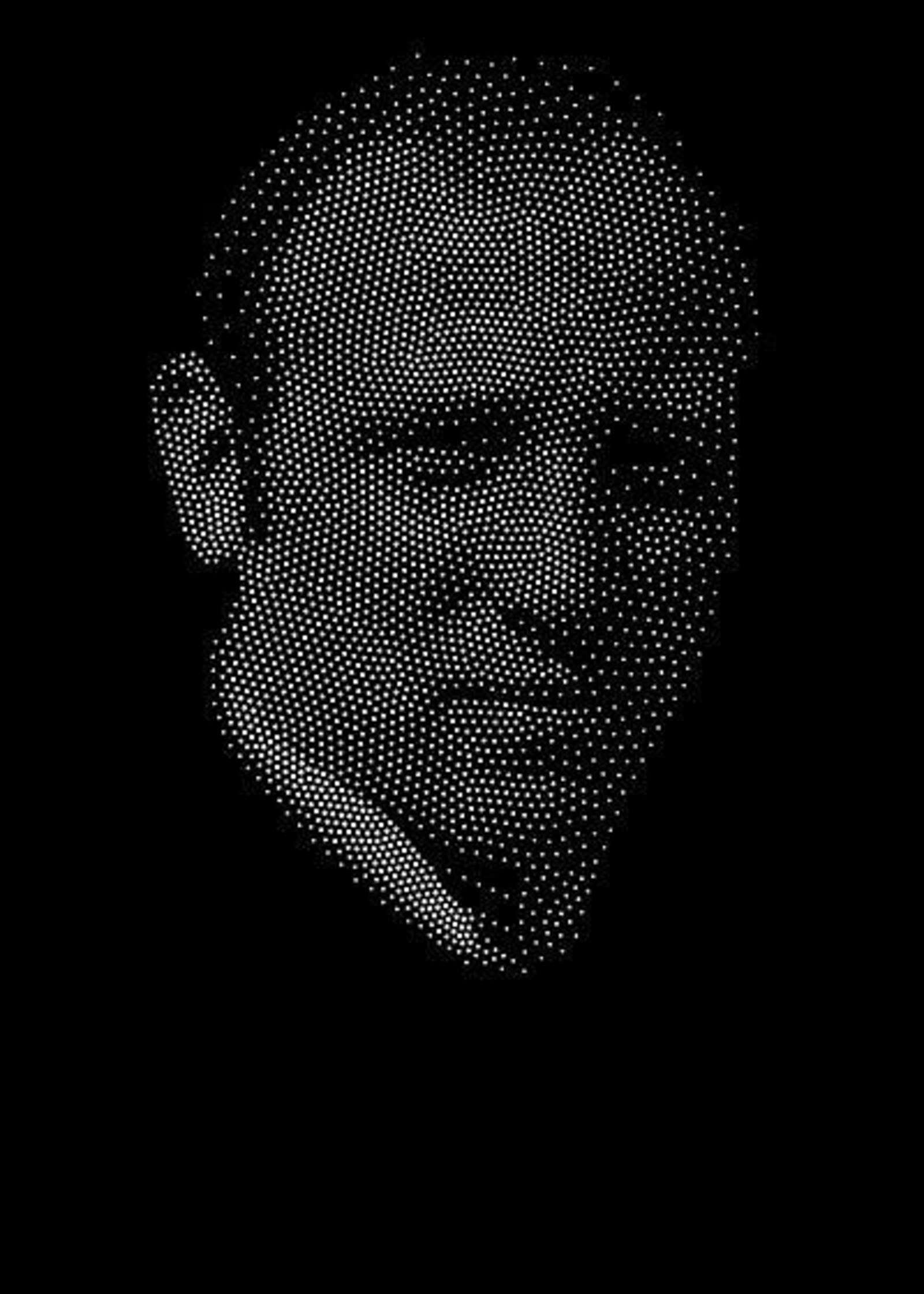
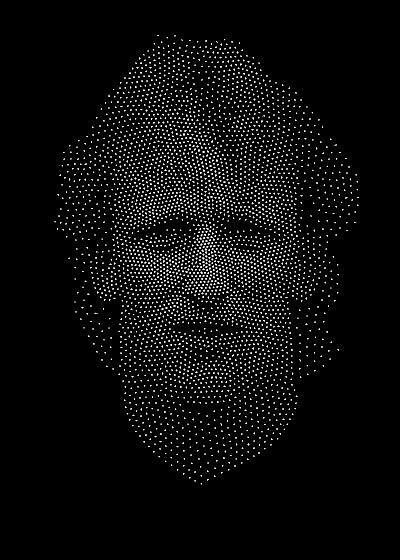
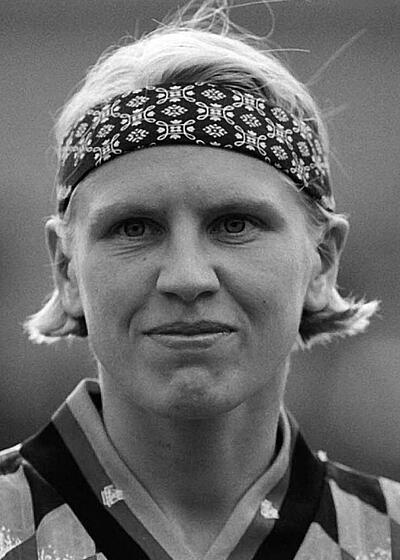
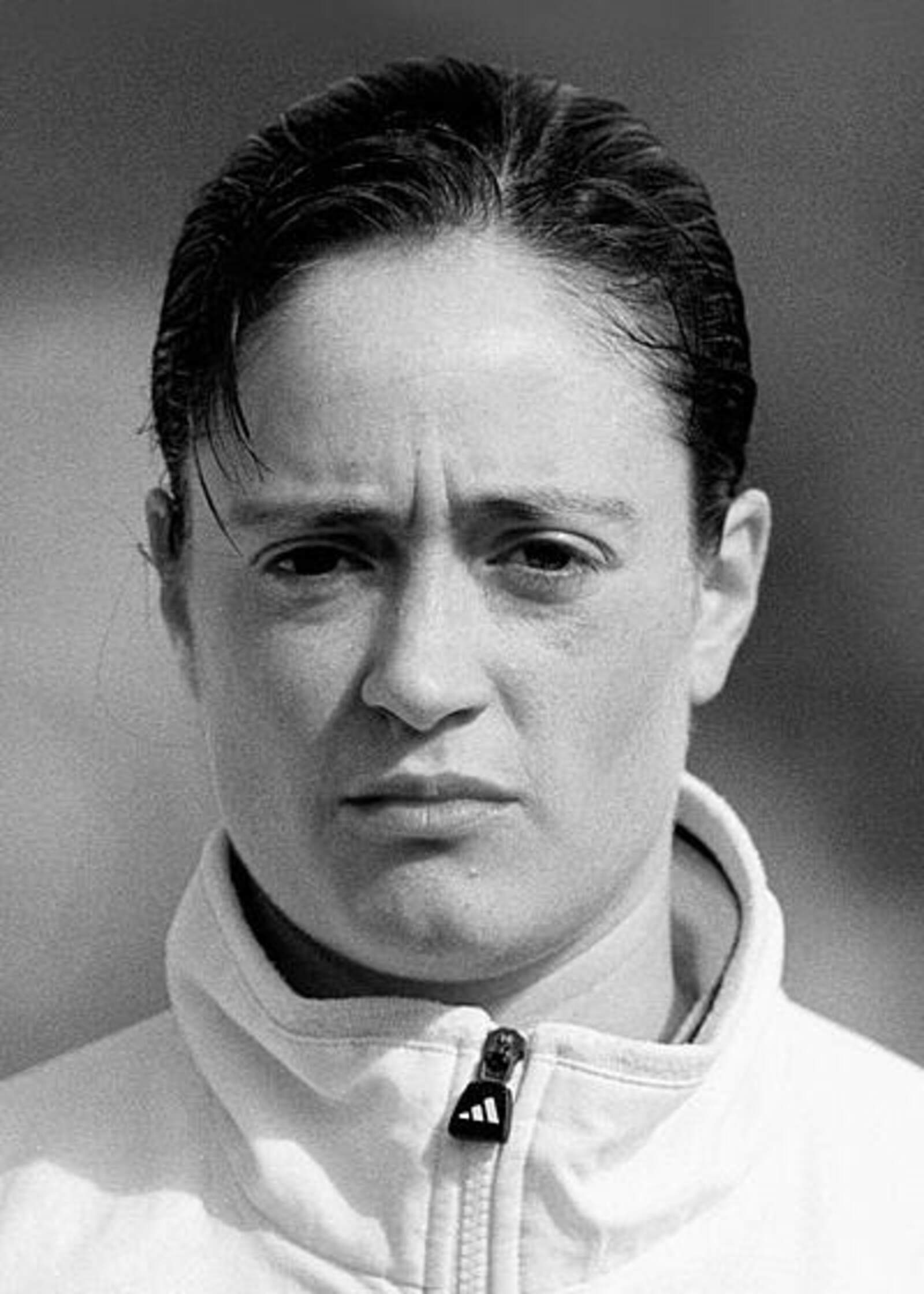
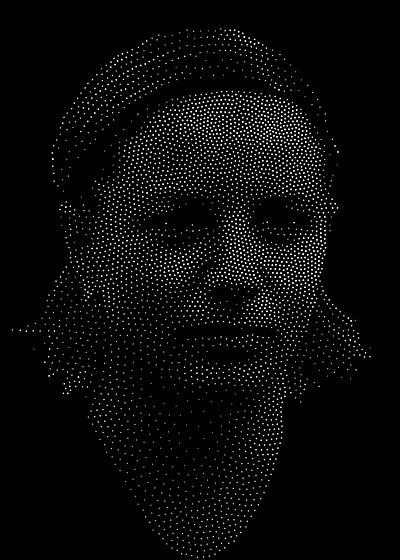
Bettina Wiegmann
7 October 1971, Euskirchen
, midfield
Clubs as a player:
1988–2001 FFC Brauweiler Pulheim 2000 (formerly SV Grün-Weiß Brauweiler)
2001–2002 Boston Breakers
2002–2003 FFC Brauweiler Pulheim
Honours:
German Champion: 1997
; DFB Cup winner: 1991, 1994, 1997
National team:
154 appearances (51 goals)
World Champion: 2003
European Champion: 1991, 1995, 1997, 2001
Olympic bronze medallist: 2000


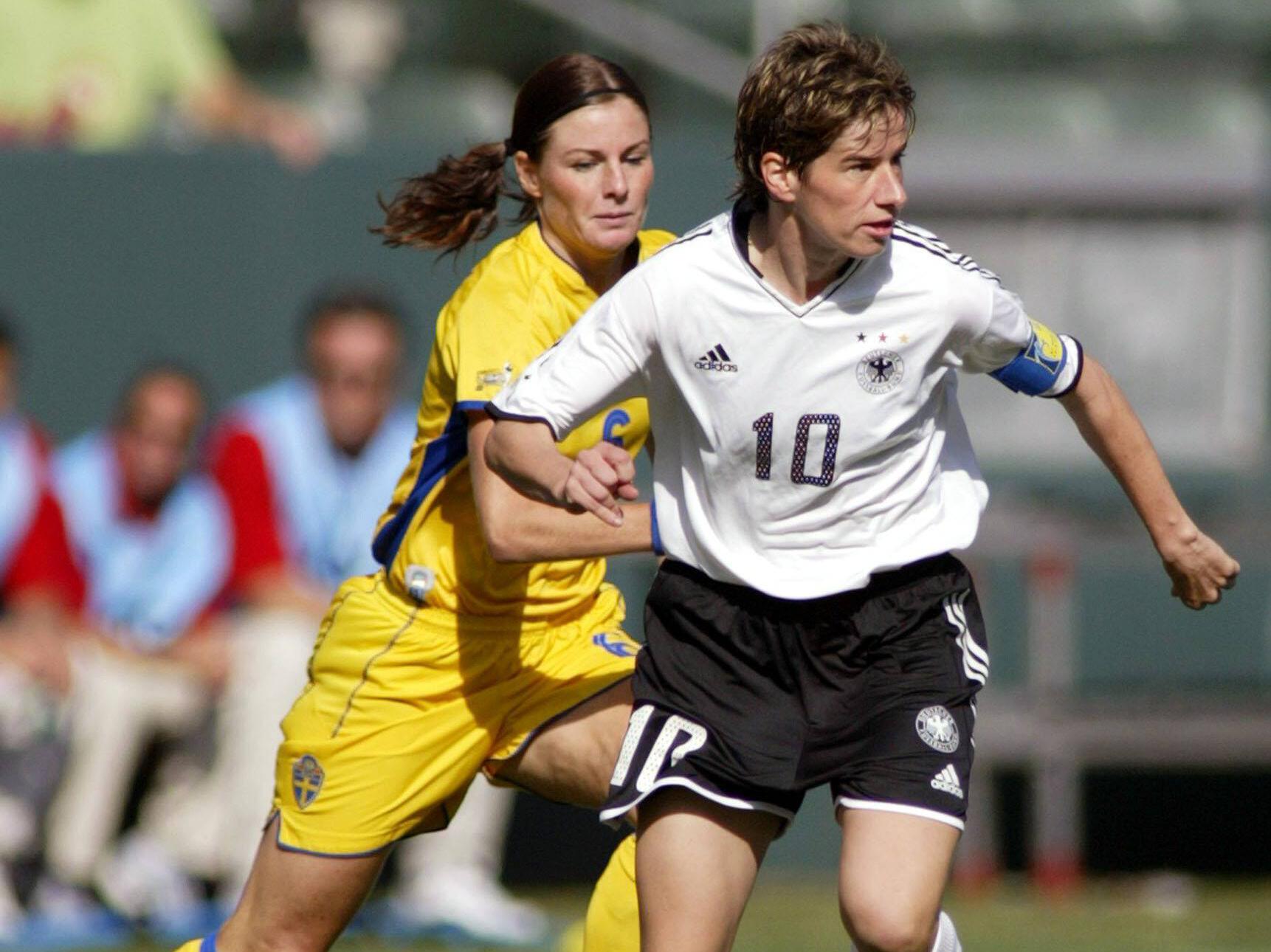
The first DFB honorary captain was fortunate enough to retire at the very peak of her magnificent playing career. She played her final match in the 2003 World Cup final, when the German women’s national team won the title for the first time. As captain, she lifted the trophy aloft before bidding farewell after 154 international appearances and 15 years of club football at the very highest level.
The 1997 Footballer of the Year belongs to a generation of top players who gave women’s football a boost largely without significant financial incentives. It was not until 2001, two years before the end of her career, that she accepted an offer to join the newly founded first professional women’s league in the USA. There she played for the Boston Breakers, but returned after one season to her home club, FFC Brauweiler Pulheim, with whom she had celebrated numerous successes since 1988. Before becoming a World Cup winner, Bettina Wiegmann had already been European champion four times, a three-time DFB Cup winner, German champion and Olympic bronze medallist. Her impressive record was worthy of the limelight, yet despite her status as an exceptional player, she remained rather reserved. Nevertheless, Wiegmann had a commanding presence on the pitch and was the undisputed leader of her team.
Hall of Fame
The German Football Hall of Fame was established on the initiative of the German Football Museum. In November 2018 and January 2019, leading sports journalists voted to select the inaugural men’s and women’s teams. The jury members were asked to nominate their choice of players and managers from German men’s and women’s football. Players who were eligible to play for German national teams and whose playing careers had ended at least five years previously were eligible for nomination. The HALL OF FAME honours the greatest legends of German football in one central location for the first time. It forms part of the permanent exhibition at the German Football Museum in Dortmund. Opened on 1 April 2019, it has become a permanent place of pilgrimage for all football fans. The jury decides annually on further inductees from men’s and women’s football.