EN
 DE


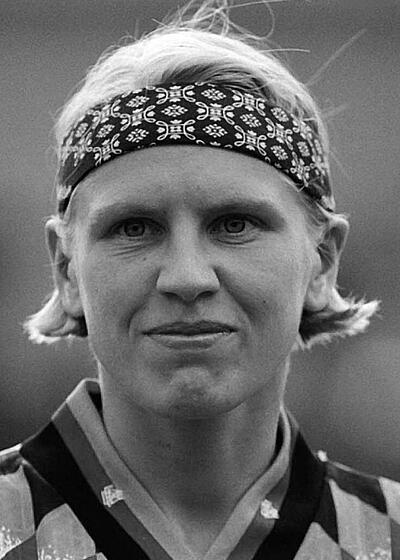
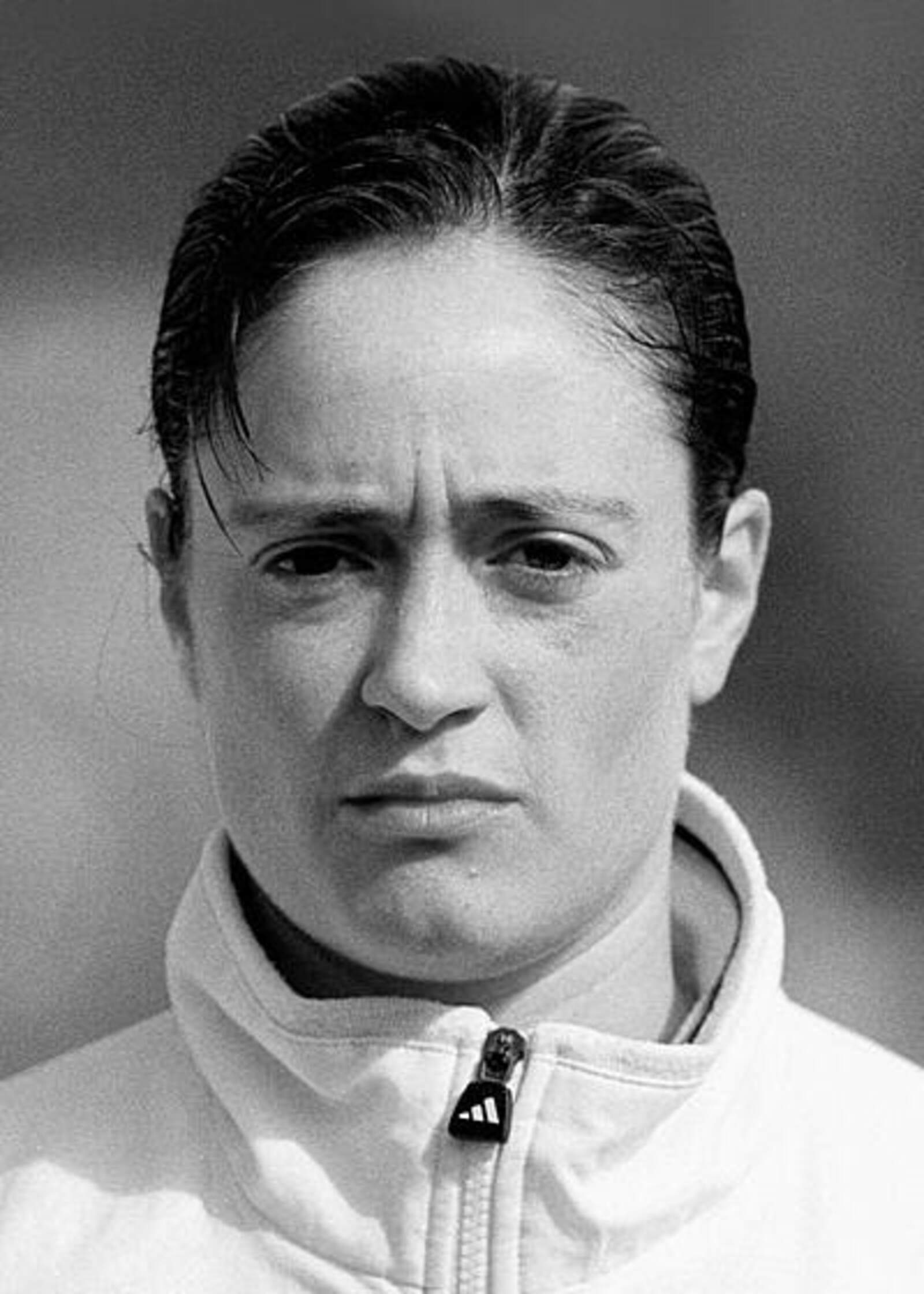
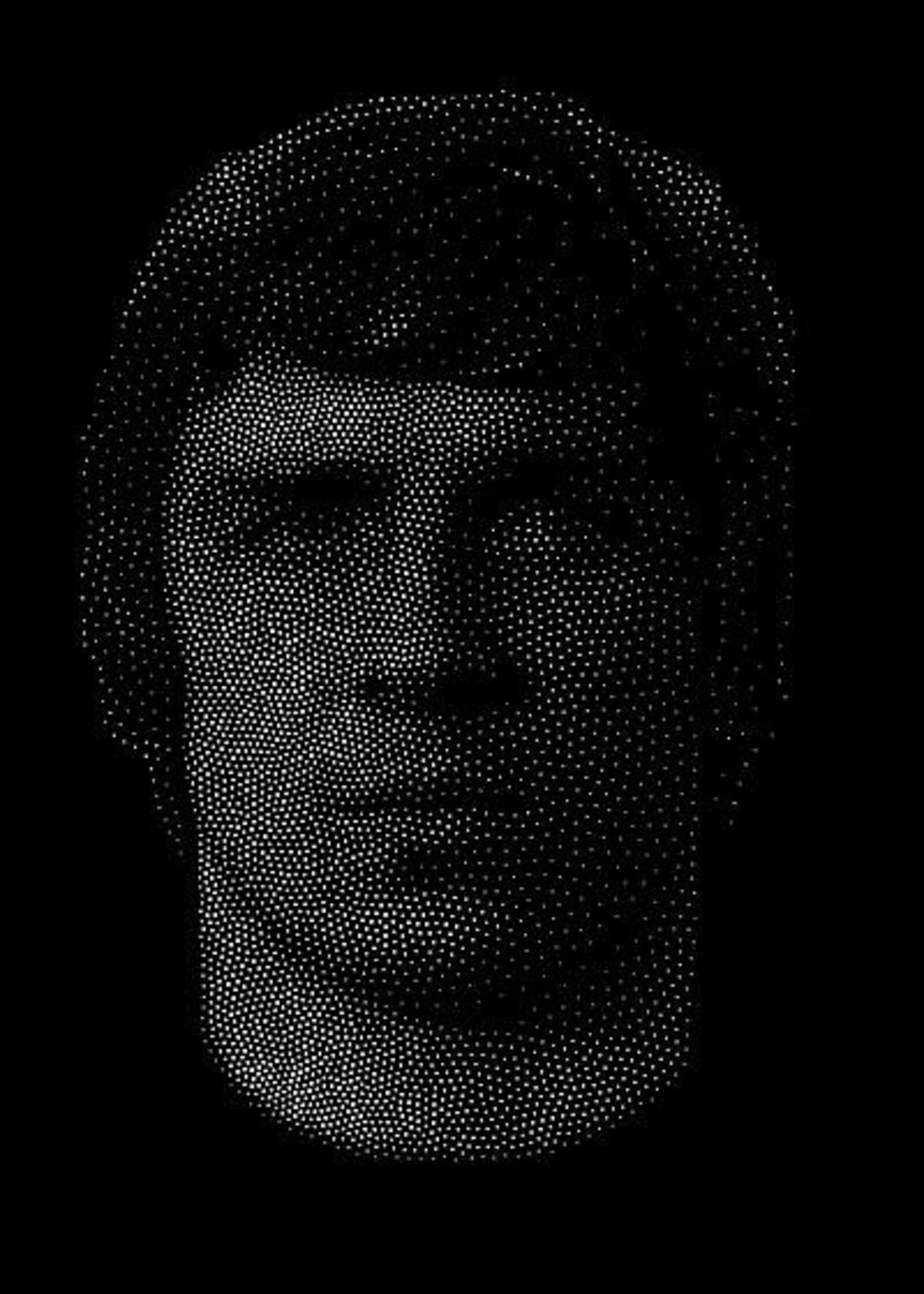
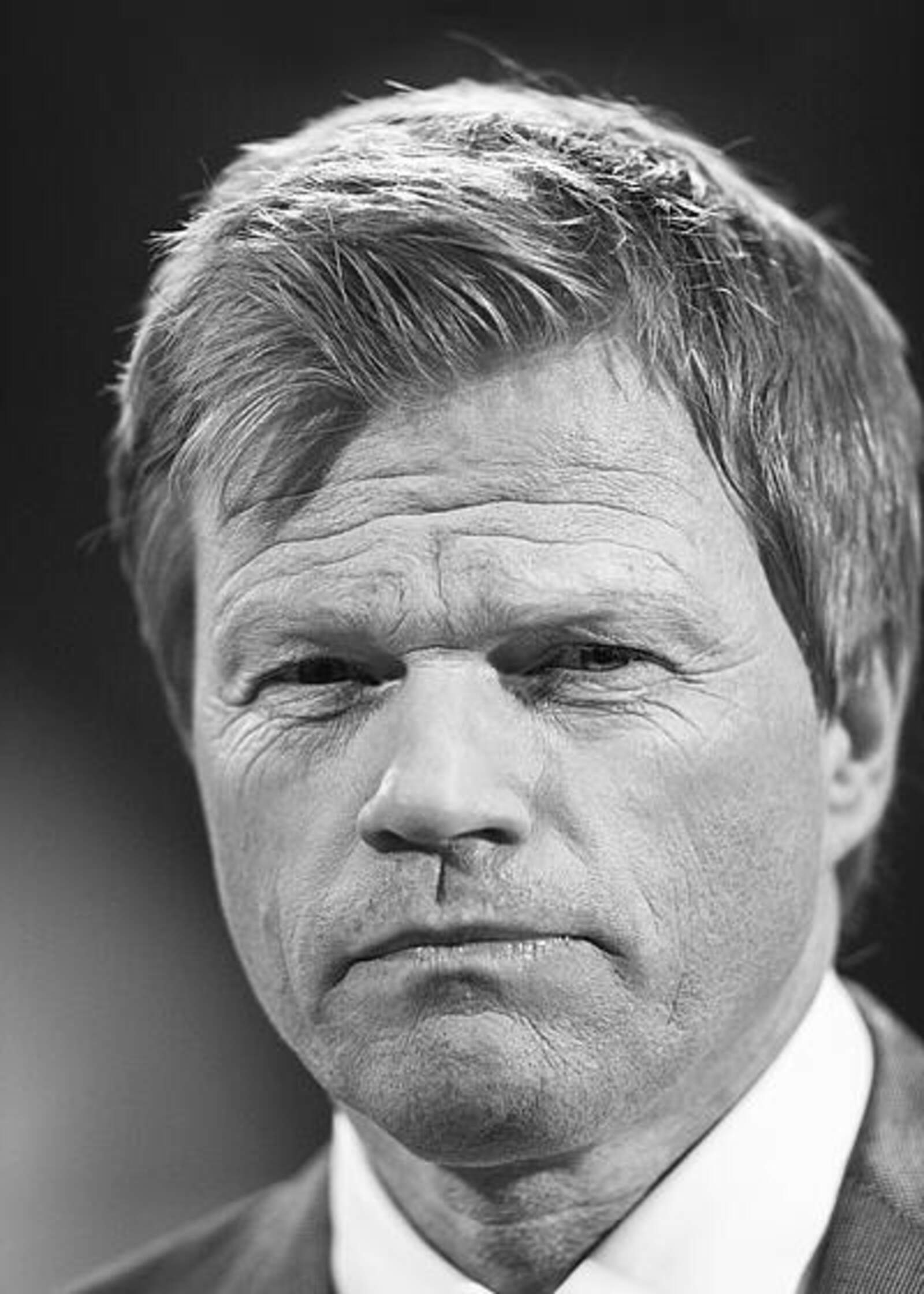
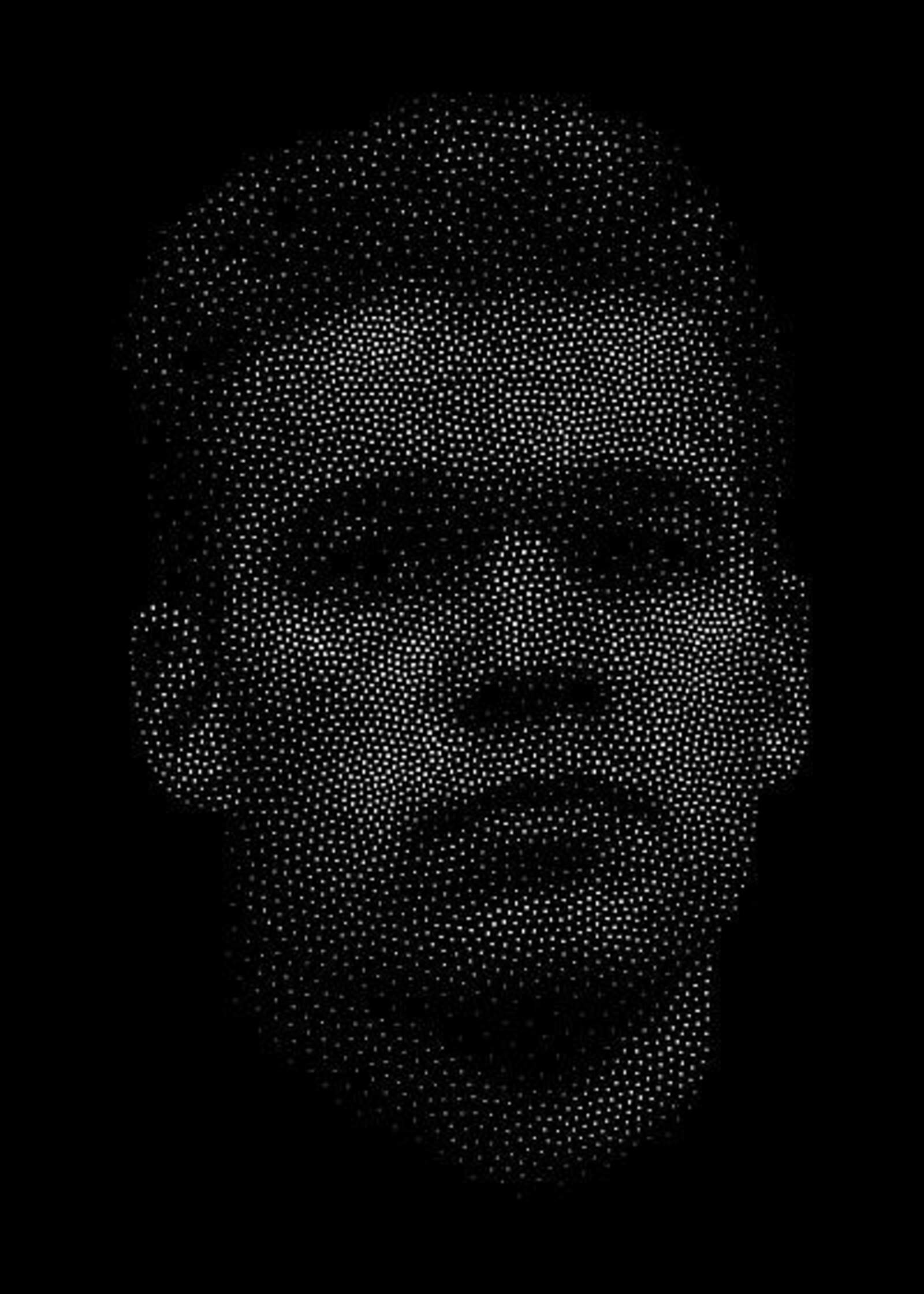
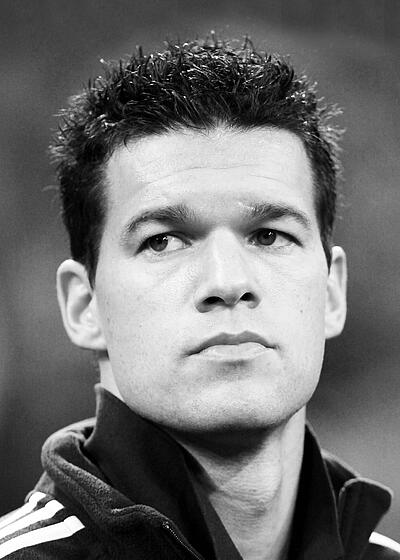
Nadine Angerer
* 10 November 1978, Lohr am Main
, Tor
Playing career:
1995–1996 1. FC Nuremberg
1996–1999 FC Wacker Munich
1999–2001 FC Bayern Munich
2001–2007 1. FFC Turbine Potsdam
2008 Djurgården Women’s Football
2009–2013 1. FFC Frankfurt
2013–2014 Brisbane Roar
2014–2015 Portland Thorns FC
Club:
German Champion: 2004, 2006
DFB Cup winner: 2004, 2005, 2006
UEFA Women’s Cup/Champions League winner: 2005
National team:
146 appearances, 0 goals
; World Champion: 2003 (did not play), 2007
; European Champion: 1997, 2001, 2005 (did not play in any of these), 2009, 2013
Olympic bronze medallist: 2000, 2004 (did not play in either), 2008


Nadine Angerer was named European Women’s Footballer of the Year in 2013 and FIFA Women’s World Player of the Year in 2014. The goalkeeper was part of the national team squad for 19 years and, with 146 appearances, ranks eighth in the all-time list for international caps. She played a part in five European Championship victories, won three Olympic bronze medals and claimed the World Cup title twice. Amidst all these impressive figures, one match in particular stands out:
the 2007 World Cup final in Beijing, where Germany were leading 1–0 against Brazil when Australian referee Tammy Ogston awarded a penalty to the South Americans. World Player of the Year Martha stepped up to face the German number one, who had yet to concede a single goal throughout the entire tournament. And that’s how it stayed. Nadine Angerer made a superb save, paving the way for her team’s victory. Shortly afterwards, the ‘Unbeatable One’ lifts the World Cup trophy aloft and is named the tournament’s best goalkeeper by FIFA. Certainly one of the very greatest highlights of her long career.
Nadine Angerer
also enjoyed significant success in club football. With Turbine Potsdam, the two-time German champion and three-time DFB Cup winner claimed the UEFA Women’s Cup in 2005 – the predecessor to the Champions League. In addition to position-specific strengths such as excellent command of the penalty area, tremendous jumping ability and superb positioning, she – a player regarded as a free spirit – was characterised by an irrepressible self-confidence that rubbed off on her teammates and with which she repeatedly spurred her team on.
Hall of Fame
The German Football Hall of Fame was established on the initiative of the German Football Museum. In November 2018 and January 2019, leading sports journalists voted to select the inaugural men’s and women’s teams. The jury members were asked to nominate their choice of players and managers from German men’s and women’s football. Players who were eligible to play for German national teams and whose playing careers had ended at least five years previously were eligible for nomination. The HALL OF FAME honours the greatest legends of German football in one central location for the first time. It forms part of the permanent exhibition at the German Football Museum in Dortmund. Opened on 1 April 2019, it has become a permanent place of pilgrimage for all football fans. The jury decides annually on further inductees from men’s and women’s football.