EN
EN
 DE
DE



50 Years of Wembley
31 July 2016 – 15 January 2017
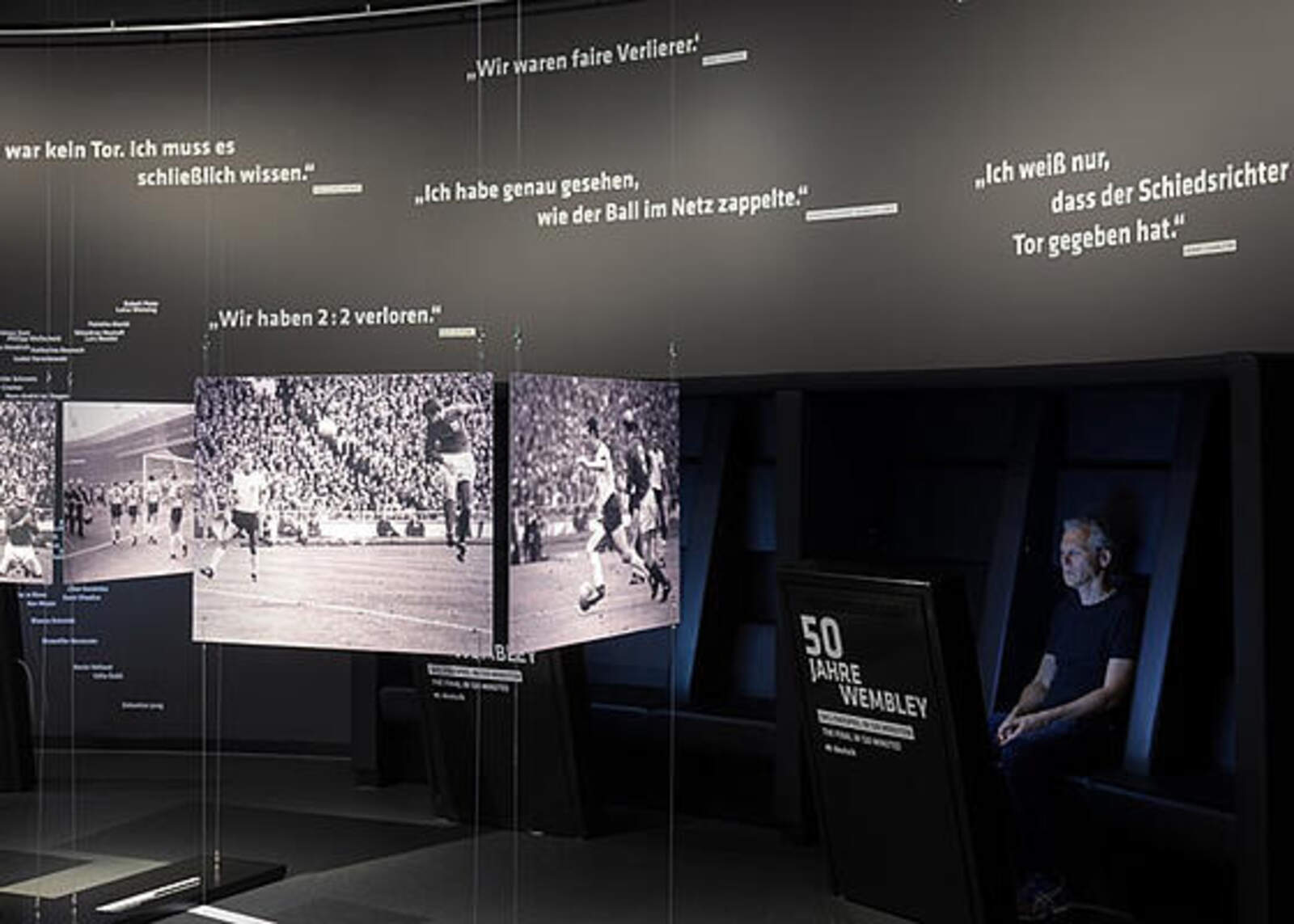
The final of the 8th FIFA World Cup in 1966 between England and Germany (4–2 after extra time) has become the stuff of legend. To mark the 50th anniversary of that unforgettable match featuring the legendary ‘Wembley Goal’, the German Football Museum ran a special exhibition from 31 July 2016 to 15 January 2017 entitled ‘50 Years of Wembley – The Myth in Snapshots’. The exhibition featured artistic media installations and, in some cases, previously unpublished photographs relating to this special chapter in German football history. Among those present at the exhibition opening were the then DFB President Reinhard Grindel and the 1966 World Cup runners-up Uwe Seeler, Hans Tilkowski, Willi Schulz and Siggi Held.
Museum director Manuel Neukirchner said: “The images of the ‘third goal’ and of the German internationals, who proved themselves to be fair and honourable losers after the dramatic 120 minutes at Wembley Stadium, have become key images that define our collective footballing identity. Uwe Seeler inspired us to bring the ‘Wembley’ legend back to life in a special exhibition. Through the artistic black-and-white aesthetic of 1960s sports photography and a spectacular media installation, we take a fascinating look back at the final of the century.”
Hardly any other World Cup final has stirred the passions of two nations as much as the clash between the two eternal rivals, England and Germany, at the completely sold-out Wembley Stadium in London on 30 July 1966.
England’s 3–2 goal in extra time – which proved decisive and has since become famous as the ‘Wembley goal’ – still raises the unresolved question to this day: was it a goal or not? The defeated German national team, led by their captain Uwe Seeler, proved to be gracious losers after the dramatic and gruelling 120 minutes of play. Their dignified demeanour, free from hatred and acrimony following what they regarded as an irregular course of play, earned the German national team sympathy across the globe 21 years after the end of the war. Even half a century on, the scenes from the 1966 World Cup final at Wembley remain ever-present.
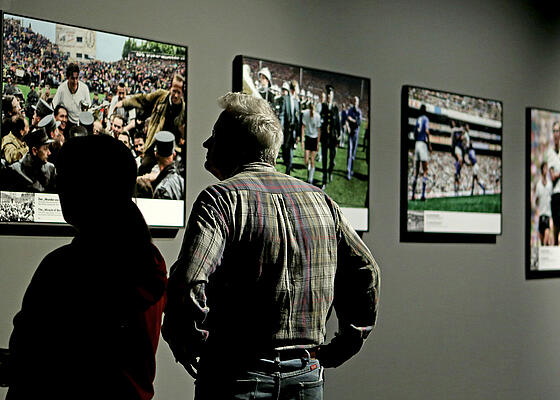
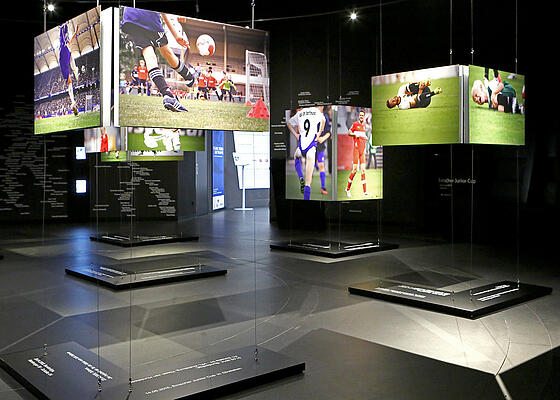
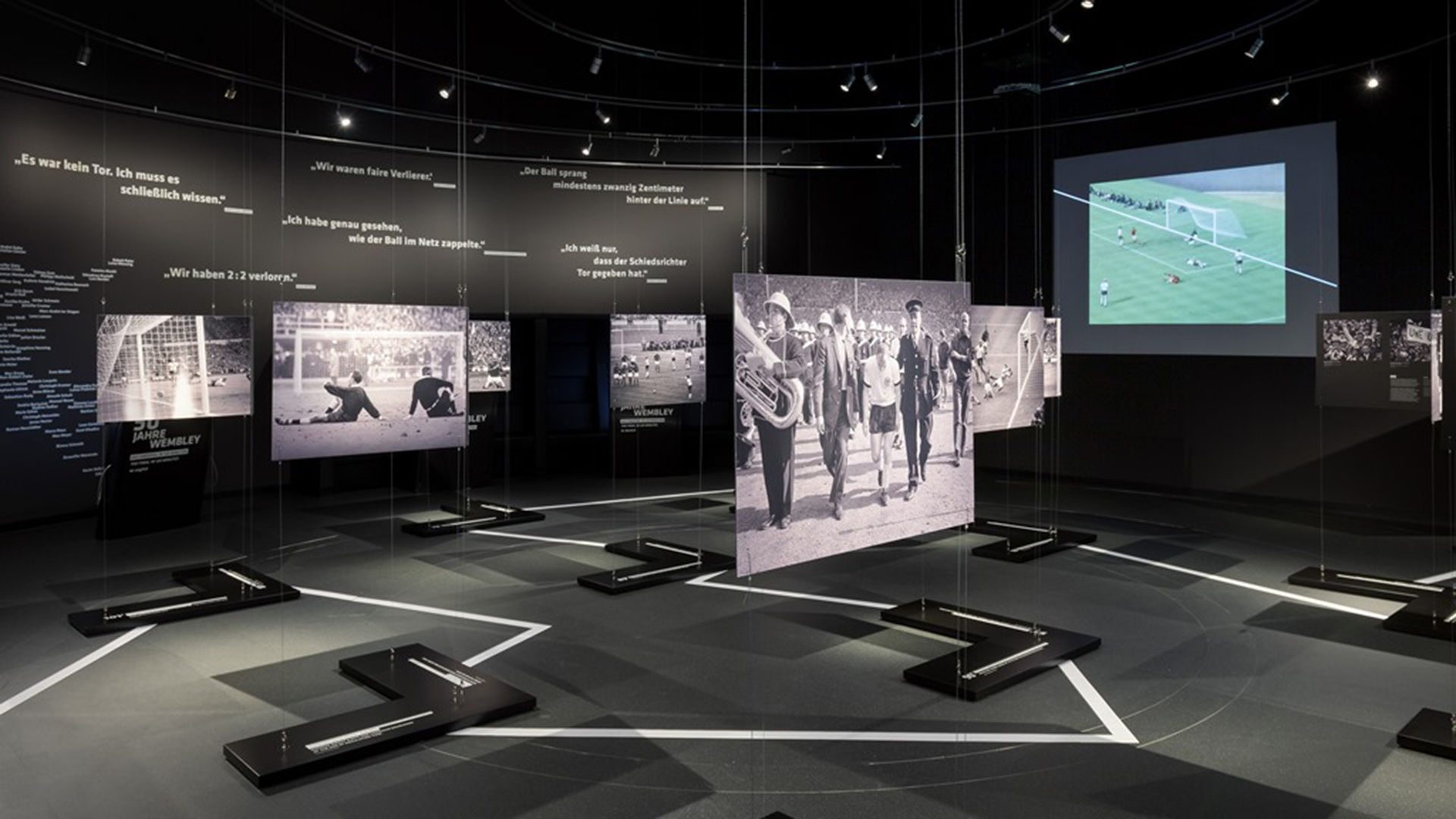
In the special exhibition, previously unpublished film footage from the World Cup final was superimposed onto floor-to-ceiling mirrored and projection surfaces, combined with graphics and sound to create a multi-perspective, collage-like spatial installation. The special exhibition also featured little-known photographs from the ‘Final of the Century’, which allowed visitors to immerse themselves in the events of that time. For the first time, the famous ‘Sports Photo of the Century’ by Axel Springer Jr., alias Sven Simon, depicting a dejected Uwe Seeler, was analysed and explained within its narrative context – with this special exhibition, the German Football Museum unveiled the final secrets of Wembley.
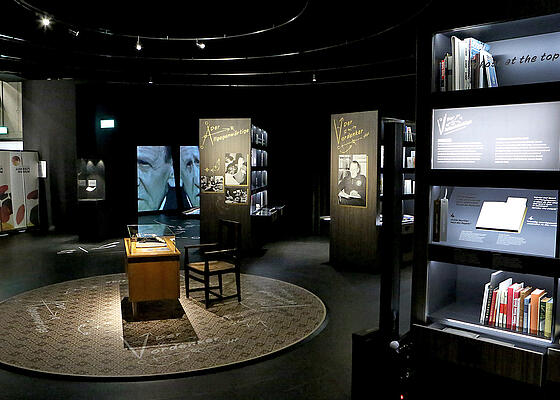
Snapshots of the special exhibition

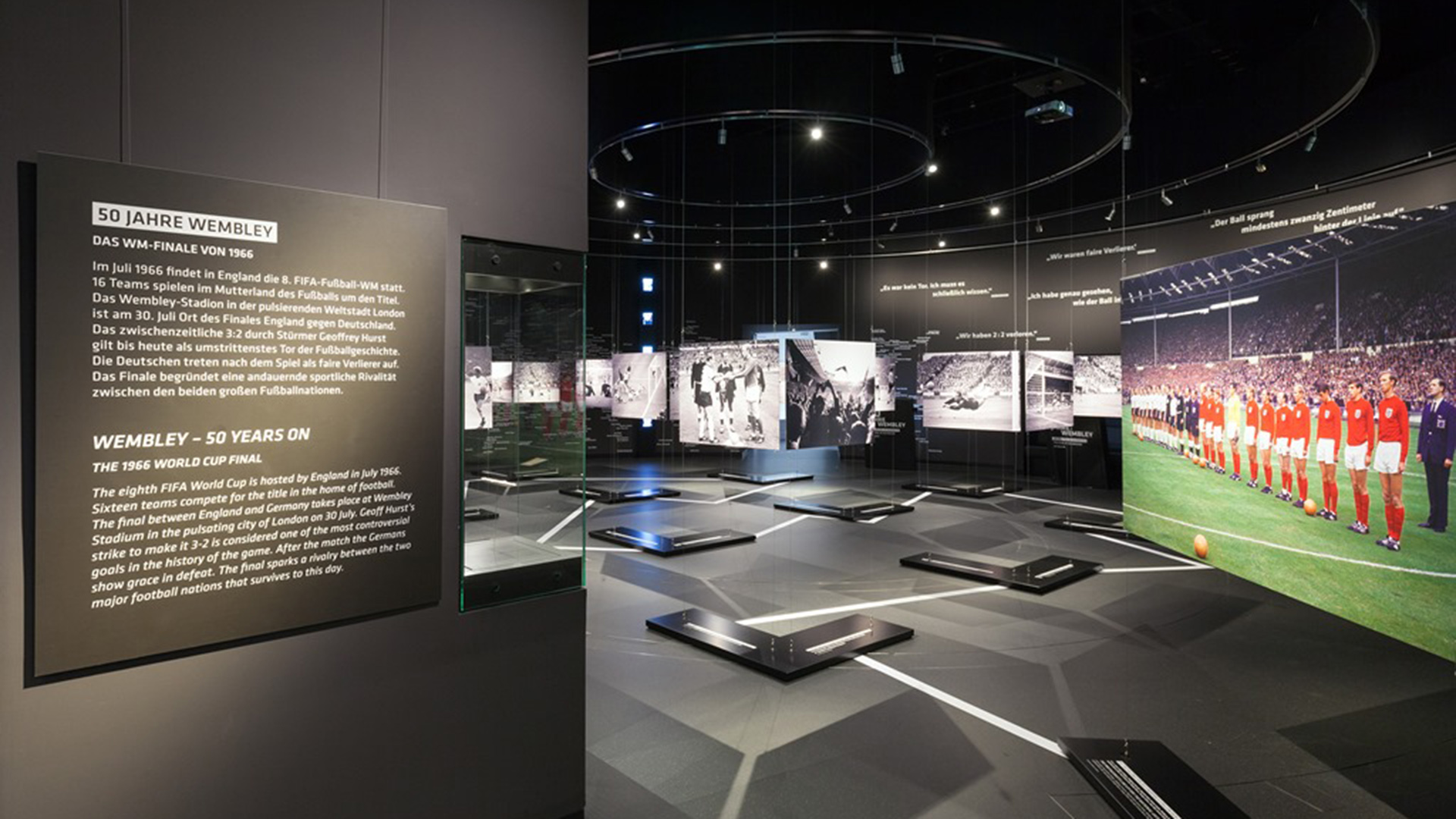

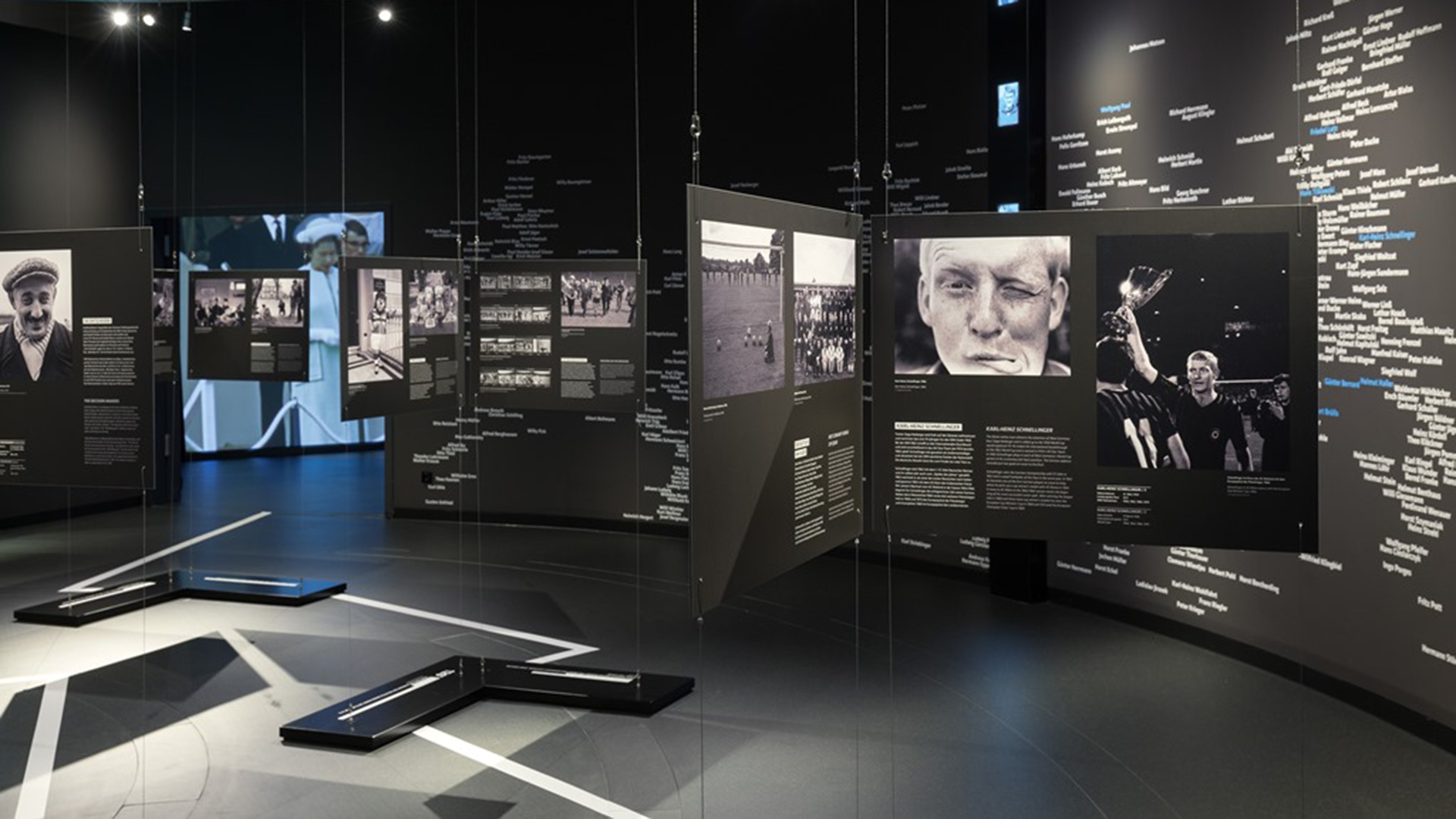
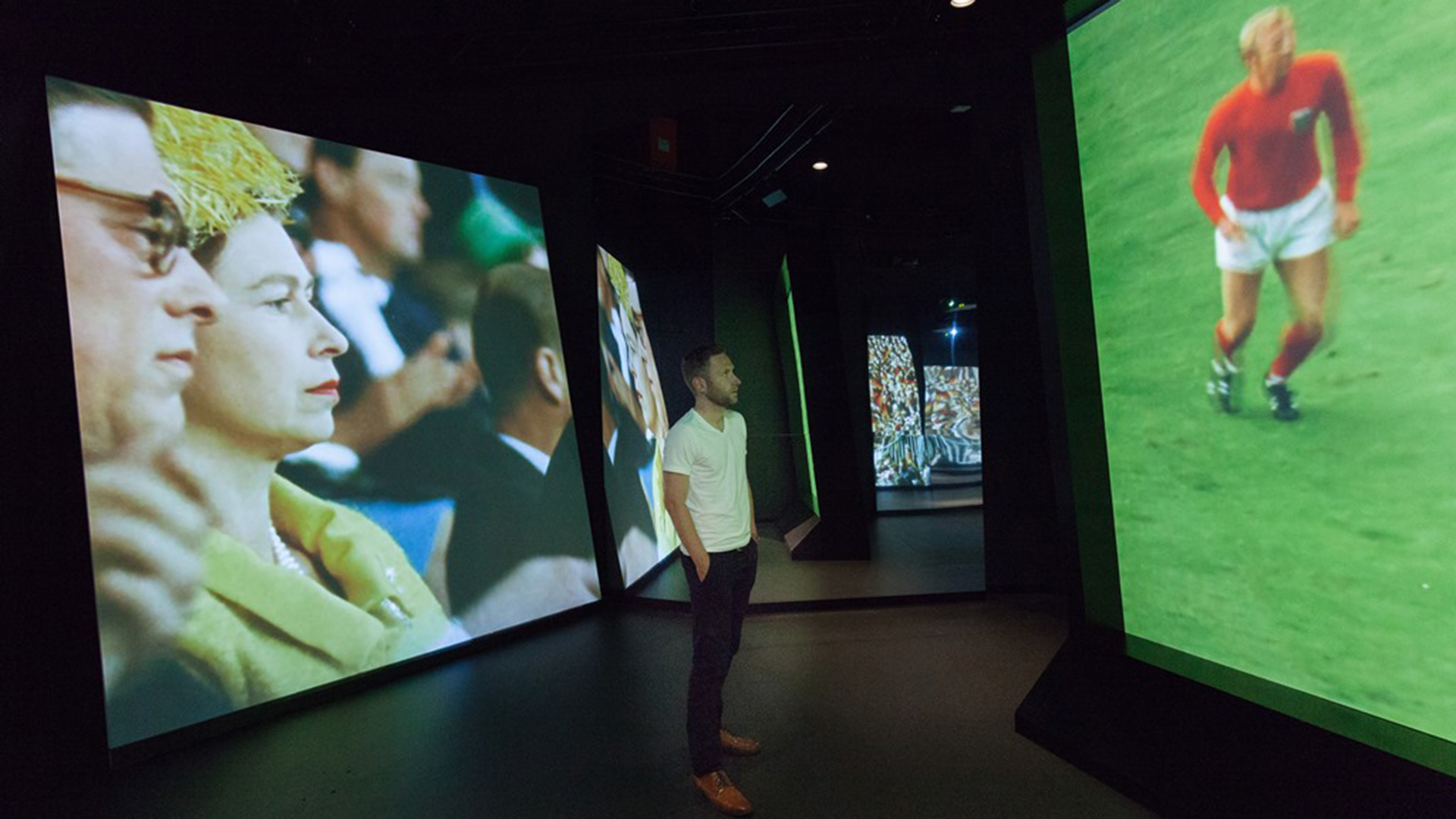
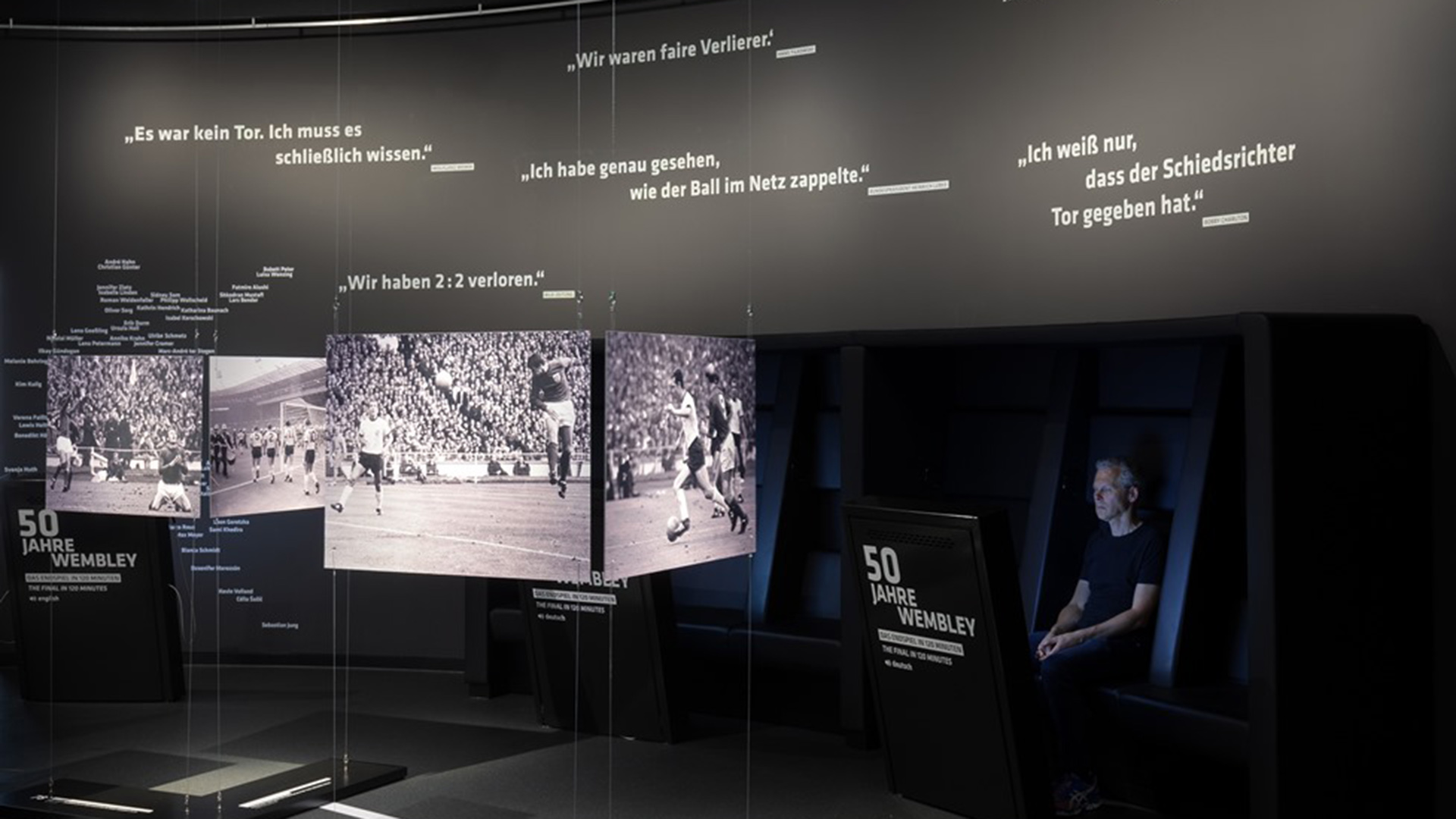
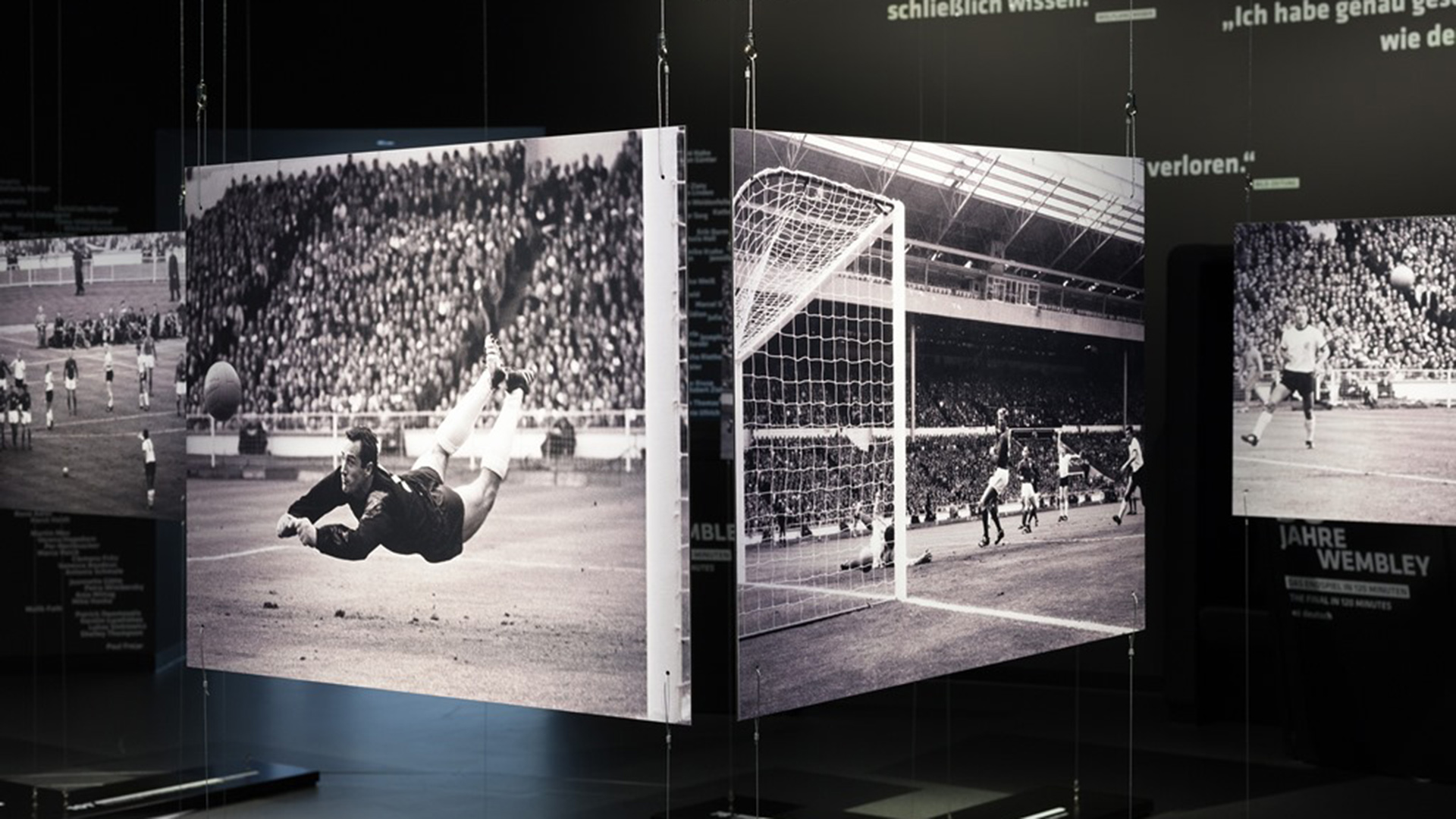

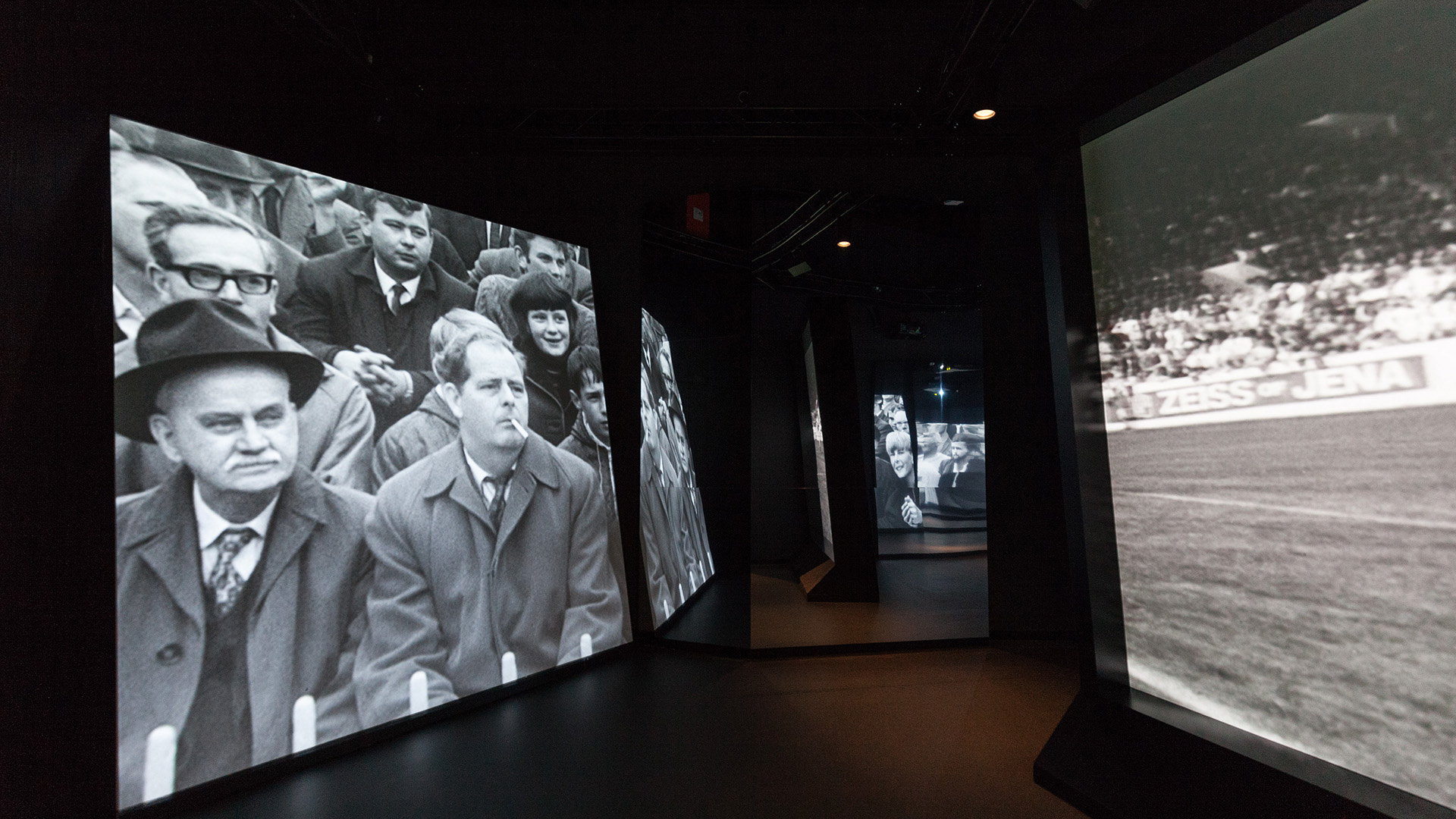
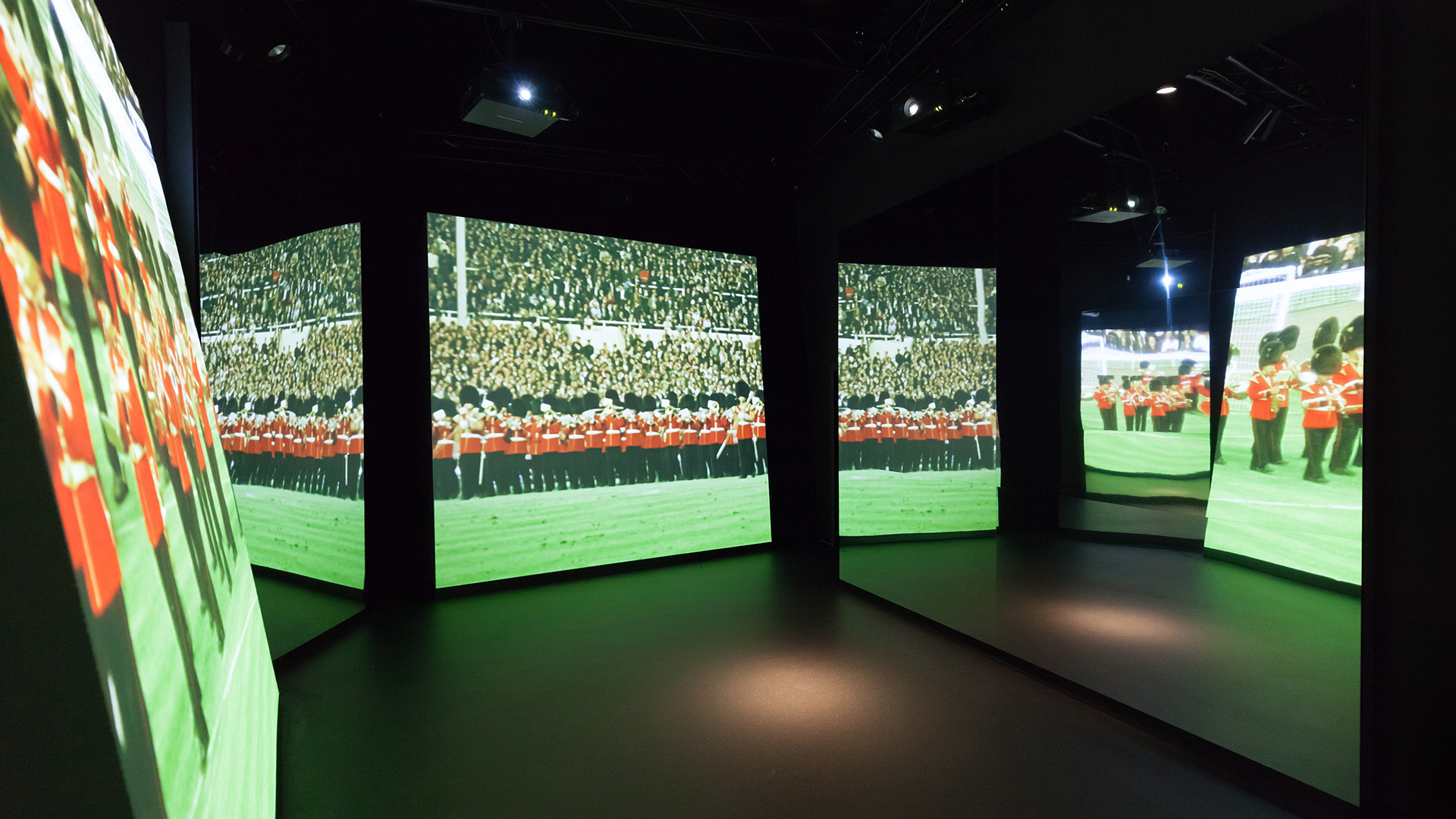
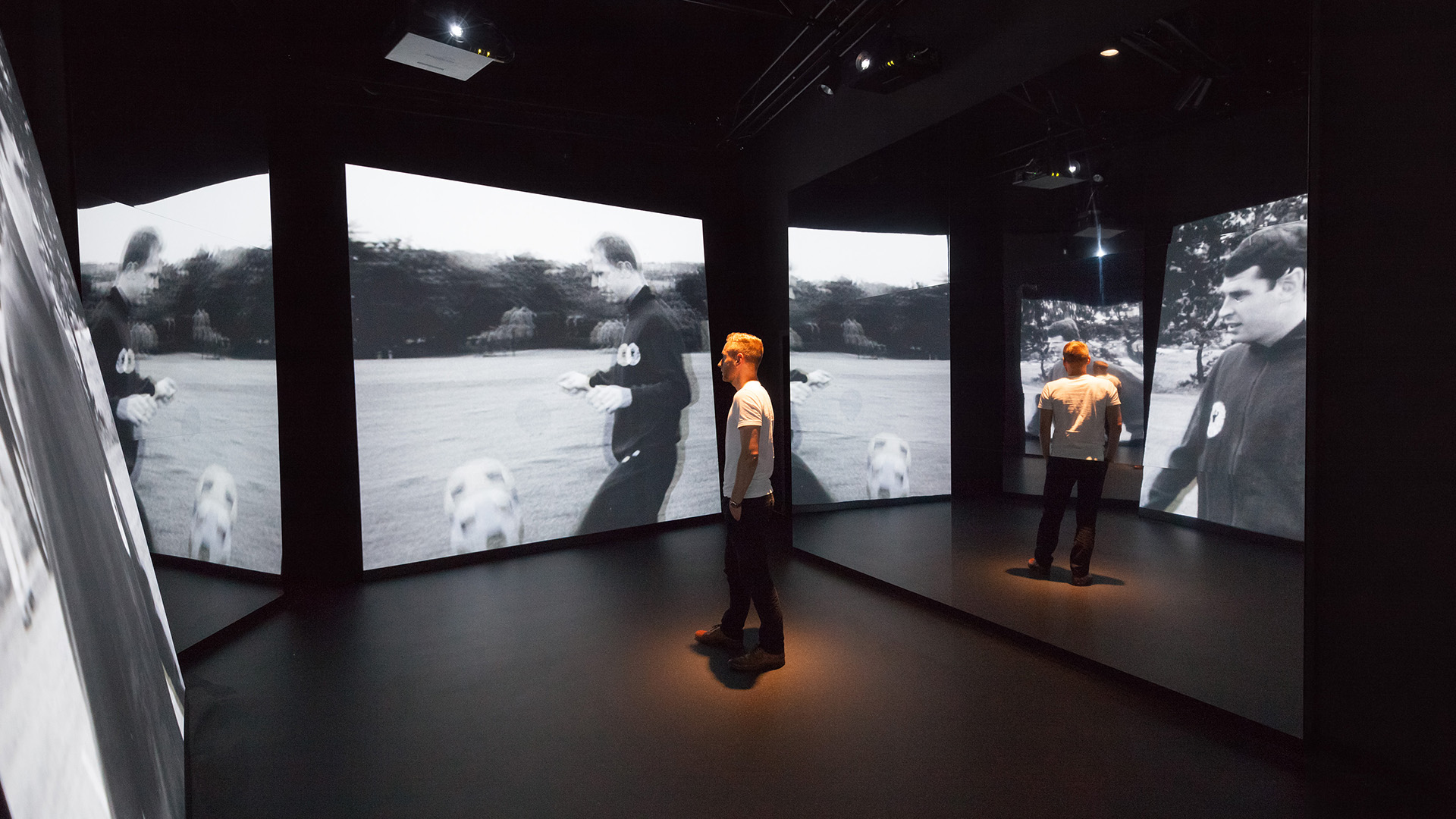
A companion book to the special exhibition at the German Football Museum
Numerous books have been published to accompany this special exhibition and to explore other aspects of the German Football Museum. If you’re interested in the stories behind the history, we hope you enjoy reading them.
You can find all the accompanying books published to date here.
-

Catalogue: ‘Wembley 1966 – The Legend in Snapshots’
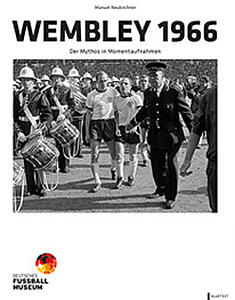
Catalogue: “Wembley 1966 – The Legend in Snapshots”
This book captures the final of the 13th FIFA World Cup in 1966 between England and Germany (4–2 after extra time) in photographic snapshots. The resurgence of football photography in the 1960s gave rise to immediacy and distinctiveness, and can lay claim to the definitive documentary and aesthetic interpretation of this historic final. The book features a selection of previously unpublished photographs that allow the viewer to become one with the events of that time. For the first time, the famous ‘Sports Photograph of the Century’ by Axel Springer Junior, alias Sven Simon, depicting a dejected Uwe Seeler, is analysed and explained within its narrative context. This lifts the veil on one of Wembley’s last secrets. With their striking black-and-white aesthetic, the more than 200 images in this volume have become masterpieces of reportage photography.
Manuel Neukirchner (ed.)
160 pages, numerous illustrations
Klartext Verlag
Paperback
ISBN 978-3-8375-1622-7
14.95 EUR
![[Translate to Englisch:] 100 Jahre DJK - Eröffnung](/fileadmin/_processed_/3/e/csm_fussballmuseum-100-jahre-djk-sport-leib-seele_ab21a5151e.jpg "100 Years of DJK – Opening Ceremony")