EN
EN
 DE
DE


Sky-scalers
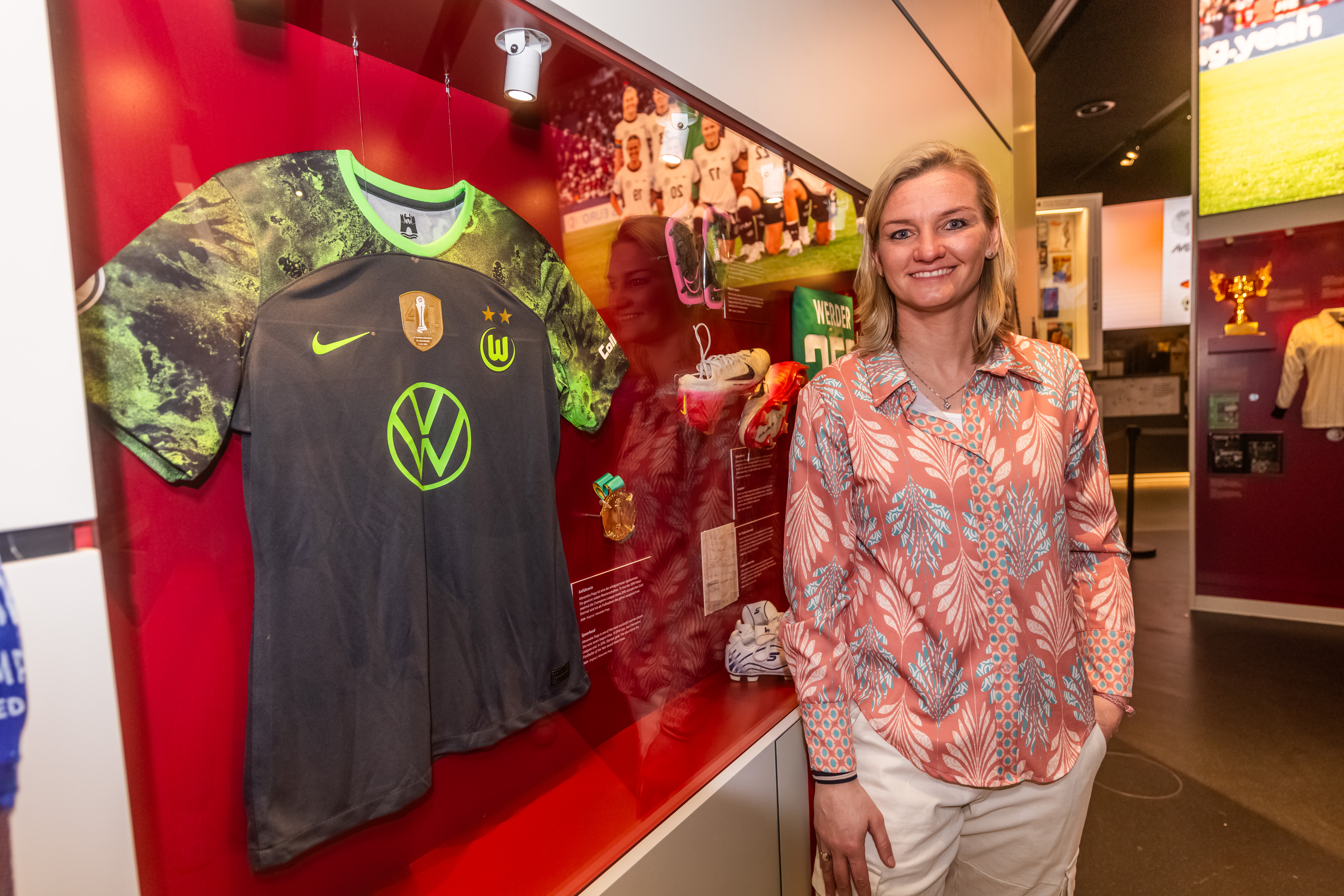
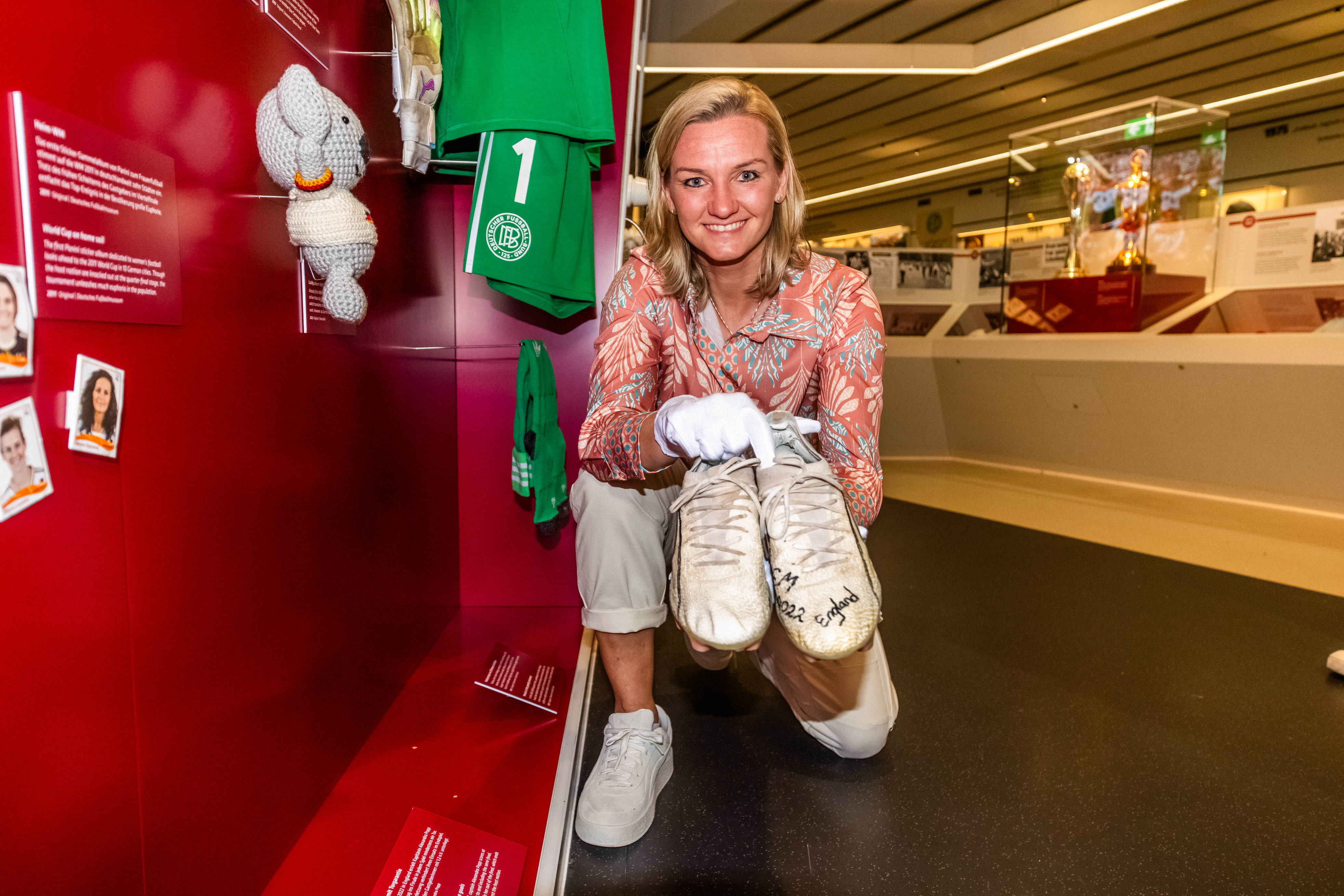

For a long time, women’s football was a world unto itself. It took place on the fringes of the big stage, on secondary pitches far from the limelight. It was ridiculed and opposed – and yet it has grown steadily. The women’s national team has always been a key driving force in this. As club structures have become more professional, TV revenue has increased and a title sponsor has been secured, the Women’s Bundesliga has also attracted increasing attention in recent years. Top matches are attracting record crowds time and again, and many players are catching the eye of Europe’s top clubs. Once ‘nobodies’, they have become pop icons and are making a name for themselves with immense reach. Public interest in these players is growing rapidly. Stars such as Lena Oberdorf, Giulia Gwinn, Alexandra Popp and Ann-Kathrin Berger have donated personal items to the German Football Museum, thereby providing fascinating insights into the current state of women’s football and their own careers.
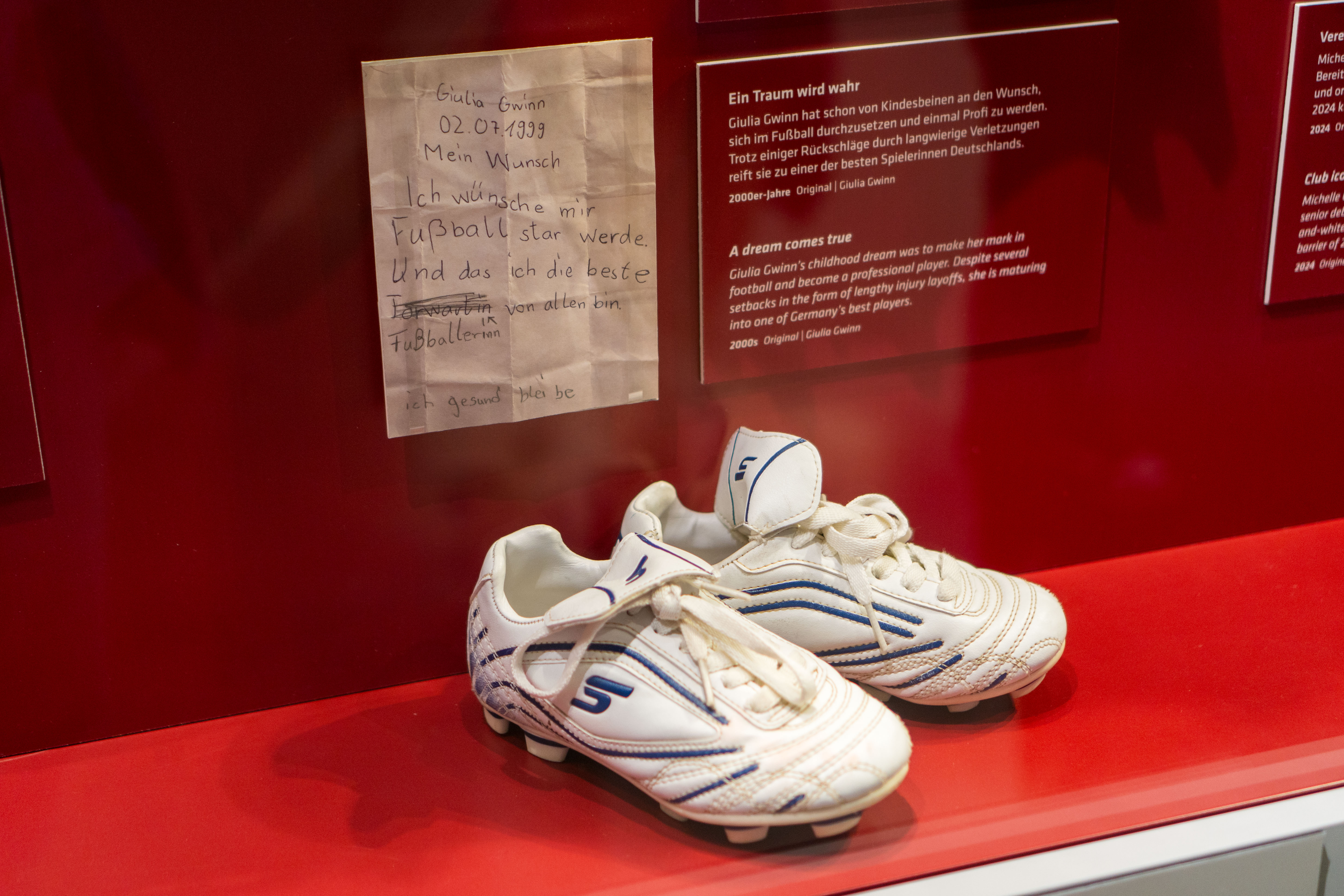

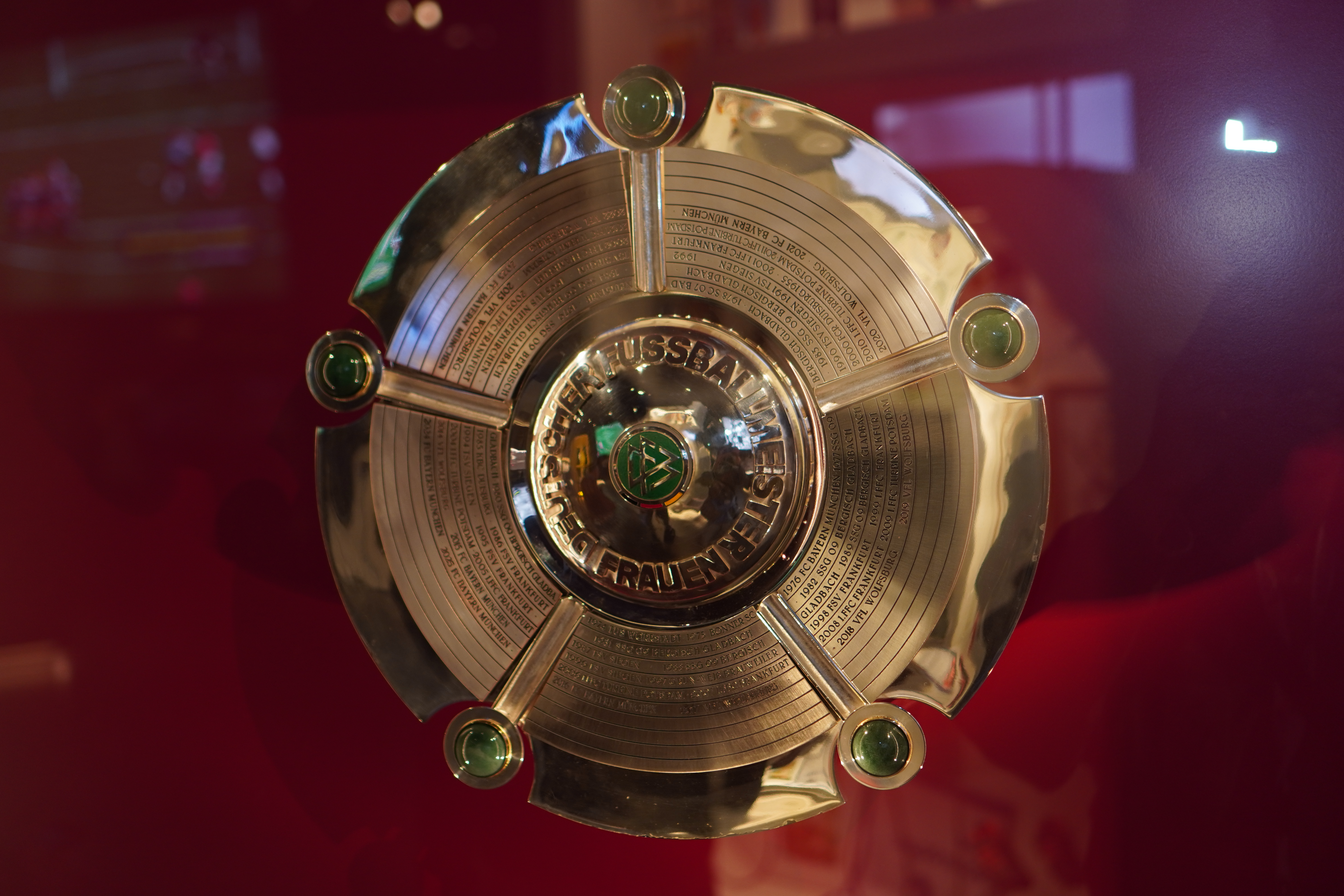
This new momentum is reflected in our exhibition area on women’s football, whilst not overlooking the difficult early days and the remarkable pioneering achievements of previous generations of female players. As early as 1930, Lotte Specht, the founder of Germany’s first women’s football club, said: “What the men can do, we can do too.” Yet it would be decades before women’s football gained wider social acceptance. The obstacles that had to be overcome, why the DFB temporarily banned women’s football, and when the major milestones occurred – upon which the successful development and outstanding achievements of the past 30 years are based – are illustrated through impressive visual and audio material, as well as a wealth of in-depth information on the exhibits.