EN
 DE
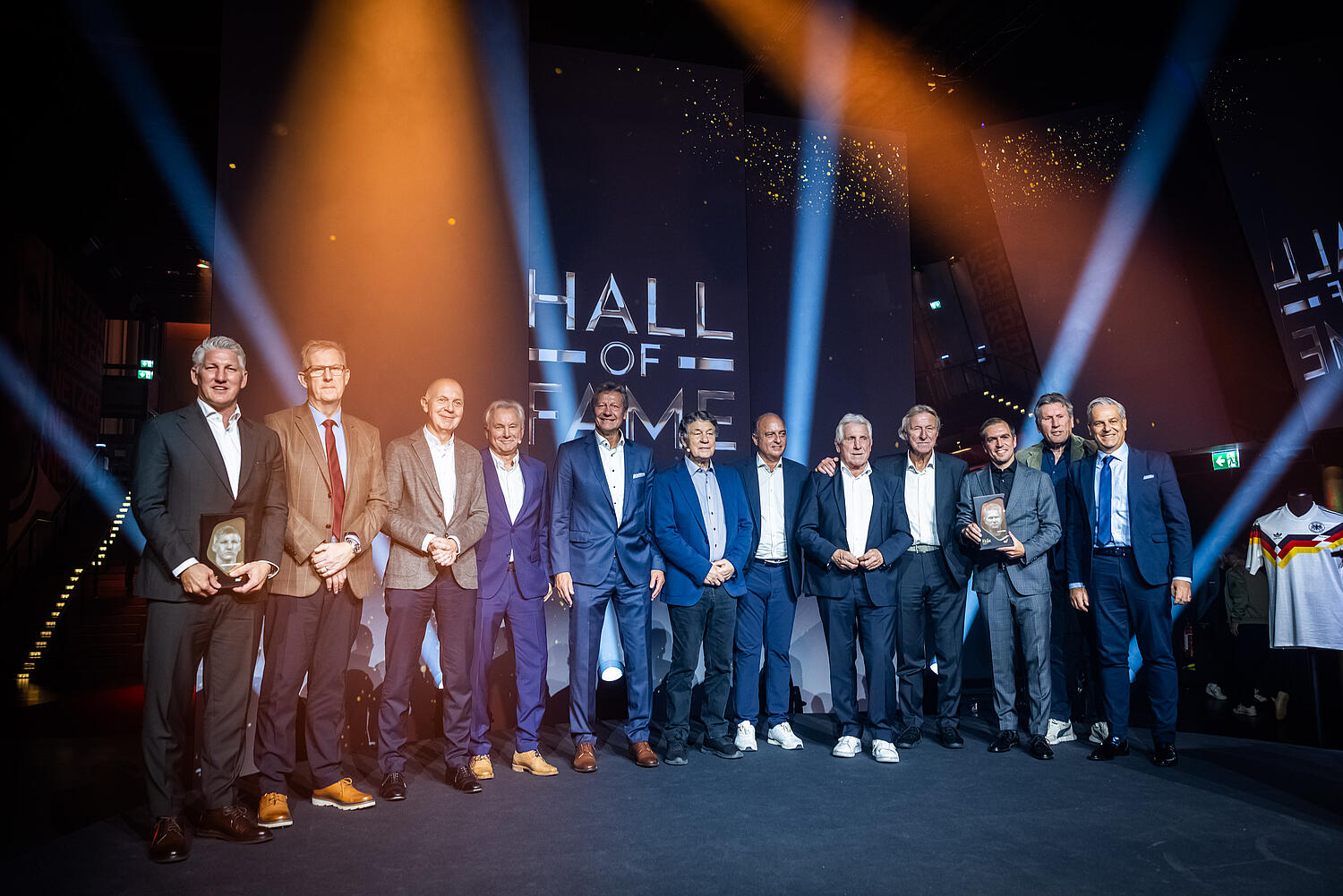
German Football Hall of Fame grows to 53 legends
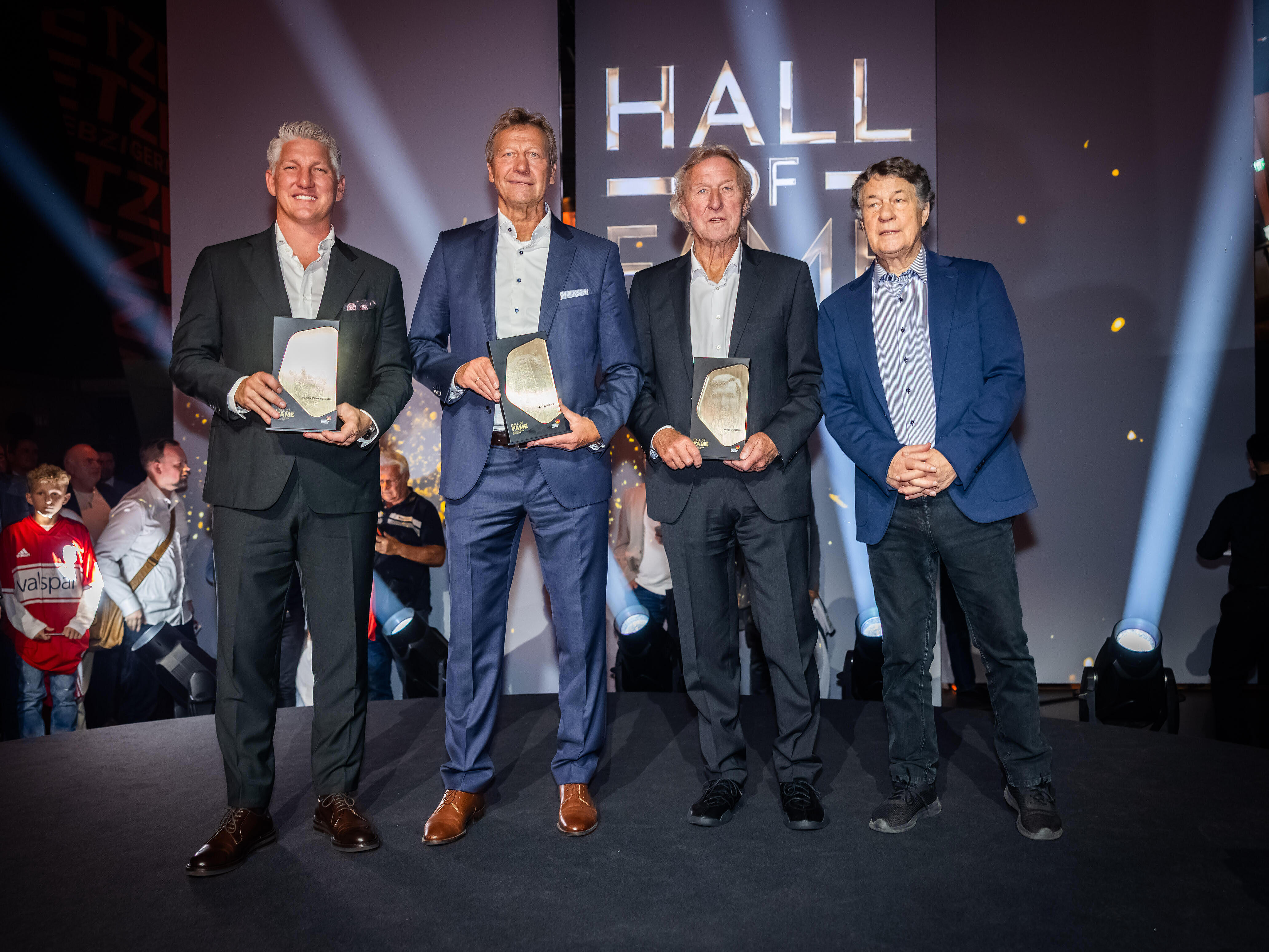
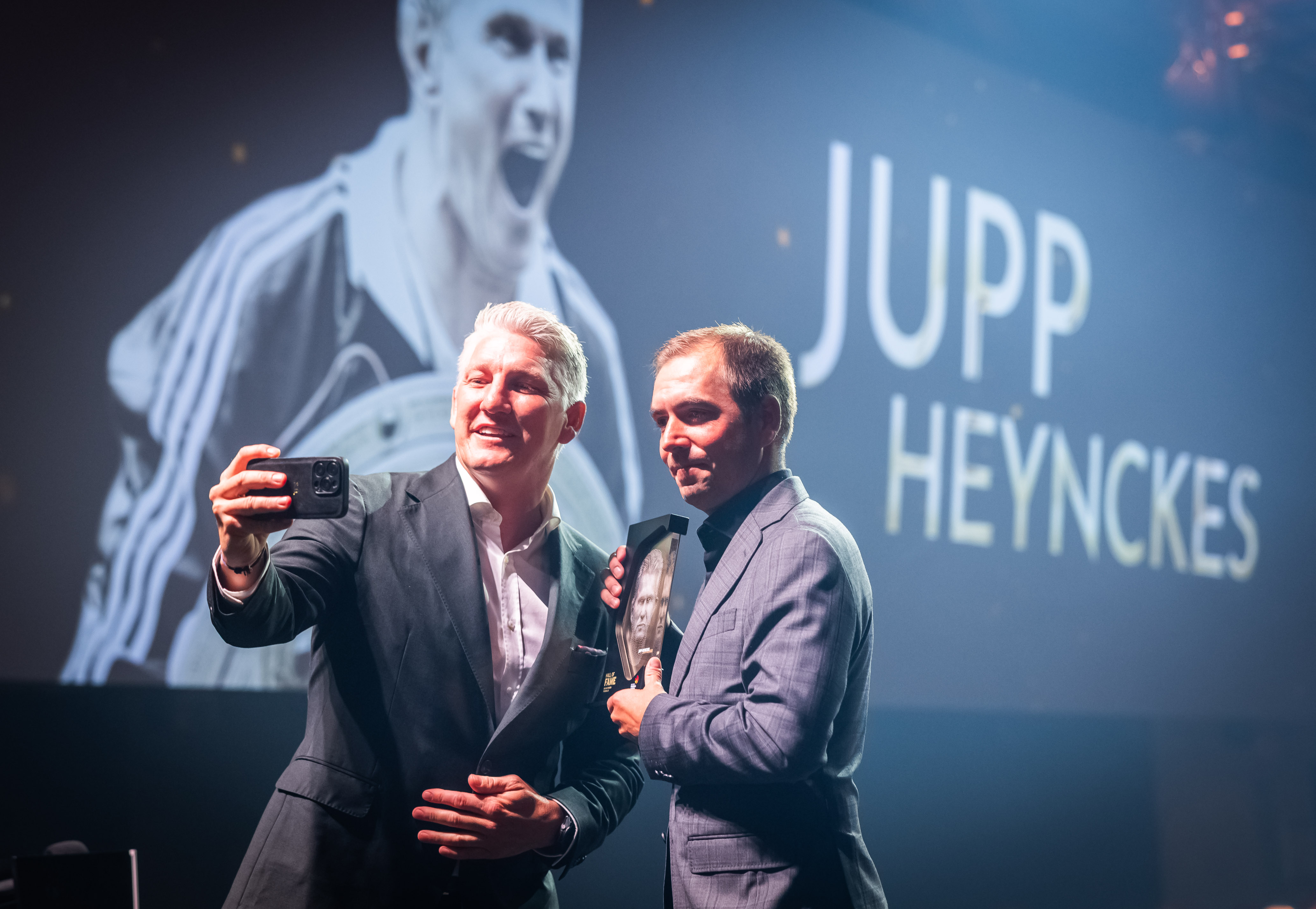
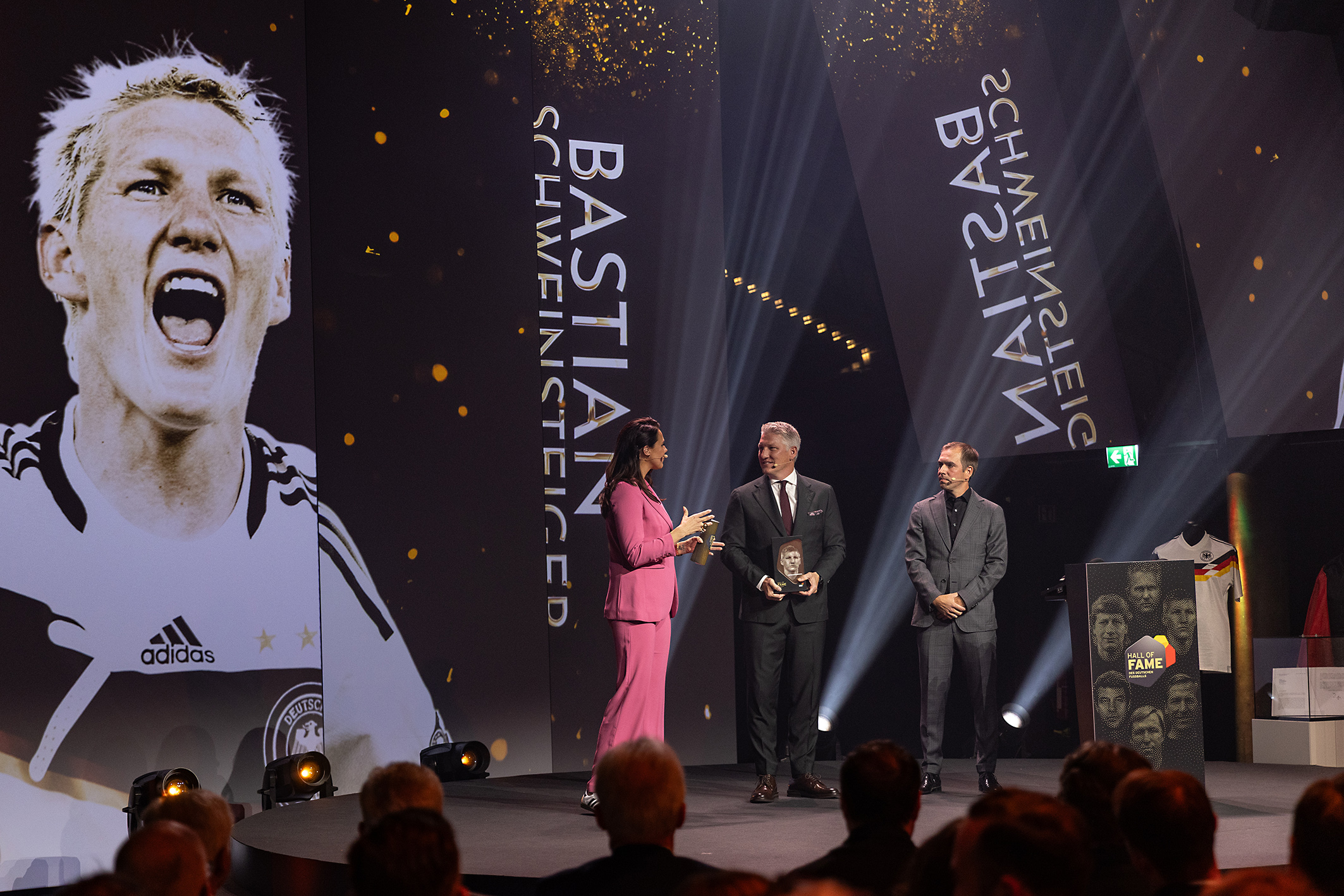
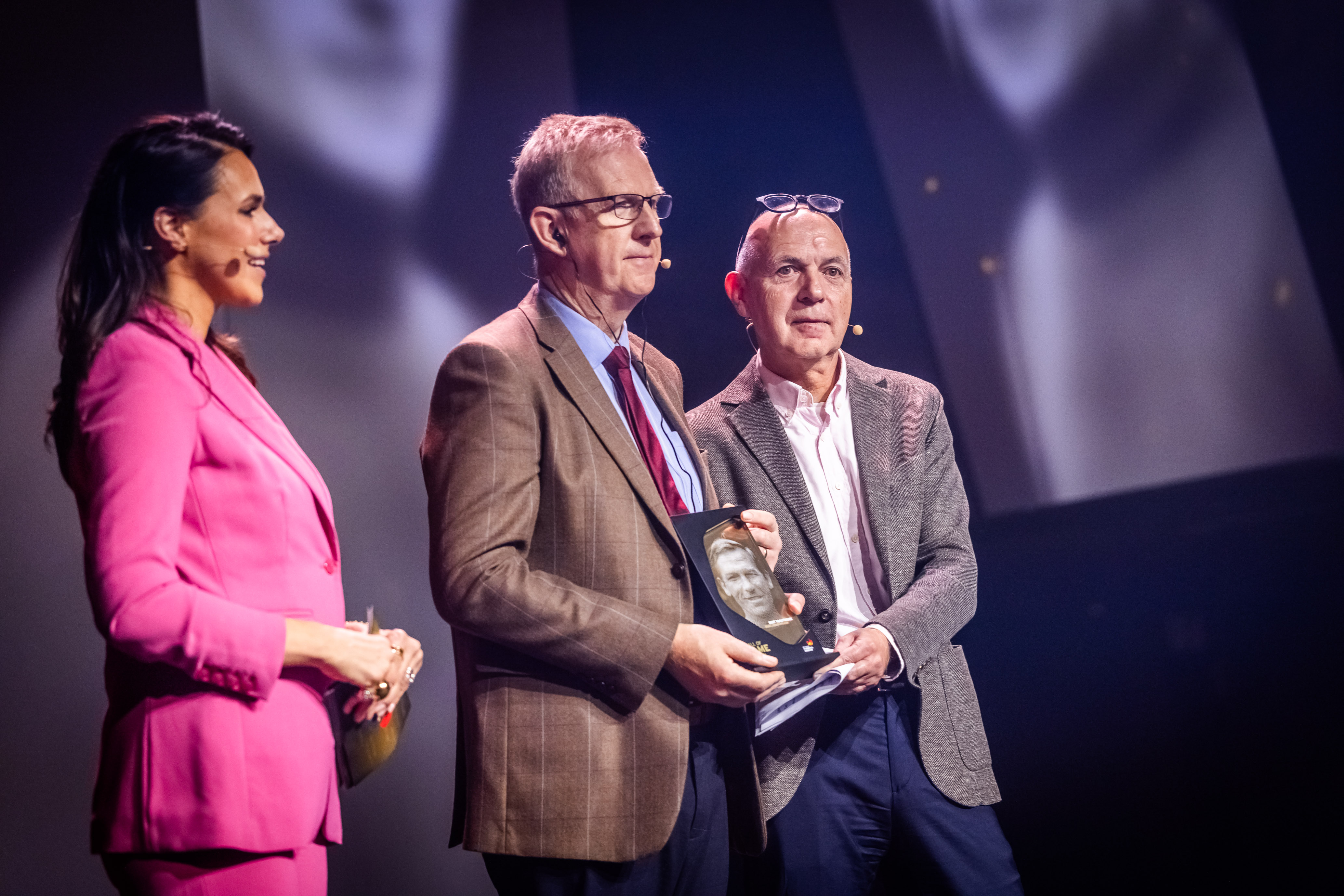
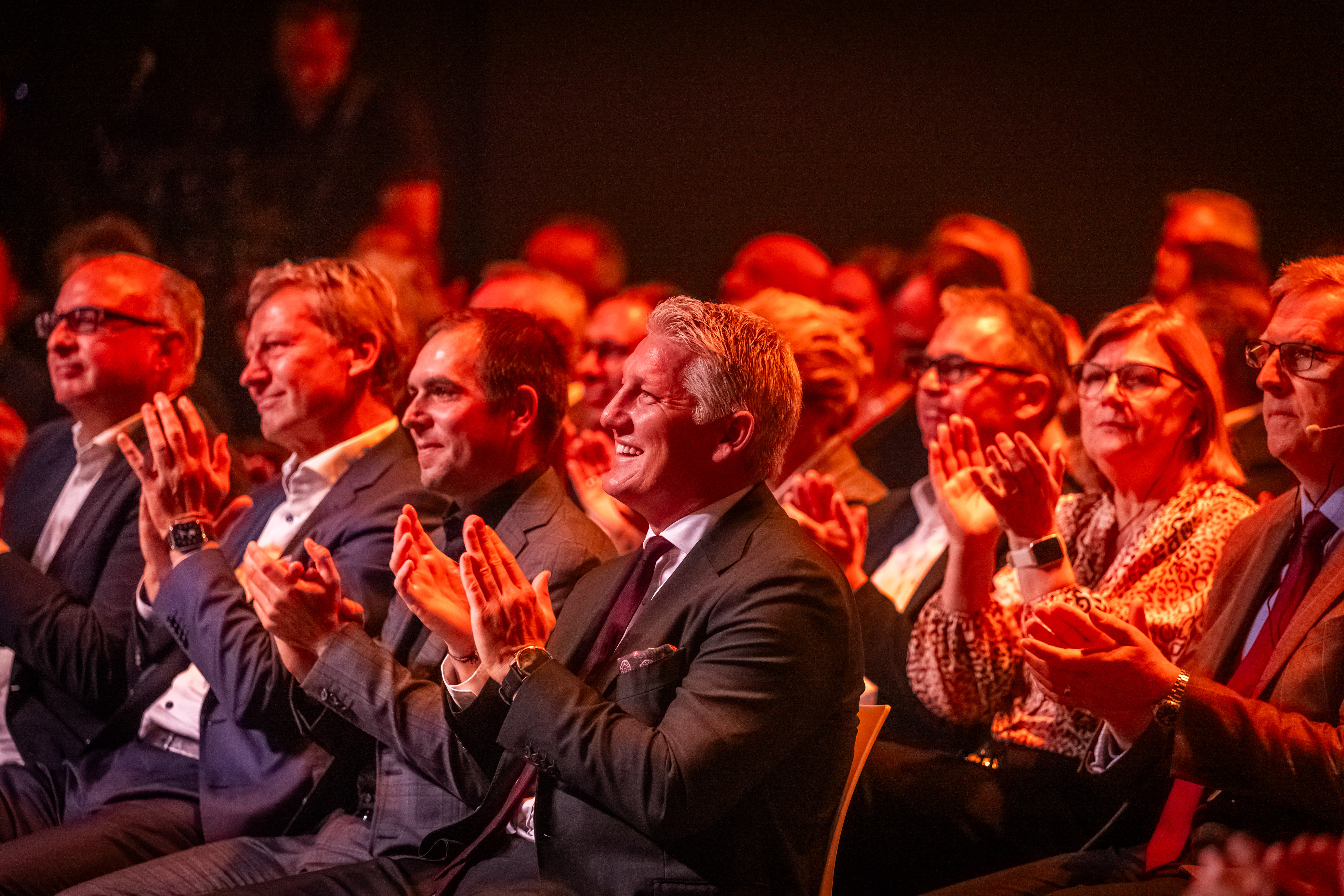
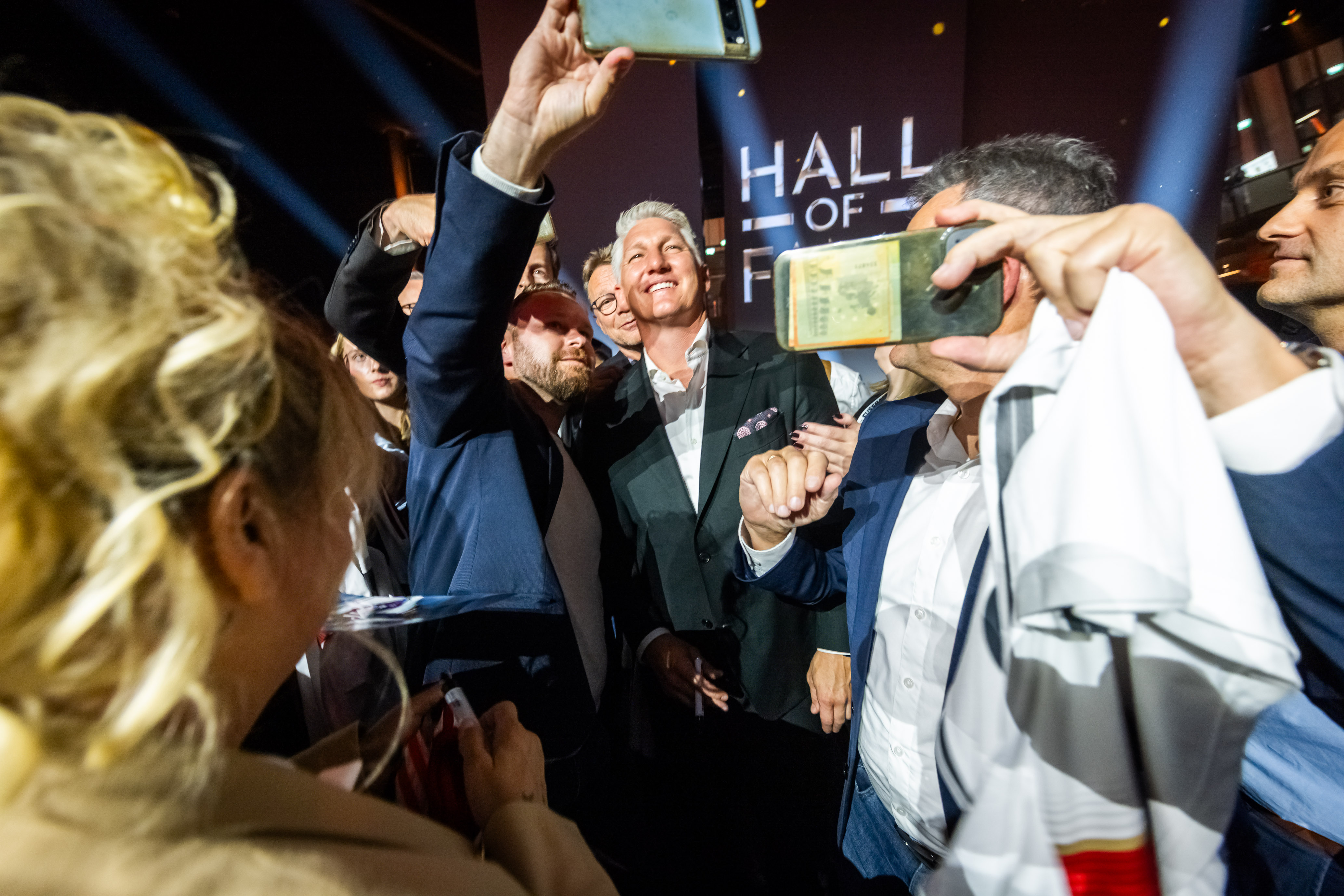
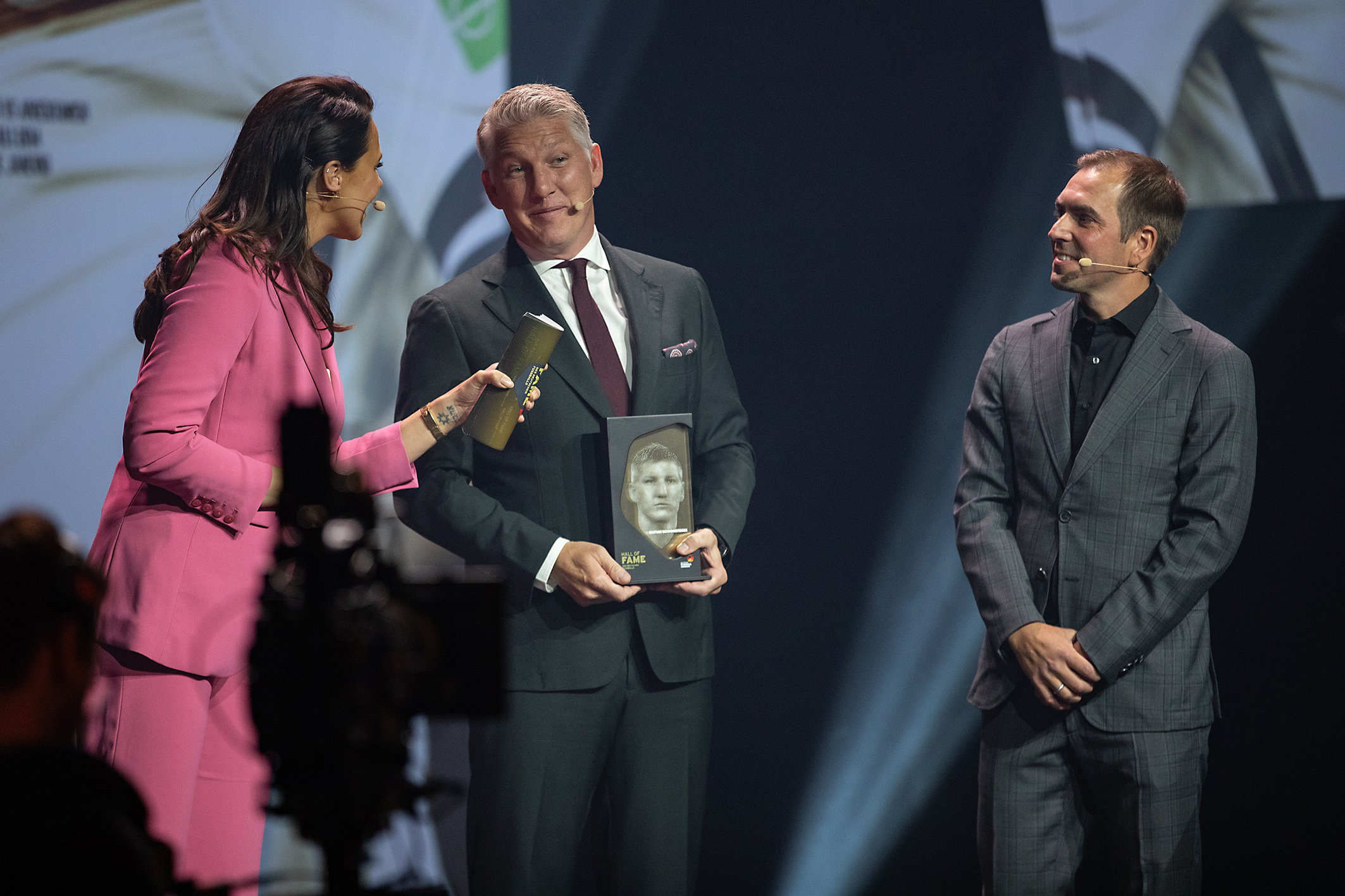
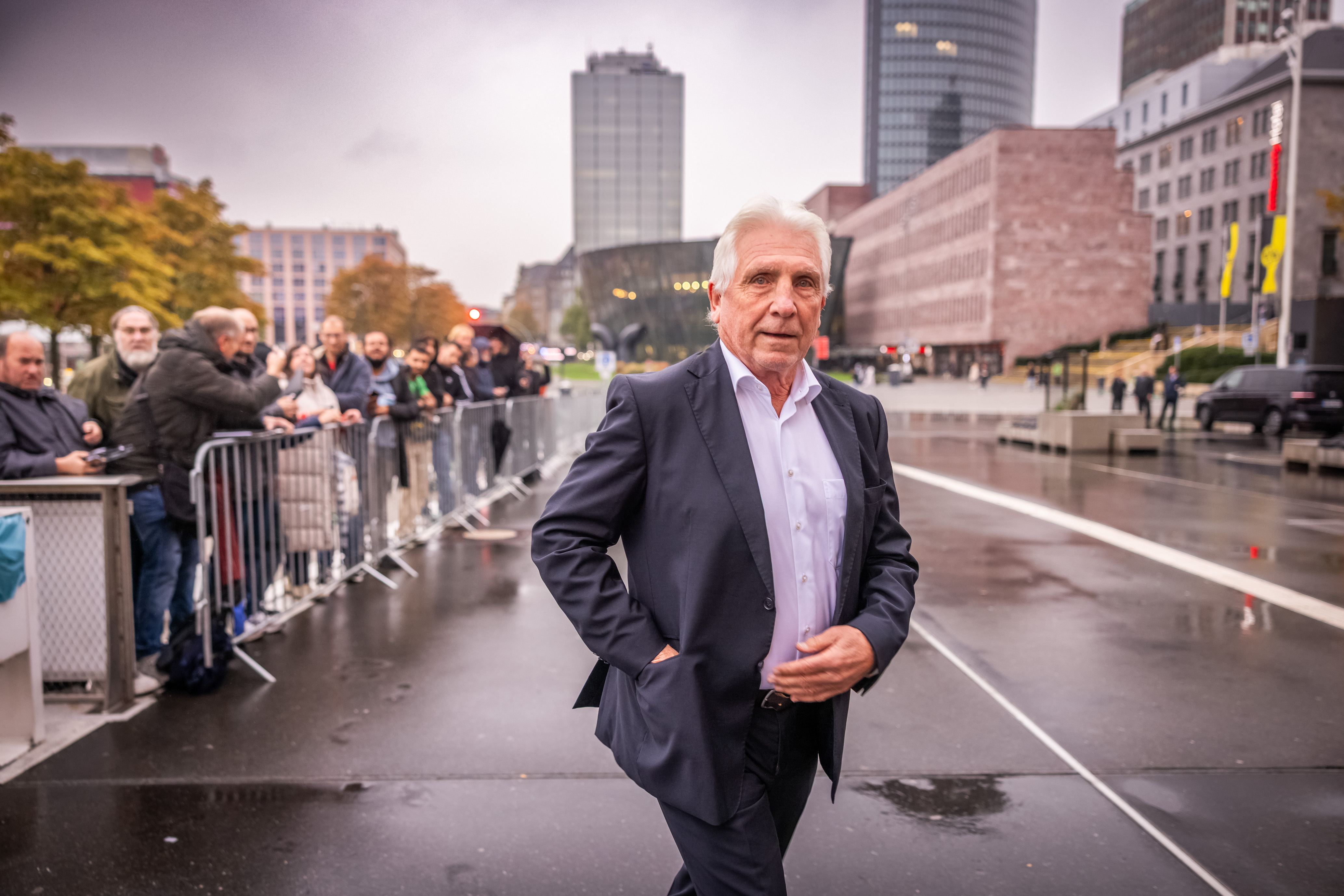
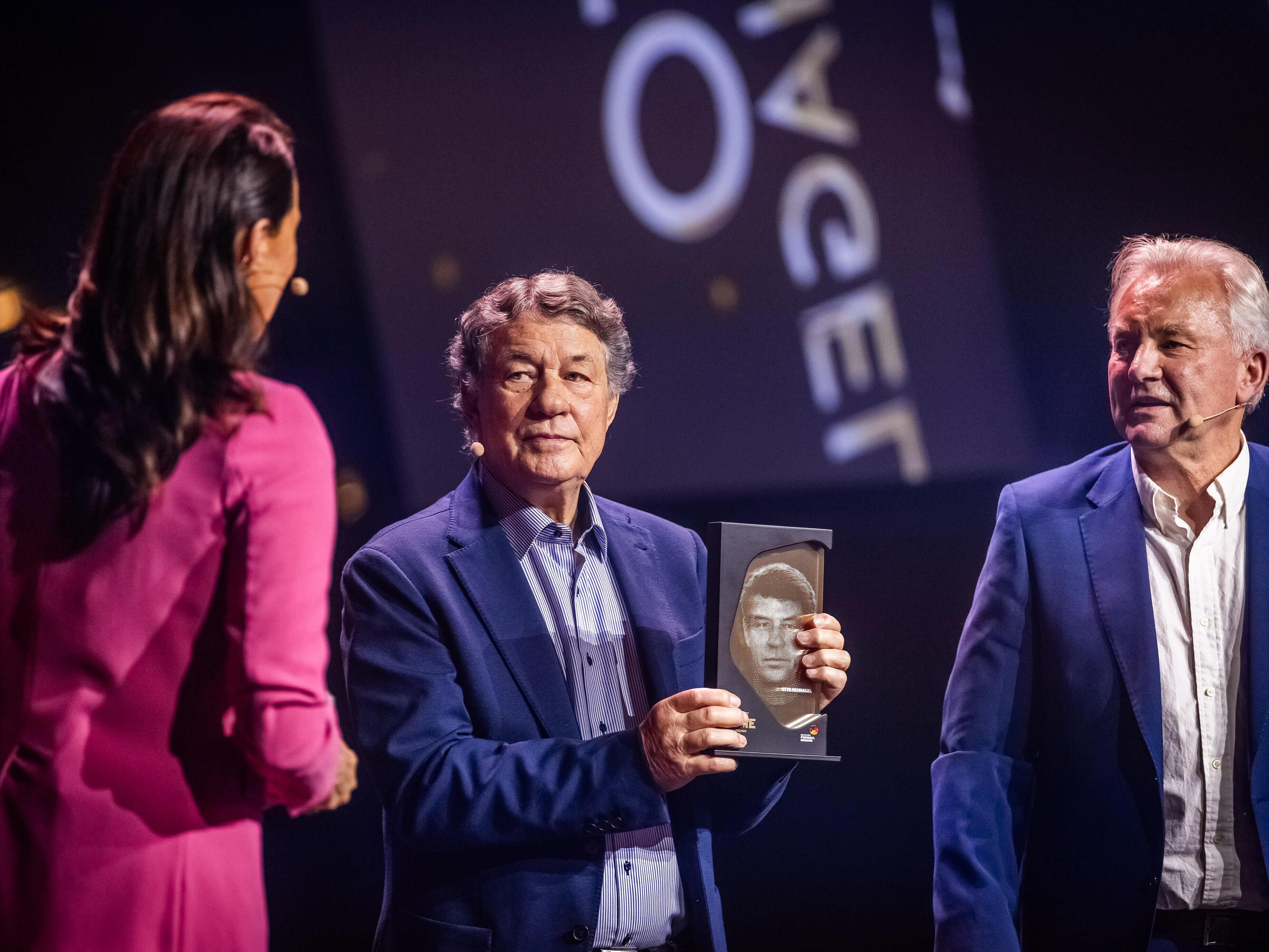
Bastian Schweinsteiger, Guido Buchwald, Horst Hrubesch and Otto Rehhagel accepted their awards in person. Bert Trautmann was honoured posthumously. He was represented by his son, Mark Trautmann, who had travelled from London. Award winner Jupp Heynckes was unable to attend the ceremony in Dortmund for health reasons.
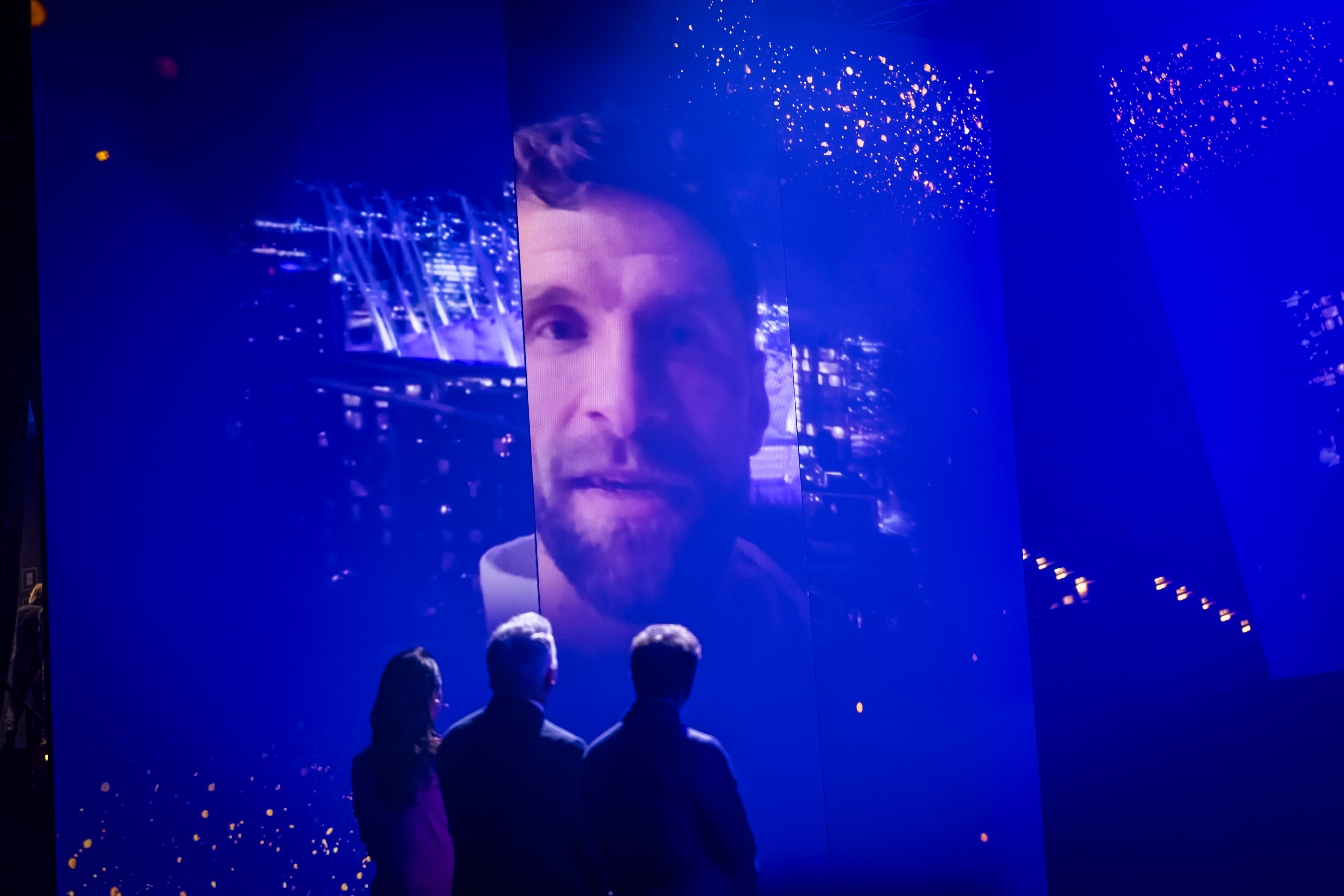
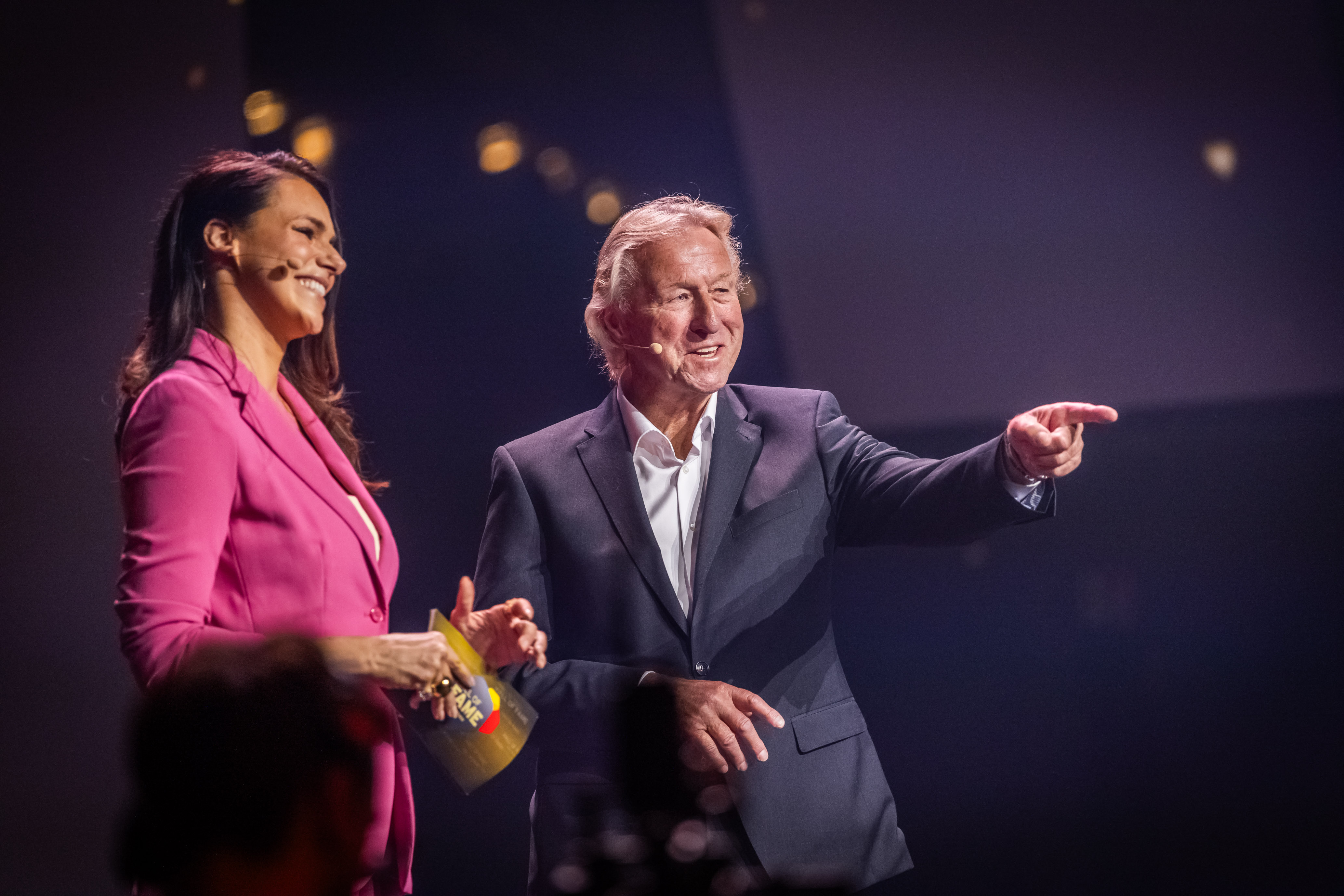
Prominent presenters on stage included 2014 World Cup winner Philipp Lahm, legendary striker Klaus Fischer, HSV’s record appearance holder Manfred Kaltz, European champion and World Cup runner-up Hansi Müller, long-serving Werder Bremen professional and current president of the Association of German Football Coaches Benno Möhlmann, and DFB President Bernd Neuendorf. DFB sporting director Rudi Völler joined the proceedings live from the German national football team’s training camp in Herzogenaurach, whilst Jürgen Klinsmann sent his greetings from his adopted home of California. ARD presenter Esther Sedlaczek hosted the event.
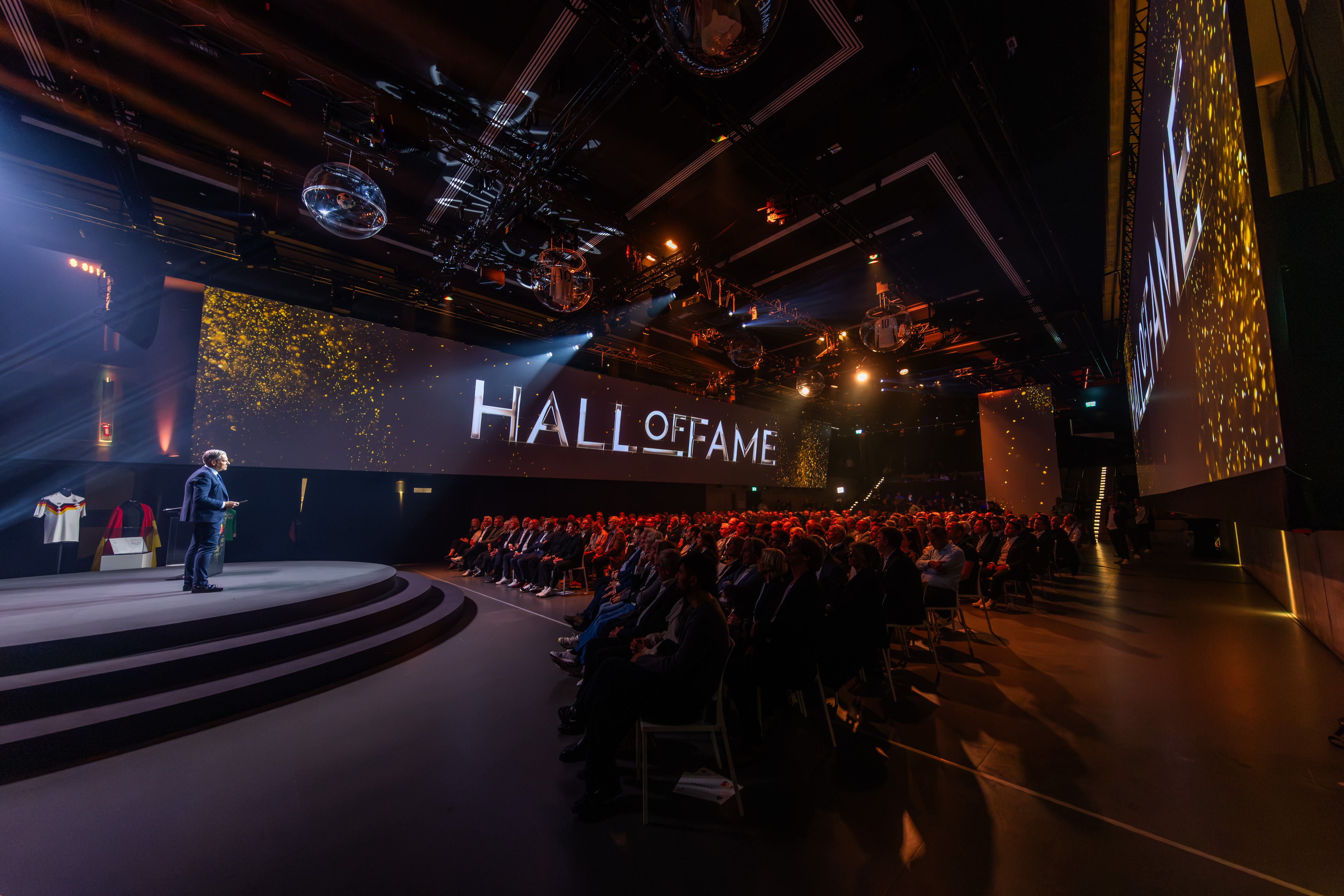
In his welcome address, museum director Manuel Neukirchner said: “The German Football Hall of Fame has established itself as a firm institution within just a few years, even amongst the players themselves. That is fantastic. In these fast-paced times, it is important to us to honour the outstanding achievements of the great football personalities who have given us so many special moments, and to keep their memory alive.”

Further quotes from the evening:
Bastian Schweinsteiger: “I feel very honoured. When you come from a small town in Bavaria in the Rosenheim district and are inducted into the German Football Hall of Fame after retiring, it means a great deal to you. As well as the brilliant experiences on the pitch, I’ll also remember the moments when the fans’ genuine support lifted me back up after bitter disappointments.”
Philipp Lahm: “Basti and I have shared a long journey together, during which we’ve been able to celebrate many great successes, but have also had to come to terms with bitter defeats. In the 2014 World Cup final, he was our rock. At FC Bayern, he stands shoulder to shoulder with the greats of the 1970s – Maier, Beckenbauer, Müller. Bastian Schweinsteiger was a footballer with a level of enthusiasm and passion that few others possess.”
Guido Buchwald: “This award is very emotional for me because it brings back so many memories. The 1990 World Cup in Italy, of course, completely blew me away and left a lasting mark on me. The first thing that springs to mind is the build-up, during which Franz Beckenbauer moulded us into a fantastic unit. Before the final against Argentina, I spent a lot of time thinking about how I could neutralise Diego Maradona, who was the best player in the world at the time. But we were simply a very strong team; any one of us could have played. For the opposition, almost everything was focused on Diego.”
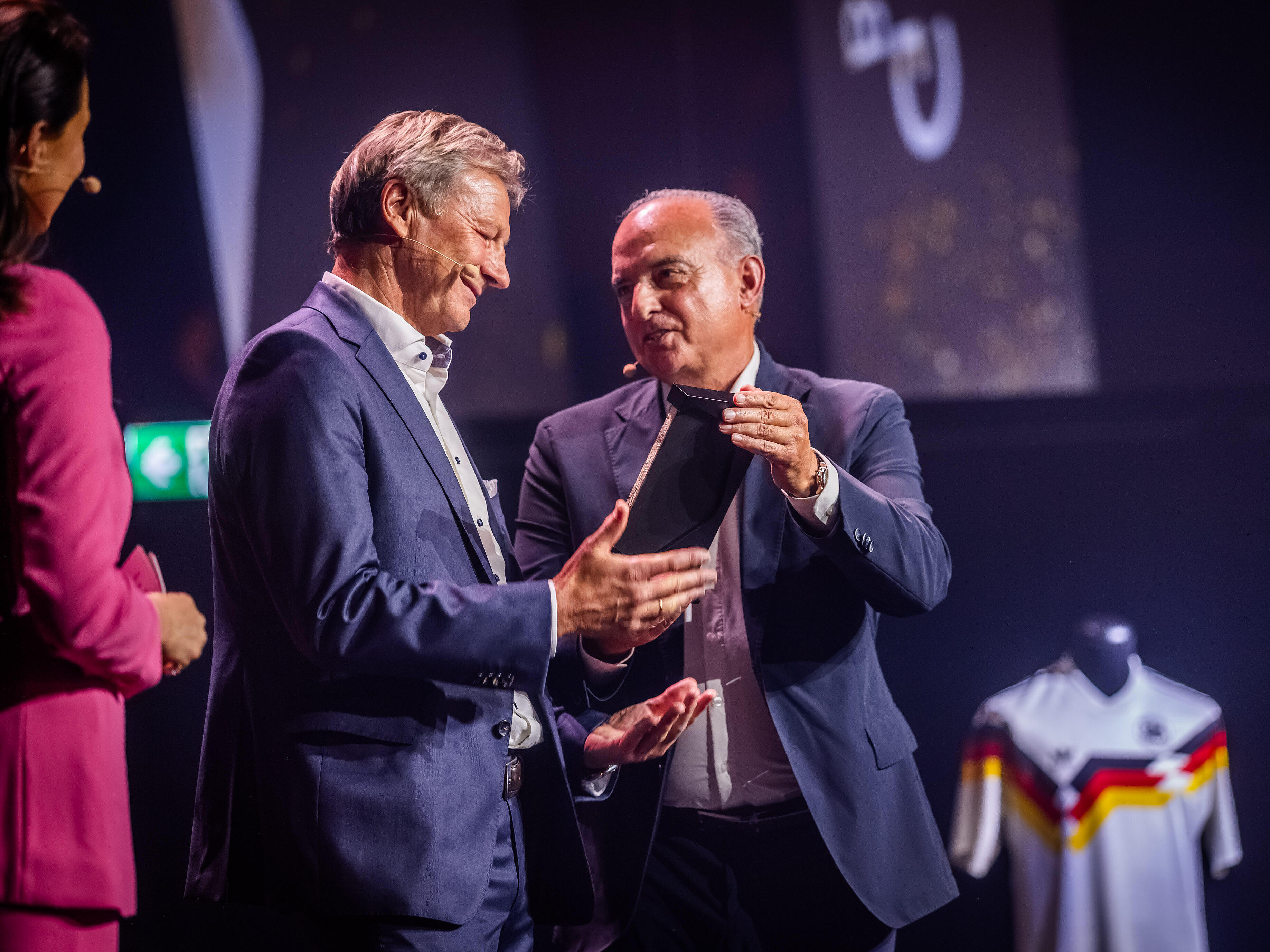
Jürgen Klinsmann: “As a young player, I looked up to Guido Buchwald. He always spurred you on, gave me confidence when I’d gone a while without scoring, and led by example. I admire his long career at VfB, but also his time as a player and successful manager at Urawa Red Diamonds, the Bayern Munich of Japan. What he has achieved there is phenomenal. That’s why you can’t go out on the streets with him in Tokyo, let alone go out for a quiet sushi meal.”
Hansi Müller: “Guido Buchwald is a true great, not just as a sportsman, but also as a person – a fantastic role model for many. Whenever we meet as brand ambassadors for VfB Stuttgart, I always find him down-to-earth and on a level with people. Guido isn’t just a legend – he’s an icon of VfB.”
Horst Hrubesch: “I didn’t turn professional until I was 24. Lots of people helped me along the way; my youth coaches were particularly important. At Rot-Weiss Essen, I learnt a lot from players like ‘Ente’ Lippens and Dieter Bast; at HSV, of course, from Manni Kaltz’s crosses – I spent a lot of extra time training with him after sessions. And I always knew: I don’t need to play football to lose; I go out onto the pitch to win.”
Manfred Kaltz: “Horst simply always scored the important goals. That was the case at HSV, and also in the national team. With him up front, it was easy for me to find someone to meet my crosses.”
Klaus Fischer: “Even though Horst and I were rivals in the national team, we got on really well. He’s simply a brilliant bloke. At the start of his career at Rot-Weiss Essen, Ivica Horvat was certainly a key mentor – someone I’d previously come to know at Schalke as one of the best coaches.”
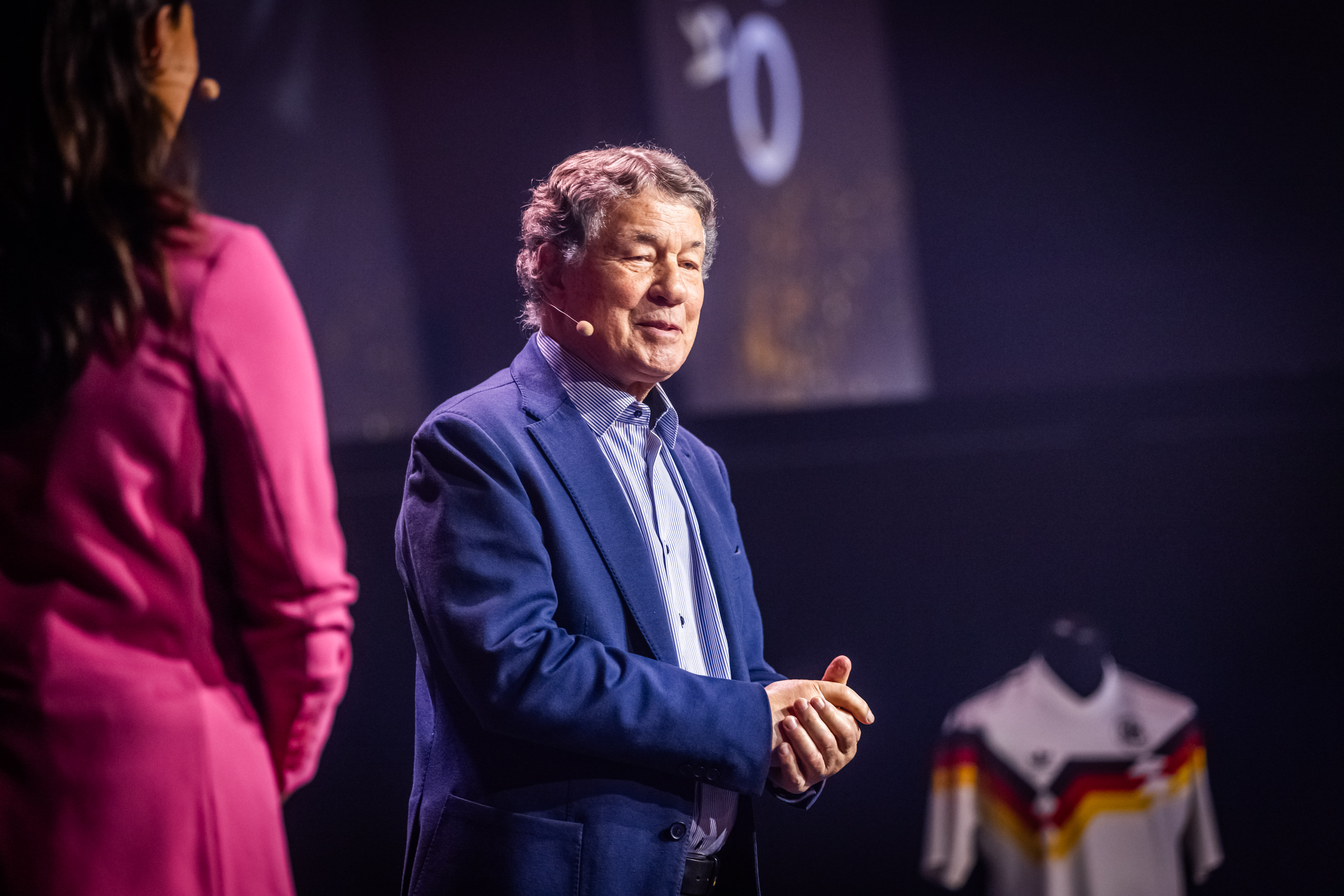
Otto Rehhagel: “People of my age sat in bunkers as young people and went through terrible things. That’s why, throughout my life, I’ve made sure to recognise that everyone wants to be loved. And at the end of my working relationship with my players, friendship should always be possible. Back then, I brought Rudi Völler from 1860 Munich to Werder Bremen. He was practically playing in Bayern’s back garden, and they didn’t even open the window. So I snapped him up.”
Rudi Völler: “A luminary like Otto Rehhagel would have absolutely deserved to have been national manager at some point. After I stepped down as head coach following Euro 2004, I tried to persuade him, but he’d given his word to the Greeks that he’d carry on there. And you can always rely on Otto’s word. We had five brilliant years together in Bremen; he really nurtured me as a player. What’s more, I don’t know anyone who trained under him who has a bad word to say about him.”
Benno Möhlmann: “Otto treated every player in the squad equally, regardless of whether they were playing, a bit behind the pack or injured. And he always said to us: ‘I will never criticise you as a person, only your football.’ That has had a huge influence on my own coaching career.”

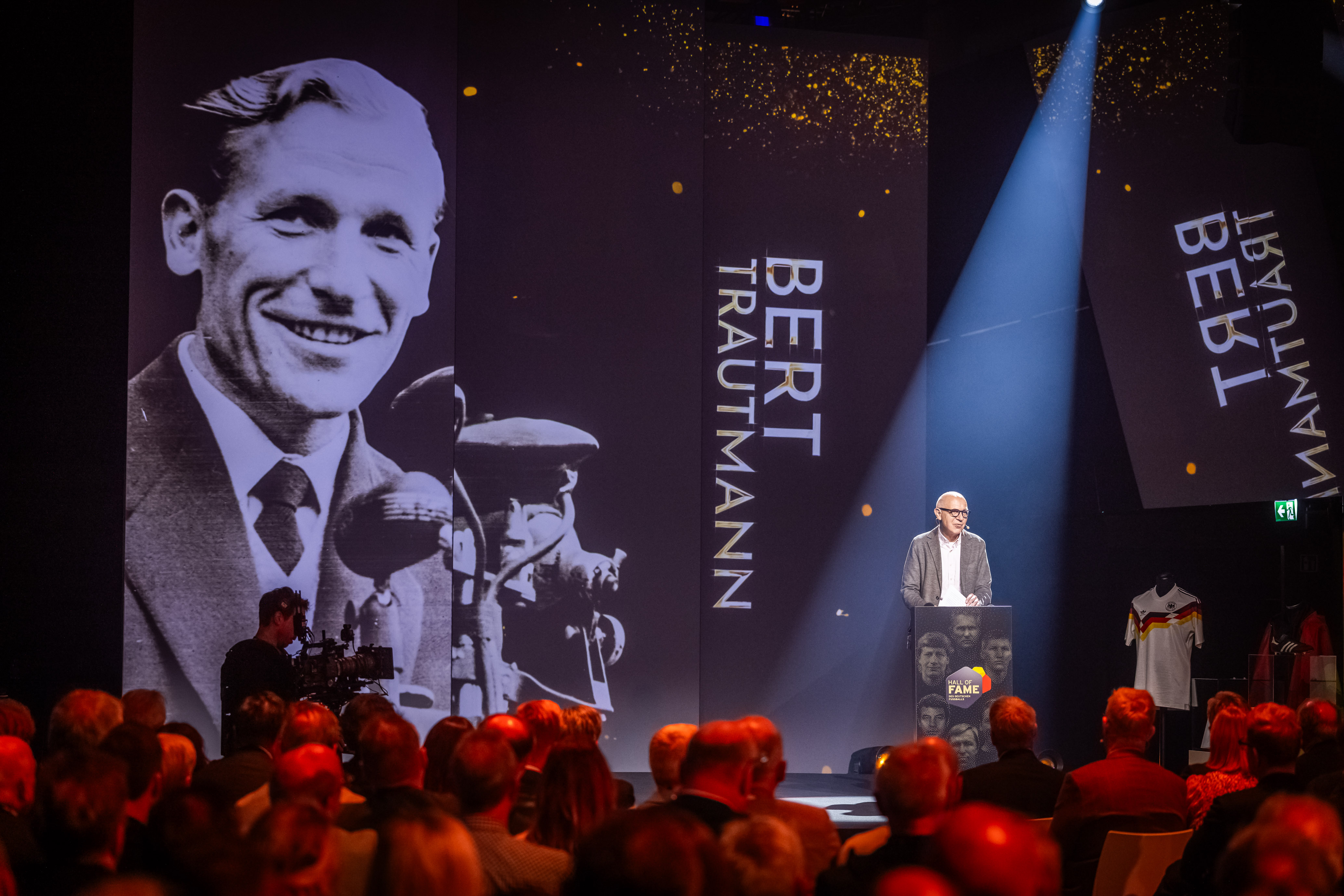
Bernd Neuendorf: “Bert Trautmann’s career in England has shown that the unifying power of sport is stronger than hatred. His career was a message of peace; it was international understanding in action and, to some extent, a step towards reconciliation between two nations that were once bitter enemies. We pay tribute to this magnificent player and human being. Many thanks and thank you, Bert Trautmann.”
Mark Trautmann: “My father always set an example of how a gentleman should behave. Out of gratitude and pride at his induction into the Hall of Fame, I have brought two silver-plated handprints of his for the exhibition at the German Football Museum.”
In an emotional video message, Bayern Munich’s honorary president Uli Hoeneß conveyed his congratulations to the absent Jupp Heynckes: “There are few in the world of football who have gone about their work so honestly, so honourably and so straightforwardly – and then reaped the rewards – as Jupp Heynckes. For as long as we played football, our relationship wasn’t the very best; it was okay, but not particularly close. When we eventually stopped playing, that’s when we realised what we had in each other. To this day, a new manager at FC Bayern Munich is still measured against Jupp Heynckes, not just in sporting terms, but also as a person. His communication skills and his ability to be a friend and mentor to the players were his great strengths. Jupp deserves every honour. I hope our friendship lasts forever.”