EN
EN
 DE
DE

Never Forget — Jewish Stories in Football
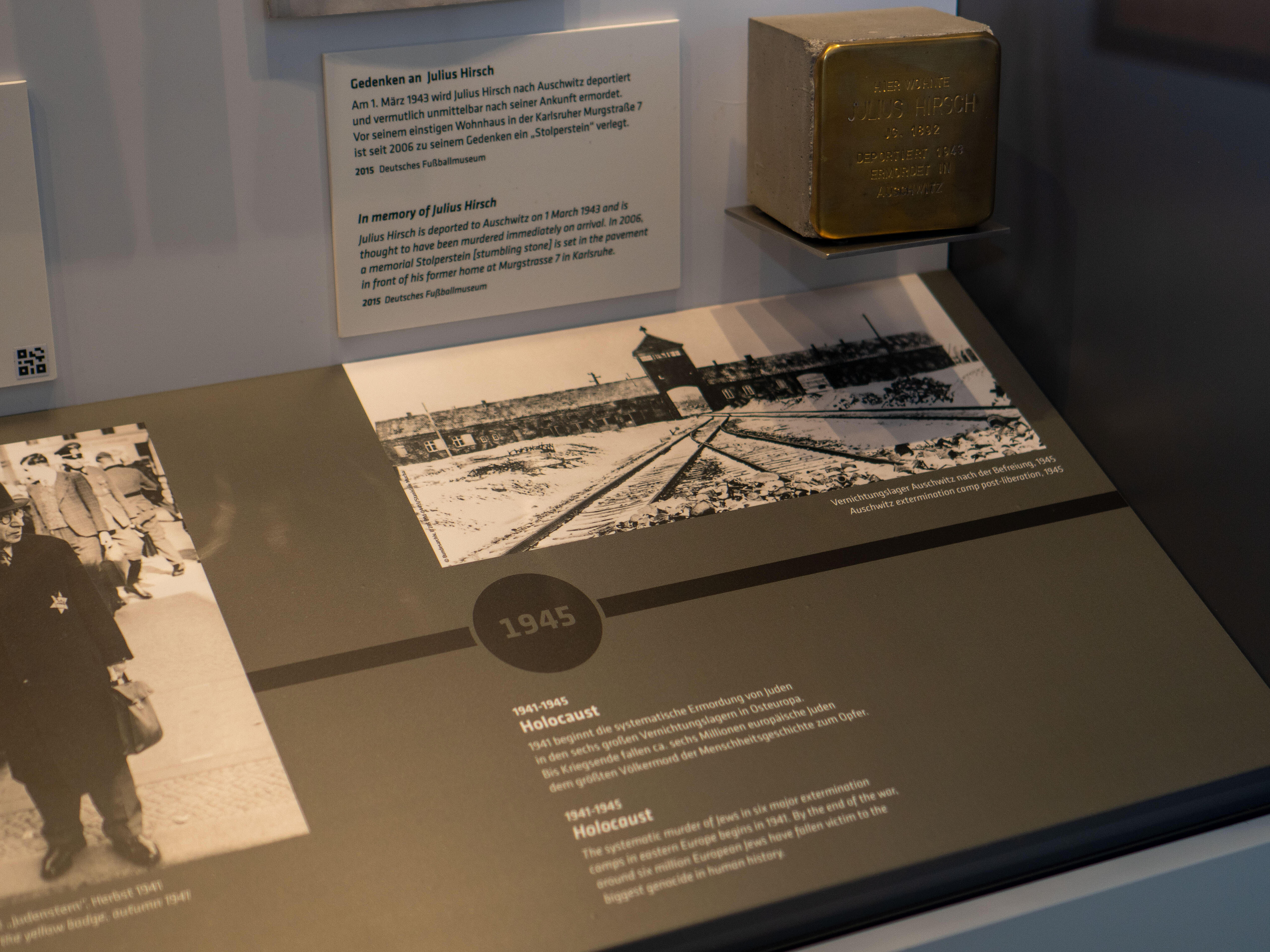
The German Football Museum is a key place of remembrance and commemoration in German football. This is particularly true in memory of the many thousands of footballers, coaches and officials of Jewish origin who, from 1933 onwards, were expelled from their clubs, persecuted and murdered, and at the same time erased from the collective memory of football.
Since its opening in 2015, the German Football Museum has addressed this issue in a dedicated section of its permanent exhibition. In 2025, this room was fundamentally redesigned – as one of the very first areas in the museum to undergo such a transformation – and significantly enhanced once again. In addition, the museum has carried out numerous exhibition and educational projects in this context. The museum’s in-house cultural programme, ANSTOSS, also regularly addresses themes of remembrance and coming to terms with the past through a wide variety of events, taking a strong stand against anti-Semitism and racism and in favour of diversity and tolerance.
Historical background
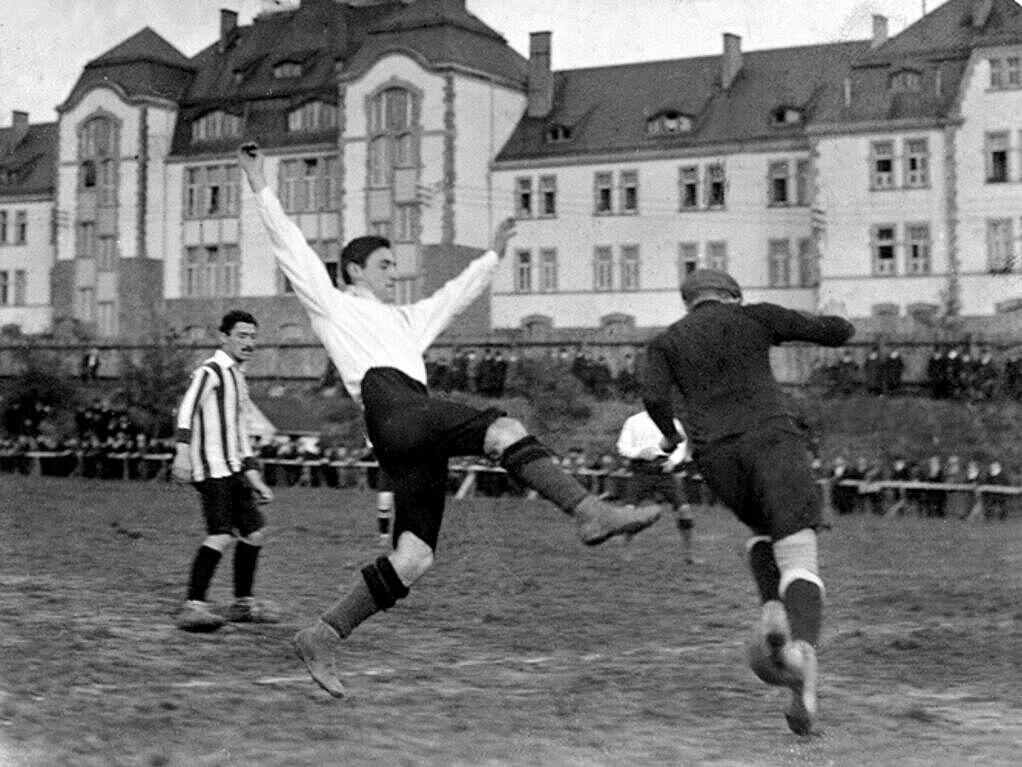
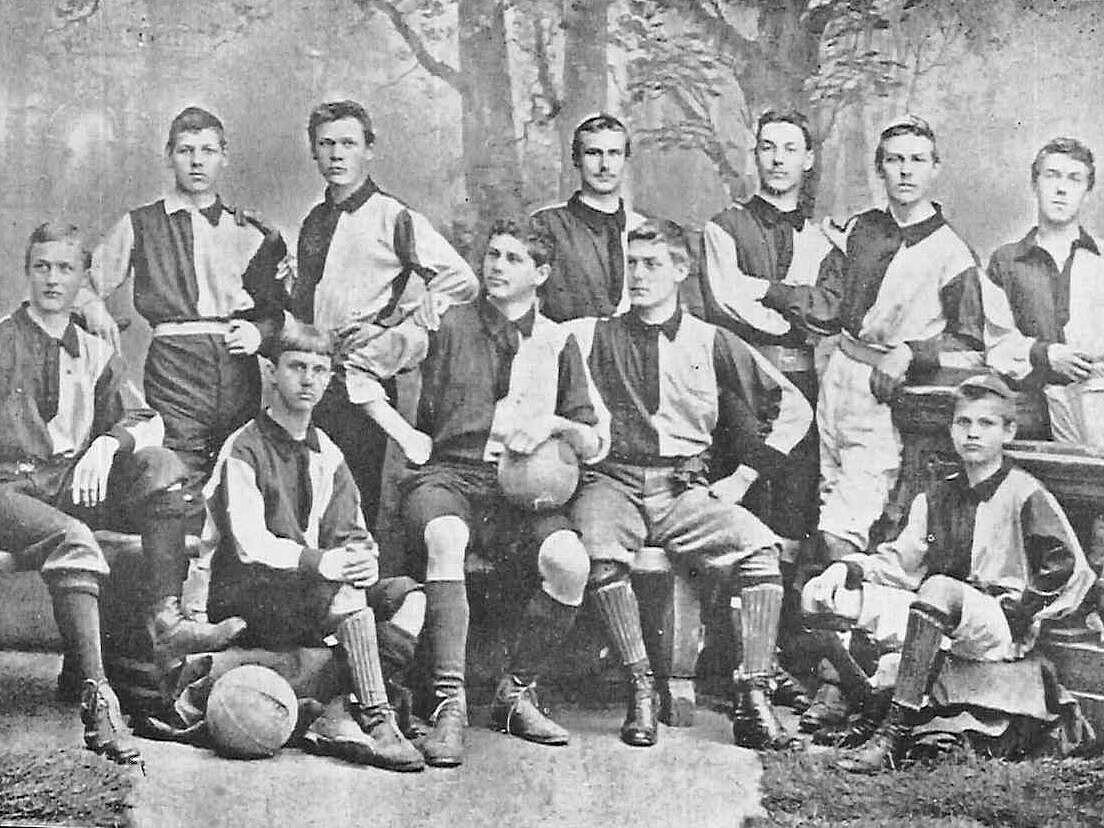
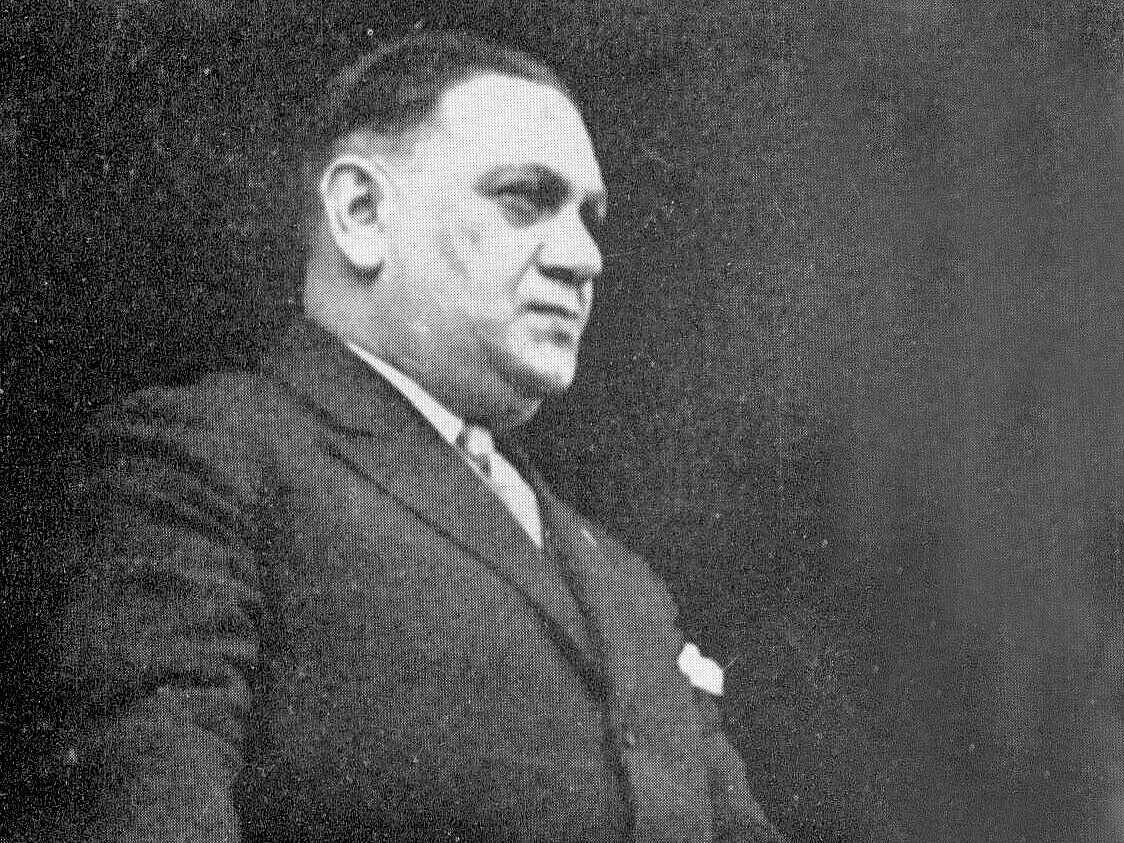
Until 1933, people of Jewish origin were an important and integral part of German football culture. Jews played a decisive role in shaping Germany into a major footballing nation as early as those years. The football pioneer and founder of *kicker* magazine, Walther Bensemann; the two international players Julius Hirsch and Gottfried Fuchs; and FC Bayern president Kurt Landauer are prime examples of the immense contribution made by Jewish football figures to the development of football in Germany.
Just a few months after the National Socialists seized power in 1933, sports clubs began, on their own initiative – without coercion from the Nazi authorities – to expel their Jewish members en masse. In most cases, this marked the first concrete step towards the marginalisation and discrimination of the Jewish population, which ultimately culminated in their murder in the concentration camps.
After 1945, there were only a few survivors who wished to remain in the country of the perpetrators in the long term. These people, their achievements and their fates received no recognition and found no place in the collective memory of the Federal Republic of Germany. It was not until the beginning of this century that their stories began to attract renewed attention, driven by a new generation of young football fans.
Online encyclopaedia
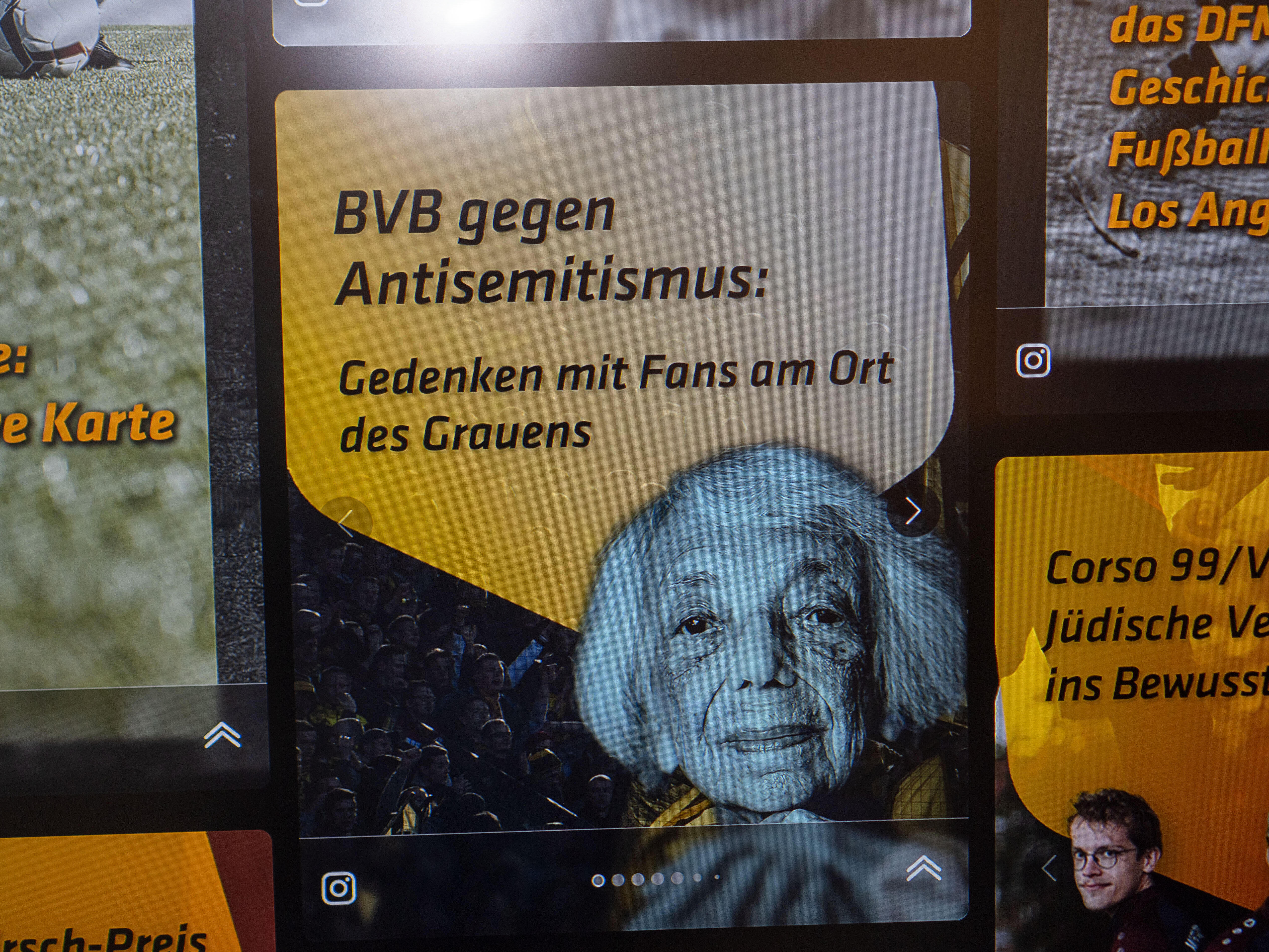
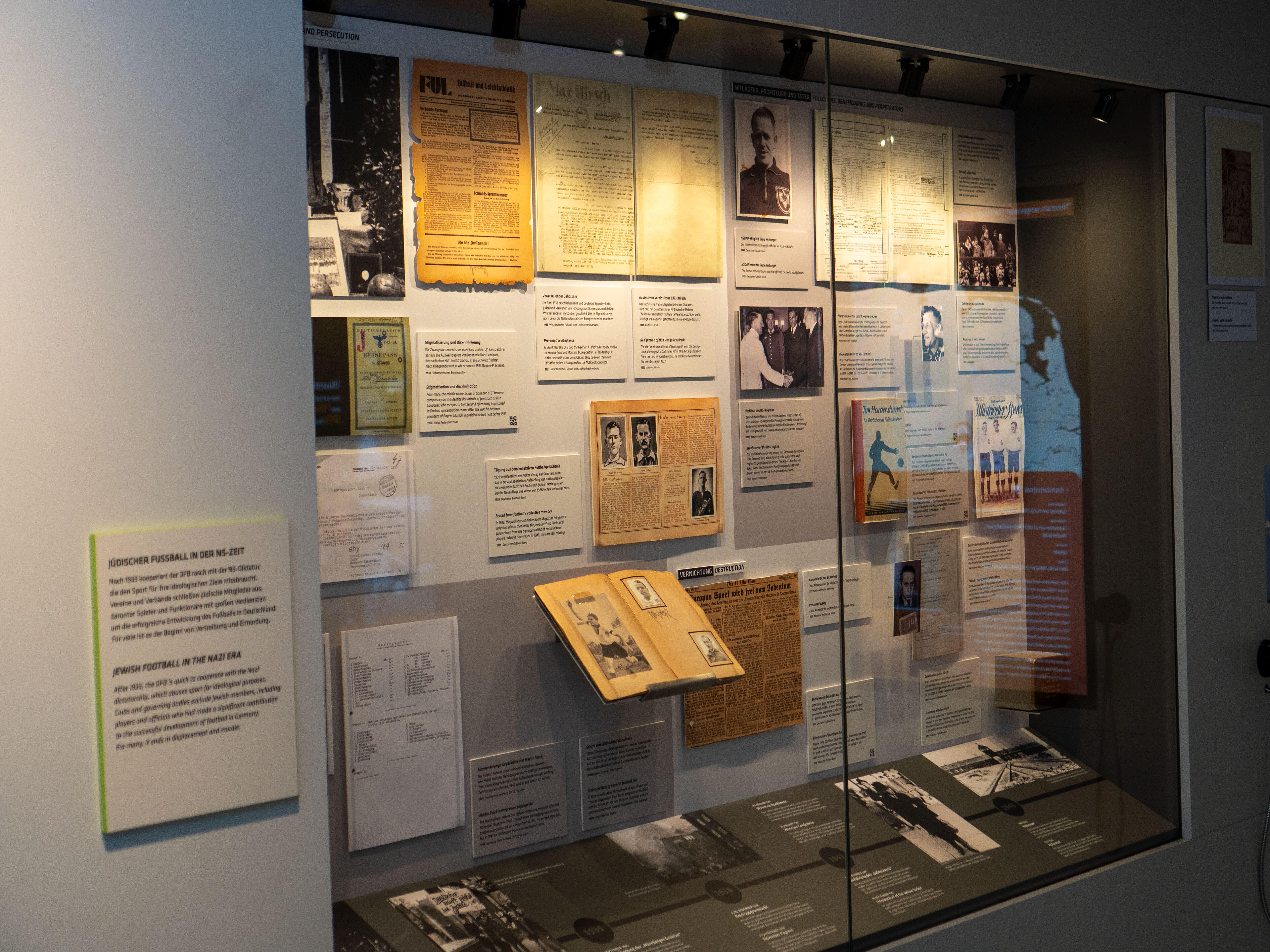
It is against this backdrop that the online encyclopaedia ‘Never Forget’ was created, which compiles the life stories of persecuted and, today, often forgotten Jewish footballers. The online encyclopaedia was launched in 2021 and, based on the current state of research (September 2026), features over 400 biographies of Jewish footballers from around 80 clubs. The biographies are researched and written by dedicated volunteers from across Germany – and then compiled on this central commemorative platform. This project aims to raise awareness amongst football fans in a new way about issues of exclusion and persecution, as these events also took place directly within the context of their favourite clubs. It also aims to encourage interested individuals to research further life stories within their own communities, thereby continually expanding the encyclopaedia.
Since 2026, the encyclopaedia has been an integral part of the permanent exhibition and is also searchable by visitors here.
Special exhibition in collaboration with the Holocaust Museum in Los Angeles

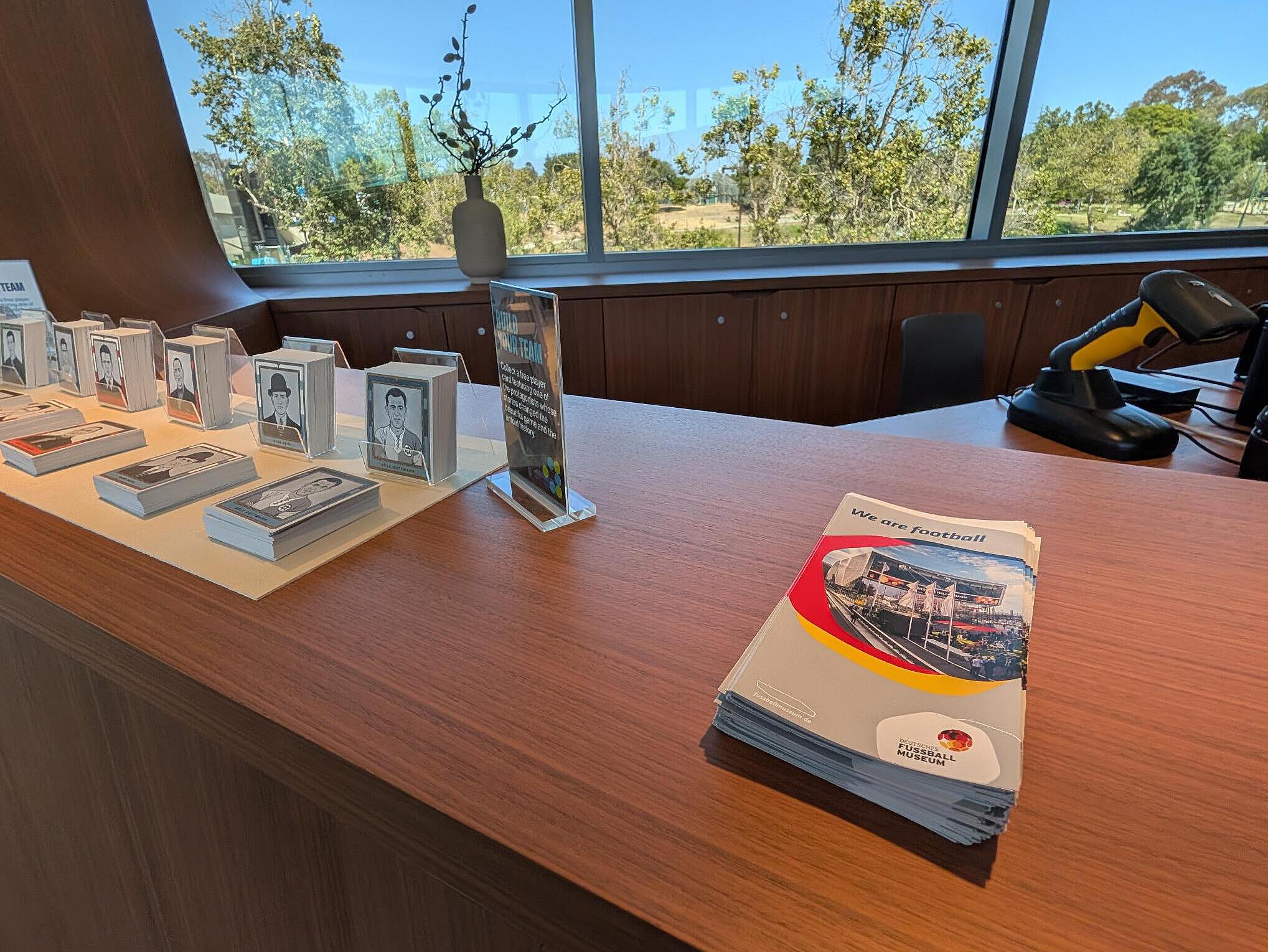
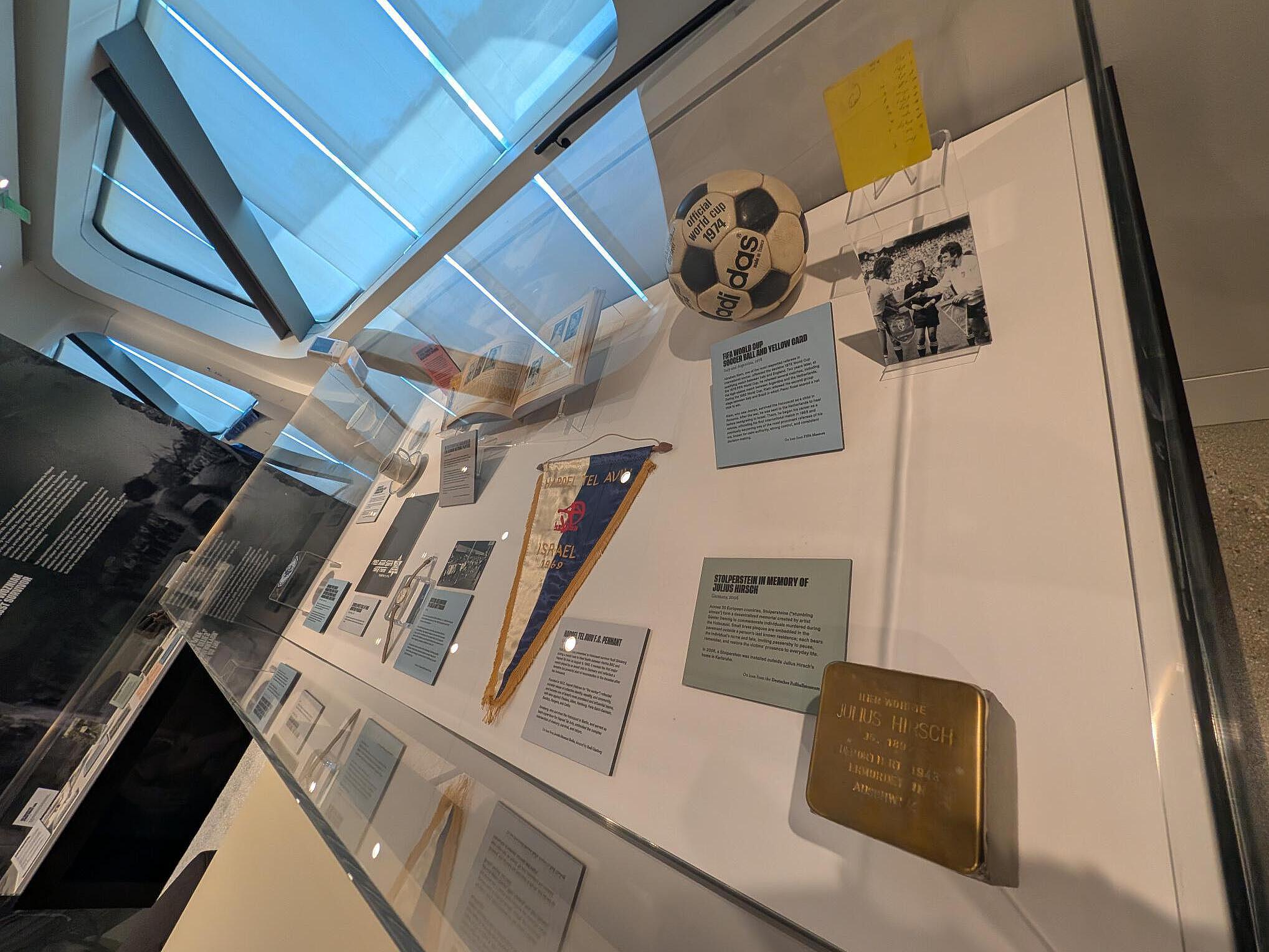
In 2026, the German Football Museum, in collaboration with the Los Angeles Holocaust Museum, curated the special exhibition ‘The Beautiful Game. The Untold Story’. This exhibition opened on 12 June 2026 during the World Cup to mark the opening of the Holocaust Museum’s new building. This is the largest and most comprehensive exhibition of its kind to date, featuring around 100 artefacts from three continents that explore the contribution of Jewish people to the development of world football.
As part of this exhibition, a further online encyclopaedia has also been created, documenting the stories of persecuted Jewish footballers from all over the world. It currently comprises 150 life stories from over 60 countries – and is also designed to serve as a central memorial to persecuted Jewish footballers from around the world.

Educational programme
The free educational tour ‘Football and National Socialism | Jewish Football in Germany’ for school groups reaches around 1,500 pupils each year.
The pop-up exhibition “Offside: Jewish Fates in German Football” tells the stories of persecuted Jewish footballers under National Socialism. It can be borrowed free of charge. Interested organisations and groups are welcome to contact us by email at vermittlung@fussballmuseum.de.
Cultural programme
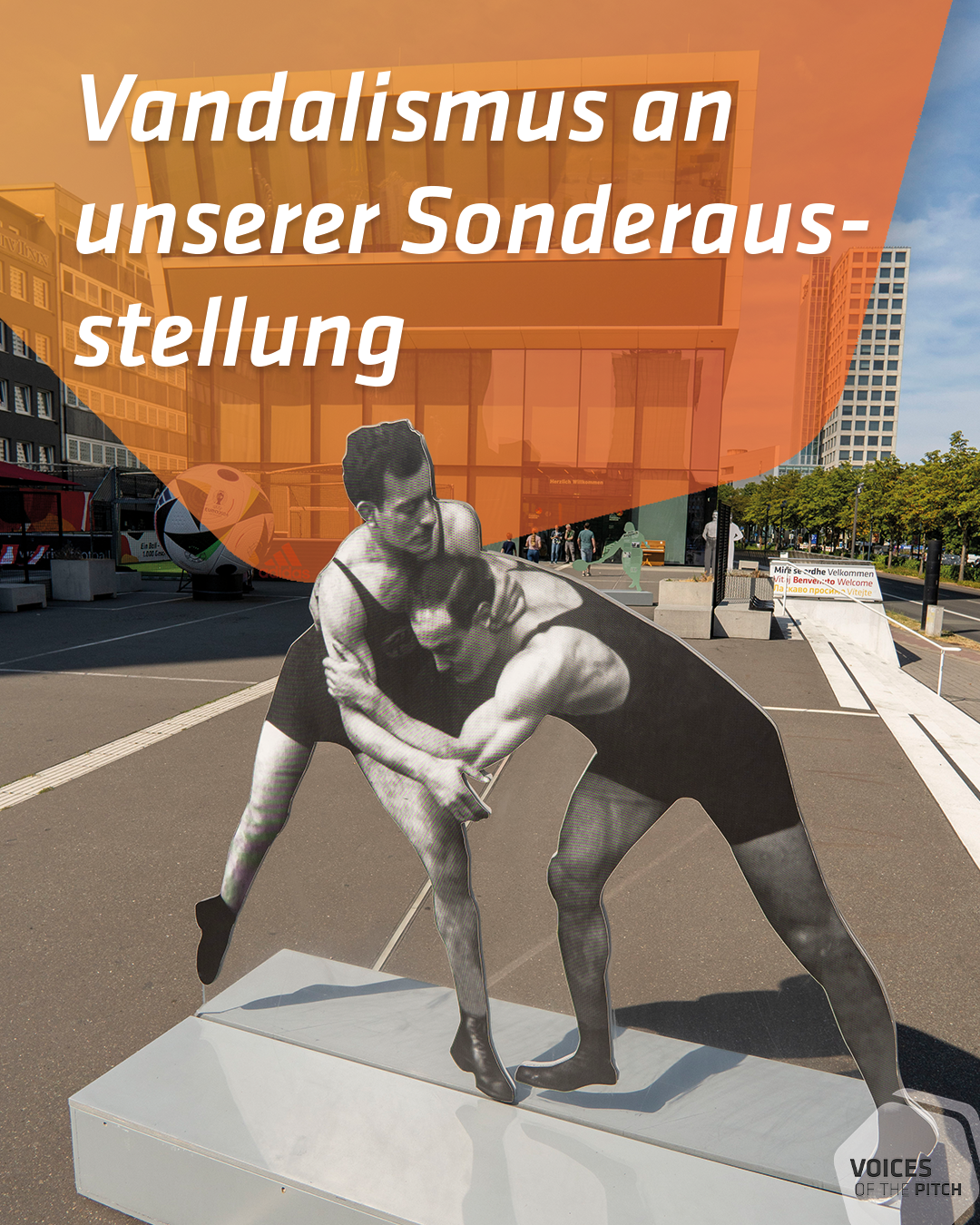
The Football Museum regularly organises events and programmes dedicated to ensuring that the fates of Jewish people are not forgotten and to promoting tolerant coexistence. In 2021, for example, the Jewish sports association Makkabi celebrated its 100th anniversary at the German Football Museum. In 2026, the exhibition ‘Between Success and Persecution’, held on the museum’s forecourt, paid tribute to Jewish sportspeople for the second time. You can find our cultural programme here: ANSTOSS
Voices of the Pitch
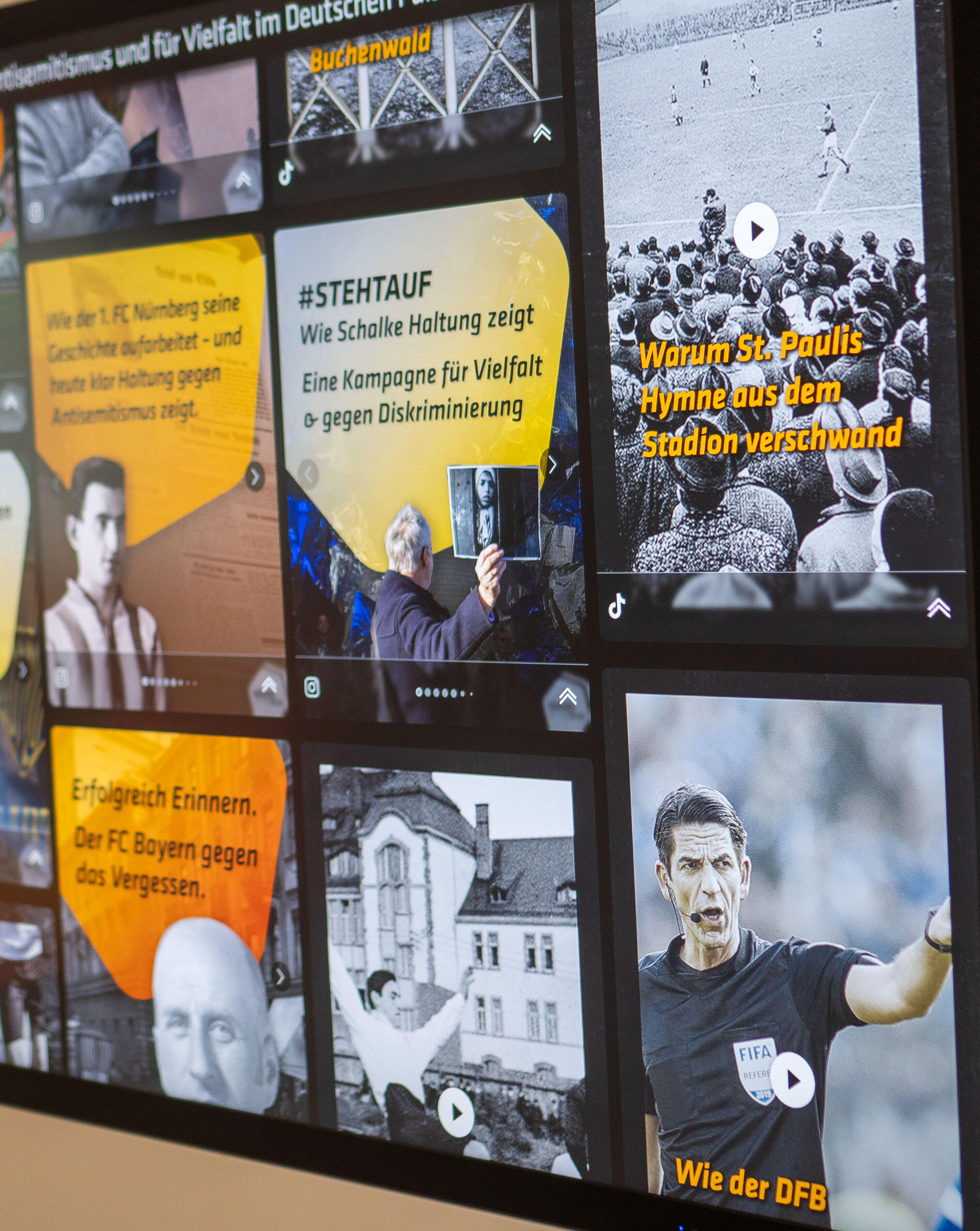
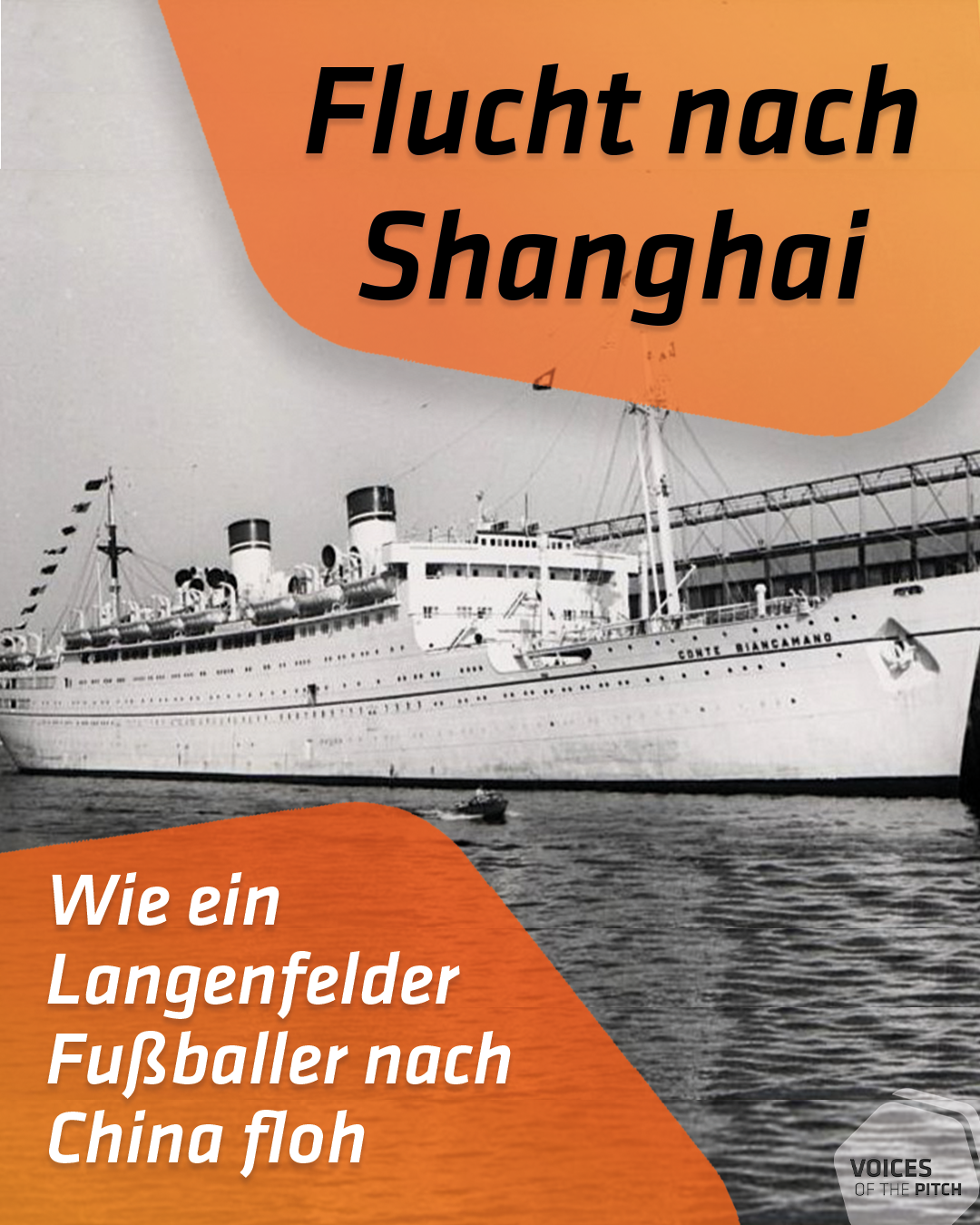
‘Voices of the Pitch’ is a social media account showcasing initiatives against anti-Semitism and exclusion, and in support of fair and democratic football. The account’s content is also displayed in the museum on a social wall.
Do you know of any initiatives like this in your own club? Follow @voicesofthepitch on Instagram or TikTok to stay informed and get involved! The content from these social media channels is displayed on the social wall in the museum and is thus permanently featured as a digital exhibit.