EN
EN
 DE
DE



100 Years of DJK – Sport for Body and Soul
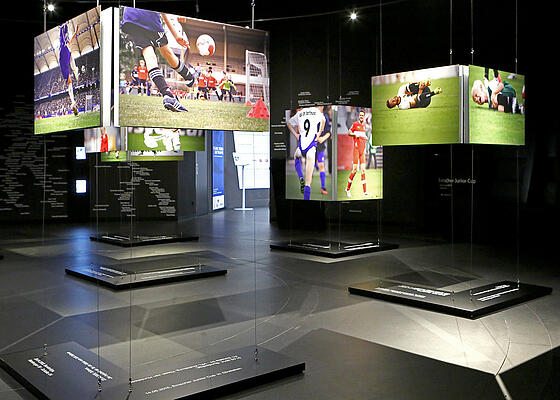
![[Translate to Englisch:] Besucher schauen sich die Ausstellung an](/fileadmin/_processed_/6/e/csm_fussballmuseum-100-jahre-djk-sport-leib-seele-ausstellung_7910ed8b21.jpg)
March 2020
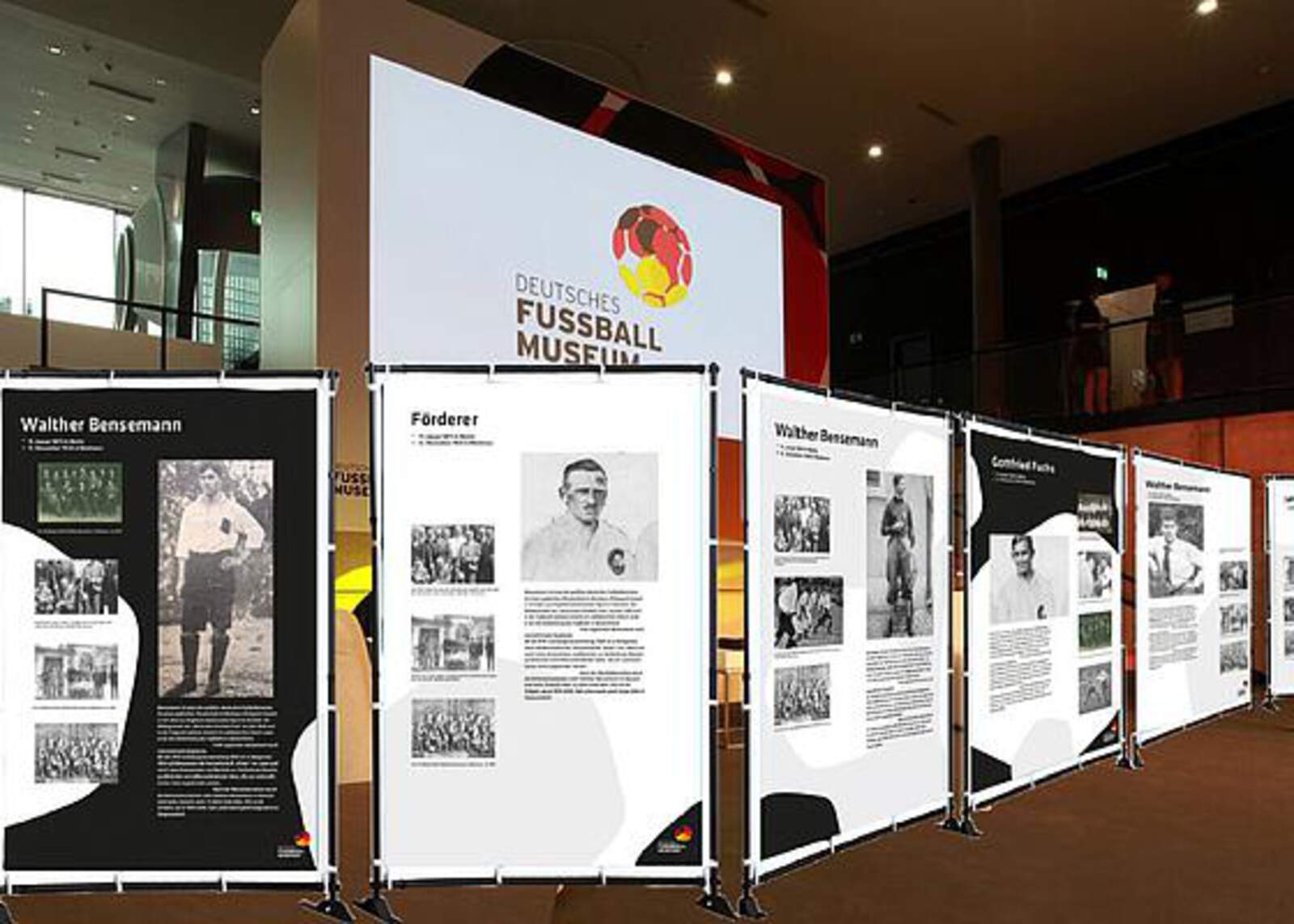
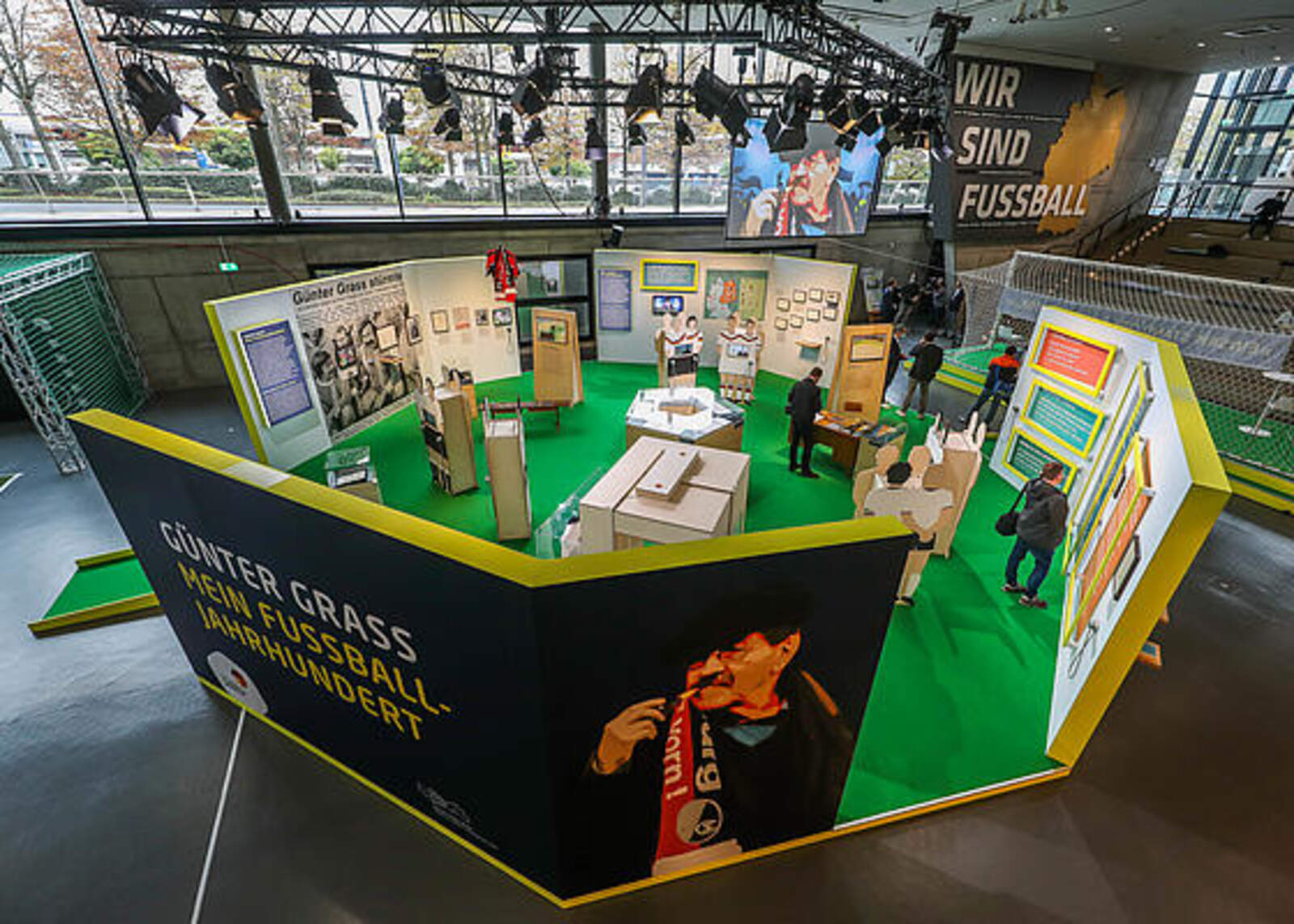
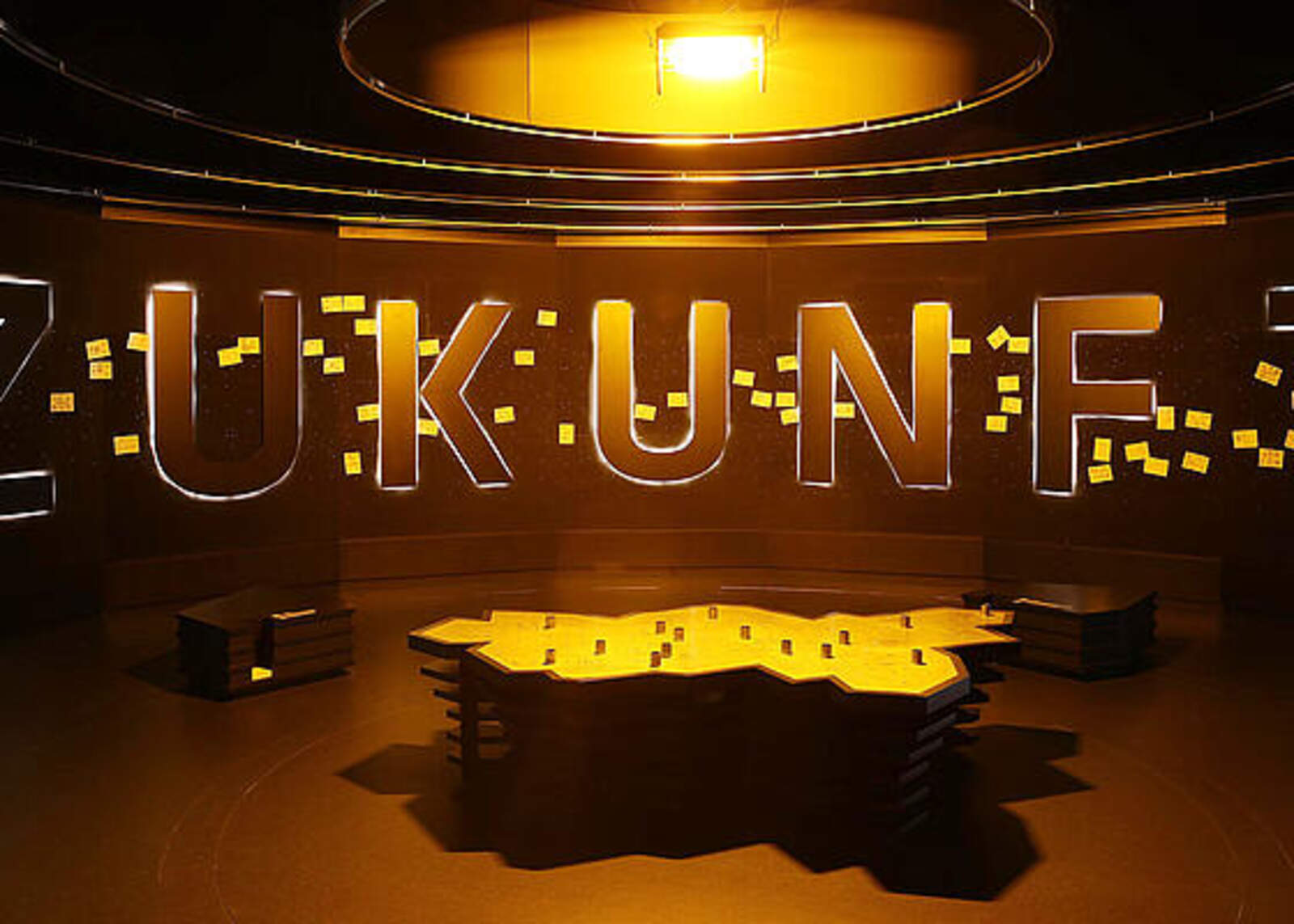
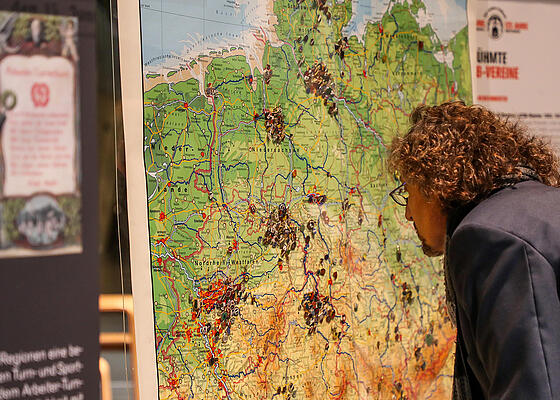
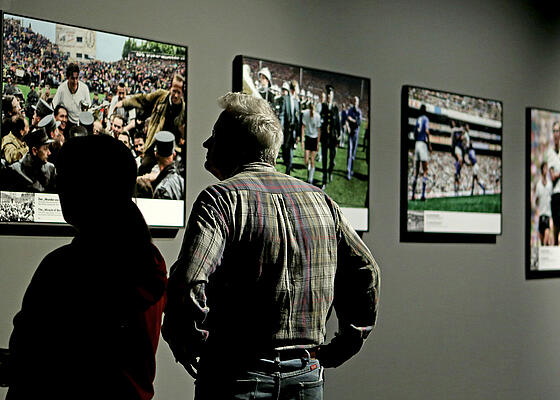
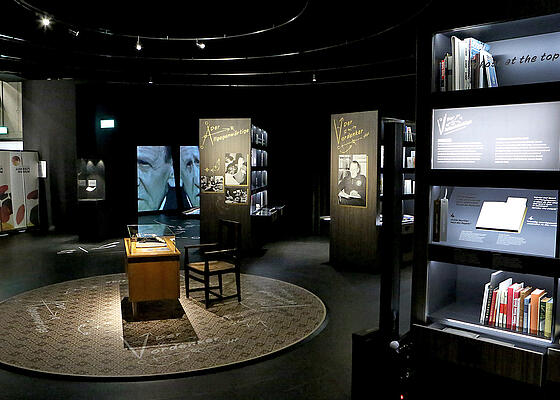
From 2 to 16 March 2020, the German Football Museum is hosting the special exhibition ‘100 Years of DJK – Sport for Body and Soul’. Curator Dr Hermann Queckenstedt had invited some distinguished guests to the opening. Long-serving Bundesliga manager Heribert Bruchhagen, for instance, took the time to pop over to Dortmund before heading to the neighbouring area to provide expert commentary for the Sky television channel on the cup clash between Schalke and Bayern.
Like him, former Bundesliga professional and current U17 national coach Christian Wück also looks back on an active past with a DJK club. As a player and coach in Germany’s second-tier league, Bruchhagen experienced DJK Gütersloh’s most successful era, whilst Wück took his first steps in football in his Franconian home town with DJK Gänheim. Both recall the special camaraderie and sense of community within their clubs. “The church and the football pitch were the main meeting places for us young people in our village,” says Wück, who later moved via Schweinfurt to 1. FC Nürnberg. “When I played in the Bundesliga on Saturdays, out of a sense of old loyalty I would often be back at DJK Gänheim on Sundays, helping out as a linesman.”
At DJK Gütersloh, that special sense of belonging was, naturally, also rooted in religious affiliation: “Even in the early 1960s, only Catholics played there,” recalls Heribert Bruchhagen. “However, following our subsequent promotions, that was no longer tenable. Nevertheless, we had to play on a cinder pitch for many years at the time because the predominantly Protestant local council refused to allow the DJK to use the Heidewald Stadium.”
Today, the DJK’s facilities are open to everyone, and the association has also adopted a modern stance on gender equality. When it comes to filling leadership roles, the association describes itself as one of the most progressive member organisations of the German Olympic Sports Confederation. It is no coincidence that, since 2015, Elsbeth Beha has been the first woman to head the DJK association. At the opening ceremony, the President made special reference to the DJK’s gender-neutral guiding principle, ‘Sport for the sake of people’. In carrying out her duties, she is guided by the current anniversary motto, ‘Doing one’s best’.
Ulrich Meier, chairman of Bundesliga club SGS Essen-Schönebeck e.V., which is affiliated to the DJK Association, has also been doing his best for women in football for many years. “We are proud to stand for fair and dignified conduct even in elite sport,” says Meier, not least with regard to current problems in the men’s Bundesliga concerning the escalation of personal and racist insults. “Furthermore, we want to maintain our values-based, performance-oriented approach in future, without bowing to the dictates of increasing professionalisation and commercialisation.” Former SGS player Sarah Freutel wholeheartedly agrees: “In sport, there’s a growing tendency for us to elbow our way through, with everyone wanting to be the fastest on the track. We need to draw more attention back to the values of team sport.”
At the end of the entertaining and thought-provoking discussion, Dr Hermann Queckenstedt added: “Sport is vulnerable to political influences. The history of the DJK shows this quite clearly. And I believe we need a great deal of moral courage; we need a great deal of intuition to nip the things that led to the end of the DJK in the bud, right from the start. Sport is something that, on the whole, helps people to progress.”
![[Translate to Englisch:] 100 Jahre DJK - Eröffnung](/fileadmin/_processed_/3/e/csm_fussballmuseum-100-jahre-djk-sport-leib-seele_ab21a5151e.jpg "100 Years of DJK – Opening Ceremony")


Book your tickets now...