EN
EN
 DE
DE


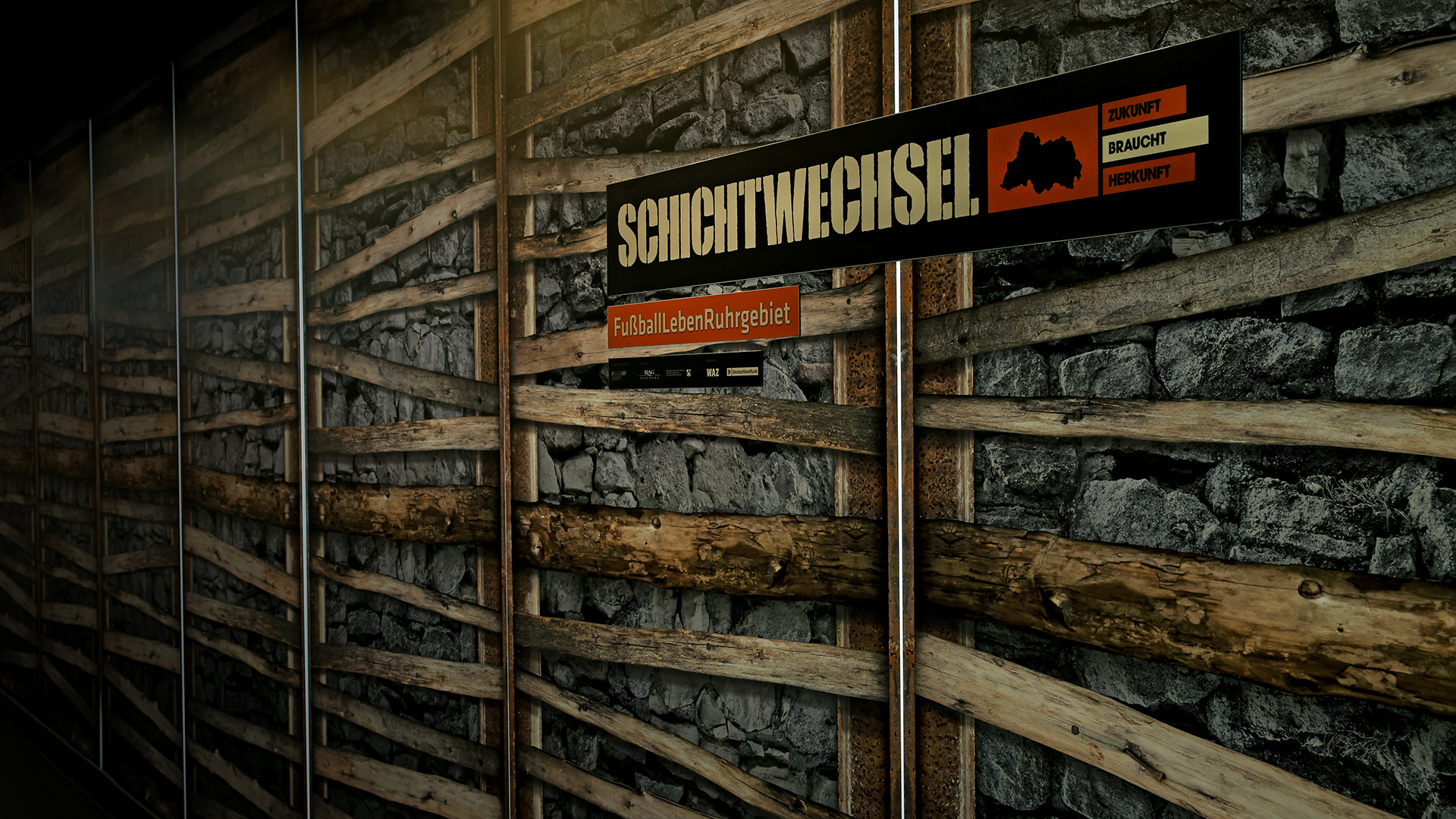
Shift Change – Football Life in the Ruhr Region
21 March 2018 – 31 December 2018


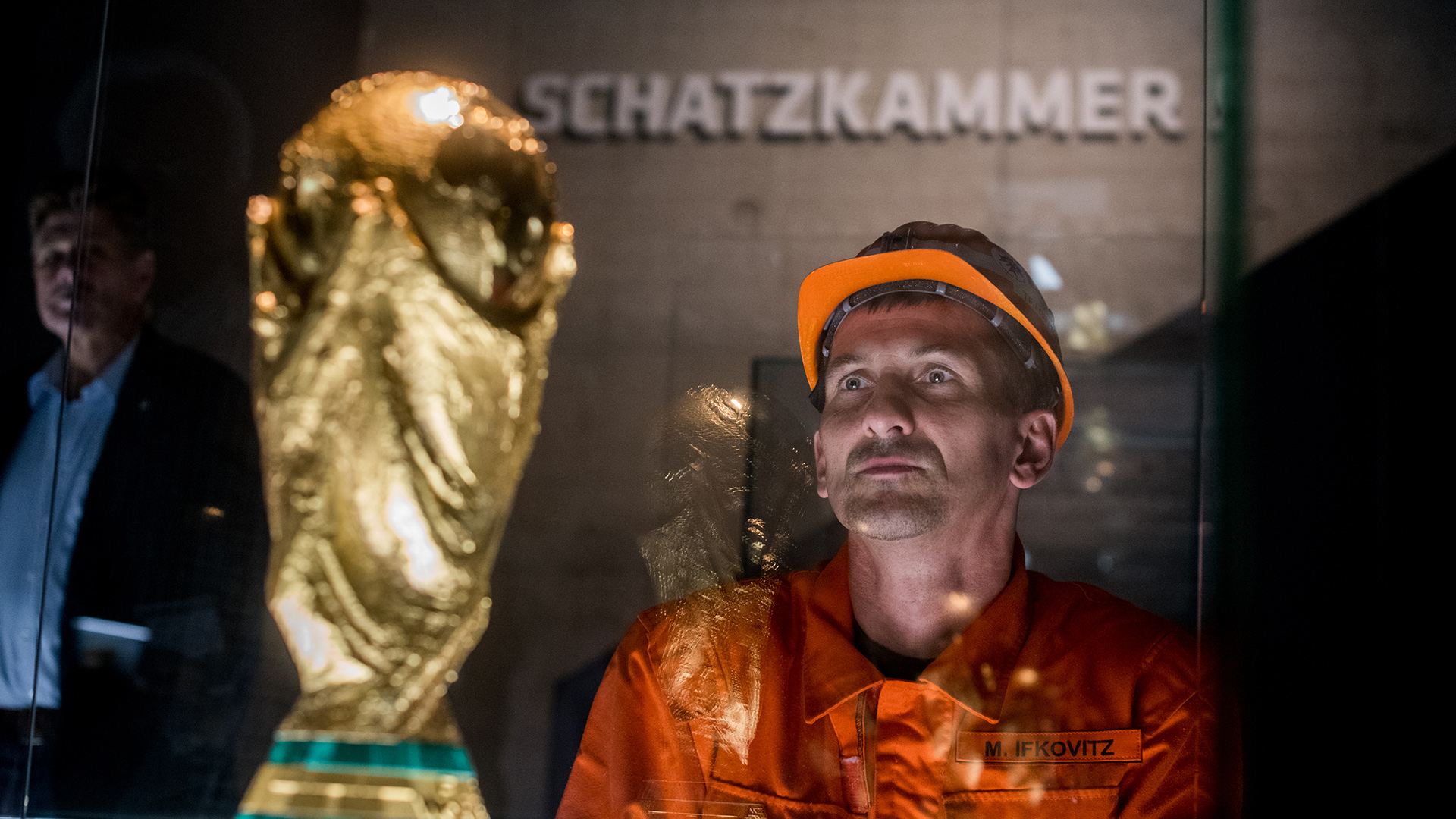
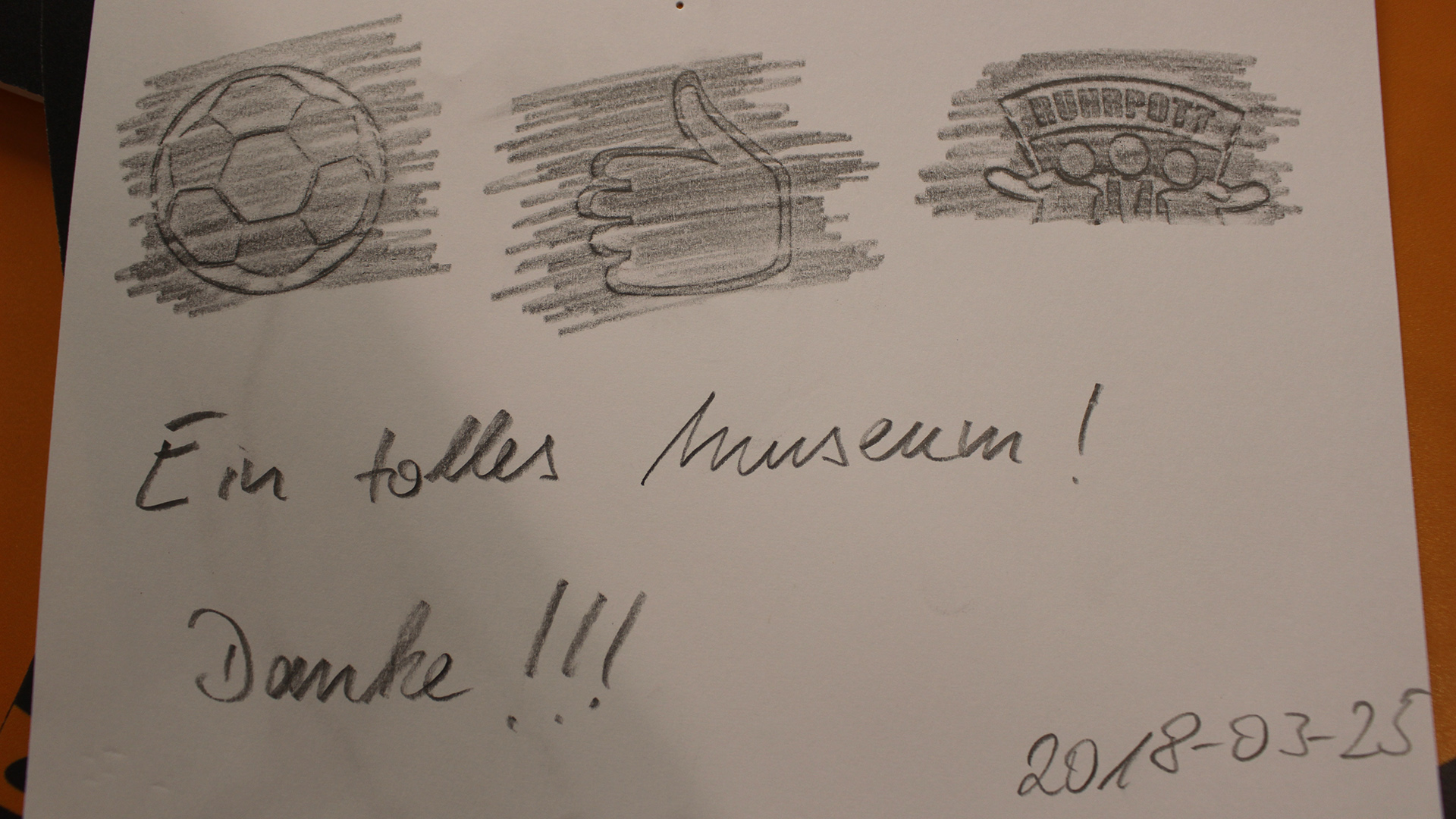
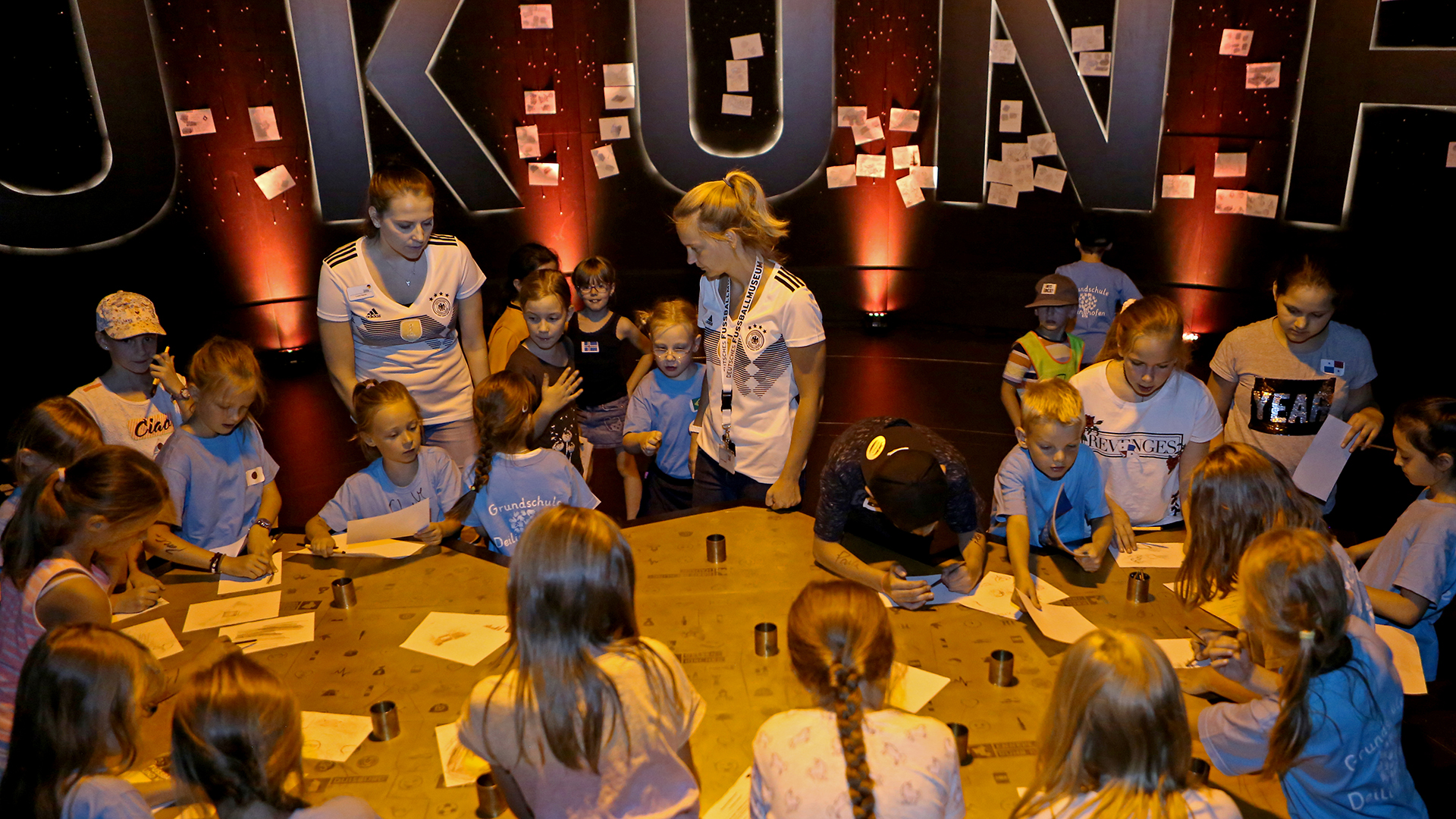
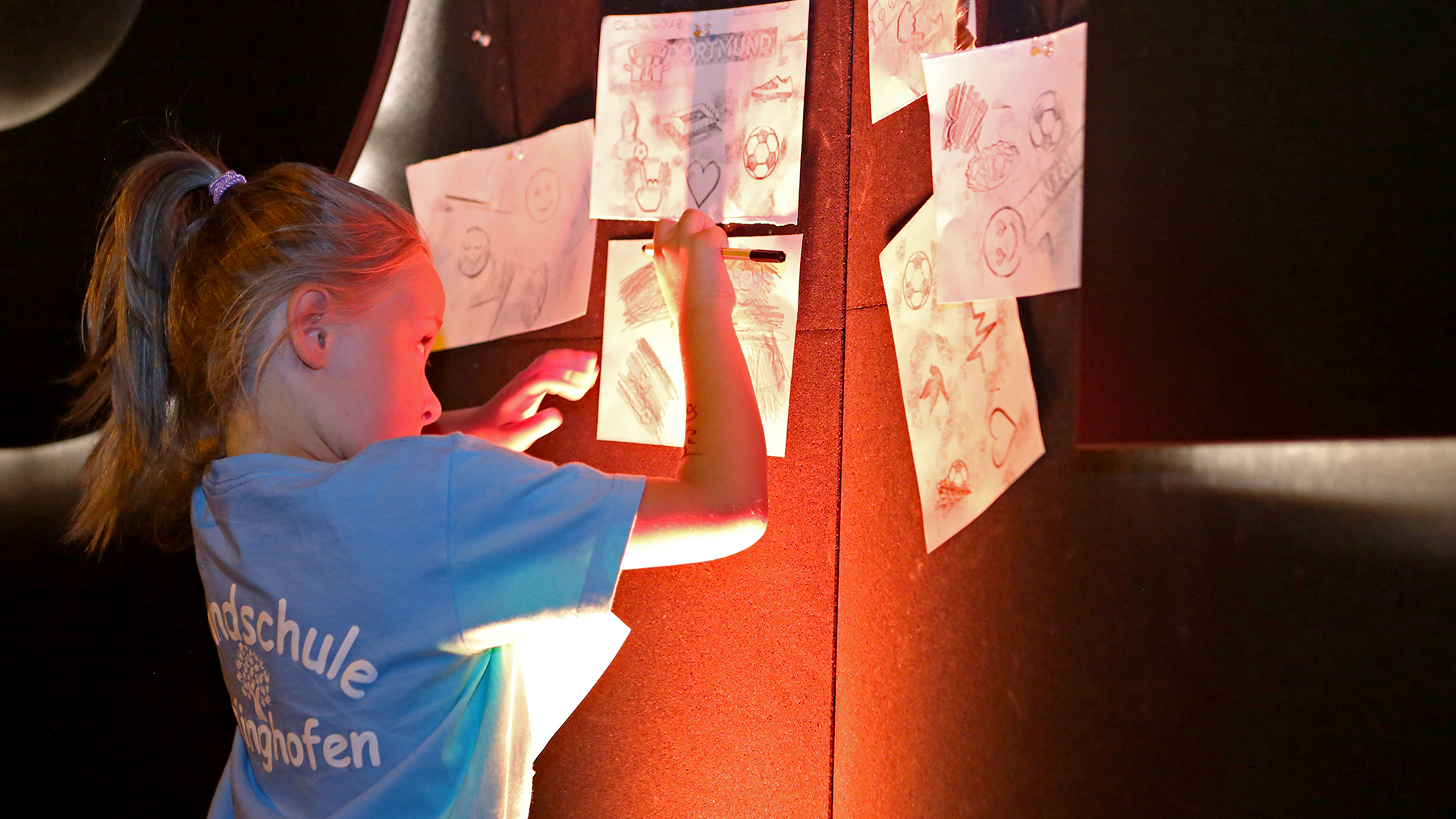
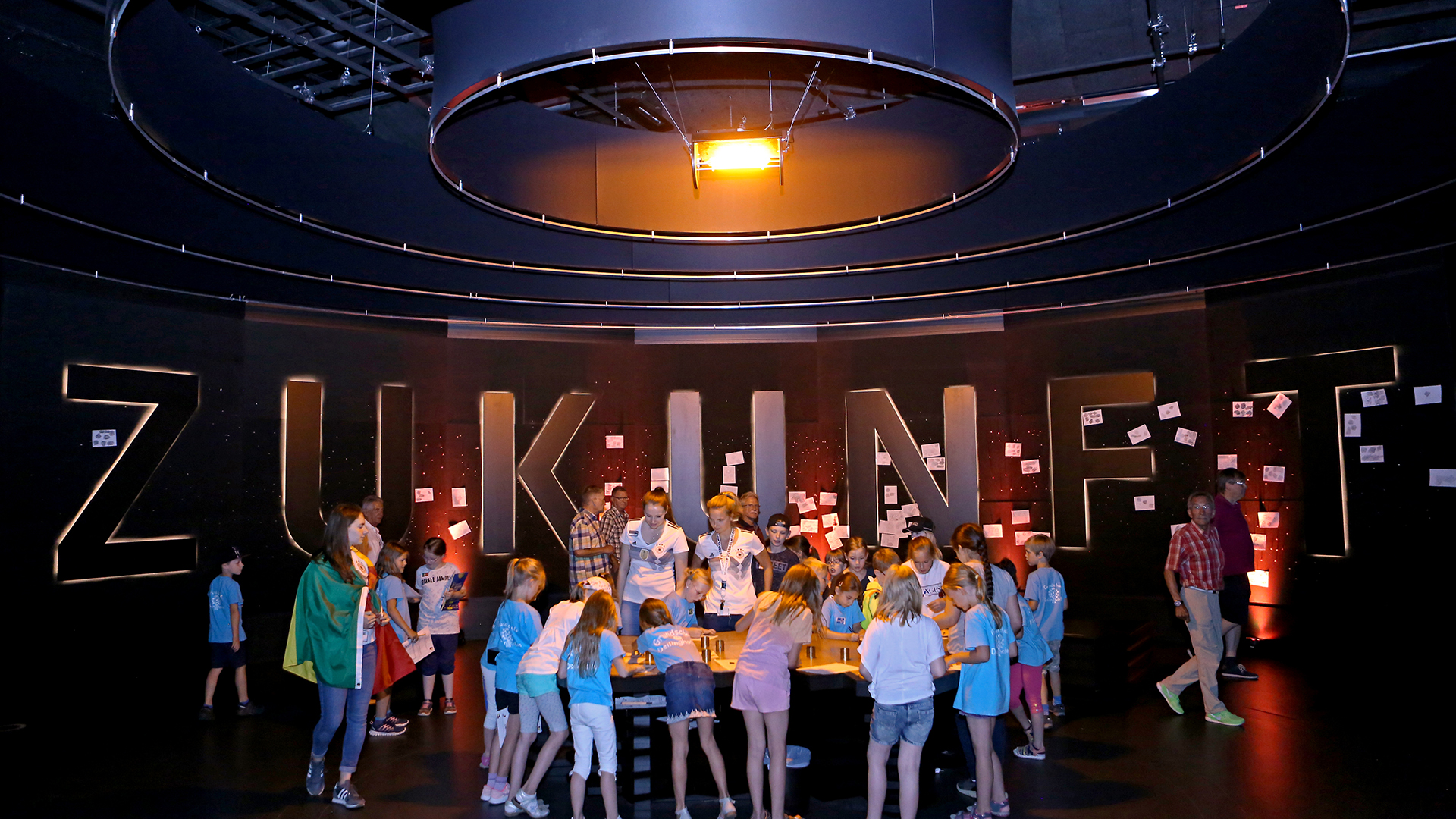
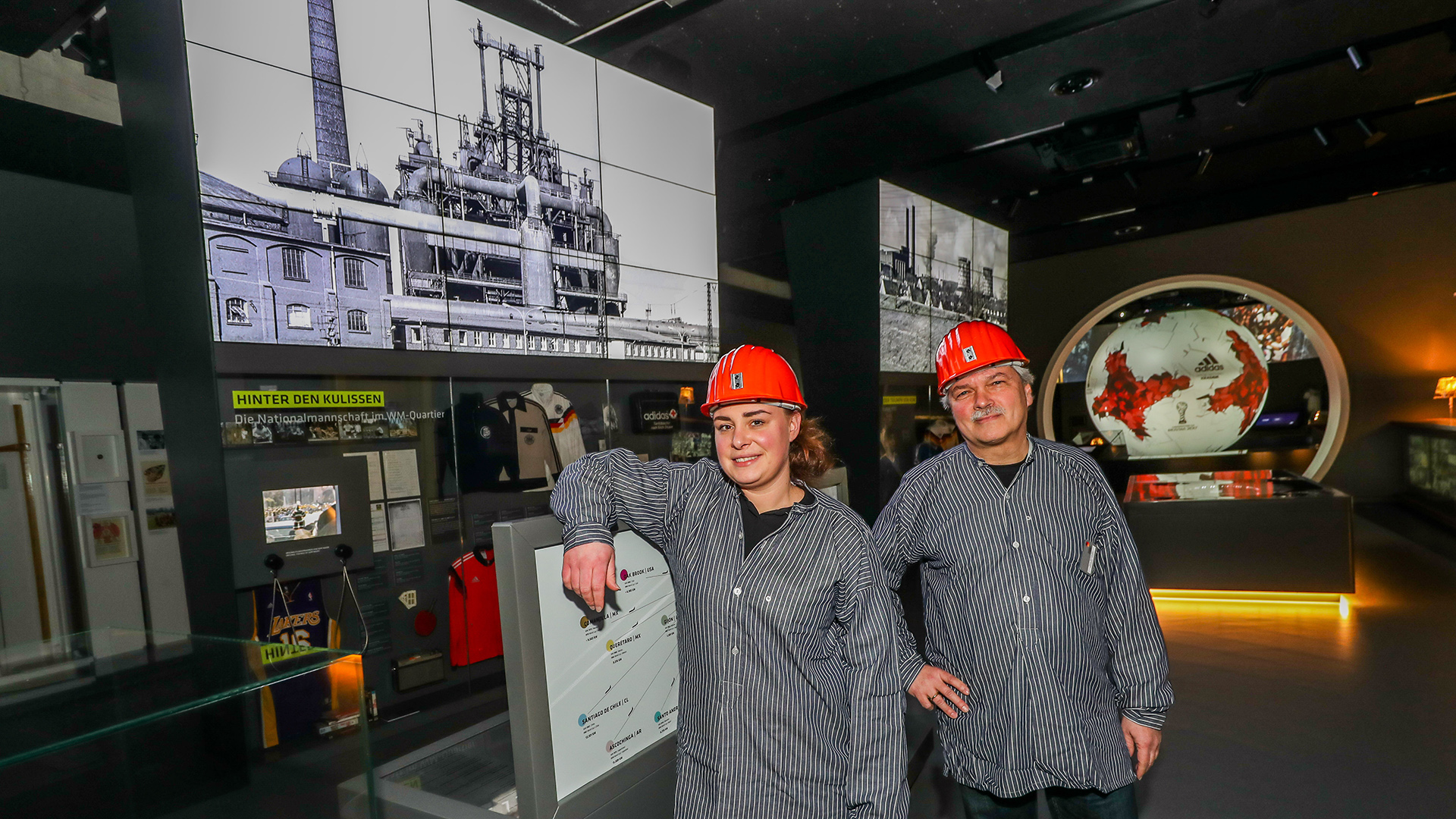
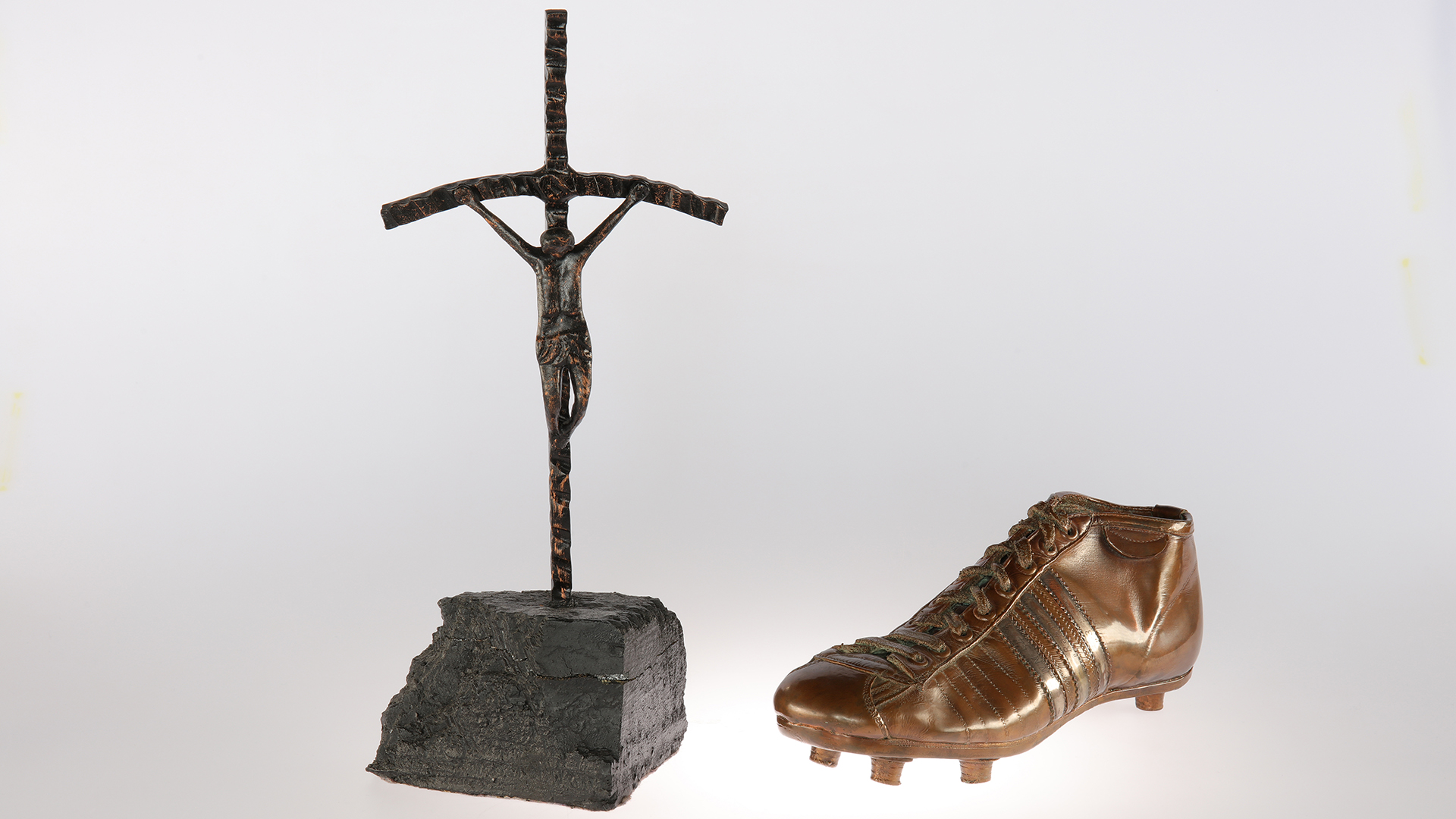
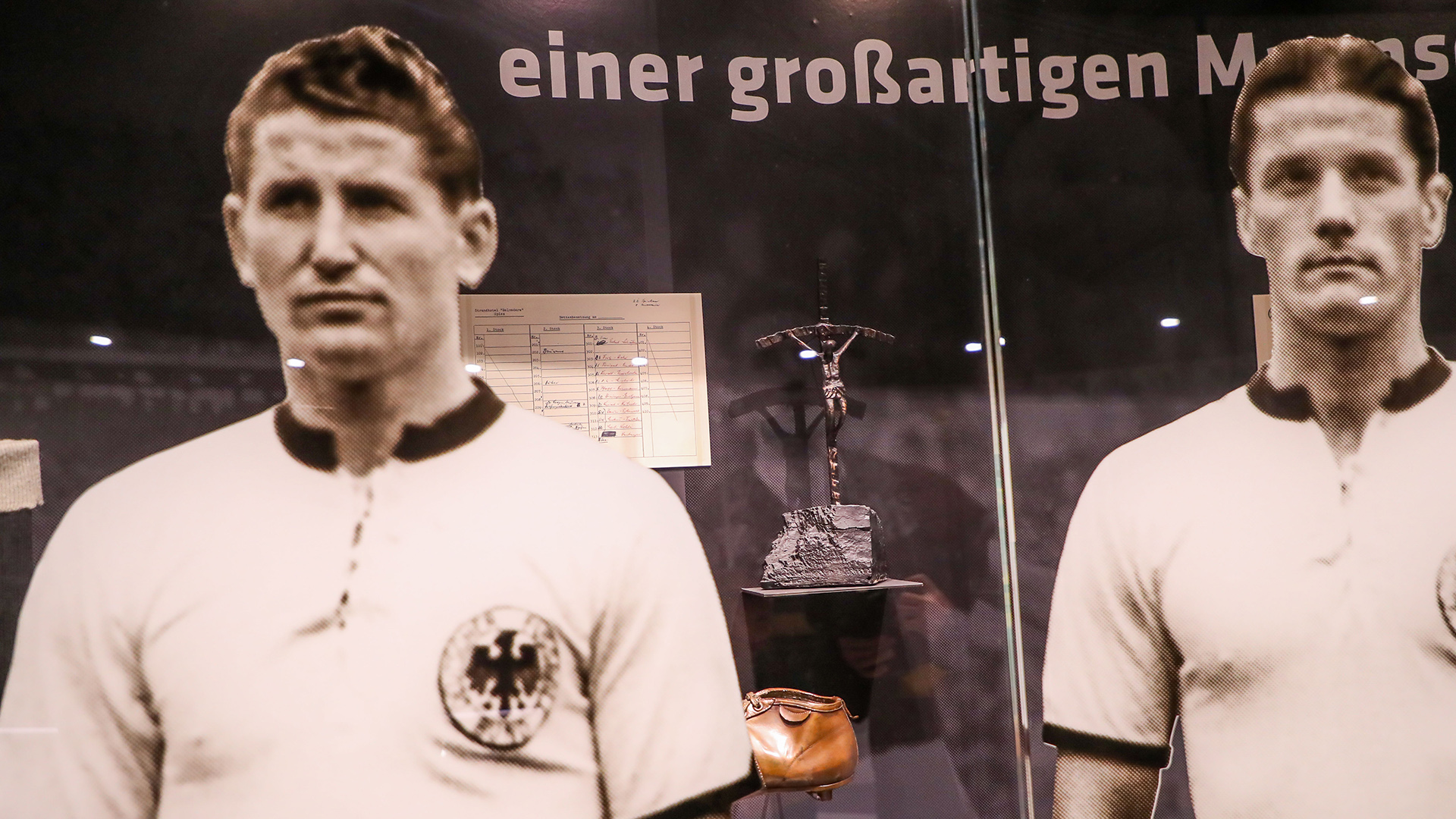
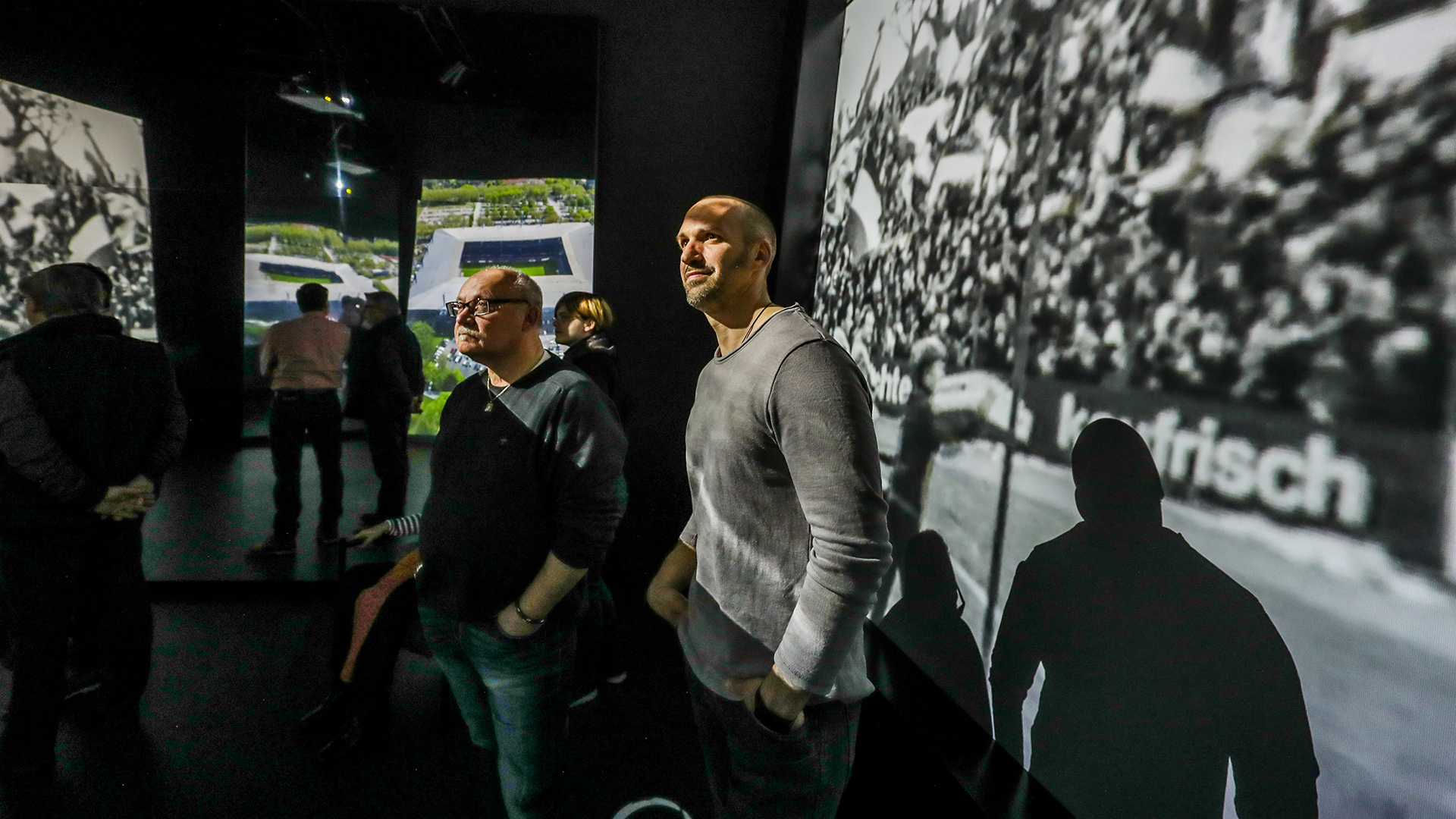
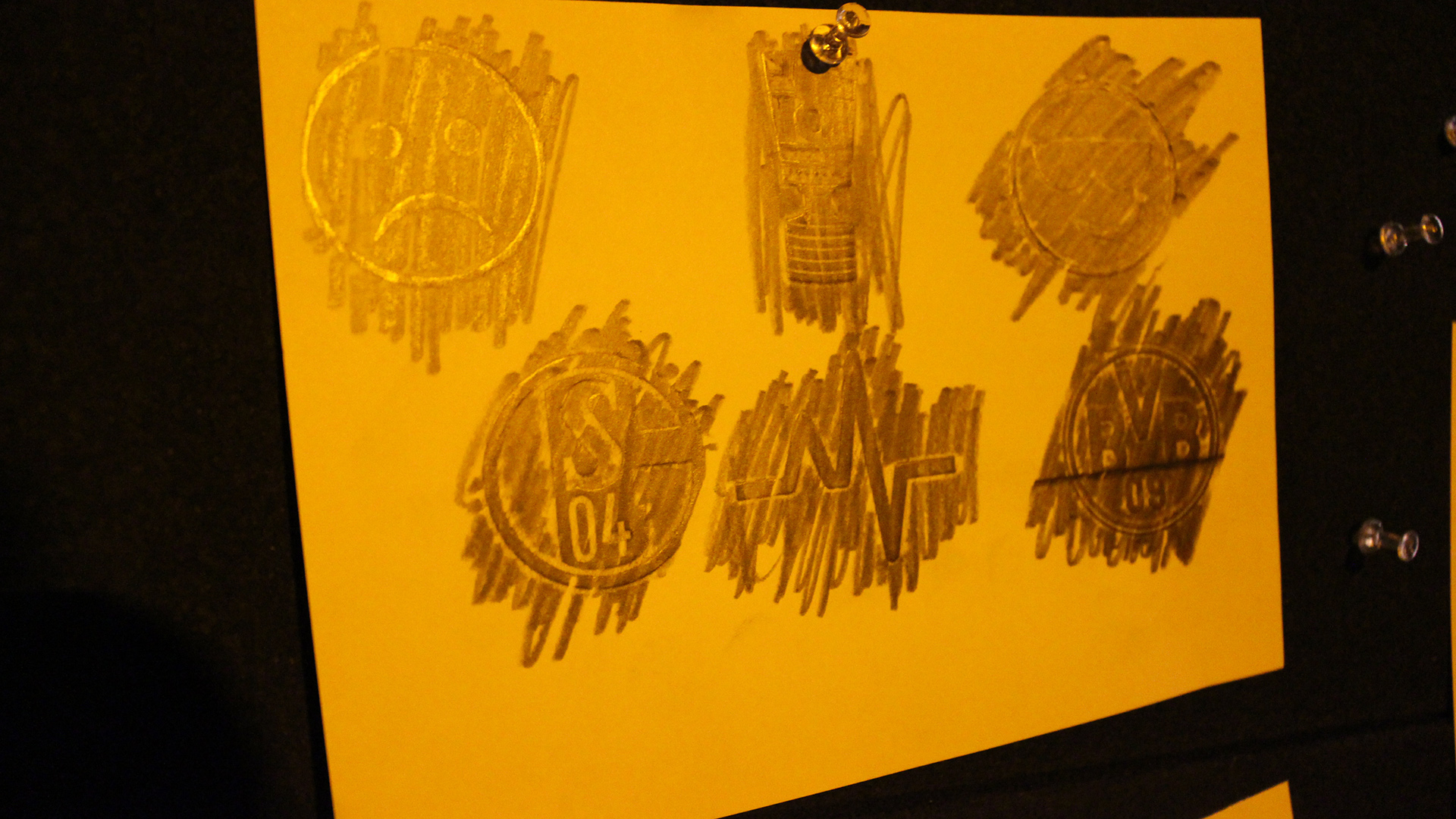
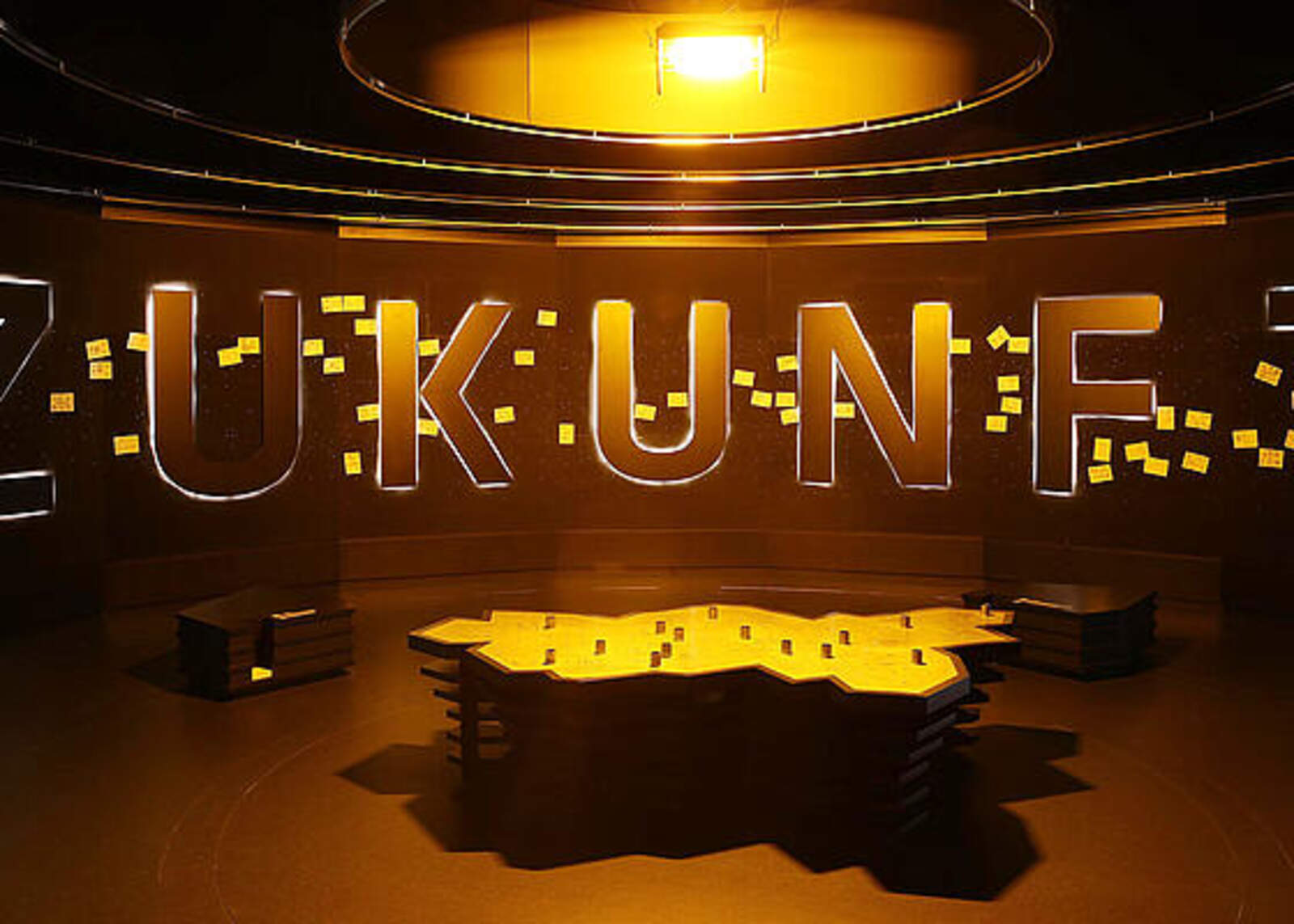
With its special exhibition ‘Schichtwechsel – FußballLebenRuhrgebiet’ (Shift Change – Football Life in the Ruhr Region), the German Football Museum highlighted the complex symbiosis between football and mining. The striking traces of football beneath the winding towers ultimately culminated, in the exhibition area, in an encounter with the future. For when coal mining in the Ruhr region – a practice that had lasted for centuries – came to an end in 2018 with the closure of the Prosper-Haniel colliery in Bottrop, this inevitably marked a turning point, raising the question: what comes next? What lies ahead? Structural change has long since taken place on a broad front. The region has developed into a centre for the service sector and a hub for education and culture. Landscape parks are flourishing on the sites of former collieries and steelworks, whilst derelict industrial sites have been transformed into cultural venues. In this respect, the question that arose above all was: What remains? Visitors were invited to leave their own message for the future or to translate their past into visions.

This interaction gave rise to a mosaic-like portrait of the Ruhr region. Some of the Ruhr region’s finest footballers – such as Ernst Kuzzorra, Helmut Rahn and Timo Konietzka – were trained to face the challenges of their sport not only at their clubs but also underground. They had already internalised values such as team spirit, dedication and self-discipline through their upbringing in mining families, and did not need to practise them in training. Schalke 04’s great successes are closely linked to the team whose players were simply known as ‘Die Knappen’. ‘Knappe’ is an old term for someone who has successfully completed their apprenticeship as a miner. The mines were thus a school of life and, beyond their role in socialisation, major promoters of football.

After the Second World War, the Oberliga West was one of the strongest leagues in Germany. With the support of large coal mines and steelworks, clubs such as SV Sodingen and Spielvereinigung Erkenschwick – which have now faded into the lower echelons of amateur football – caused a sensation. Their stadiums were situated on colliery sites; almost all the players also worked there in their day jobs, whilst the mine managers held leadership positions within the clubs. This, too, fostered a special sense of identification between the spectators and the players – and vice versa.
Furthermore, mining, in conjunction with football, acted as a driving force for migration and integration. Mesut Özil’s grandfathers both came to Germany as Turkish colliery workers in the early 1960s. Fifty years later, the current Arsenal London star became the first player of Turkish origin to represent Germany at a World Cup finals tournament.
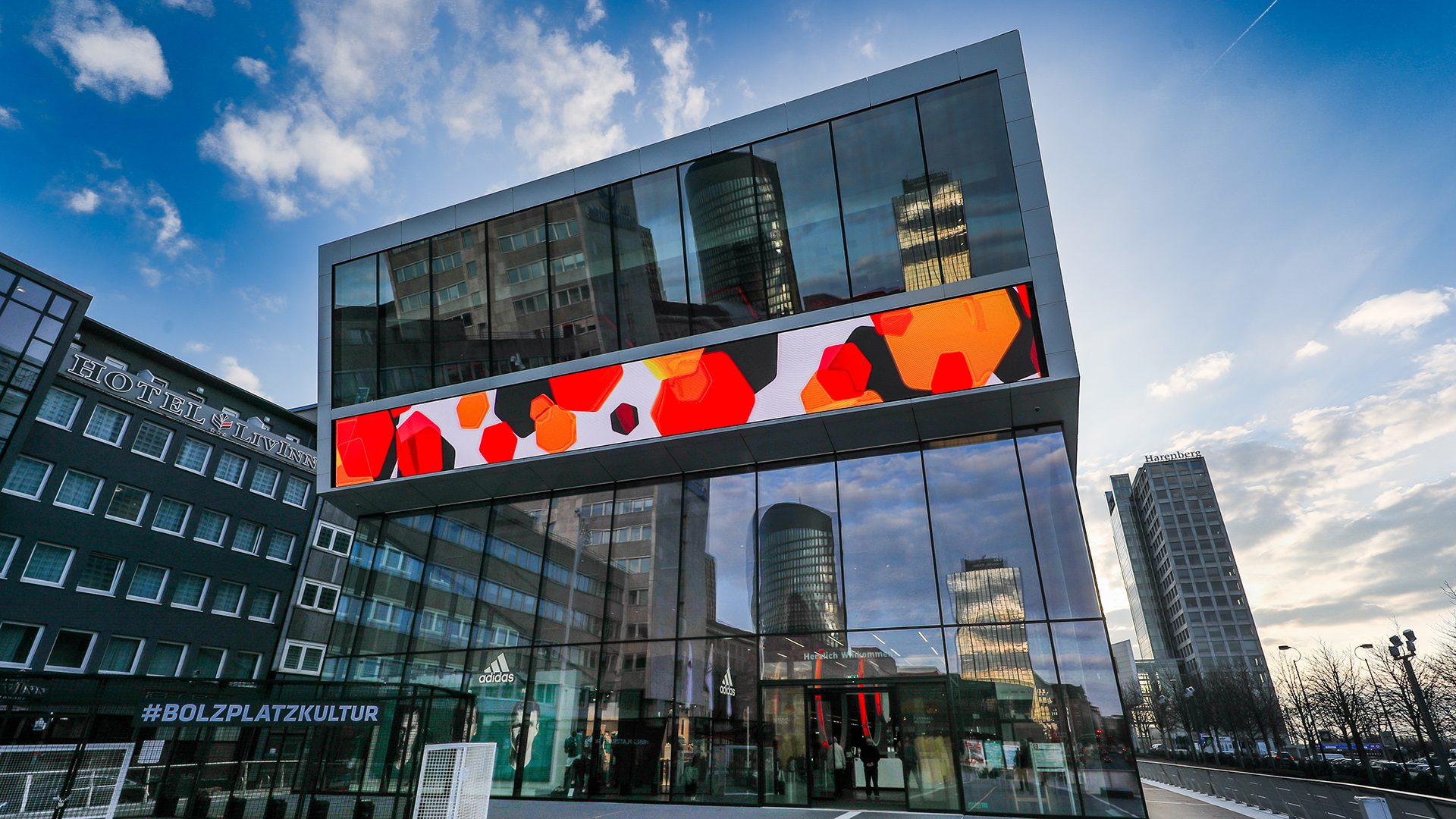
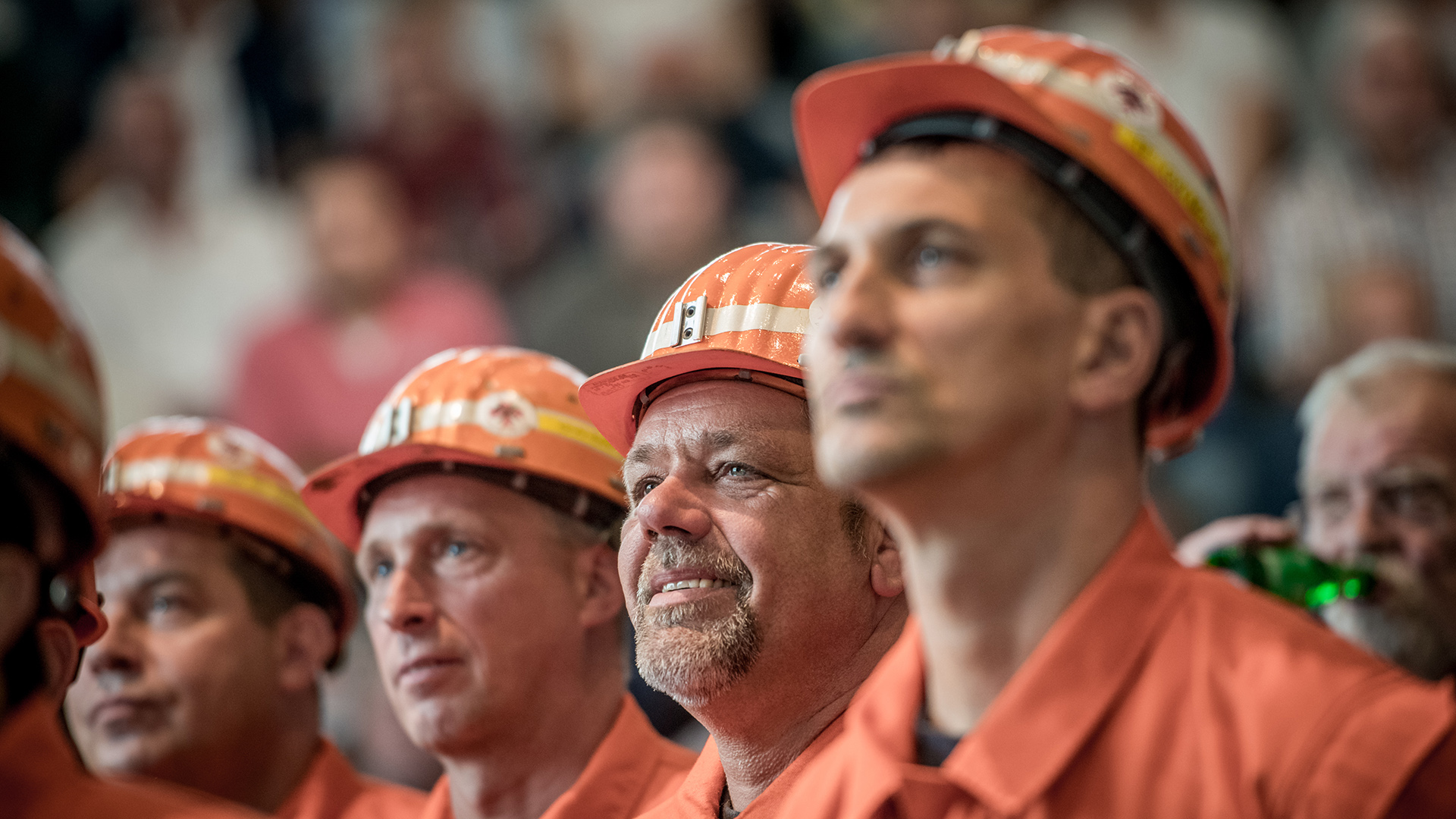
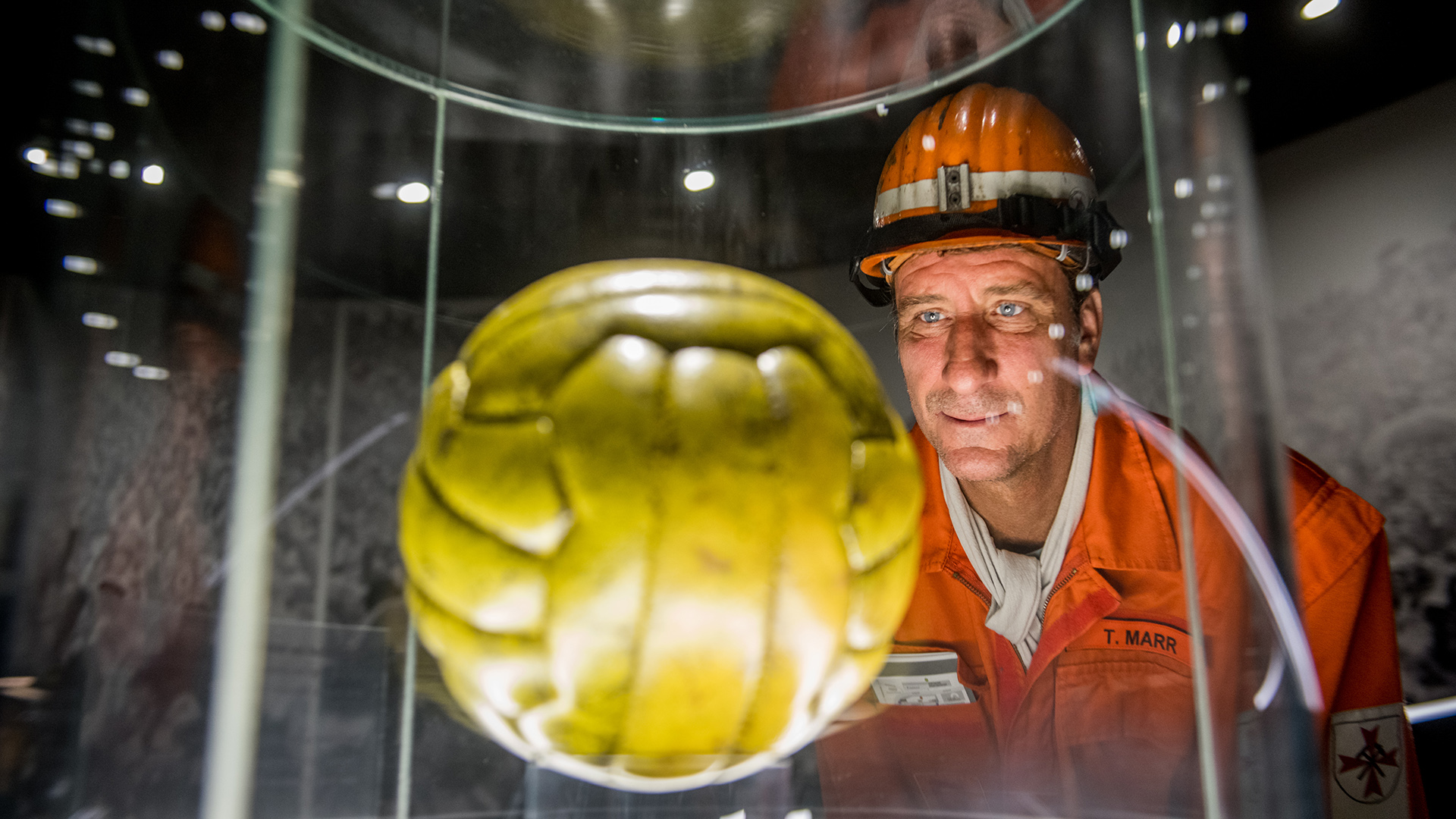
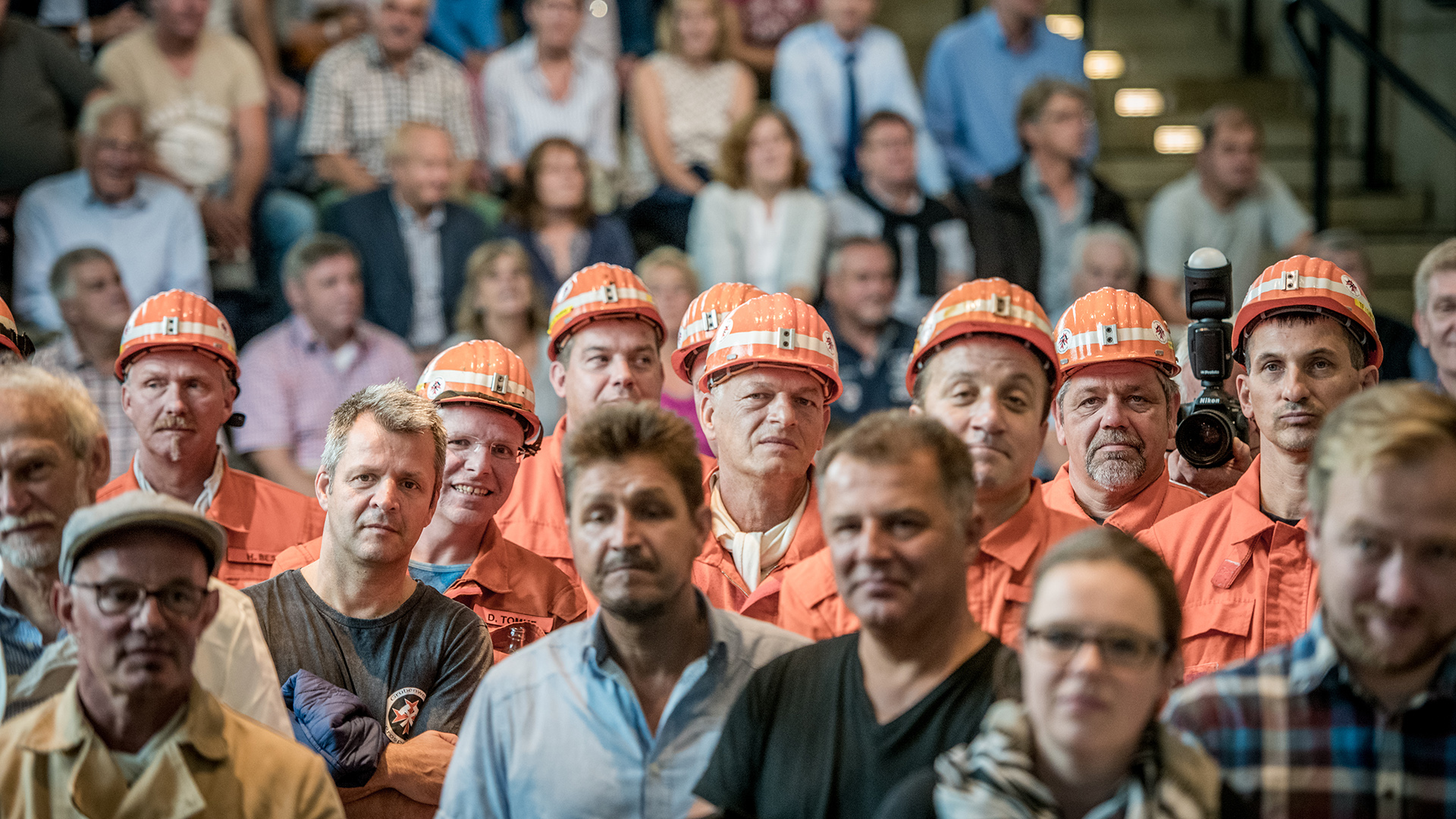
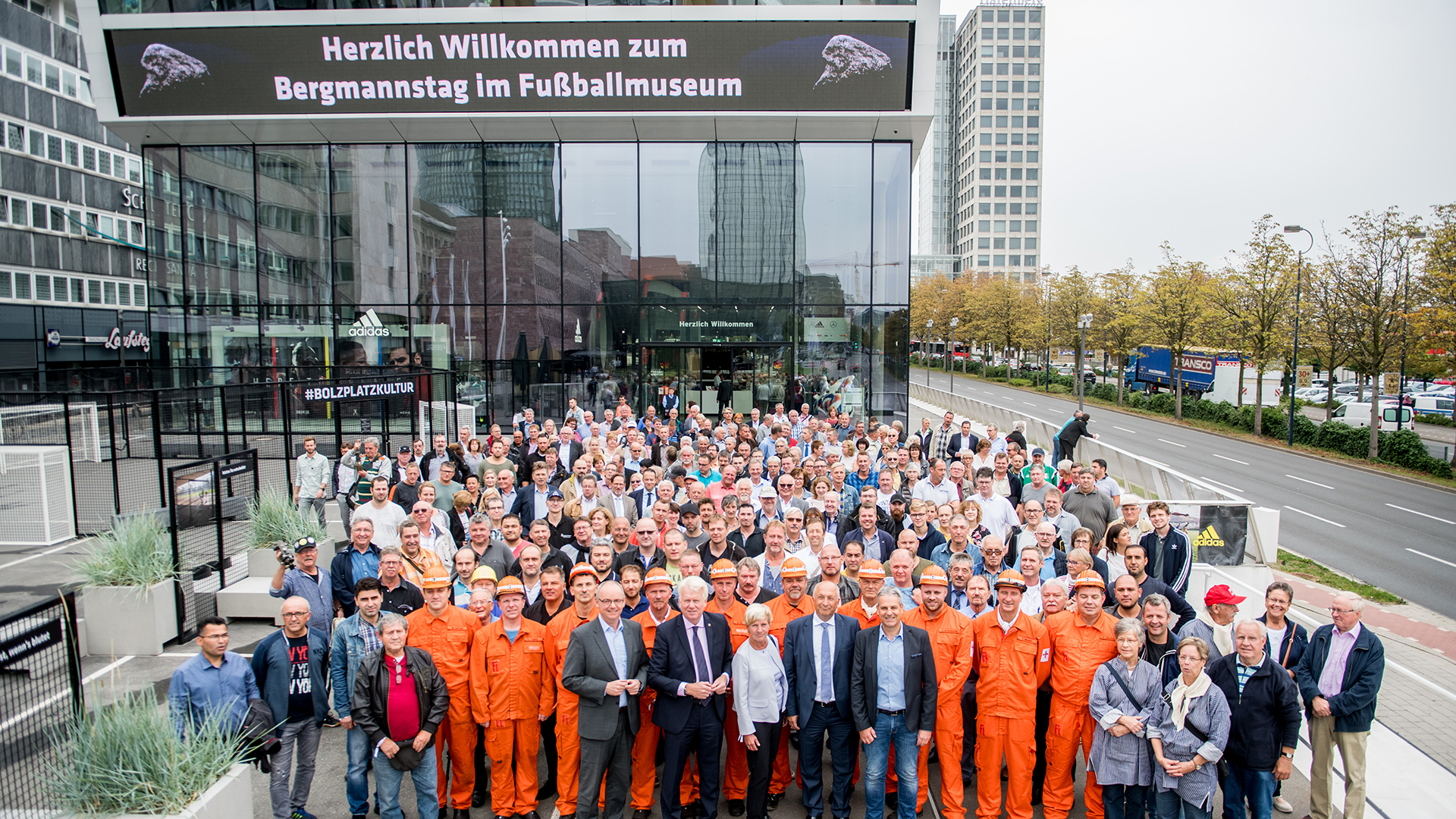
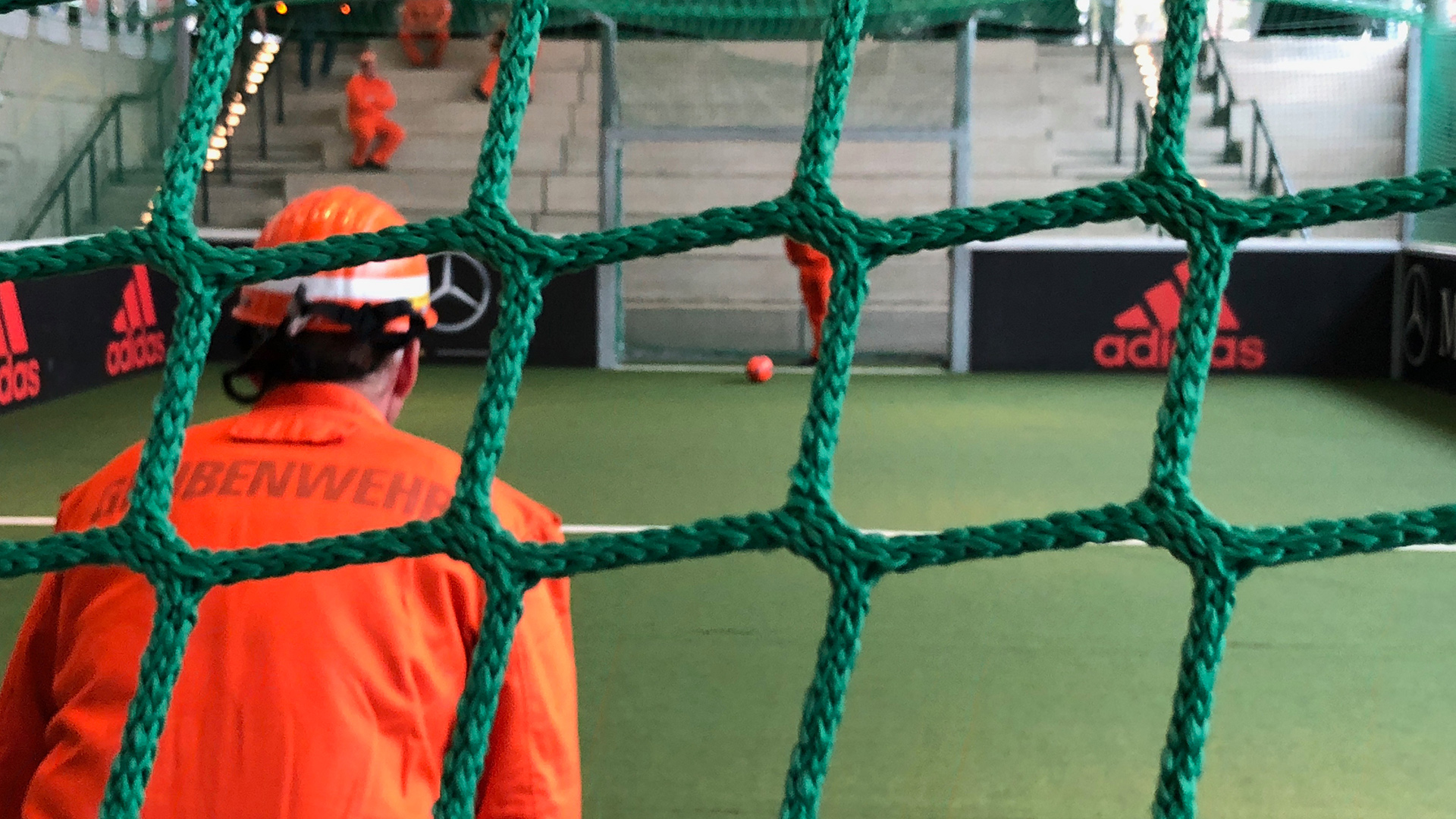
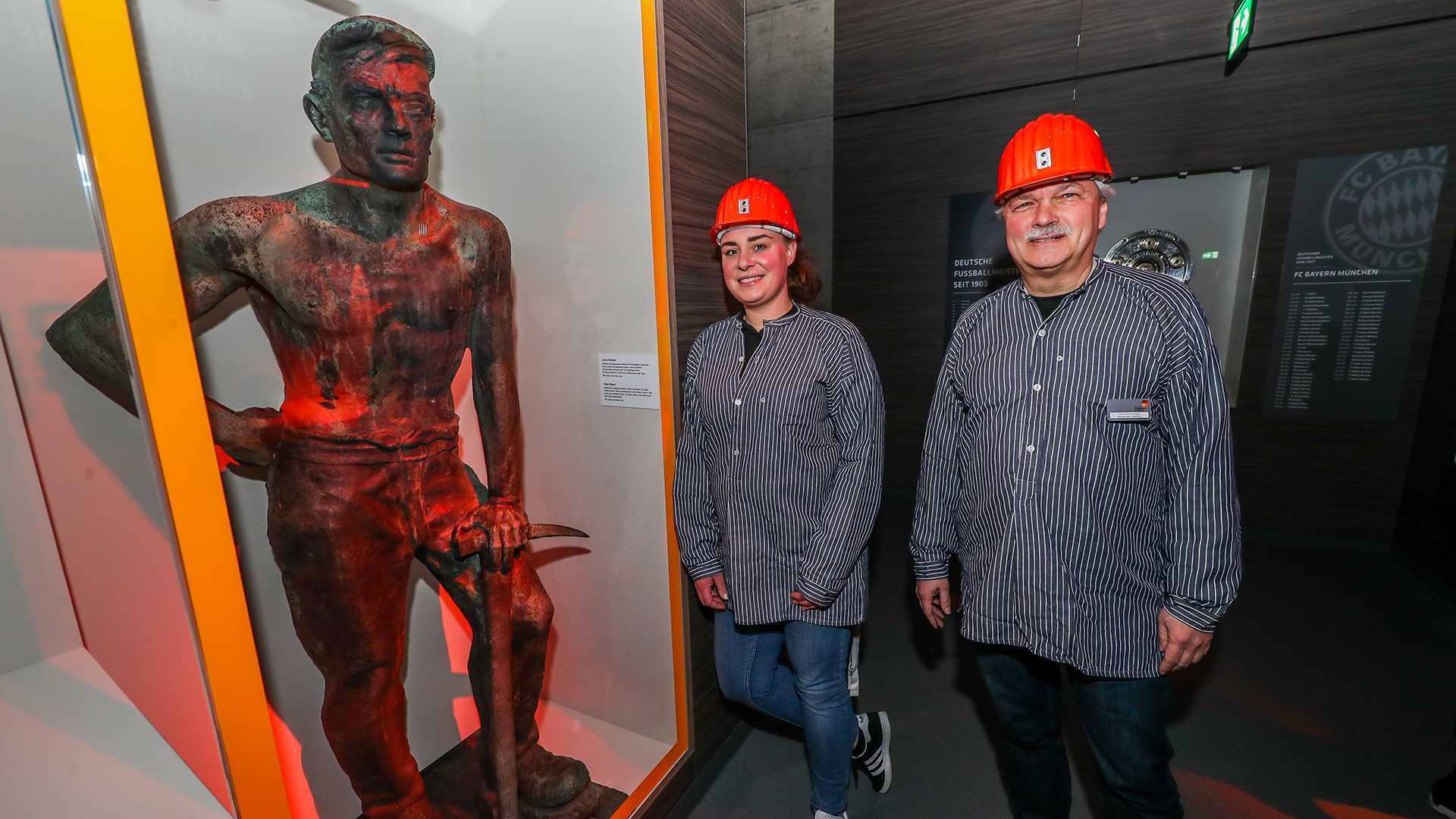
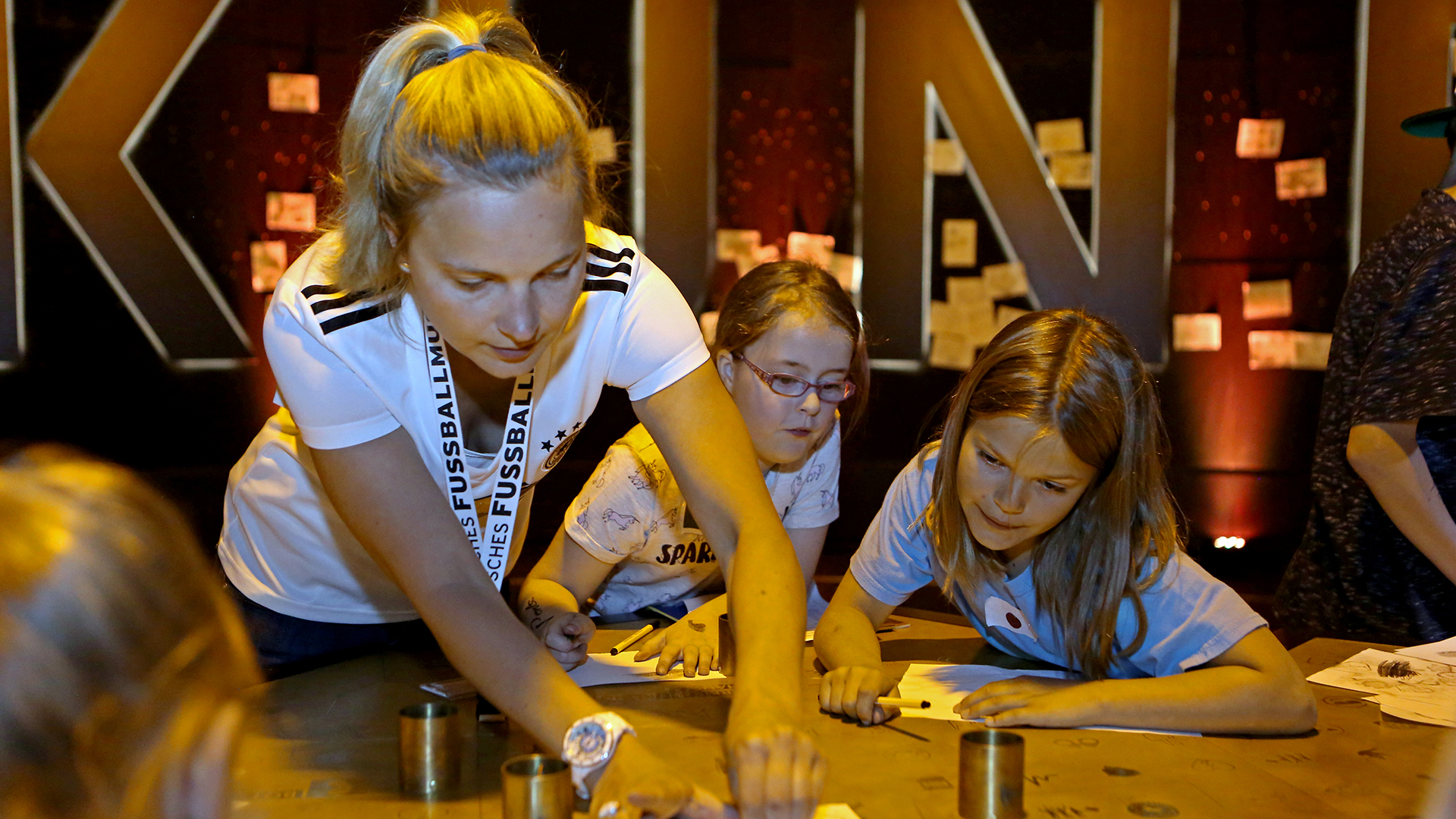
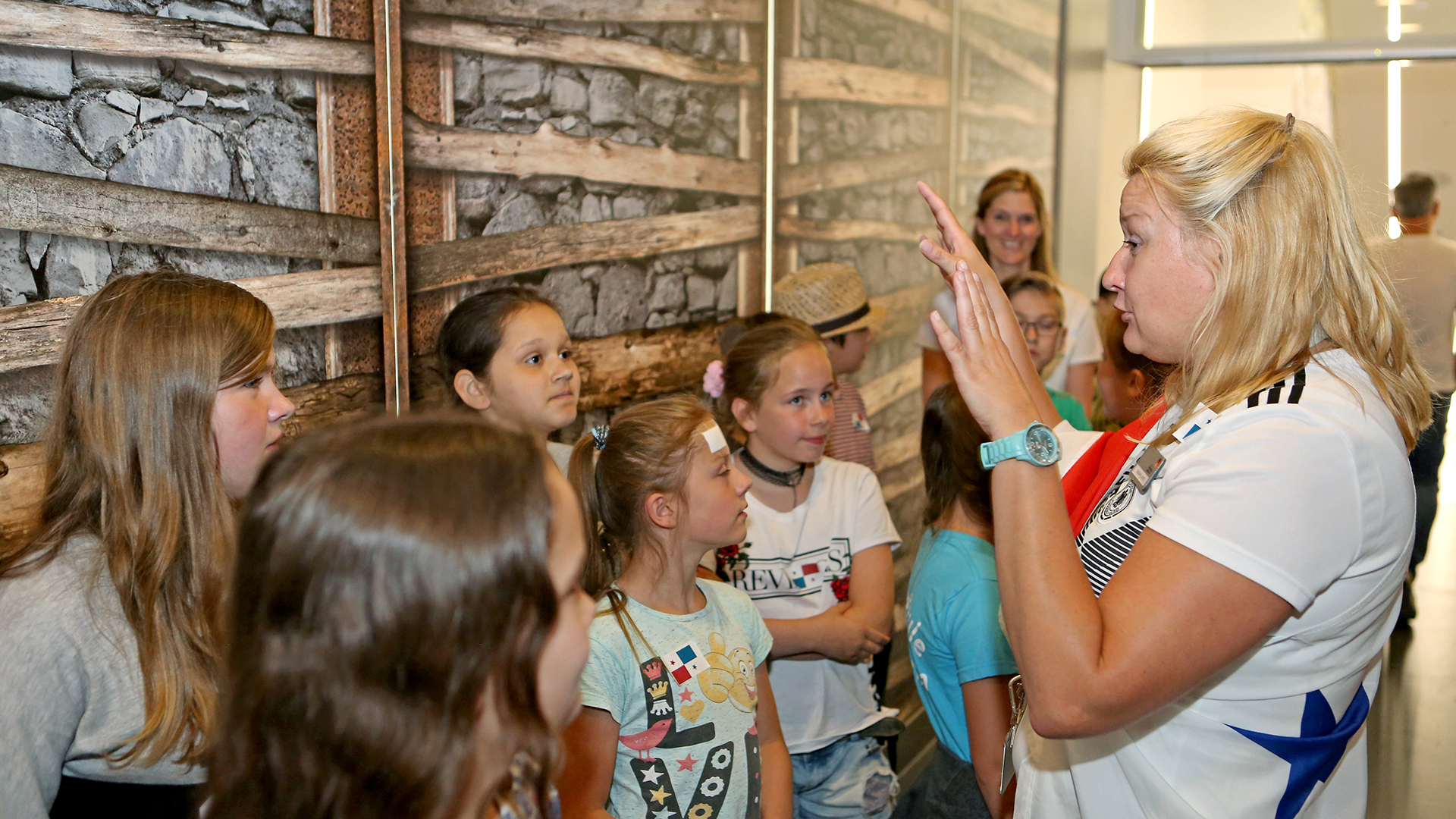
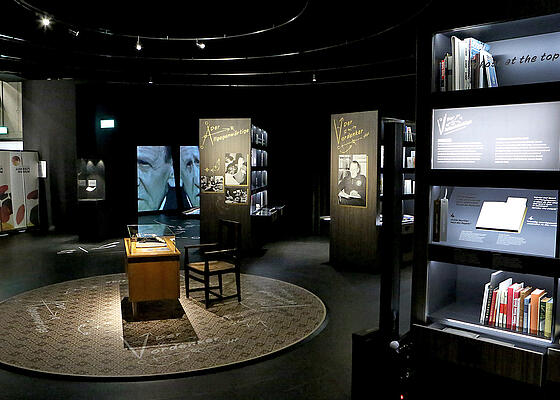
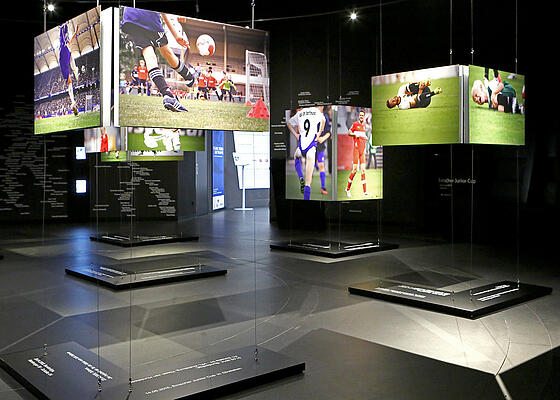
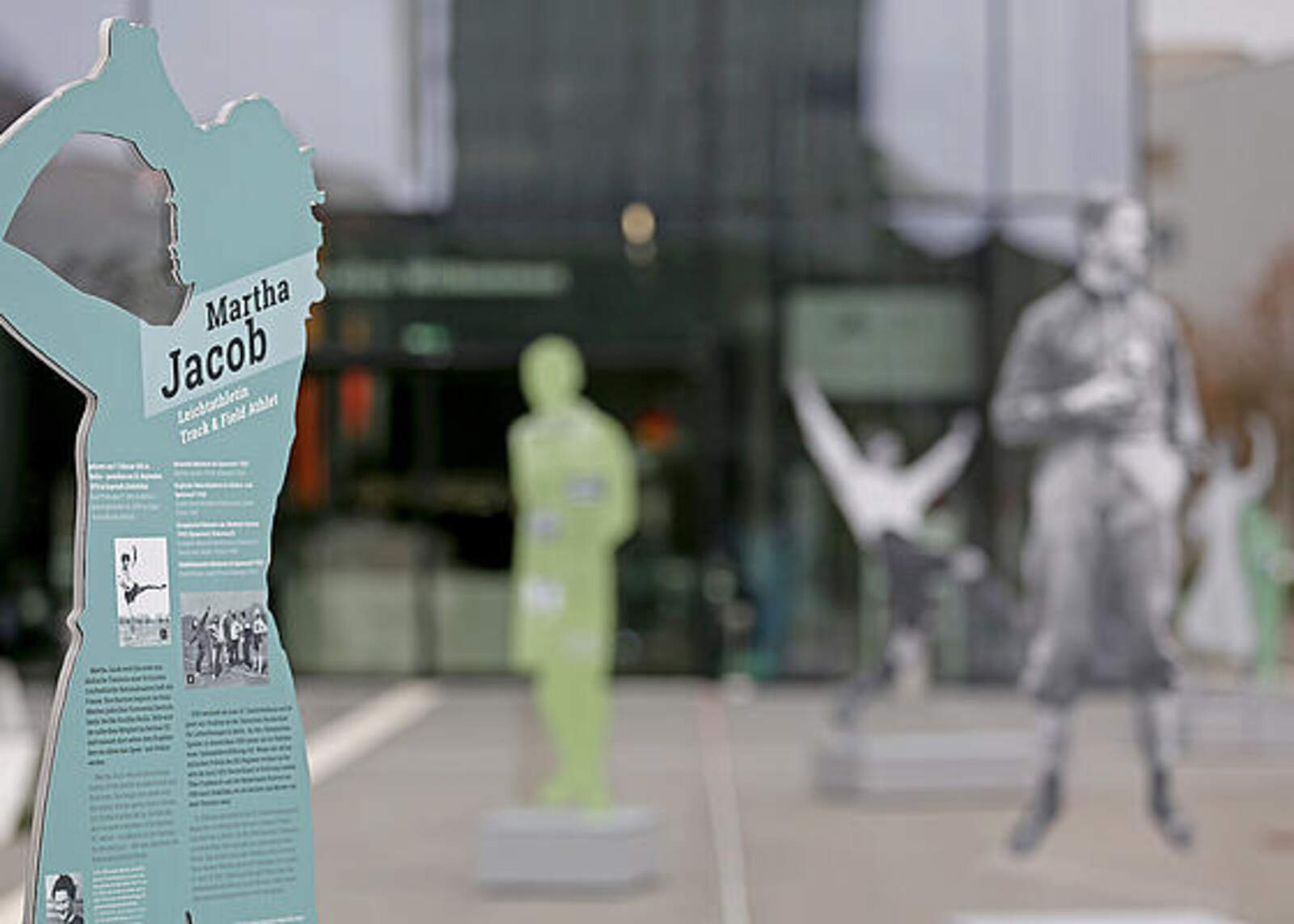
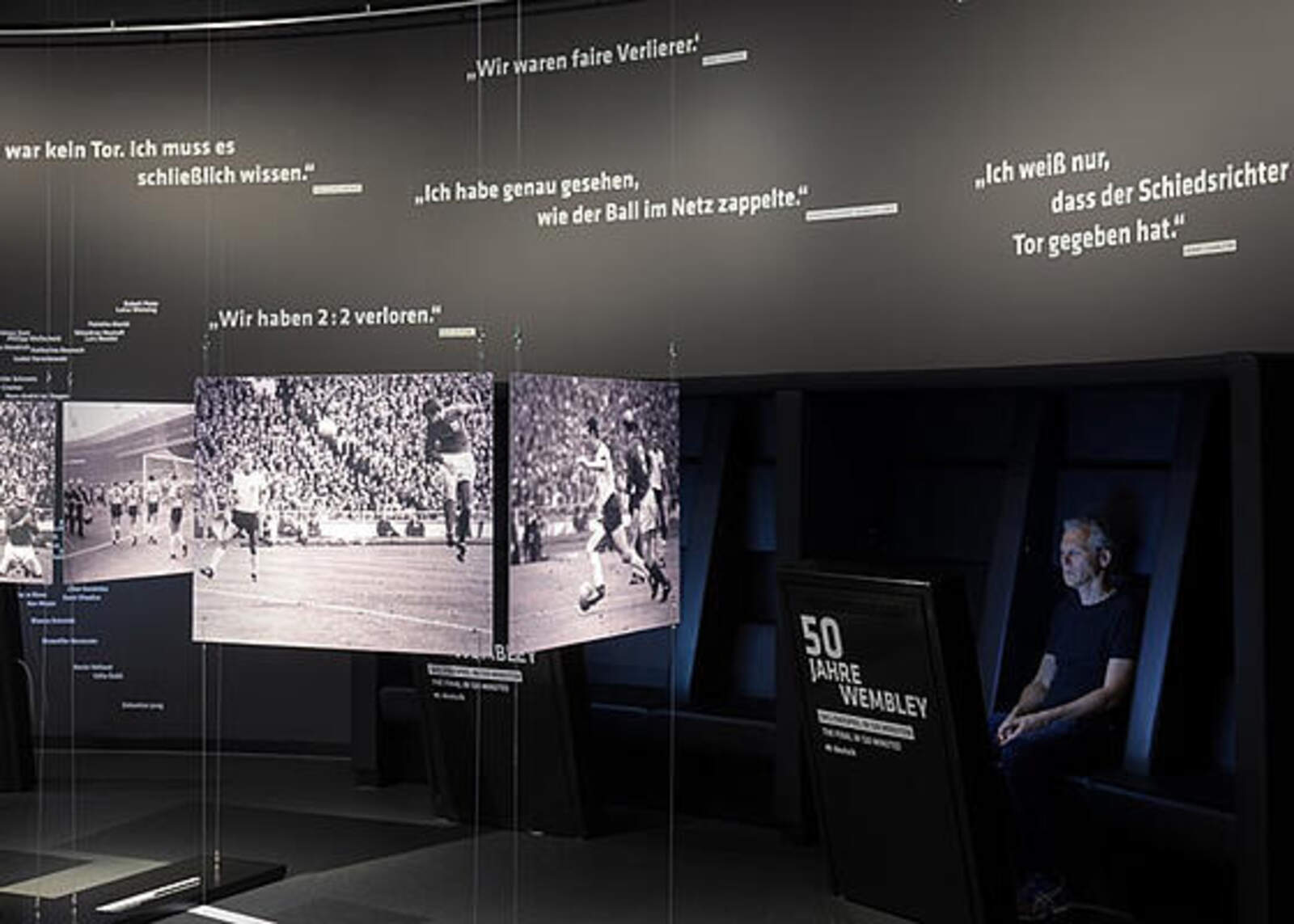
Snapshots of the special exhibition






![[Translate to Englisch:] 100 Jahre DJK - Eröffnung](/fileadmin/_processed_/3/e/csm_fussballmuseum-100-jahre-djk-sport-leib-seele_ab21a5151e.jpg "100 Years of DJK – Opening Ceremony")


Fancy a visit? You can get tickets here...