EN
EN
 DE
DE


A Different Kind of Football: 100 Years of Workers’ Football – 125 Years of Workers’ Sport
29 October 2018 – 4 November 2018
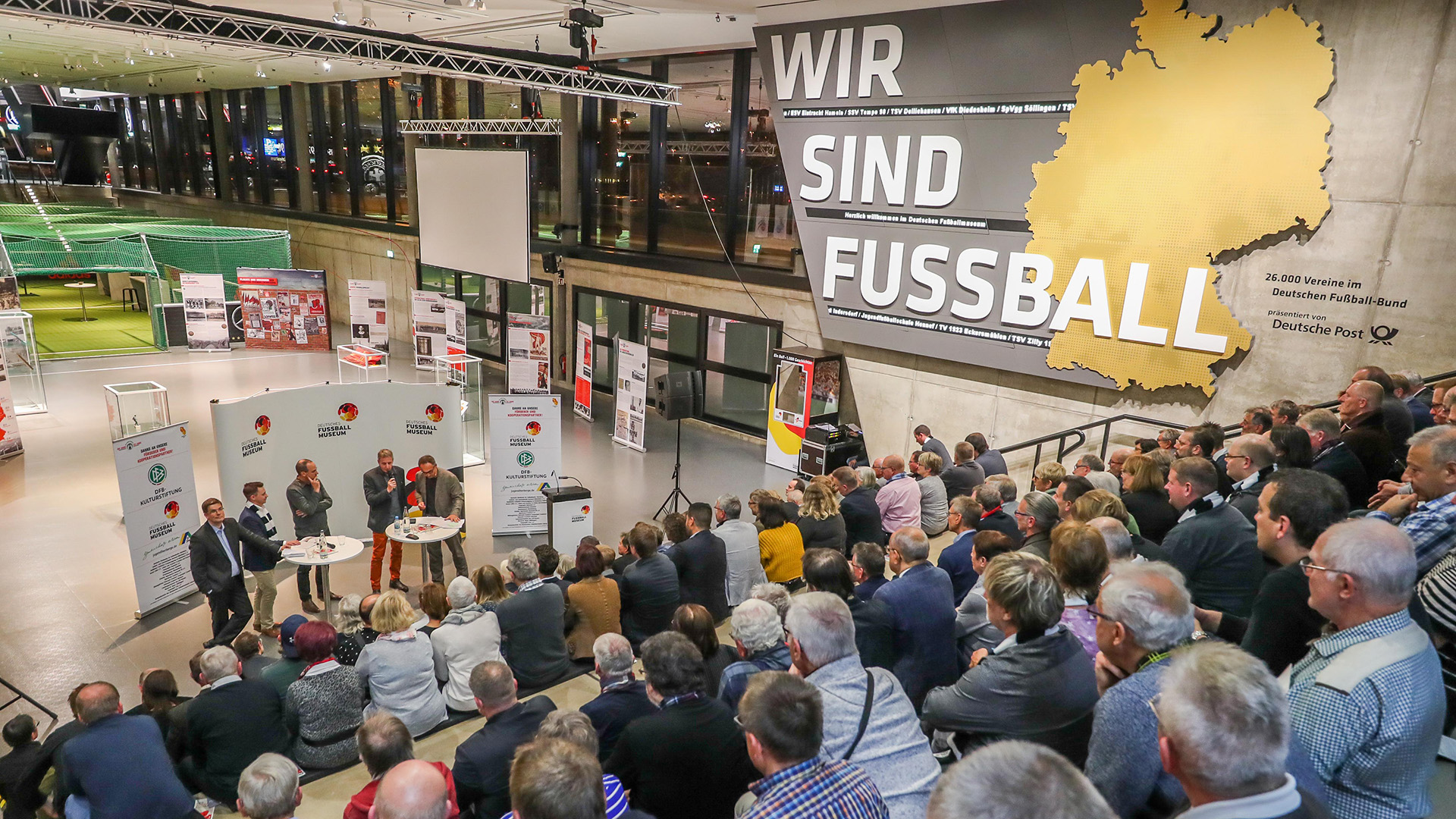
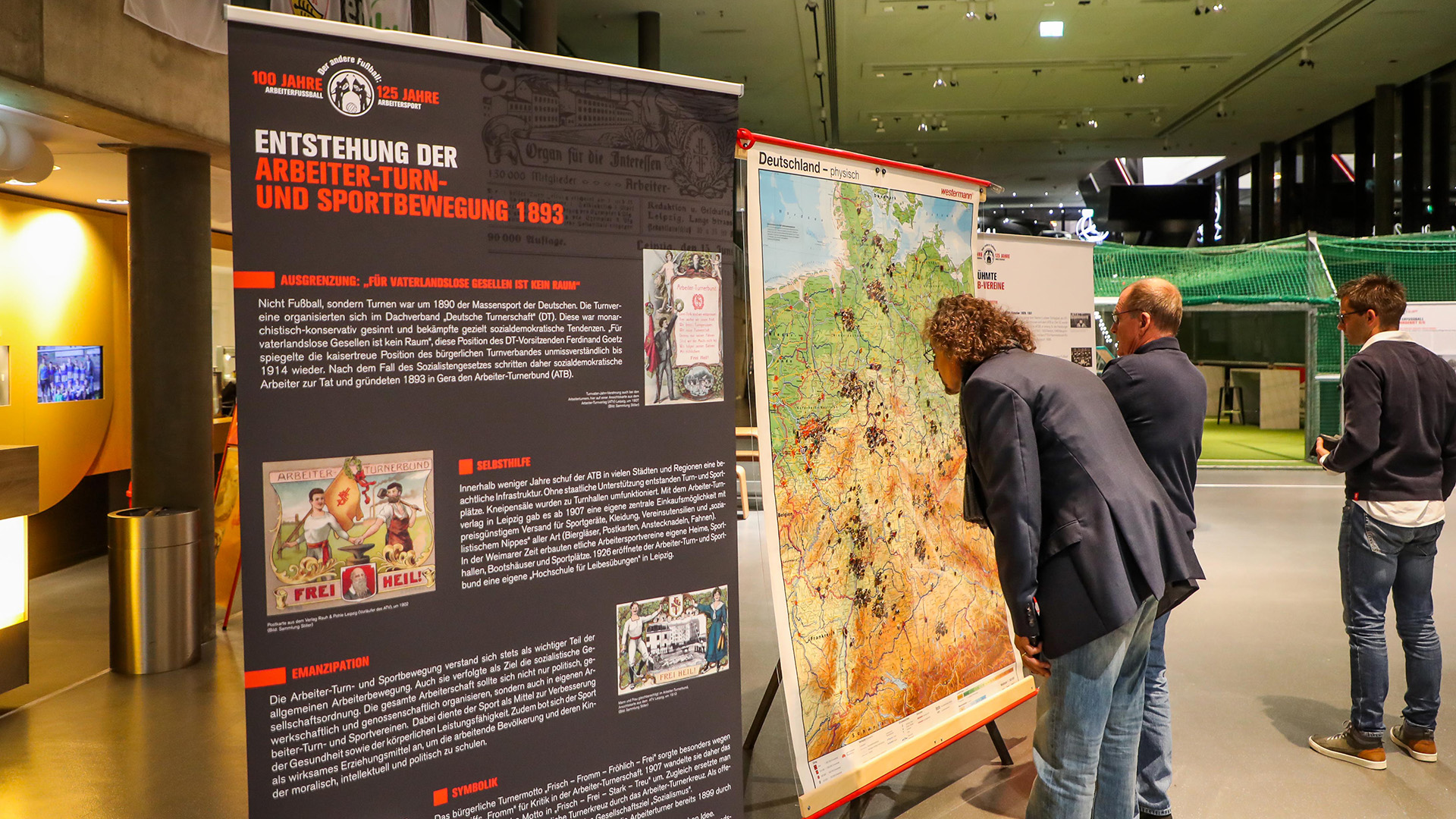
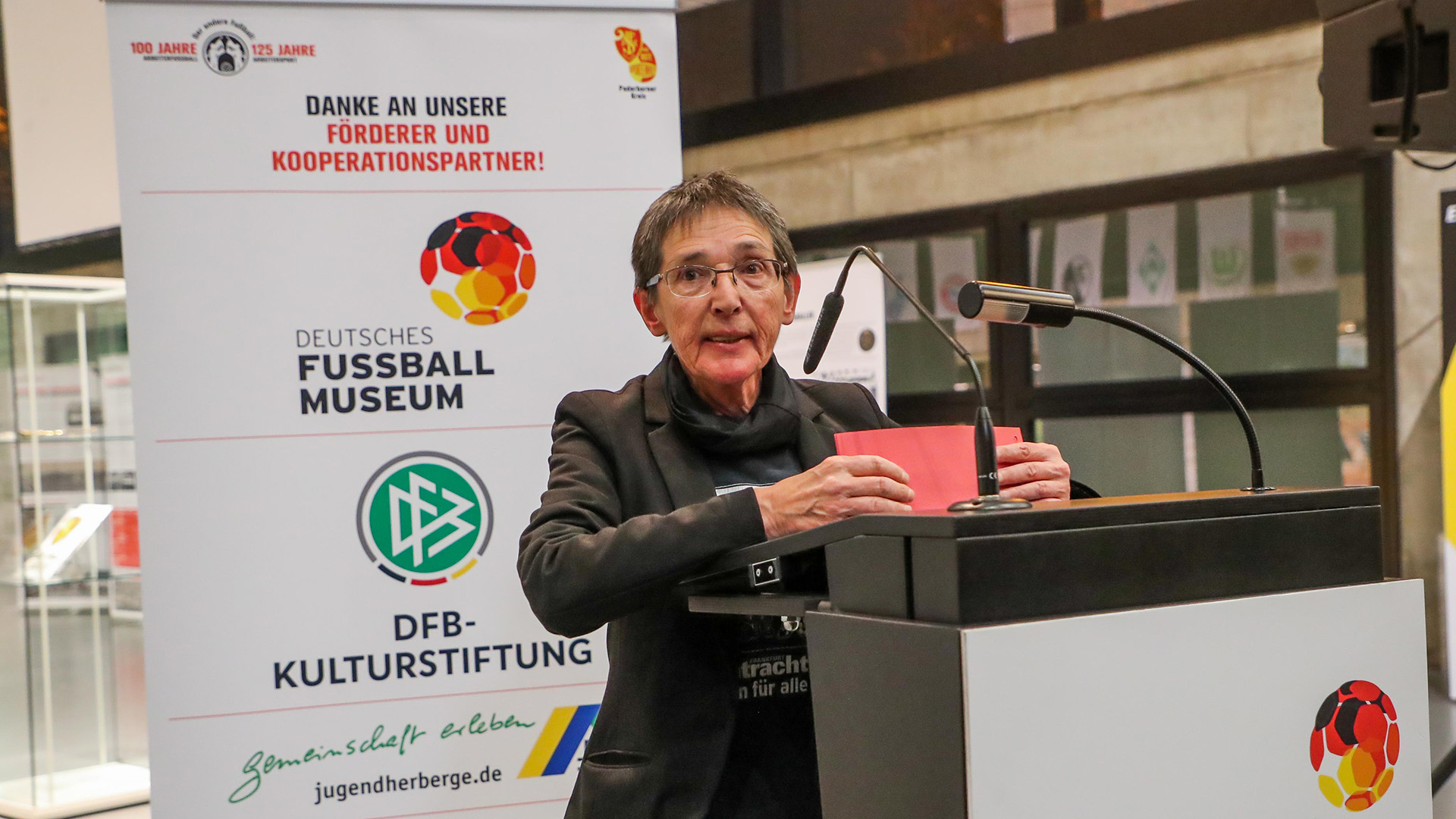
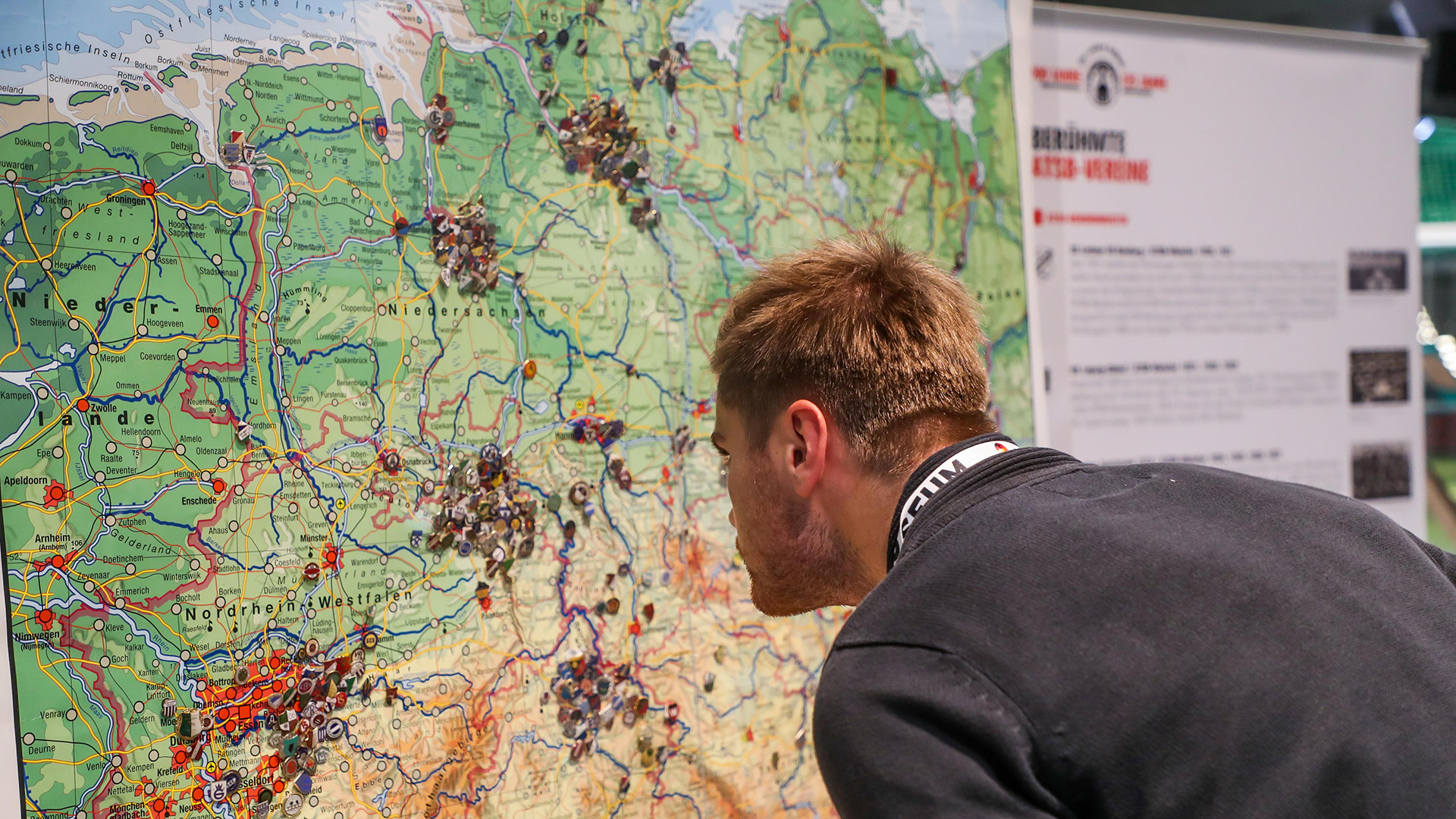
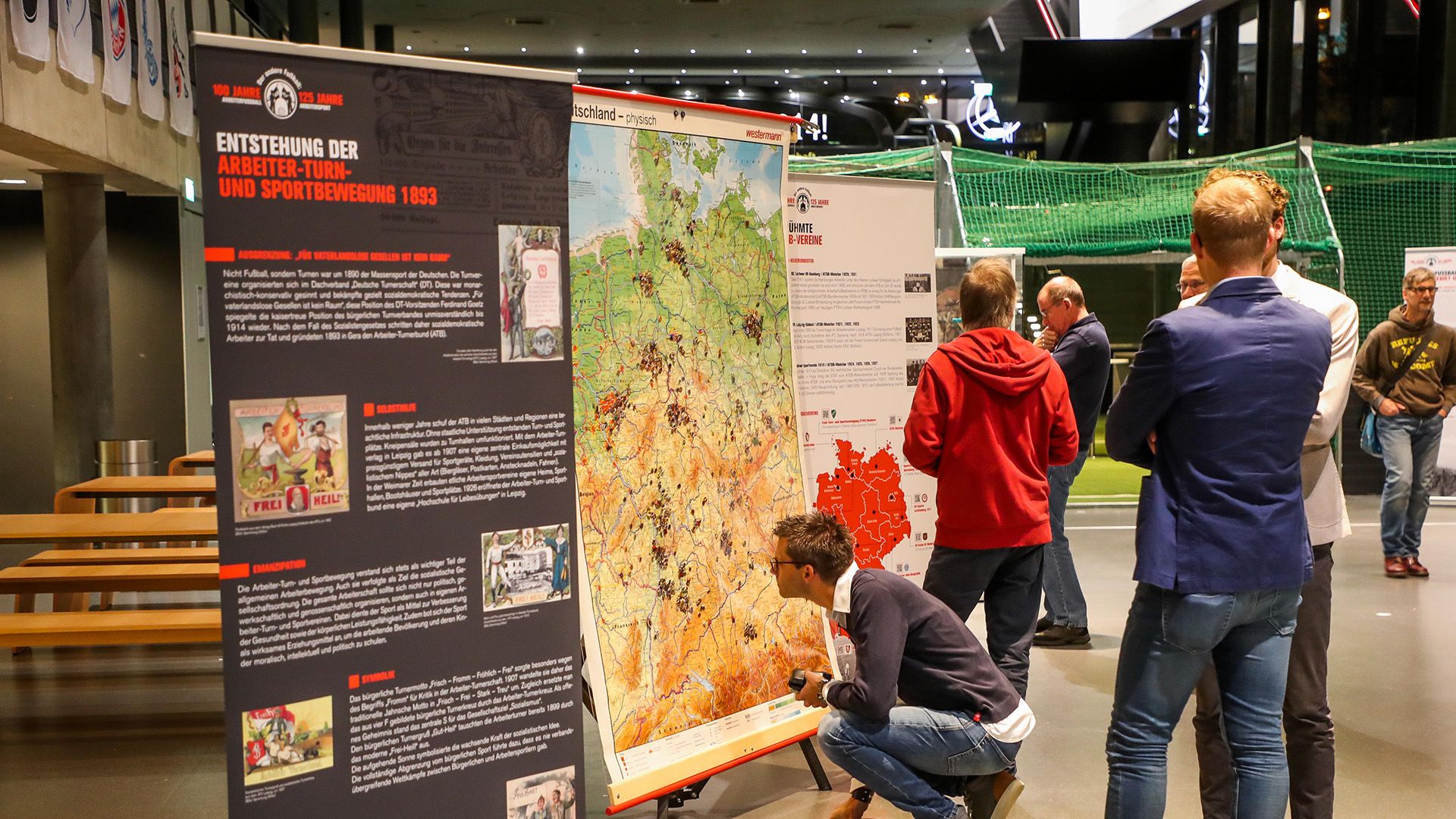
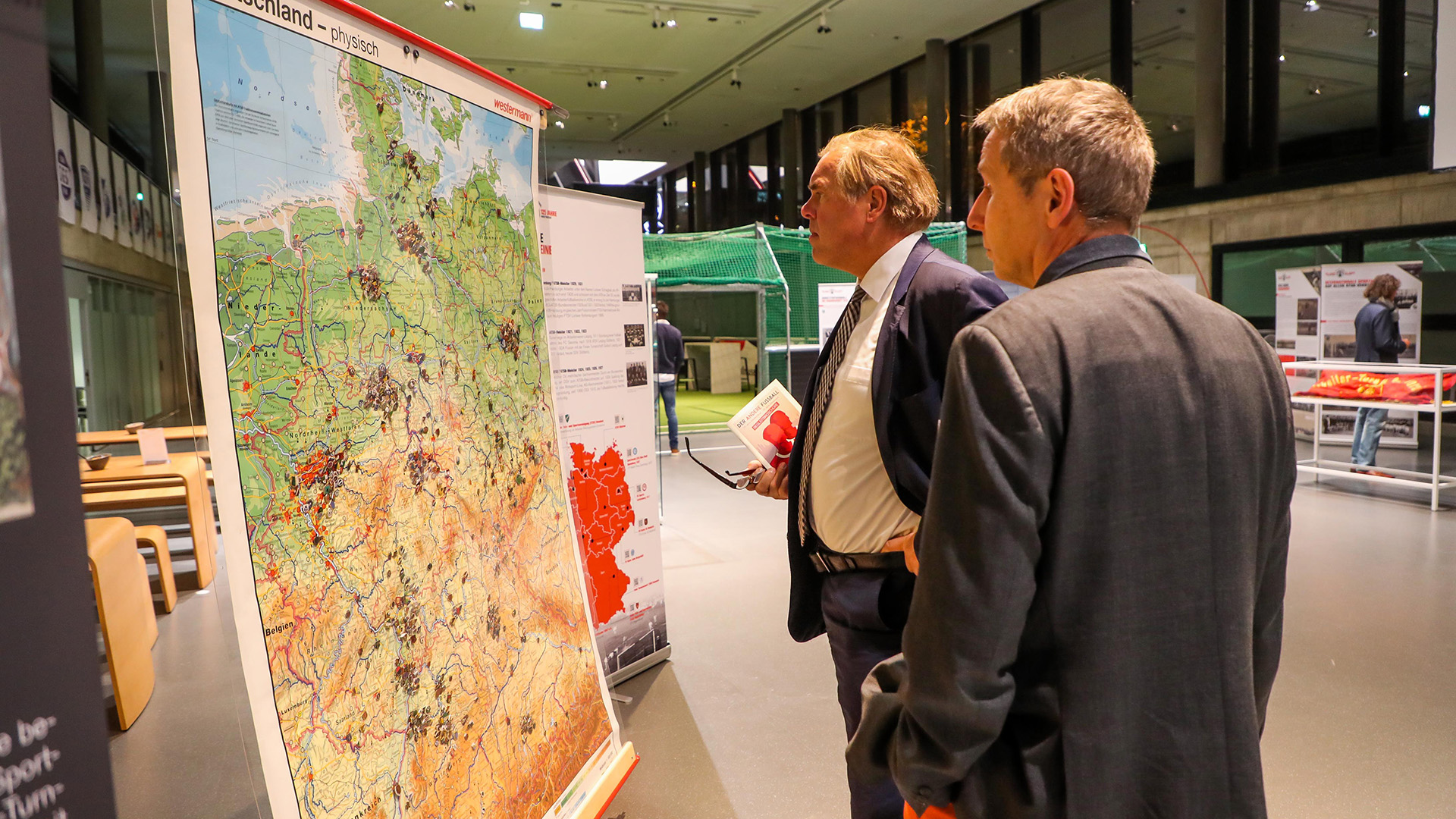
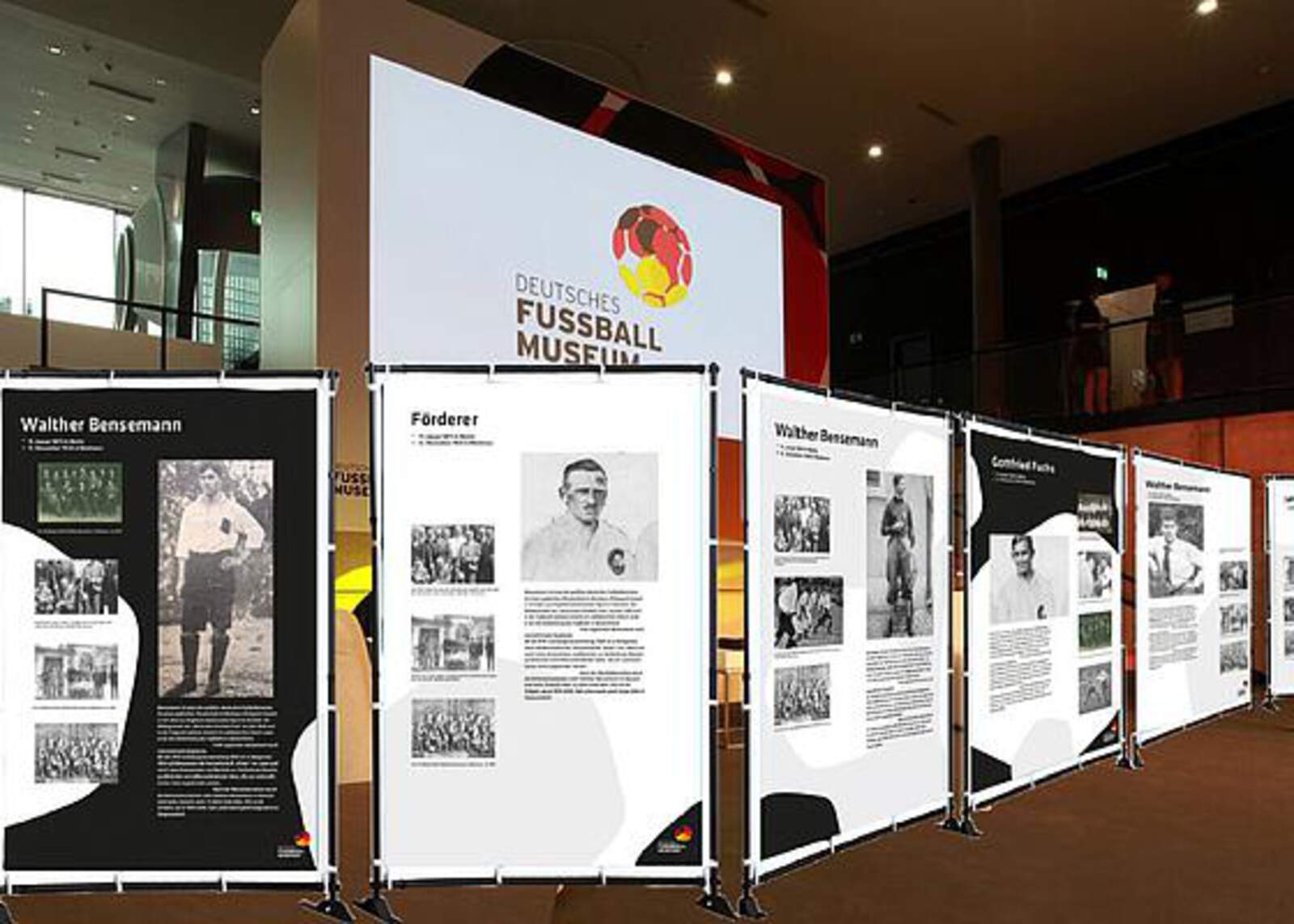
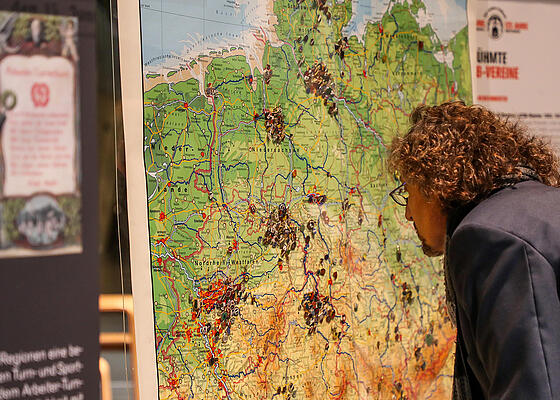
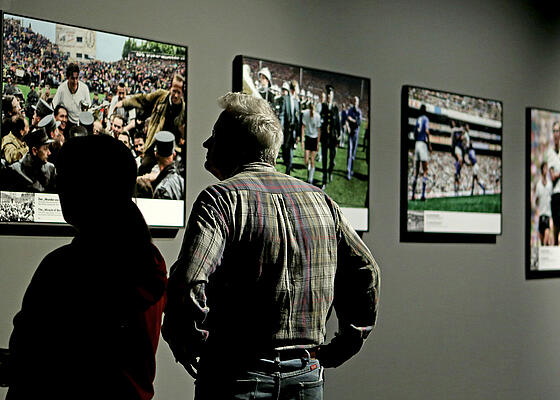
The travelling exhibition ‘The Other Football: 100 Years of Workers’ Football – 125 Years of Workers’ Sport’ was presented to the public for the first time at the German Football Museum. Rare exhibits and a total of 17 illustrated panels shed light on an important chapter in German sporting history.
In the workers’ sports movement – now almost forgotten – men and women had been organising themselves since the end of the 19th century to combine sport with class consciousness and to distinguish themselves from the nationalistically oriented bourgeois sports scene. Workers’ football was a powerful social force, particularly from the 1920s onwards, under the umbrella of the Workers’ Gymnastics and Sports Federation (ATSB) and the communist Combat Association for Red Sports Unity (KG). This tradition came to a violent end when the National Socialists seized power.
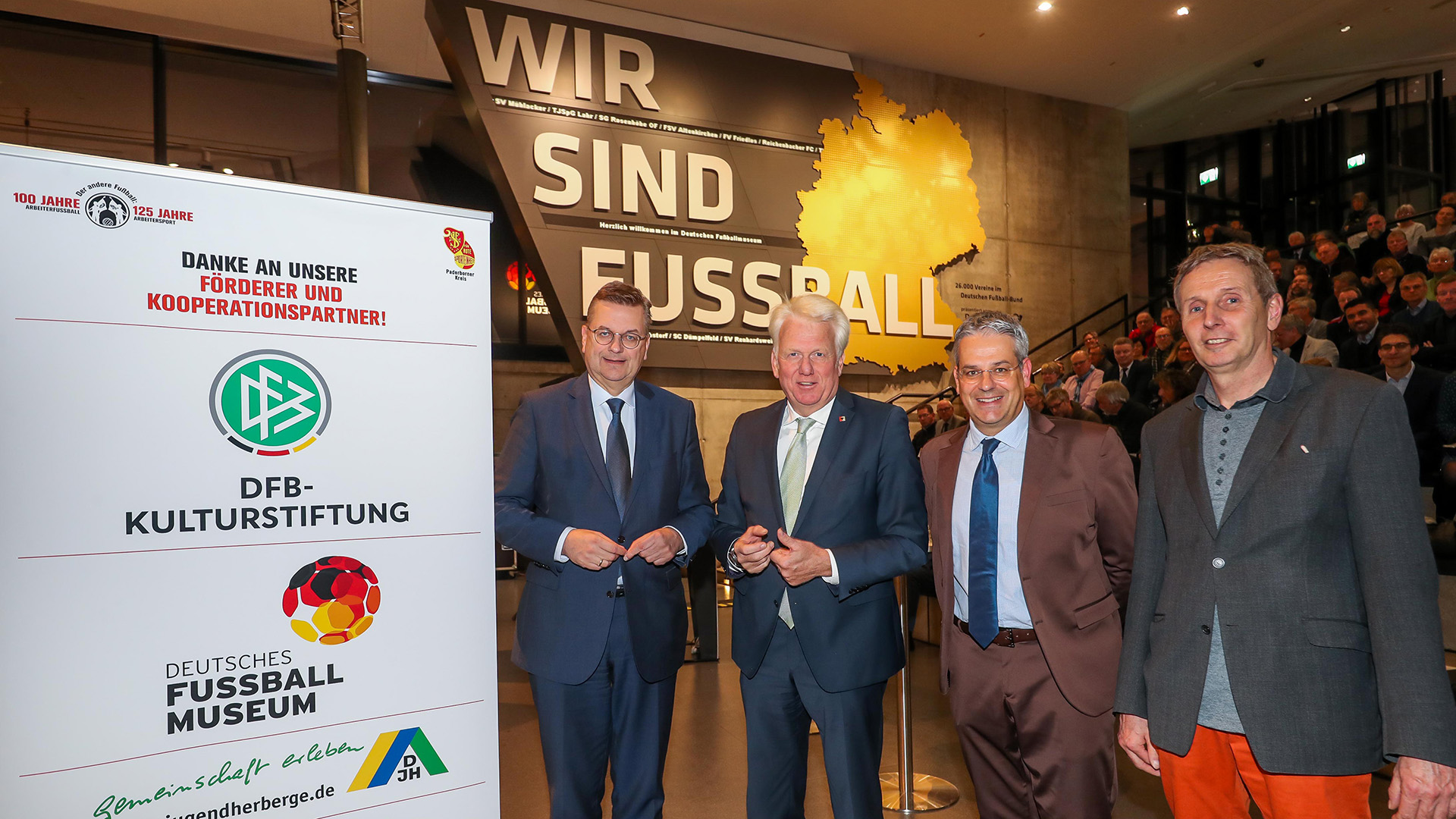
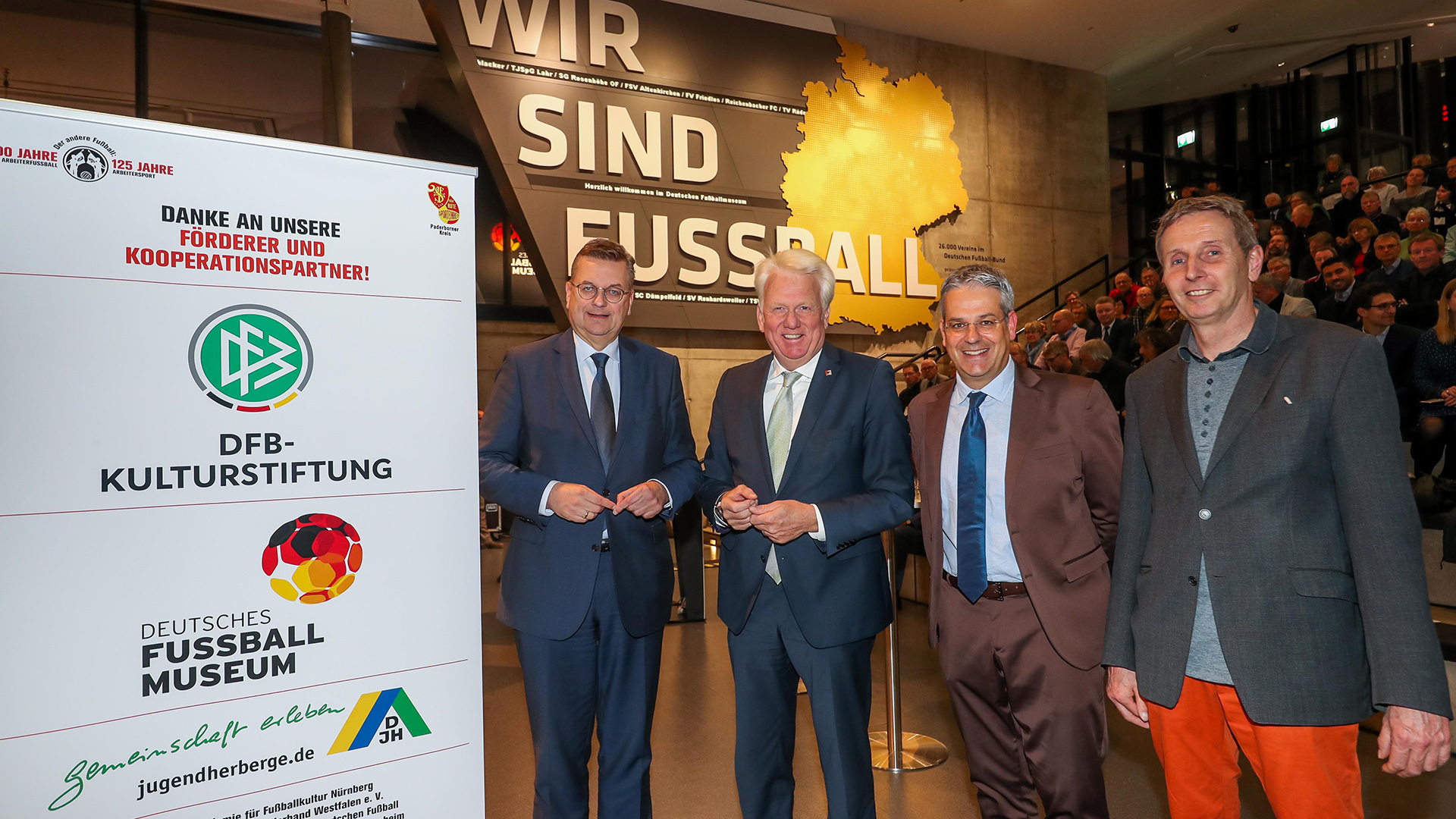
Reinhard Grindel, then President of the German Football Association (DFB), said at the exhibition opening: “Workers’ sport is part of the history of German football and, with its values of fair play and solidarity, has contributed to its successful development. Nevertheless, football was then, as it is now, a reflection of social conditions. And so it is certainly to be welcomed that today we feel the great integrative power of football much more strongly across social classes.”
In his speech, Dortmund’s Lord Mayor Ullrich Sierau highlighted how the Ruhr region’s footballing tradition is closely linked to hard work. “And the associated spirit of community, of working together and keeping our feet on the ground, is still very much alive today and remains, as it always has, an essential and identity-forming part of sport in this region.”
In his welcome address to the approximately 250 invited guests, museum director Manuel Neukirchner emphasised the significance of the ideals of workers’ sport for one of Germany’s greatest football idols: “Uwe Seeler’s attitude to football was greatly influenced by his father Erwin, who won the ATSB national championship in 1929 and 1931 with SC Lorbeer 06, a Hamburg workers’ sports club. As captain of the national team, Uwe always exemplified the values instilled in him by his father – such as fairness, respect and a willingness to give his all – thereby earning great recognition for himself and his team far beyond the boundaries of national football.”
“The Other Football: 100 Years of Workers’ Football – 125 Years of Workers’ Sport” was conceived by the Paderborner Kreis e.V. and, following its exhibition at the German Football Museum in January 2019 to mark the DFB Remembrance Day, “!Nie wieder”, the exhibition moved on to its next stop in Frankfurt am Main.
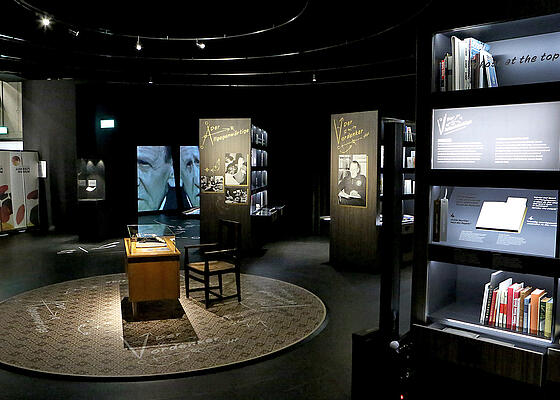
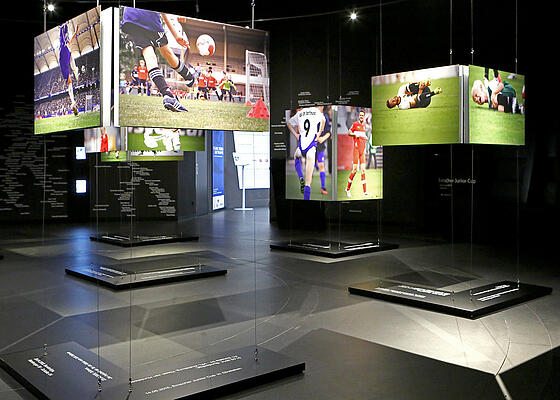
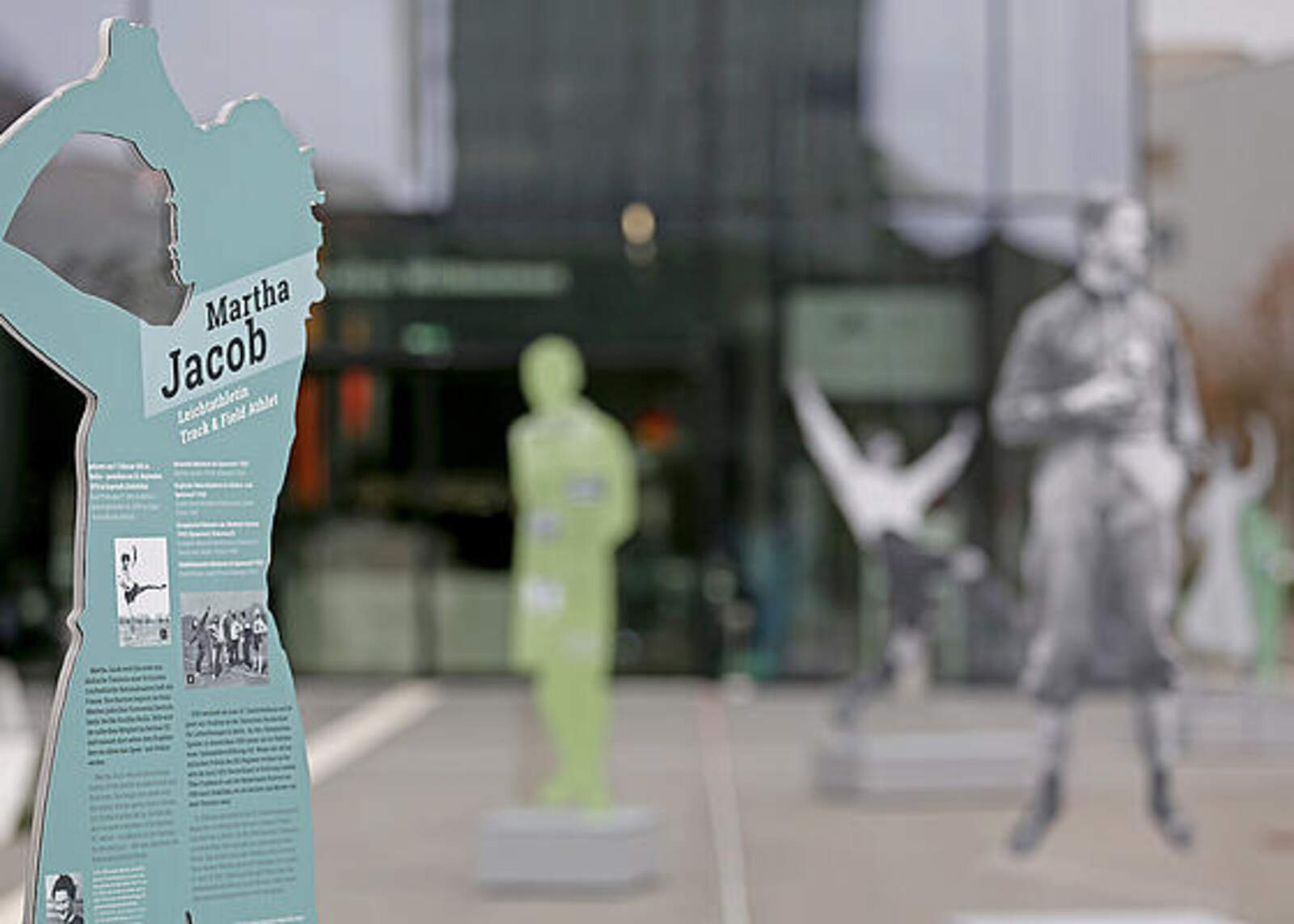
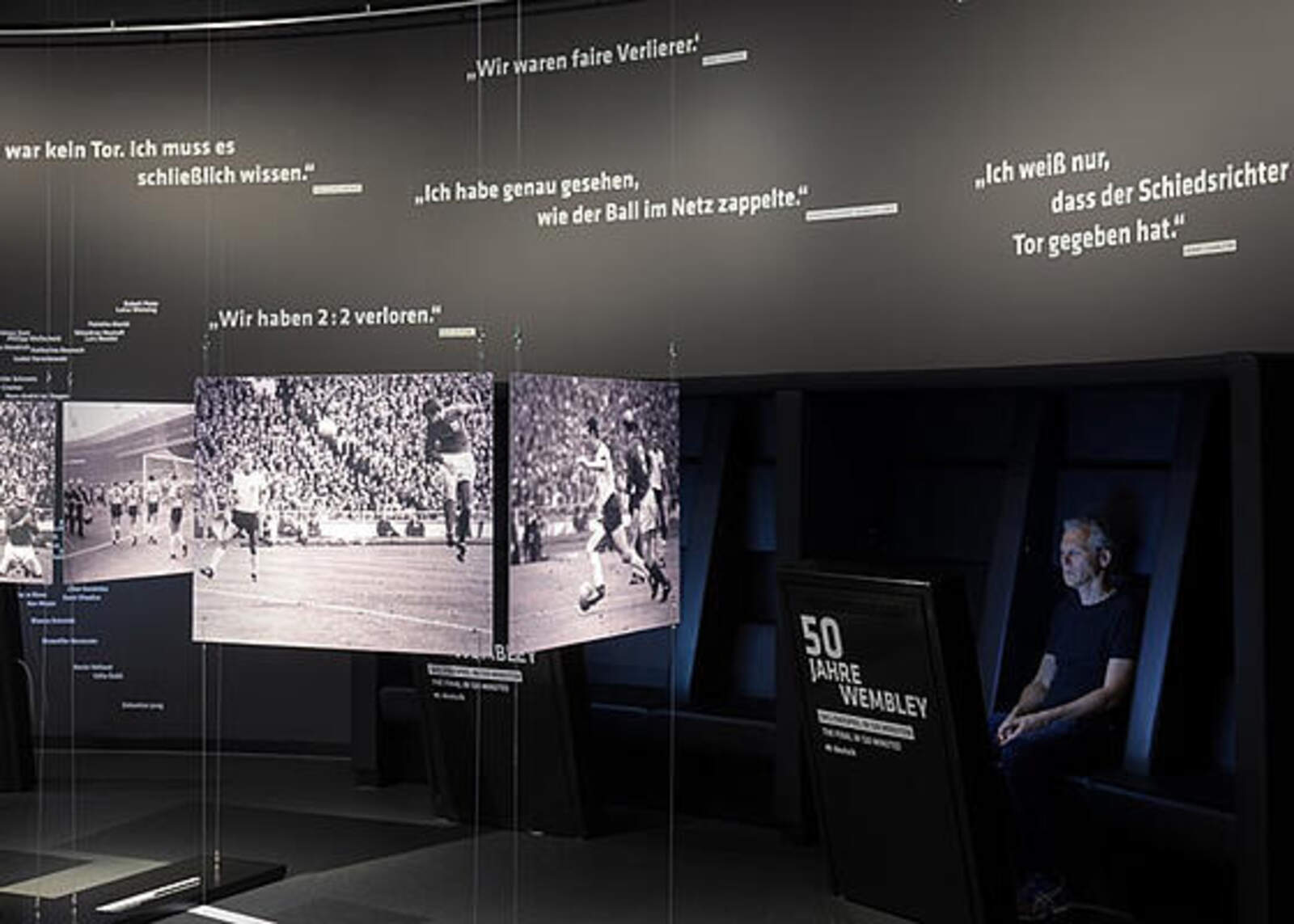
Snapshots of the special exhibition




![[Translate to Englisch:] 100 Jahre DJK - Eröffnung](/fileadmin/_processed_/3/e/csm_fussballmuseum-100-jahre-djk-sport-leib-seele_ab21a5151e.jpg "100 Years of DJK – Opening Ceremony")


We look forward to seeing you! Book your tickets here...