EN
EN
 DE
DE


Between Success and Persecution
9 October to 19 November 2017 – Special exhibition on the forecourt
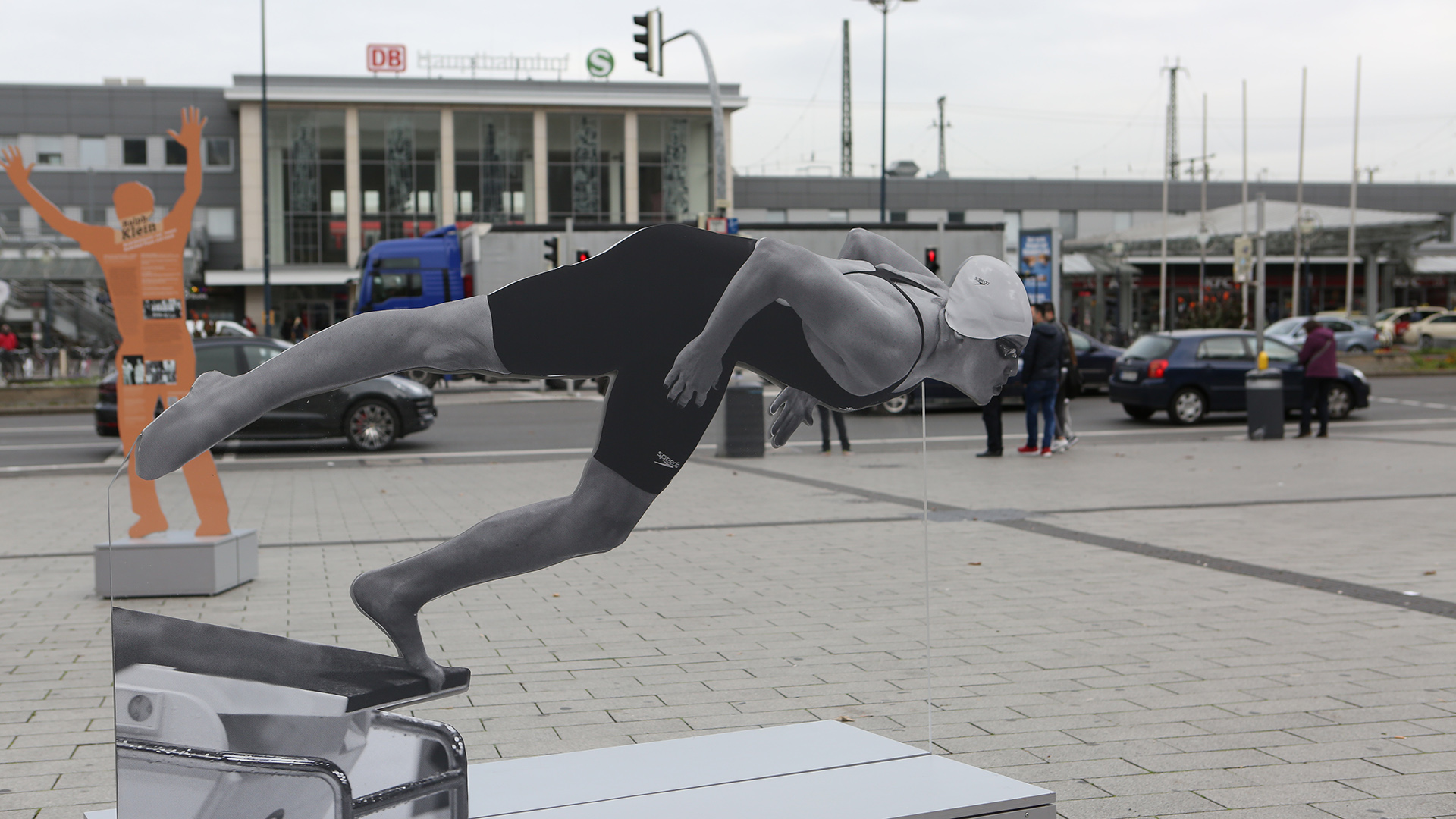
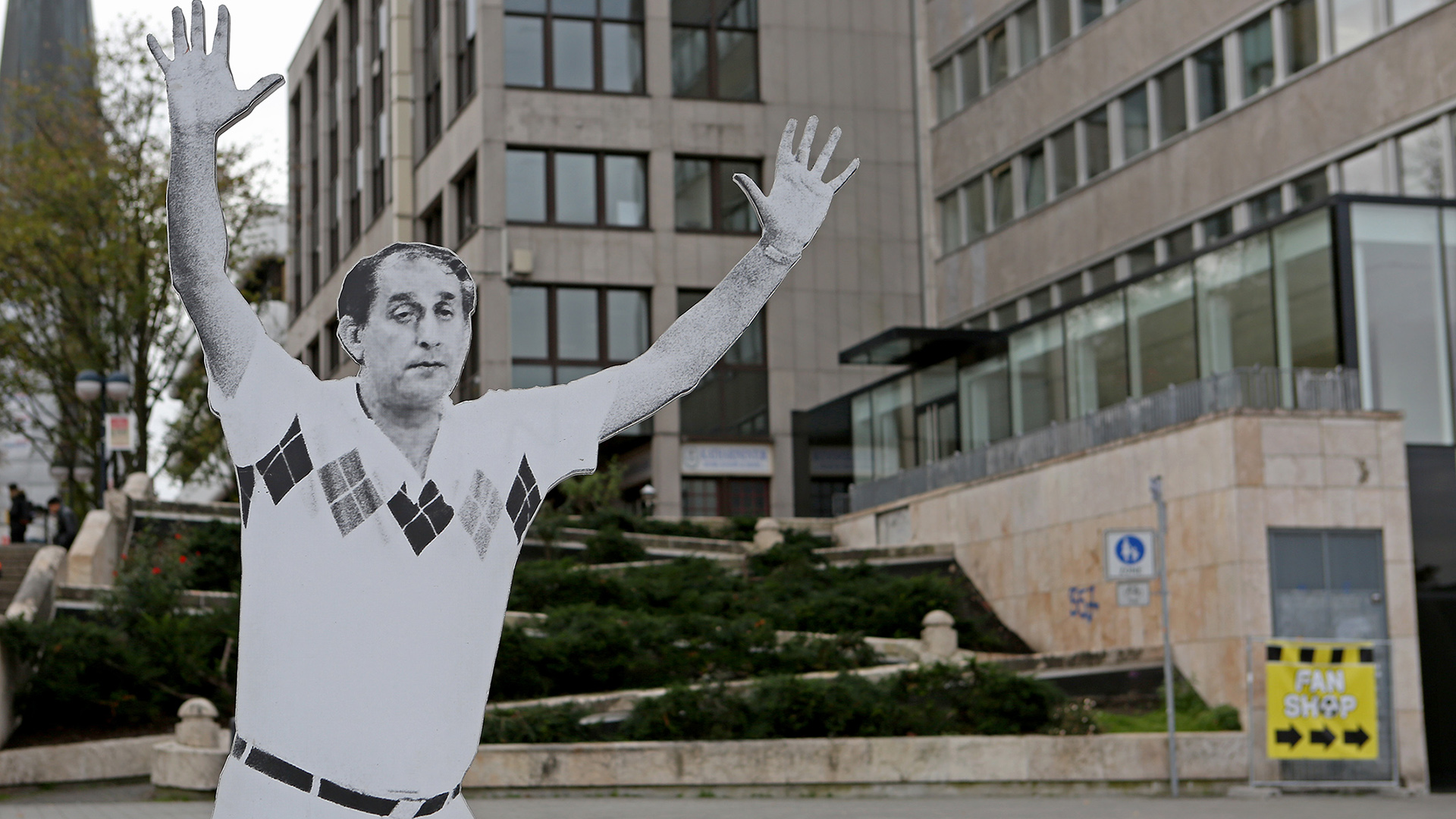
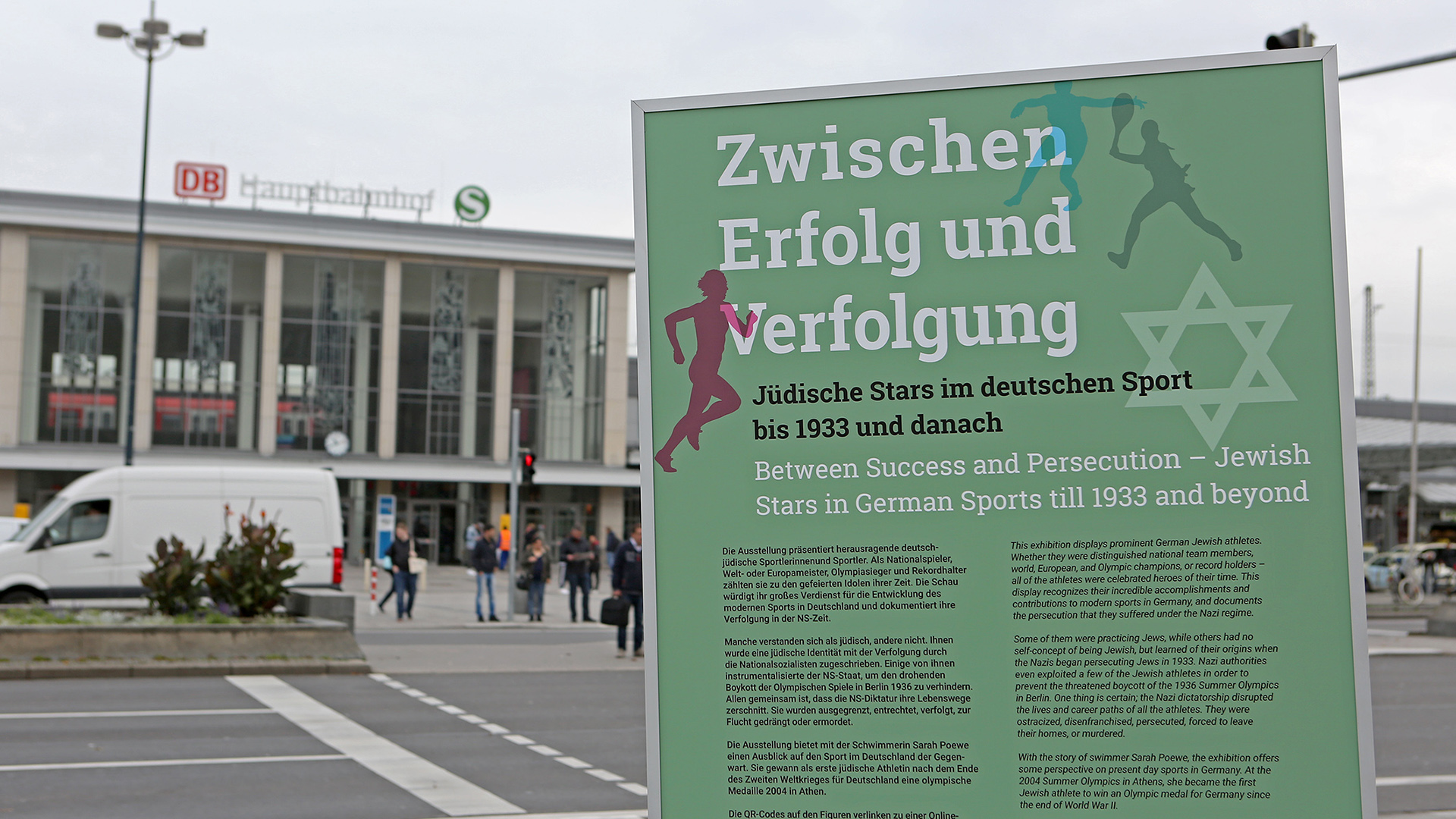
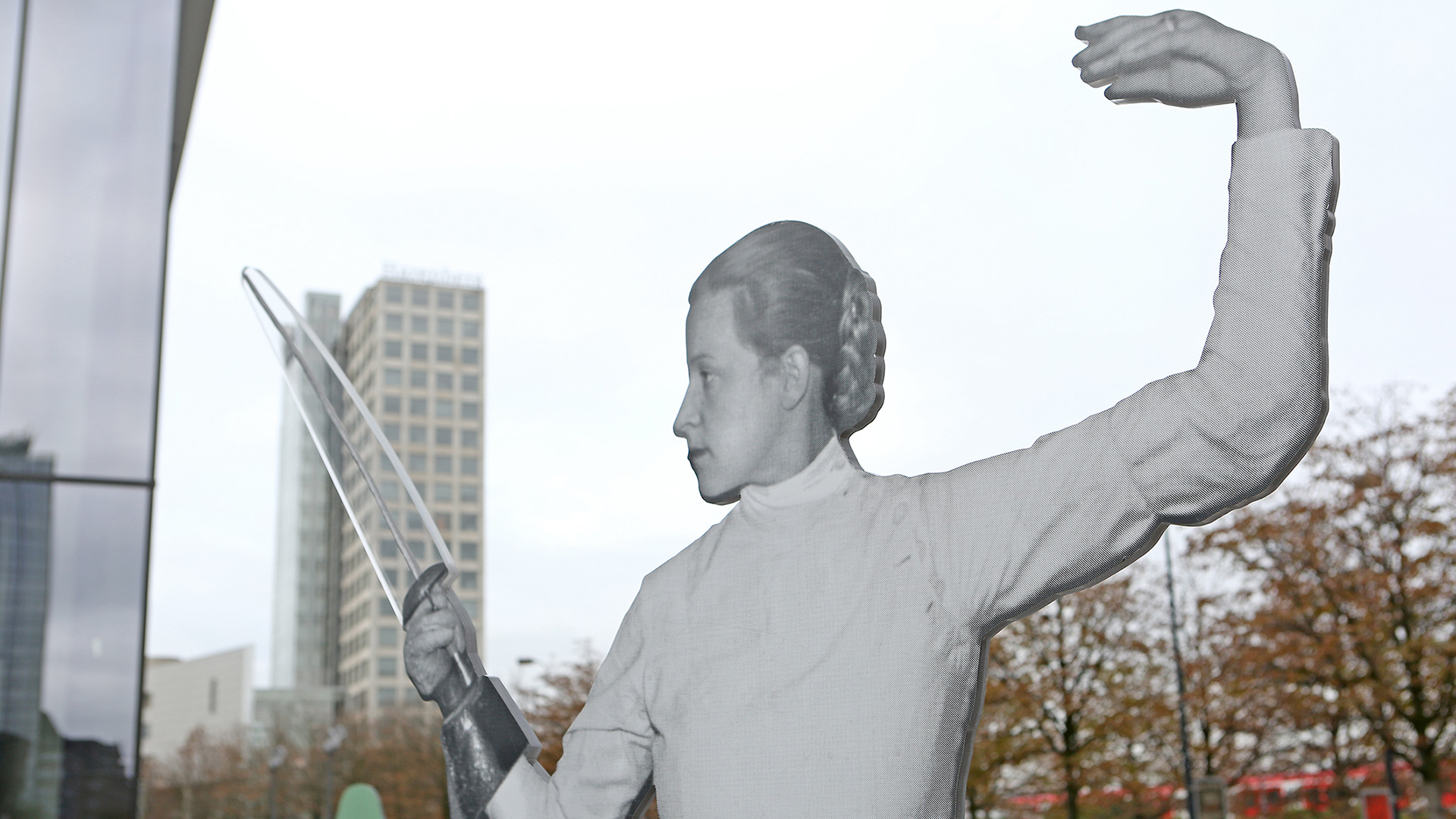
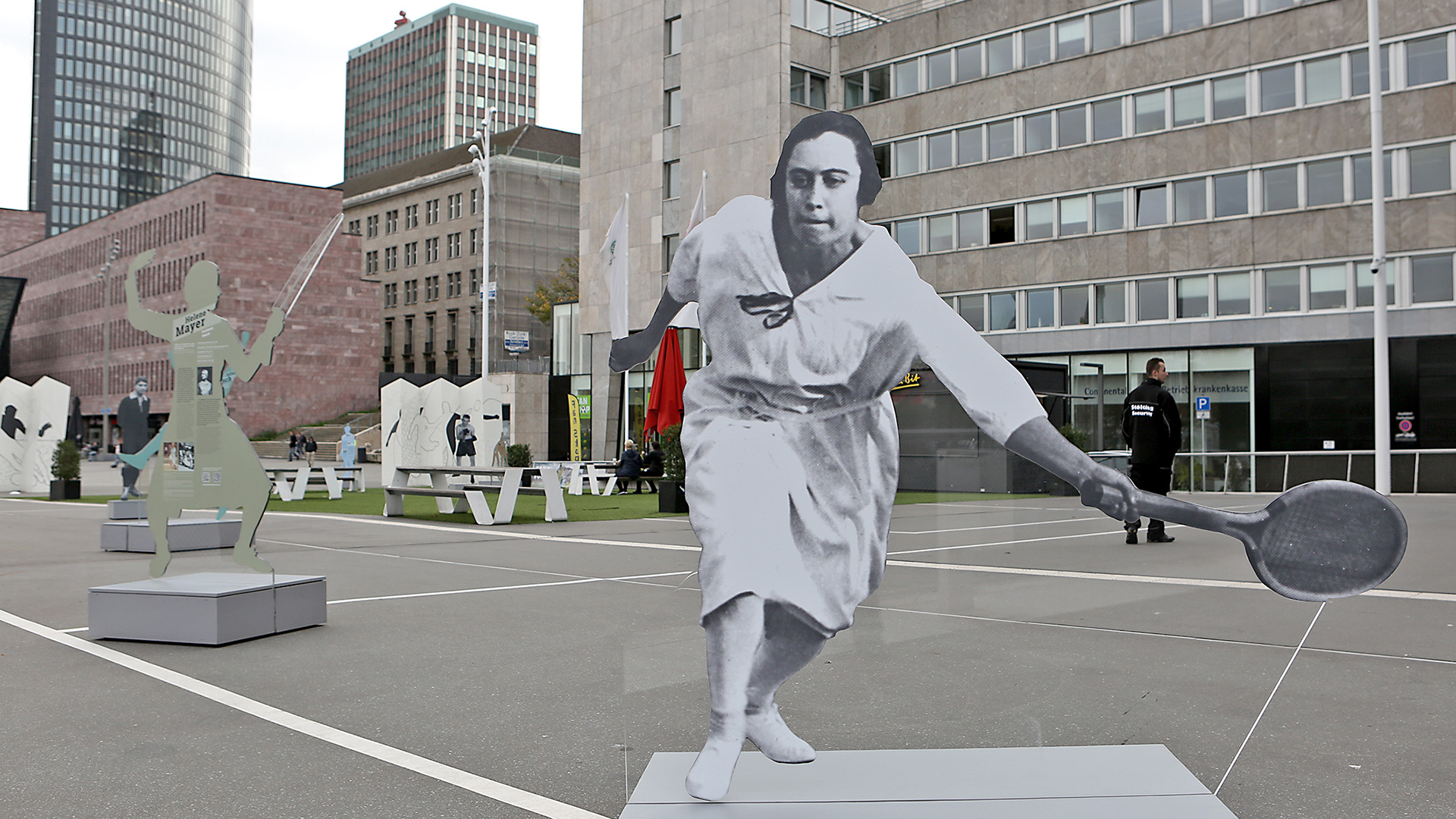
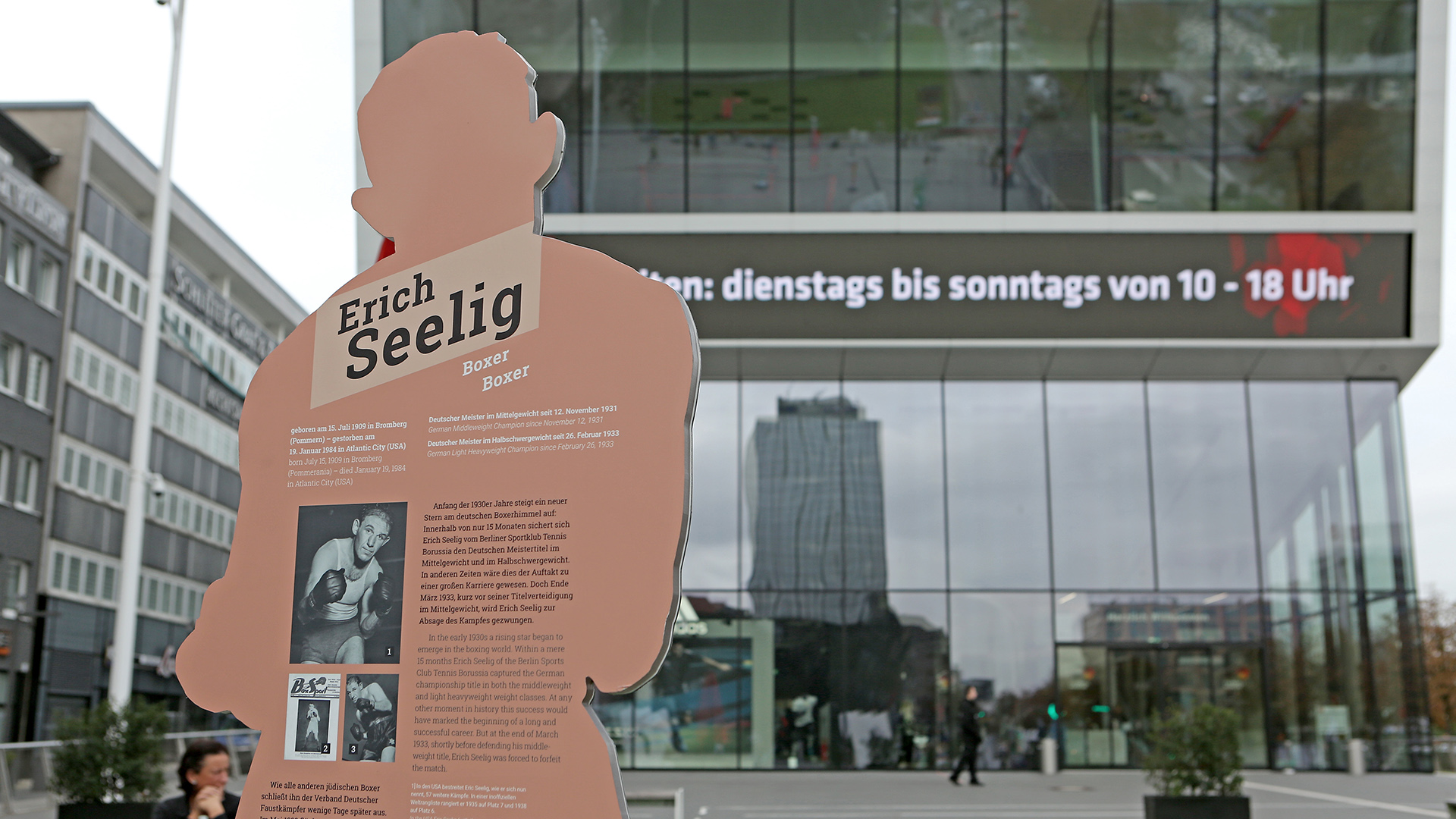
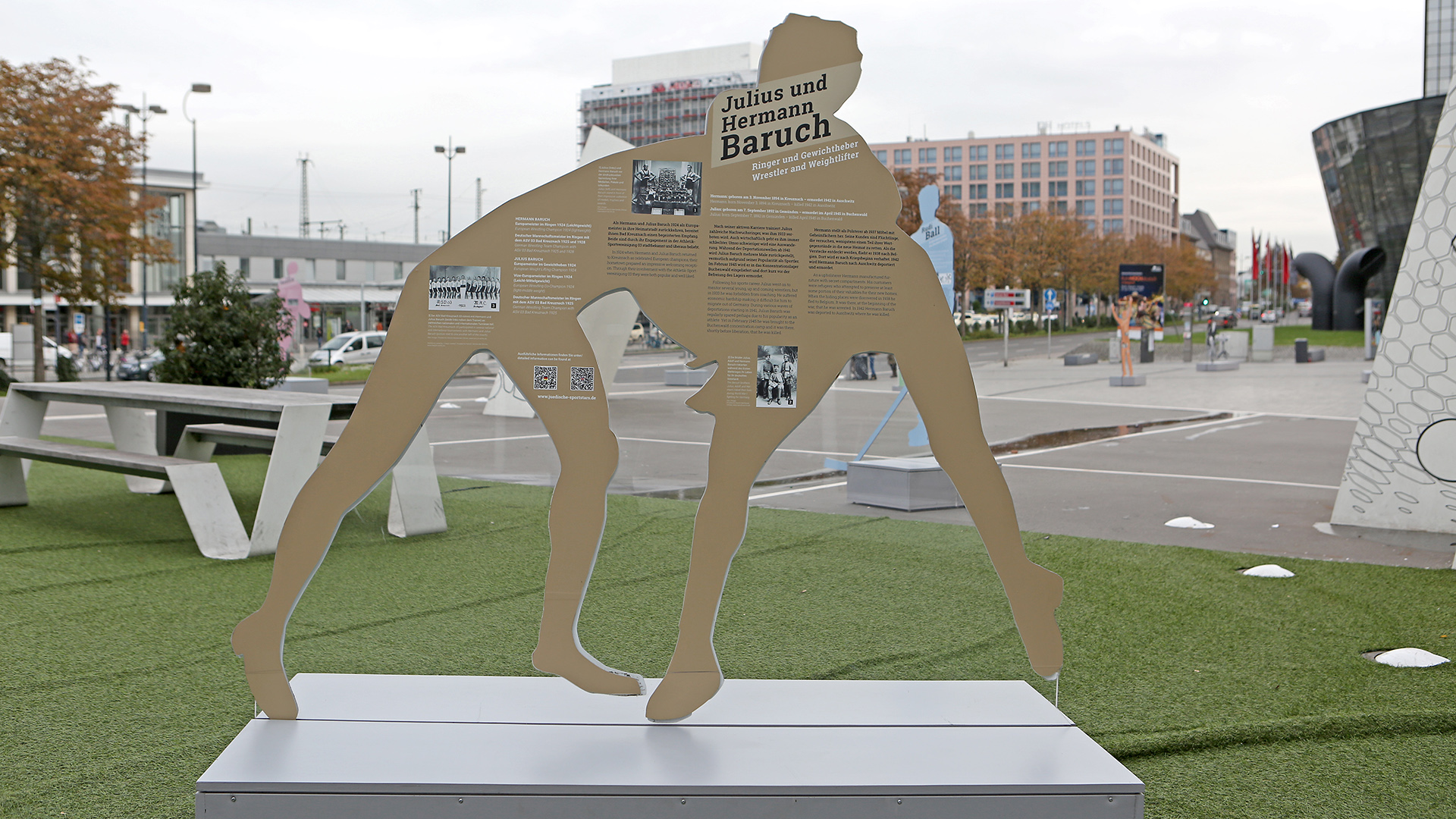
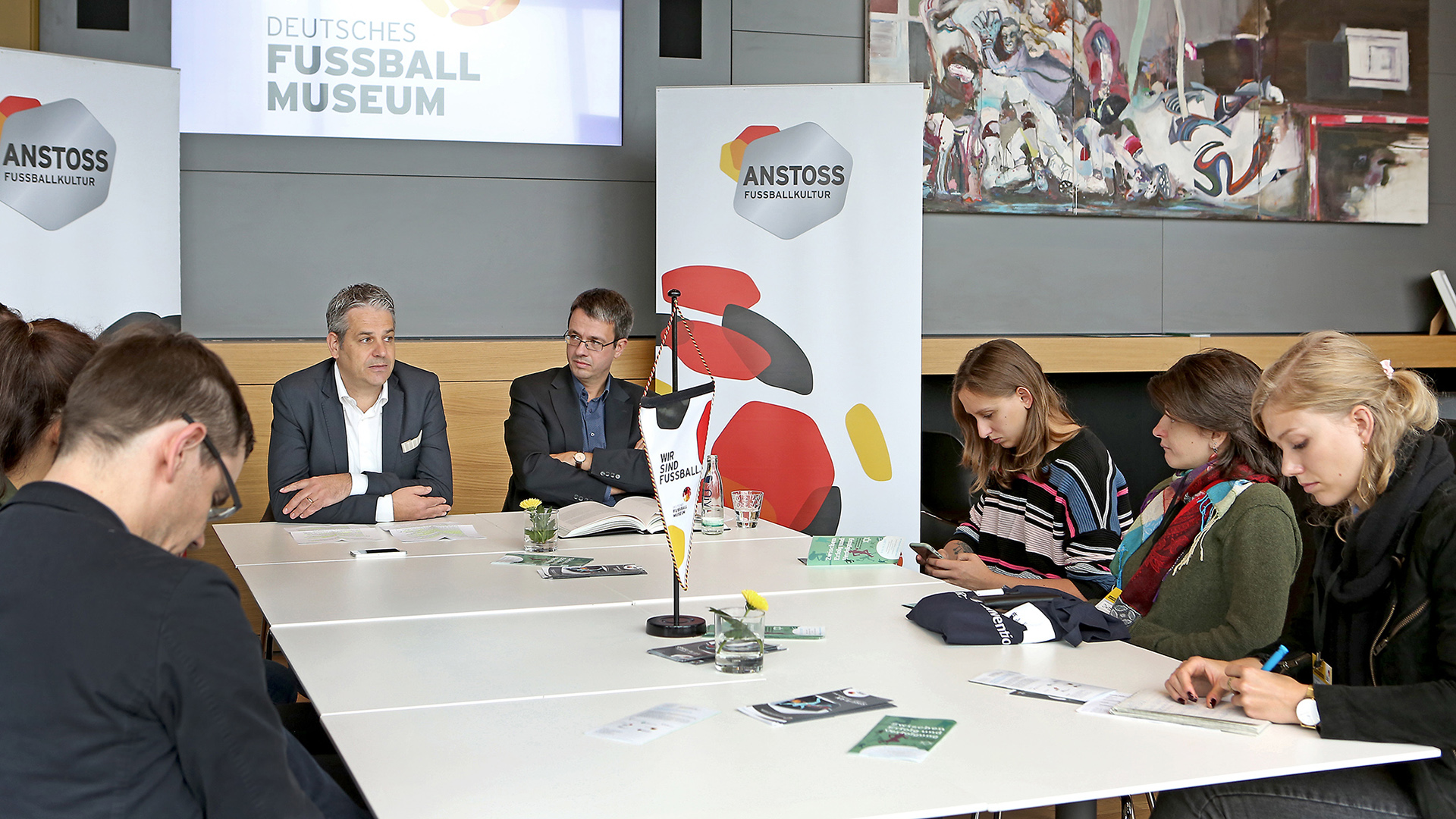
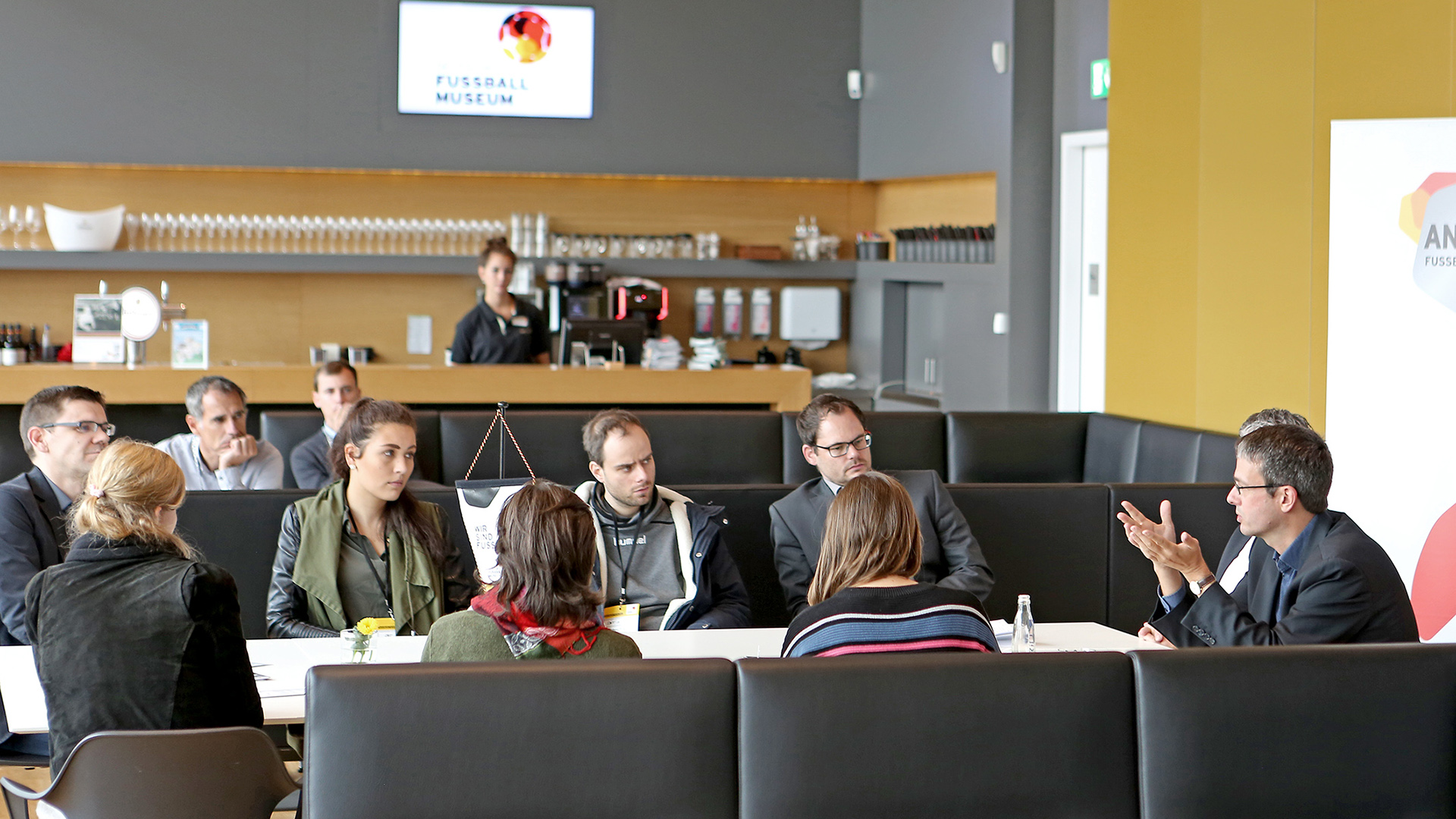
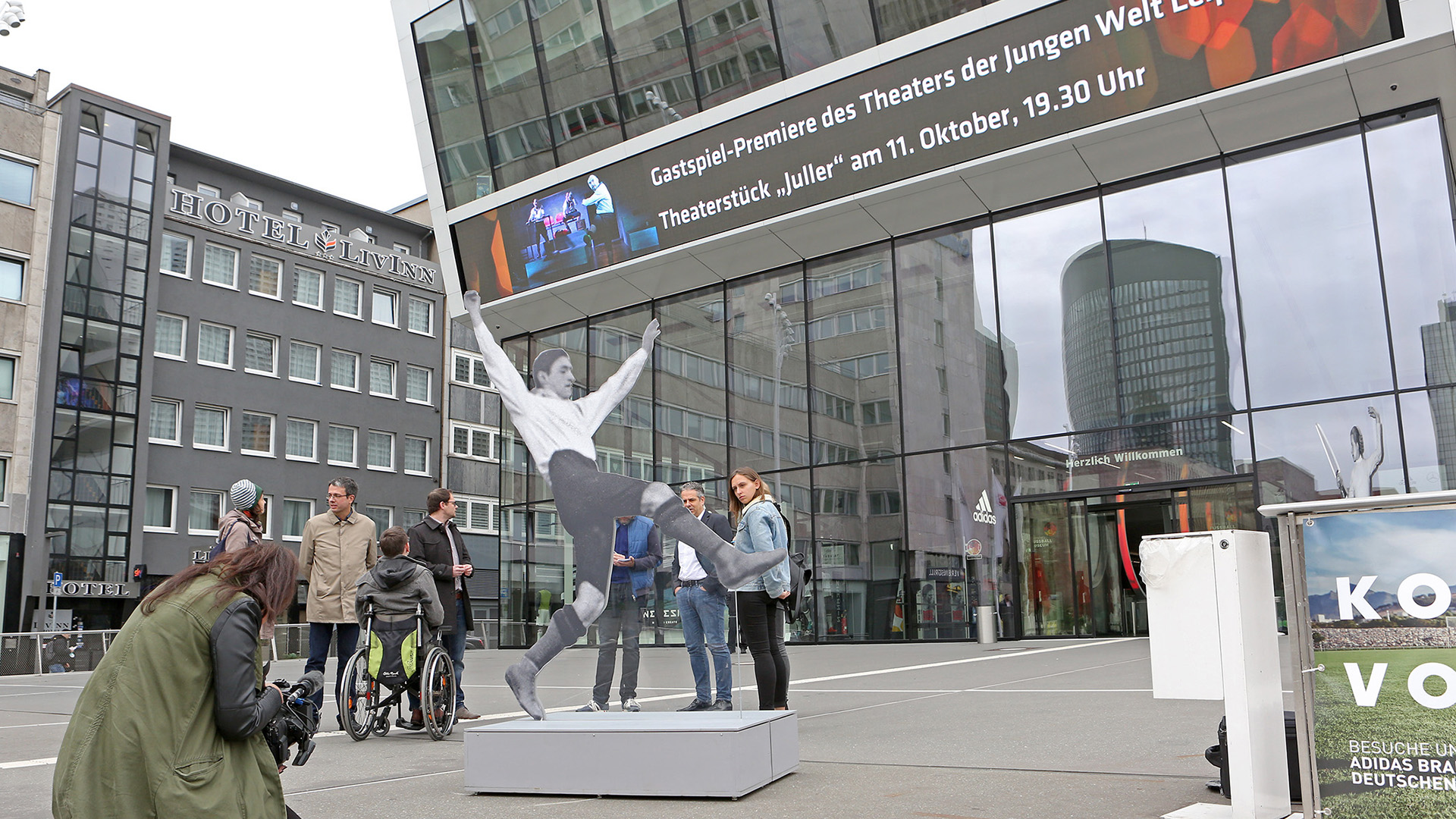
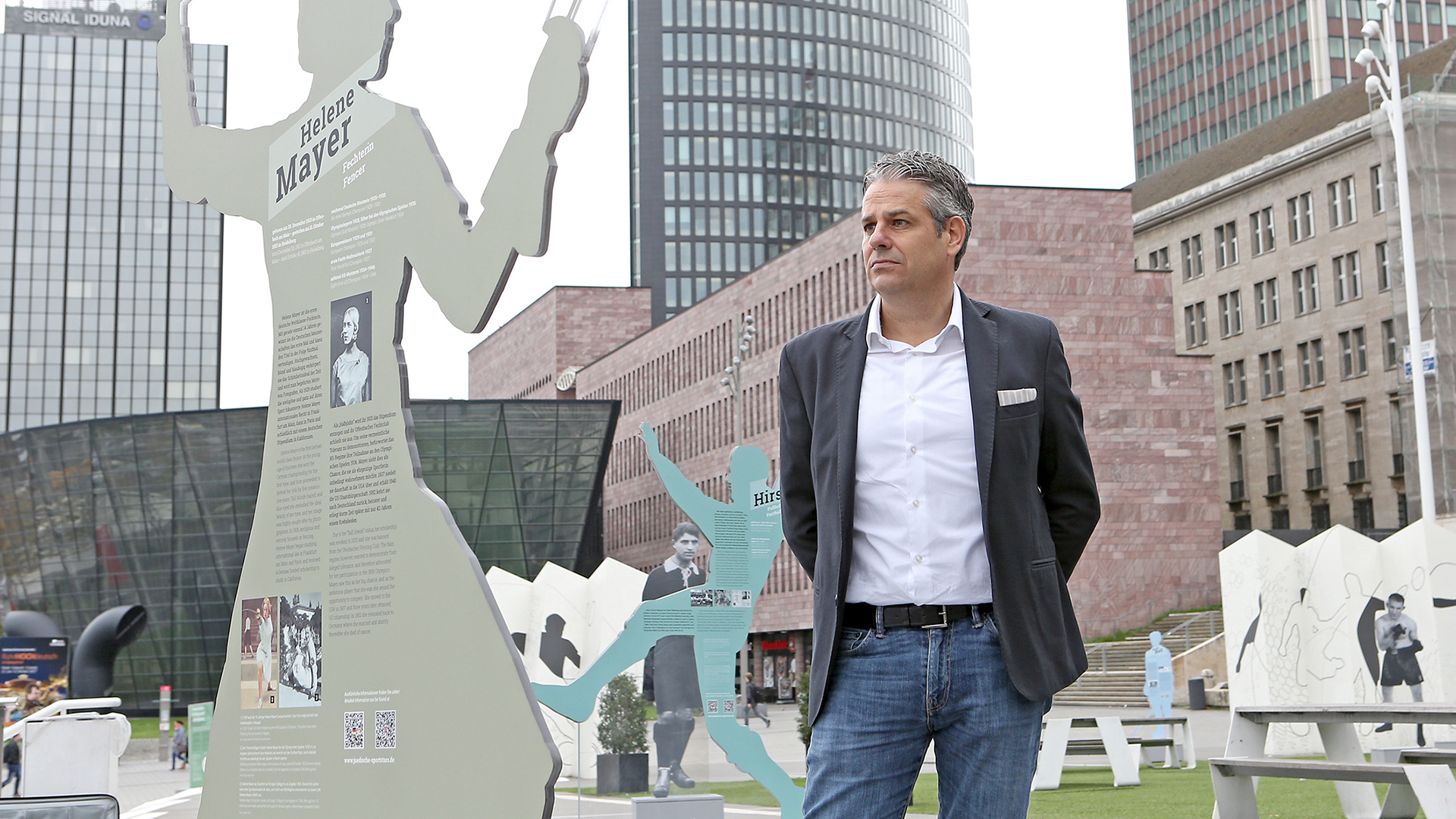
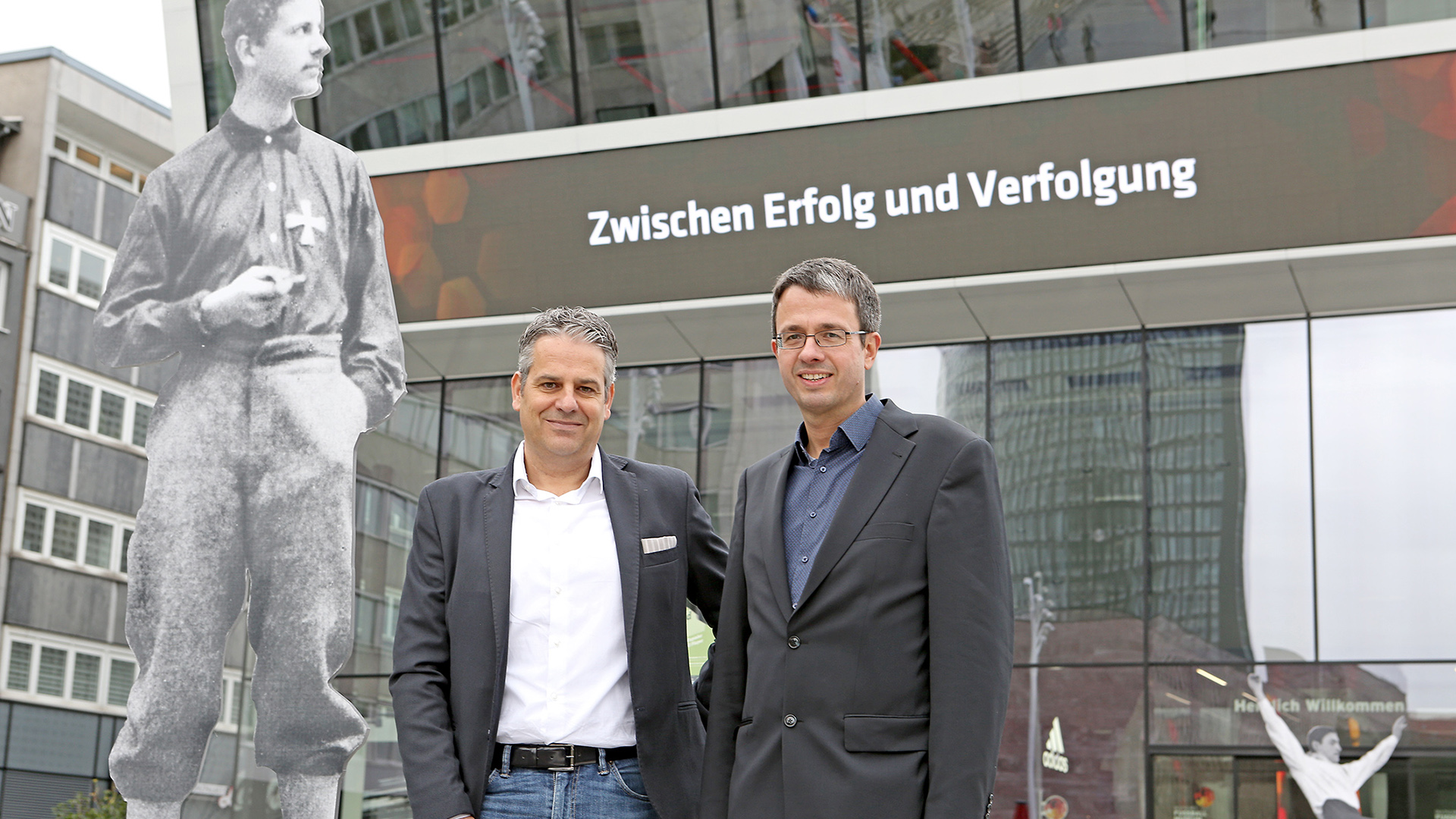
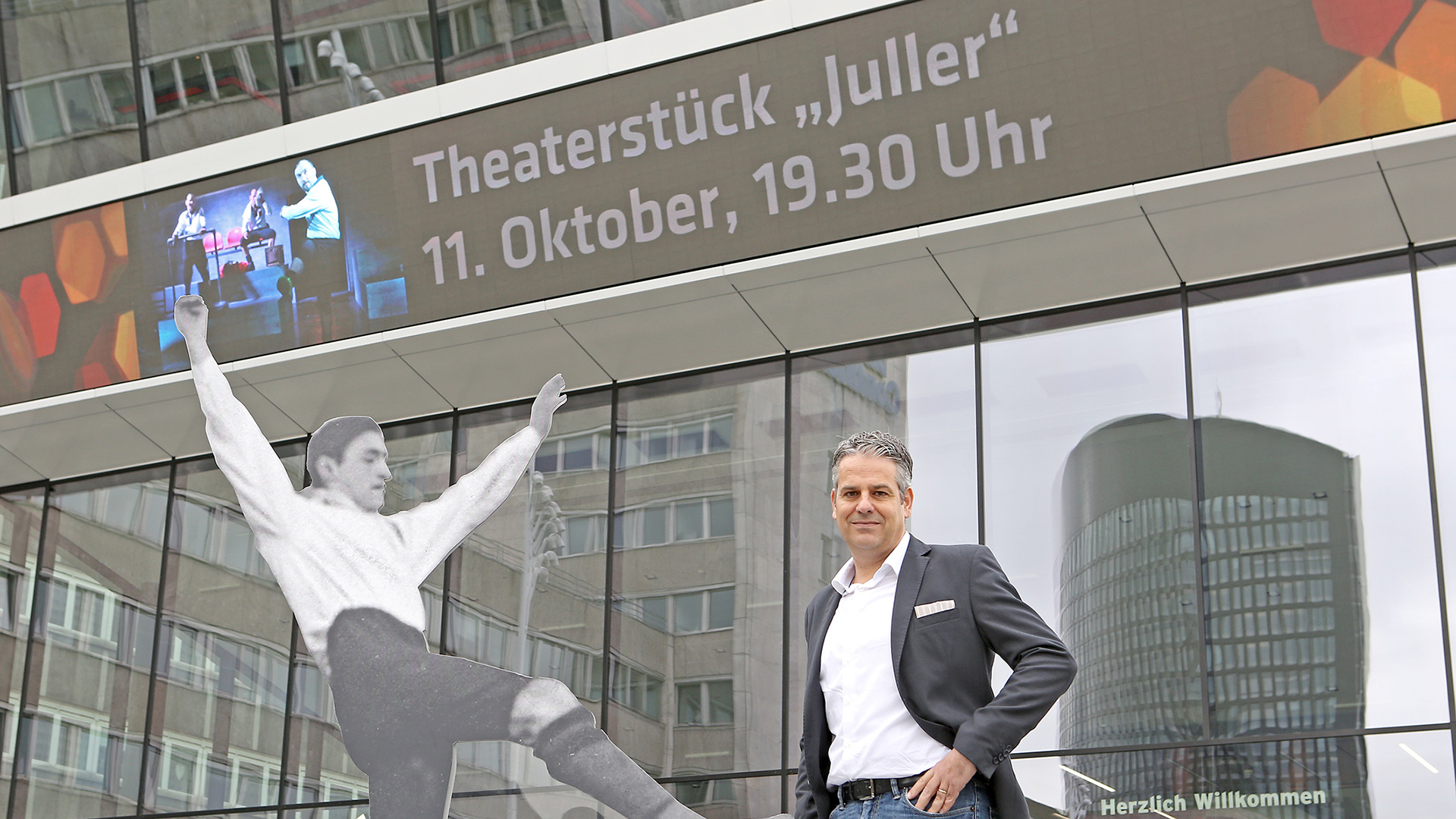
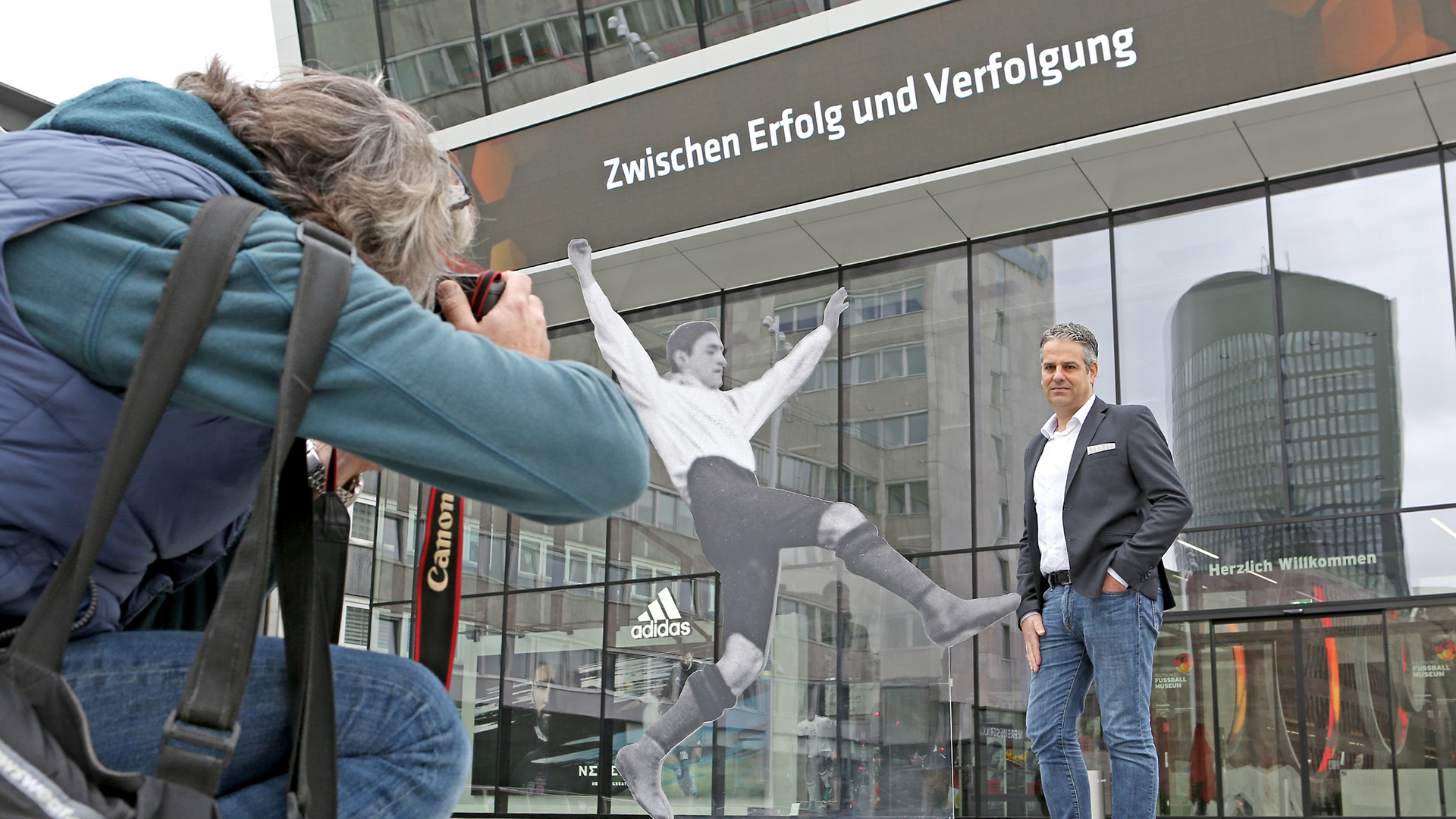
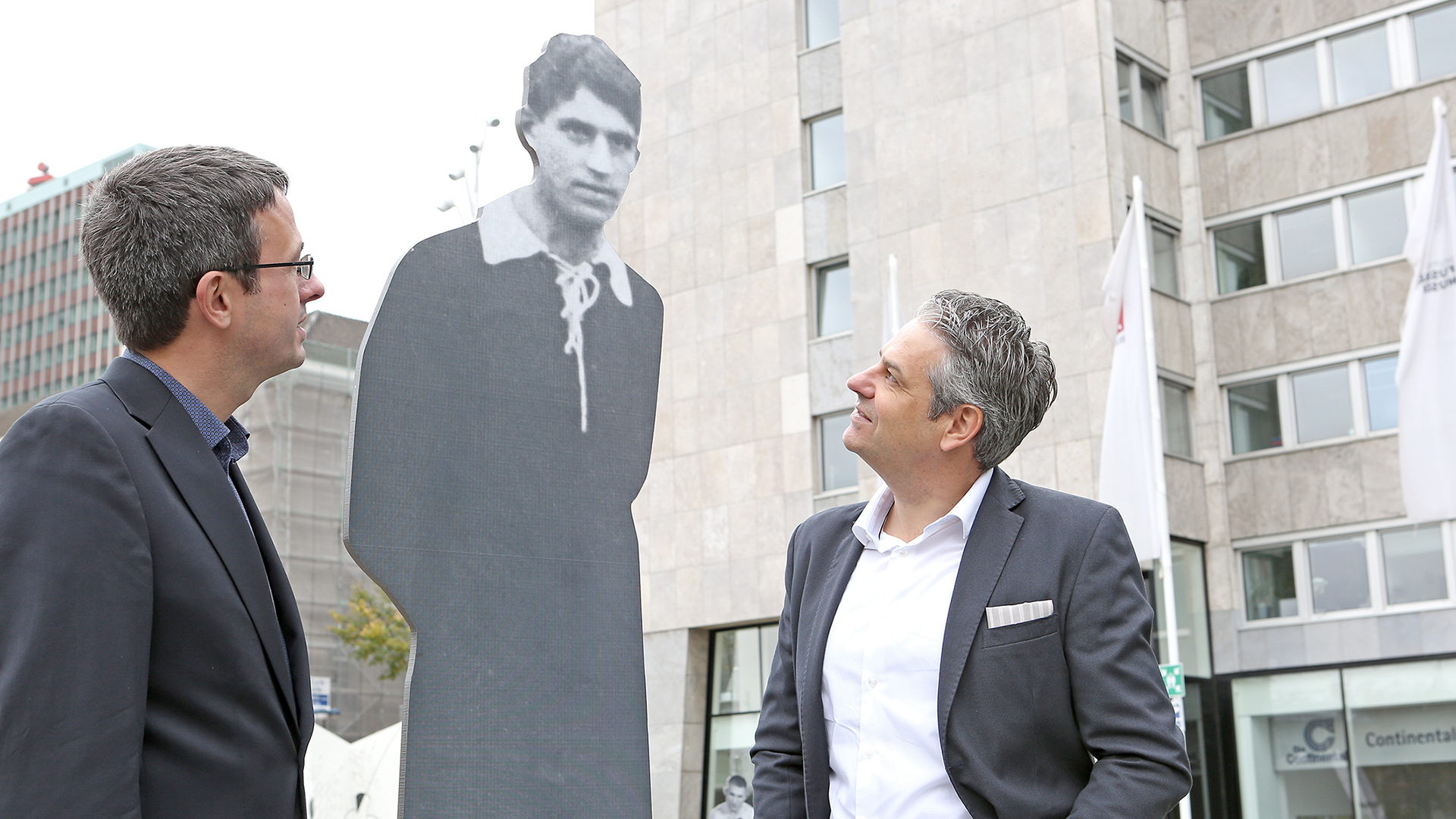
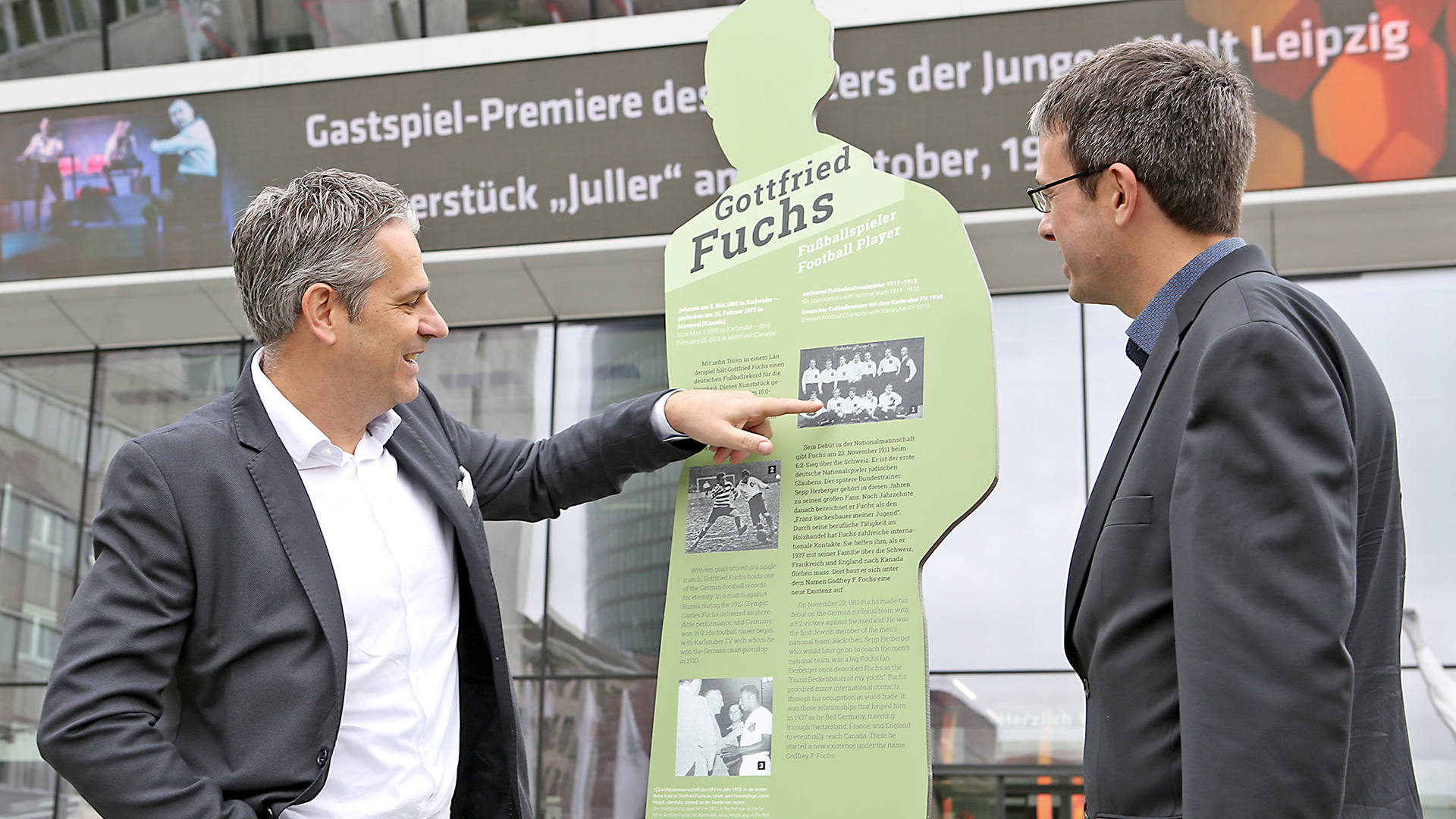
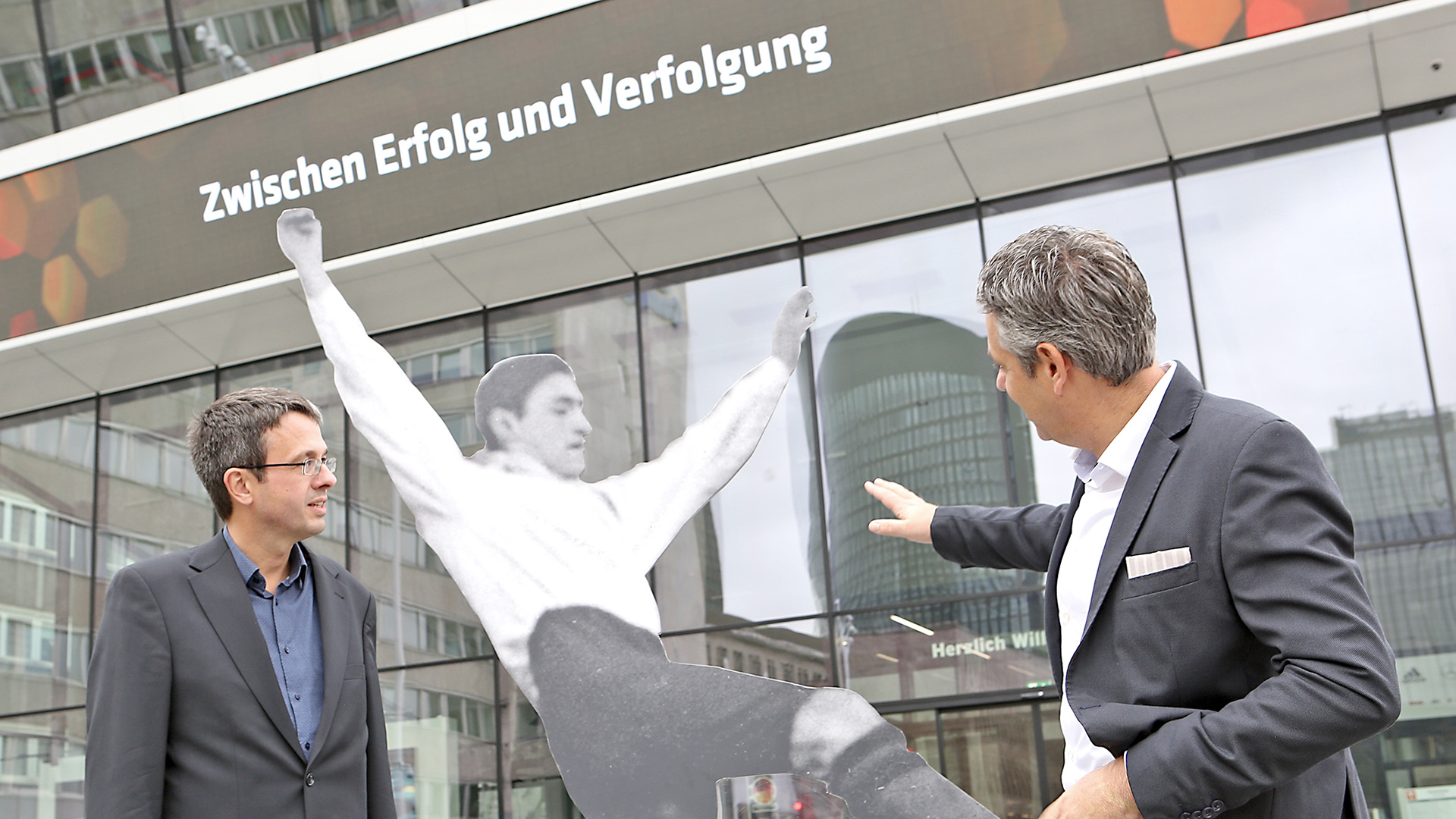
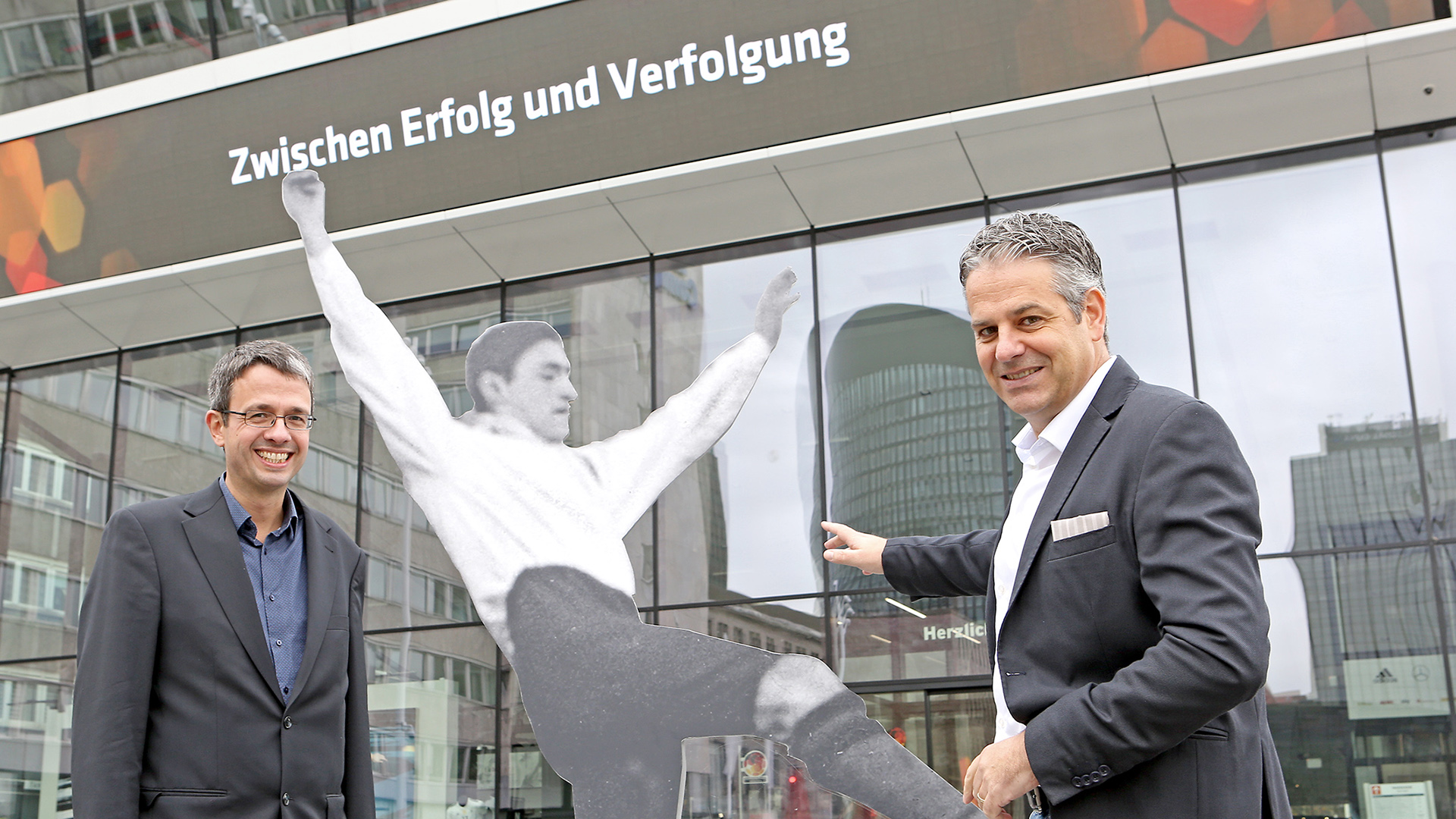
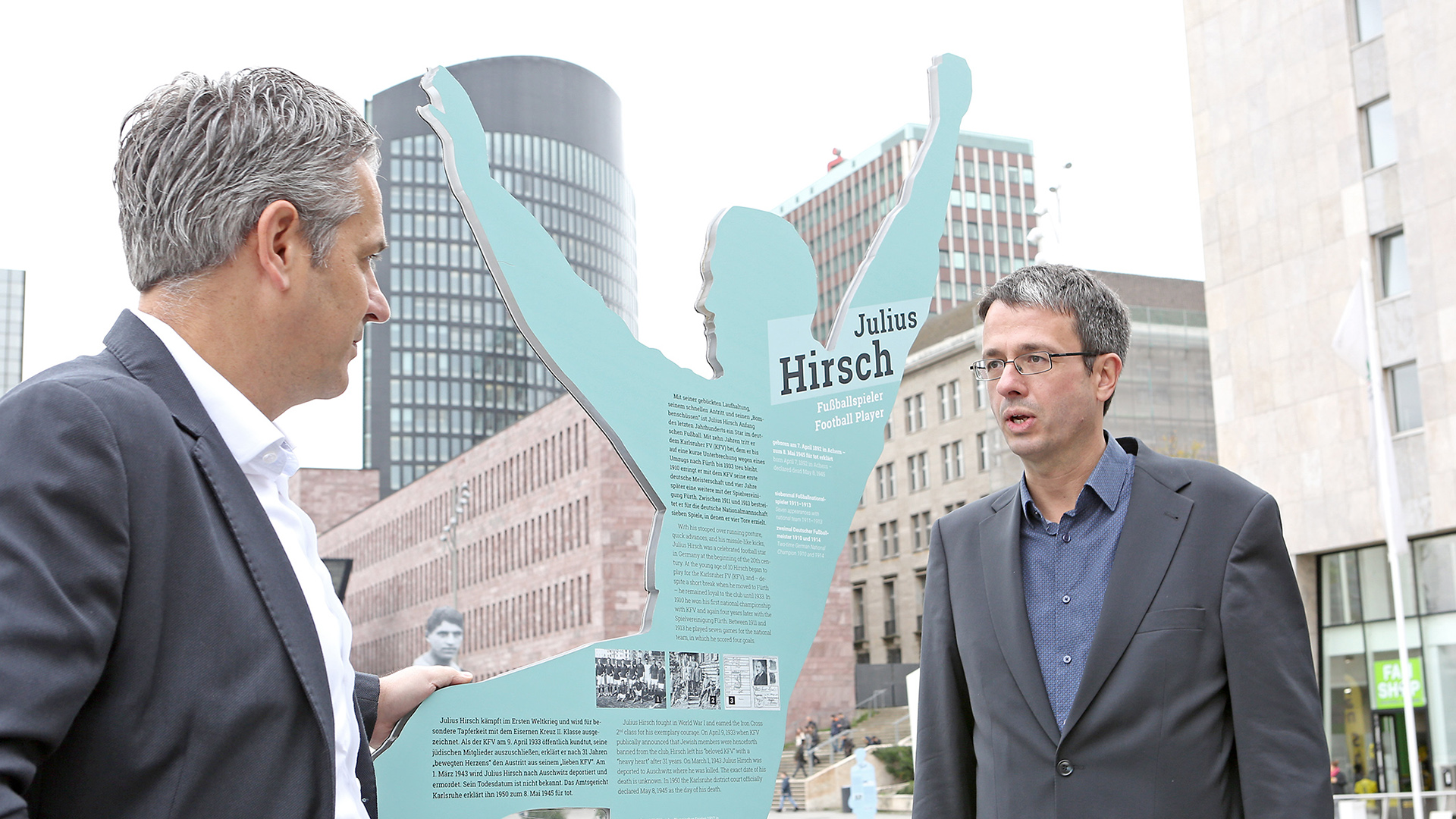
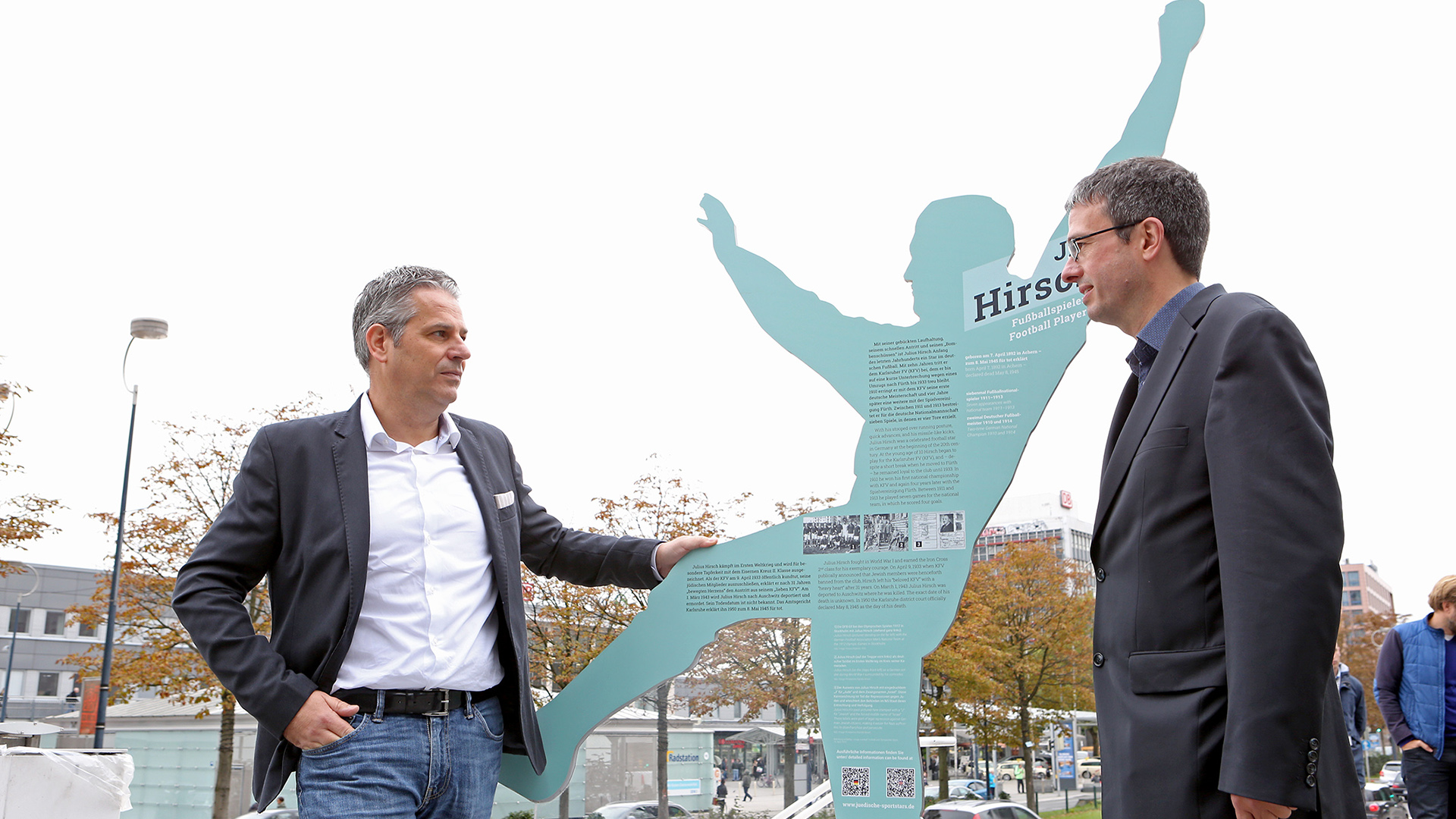
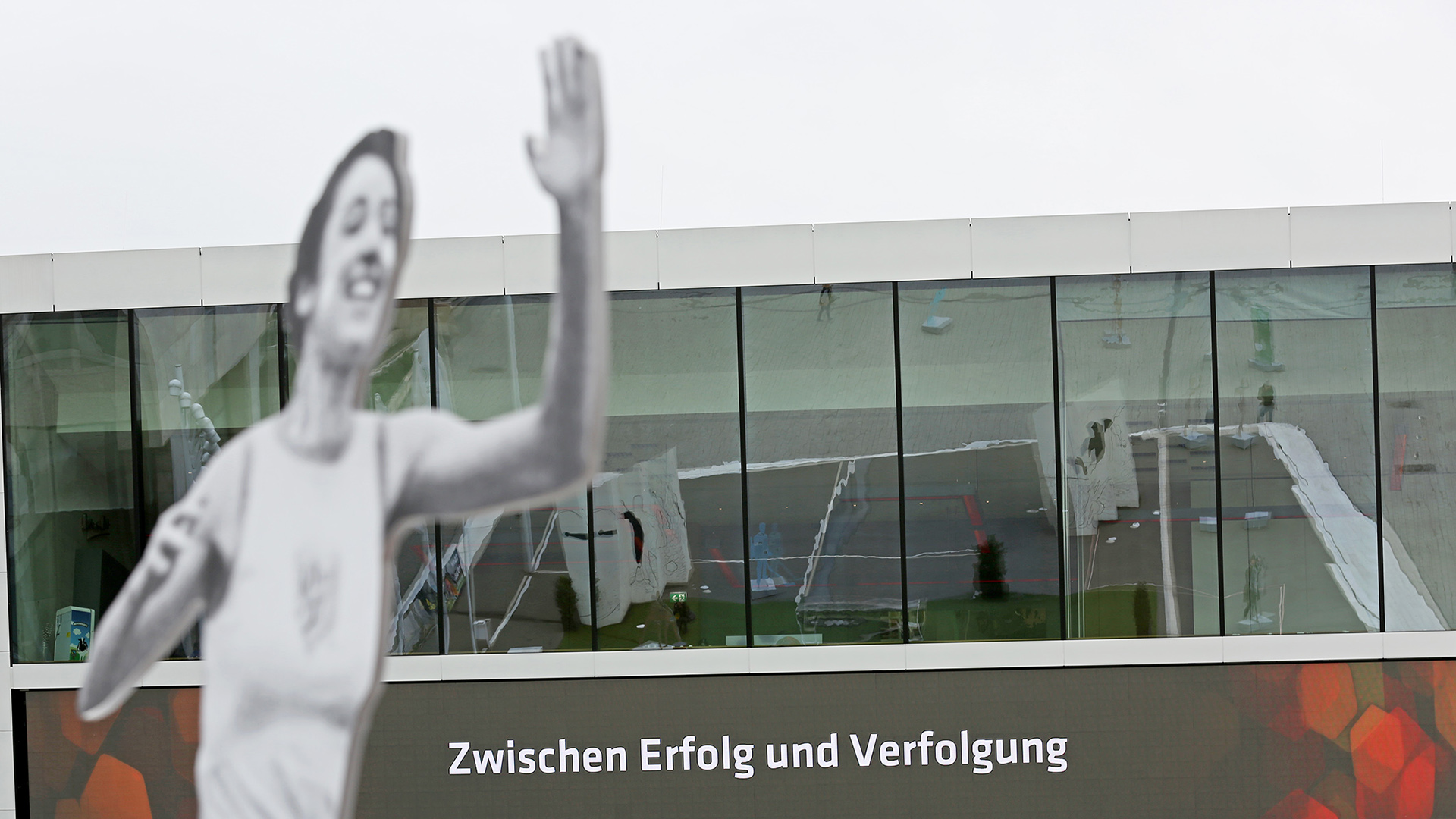
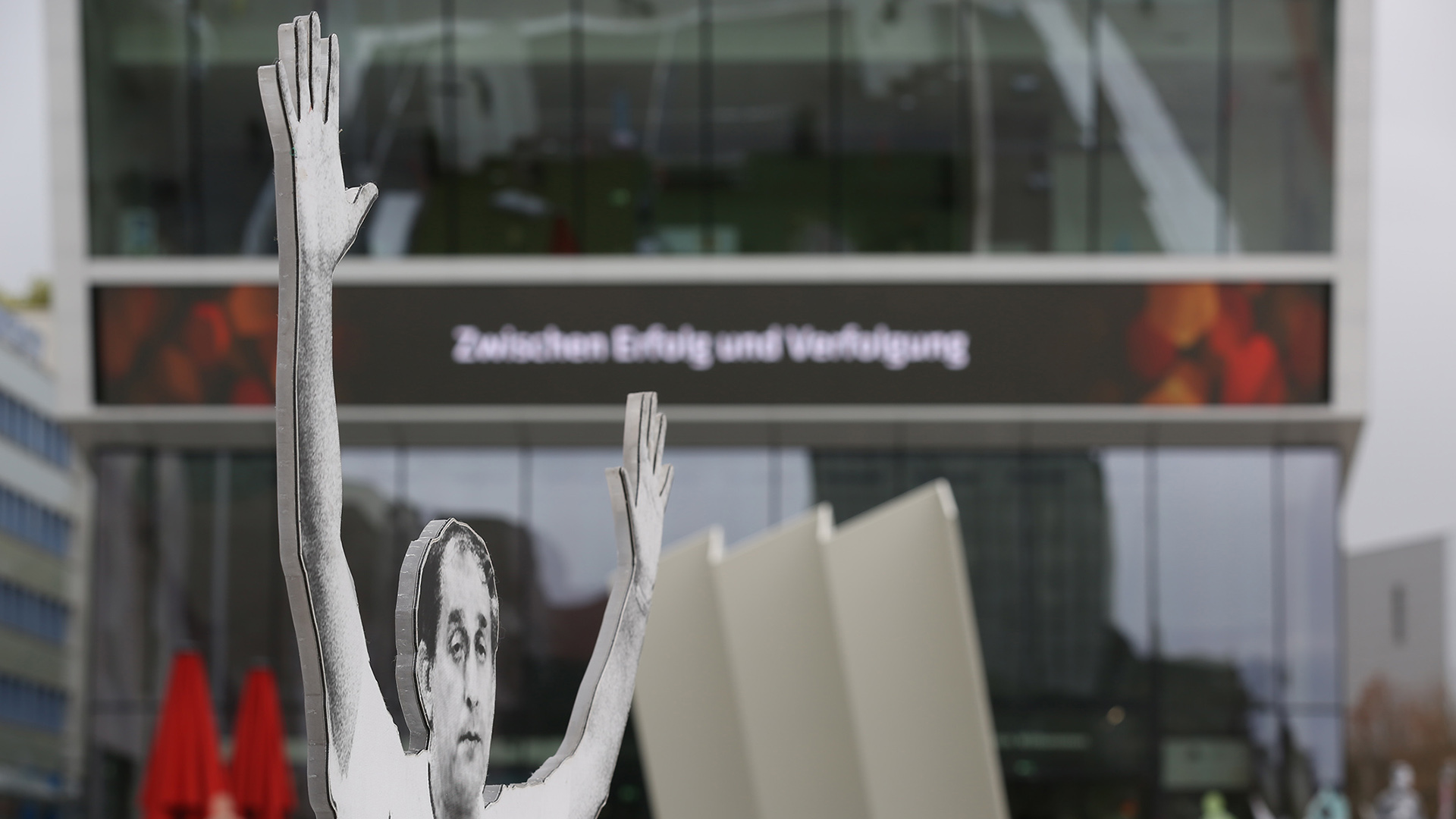
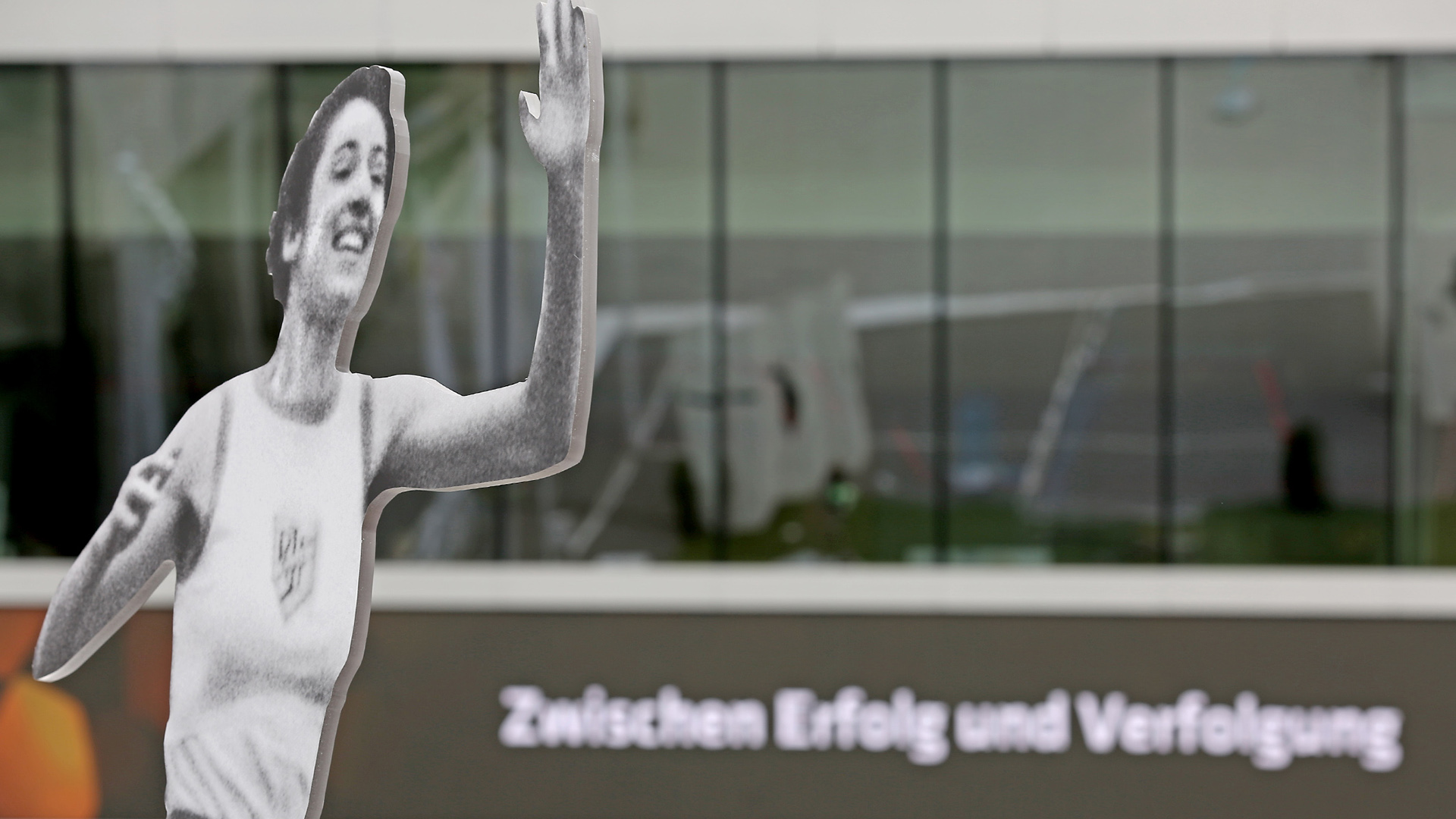
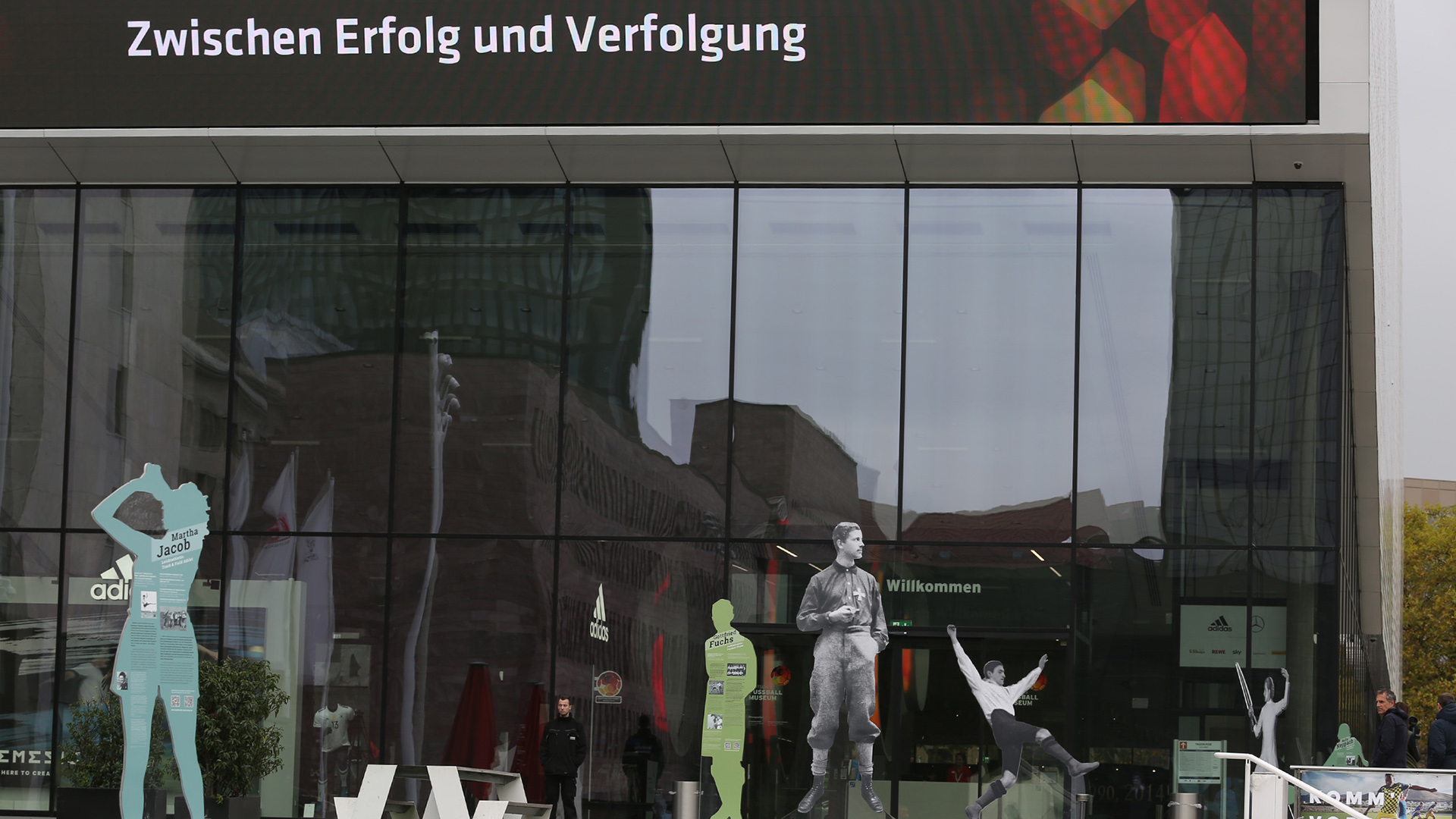
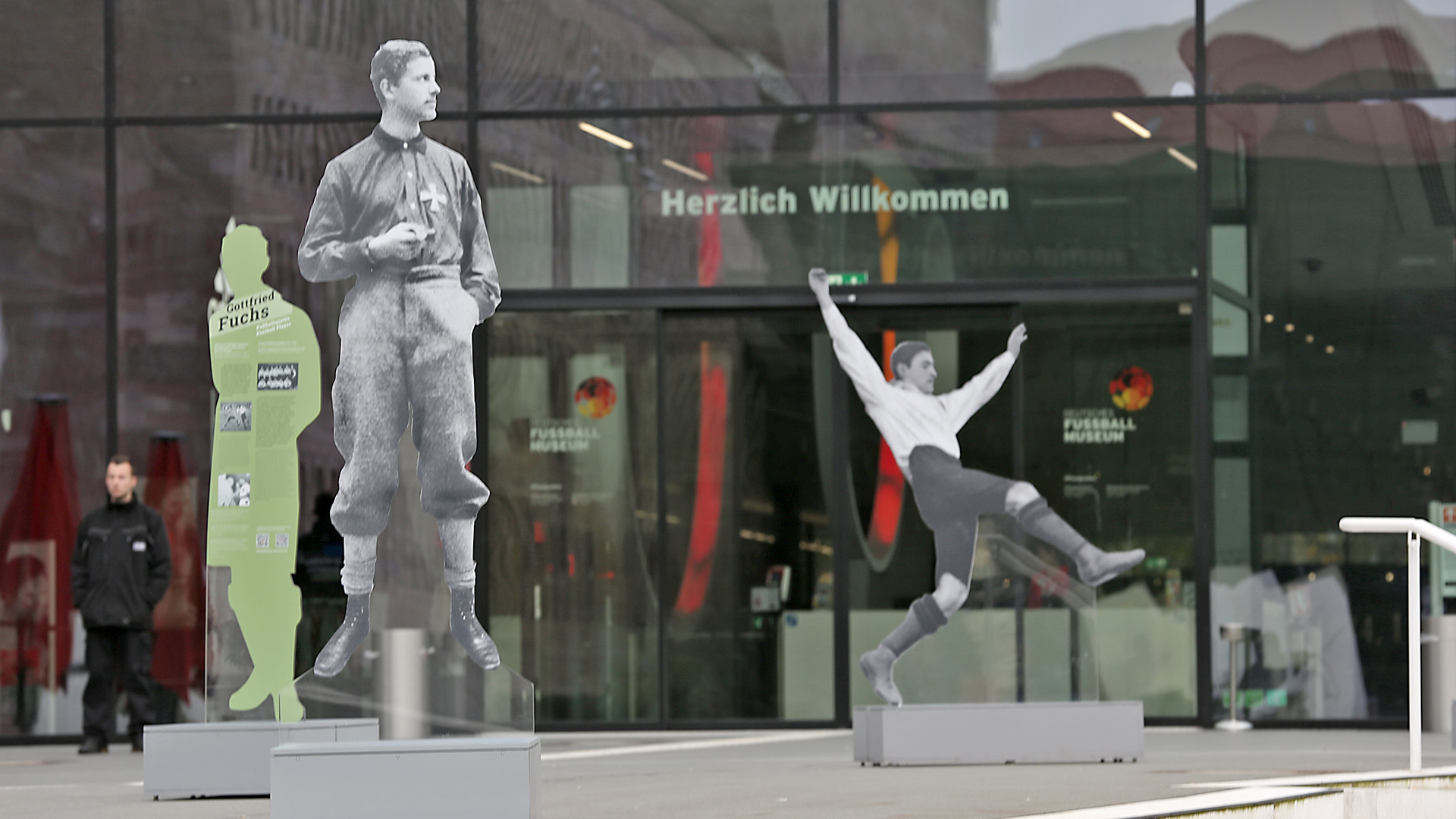
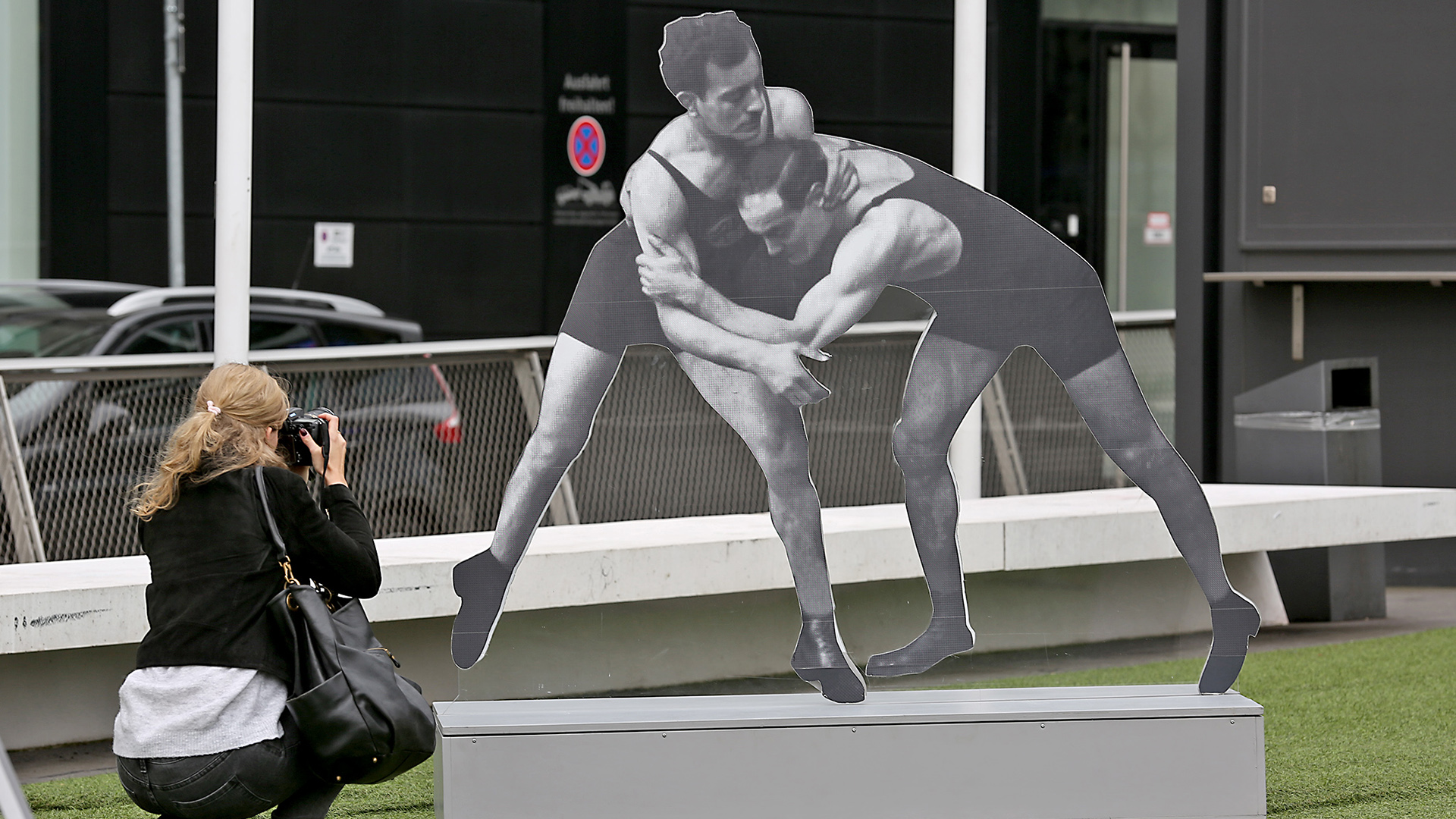
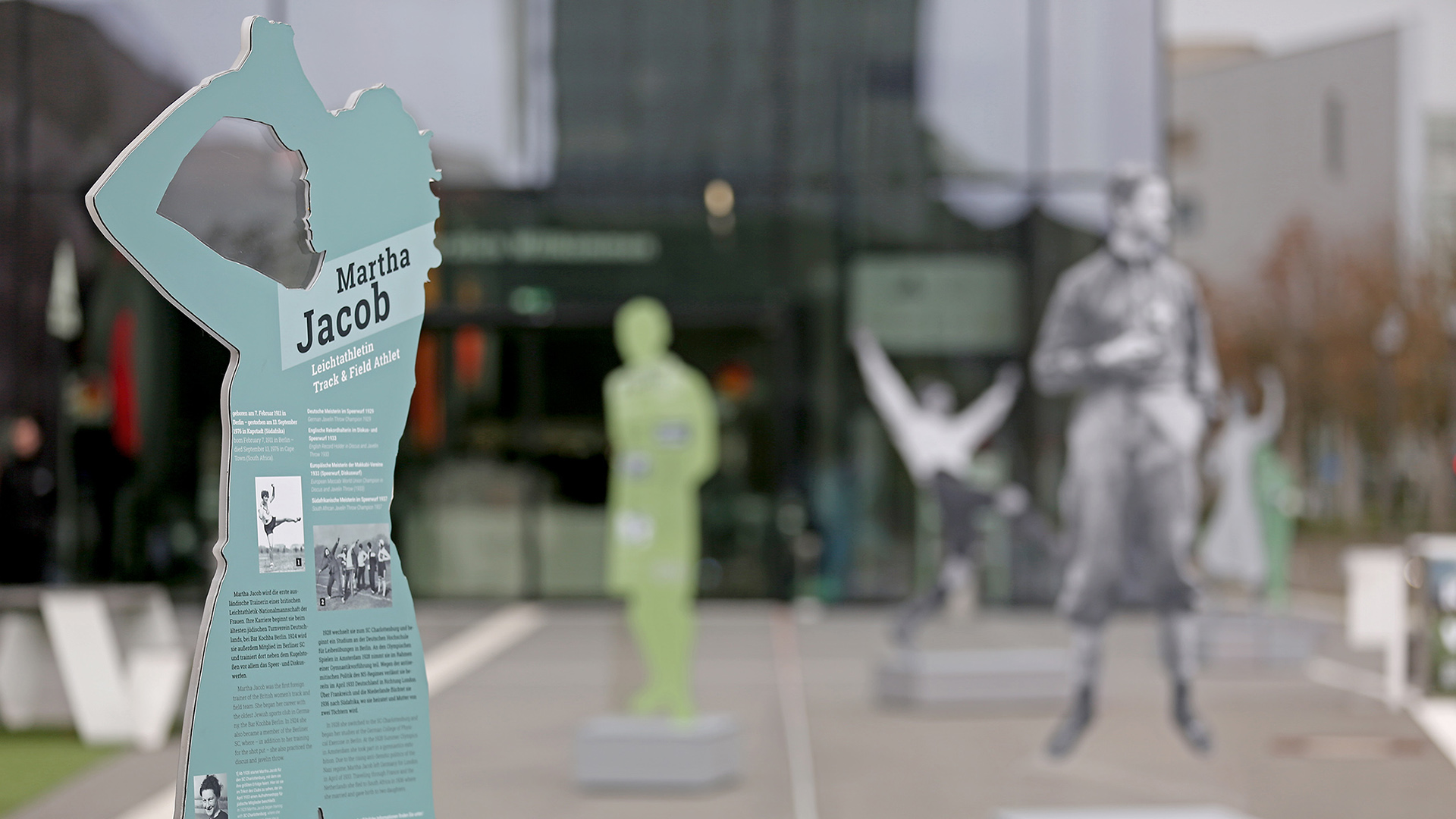
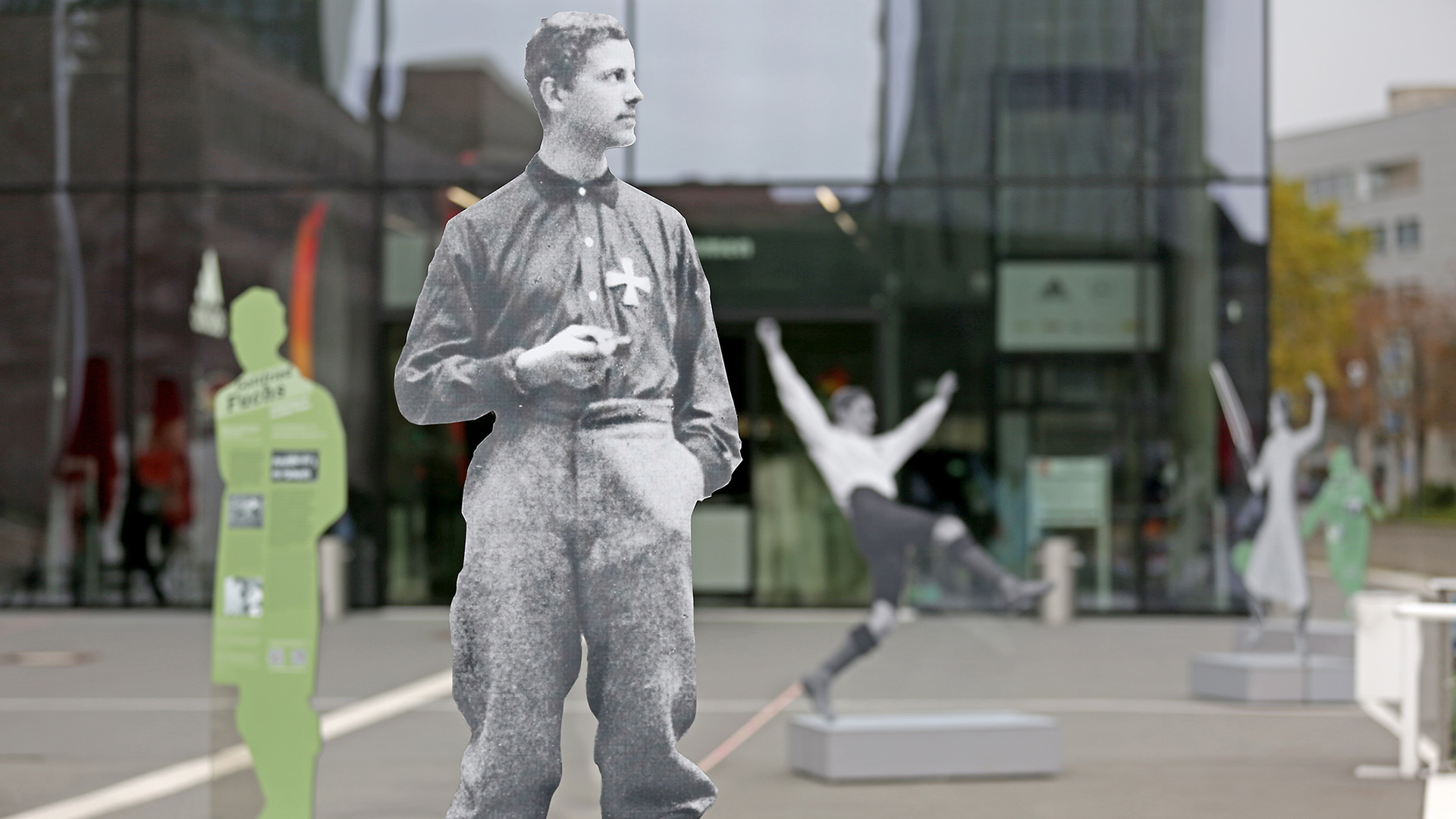
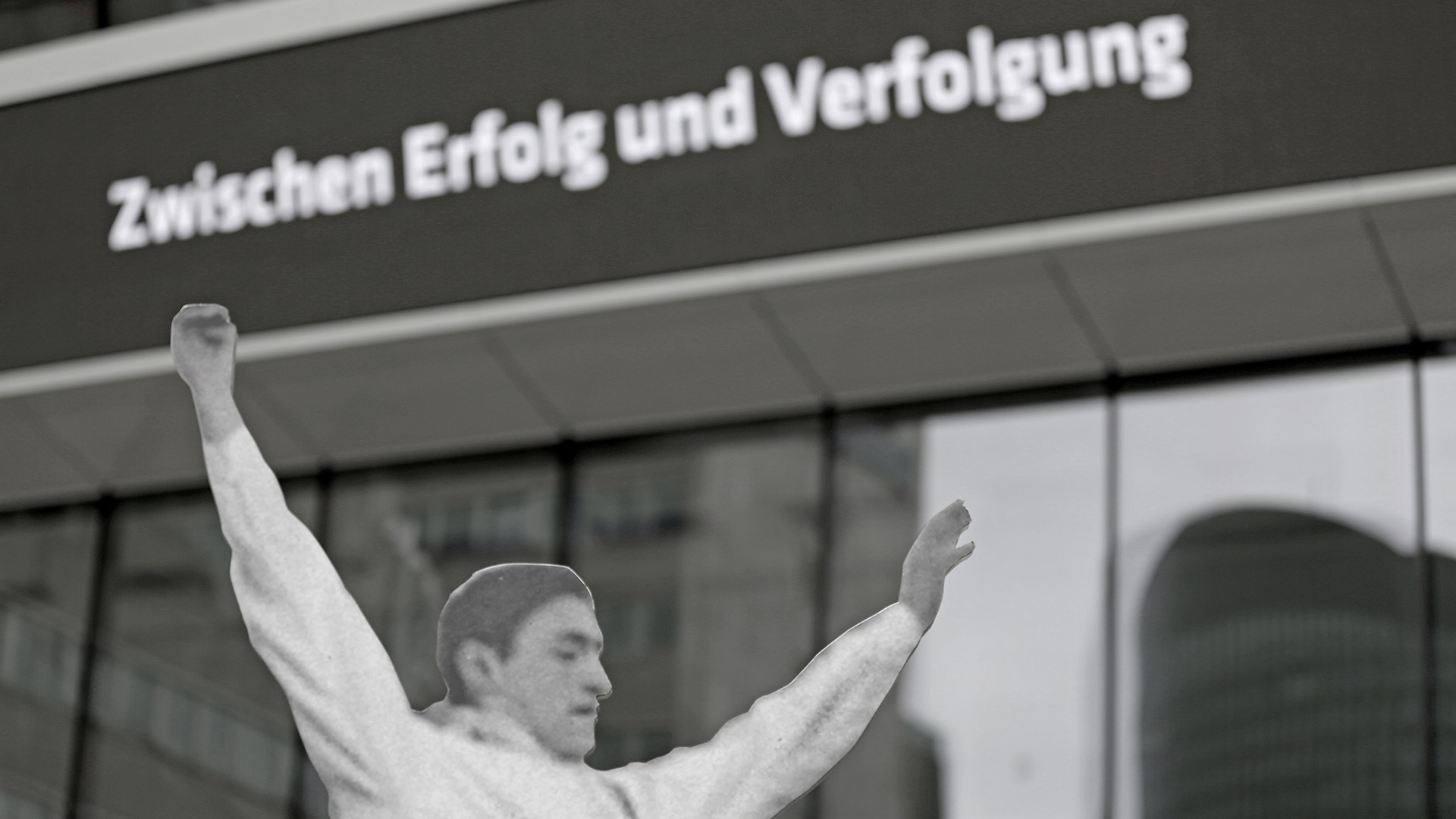
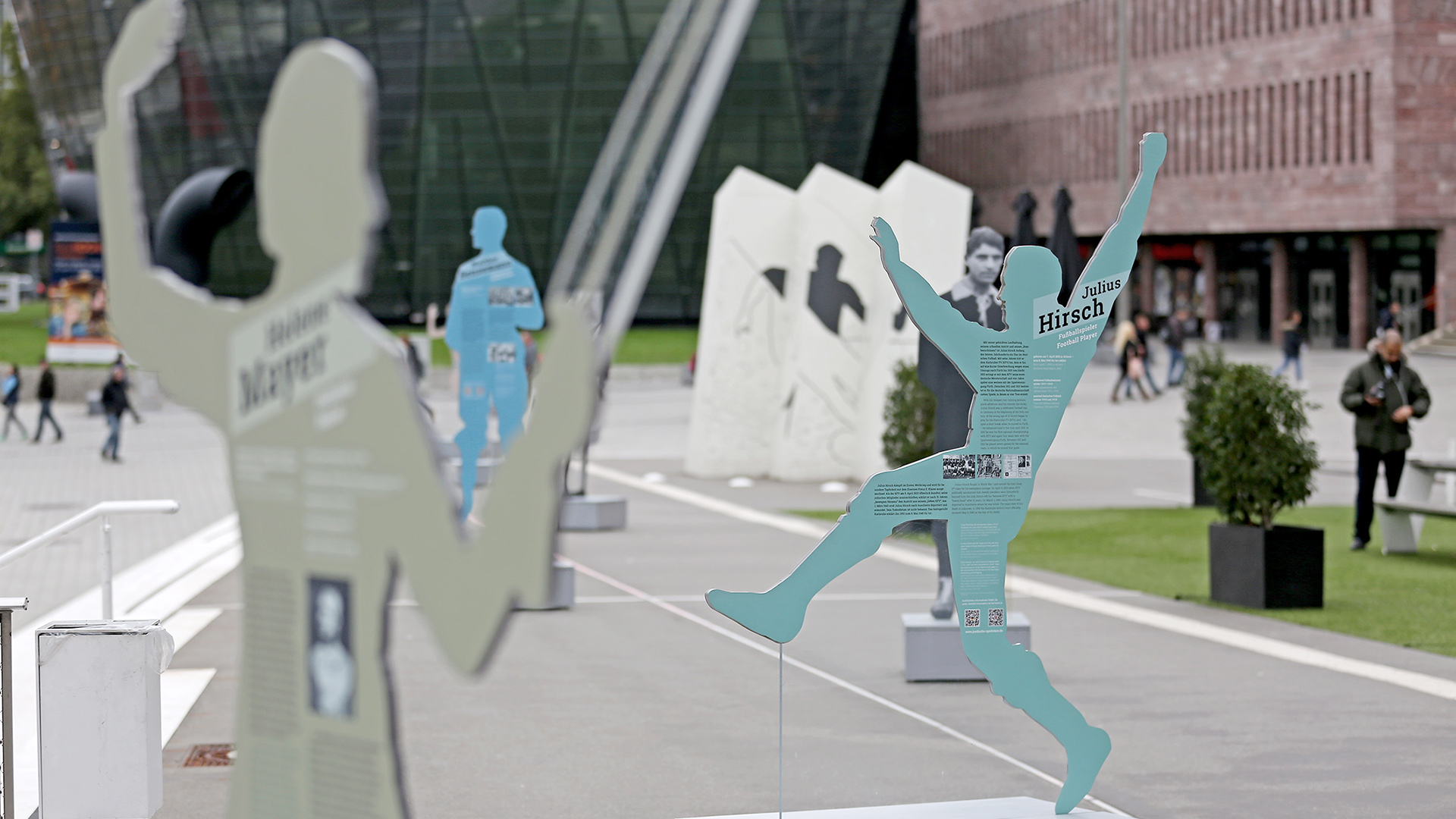
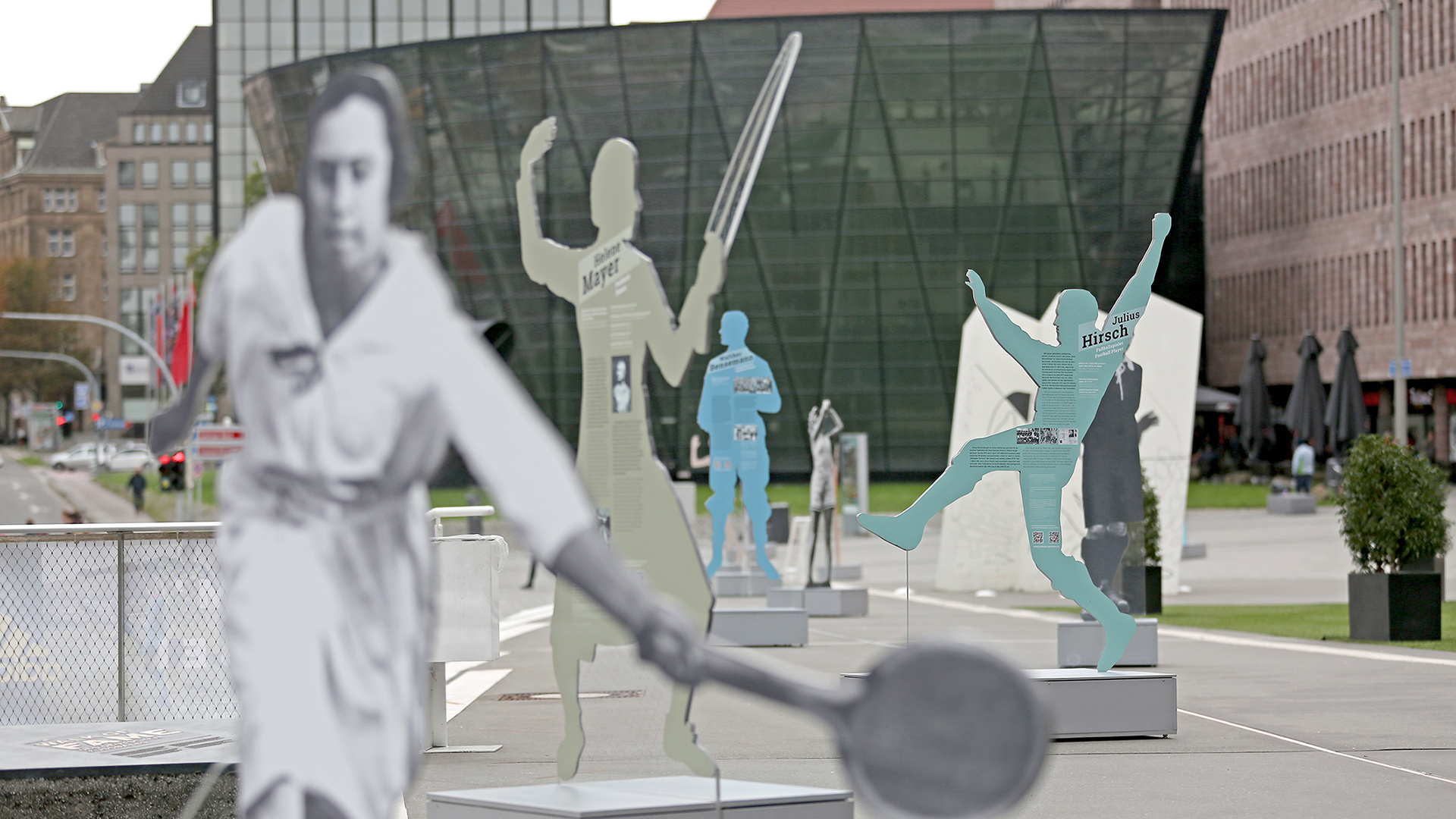
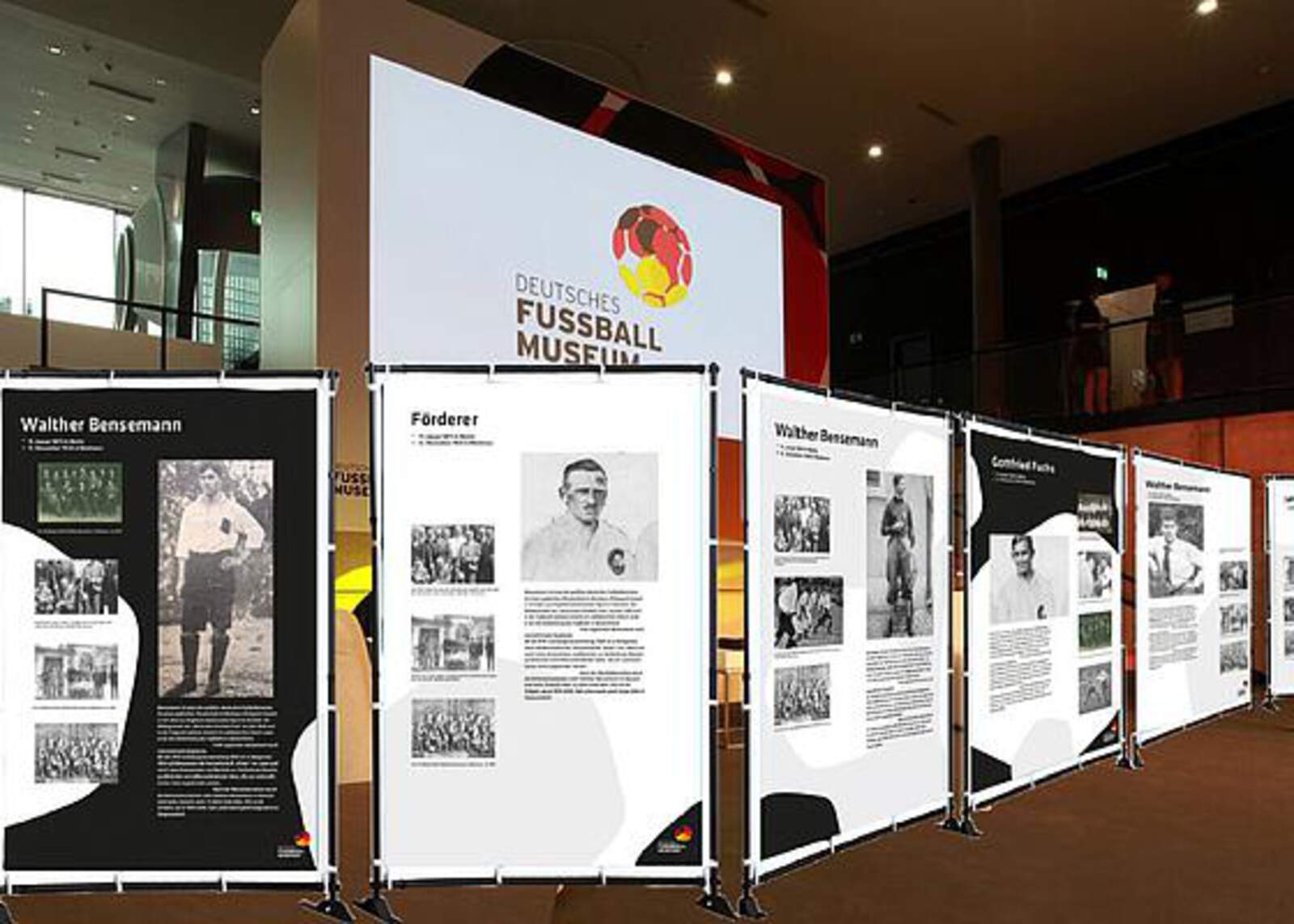
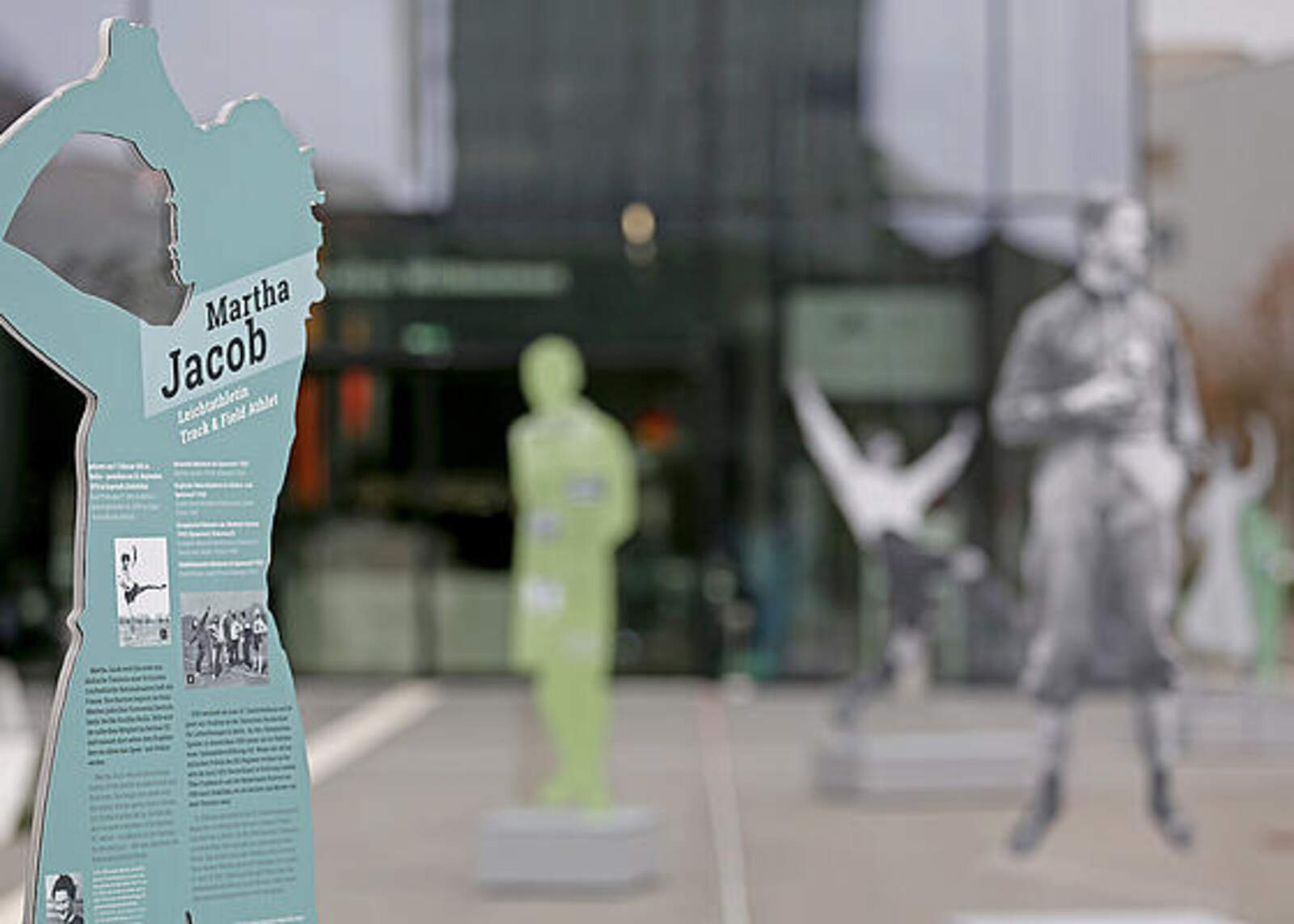
The exhibition ‘Between Success and Persecution – Jewish Stars in German Sport up to 1933 and Beyond’ used large-scale sculptural displays to pay tribute to the significant contribution made by Jewish athletes to the development of modern sport in Germany. The special exhibition, organised in cooperation with the Steinwache Memorial and Remembrance Centre, took place from 9 October to 19 November 2017 on the forecourt of the German Football Museum.
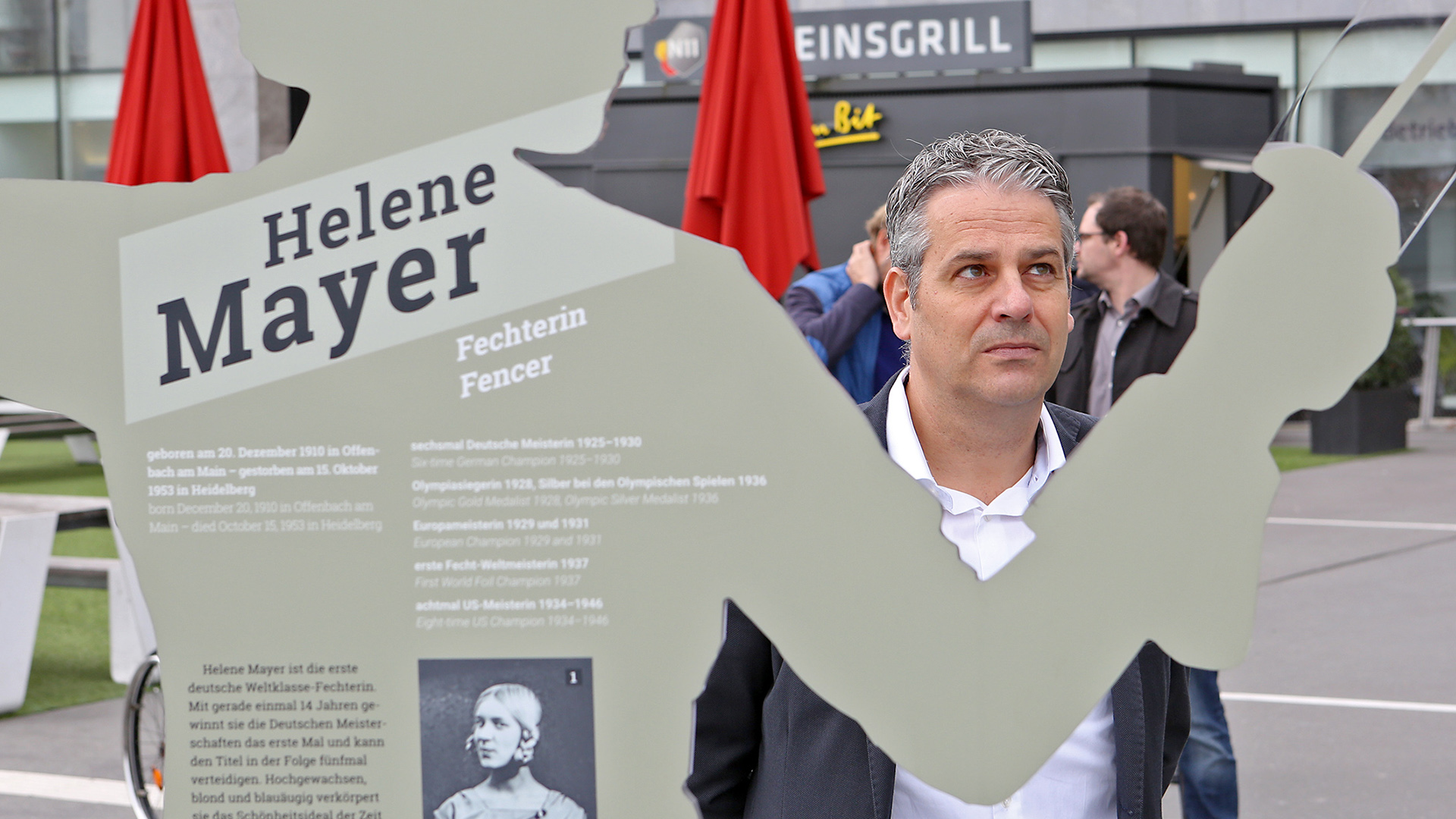
The exhibition focused on 17 prominent German-Jewish sports figures who, as national team players, world or European champions, Olympic champions and record-holders, were among the celebrated idols of their time. Their lives and careers were commemorated with larger-than-life silhouettes. Excluded from society and sport, many athletes had no choice but to flee. Quite a few, such as the ten-time German athletics champion Lilli Henoch, were deported and murdered. Alongside football pioneer Walther Bensemann, founder of the football magazine *kicker*, and the national footballers Julius Hirsch and Gottfried Fuchs, the exhibition also featured, amongst others, Olympic fencing champion Helene Mayer, world chess champion Emanuel Lasker, champion boxer Erich Seelig, German tennis champion Nelly Neppach, German javelin champion Martha Jacob, track and field athlete Gretel Bergmann, the Olympic gymnastics champions Alfred and Gustav Felix Flatow, the European champions in weightlifting and wrestling Julius and Hermann Baruch, and the ice hockey player Rudi Ball. Swimmer Sarah Poewe, however, also provided a glimpse into the present: in 2004 in Athens, she became the first Jewish athlete since 1945 to win an Olympic medal for Germany.
Museum director Manuel Neukirchner said: “By displaying the silhouettes on our museum forecourt at the gateway to Dortmund city centre, we are reaching the widest possible audience. We are also linking the exhibition to other events as part of our cultural programme, thereby highlighting the particular significance of this chapter in Germany’s forgotten sporting and social history.” Dr Stefan Mühlhofer, director of the Steinwache Memorial, recalled the final stages of Julius Hirsch’s life in 1943: “After being transported from Karlsruhe, he spent the night of 1 to 2 March in Dortmund. From there, he was deported along with 1,000 other Jews to Auschwitz, where he was murdered immediately upon his arrival on 3 March. A postcard sent from Dortmund to his sister remained the last sign of life from Julius Hirsch.”
The exhibition, which was first shown in Berlin to mark the 2015 European Maccabi Games, was conceived and funded by the DFB Cultural Foundation and the Federal Government Commissioner for Culture and the Media (BKM). The exhibition was also supported by the Foundation “Remembrance, Responsibility and the Future” (EVZ) and the Deutsche Bahn Foundation.









A companion book to the special exhibition at the German Football Museum
Numerous companion books have been published that tie in with the theme of this special exhibition and explore other aspects of the German Football Museum. If you’re interested in the stories behind the story, we hope you enjoy reading them.
You can find all the accompanying books published to date here.
-

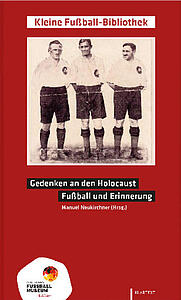
A Short Football Library: ‘Commemorating the Holocaust – Football and Remembrance’
A Short Football Library: ‘Commemorating the Holocaust – Football and Remembrance’
On International Holocaust Remembrance Day 2018, the German Football Museum commemorated the victims of the Nazi genocide. The articles republished in this volume by DFB President Reinhard Grindel, Israel’s Ambassador Jeremy Issacharoff, Claudia Roth, Vice-President of the Bundestag, Ullrich Sierau, Mayor of Dortmund, and historian Moshe Zimmermann, powerfully highlight the role of football under National Socialism and the social responsibility of football today. With an introduction by Manuel Neukirchner, Director of the German Football Museum, and an afterword by historians Henry Wahlig and Lorenz Peiffer. ‘Commemorating the Holocaust – Football and Remembrance’ is the second volume in the ‘Kleine Fußball-Bibliothek’ series. The series, published by the German Football Museum, explores cultural and historical themes relating to the sport of football across a wide range of topics.
Manuel Neukirchner (ed.)
96 pages
German Football Museum Edition
Format 110mm x 183mm
ISBN 978-3-8375-2093-4
12.95 EUR
![[Translate to Englisch:] 100 Jahre DJK - Eröffnung](/fileadmin/_processed_/3/e/csm_fussballmuseum-100-jahre-djk-sport-leib-seele_ab21a5151e.jpg "100 Years of DJK – Opening Ceremony")


We look forward to seeing you! Book tickets for the Football Museum...