EN
EN
 DE
DE

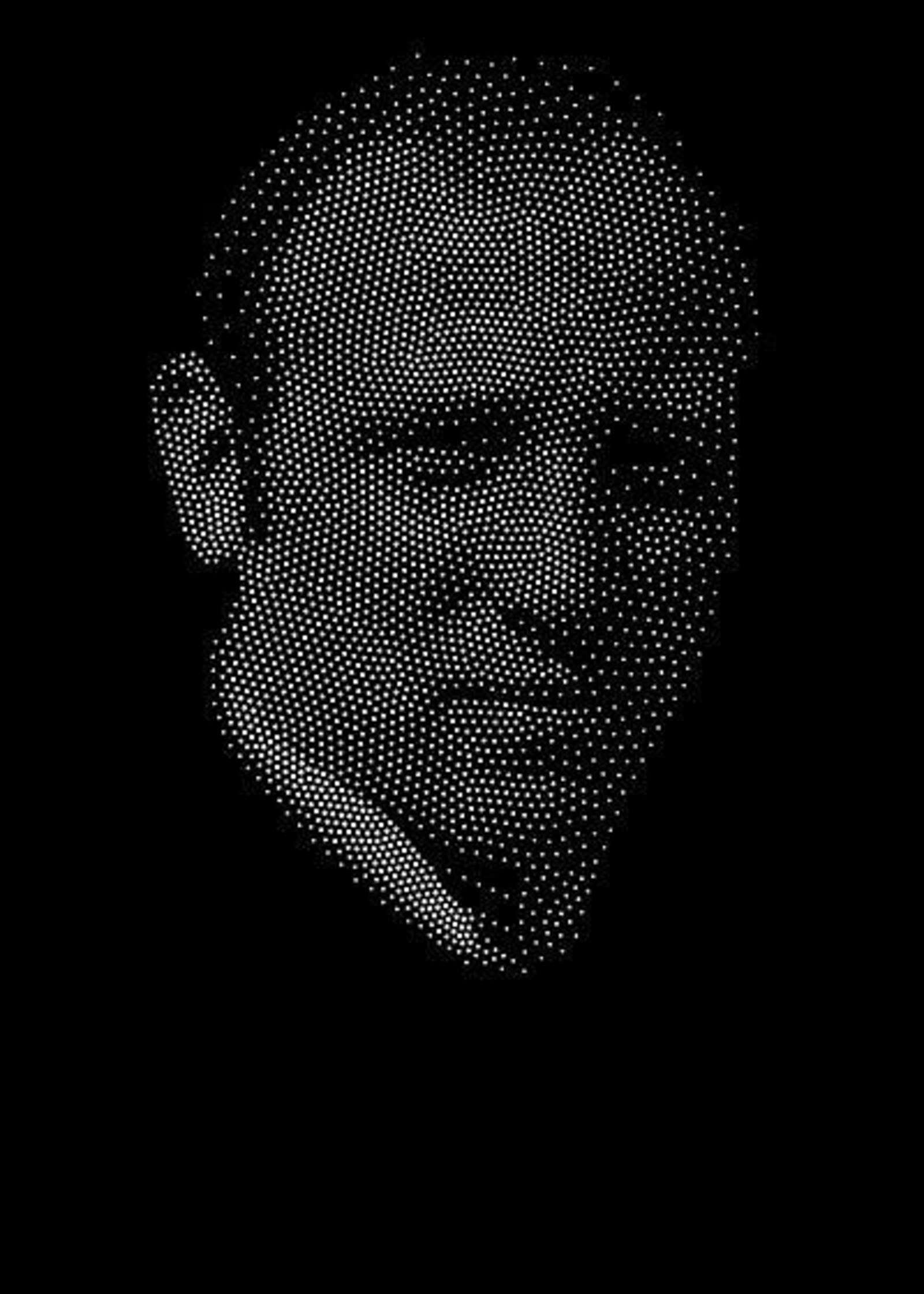
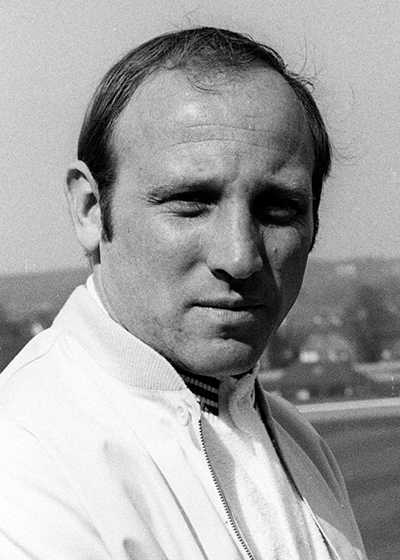
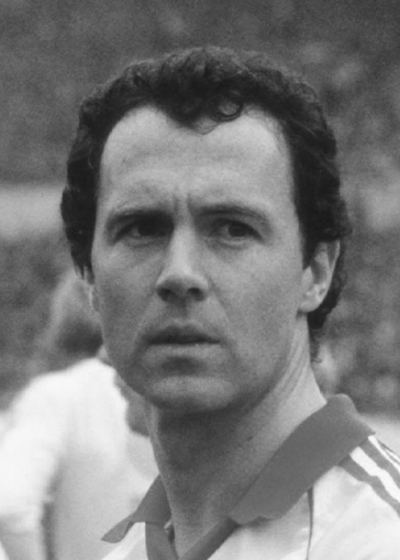
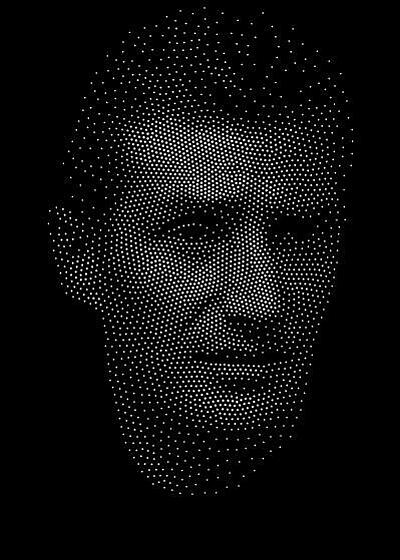
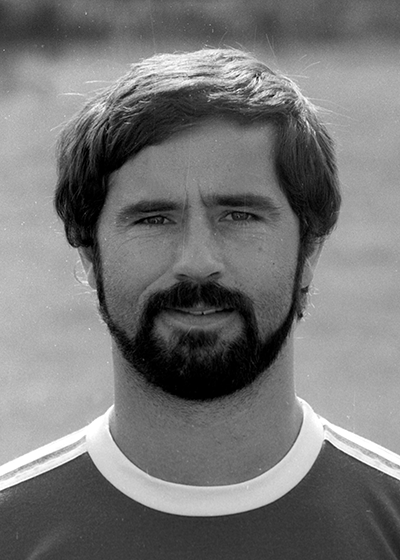
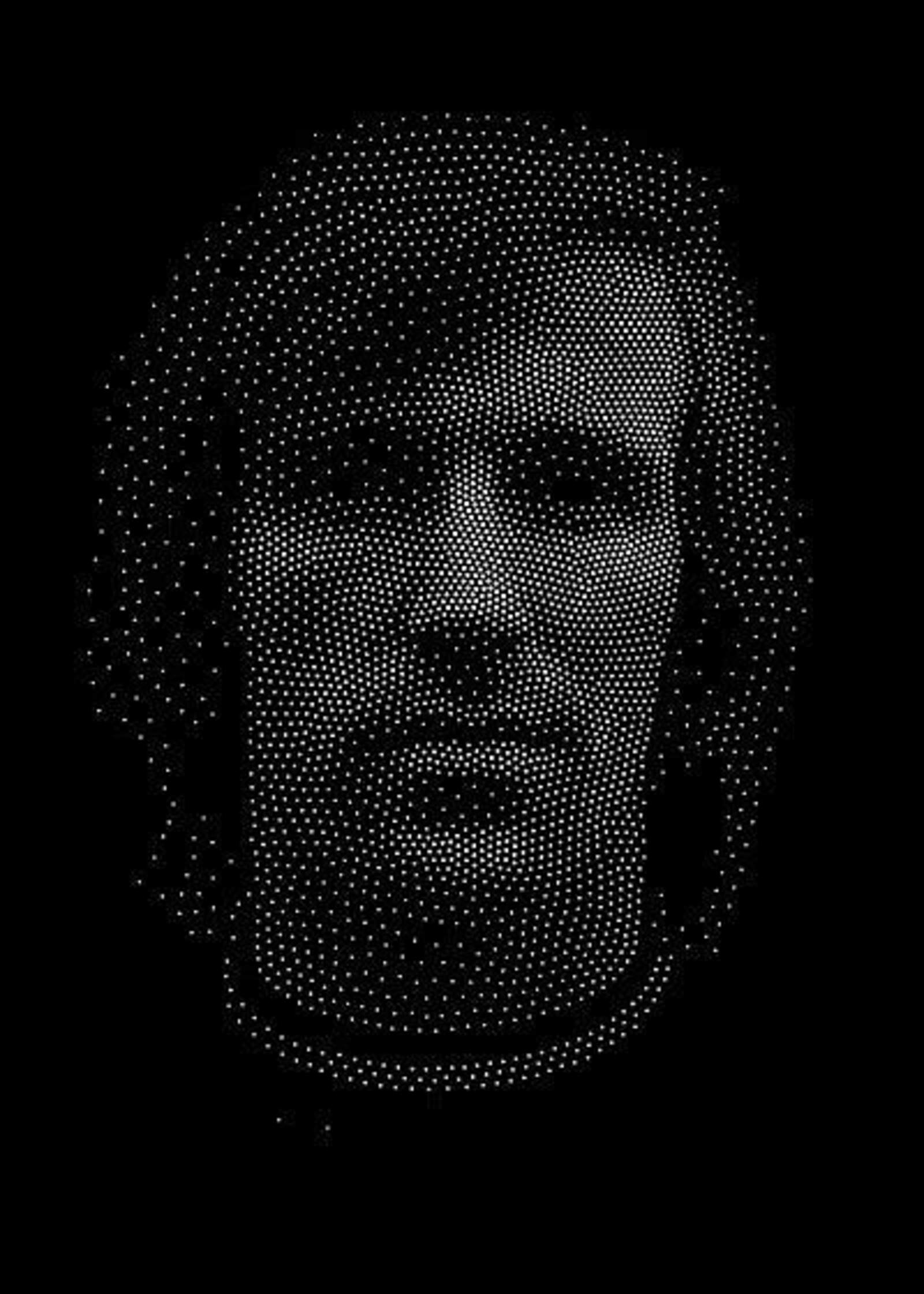
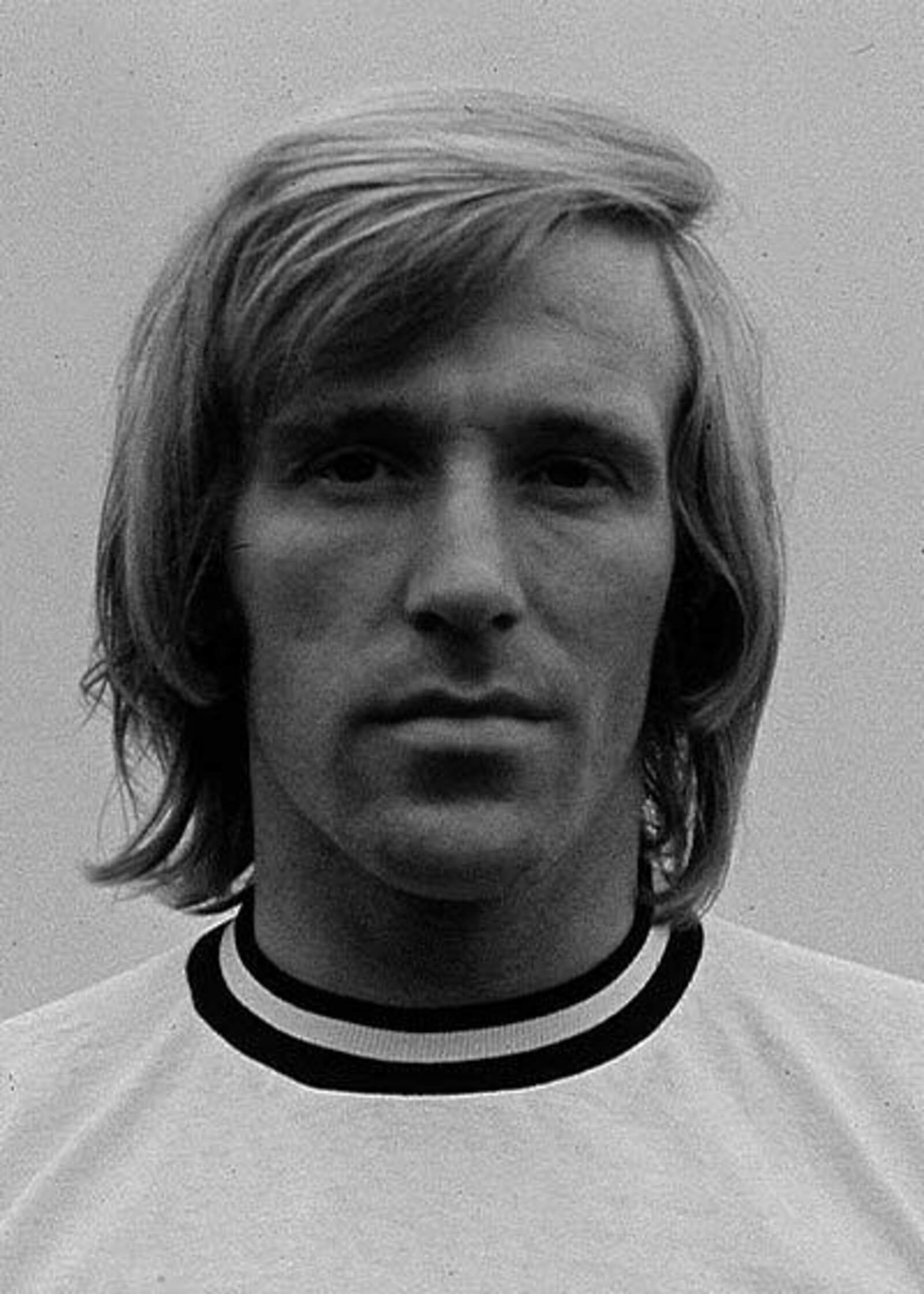
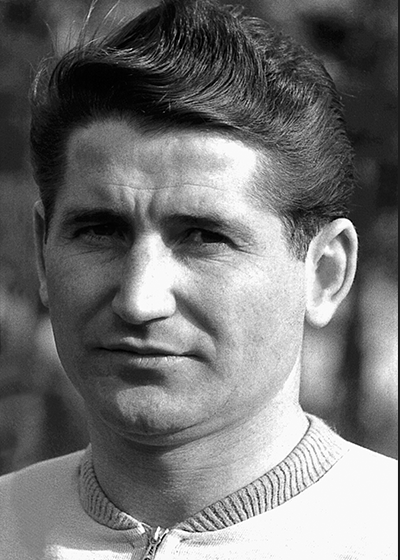
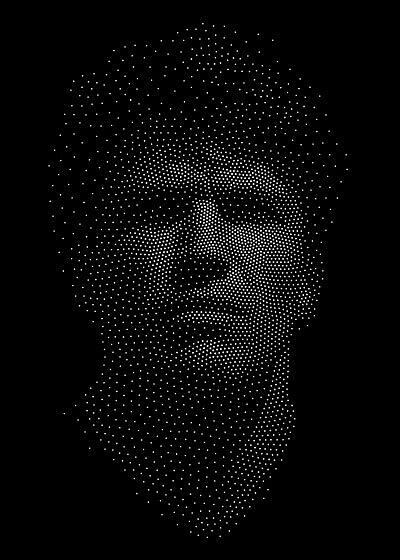
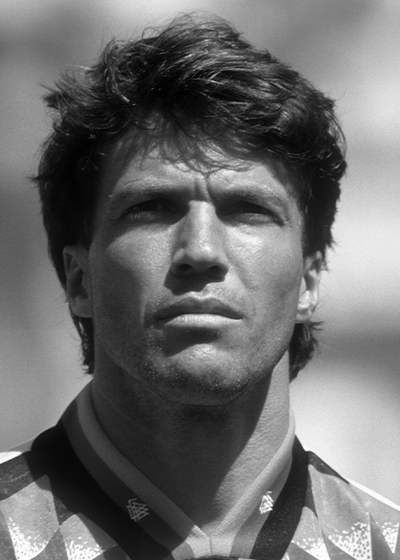
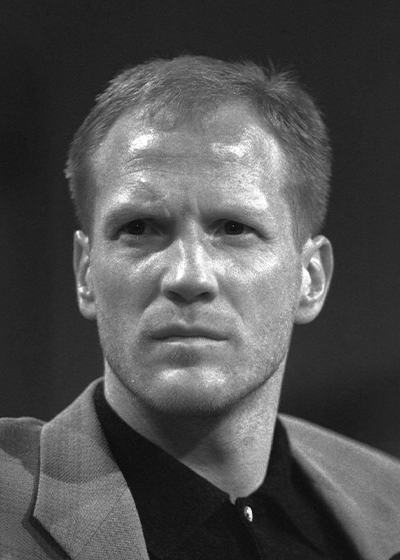
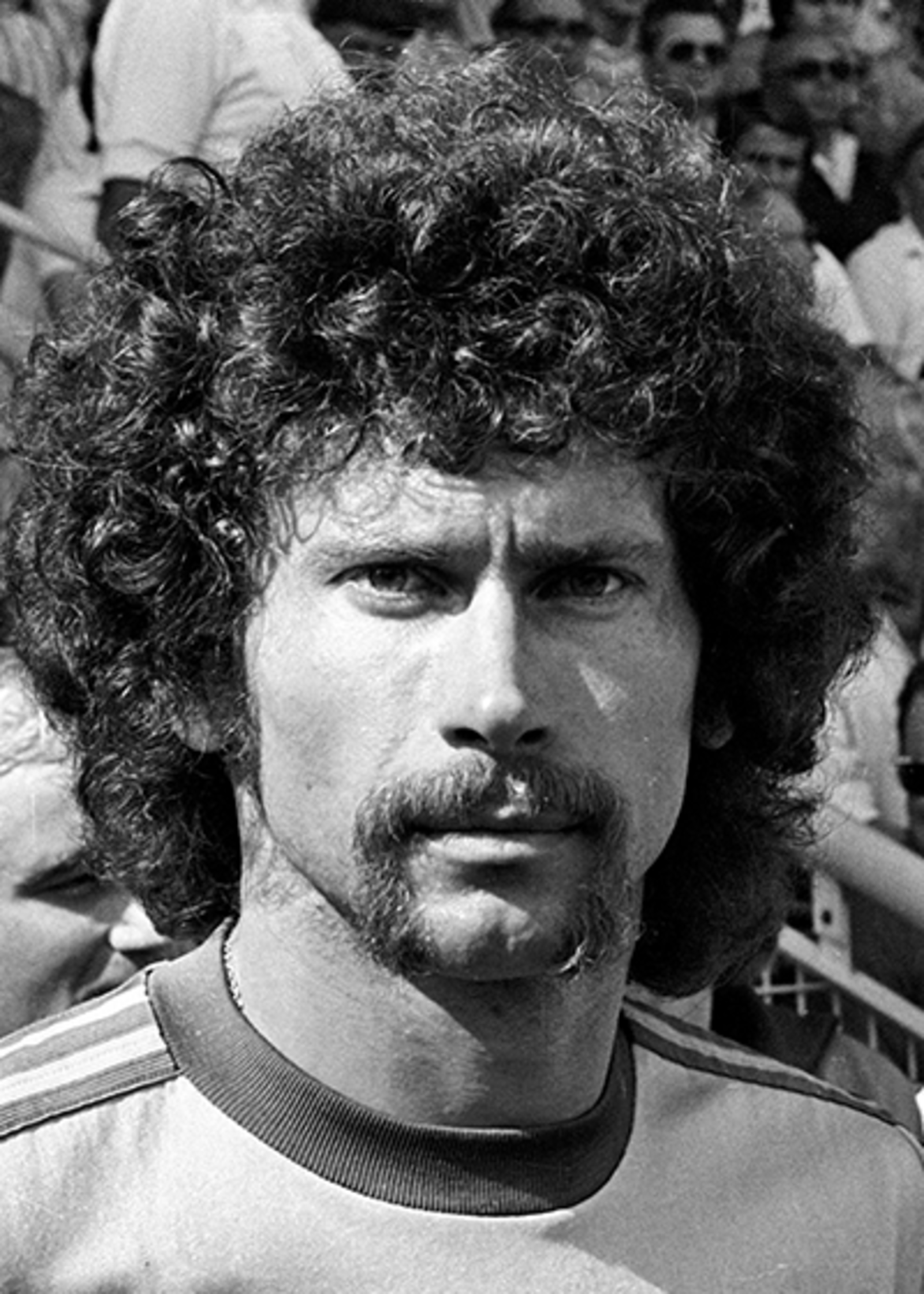
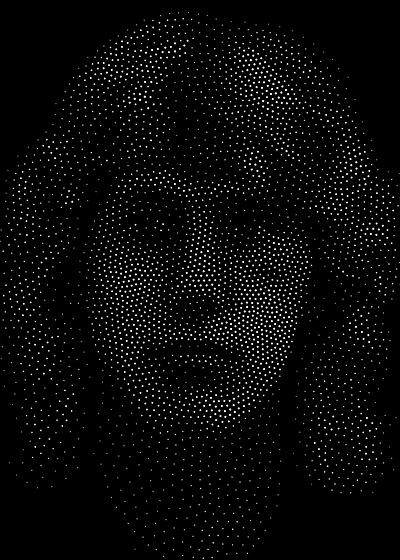
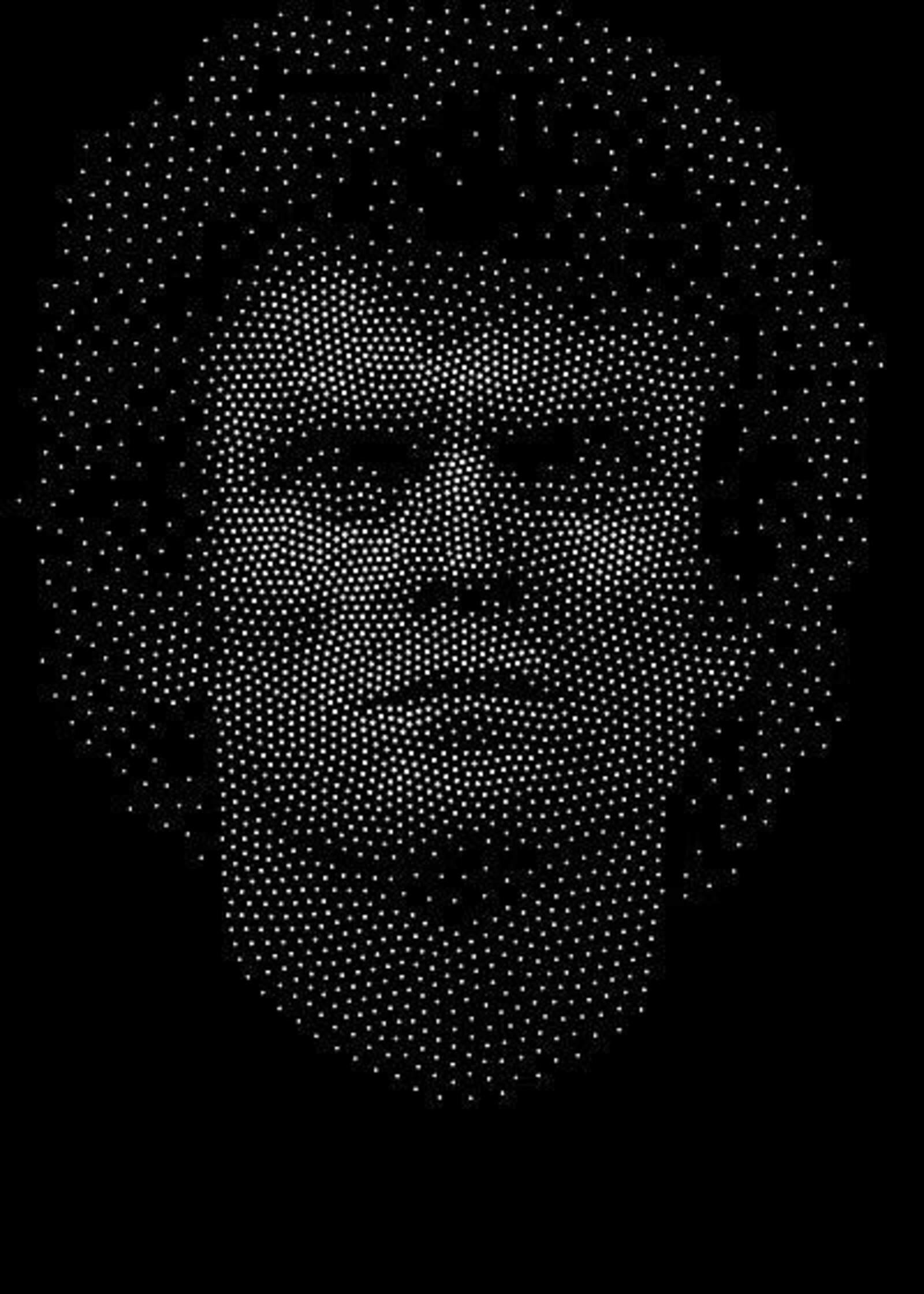
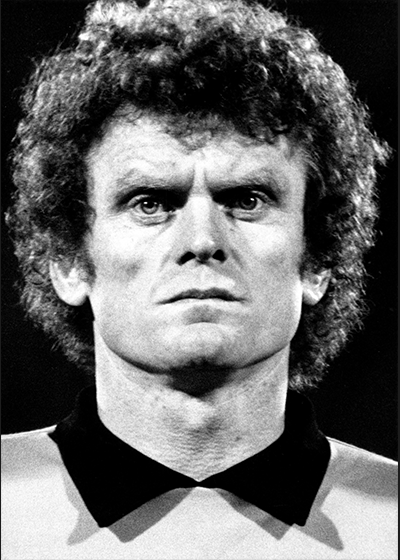
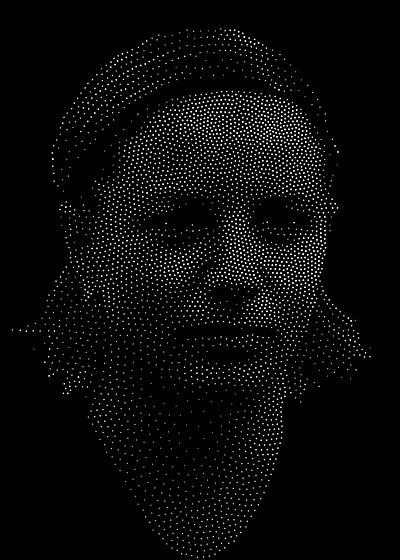
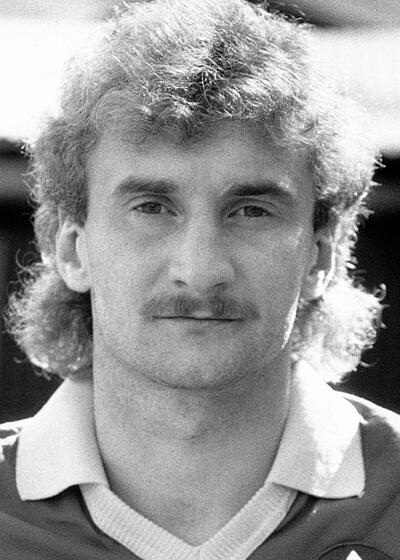
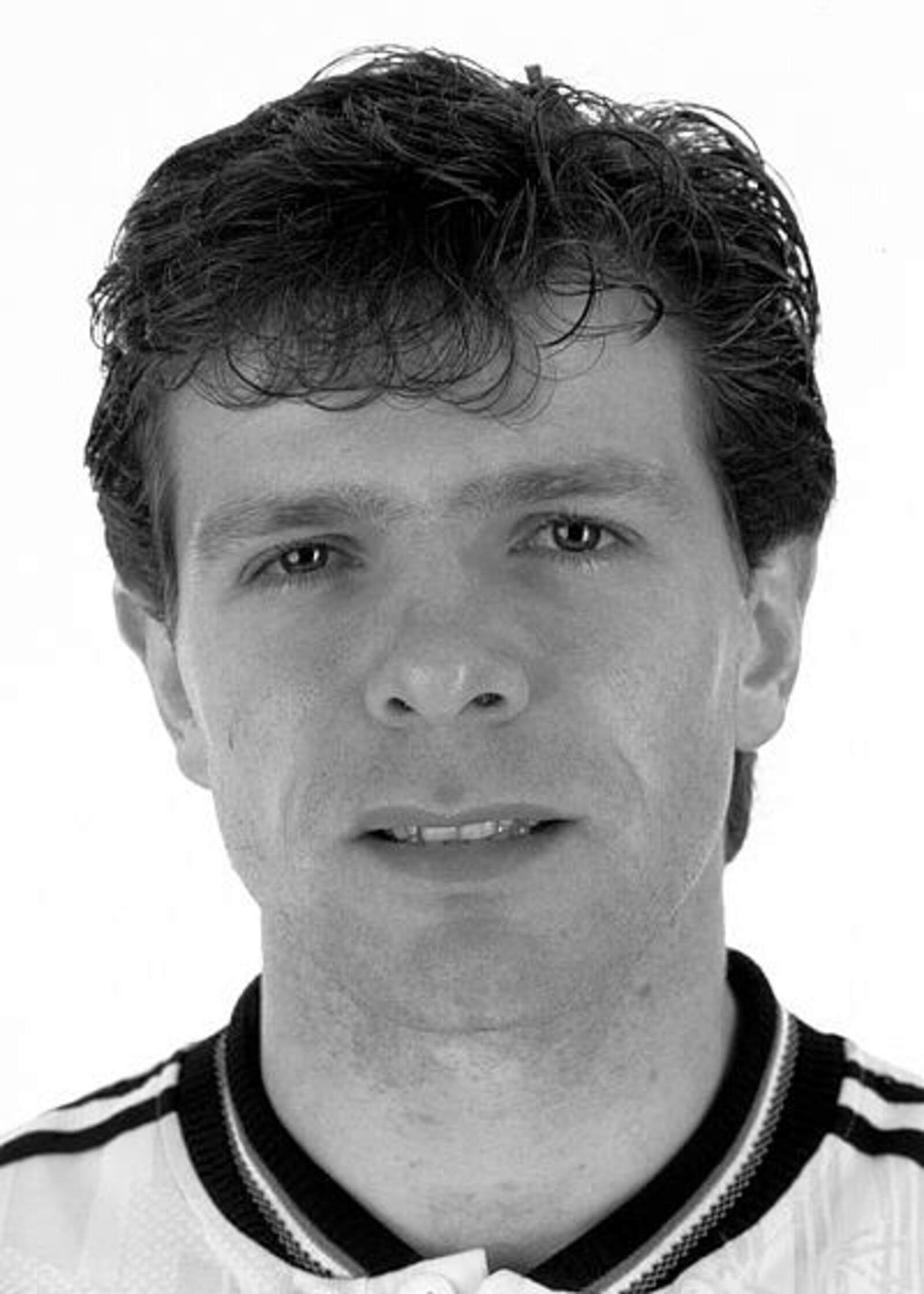
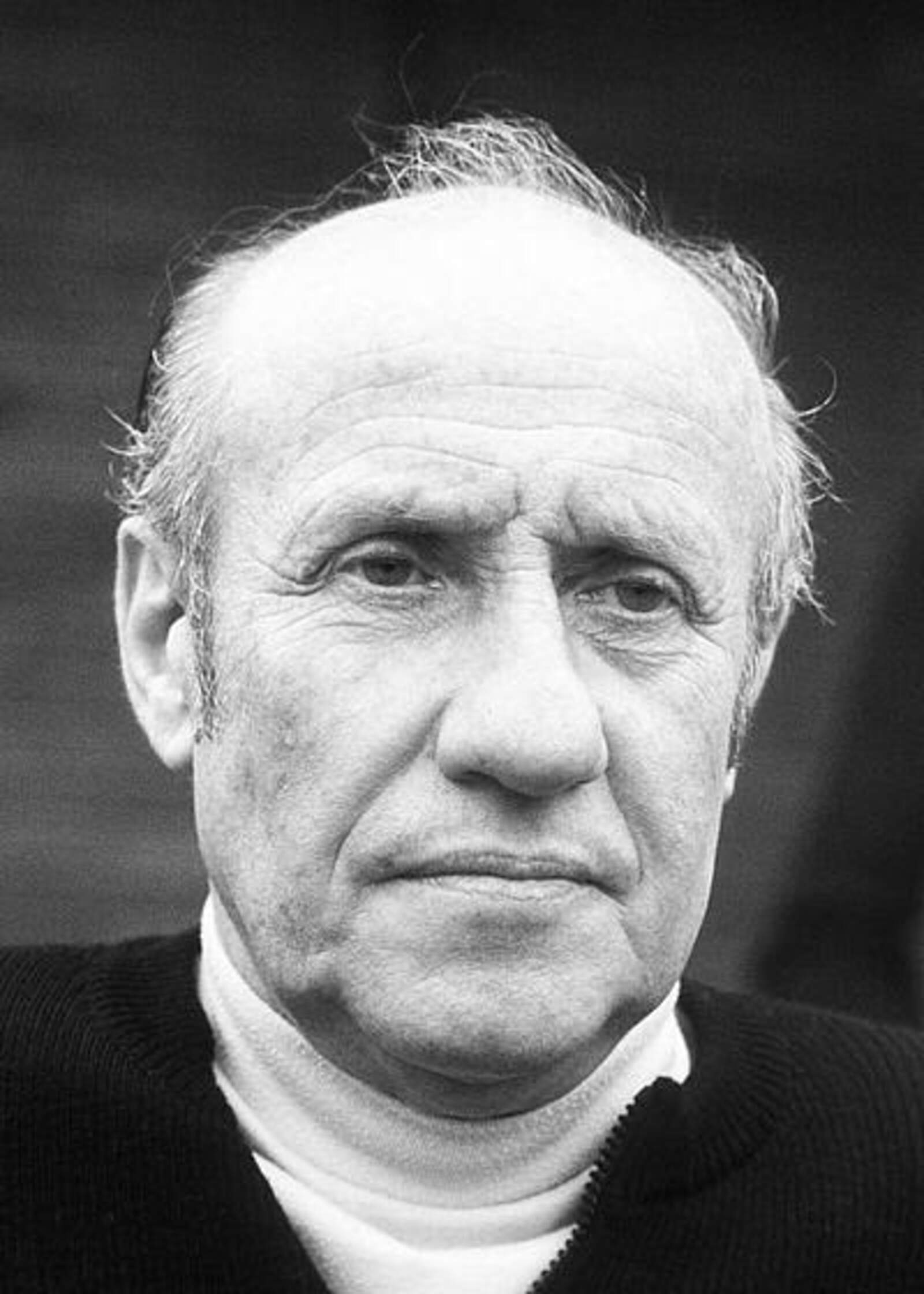
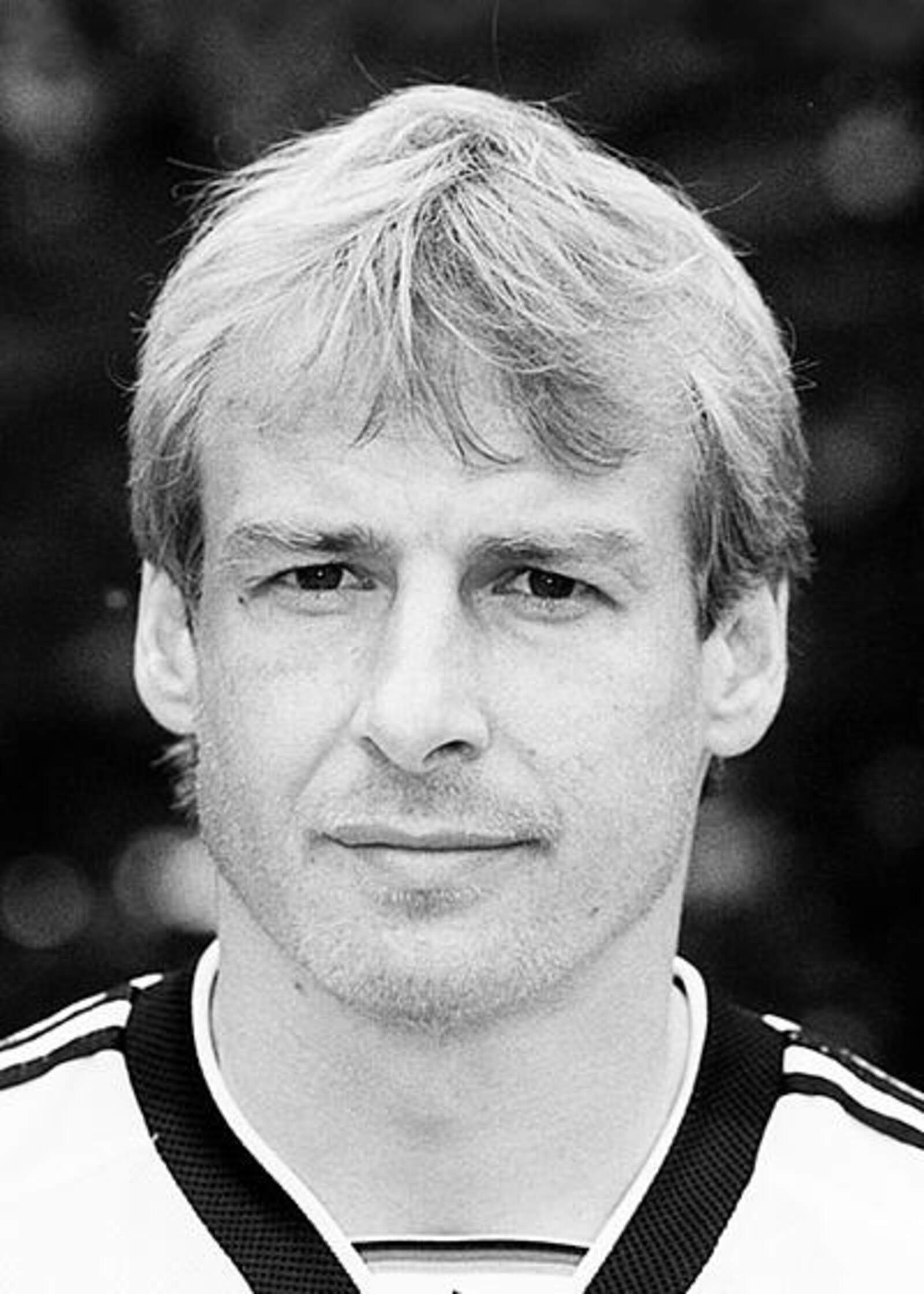
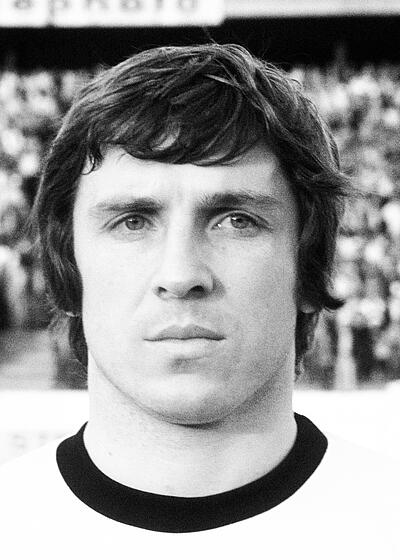
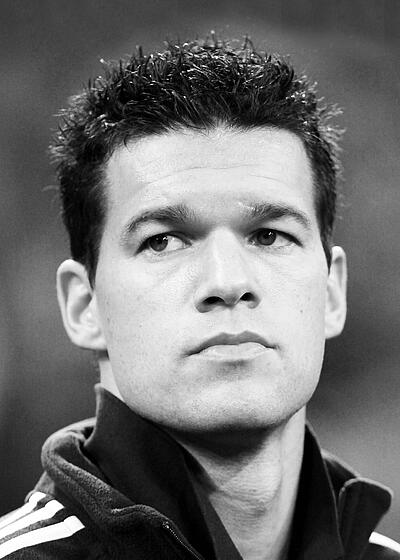
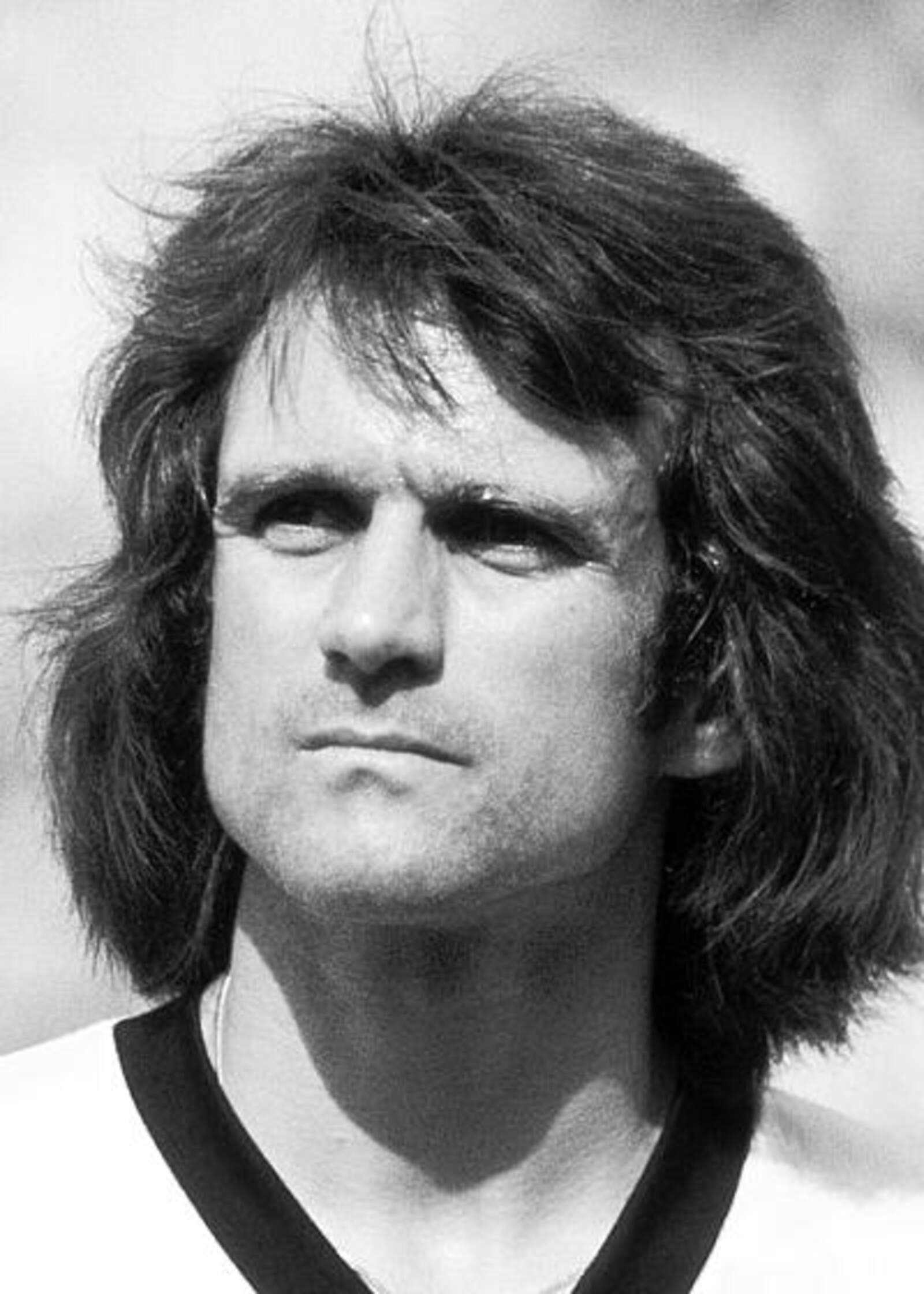
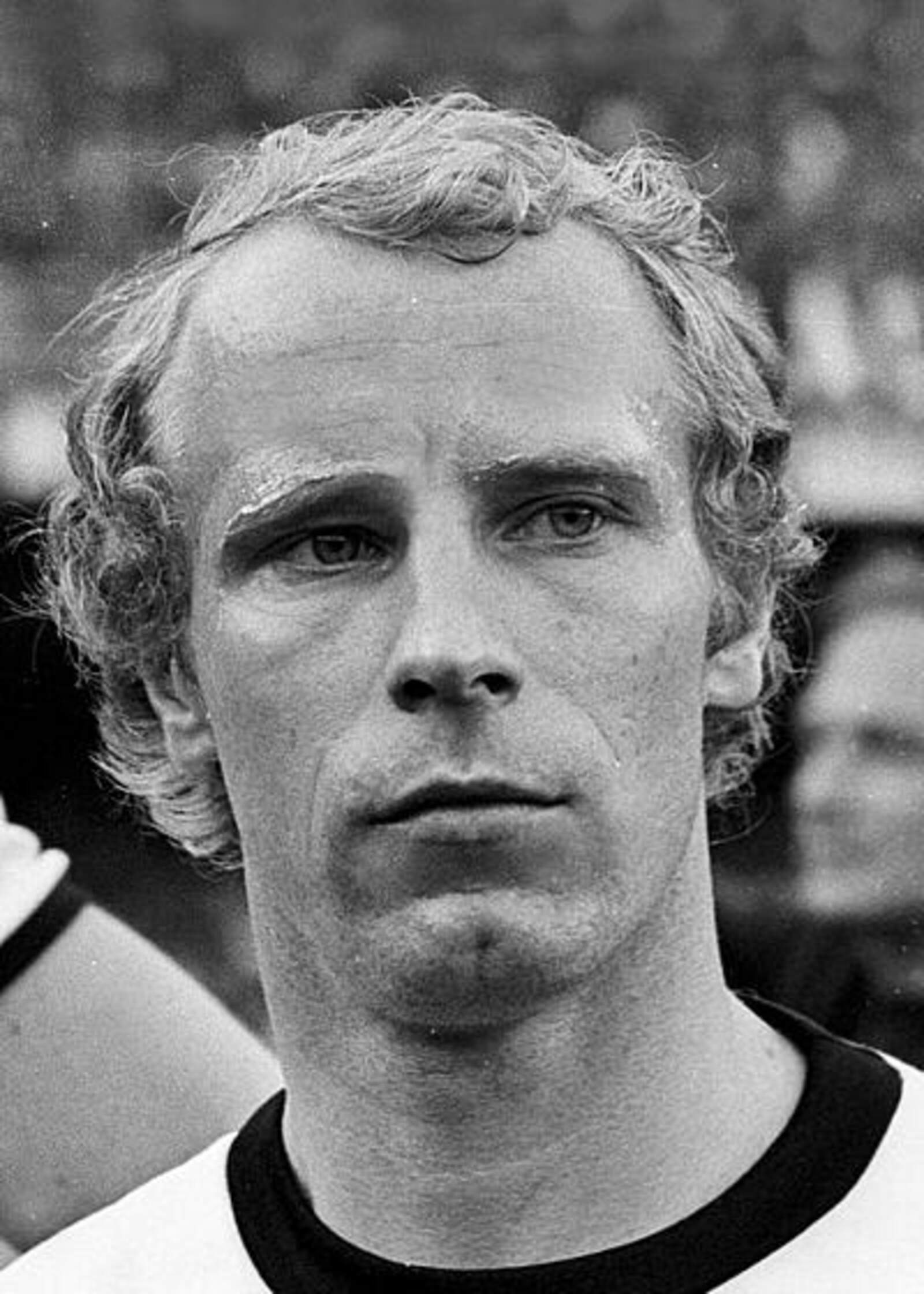
Franz Beckenbauer
*11 September 1945, Munich
† 7 January 2024, Salzburg
Defender
Clubs as a player:
1964–1977 FC Bayern Munich
1977–1980 New York Cosmos
1980–1982 Hamburger SV
1983 New York Cosmos
Club:
424 appearances, 44 goals (Bundesliga)
; 105 appearances, 19 goals (North American Soccer League, USA)
Honours:
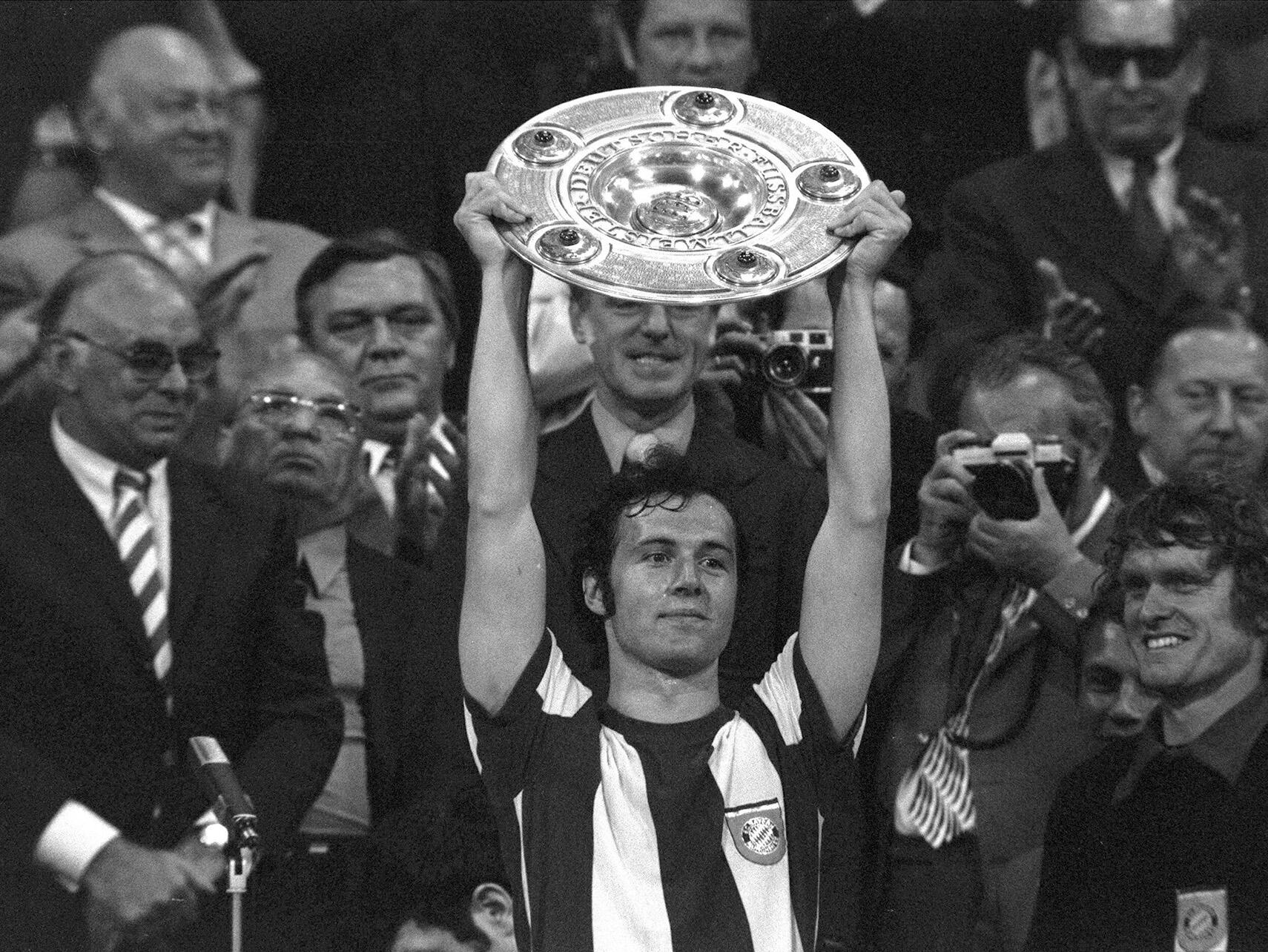
German Champion: 1969, 1972, 1973, 1974, 1982
DFB Cup winner: 1966, 1967, 1969, 1971
European Cup Winners’ Cup: 1974. 1975, 1976
European Cup Winners’ Cup: 1967
US Champion: 1977, 1978, 1980
Intercontinental Cup: 1976
National team:
103 appearances, 14 goals
World Champion: 1974
World Cup runner-up: 1966
World Cup third place: 1970
European Champion: 1972
European Championship runner-up: 1976
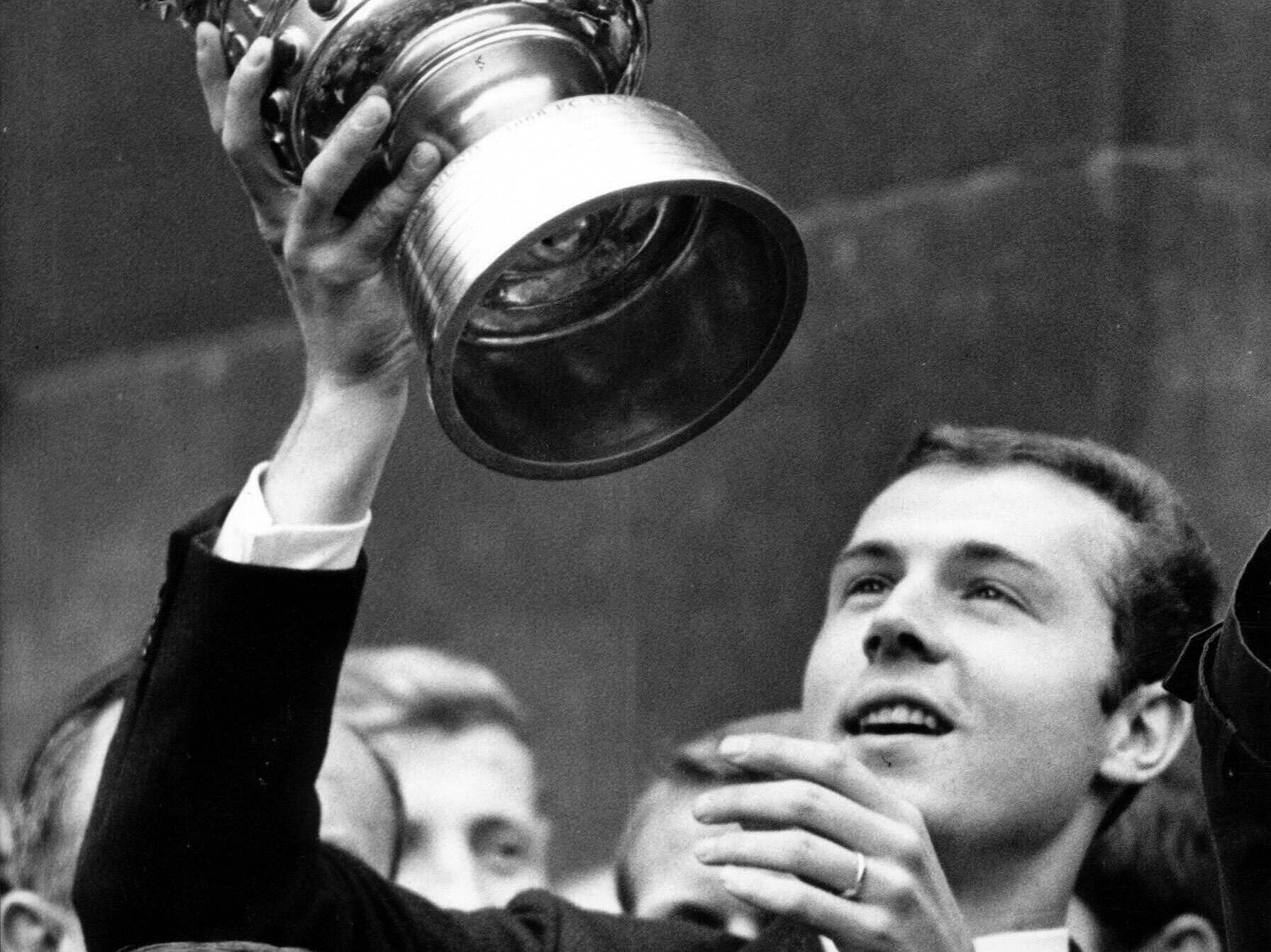

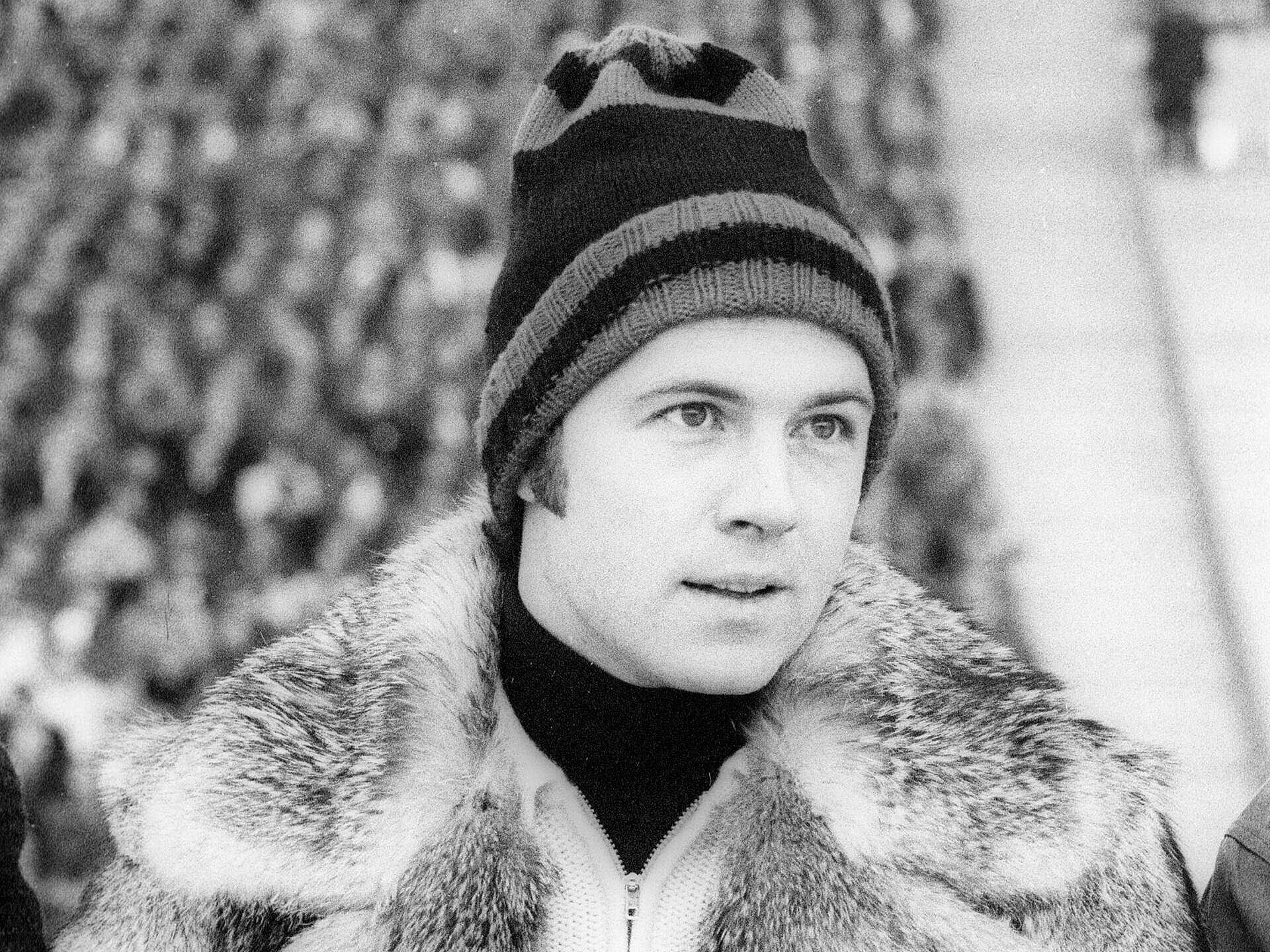

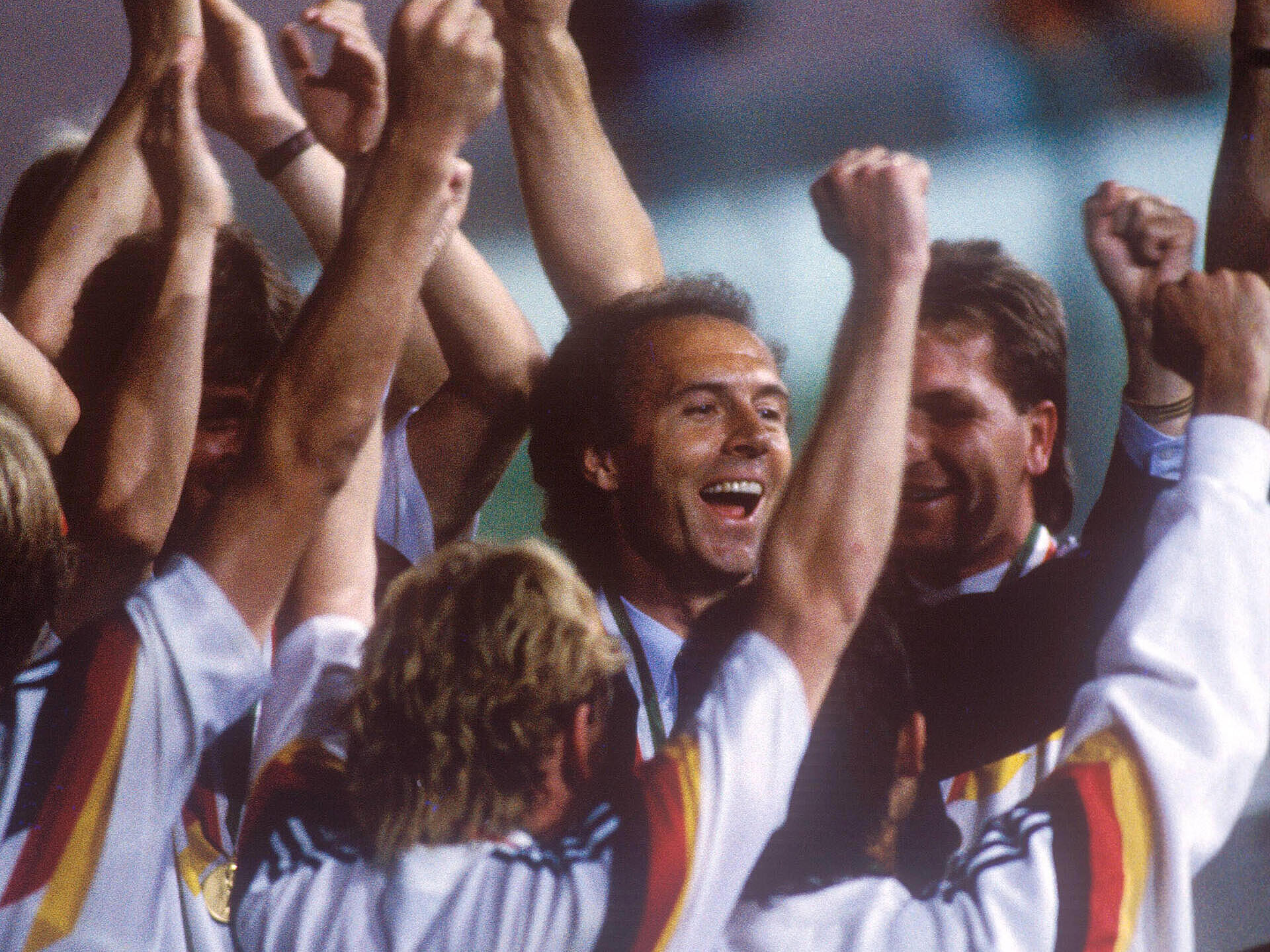
No matter where in the world lists of the most famous German personalities are compiled, his name is almost always included. Even though ‘Kaiser’ is merely a nickname for him and not a title of sovereignty, Franz Beckenbauer ranks alongside Marx and Merkel, Beethoven and Bismarck, Engels and Einstein.
Since 2000, an official poll conducted by the Association of German Sports Journalists (VDS) and the trade journal *Kicker-Sportmagazin* has recognised him as Germany’s ‘Footballer of the Century’. Like no other, he embodies the lightness of being when playing football. After years of already outstanding performances in midfield, he found the ideal position for himself, one in which he was to remain unrivalled. As a libero – a free man behind the defence – he shaped his team’s build-up play with elegance, vision and outside-of-the-foot passes, and – living up to his nickname – developed strategic abilities on the pitch akin to those of a military commander.
He was captain of the 1972 European Championship-winning side and the 1974 World Cup-winning side. After 103 appearances, his successful international career came to an end with his departure from the Bundesliga and his move from Bayern Munich to New York Cosmos. The following years on the American East Coast allowed him to mature further as a person. Upon his return, he won the German championship once more with Hamburger SV. Immediately after retiring as a player, the German Football Association created a new role for him: as ‘team manager’ – as he lacked the necessary licence to be “national coach” – he took charge of the national team from 1984, leading them to runners-up in the 1986 World Cup in Mexico and, on the final day of his tenure, to the 1990 World Cup title in Italy. The way he strolled across the pitch at the Olympic Stadium in Rome afterwards, seemingly somewhat detached from the world, had a certain air of lightness about it. Franz Beckenbauer and the lightness of being.
The German Football Hall of Fame was established on the initiative of the German Football Museum. In November 2018 and January 2019, leading sports journalists voted for the inaugural men’s and women’s teams. The jury members were asked to nominate their choice of players and managers from German men’s and women’s football. Players who were eligible to play for German national teams and whose playing careers had ended at least five years previously were eligible for nomination. The HALL OF FAME honours the greatest legends of German football in one central location for the first time. It forms part of the permanent exhibition at the German Football Museum in Dortmund. Opened on 1 April 2019, it has become a permanent place of pilgrimage for all football fans. The jury decides annually on further inductees from men’s and women’s football.