EN
EN
 DE
DE

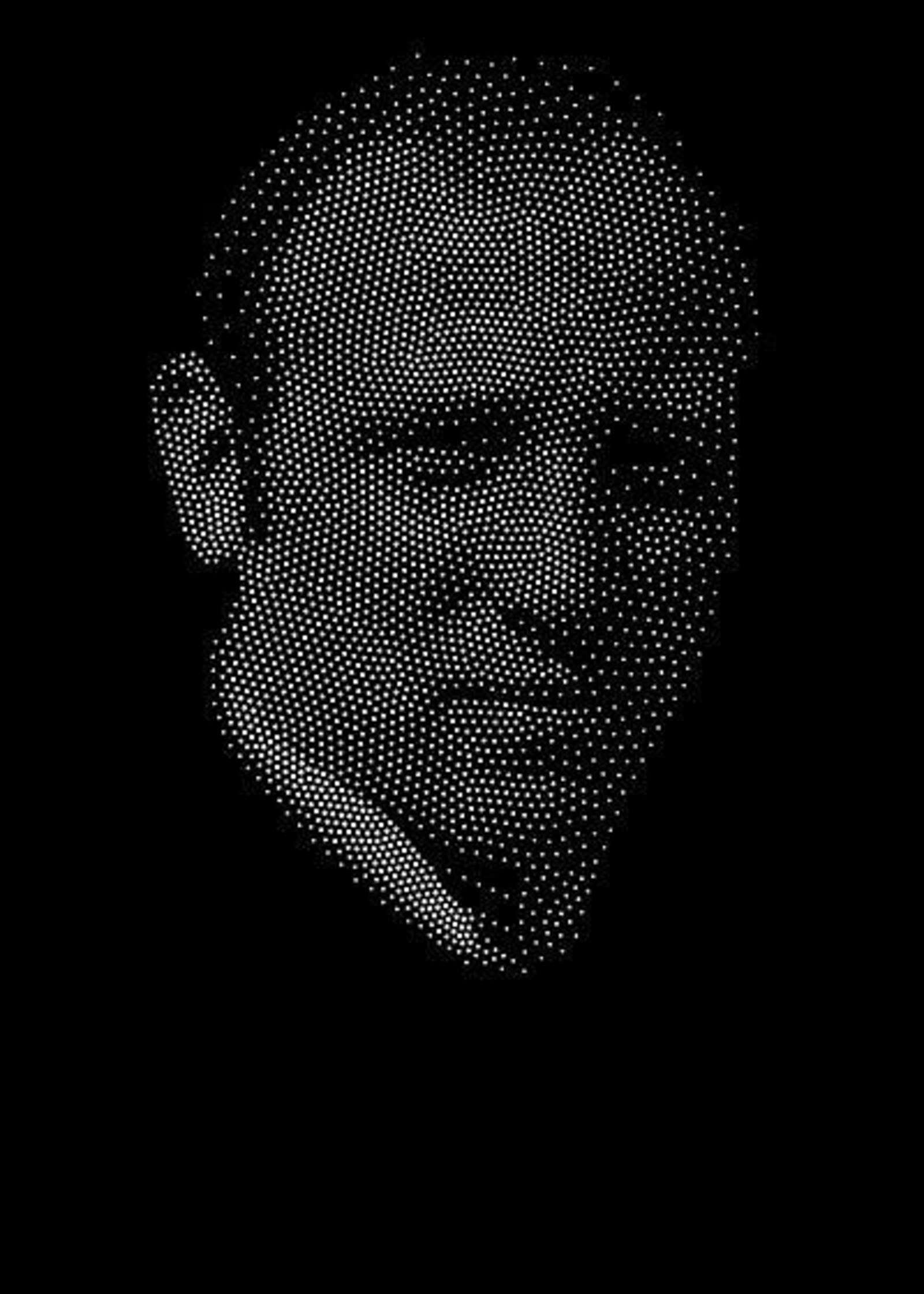
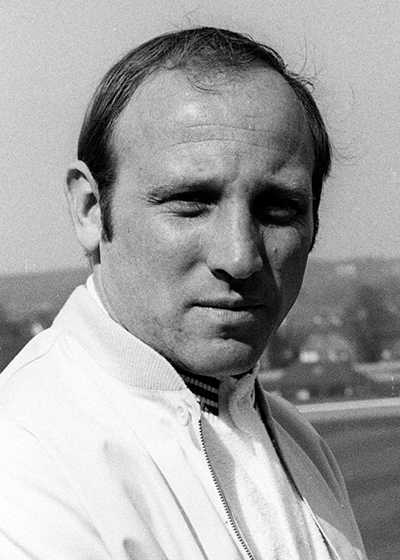
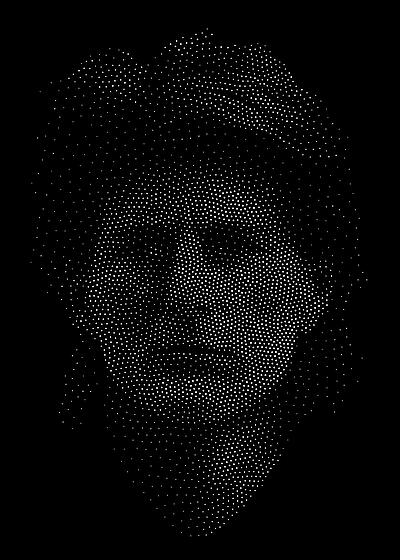
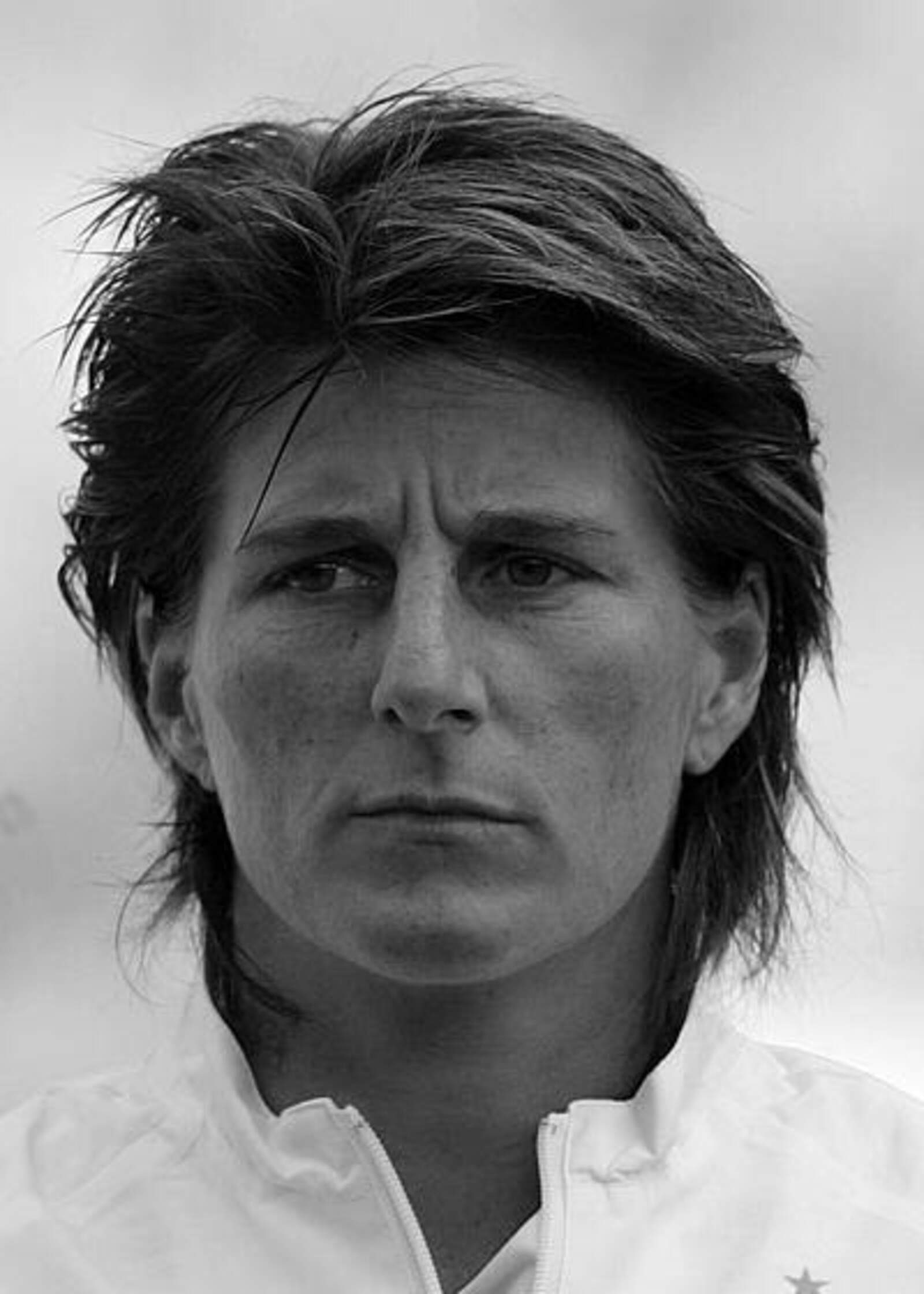
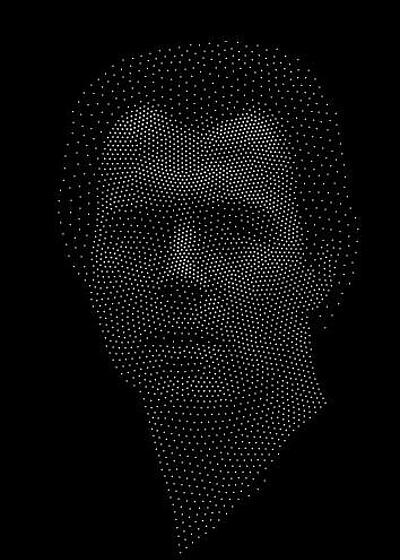
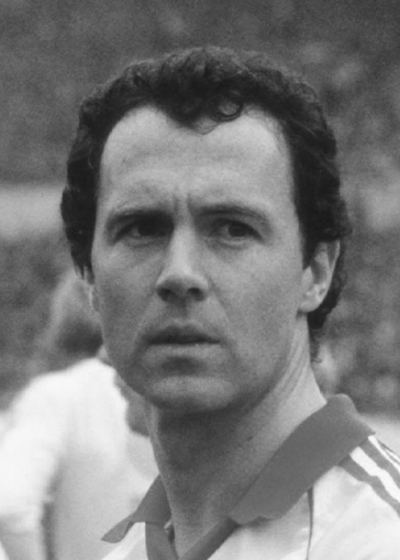
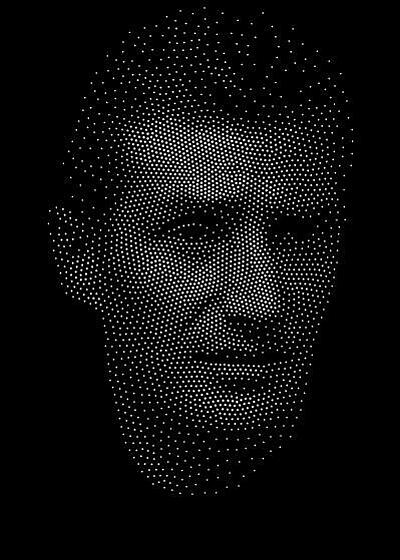
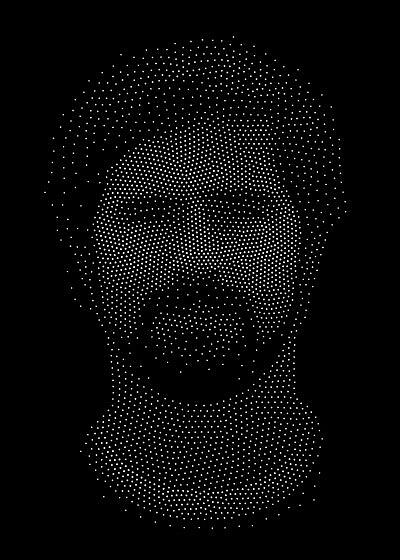
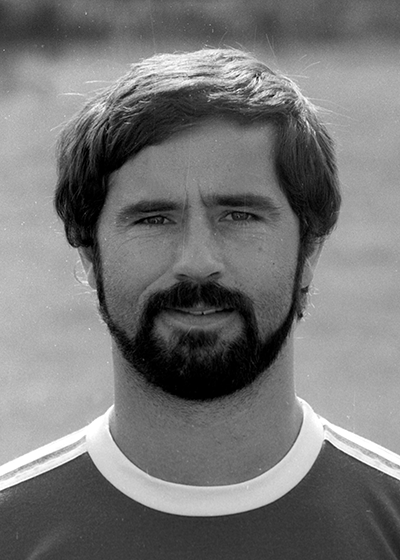
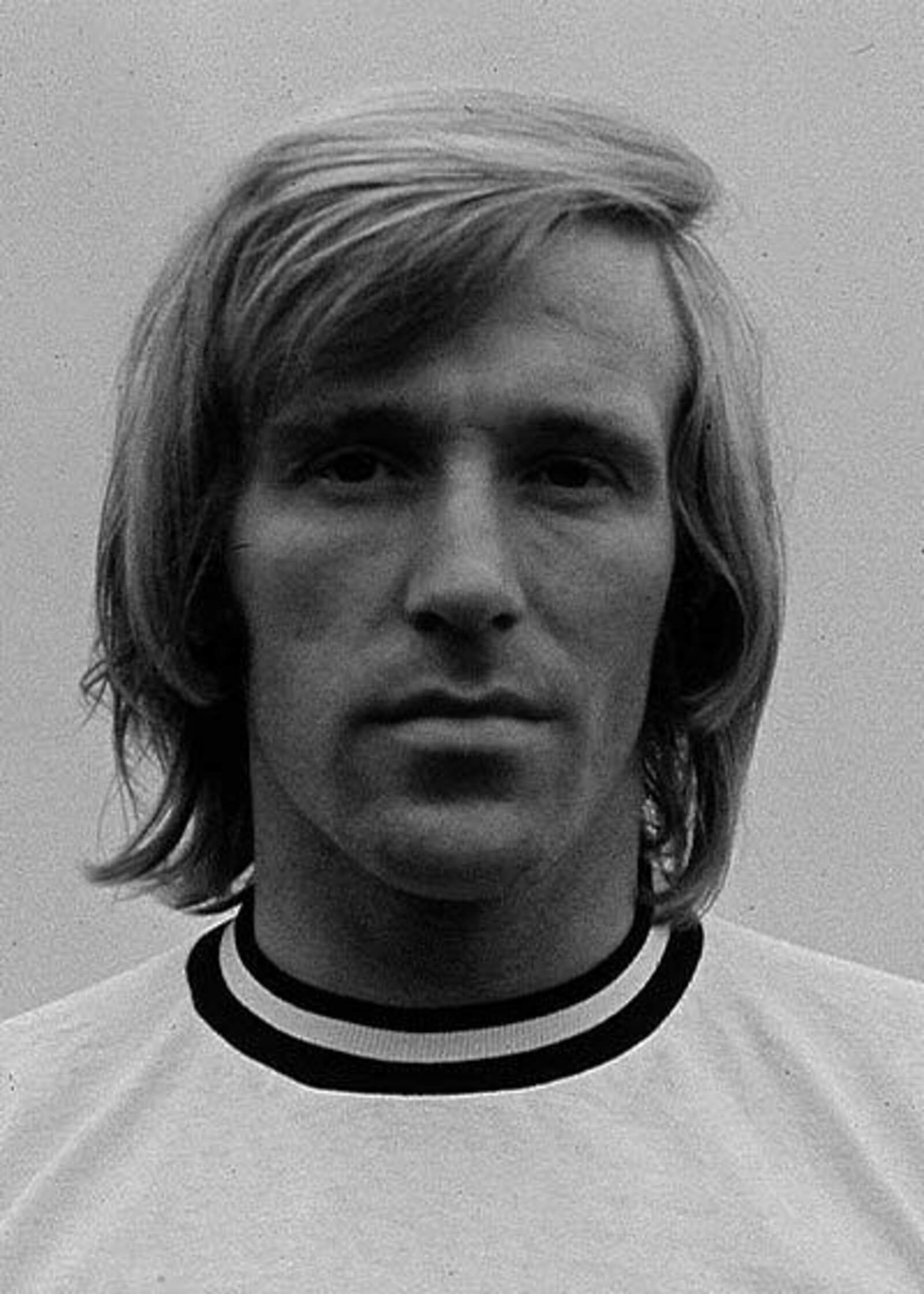
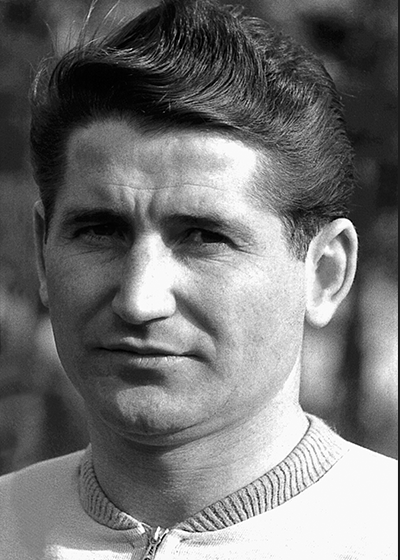
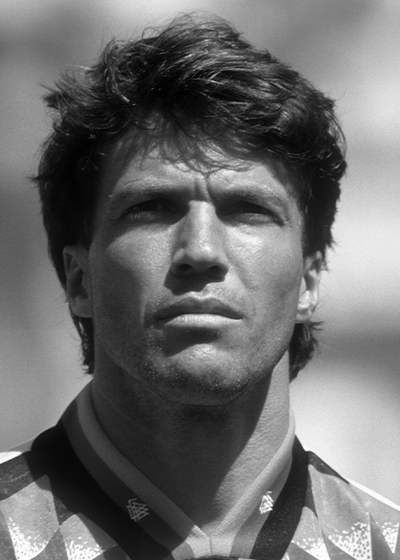
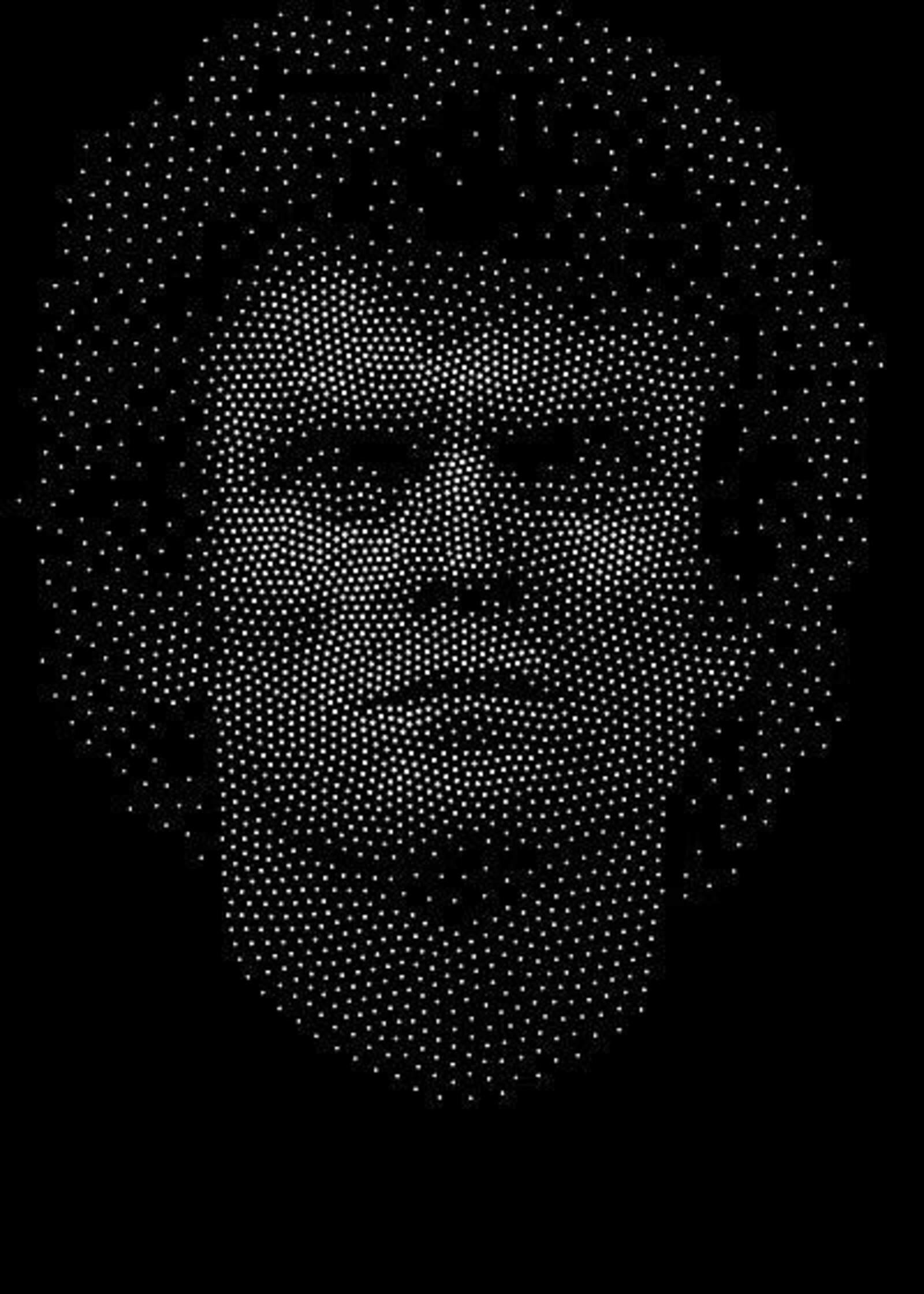
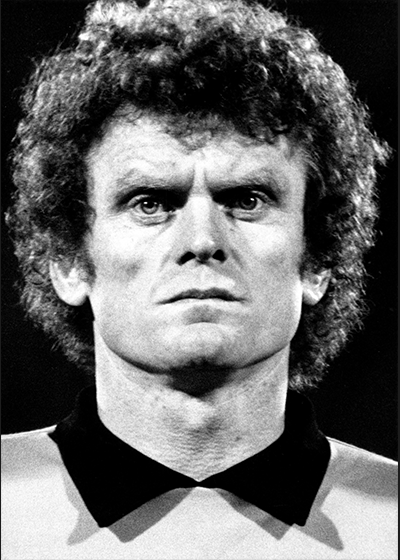
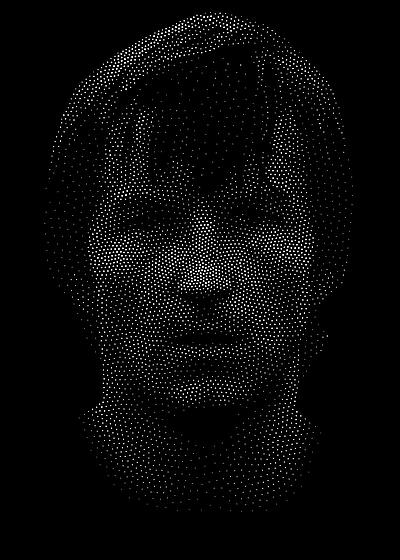
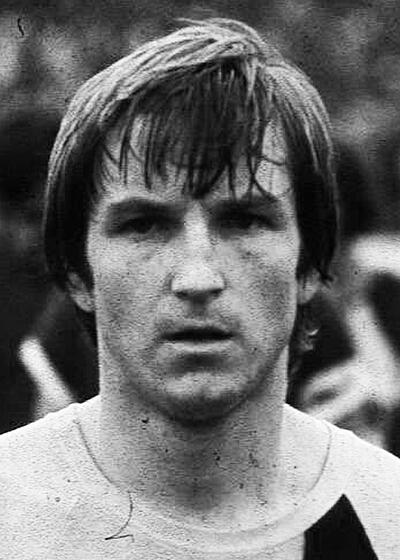
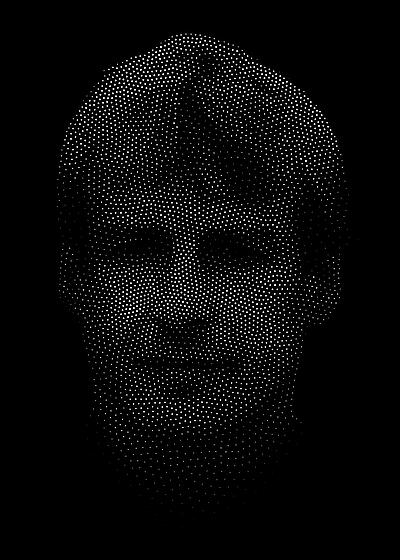
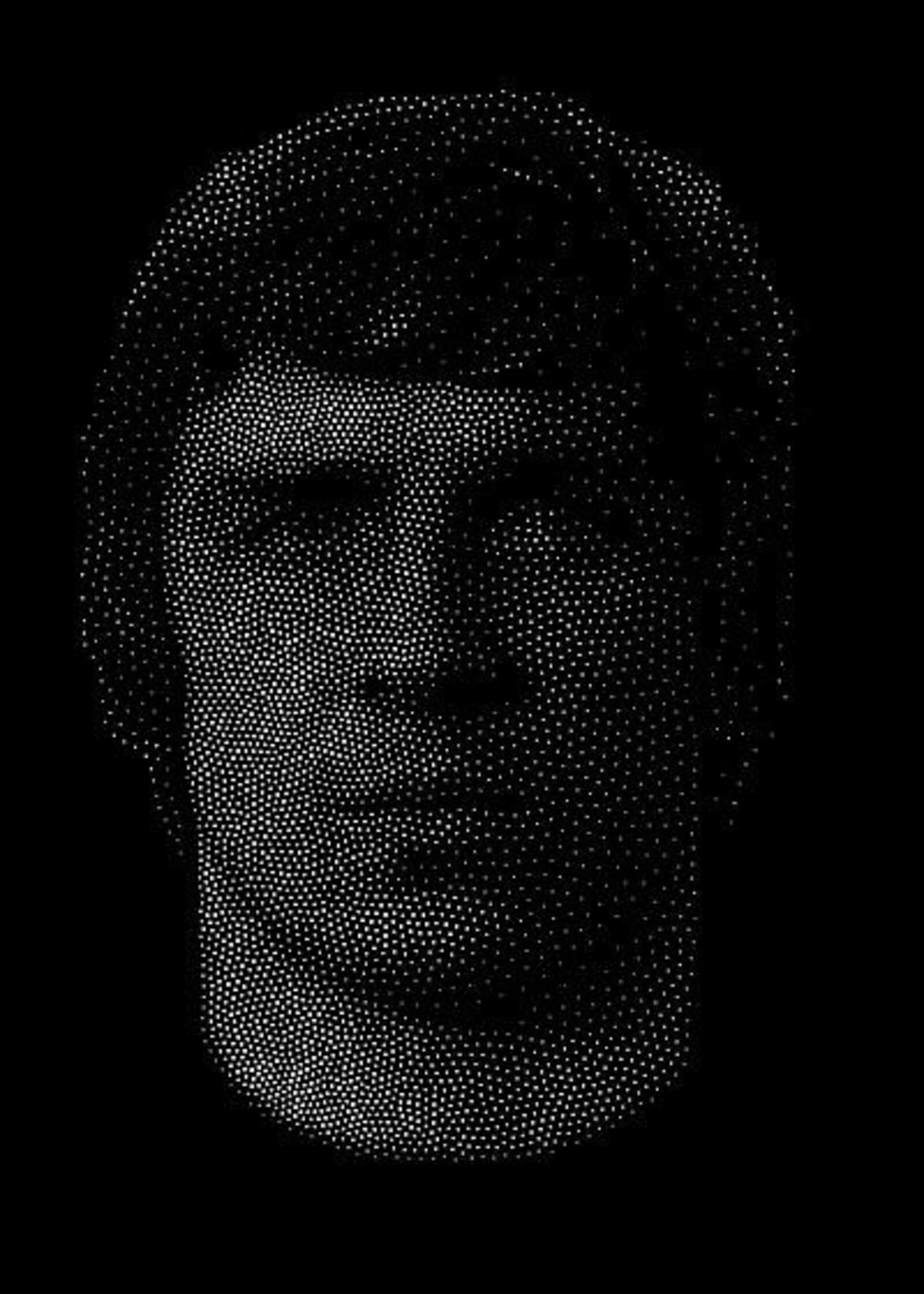
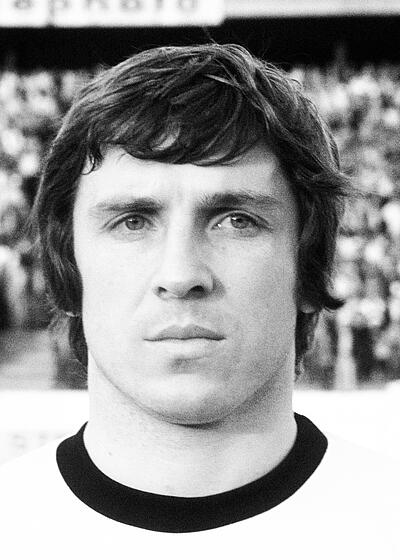
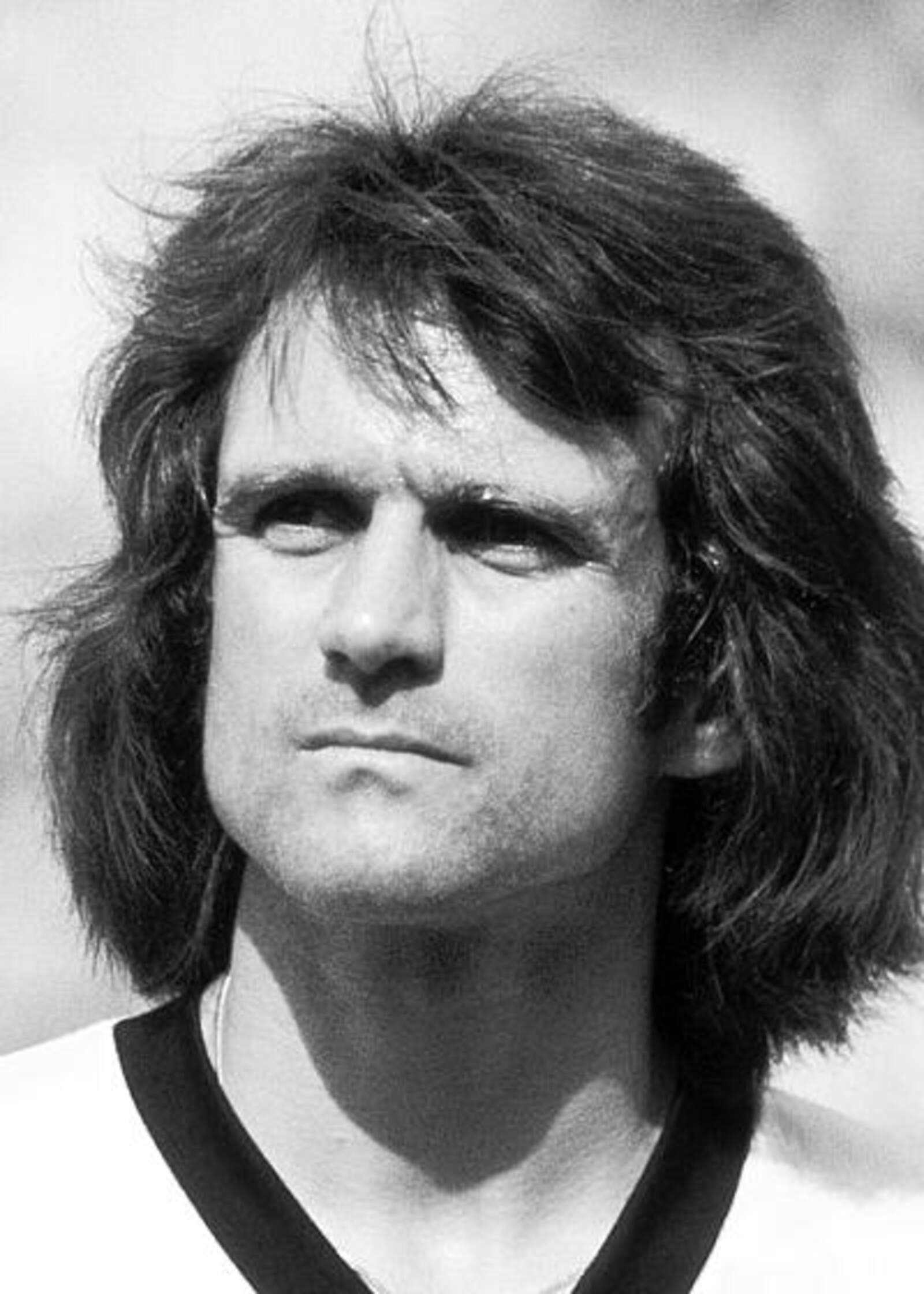
Günter Netzer
14 September 1944, Mönchengladbach
, midfielder
Clubs as a player:
1963–1973 Borussia Mönchengladbach
1973–1976 Real Madrid
1976–1977 Grasshopper Club Zurich
Club:
230 appearances, 82 goals (Bundesliga)
; 85 appearances, 9 goals (Primera División, Spain)
; 26 appearances, 3 goals (Nationalliga A, Switzerland)
Honours:
German Champion: 1970, 1971
DFB Cup winner: 1973
Spanish Champion: 1975, 1976
Spanish Cup winner: 1974, 1975
National team:
37 appearances, 6 goals
World Champion: 1974
European Champion: 1972
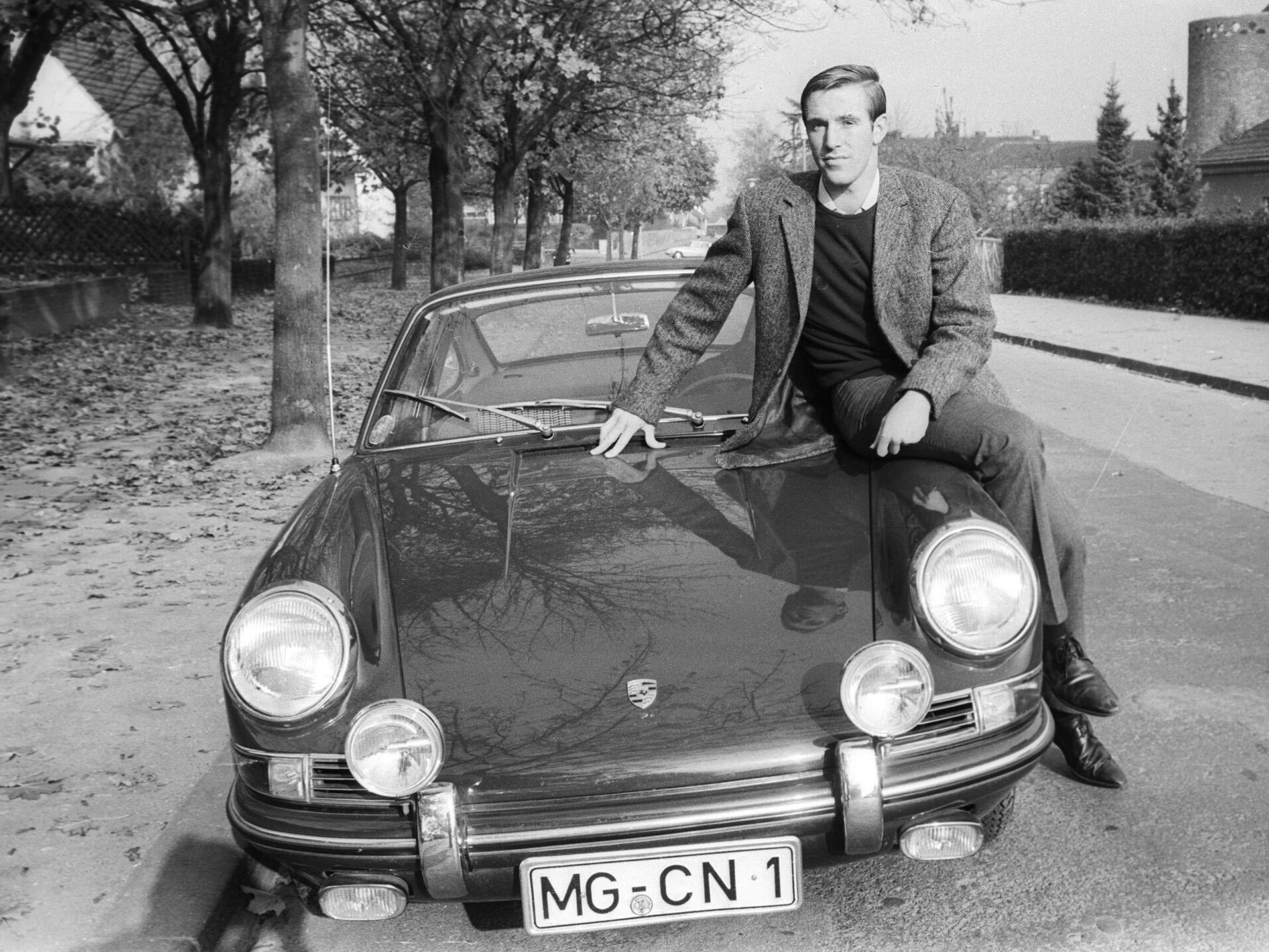
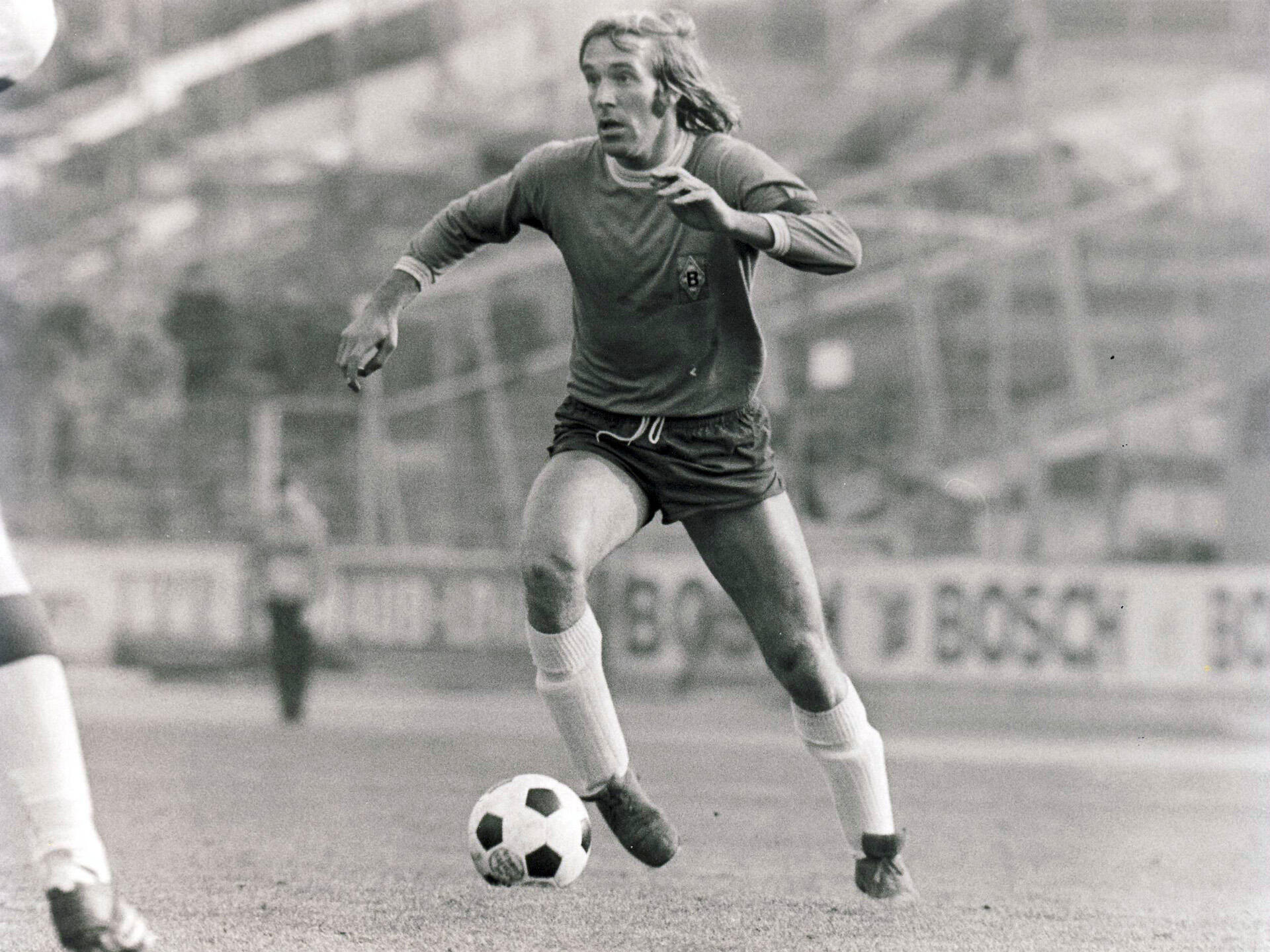

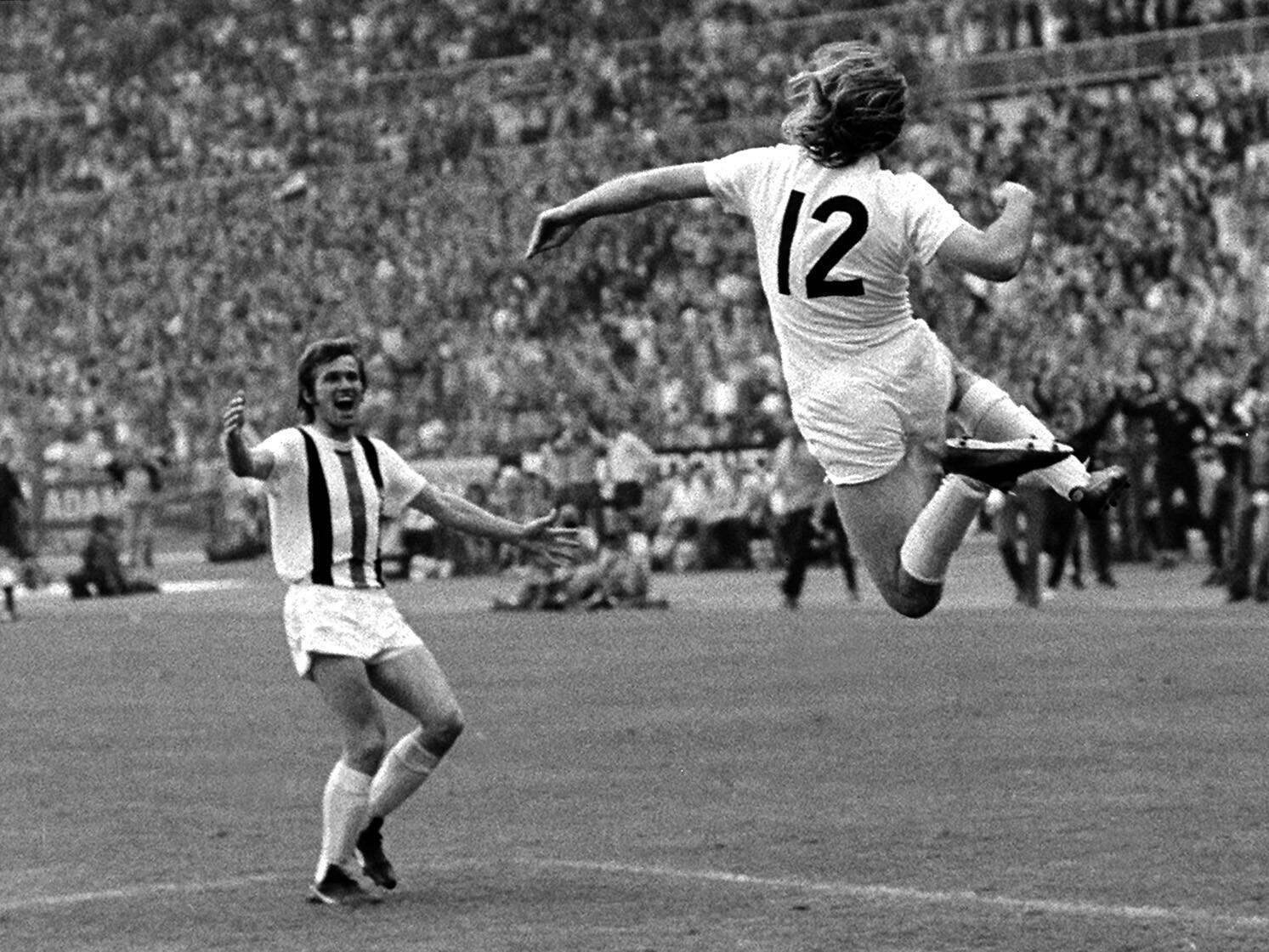
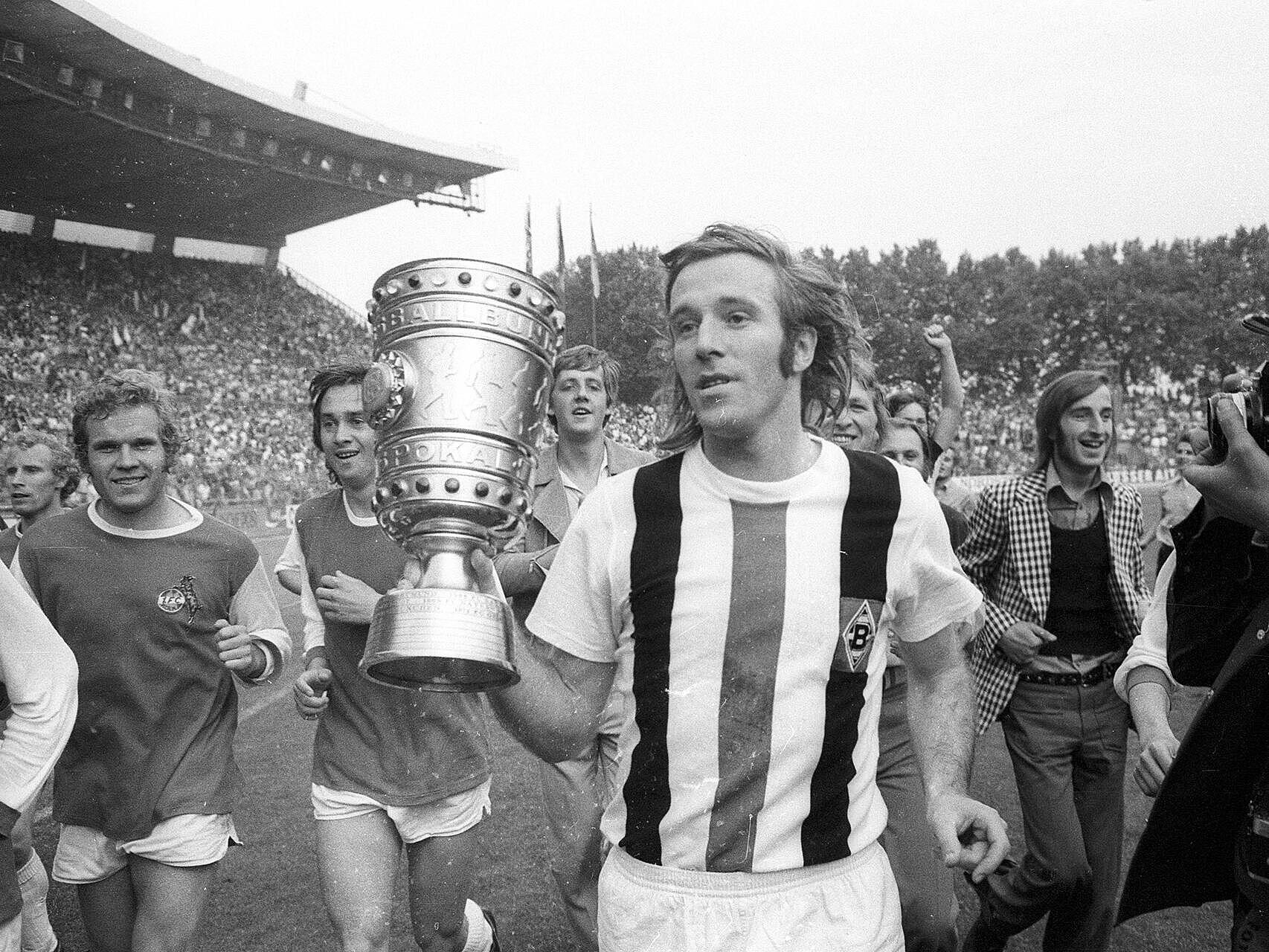
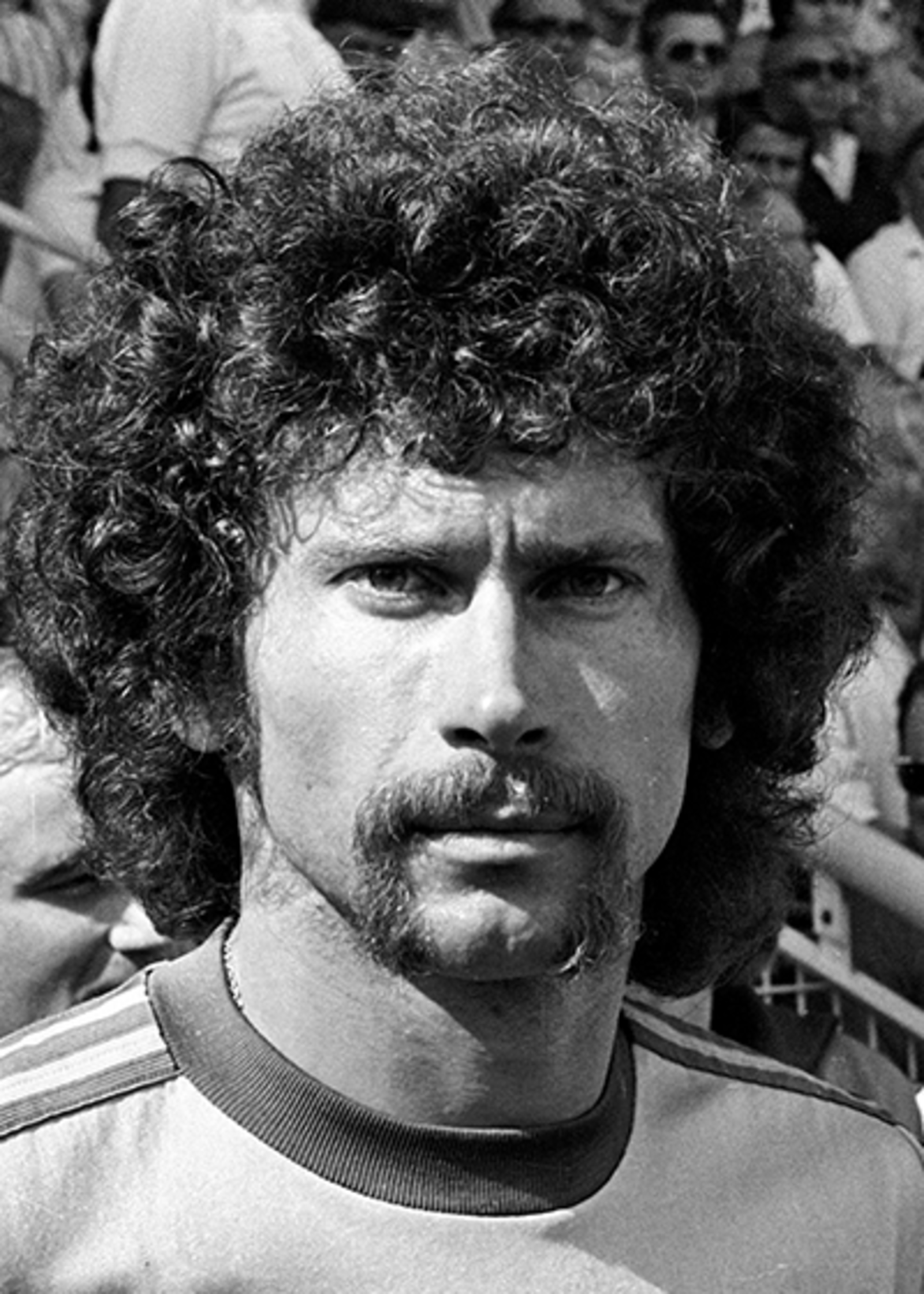
In the early 1970s, the Mönchengladbach native was regarded as German football’s first rebel. However, his rebellious streak manifested itself less in idealism or opposition to anything, and more in his own headstrong nature. For a professional footballer at the time, it was unusual to run a nightclub as a side job, as he did, and to lead an extravagant lifestyle off the pitch, with a penchant for fast cars. Netzers’ long hair was also rather out of the ordinary.
The pinnacle of his rebellion – in the sense of defiance against authority – was arguably his decision to substitute himself on in the 1973 DFB Cup final, a moment that went on to become one of the competition’s finest hours. “I’ll have a go now,” he said to the legendary manager Hennes Weisweiler, and stepped onto the pitch at the start of extra time, scoring the winning goal just a few minutes later with a thunderous strike to give his Mönchengladbach side a 2–1 victory over their arch-rivals from Cologne. The ball had slipped over the instep of his weaker left foot and, as a result, ended up in the corner of the net, leaving the goalkeeper with no chance.
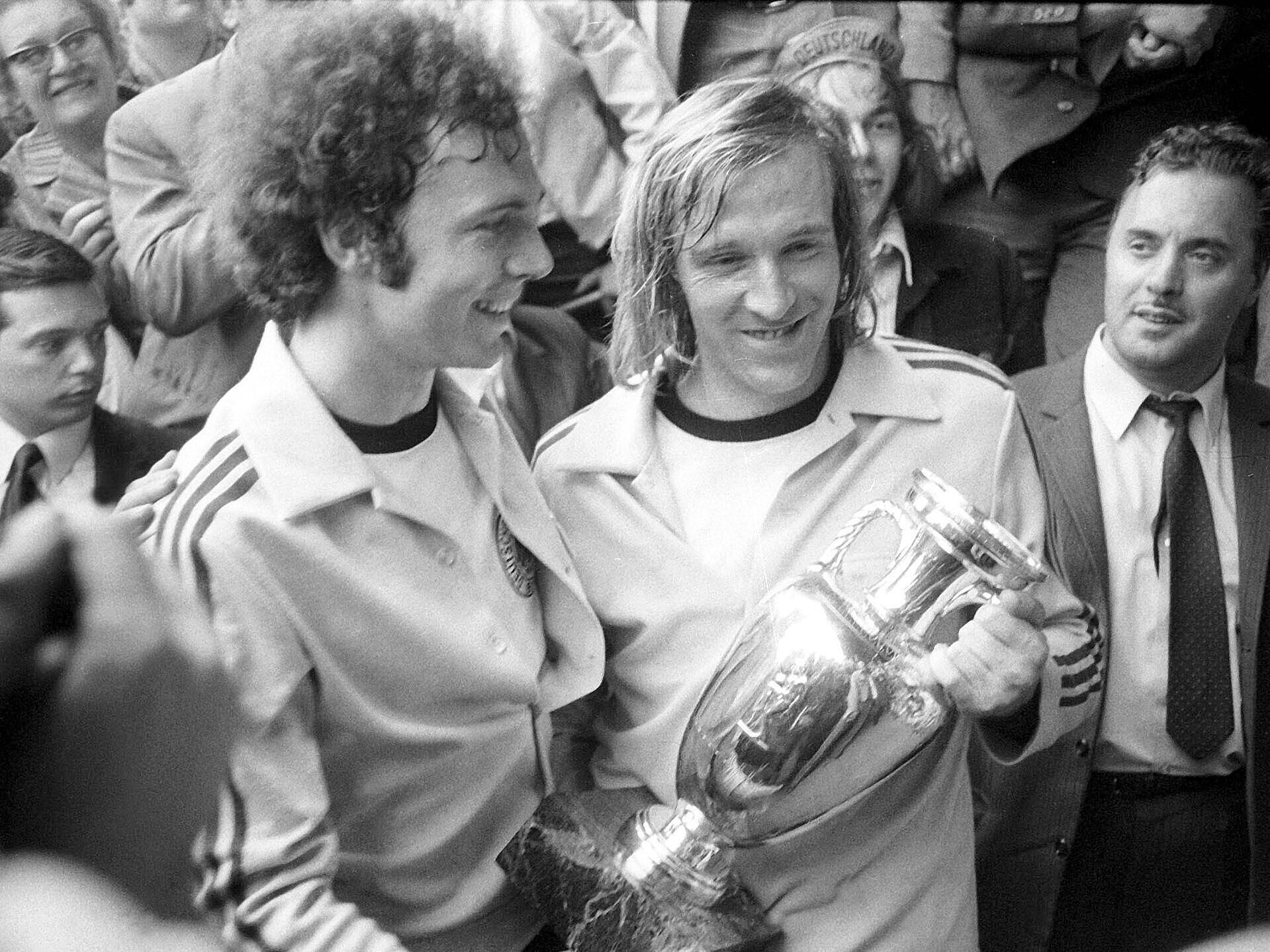
With his right foot, he epitomised genius, delivering passes from deep in the half. This made the two-time Footballer of the Year at that time the central figure in the Fohlen side’s attractive and successful style of play and – alongside Franz Beckenbauer and Gerd Müller – the linchpin of the national team that won the European Championship in Belgium in 1972. “I was very lucky,” he says himself, even after his magnificent football career, first as manager of Hamburger SV, later as a TV rights broker and as a recognised and award-winning TV football pundit. As well as luck, he had, above all, his own distinctive style throughout all his roles.
The German Football Hall of Fame was established on the initiative of the German Football Museum. In November 2018 and January 2019, leading sports journalists voted for the inaugural men’s and women’s teams. The jury members were asked to nominate their choice of players and managers from German men’s and women’s football. Players who were eligible to play for German national teams and whose playing careers had ended at least five years previously were eligible for nomination. The HALL OF FAME honours the greatest legends of German football in one central location for the first time. It forms part of the permanent exhibition at the German Football Museum in Dortmund. Opened on 1 April 2019, it has become a permanent place of pilgrimage for all football fans. The jury decides annually on further inductees from men’s and women’s football.