EN
EN
 DE
DE

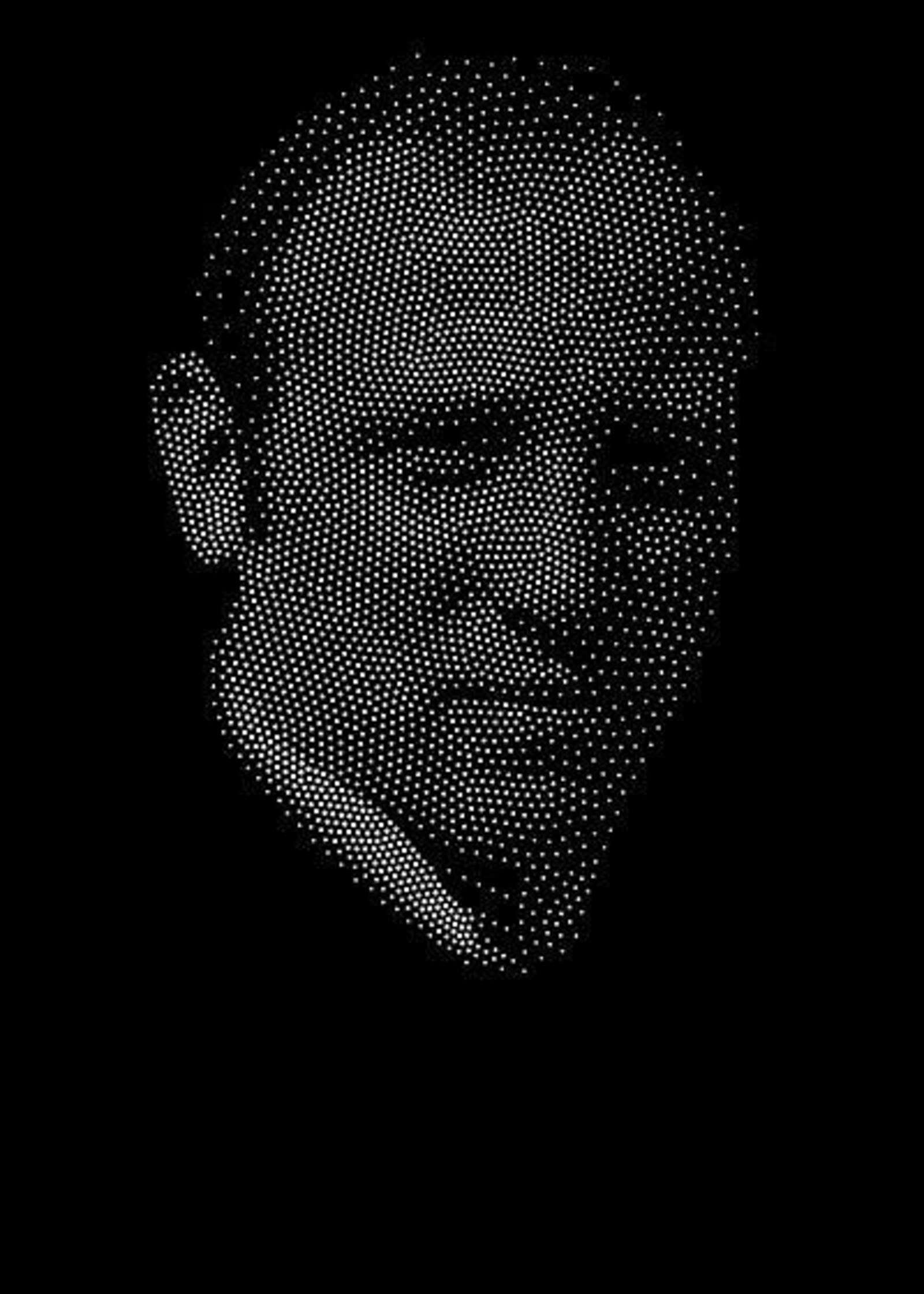
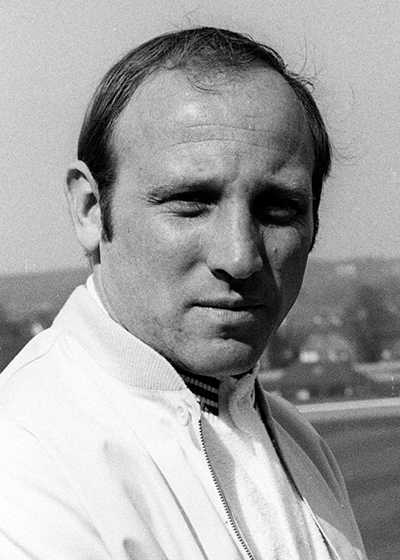
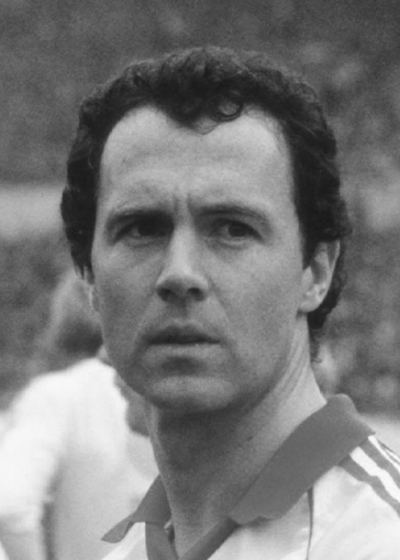
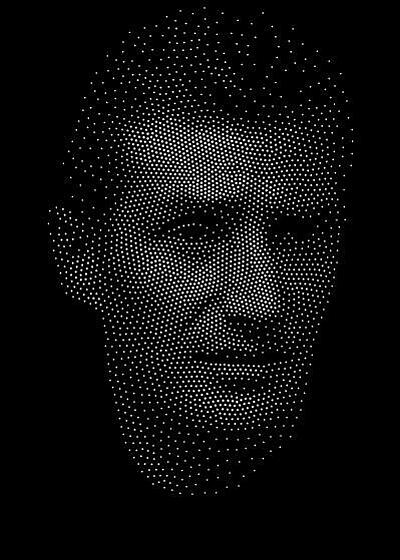
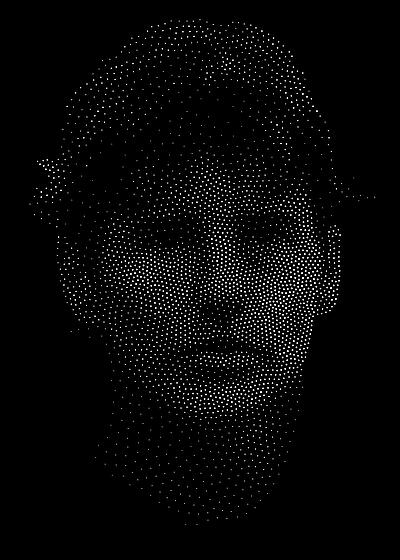
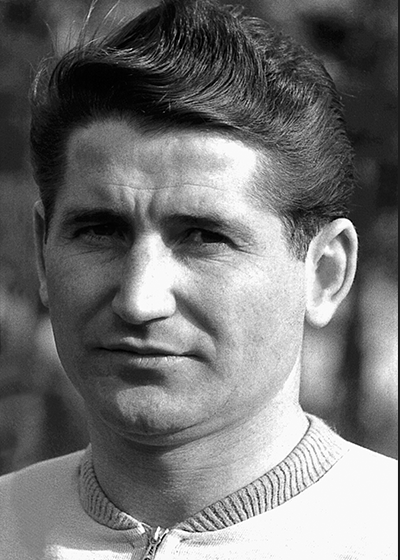
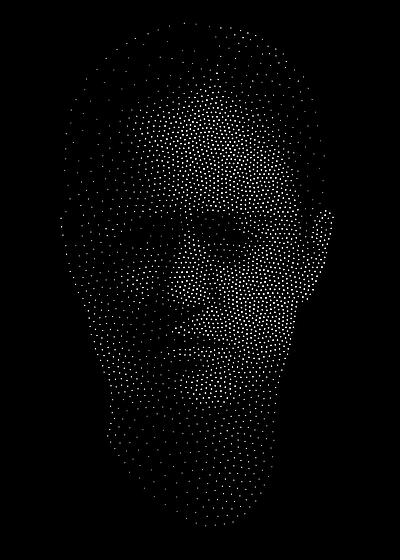
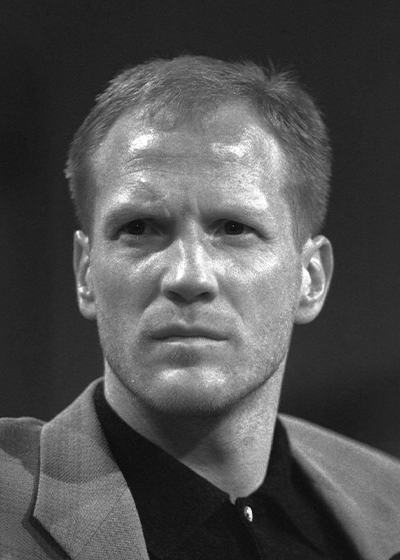
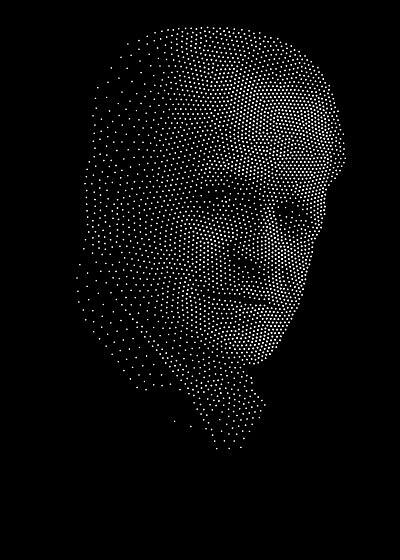
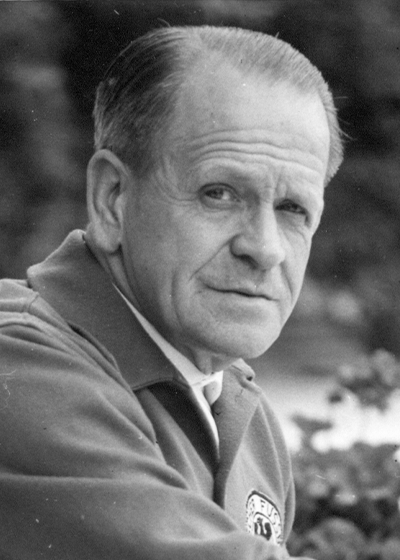
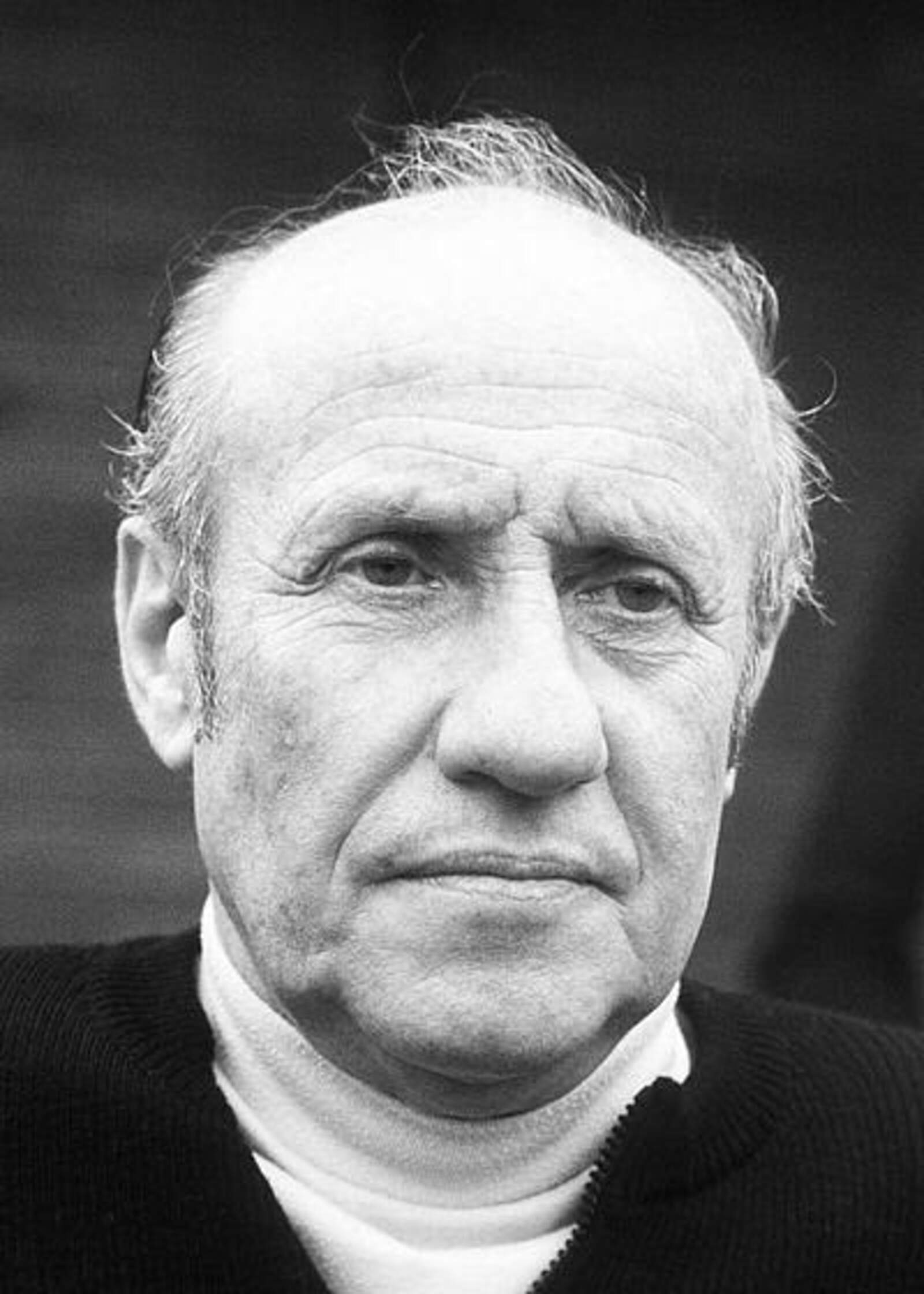
Sepp Herberger
28 March 1897, Mannheim
– 28 April 1977, Mannheim
Coach
Coaching career:
1928–1929 SV Nowawes 03
1930–1932 Tennis Borussia Berlin
1932–1934 West German Football Association
1938–1942 Germany
1950–1964 Germany
National team
: 162 matches
World Champion: 1954
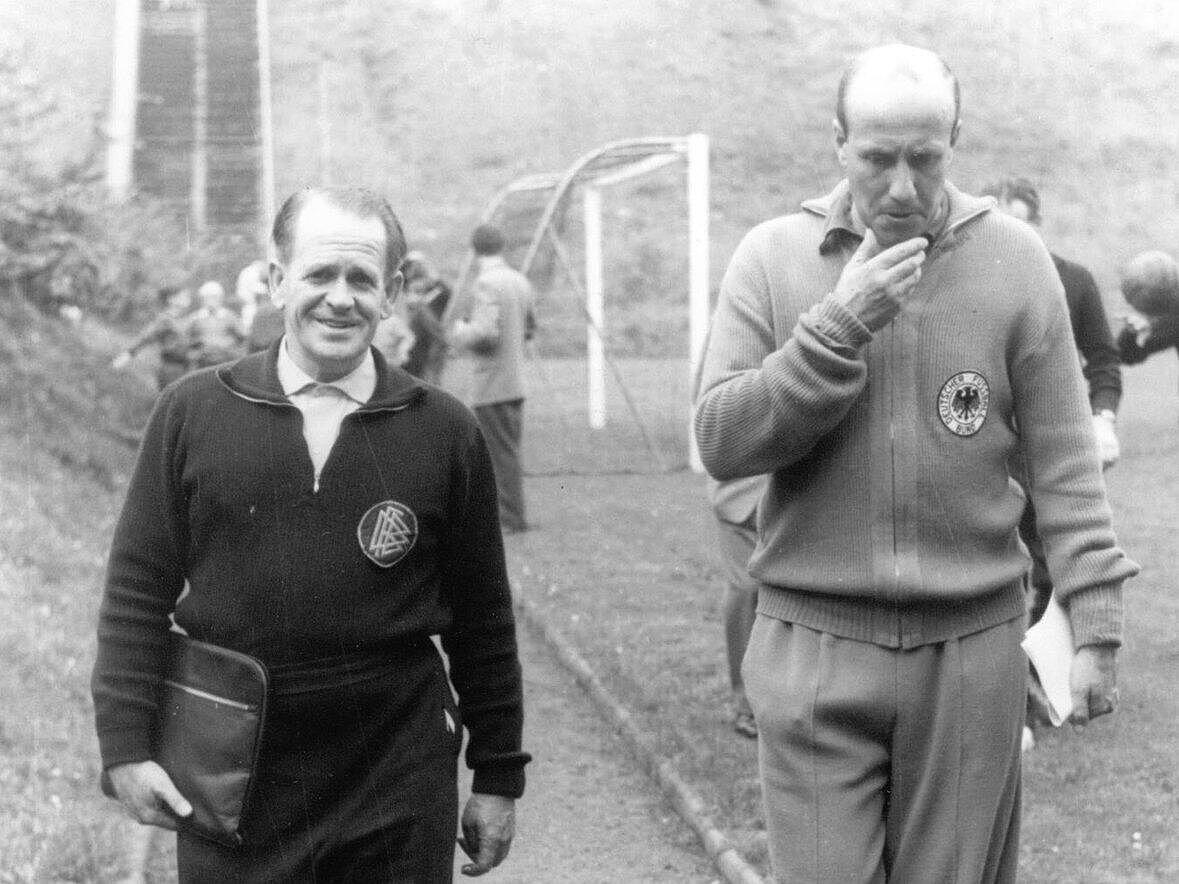
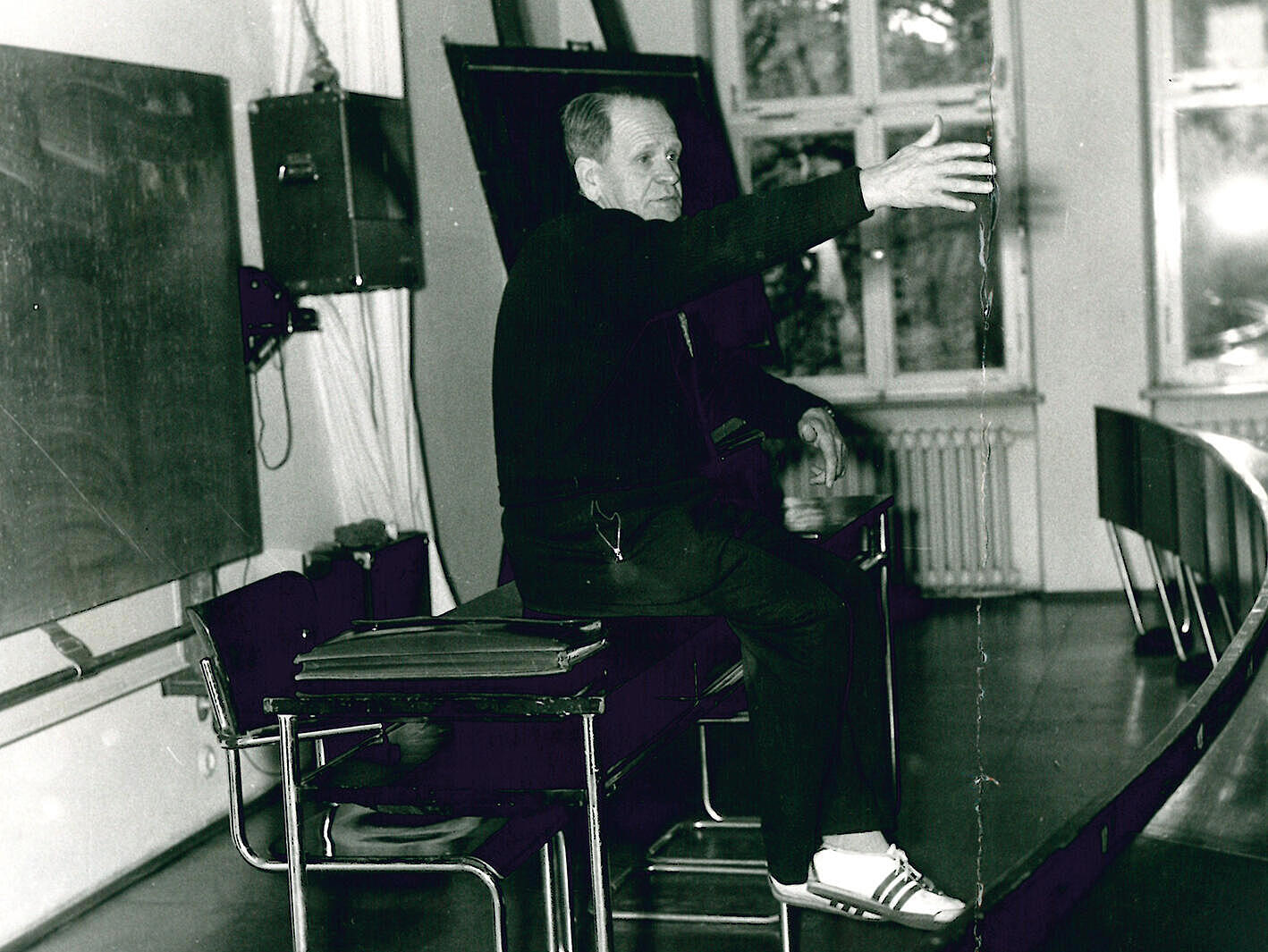
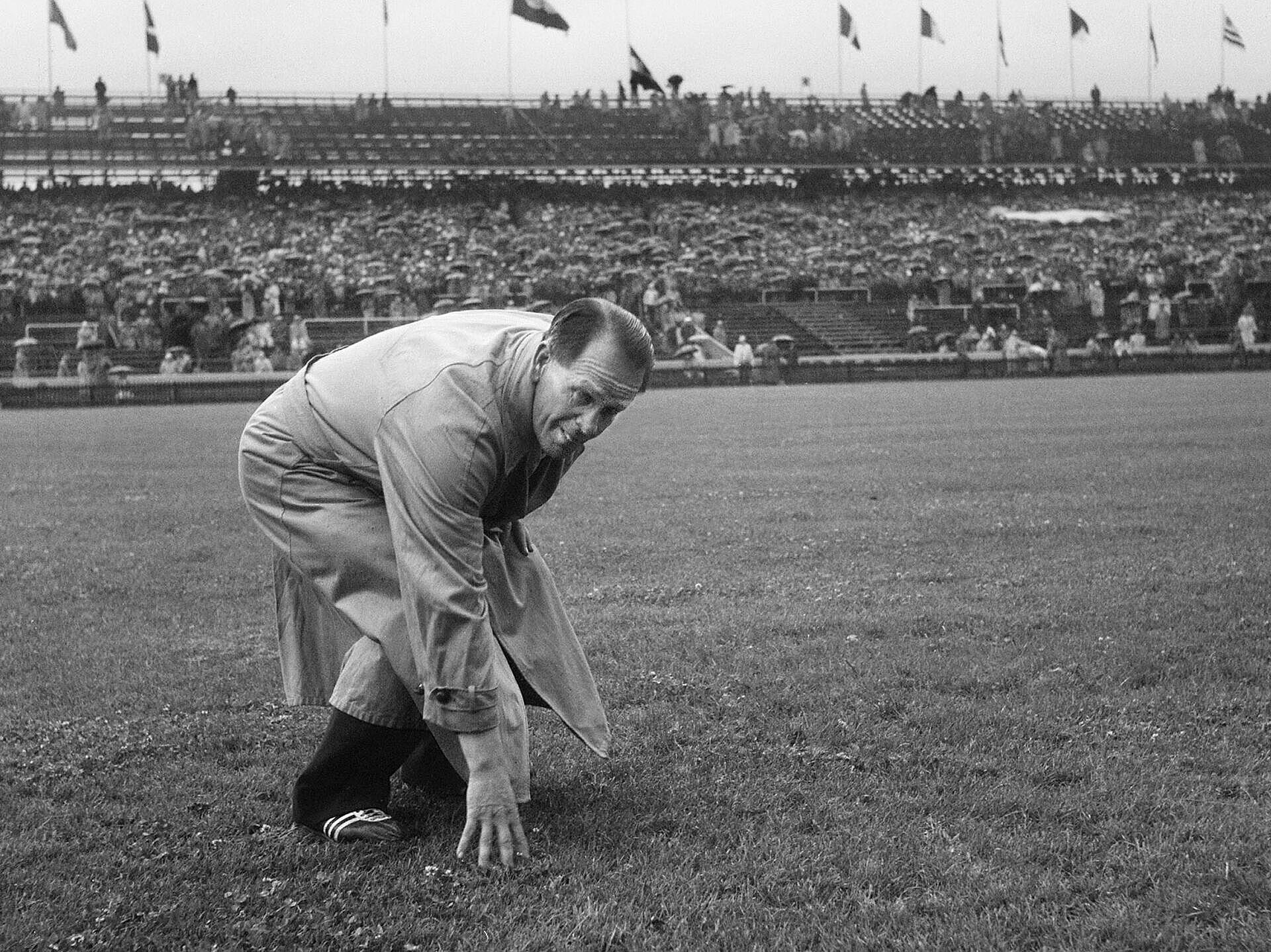
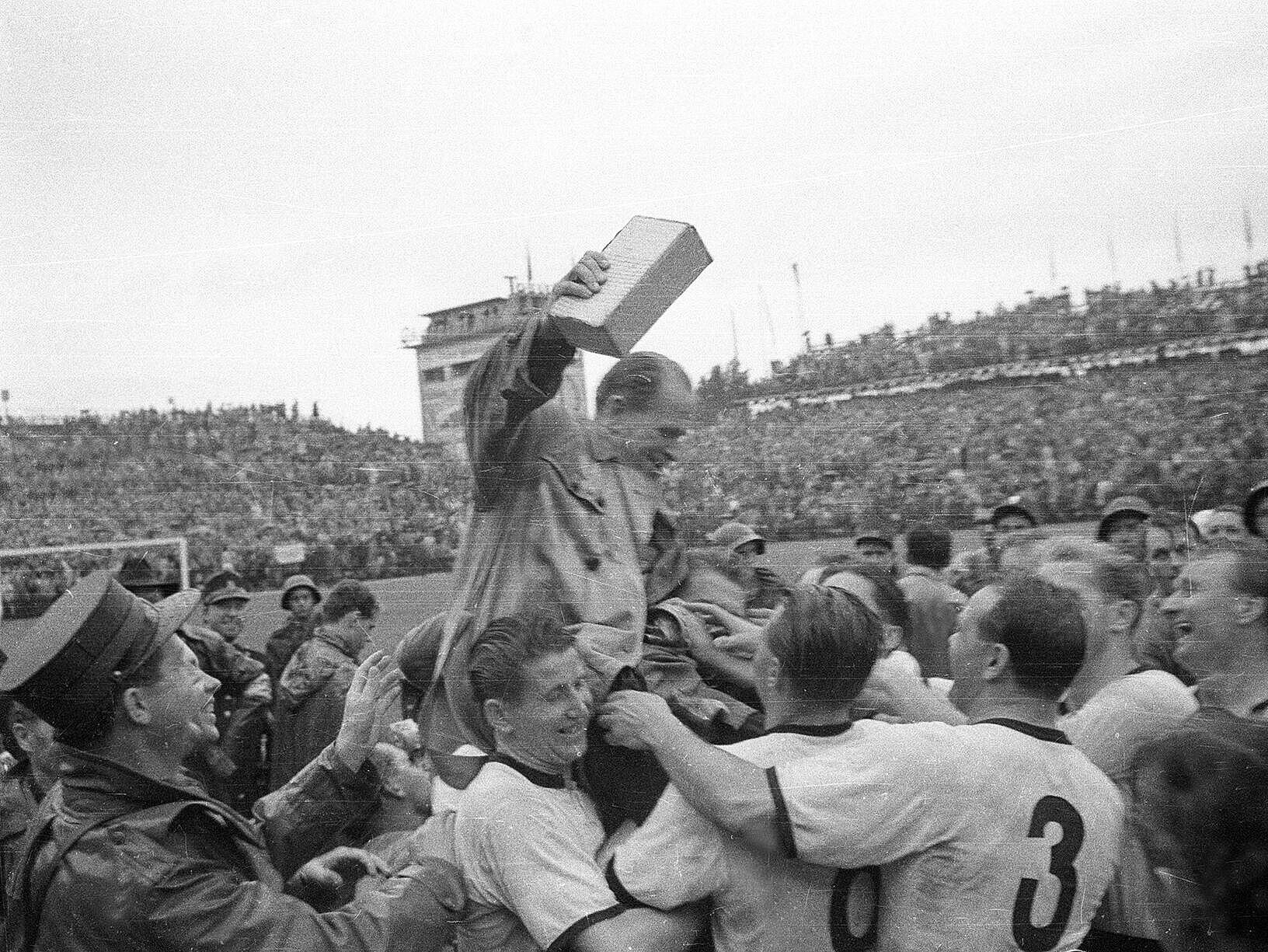

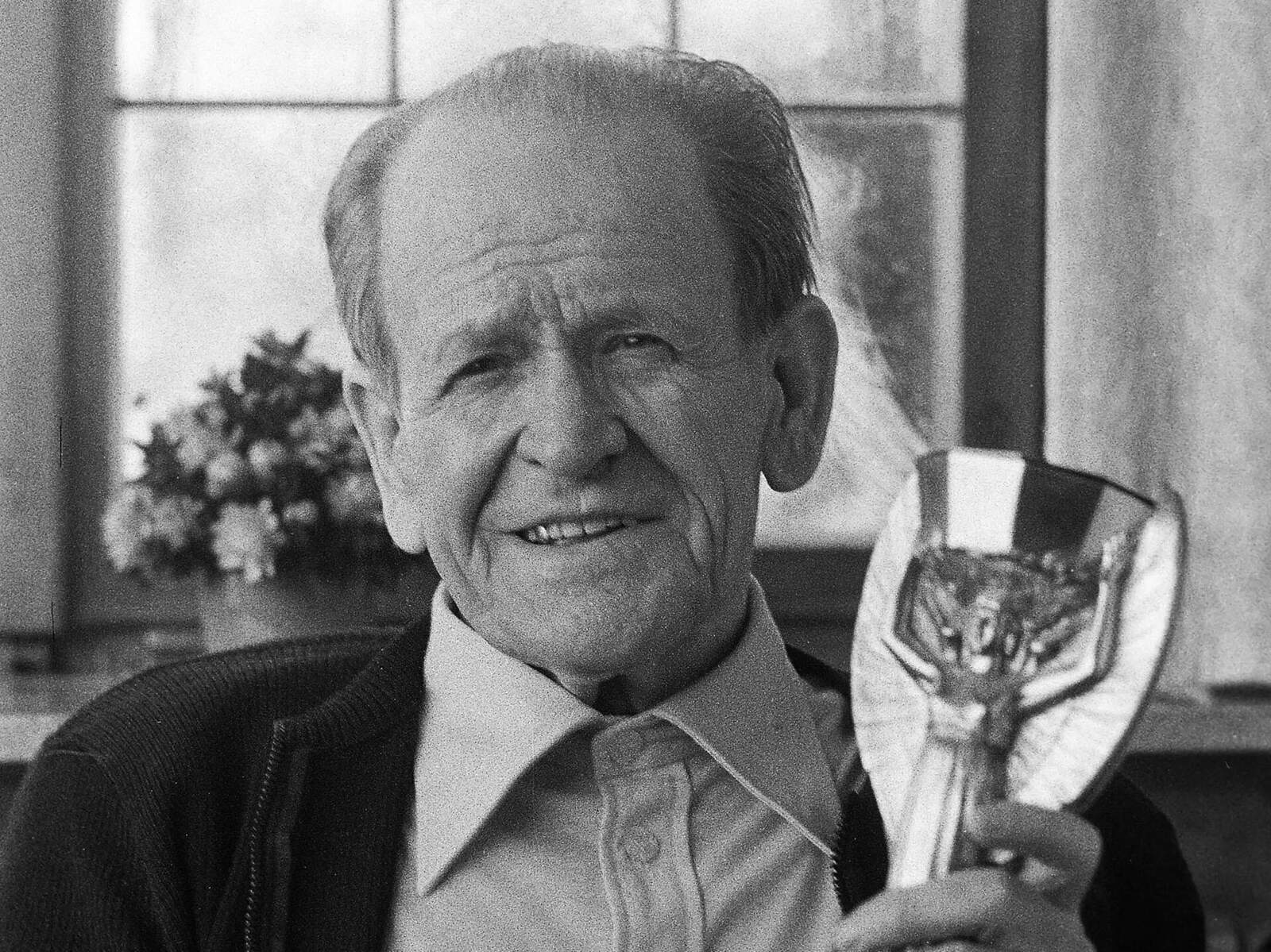
The national team’s World Cup victory in Switzerland in 1954 is the defining moment in German football history. It provided the impetus not only for further sporting successes, but also for football’s establishment at the heart of society. The man behind the ‘Miracle of Bern’ was Sepp Herberger. The national coach at the time was a meticulous and determined worker, as well as a caring yet strict football coach, who left little to chance in bringing about this miracle.
Sepp Herberger recognised early on the opportunity to use football to climb the social ladder from humble beginnings. Amidst the lasting mark he made as national coach, it is often overlooked that he was also an outstanding footballer. In the 1920s, Waldhof and VfR Mannheim were among the best and most successful clubs in Germany and vied for the services of the clinical striker. When the opportunity arose for Herberger to further his coaching training, he left his familiar home of Mannheim and moved to Berlin.
At the German College of Physical Education there, he proved to be a model student. His graduation certificate shows him to have been top of his class. The then Reich coach, Otto Nerz, was his great mentor and patron, though this did not prevent Herberger from entering into a power struggle with him from 1936 onwards, following the national team’s disappointing performance at the Olympic Games in Berlin. Shortly before the 1938 World Cup in France, Herberger, previously an assistant, finally took sole responsibility.
During the Second World War, Herberger organised pre-season training camps as often as possible in order to spare his players from frontline duty. Nevertheless, Herberger had been a member of the NSDAP since 1933. The Weinheim Denazification Chamber, which was responsible for his case, classified him as a ‘follower’. Herberger was required to pay a fine of 500 marks.
In 1950, Herberger was officially reappointed as national team manager. The first international match after the war, against Switzerland (1–0), marked the start of the systematic development of an internationally competitive team. With great meticulousness, he attended to every aspect of the game: From physical and strategic match preparation, through tactical analysis of opposing teams and the psychological support of his squad, right down to the finer details of sporting kit. Herberger’s basic philosophy was as disarmingly simple as his words of wisdom, which continue to inspire football discourse to this day.
Uwe Seeler, honorary captain of the German national team, is certain: “If you take Herberger’s philosophy to heart, you can still play successful football today.” Without having to perform miracles.
The German Football Hall of Fame was established on the initiative of the German Football Museum. In November 2018 and January 2019, leading sports journalists voted for the inaugural men’s and women’s teams. The jury members were asked to nominate their choice of players and managers from German men’s and women’s football. Players who were eligible to play for German national teams and whose playing careers had ended at least five years previously were eligible for nomination. The HALL OF FAME honours the greatest legends of German football in one central location for the first time. It forms part of the permanent exhibition at the German Football Museum in Dortmund. Opened on 1 April 2019, it has become a permanent place of pilgrimage for all football fans. The jury decides annually on further inductees from men’s and women’s football.