EN
EN
 DE
DE

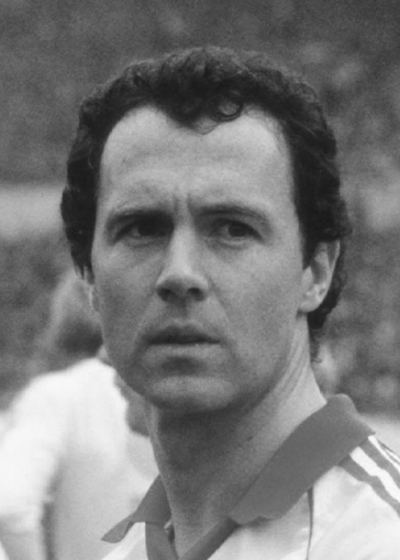
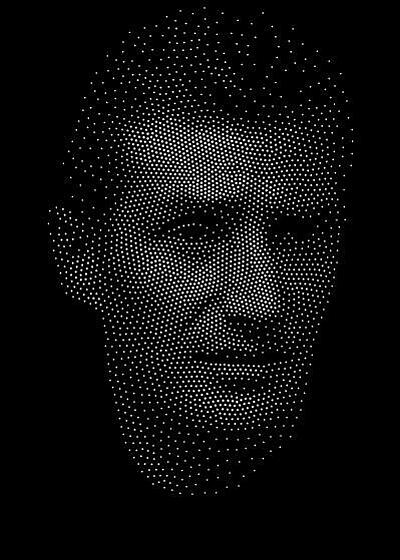
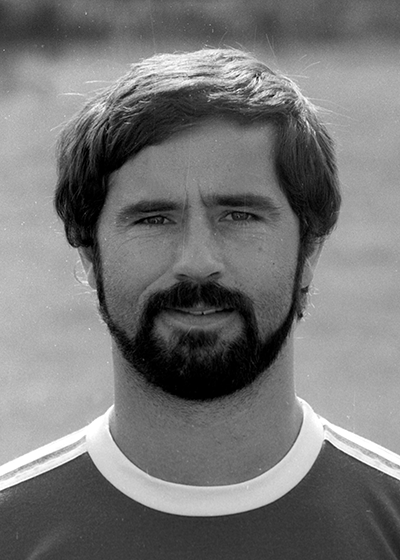
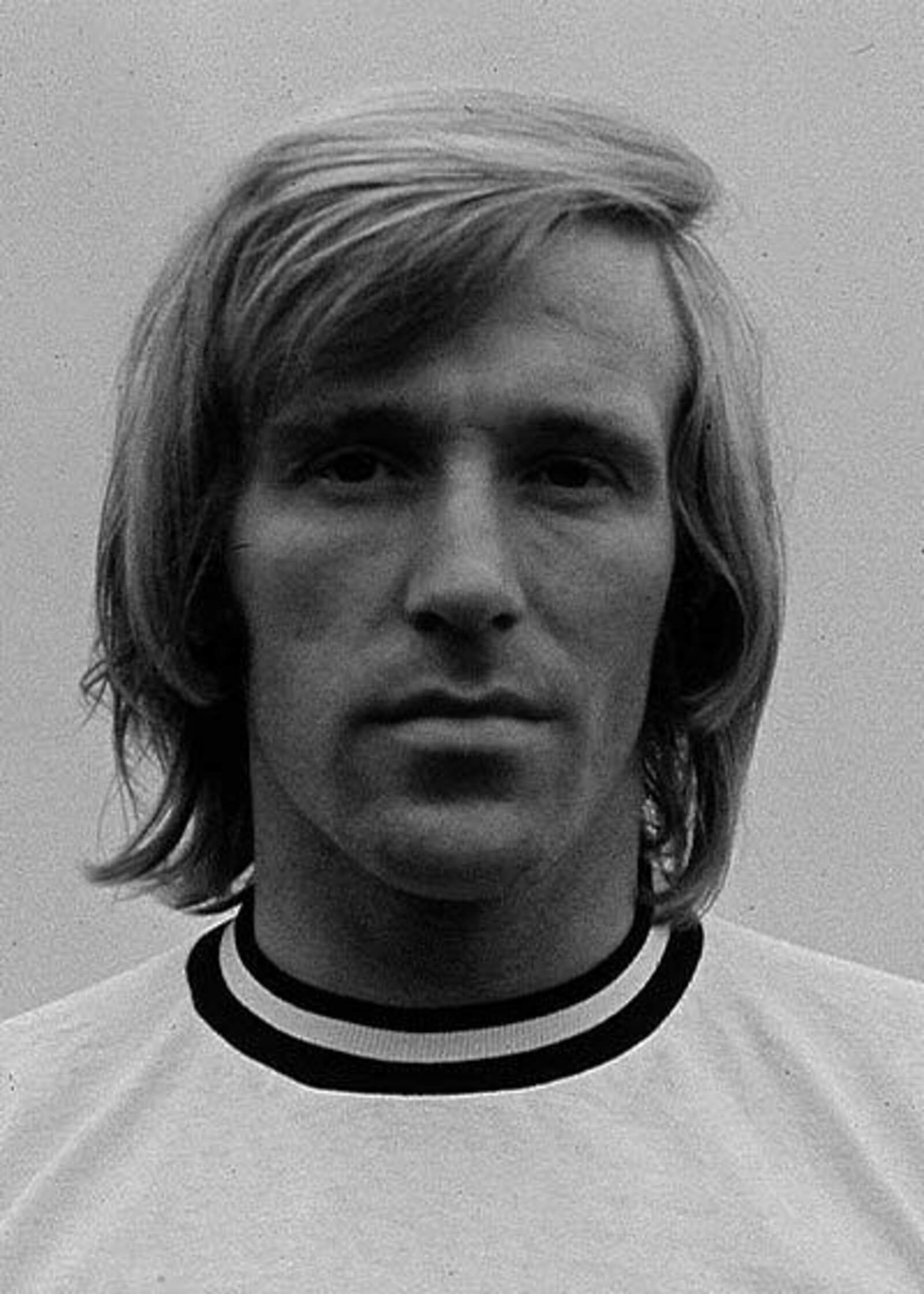
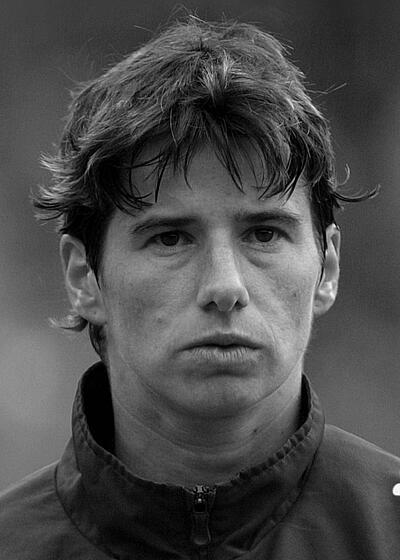
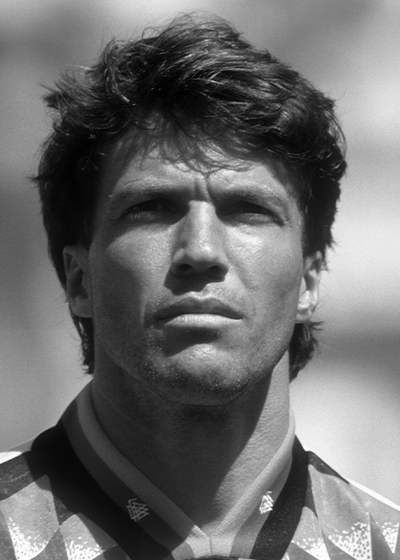
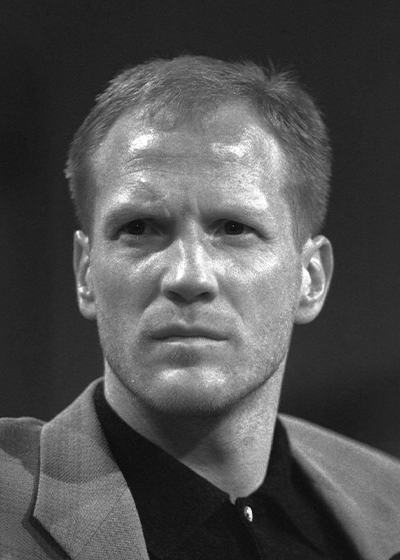
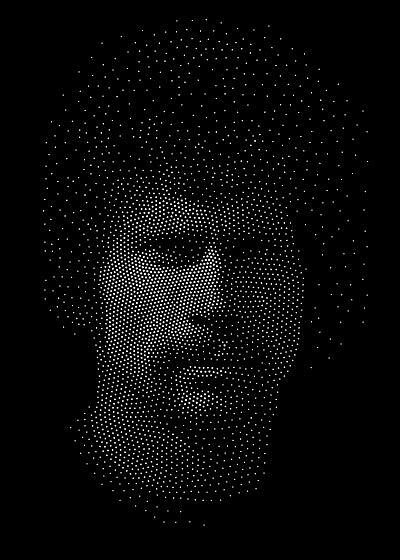
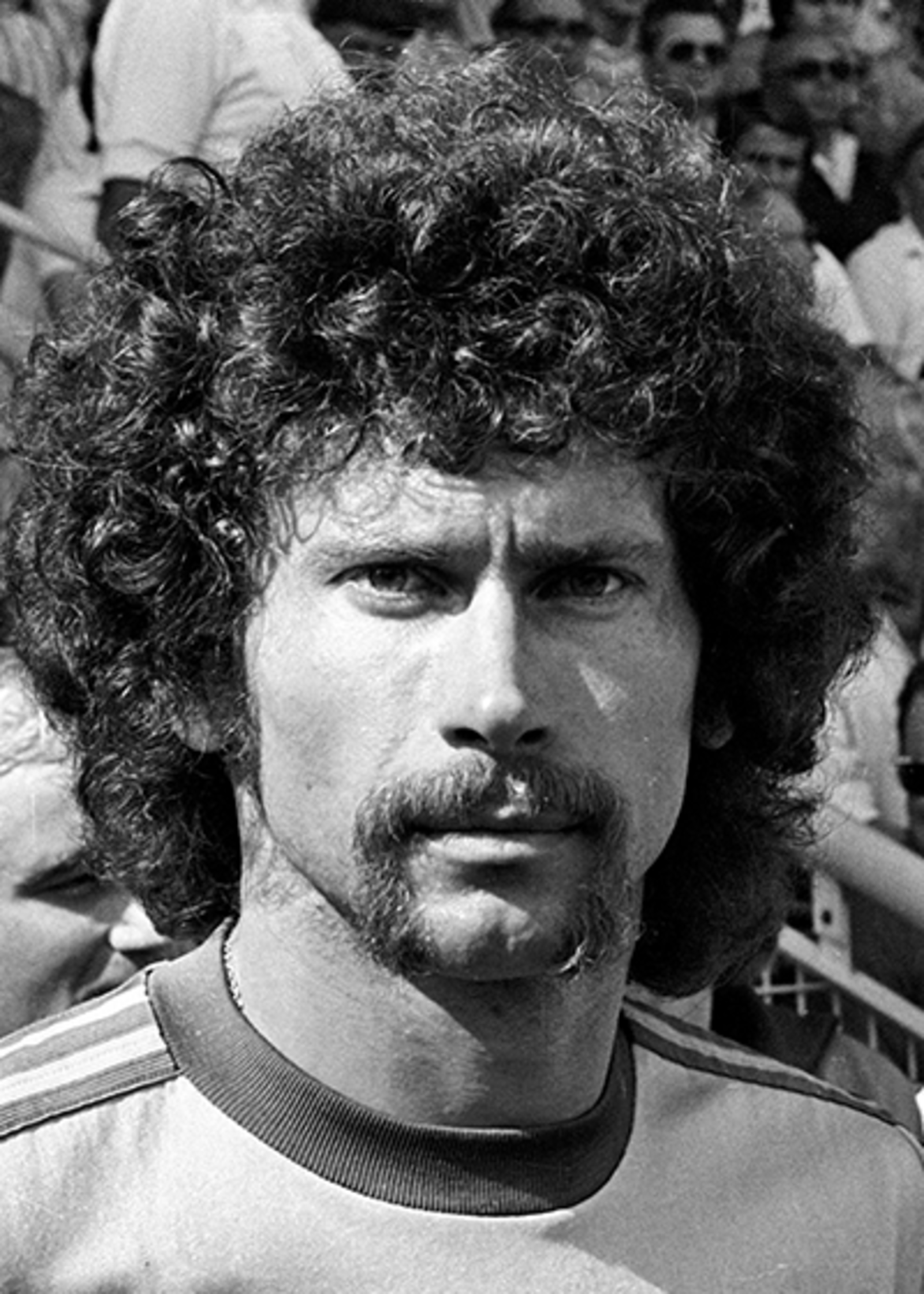
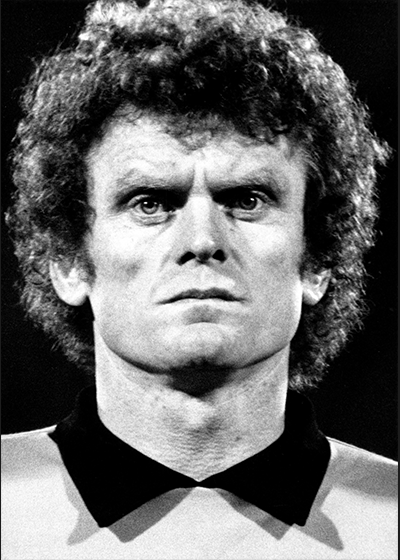
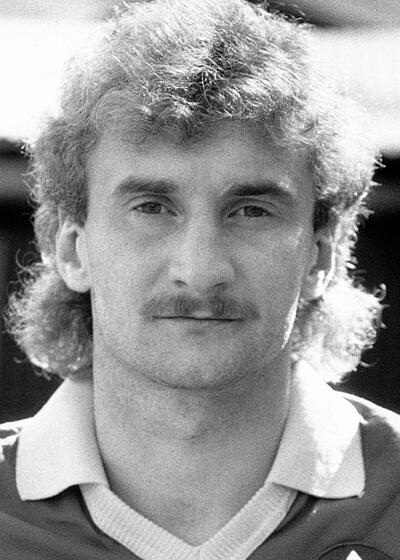
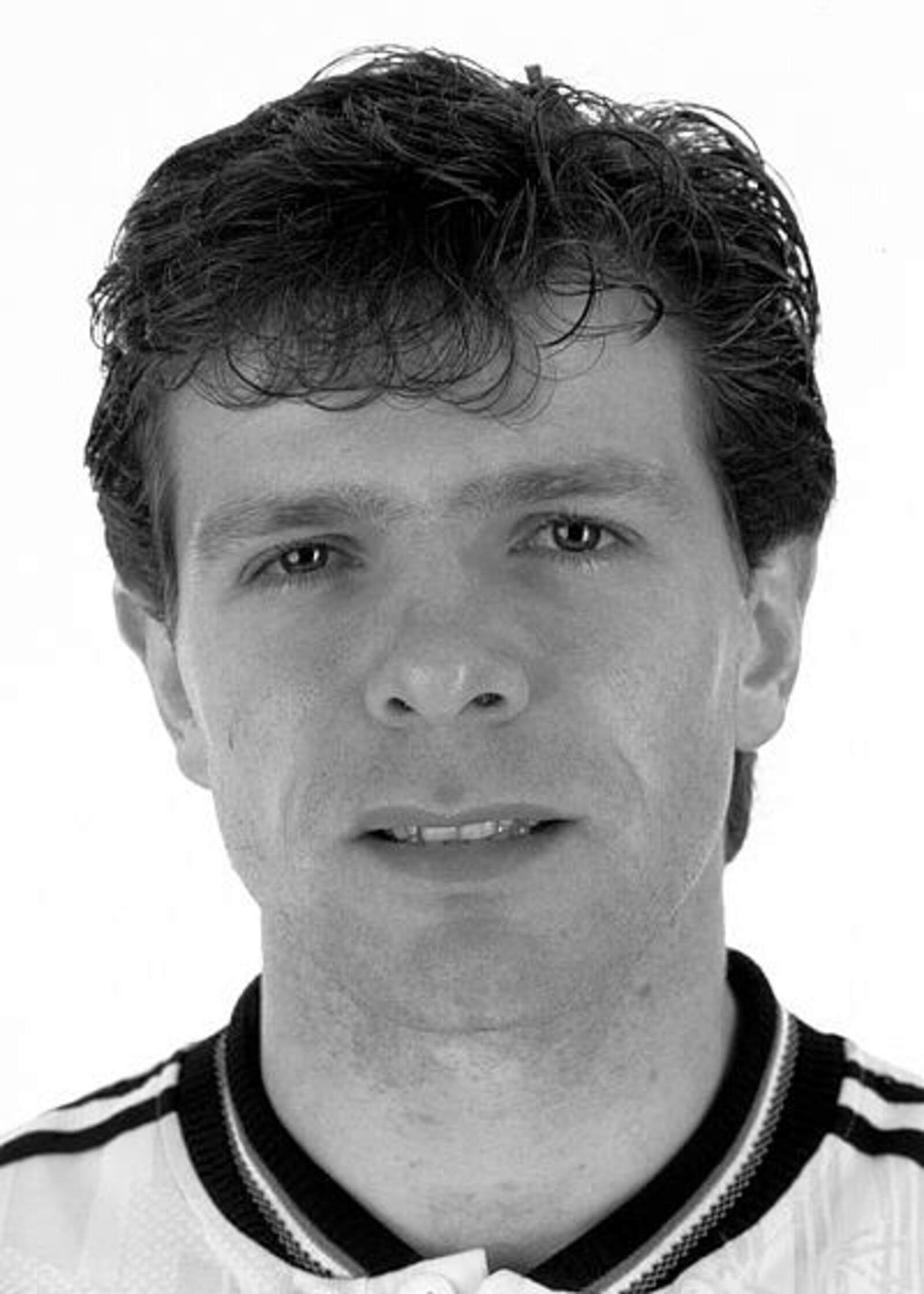
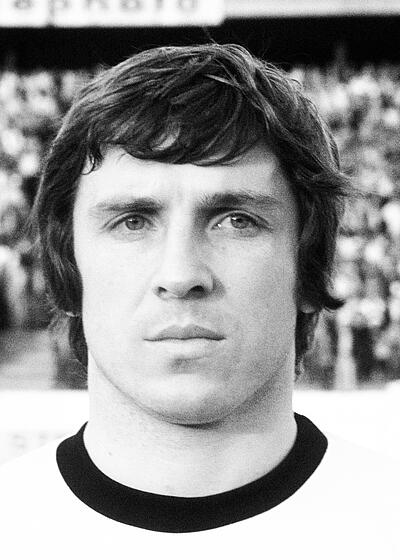
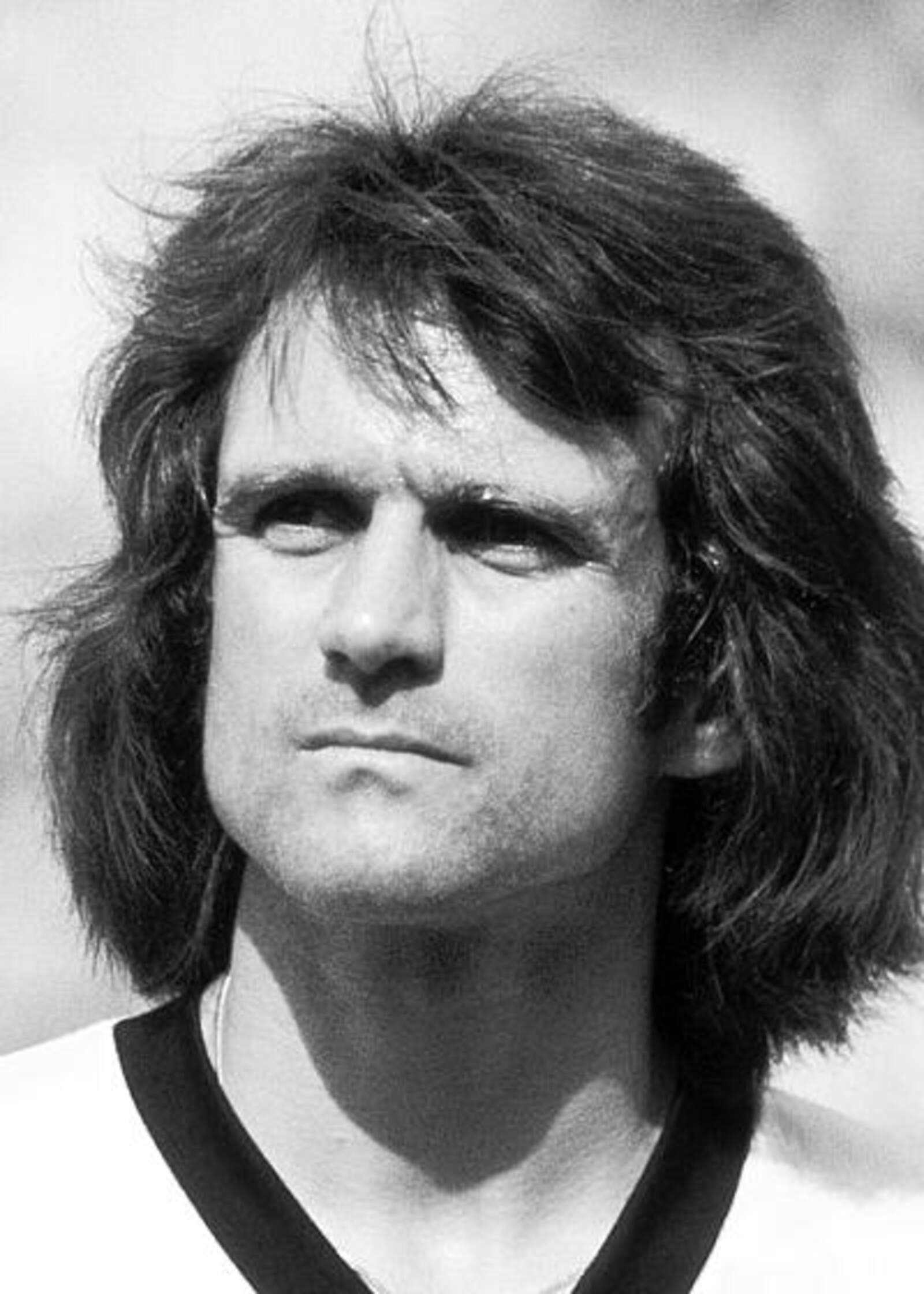
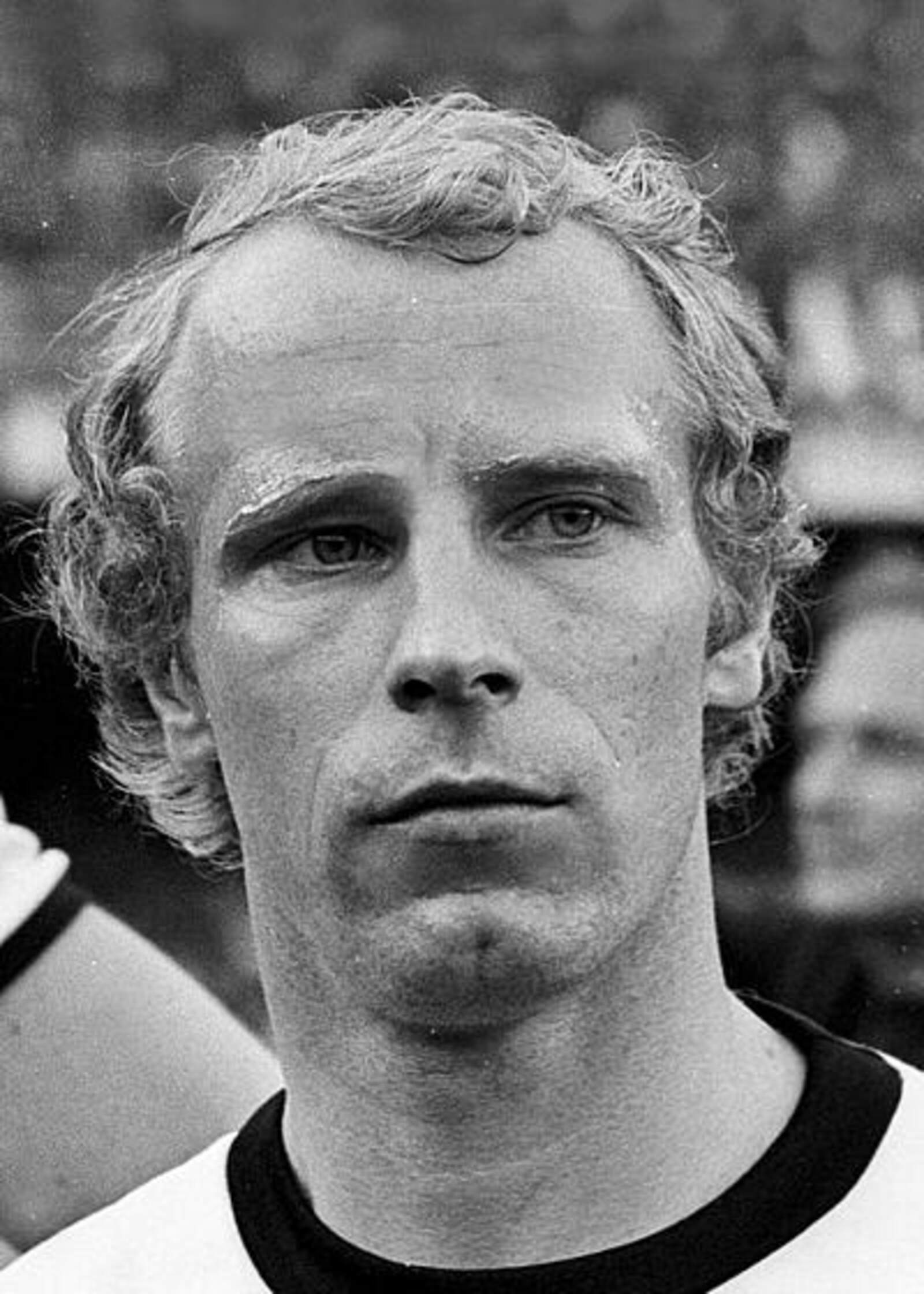
Paul Breitner
5 September 1951, Kolbermoor
(defender)
Clubs as a player:
1970–1974 FC Bayern Munich
1974–1977 Real Madrid
1977–1978 Eintracht Braunschweig
1978–1983 FC Bayern Munich
Club:
285 appearances, 93 goals (Bundesliga)
; 84 appearances, 10 goals (Primera División)
Honours:
German Champion: 1972, 1973, 1974, 1980, 1981
DFB Cup winner: 1971, 1982
Spanish League Champion: 1975, 1976
Spanish Cup winner: 1975
European Cup winner: 1974
National team:
48 appearances, 10 goals
World Champion: 1974
World Cup runner-up: 1982
European Champion: 1972

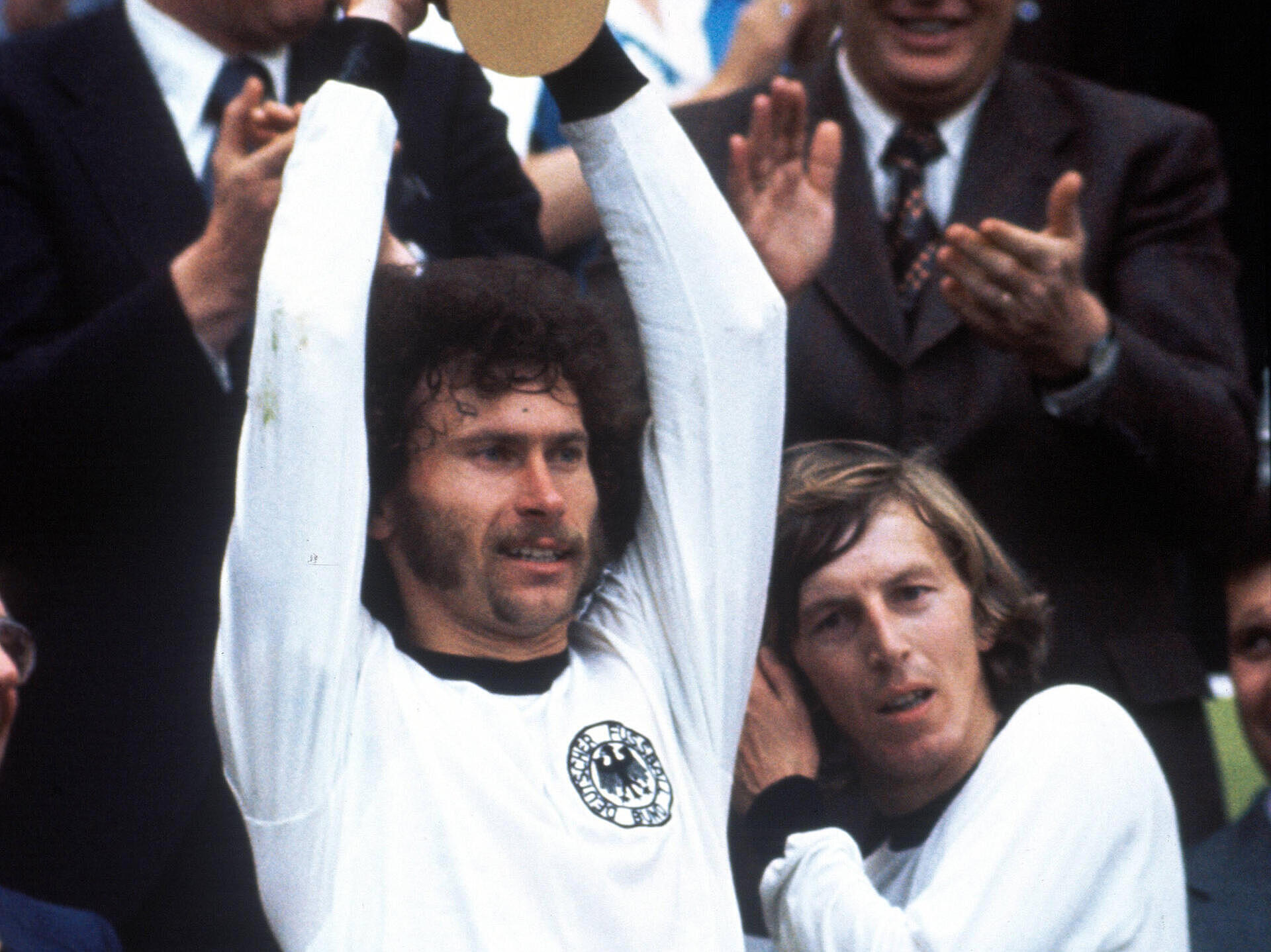
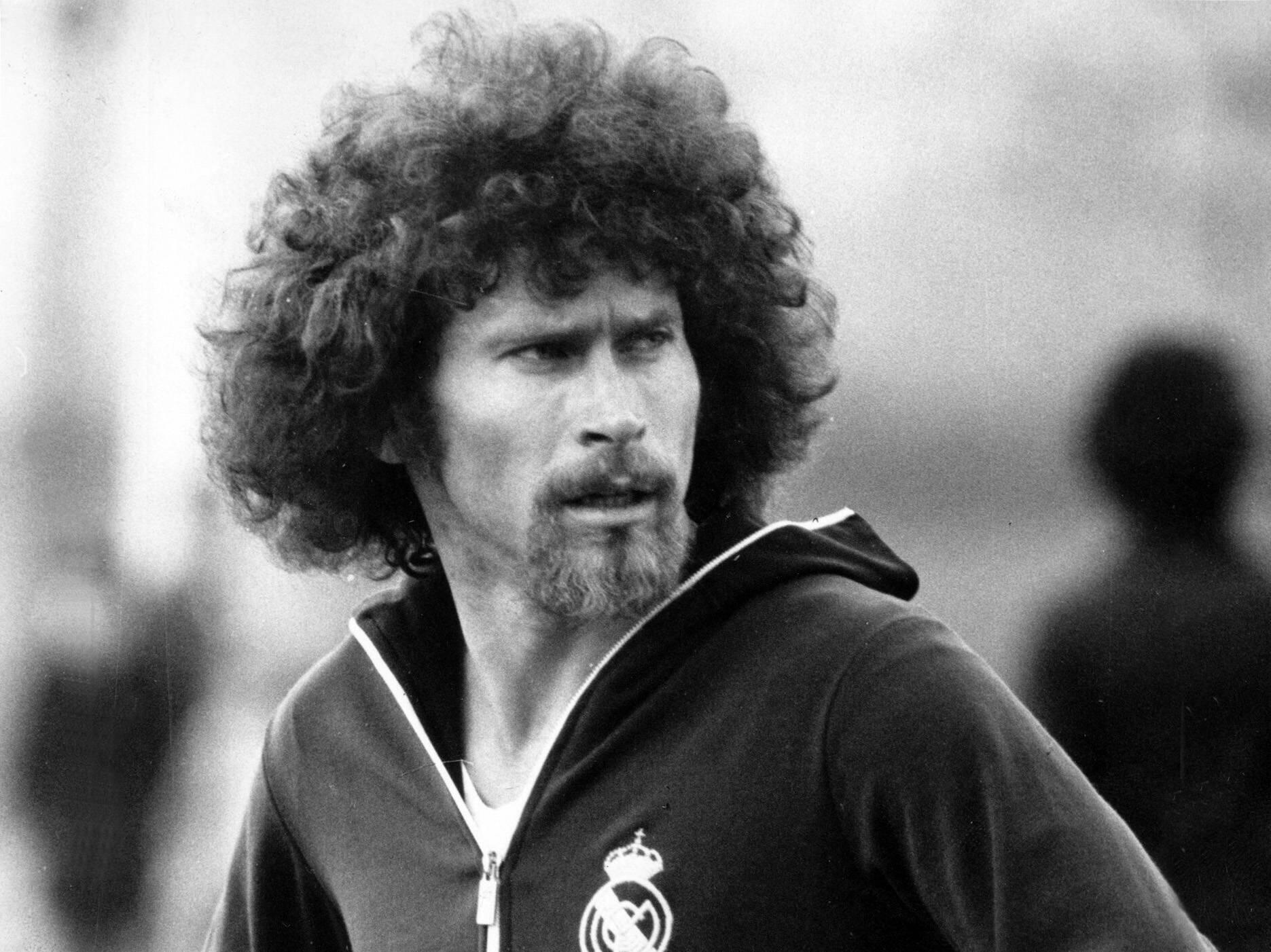
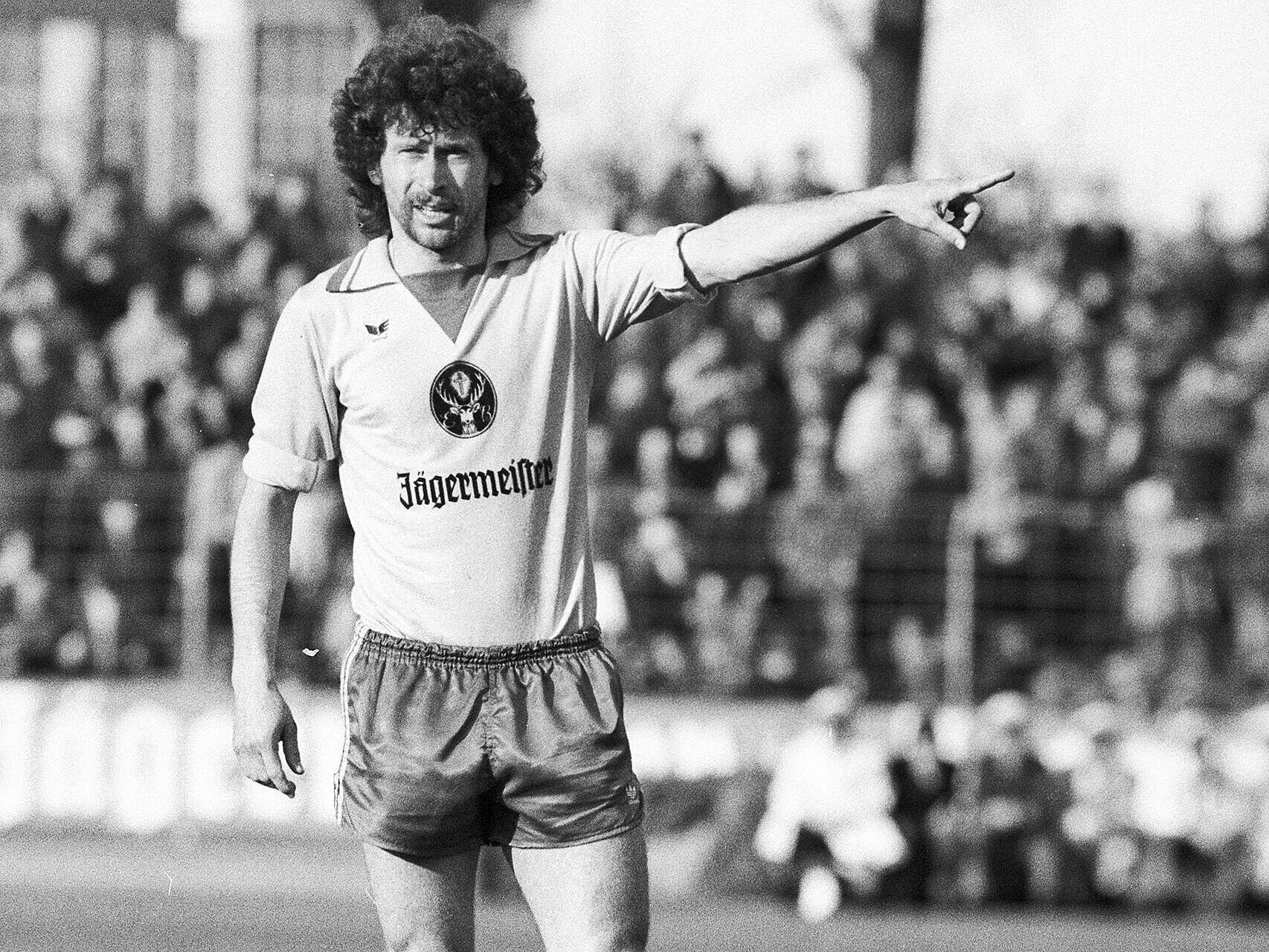
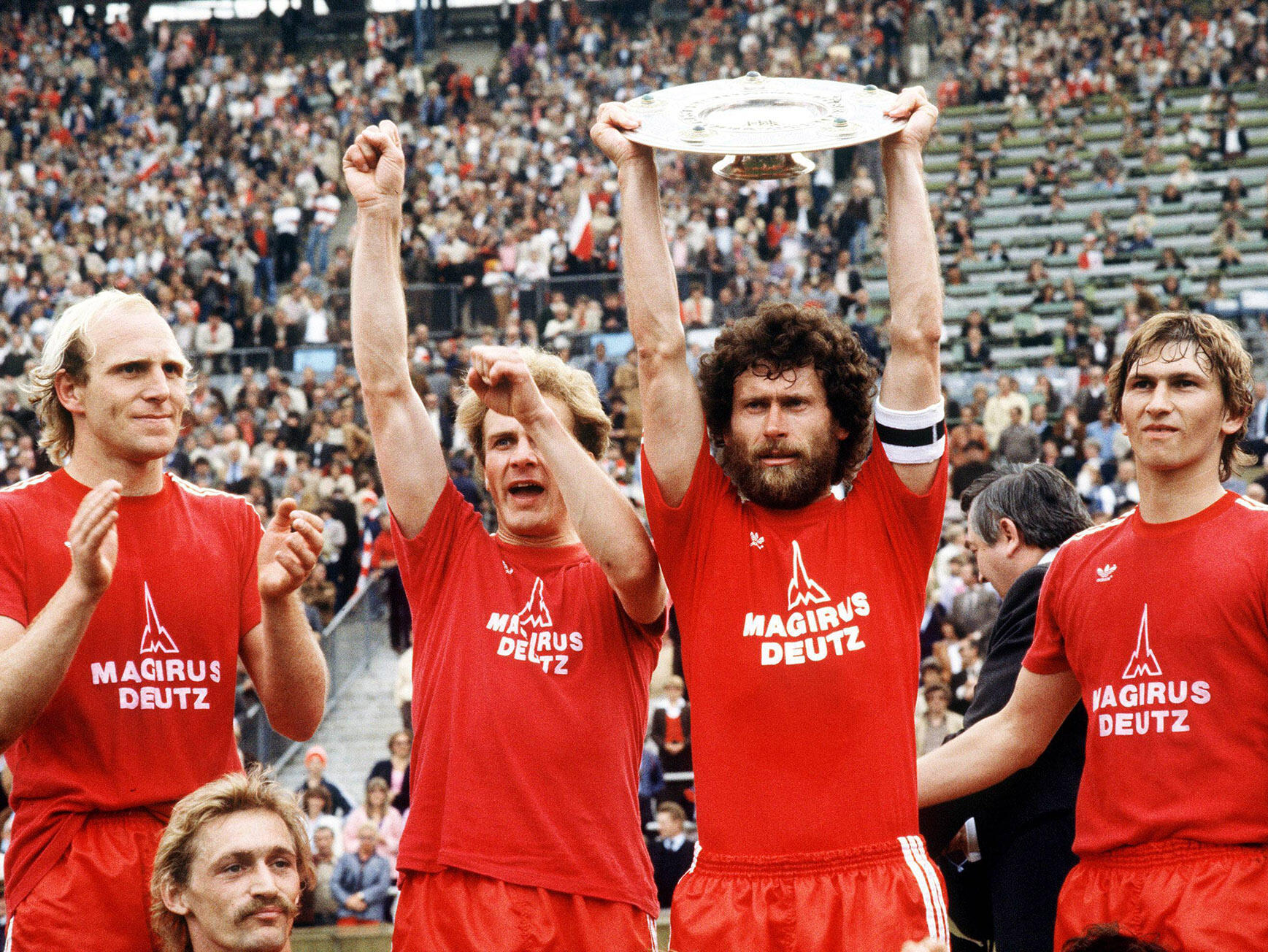

Early in his career, Paul Breitner was retrained at Bayern Munich from a striker to a left-back, which was rather unusual for a right-footed player. He quickly put his attacking instincts to good use in his new role and from then on played as an attacking defender. It was the German national team that benefited most from this development at the 1974 World Cup.
Breitner scored two crucial goals in the group and knockout stages by surging forward from his now-established position and finding the net on both occasions with powerful long-range shots. In the final against the Netherlands, he scored his third goal of the tournament from the penalty spot to level the score at 1–1, thereby paving the way for the World Cup title.
Eight years later, he scored again in a World Cup final, though this time it was merely a consolation goal in a 1–3 defeat to Italy. Nevertheless, apart from Breitner, there are only four other players in football history – the Brazilians Pelé and Vavà, and the Frenchmen Zinedine Zidane and Kylian Mbappé – who have scored in two World Cup finals.
In total, Breitner made 48 international appearances. There could undoubtedly have been more, but differences of opinion with DFB officials and the then national team manager Helmut Schön meant that he did not feature for the national team between 1975 and 1981.
An all-rounder as a player, Breitner was an individualist and a maverick off the pitch. Photographs showing him with the ‘Mao Bible’ earned him a reputation as a rebel. His forays into the film industry caused a further stir, as did his spectacular return from Spain in 1977, moving from Real Madrid to Eintracht Braunschweig. Following his subsequent move to Munich, he built on his club’s earlier successes.
The German Football Hall of Fame was established on the initiative of the German Football Museum. In November 2018 and January 2019, leading sports journalists voted for the inaugural men’s and women’s teams. The jury members were asked to nominate their choice of players and managers from German men’s and women’s football. Players who were eligible to play for German national teams and whose playing careers had ended at least five years previously were eligible for nomination. The HALL OF FAME honours the greatest legends of German football in one central location for the first time. It forms part of the permanent exhibition at the German Football Museum in Dortmund. Opened on 1 April 2019, it has become a permanent place of pilgrimage for all football fans. The jury decides annually on further inductees from men’s and women’s football.