EN
EN
 DE
DE

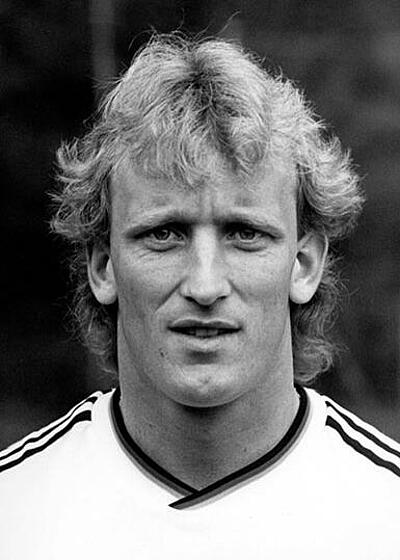
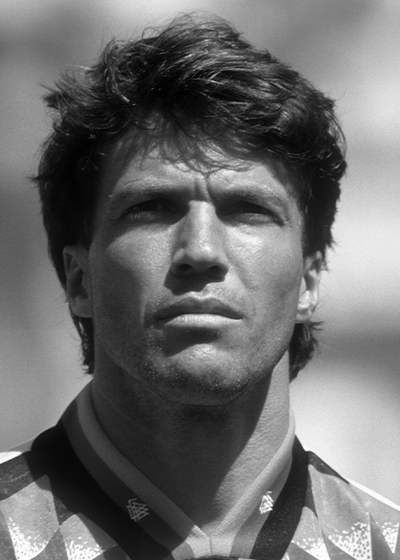
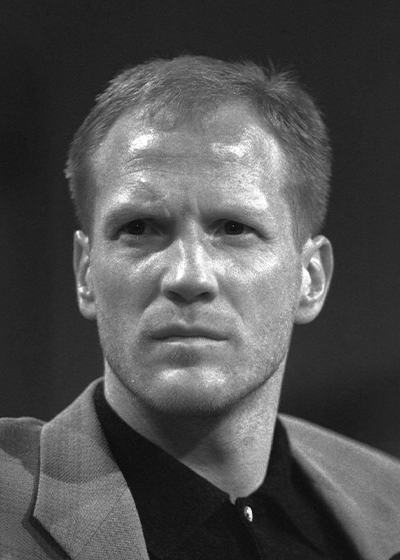
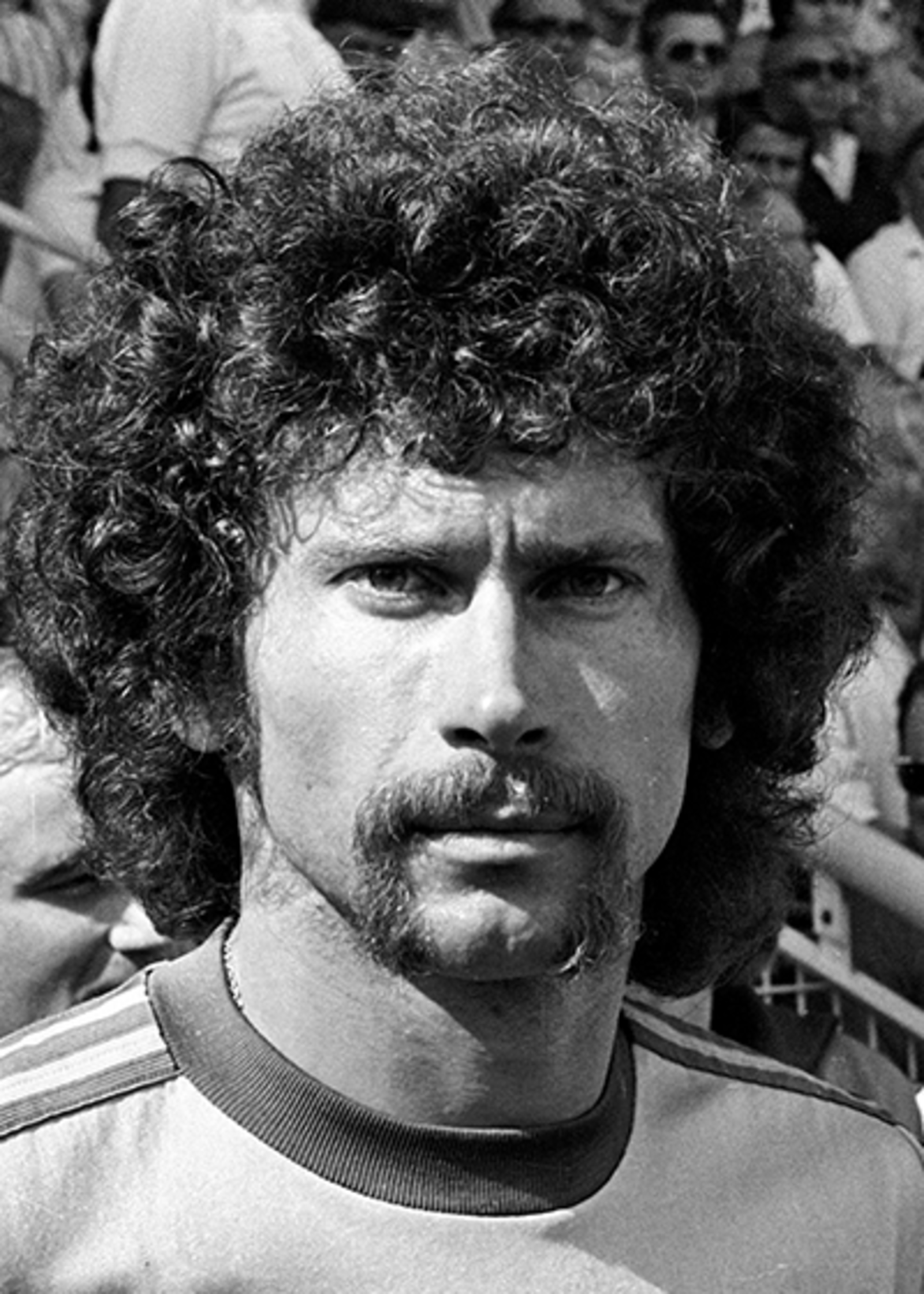
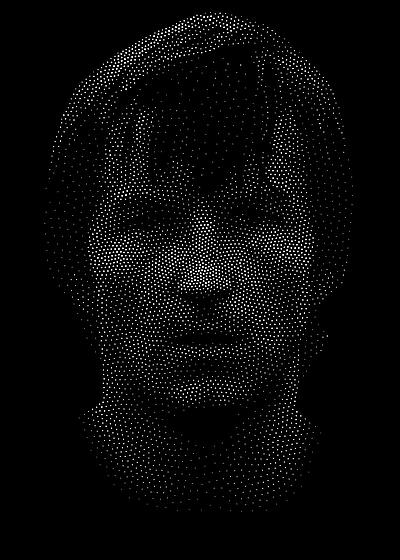
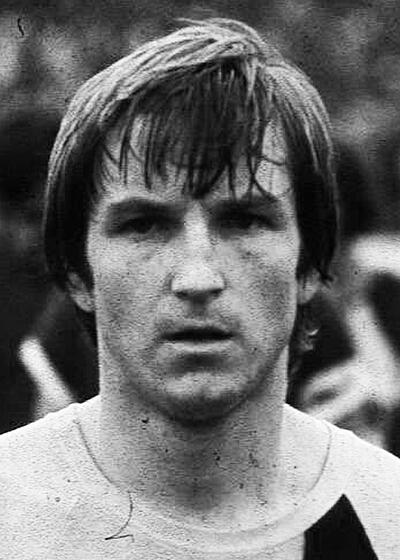
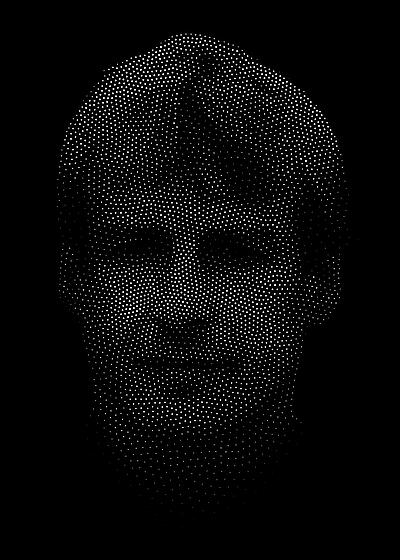
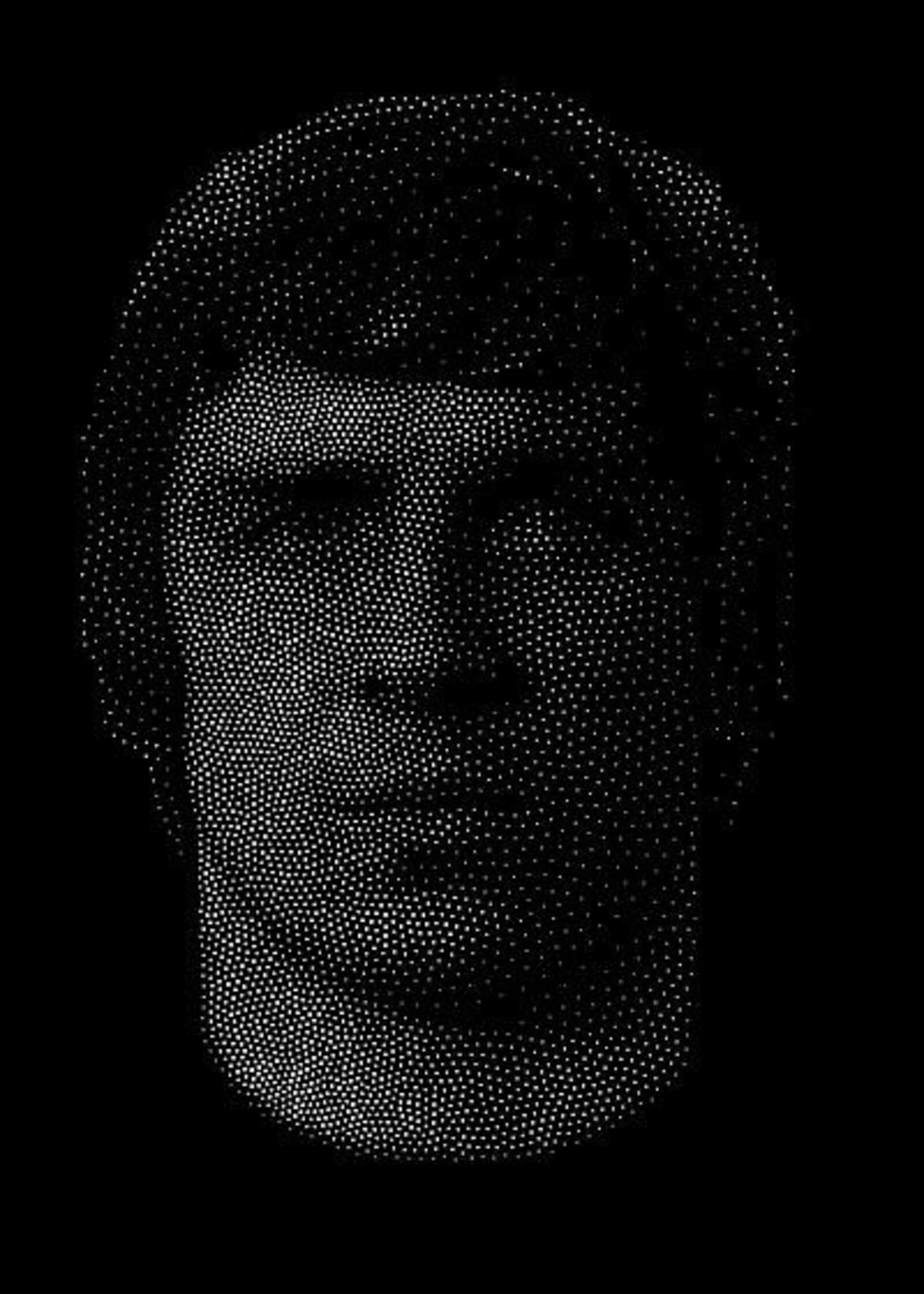
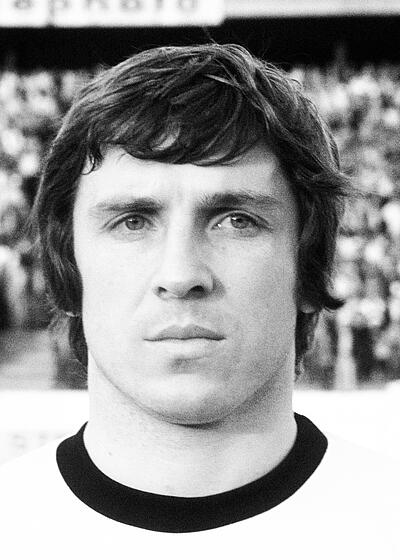
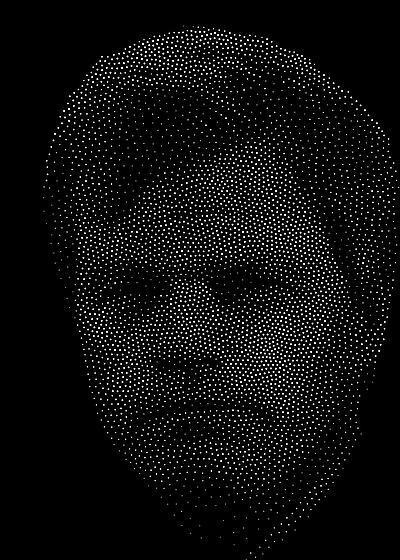
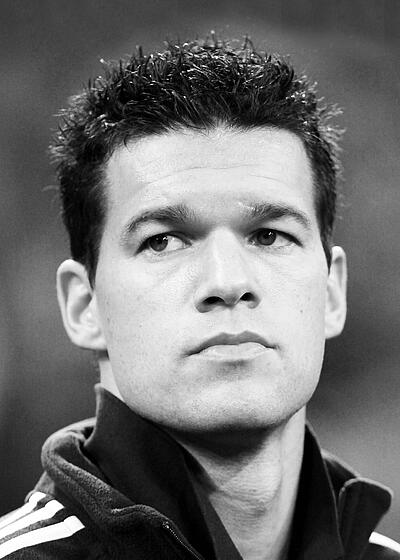
Michael Ballack
26 September 1976, Görlitz
, midfield
Clubs as a player:
1995–1997 Chemnitzer FC
1997–1999 1. FC Kaiserslautern 1999
–2002 Bayer 04 Leverkusen
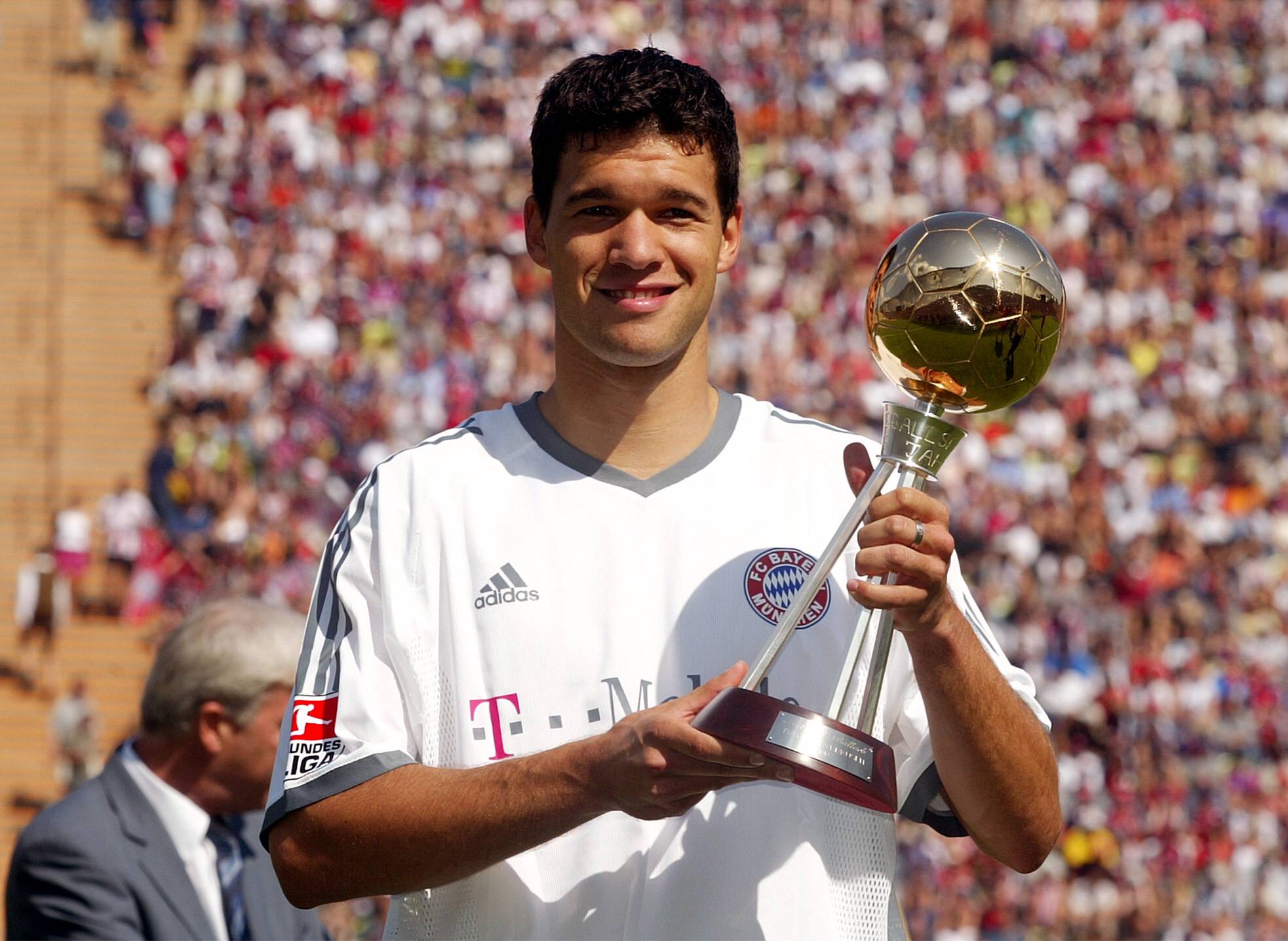
2002–2006 FC Bayern Munich
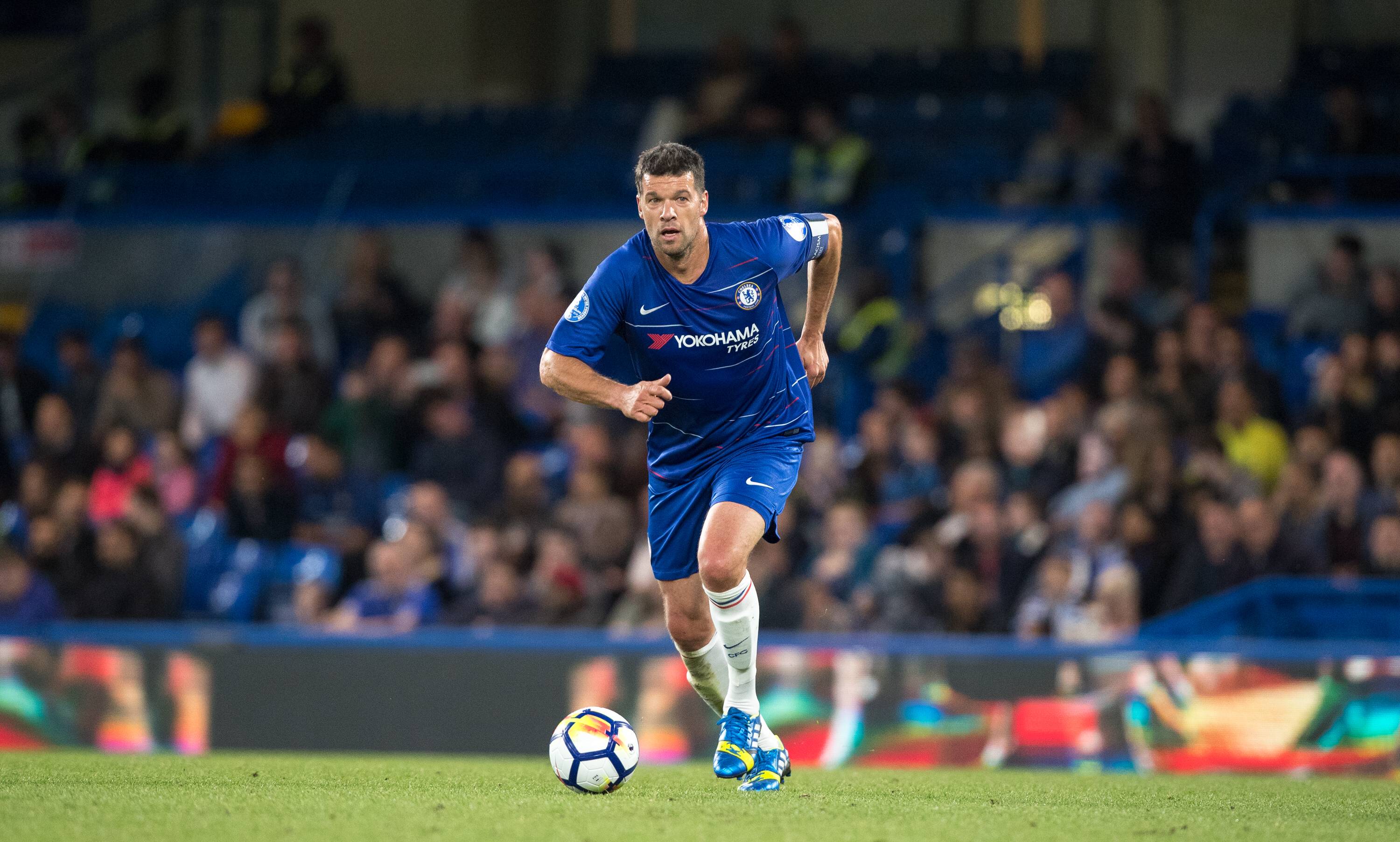
2006–2010 Chelsea
FC 2010–2012 Bayer 04 Leverkusen
Club:
267 appearances, 77 goals (Bundesliga)
; 105 appearances, 17 goals (Premier League, England)
Honours:
German Champion: 1998, 2003, 2005, 2006
DFB Cup winners: 2003, 2005, 2006
English champions: 2010
English FA Cup winners: 2007, 2009, 2010
National team:
98 appearances, 42 goals
World Cup runners-up: 2002
; World Cup third place: 2006
; European Championship runners-up: 2008


In late summer 1998, just a few weeks after the national team’s disappointing exit at the quarter-final stage of the World Cup in France, the disheartened football-mad nation was crying out for a fresh start and looked hopefully towards Kaiserslautern. 1. FCK, who had sensationally won the Bundesliga title after being promoted the previous season, boasted two of Germany’s greatest talents in their ranks: striker Marco Reich and midfielder Michael Ballack. One of the final acts of the soon-to-depart national team manager, Berti Vogts, was to call them up for an upcoming international tour to Malta. However, their debut did not come until a few months later, by which time Vogts had been succeeded by Erich Ribbeck. Marco Reich made no further appearances, whilst Michael Ballack went on to make 98. After his final international match – without any indication at the time that he was about to retire – the national football crisis seemed to have struck once again. The ARD therefore broadcast a special ‘Brennpunkt’ programme after the Tagesschau news. Ballack had sustained a serious injury in the English FA Cup final and was ruled out of the upcoming 2010 World Cup in South Africa. What on earth was to become of the team? Or rather, what had happened up to that point to make him seem so indispensable at the time?
Ballack had made a name for himself, not only because of his height of 1.89 metres, which he used to move across the pitch with his typically upright posture and an enormous presence. He had quickly developed from a promising young player into a Bundesliga star, a rise that was also down to shrewd career planning. After his years at Kaiserslautern, he initially opted for a spell at Bayer Leverkusen, where he demonstrated his outstanding qualities at both national and international level. As a midfielder, he was a constant threat in front of goal, blessed with exceptional heading ability and the power to shoot with either foot, whilst also making a significant impact in defence. In what was perhaps his finest year, 2002, he led Leverkusen to the finals of the German Championship, the DFB Cup and the Champions League. However, they fell just short of winning a title. That changed with his move to Bayern Munich in the same year, with whom he went on to celebrate the double three times. As a three-time Footballer of the Year, captain of the national team and a mature, internationally renowned player, he eventually moved to England to join Chelsea FC, where he also won the league and the FA Cup, only narrowly missing out on the Champions League title once again.
Michael Ballack, the only international player to date to have played under a total of five national team managers, developed into the defining figure in German football during a period of prolonged upheaval, in which he initially had to withstand almost overwhelming expectations of his exceptional talent. As the last World Cup winners from 1990 gradually left the Bundesliga stage and, with Matthias Sammer (due to injury) and Stefan Effenberg – two further characters in their own right – ended their careers, he, together with three-time World Goalkeeper of the Year Oliver Kahn, paved the way to success for the next generation of 2014 World Cup winners. In the long shadow cast by the undisputed greats of many years past, many an up-and-coming talent may not always have felt entirely at ease, but they were able to grow and flourish in peace and, ultimately, on an equal footing.
The German Football Hall of Fame was established on the initiative of the German Football Museum. In November 2018 and January 2019, leading sports journalists voted for the inaugural men’s and women’s teams. The jury members were asked to nominate their choice of players and managers from German men’s and women’s football. Players who were eligible to play for German national teams and whose playing careers had ended at least five years previously were eligible for nomination. The HALL OF FAME honours the greatest legends of German football in one central location for the first time. It forms part of the permanent exhibition at the German Football Museum in Dortmund. Opened on 1 April 2019, it has become a permanent place of pilgrimage for all football fans. The jury decides annually on further inductees from men’s and women’s football.