EN
EN
 DE
DE


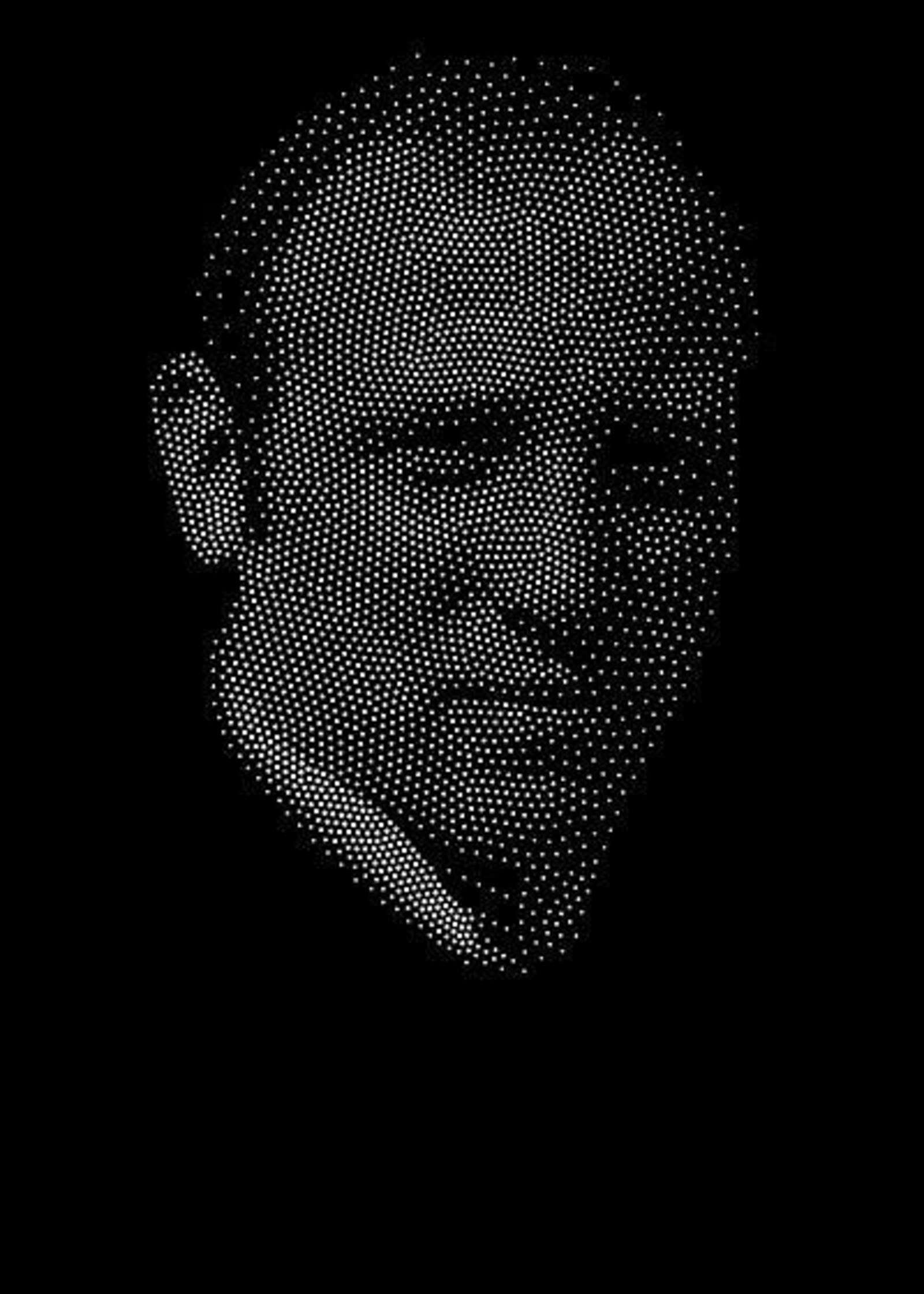
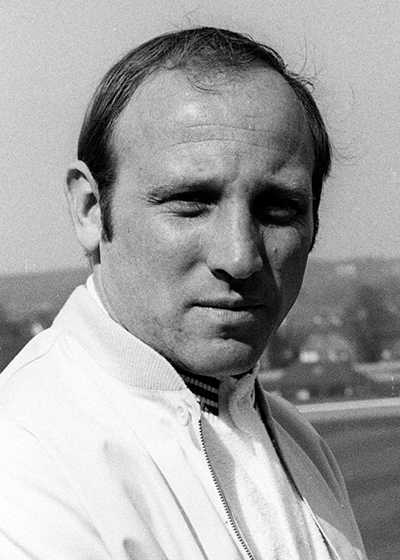
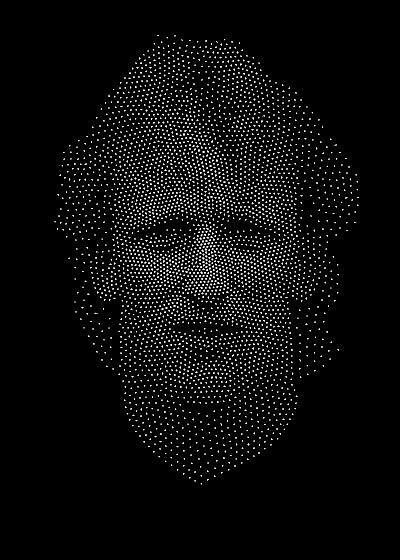
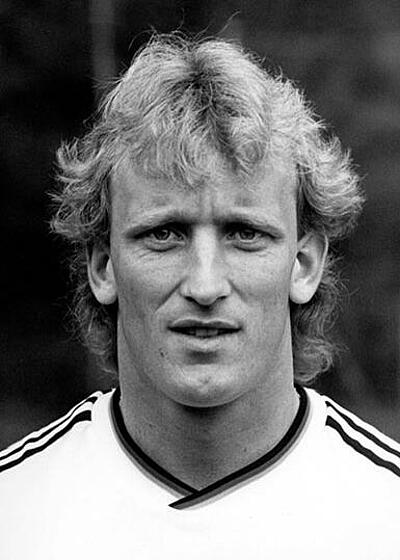
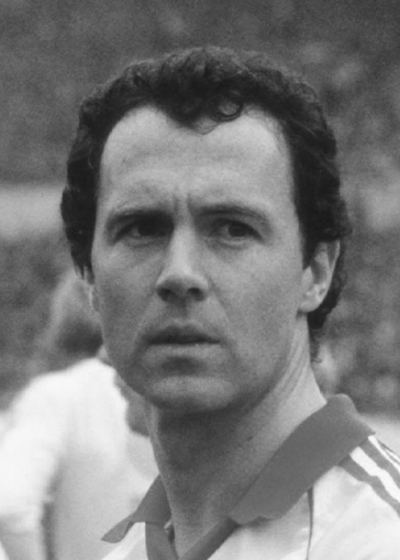
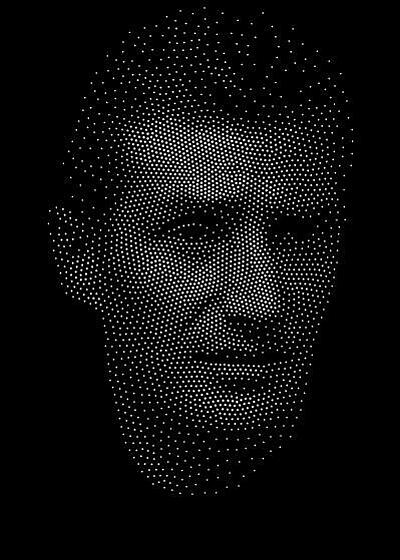
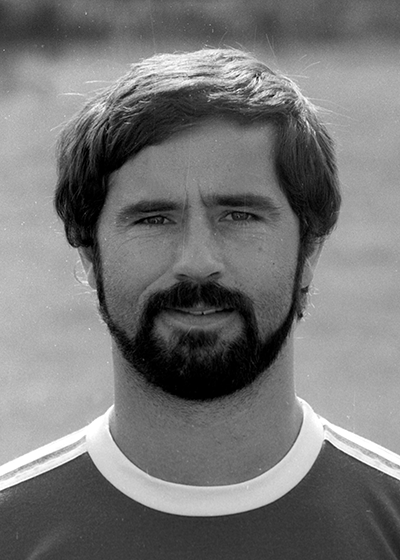
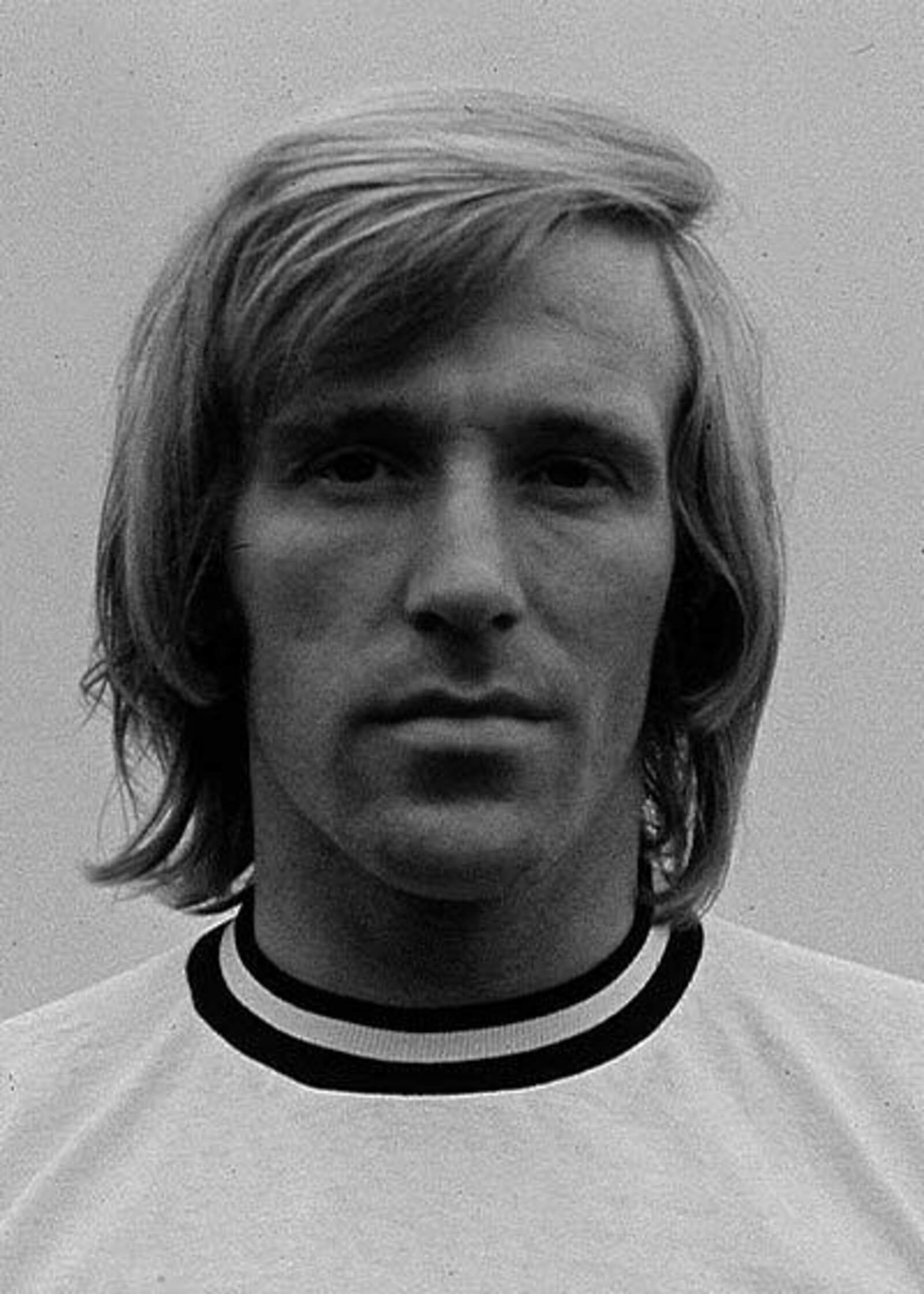
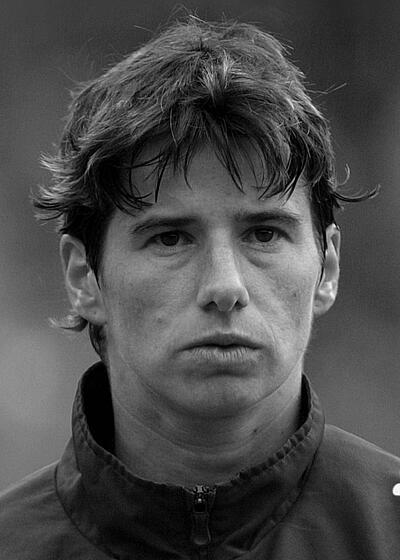
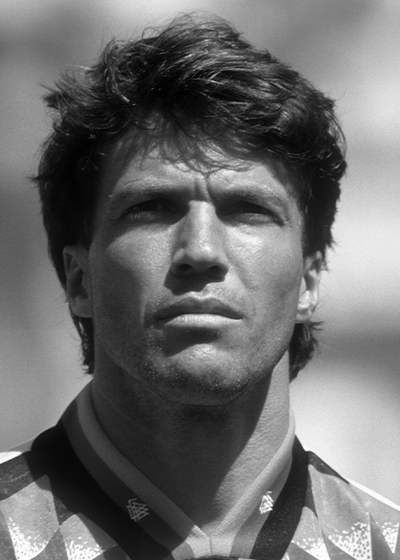
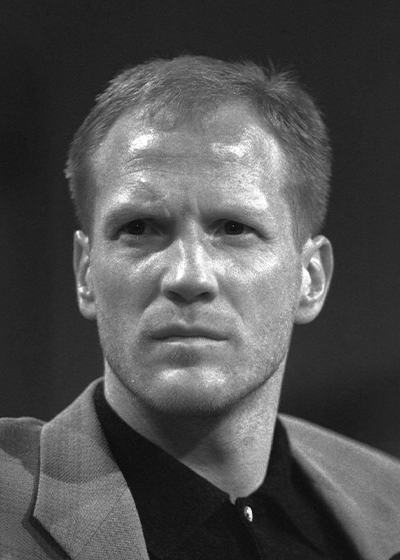
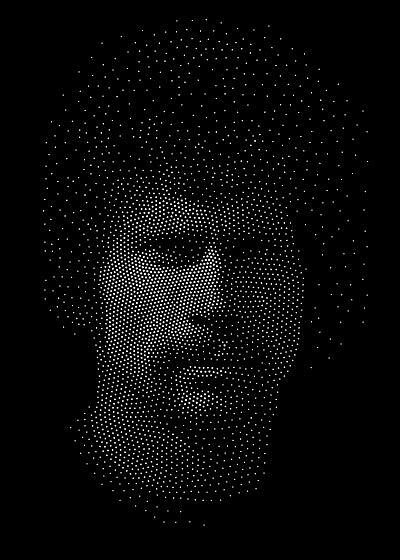
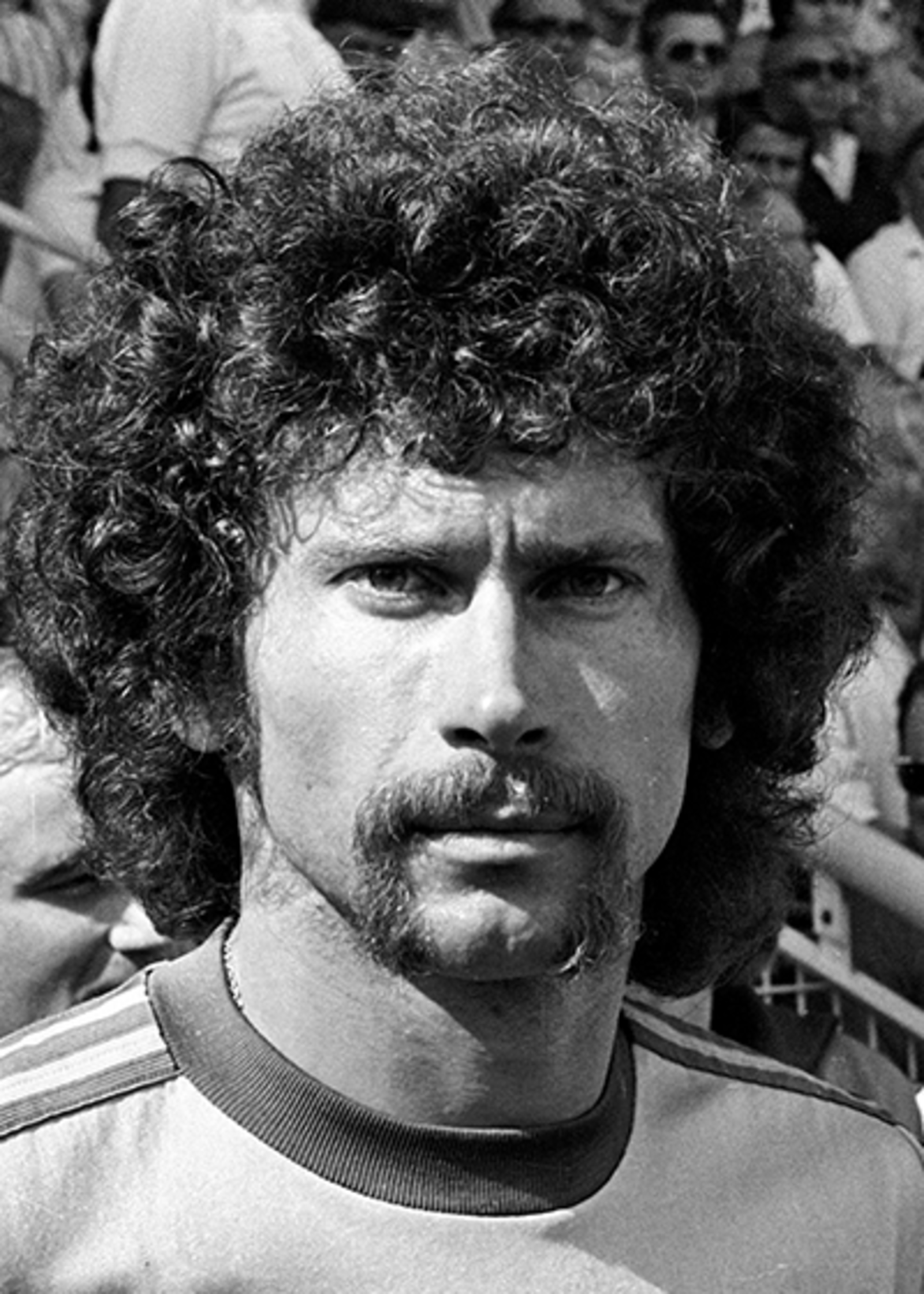
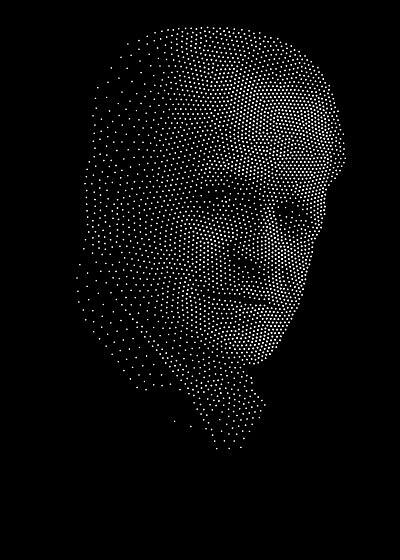
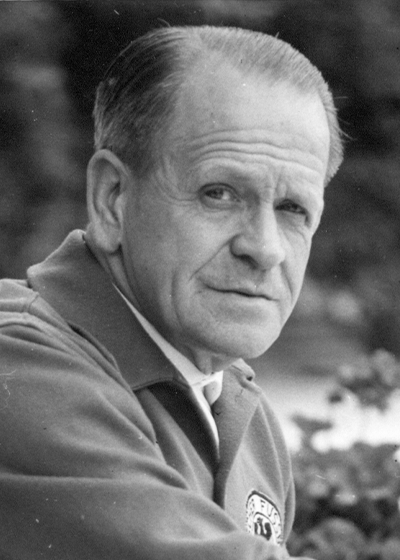
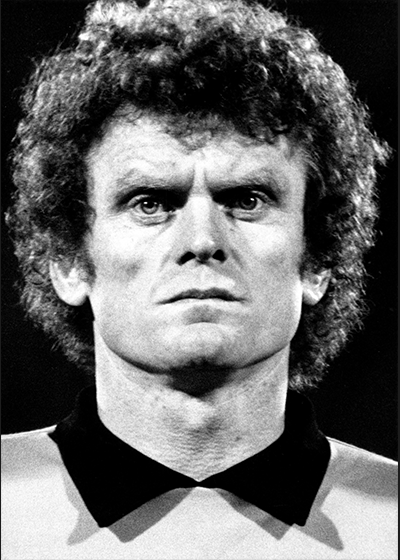
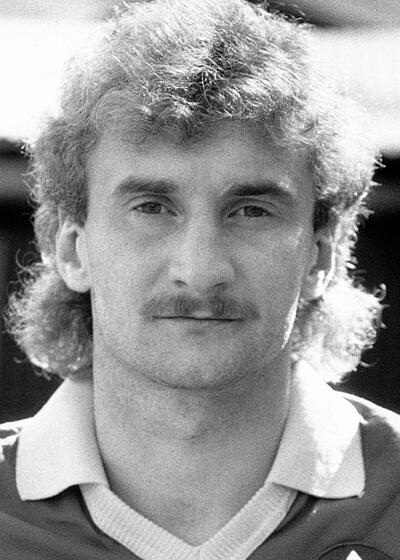
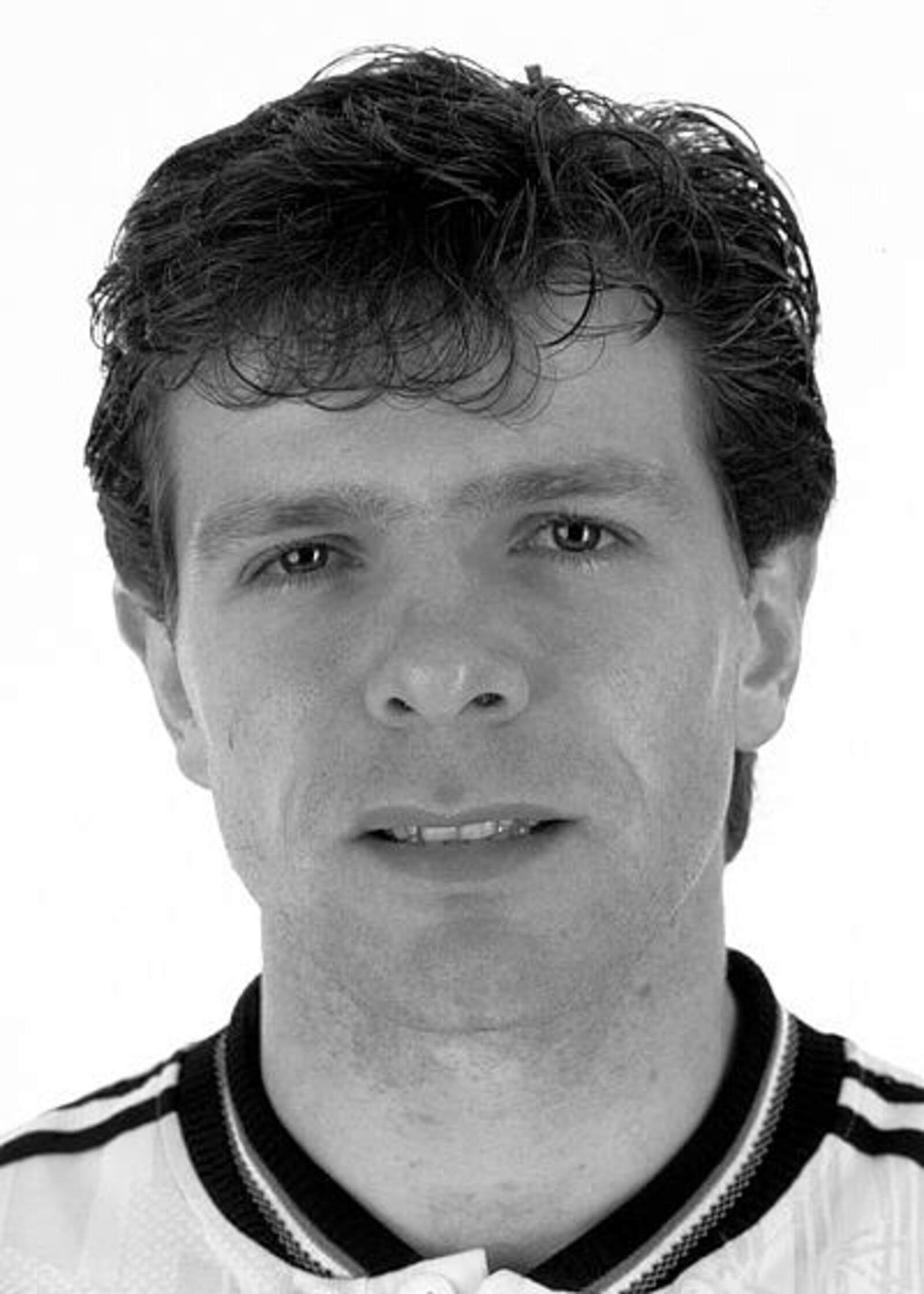
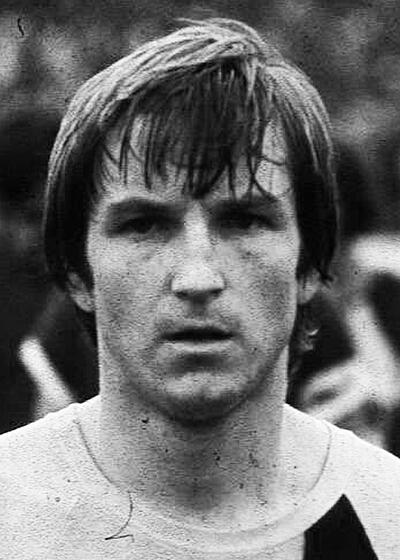
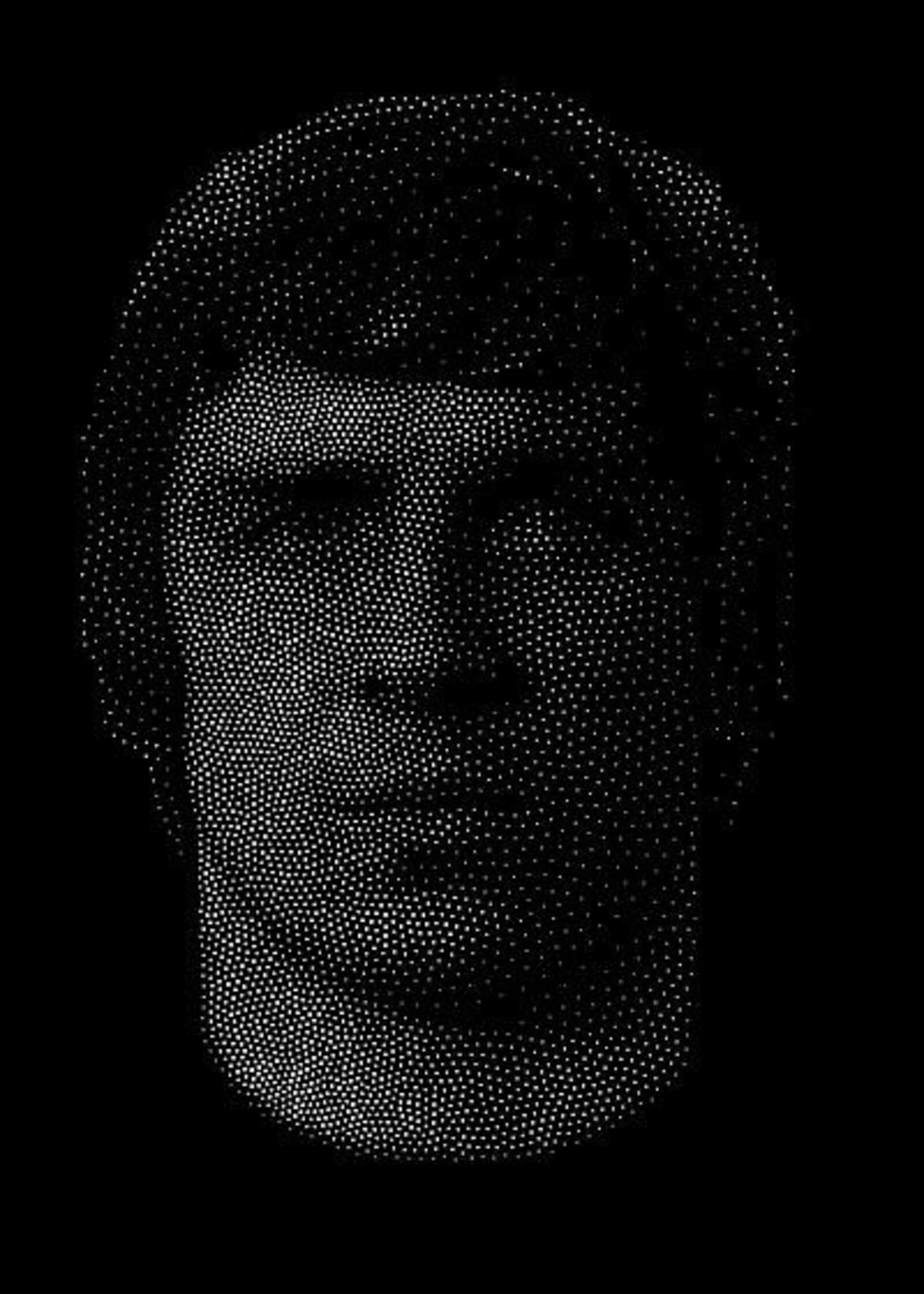
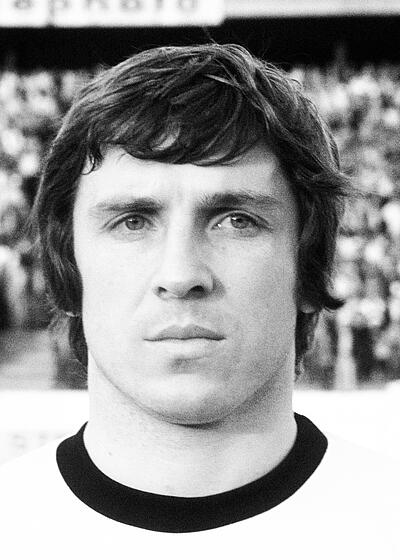
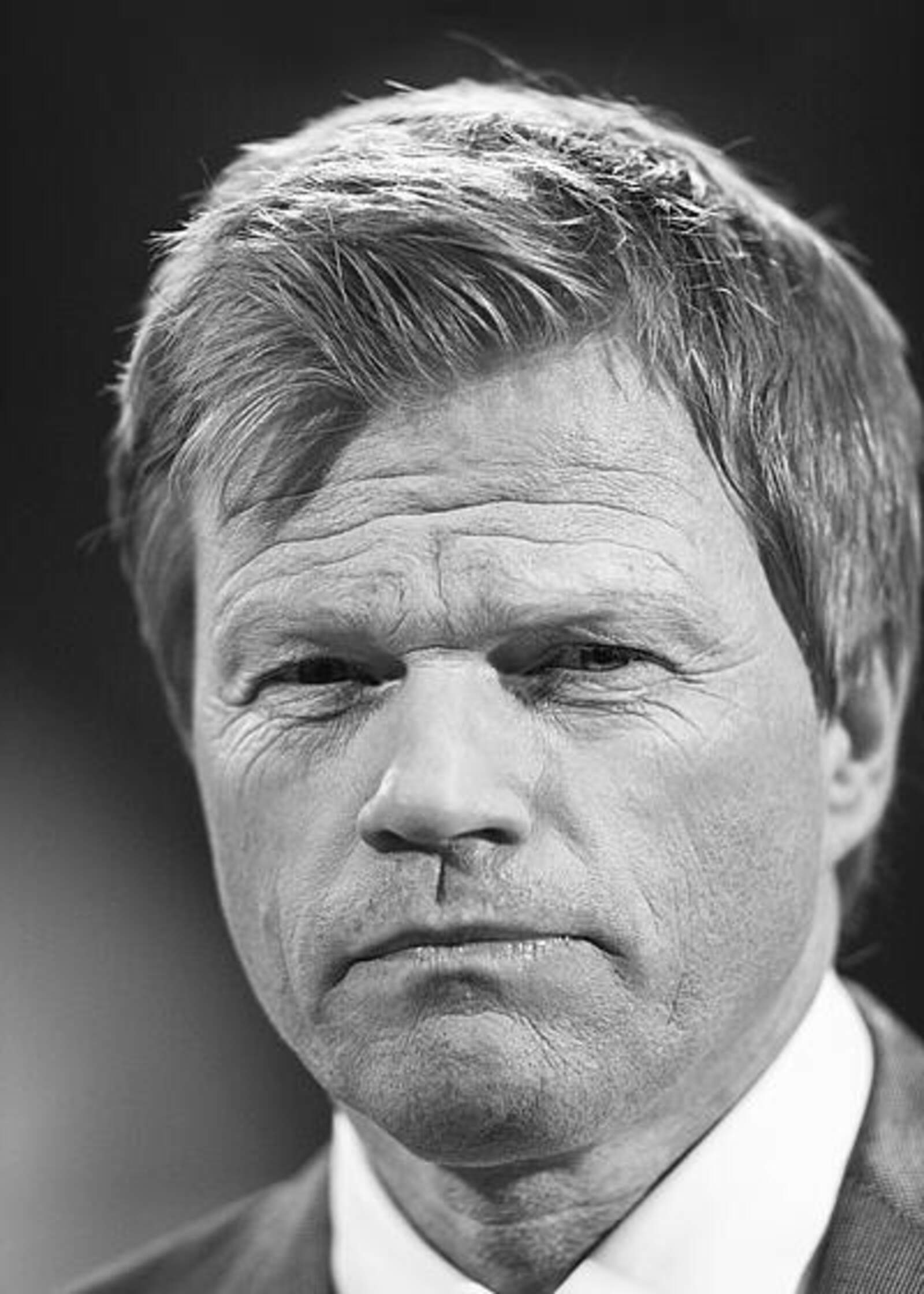
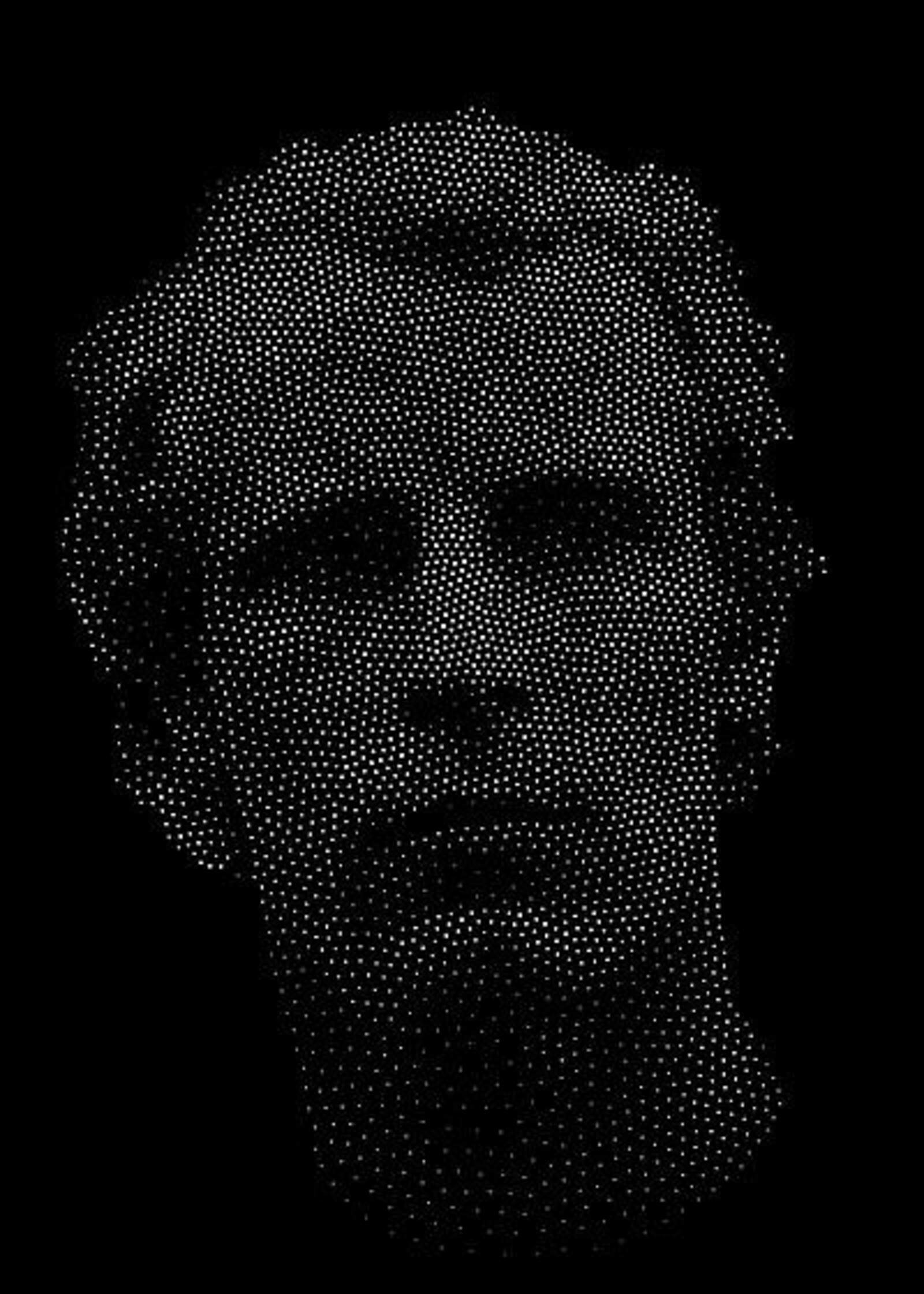
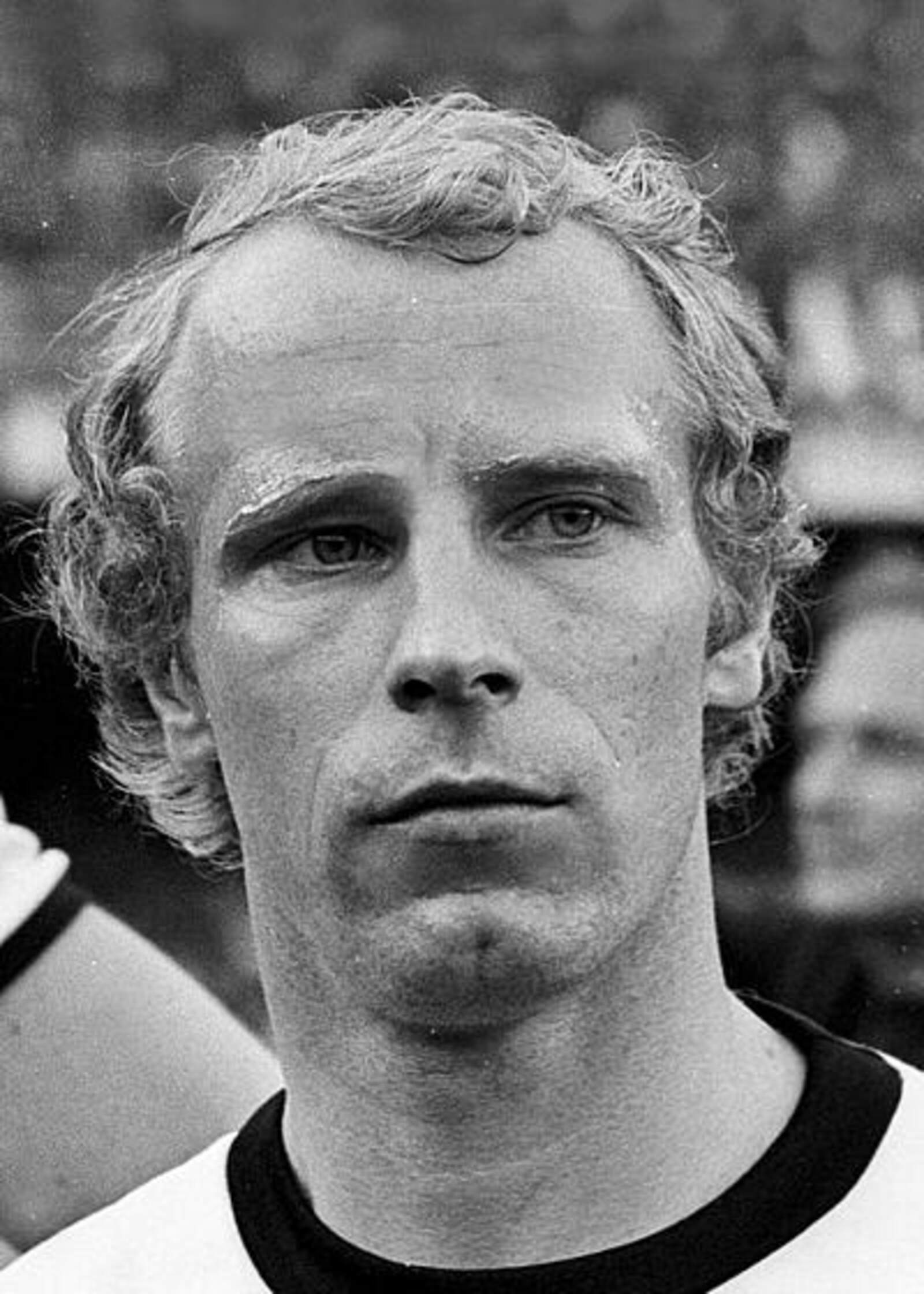
Lothar Matthäus
21 March 1961, Erlangen
, midfield
Club career:
1978–1979 1. FC Herzogenaurach
1979–1984 Borussia Mönchengladbach
1984–1988 FC Bayern Munich
1988–1992 Inter Milan
1992–2000 FC Bayern Munich
2000 NY/NJ Metro Stars
Bundesliga:
464 matches, 121 goals (Bundesliga)
; 115 matches, 40 goals (Serie A, Italy)
; 16 matches (Major League Soccer, USA)
Honours:
German Champion: 1985, 1986, 1987, 1994, 1997, 1999, 2000
DFB Cup winner: 1986, 1998
Italian Champion: 1989
UEFA Cup winner: 1991, 1996
National team:
150 caps, 23 goals
World Champions: 1990
World Cup runners-up: 1982, 1986
European Champions: 1980
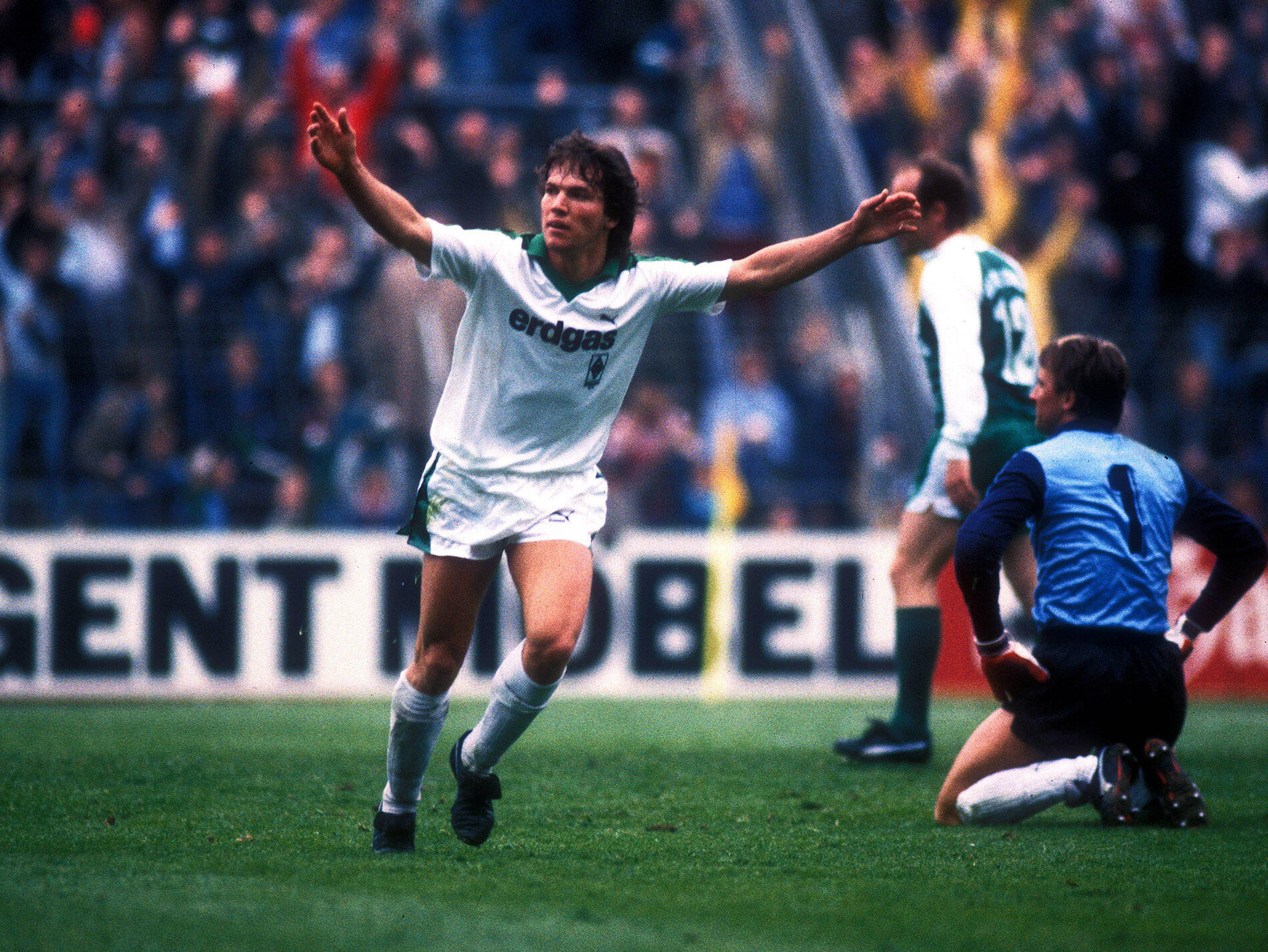
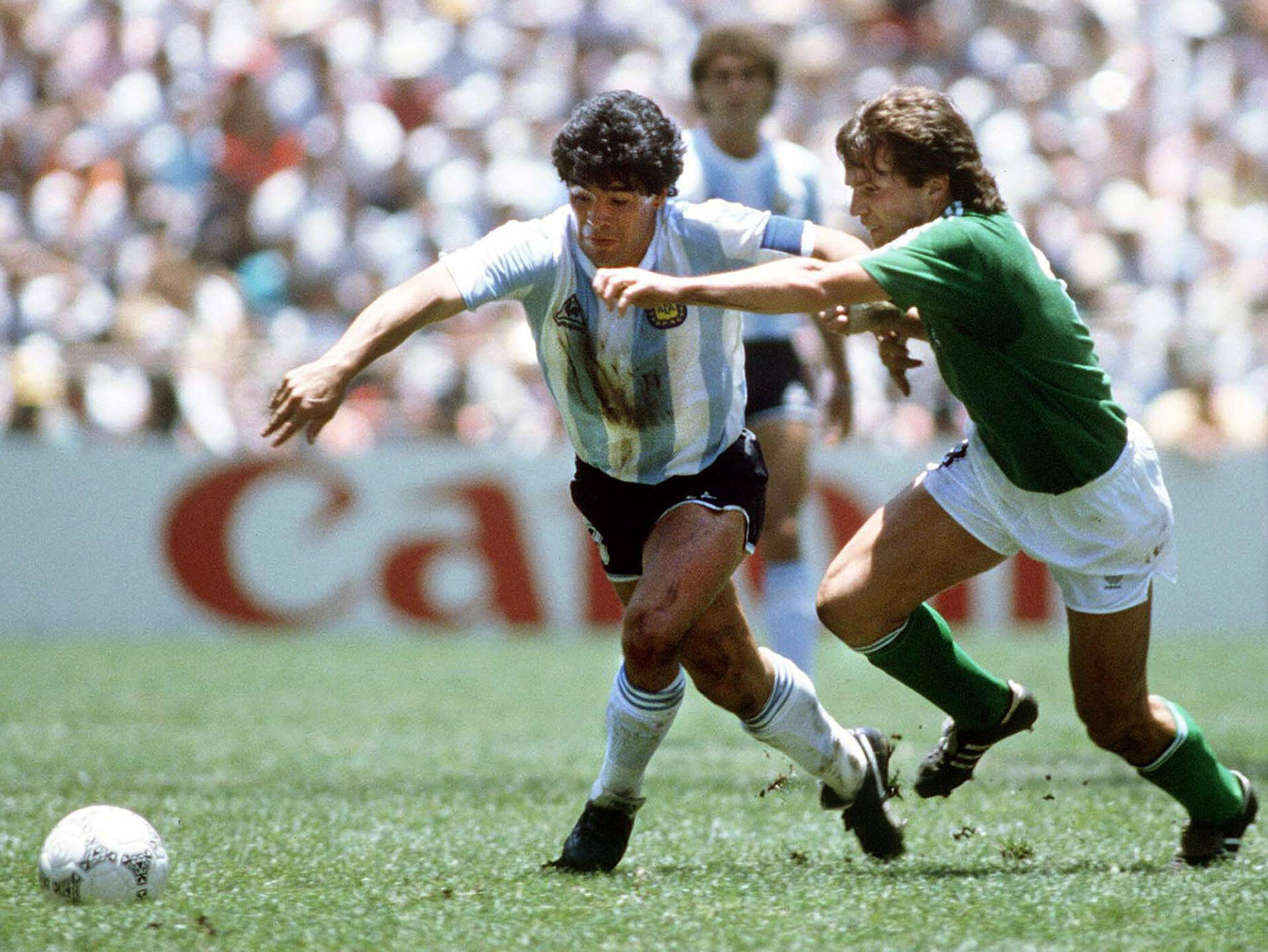

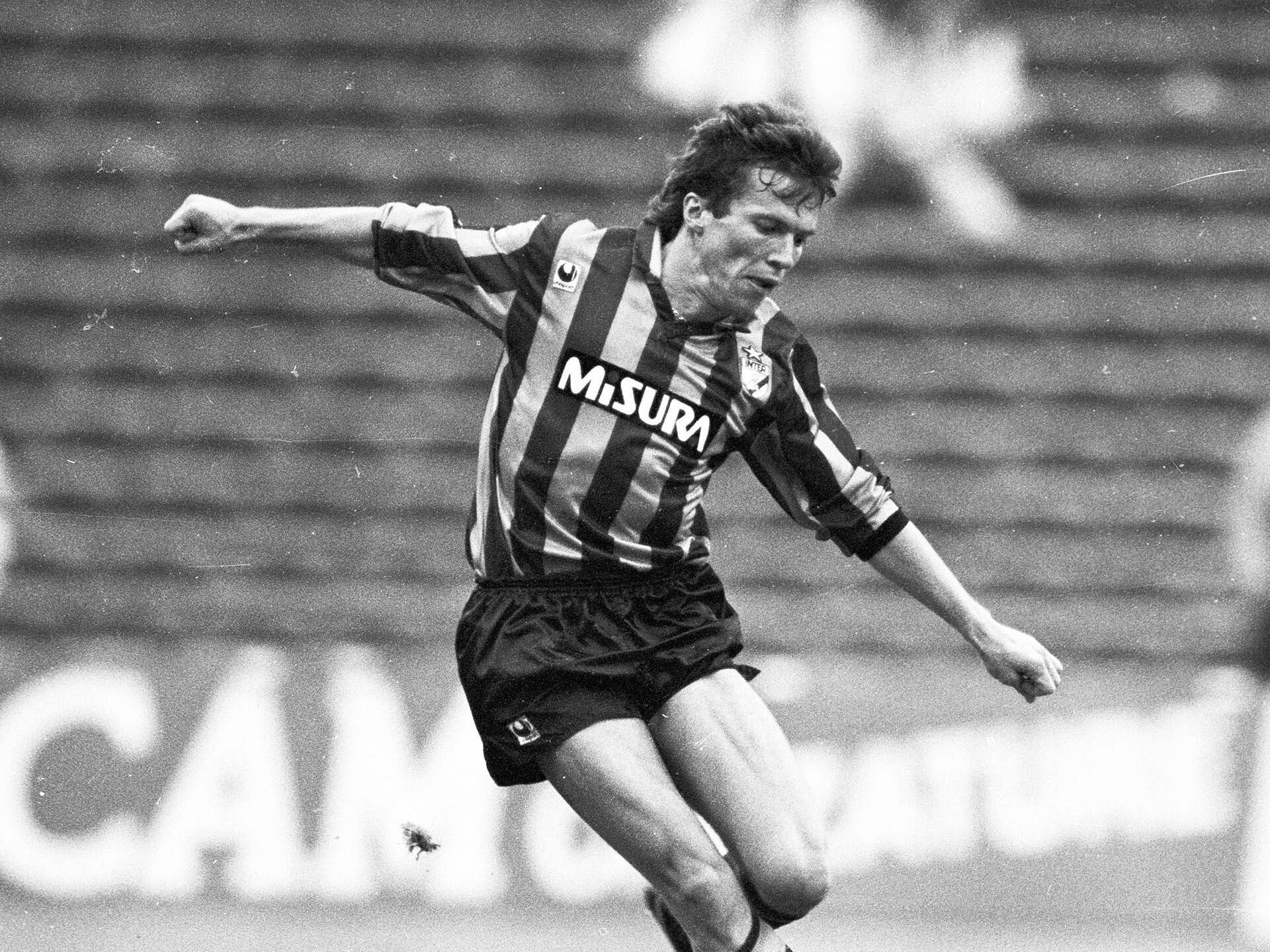

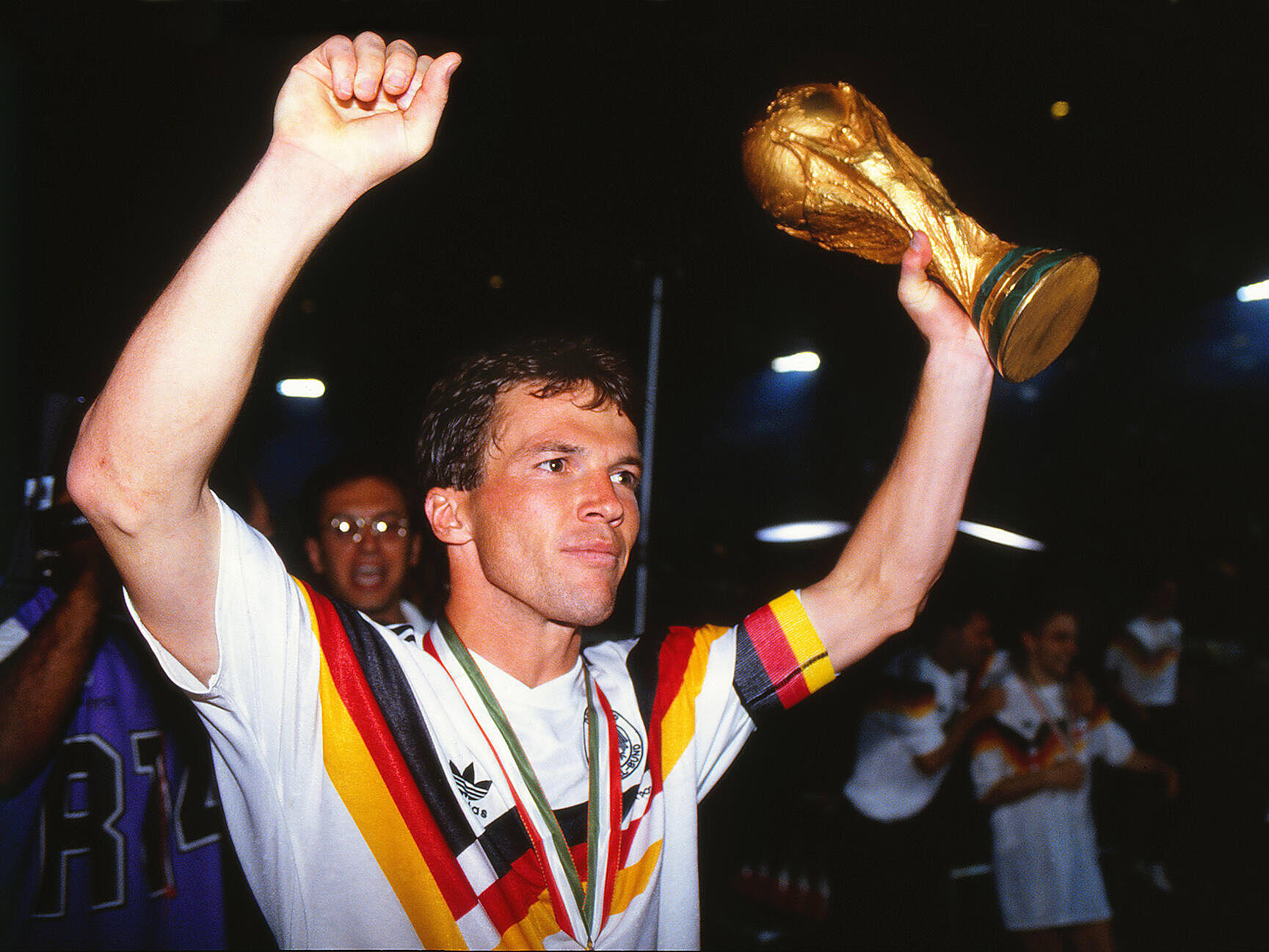

With 150 international caps, Lothar Matthäus is Germany’s record holder for the most international appearances. This already impressive tally deserves even greater respect given that the 1990 World Cup winner had to overcome two long-term injuries: a cruciate ligament tear and a ruptured Achilles tendon. Furthermore, in 1995 he fell out of favour with the then national team manager Berti Vogts, who only recalled him three years later for the 1998 World Cup in France. Matthäus represented his country for a period of 20 years.
He made his debut at the 1980 European Championship in Italy, which ended with the German national team winning the title. Between 1982 and 1998, he took part in five World Cups, making a total of 25 appearances. Only the Argentine Lionel Messi has played one more match. He is the only German to date to have been voted World Footballer of the Year – and he did so twice in a row, in 1990 and 1991. He also received the German Footballer of the Year award twice. When he was voted for the second time in 1999, he was already 38 years old. In 2001, Lothar Matthäus became the fourth player to be named honorary captain of the German national team.
His outstanding qualities culminated in the moment that led to his famous goal in the first 1990 World Cup group match against Yugoslavia: With unrivalled dynamism, Matthäus drove the ball from defence through midfield towards the opposition’s goal, leaving several opponents in his wake thanks to his tremendous pace, and finally took a shot just outside the penalty area. A shot as straight as an arrow, unstoppable for the Yugoslavian goalkeeper. Matthäus’s style of play was straightforward, powerful and fast. Even at an advanced age for a footballer, he was still superior to most opponents in terms of running ability. It was no coincidence that his home club, 1. FC Herzogenaurach, signed him at the age of 57 for one final competitive match. A magnificent career – which had taken him to Borussia Mönchengladbach, Bayern Munich (twice), Inter Milan and the New York MetroStars – came to an end with a 3–0 victory at the very same ground where it had begun 50 years earlier.
The German Football Hall of Fame was established on the initiative of the German Football Museum. In November 2018 and January 2019, leading sports journalists voted for the inaugural men’s and women’s teams. The jury members were asked to nominate their choice of players and managers from German men’s and women’s football. Players who were eligible to play for German national teams and whose playing careers had ended at least five years previously were eligible for nomination. The HALL OF FAME honours the greatest legends of German football in one central location for the first time. It forms part of the permanent exhibition at the German Football Museum in Dortmund. Opened on 1 April 2019, it has become a permanent place of pilgrimage for all football fans. The jury decides annually on further inductees from men’s and women’s football.